
Industry News
Curation by industry experts
Hot Articles
Popular Tags
Green Tech Enterprises Directory Europe: How to Identify Credible Partners in 2026
Green Tech Enterprises Directory Europe: How to Identify Credible Partners in 2026
In 2026, a reliable green tech enterprises directory Europe buyers can trust is no longer just a list. It has become a strategic screening tool for complex procurement decisions.
That shift is easy to understand. Environmental projects now face tighter regulation, faster technology upgrades, and more severe delivery risks across Europe.
For business evaluation teams, the challenge is not finding suppliers. The harder part is identifying which companies are credible, scalable, and technically aligned with project goals.
This matters even more in sectors such as water treatment, solid waste recovery, desalination, flue gas treatment, and nuclear waste management.
A strong green tech enterprises directory Europe decision-makers use should help reduce uncertainty, not add to it. The real value lies in verification, comparison, and market intelligence.
Why a Directory Matters More in 2026
From recent market changes, one signal stands out. Buyers are no longer evaluating equipment in isolation.
They are assessing lifecycle risk, emissions performance, local compliance, digital integration, and resilience under changing policy conditions.
This is especially relevant in Europe, where standards move quickly and documentation quality directly affects procurement confidence.
A credible green tech enterprises directory Europe teams rely on should reveal far more than contact details. It should surface technical depth, certifications, deployment history, and strategic fit.
In practice, directories now function as an early-stage due diligence layer. They help narrow the field before detailed RFQ, audit, and negotiation work begins.
What a Credible Green Tech Partner Looks Like
Not every listed company deserves equal trust. A polished profile can still hide weak engineering, unstable delivery, or thin compliance capability.
When using a green tech enterprises directory Europe sourcing teams should look for a consistent pattern across five areas.
- Verified operating history in the relevant environmental segment.
- Traceable project references with clear performance outcomes.
- Recognized certifications, testing records, and regulatory documentation.
- A defined after-sales, maintenance, or technical support structure.
- Financial and manufacturing signals that suggest continuity.
This also means credibility is cumulative. One good case study is useful, but repeatability across markets carries much more weight.
In high-value infrastructure procurement, trust usually comes from evidence that survives comparison, not from brand language.
How to Screen Companies Inside a Green Tech Enterprises Directory Europe
A practical screening process saves time and prevents weak suppliers from entering late-stage evaluation.
The most effective approach is to move from broad filtering to technical validation.
- Define the use case first. Separate municipal, industrial, hazardous, marine, and energy-related applications.
- Filter by geography and compliance scope. European coverage alone is not enough.
- Check whether the supplier provides measurable outputs, not general promises.
- Review delivery models. Some firms design well but depend heavily on external fabrication.
- Compare service responsiveness, spare parts logic, and upgrade pathways.
This is where a good green tech enterprises directory Europe platform earns its value. It shortens the path from discovery to defensible shortlist.
More importantly, it helps evaluators avoid a common mistake: selecting suppliers that look strong on paper but fail under project-specific constraints.
Sector-Specific Signals That Matter
Different environmental sectors require different credibility tests. A general supplier scorecard is rarely enough.
Water Treatment and ZLD
For water treatment partners, focus on removal efficiency, membrane reliability, energy profile, and sludge handling logic.
In ZLD projects, ask for evidence on scaling control, brine concentration limits, and real operating stability under variable feedwater conditions.
Solid Waste Recovery
Here, recovery yield matters as much as throughput. AI sorting claims should be checked against contamination rates and material purity outputs.
If pyrolysis is involved, review feedstock flexibility, emissions controls, char quality, and maintenance frequency.
Seawater Desalination
For desalination, the key questions are membrane life, pretreatment robustness, recovery rate, and energy optimization.
A green tech enterprises directory Europe users trust should help distinguish firms with actual SWRO depth from companies reselling standard packages.
Flue Gas and Nuclear Waste Systems
In flue gas treatment, catalyst performance, low-temperature behavior, and compliance consistency are central evaluation points.
For nuclear waste systems, supplier credibility depends on quality assurance discipline, material integrity data, and long-term containment logic.
Red Flags Buyers Should Not Ignore
A green tech enterprises directory Europe search becomes far more useful when it also helps rule companies out quickly.
Several warning signs tend to repeat across problematic suppliers.
- No project references tied to comparable scale or compliance conditions.
- Heavy use of generic claims without process data or engineering detail.
- Outdated certifications or unclear ownership of manufacturing assets.
- Weak response quality during technical clarification stages.
- A mismatch between sales promises and documented delivery capacity.
More obvious warning signs are not always the most dangerous. Sometimes the bigger risk is a supplier that looks organized but cannot adapt to project complexity.
That is why screening should test operational maturity, not just presentation quality.
Using Market Intelligence to Improve the Shortlist
Directory data alone is useful, but it becomes much stronger when paired with sector intelligence.
This is where specialized platforms such as ESD stand out. They connect supplier visibility with regulatory movement, technology evolution, and commercial demand patterns.
In practical terms, that means a green tech enterprises directory Europe strategy should include three intelligence layers.
- Policy intelligence, including CBAM impact and regional environmental compliance shifts.
- Technology intelligence, such as membrane performance, catalyst behavior, or vitrification stability.
- Commercial intelligence, including procurement cycles, infrastructure funding, and demand surges.
This broader view helps evaluators separate companies that are merely present in the market from those that are structurally positioned to deliver.
It also improves timing. In some cases, the best supplier choice depends on future readiness, not current visibility.
A Practical Evaluation Framework for 2026
To make a green tech enterprises directory Europe review more actionable, use a weighted framework rather than a simple pass or fail model.
This framework works well because it mirrors how real project risk appears. Problems rarely come from a single weak point.
They usually emerge from gaps between technology, compliance, delivery, and support.
Final Decision: From Directory Search to Confident Selection
By 2026, the best green tech enterprises directory Europe professionals use is not the biggest one. It is the one that helps them make better decisions, faster.
A credible directory should support comparison, expose risk, and connect supplier data with technical and regulatory context.
For high-stakes environmental procurement, that difference is substantial. It shapes shortlist quality, negotiation leverage, and long-term project performance.
The most reliable process is straightforward. Start with a structured green tech enterprises directory Europe review, then validate with sector intelligence, then pressure-test each finalist against actual operating demands.
That approach is more disciplined, but it is also more practical. In a market shaped by compliance pressure and technical complexity, credible partners rarely reveal themselves by listing presence alone.
Recommended News
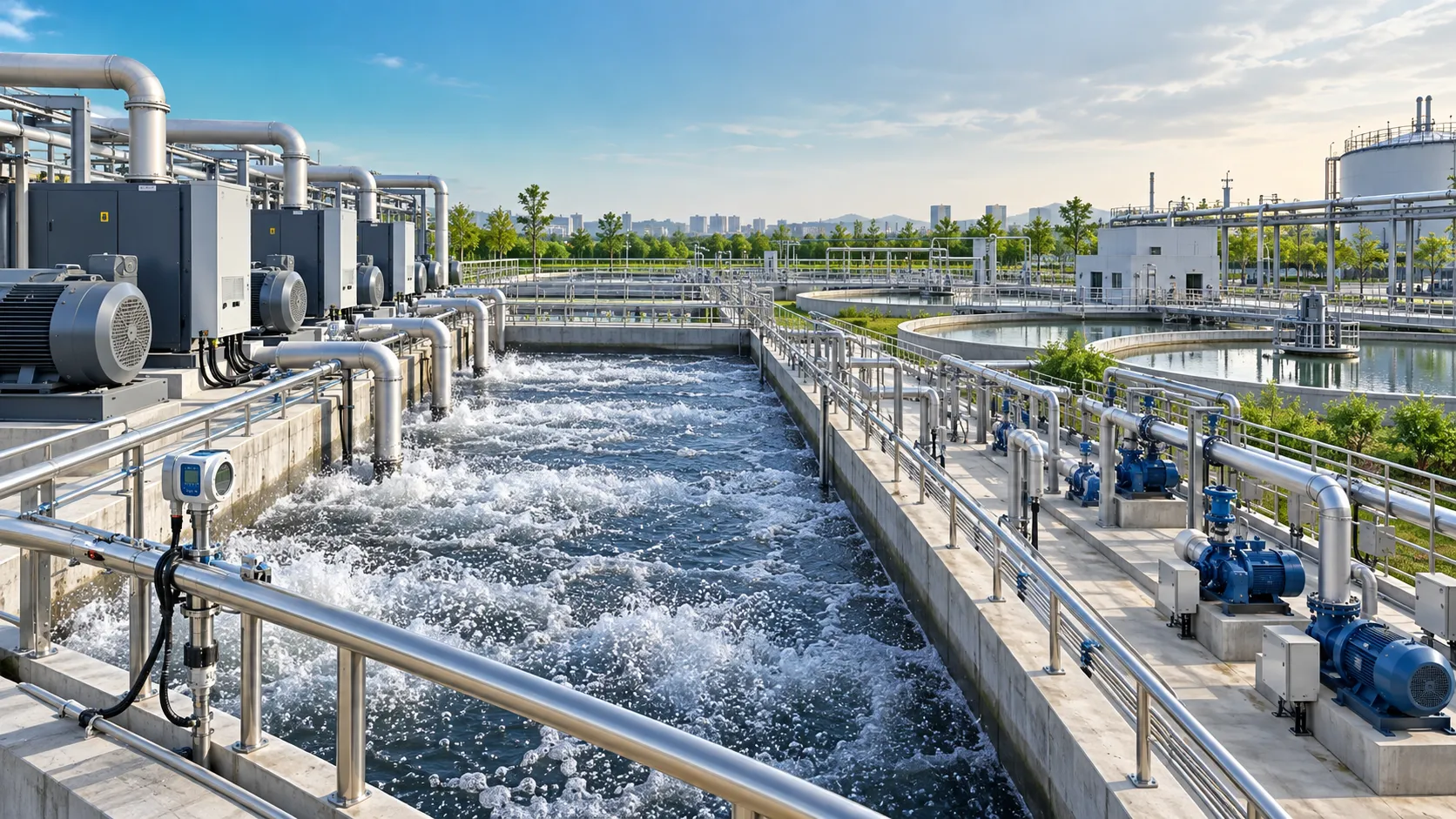
When does environmental equipment intelligence reduce wastewater plant energy use?
Environmental equipment intelligence for wastewater plants cuts energy use through smarter aeration, pumping, and data-driven controls—without compromising compliance. Discover when it delivers measurable savings.
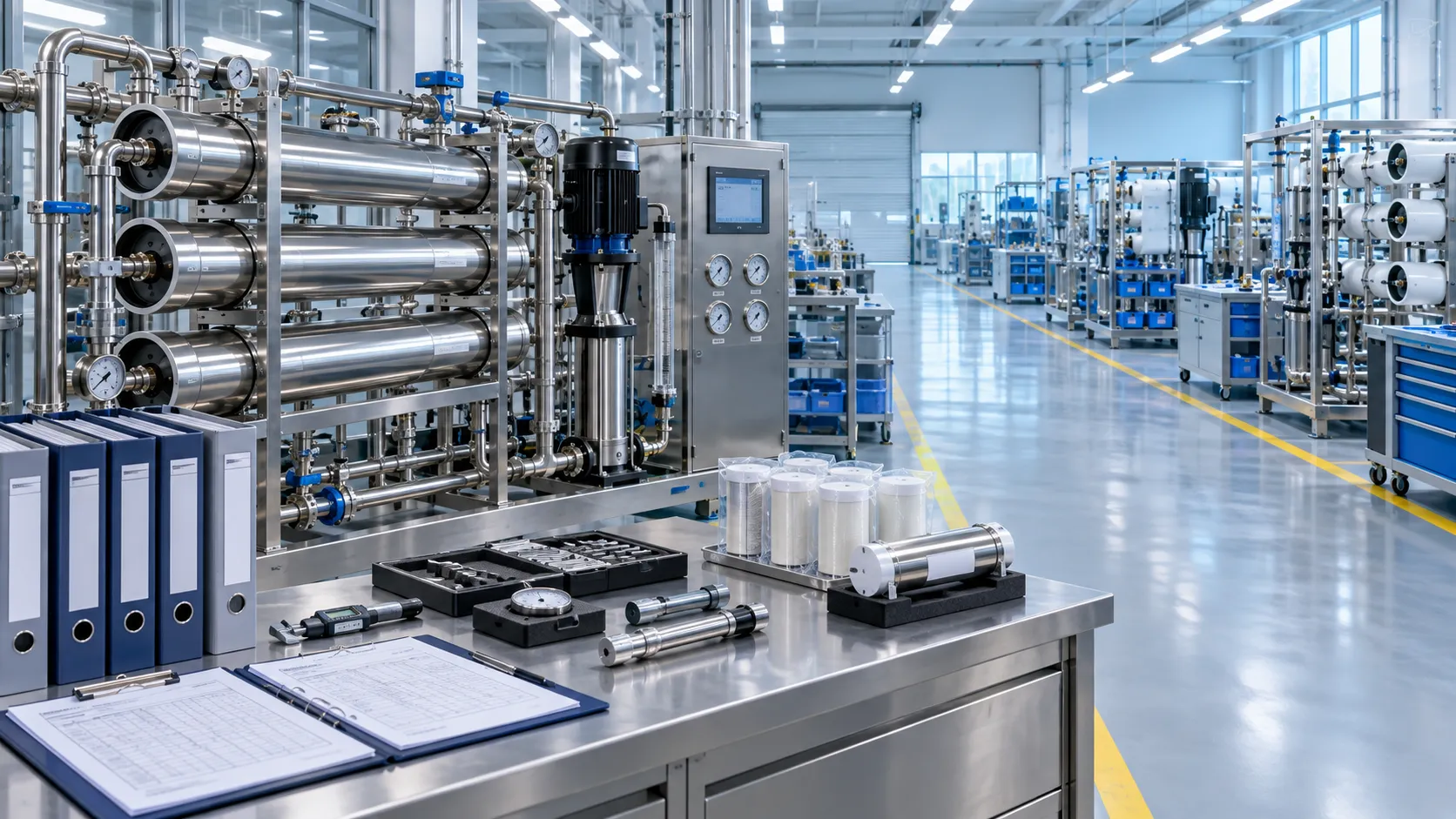
Which supplier evaluation support tools improve audit consistency?
Supplier evaluation support tools improve audit consistency with controlled checklists, evidence capture, risk scoring, CAPA workflows, and traceable approvals. Explore the essentials.
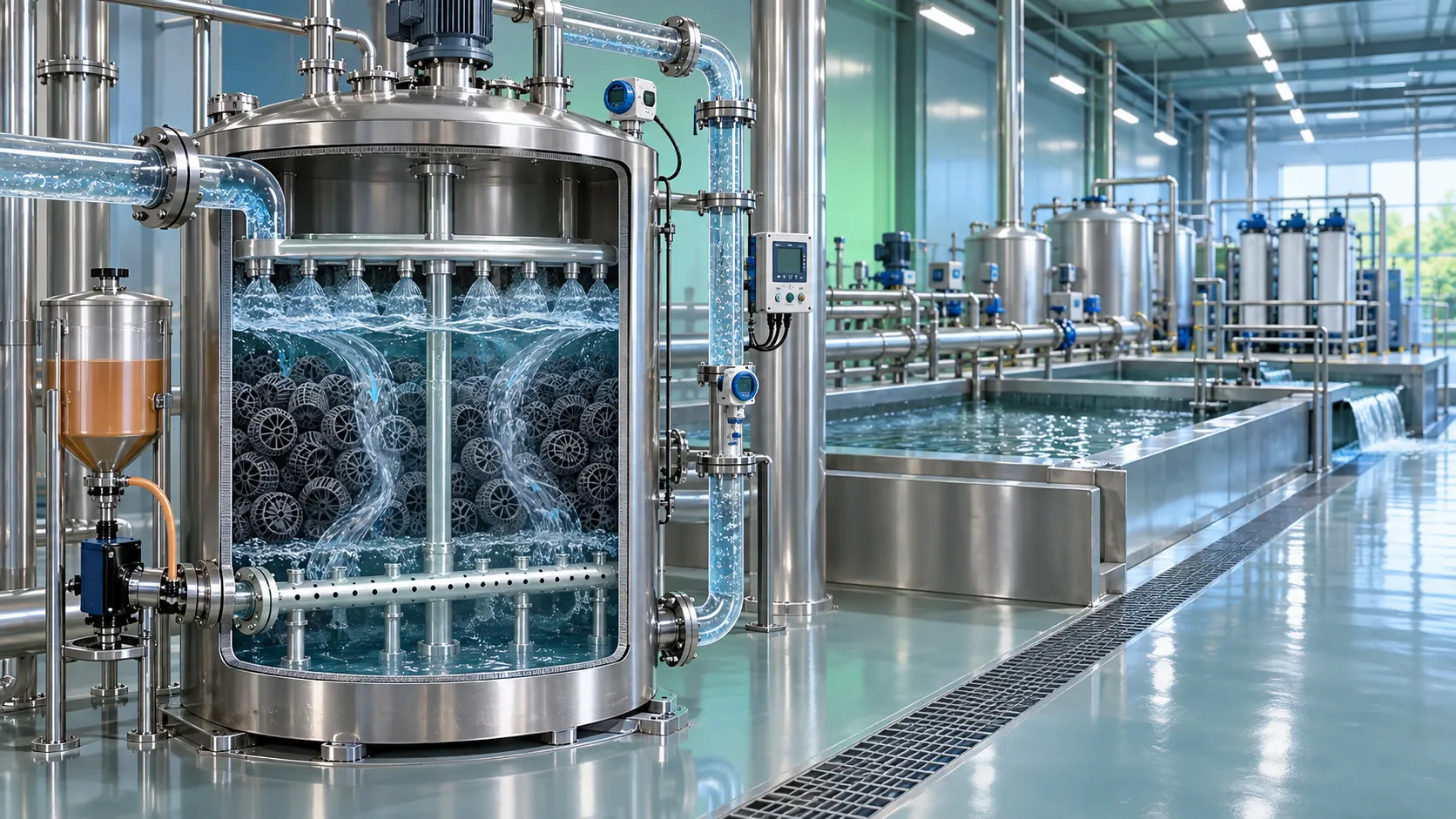
How reactor retention time affects denitrification equipment performance
Denitrification equipment reactor performance depends on retention time, carbon, mixing, and load control. Explore practical insights for reliable nitrogen removal.
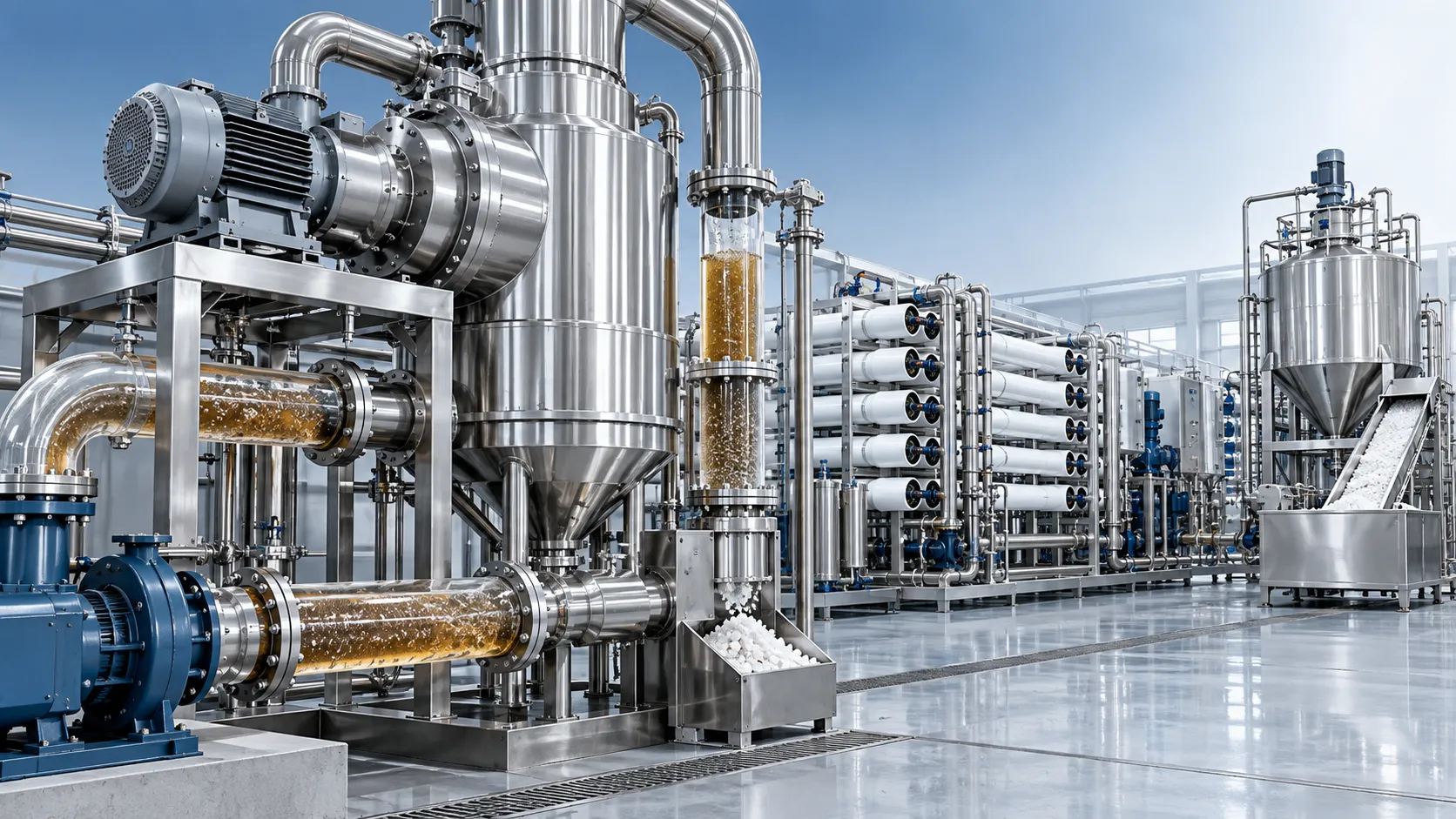
How feed salinity affects energy use in ZLD system brine treatment
ZLD system brine treatment: discover how feed salinity drives energy use, scaling risk, and technology choices for efficient, reliable zero liquid discharge.

How coastal cities can select desalination solutions for peak demand
Seawater desalination solutions for coastal cities: compare firm peak capacity, intake risk, energy resilience, and lifecycle value to secure reliable water supply.
How SCR denitrification systems in Europe meet Industrial Emissions rules
SCR denitrification systems Europe: learn how permit-led design, ammonia-slip control, catalyst management and monitoring support Industrial Emissions compliance.
When does MBR equipment make sense for wastewater reuse?
Water treatment equipment for wastewater reuse: learn when MBR delivers compact, reliable low-solids effluent—and when alternative treatment trains offer better value.

How North America shapes global environmental governance standards
Global environmental governance North America: discover how regulation, finance, and procurement raise worldwide standards and reshape environmental projects.
How reactor capacity affects throughput in pyrolysis systems
Pyrolysis systems reactor capacity explained: learn how heat transfer, residence time, feed quality, and emissions controls determine reliable throughput.