
Industry News
Curation by industry experts
Hot Articles
Popular Tags
Wastewater Purification Operating Cost: What Drives Energy, Chemical, and Sludge Expenses
Wastewater purification operating cost has moved far beyond a routine utility concern. In large treatment systems, it influences project payback, tariff pressure, compliance stability, and even financing confidence. When discharge limits tighten or influent quality shifts, energy demand, chemical consumption, and sludge volumes can change faster than many budgets expect.
That is why this topic matters across municipal networks, industrial clusters, desalination-linked reuse projects, and high-load recovery systems. For an intelligence platform like ESD, which tracks extreme purification, closed-loop recovery, and environmental compliance, operating cost is where engineering choices become financial reality.
What wastewater purification operating cost really includes
In practice, wastewater purification operating cost is not one number. It is a moving cost structure built from power, reagents, labor, maintenance, sludge treatment, spare parts, monitoring, and disposal obligations.
Still, three cost blocks usually drive most financial variation. These are energy, chemicals, and sludge. They are tightly connected, so reducing one line can raise another.
A cheaper dosing strategy may increase sludge production. A lower-energy biological step may need more footprint and tighter process control. A high-recovery membrane setup may save water but raise fouling risk and cleaning frequency.
Why the cost profile is under closer scrutiny
Several industry shifts are making wastewater purification operating cost more visible in investment decisions. Electricity prices remain volatile in many regions. Chemical supply chains are less predictable than before. Disposal routes for sludge are becoming more regulated and more expensive.
At the same time, discharge permits are becoming stricter. Water reuse targets are expanding. Carbon accounting is entering more procurement and financing processes. Under these conditions, a plant that appears affordable on paper can become expensive once real operating loads arrive.
This is especially relevant in sectors ESD follows closely, from large water treatment plants to seawater desalination and resource recovery systems. The technical frontier is moving toward higher reliability, lower emissions, and smarter process integration. That usually raises the importance of cost transparency, not lessens it.
Energy expense starts with process design, not just electricity tariffs
Energy is often the first line item reviewed, but the tariff alone does not explain enough. The larger question is how the plant uses energy across pumping, aeration, mixing, recirculation, thickening, dewatering, and advanced polishing.
Aeration remains a dominant cost center
For biological treatment, aeration can consume the largest share of total electricity. The actual burden depends on oxygen transfer efficiency, diffuser condition, blower control, basin loading, and nutrient removal targets.
Plants with aging blowers or weak automation often pay for excess air every hour. That is invisible in a simplified budget model, but very visible in annual operating cost.
Pressure-driven systems have a different pattern
Membrane bioreactors, nanofiltration, reverse osmosis, and ZLD-related steps shift the cost profile. Here, pumping pressure, crossflow design, membrane fouling, recovery ratio, and cleaning intervals strongly shape energy demand.
In high-salinity or high-concentration wastewater, each incremental gain in recovery can come with disproportionate power use. That tradeoff should be tested against water value, brine management cost, and compliance risk.
Peak load matters more than many models assume
A plant may look efficient at average flow, yet become costly during peak hydraulic or pollutant load. Oversized recirculation, emergency aeration, and unstable equalization can lift the effective wastewater purification operating cost well above design assumptions.
Chemical cost depends on water variability as much as dosage price
Chemical expenses are rarely stable for long. Coagulants, flocculants, pH adjusters, antiscalants, oxidants, reductants, carbon sources, and cleaning agents all respond to changing feed conditions.
A plant receiving mixed industrial wastewater often sees greater volatility than a municipal system. Sudden changes in COD, salinity, hardness, oils, metals, or toxic compounds can force rapid dosing adjustments.
The hidden driver is process compatibility
Chemical programs fail financially when they are selected in isolation. A coagulant that improves clarification may worsen downstream sludge dewatering. An aggressive cleaning regime may extend membrane flux temporarily while shortening membrane life.
That is why wastewater purification operating cost should be assessed as a chain reaction. Unit-by-unit optimization can distort total plant economics.
Compliance margins also have a price
Facilities facing strict phosphorus, nitrogen, metals, or color limits often dose conservatively to protect permit performance. This can be rational, especially where non-compliance penalties or production interruptions are severe.
The financial question is not whether chemicals are expensive. It is whether the dosing strategy is the least-cost path to stable compliance over time.
Sludge is often the most underestimated expense
Many investment discussions still treat sludge as a downstream detail. In reality, sludge can absorb a major share of wastewater purification operating cost through thickening, conditioning, dewatering, transport, disposal, and regulatory handling.
The cost burden grows when treatment relies heavily on chemical precipitation, when influent carries metals, or when disposal outlets are limited. Moisture content, calorific value, contamination profile, and local landfill or incineration rules all matter.
Sludge quality is a business variable
Two plants producing similar sludge volumes can face very different bills. One may secure beneficial use or energy recovery. Another may pay premium rates because contaminants restrict routing options.
This is where ESD’s wider view of resource recovery becomes useful. Sludge should not be judged only by disposal cost. In some systems, it intersects with circular economy value, thermal recovery, and carbon strategy.
Typical cost drivers by treatment scenario
The same keyword can describe very different realities. A municipal nutrient-removal plant and a high-TDS industrial reuse facility do not carry the same wastewater purification operating cost logic.
The table is a reminder that operating cost should always be tied to process context. Benchmarking without scenario adjustment can mislead capital approval.
How to read cost proposals more accurately
A vendor estimate may present a clean number for wastewater purification operating cost, but the assumptions behind it are what matter. Several checks are worth making before any comparison is treated as reliable.
- Check whether influent data reflects seasonal and upset conditions, not only average values.
- Separate guaranteed discharge quality from assumed operator intervention.
- Review sludge quantity and disposal route as carefully as energy consumption.
- Test chemical cost against realistic local procurement and transport conditions.
- Ask how membrane fouling, blower efficiency decline, or reagent quality swings were modeled.
- Look for sensitivity analysis, not just a single operating cost point.
This is also where high-end intelligence sources add value. ESD’s approach, linking purification parameters with compliance and commercial signals, is useful because cost is rarely determined by equipment nameplate alone.
A better way to compare options
The strongest decisions usually compare wastewater purification operating cost across a wider decision frame. That frame should include reliability, permit resilience, water recovery value, carbon exposure, and future retrofit pressure.
A system with slightly higher current operating cost may still be financially superior if it avoids compliance shocks, reduces freshwater dependence, or protects expansion capacity. The reverse is also true. A low quoted cost can hide fragile assumptions.
The next step is practical: map the plant’s largest energy loads, identify chemistry tied to variable influent, and quantify sludge cost under actual disposal pathways. From there, compare technologies using scenario-based operating models rather than headline numbers alone.
That approach produces a more defensible view of wastewater purification operating cost, and a clearer basis for capital decisions that need to hold up over years, not just at approval stage.
Recommended News
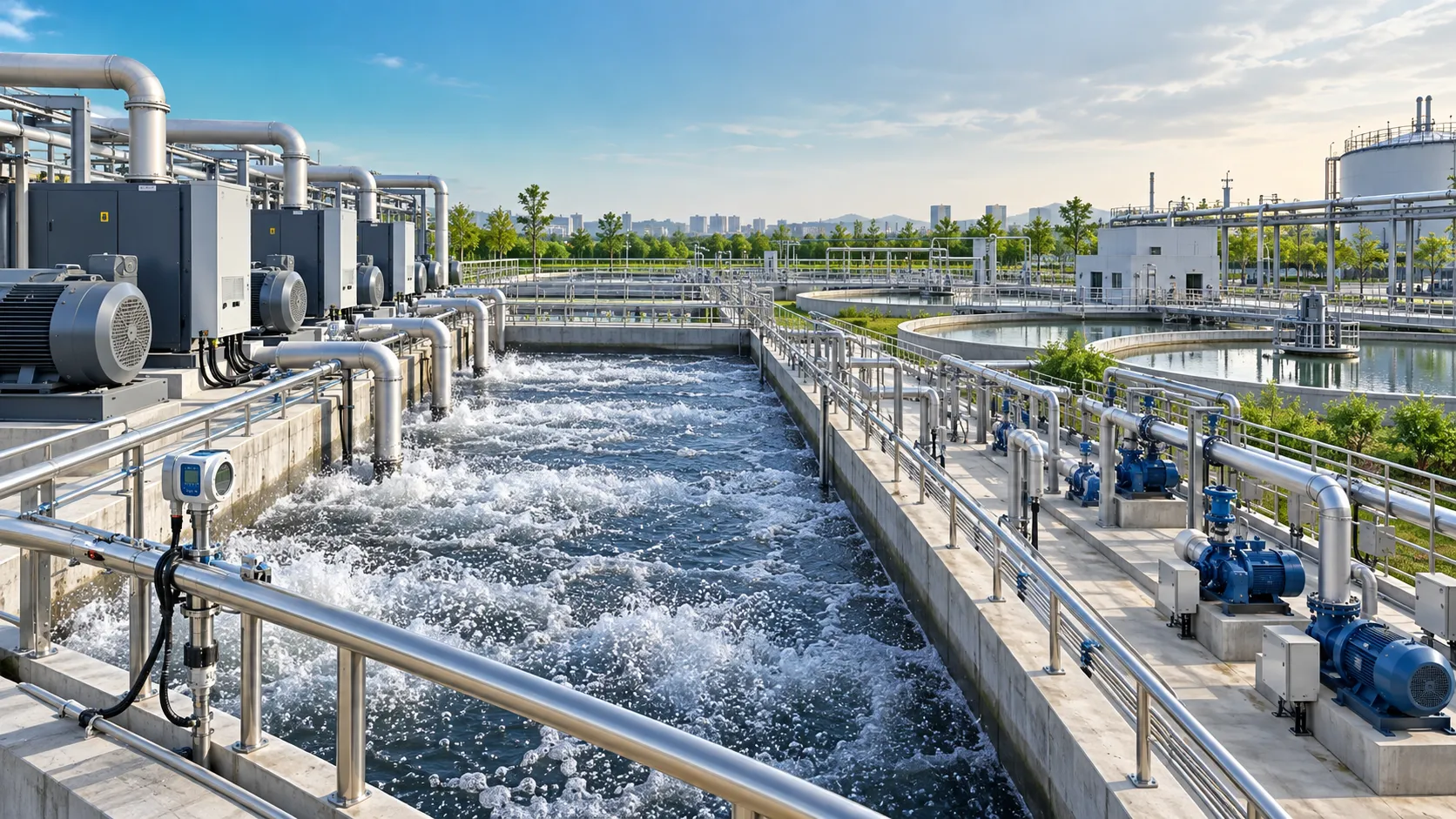
When does environmental equipment intelligence reduce wastewater plant energy use?
Environmental equipment intelligence for wastewater plants cuts energy use through smarter aeration, pumping, and data-driven controls—without compromising compliance. Discover when it delivers measurable savings.
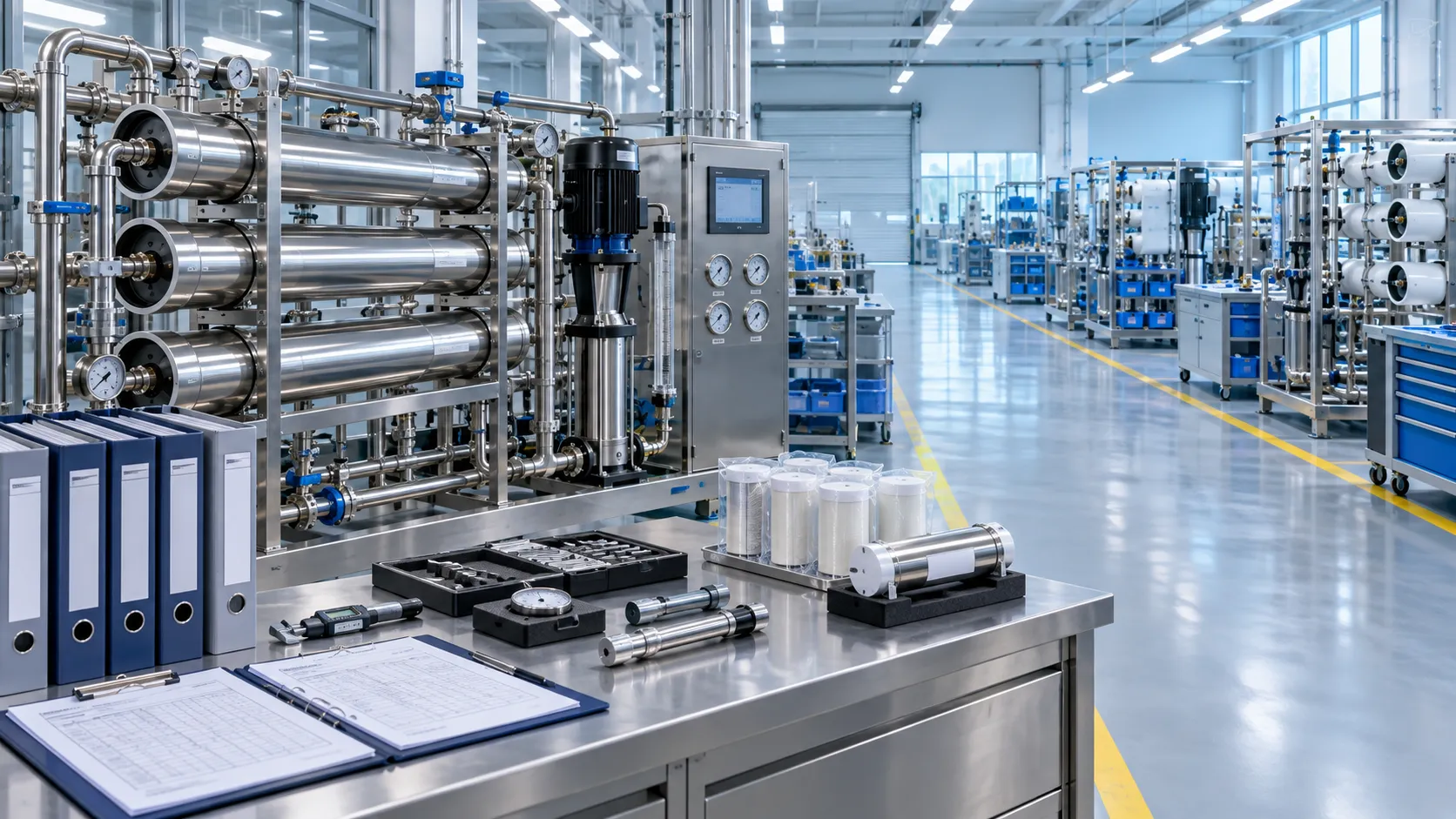
Which supplier evaluation support tools improve audit consistency?
Supplier evaluation support tools improve audit consistency with controlled checklists, evidence capture, risk scoring, CAPA workflows, and traceable approvals. Explore the essentials.
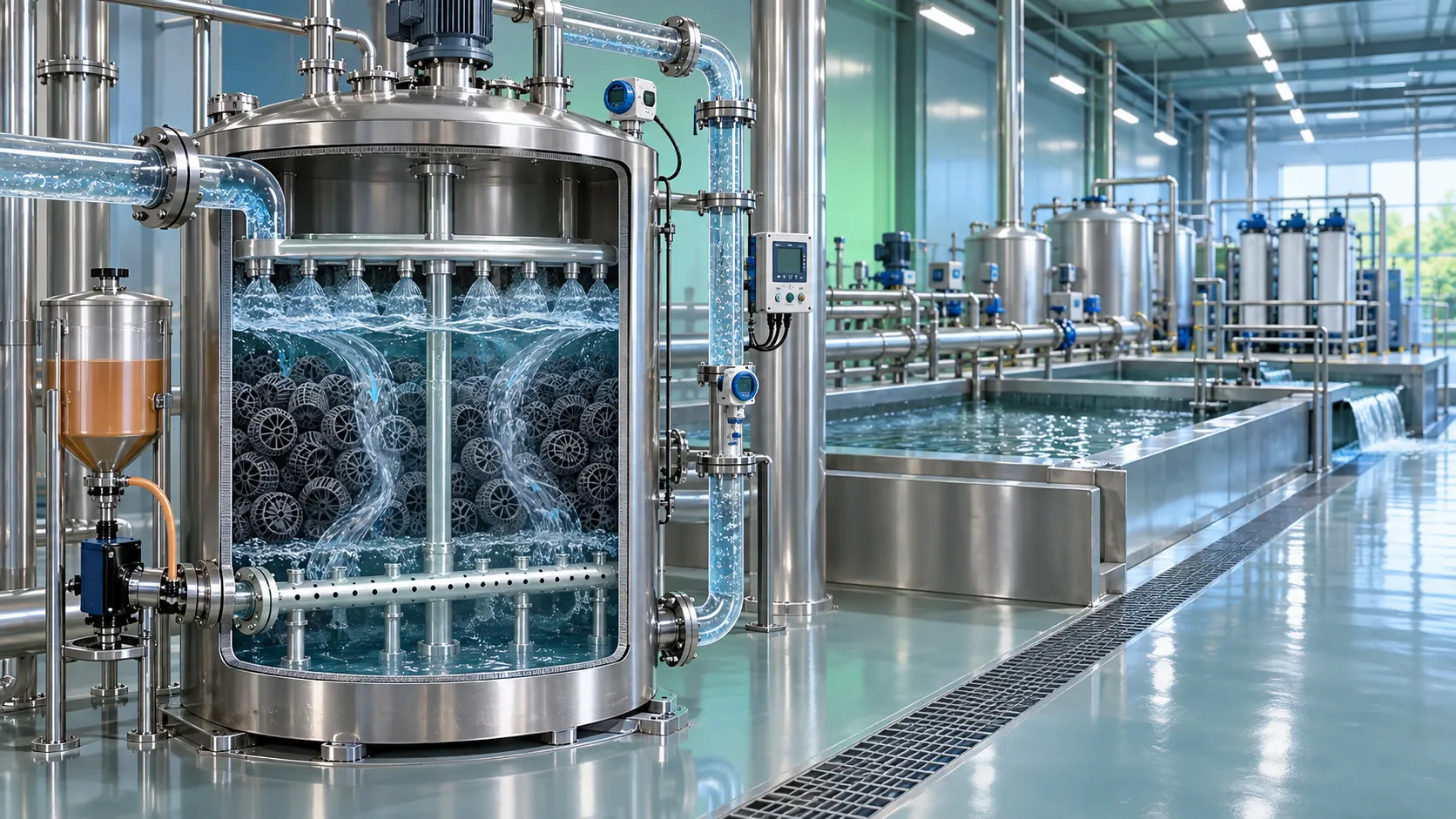
How reactor retention time affects denitrification equipment performance
Denitrification equipment reactor performance depends on retention time, carbon, mixing, and load control. Explore practical insights for reliable nitrogen removal.
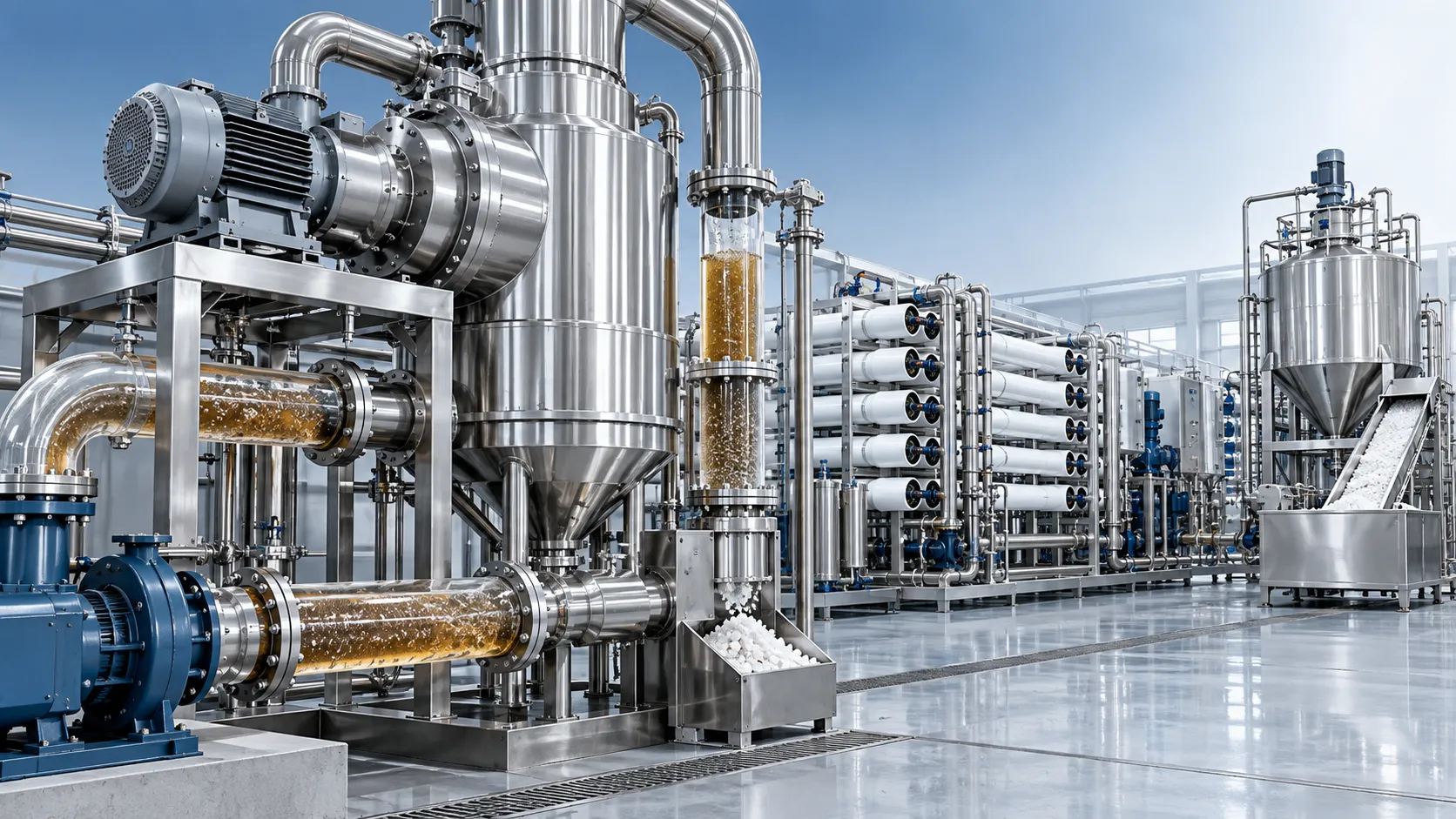
How feed salinity affects energy use in ZLD system brine treatment
ZLD system brine treatment: discover how feed salinity drives energy use, scaling risk, and technology choices for efficient, reliable zero liquid discharge.
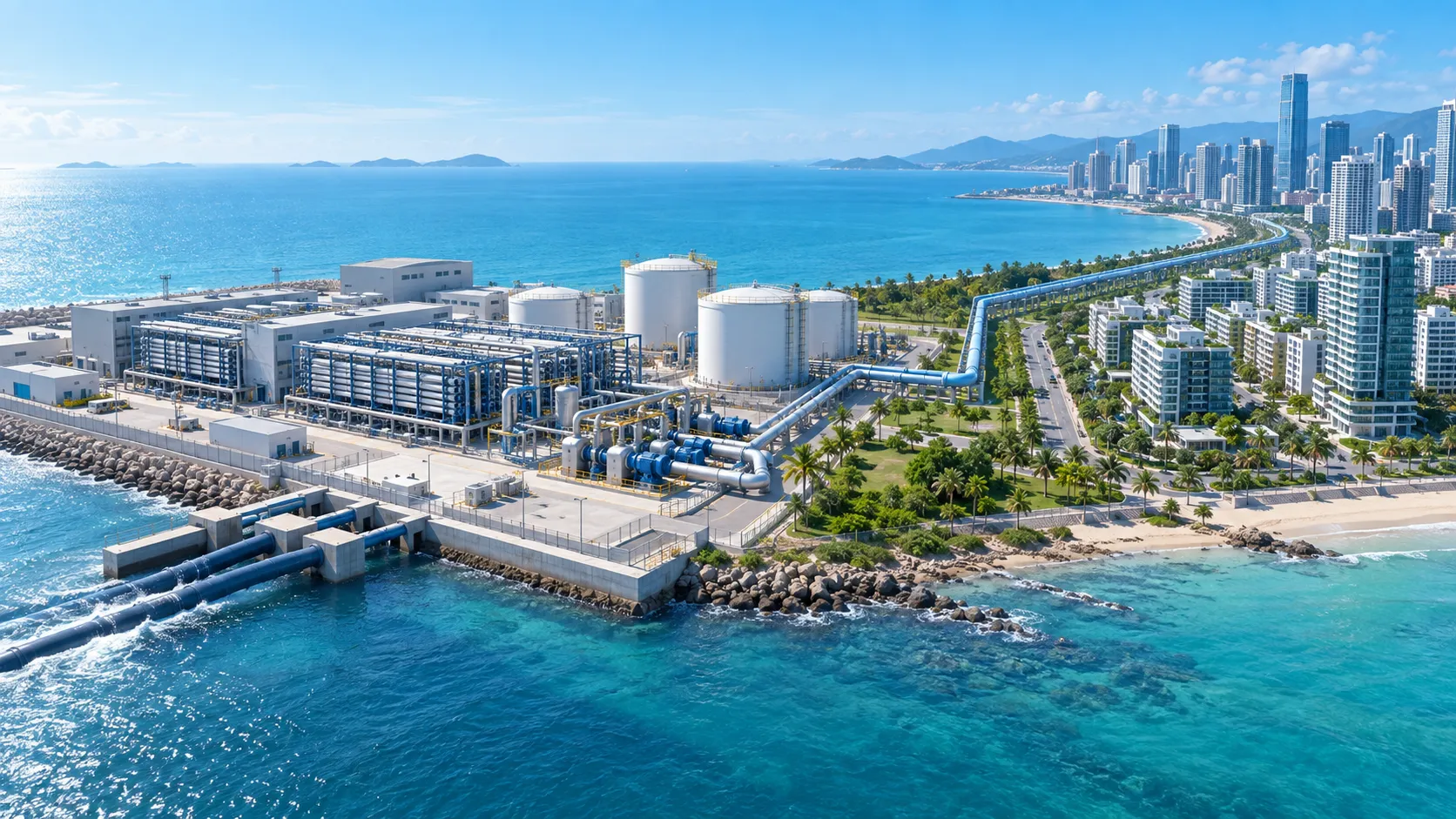
How coastal cities can select desalination solutions for peak demand
Seawater desalination solutions for coastal cities: compare firm peak capacity, intake risk, energy resilience, and lifecycle value to secure reliable water supply.
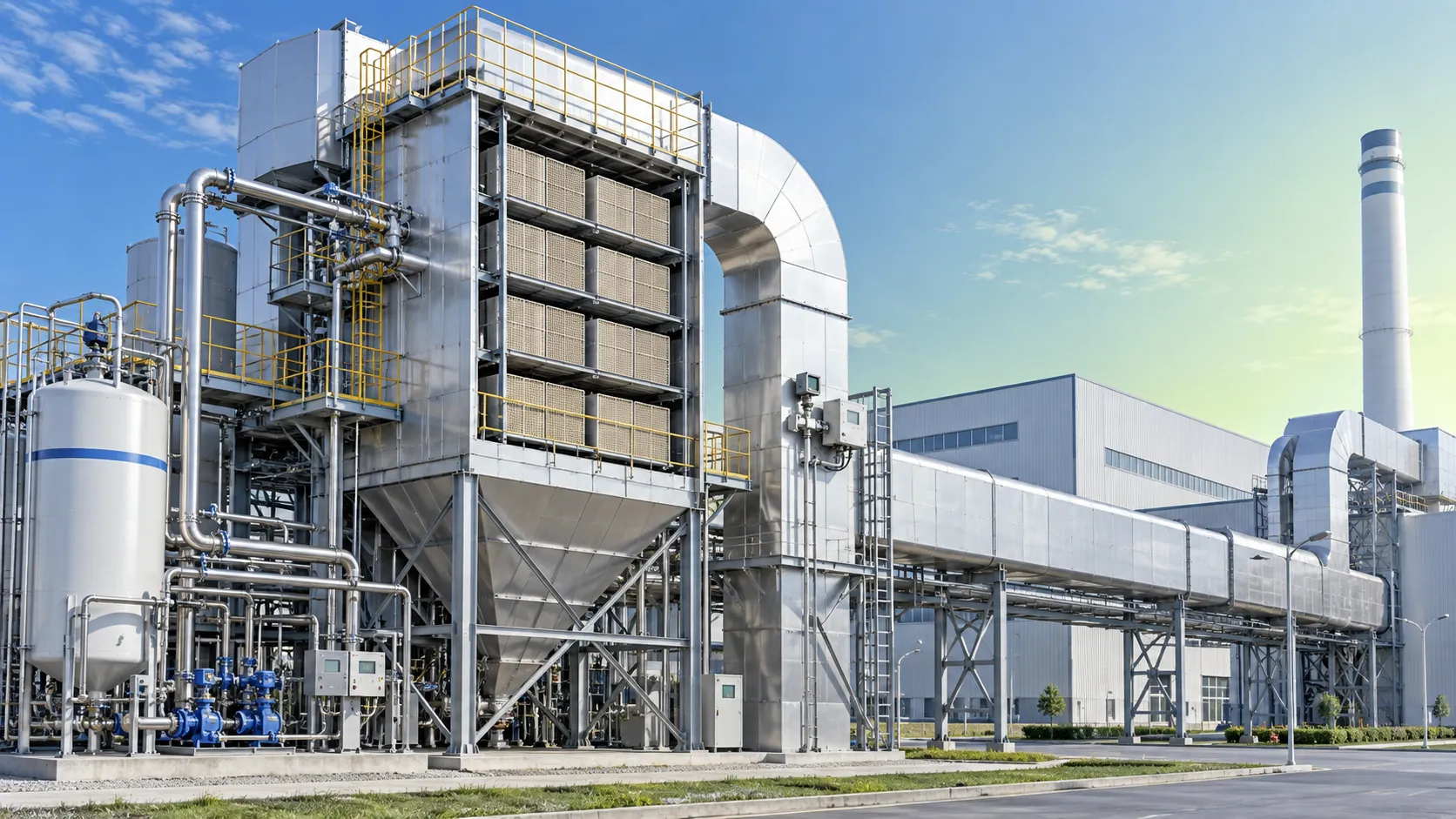
How SCR denitrification systems in Europe meet Industrial Emissions rules
SCR denitrification systems Europe: learn how permit-led design, ammonia-slip control, catalyst management and monitoring support Industrial Emissions compliance.
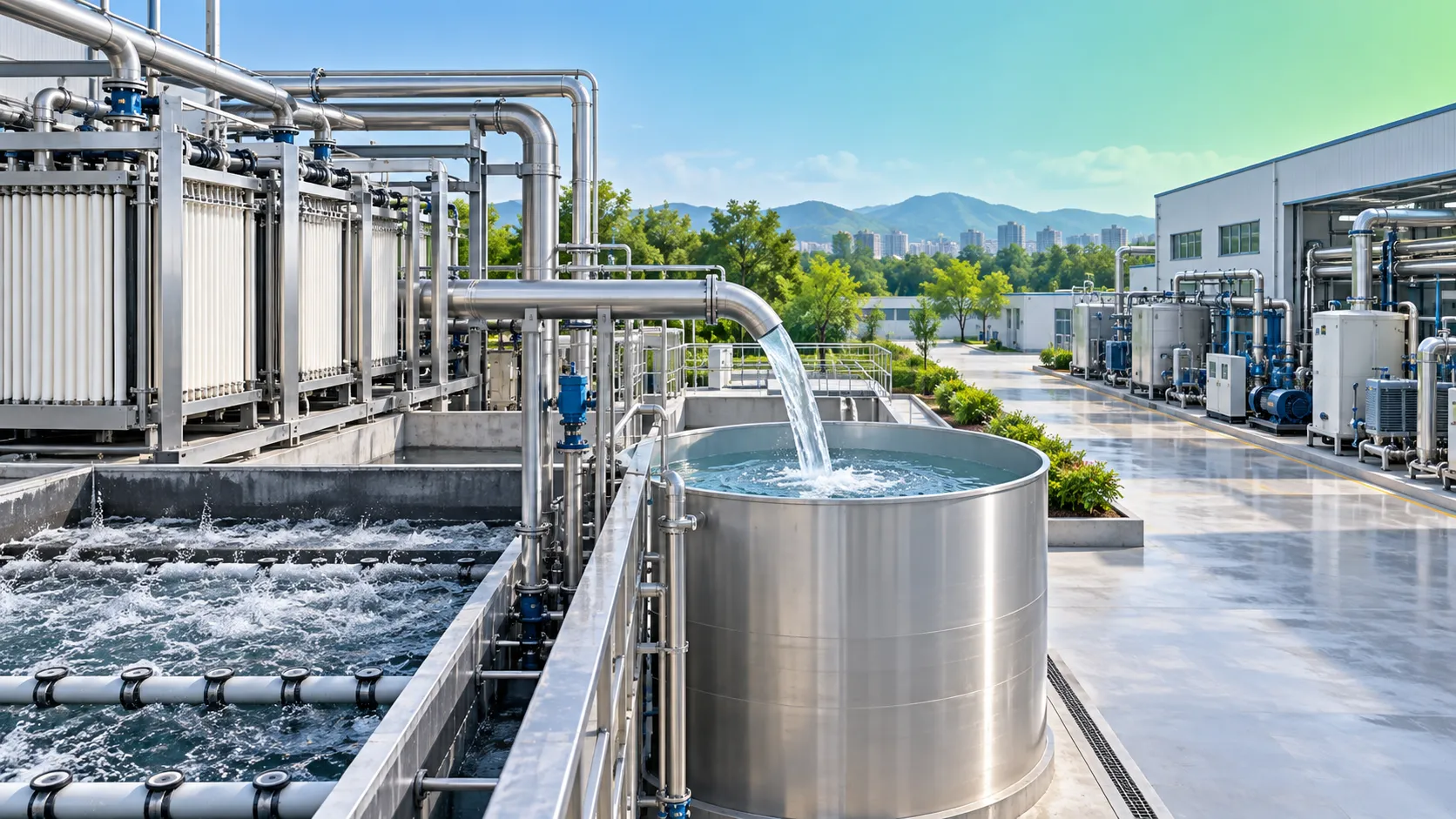
When does MBR equipment make sense for wastewater reuse?
Water treatment equipment for wastewater reuse: learn when MBR delivers compact, reliable low-solids effluent—and when alternative treatment trains offer better value.

How North America shapes global environmental governance standards
Global environmental governance North America: discover how regulation, finance, and procurement raise worldwide standards and reshape environmental projects.
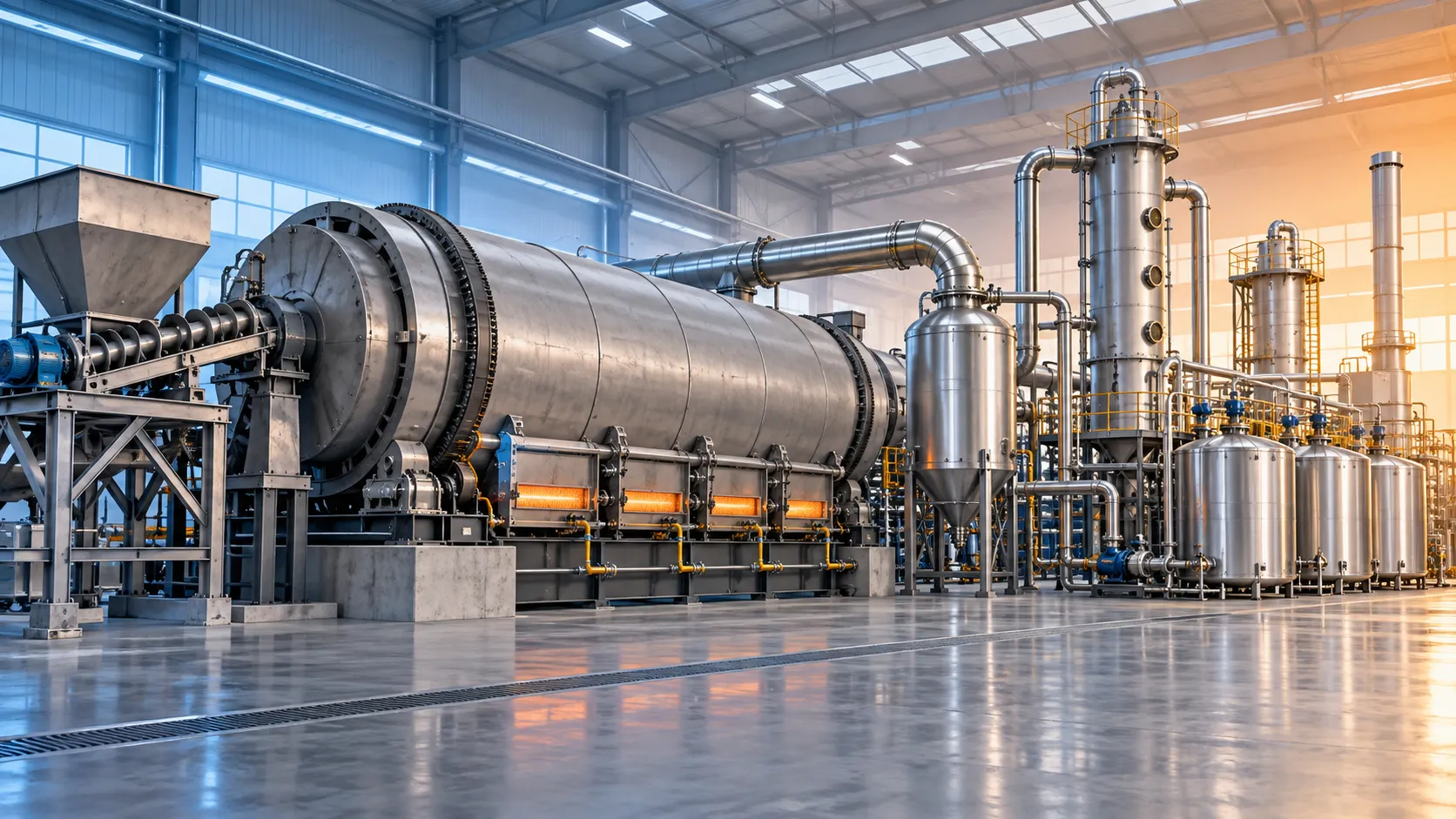
How reactor capacity affects throughput in pyrolysis systems
Pyrolysis systems reactor capacity explained: learn how heat transfer, residence time, feed quality, and emissions controls determine reliable throughput.