
Industry News
Curation by industry experts
Hot Articles
Popular Tags
Desalination Systems Design: Key Trade-Offs Between CAPEX, Energy Use, and Water Quality
In desalination systems design, the central question is rarely about selecting the most sophisticated process on paper. It is about balancing capital cost, energy intensity, and finished water quality under site-specific limits, regulatory pressure, and long operating horizons.
That balance matters more now because seawater desalination is moving from strategic backup supply to core infrastructure. As climate stress, industrial growth, and water security targets converge, design choices increasingly shape financing risk, compliance resilience, and long-term operating stability.
Within broader ecological engineering, desalination no longer sits in isolation. It connects to power availability, brine management, carbon exposure, pretreatment reliability, and downstream reuse strategy, which is why it remains a high-value focus in ESD intelligence analysis.
What desalination systems design really includes
At a practical level, desalination systems design covers far more than membrane selection. It includes intake configuration, pretreatment train, primary desalination technology, energy recovery, remineralization, disinfection, brine discharge, controls, and maintenance access.
For most large projects, reverse osmosis remains the dominant route because it offers a workable balance between scale, energy use, and water quality control. Yet even within SWRO, small design changes can produce large differences in lifecycle performance.
Thermal processes still matter in specific contexts, especially where waste heat, extreme feedwater conditions, or integrated industrial utility systems change the economics. So the right design is not universal. It is contextual and constraint-driven.
Why the CAPEX, energy, and water quality trade-off is difficult
The three main design objectives pull in different directions. Lower CAPEX often means a leaner pretreatment scheme, fewer redundancies, simpler controls, or lower-grade materials. That can reduce initial spending but increase fouling risk, downtime, and future retrofit costs.
Lower energy use usually requires higher recovery efficiency, stronger energy recovery devices, optimized hydraulics, and tighter operating windows. Those measures can improve operating economics, but they may raise upfront complexity and reduce tolerance to variable feedwater quality.
Higher water quality is also not free. More stringent boron removal, lower TDS targets, better microbiological control, or water tailored for semiconductor, power, or hydrogen applications typically adds stages, chemicals, polishing units, and monitoring requirements.
This is why desalination systems design should be evaluated as a full operating system, not a single equipment purchase. The wrong optimization target at bidding stage often reappears later as energy drift, unstable permeate quality, or escalating membrane replacement cycles.
Where CAPEX decisions create hidden operating consequences
Early cost pressure often shows up in the intake and pretreatment sections. Open intakes can reduce construction cost in some locations, but they may bring higher suspended solids, algae exposure, and seasonal biological swings.
Beach wells or subsurface intakes may improve feedwater stability and reduce pretreatment intensity. However, they are site-dependent, sometimes difficult to permit, and not always feasible at the required capacity.
Pretreatment is another common trade-off area. Conventional media filtration may look economical at first, while ultrafiltration can appear more capital intensive. In practice, the preferred route depends on feedwater variability, fouling history, cleaning frequency, and required membrane protection.
Material selection also matters. Corrosion-resistant alloys, coating systems, and high-grade piping add CAPEX, yet marine environments punish underdesigned assets quickly. Deferred material quality is rarely a cheap choice over a twenty-year horizon.
Typical CAPEX pressure points
- Intake structure simplification versus feedwater stability
- Pretreatment depth versus membrane fouling risk
- Redundancy level versus availability during upset conditions
- Instrumentation density versus control accuracy and troubleshooting speed
- Material grade versus corrosion exposure and replacement cycle
Energy use is shaped by more than the membrane train
When people discuss energy in desalination systems design, they often focus on high-pressure pumps and membrane efficiency. Those are crucial, but total energy performance is broader and starts with feedwater quality and hydraulic design.
Poor intake quality increases pretreatment load. Fouling raises transmembrane pressure. Conservative pipe routing creates friction losses. Inefficient control logic keeps systems operating away from optimal recovery or pressure ranges. Each layer adds energy demand.
Energy recovery devices are now a defining part of modern SWRO economics. Their value is strongest at large scale, yet actual savings depend on operating stability, maintenance discipline, and the match between design flow and real plant operation.
Power source strategy is also becoming part of design evaluation. In regions facing volatile electricity pricing or carbon compliance requirements, desalination systems design increasingly includes load management, renewable integration, or hybrid utility planning.
Energy levers with direct design impact
Water quality targets should start from use case, not idealized purity
One of the most expensive mistakes in desalination systems design is specifying water quality beyond actual application need. Municipal potable supply, district blending, boiler makeup, data center cooling, and green hydrogen feedwater all require different quality envelopes.
For drinking water, the discussion often centers on TDS, boron, remineralization, disinfection, and taste stability. For industrial reuse, silica, hardness, organics, and trace ions may carry more weight than general salinity.
That means finished water specification should be linked to downstream process sensitivity, health standards, and blending strategy. Overdesigning quality can inflate both CAPEX and chemical consumption without creating proportional value.
At the same time, underestimating quality risk creates compliance exposure. This is especially relevant where discharge standards, potable regulations, or industrial product quality requirements are tightening faster than the original project assumptions.
How project context changes the preferred design logic
A coastal utility-scale plant and a desalination unit serving a heavy industrial complex may use similar core technology, but they should not be evaluated by the same priority stack. Project context changes what good design looks like.
For municipal supply, reliability, public health compliance, and tariff stability usually dominate. For industrial applications, uptime, water consistency, integration with existing utilities, and concentrate handling may matter more than headline energy numbers alone.
Island systems or remote assets place greater value on modularity, spare parts access, and operator simplicity. Mega-projects, by contrast, often justify deeper optimization because scale can recover added design complexity through energy savings.
This is where ESD-style intelligence becomes useful. Regional regulation, carbon pricing trends, membrane evolution, and infrastructure financing conditions all affect whether a design remains competitive five years after commissioning.
A practical framework for evaluating desalination systems design
A useful review process starts by replacing generic vendor comparisons with a narrow set of decision questions. The goal is to test whether the design is resilient under real feedwater variation, not only under nominal design conditions.
- What feedwater variability has been assumed, and how was it validated?
- Which components drive most of the lifecycle energy burden?
- How much redundancy is necessary for the required availability target?
- Is the finished water specification tied to actual downstream use?
- What happens to CAPEX and OPEX if regulations tighten during the asset life?
- How exposed is the plant to chemical supply, power price, or membrane replacement volatility?
These questions usually reveal whether a low-price proposal is genuinely efficient or merely deferred risk. In desalination systems design, resilience often comes from disciplined assumptions rather than from the highest specification sheet.
What deserves closer attention next
The next step is to build a project-specific comparison model that links three layers: process performance, infrastructure constraints, and compliance trajectory. That model should test more than nameplate production and include upset scenarios, maintenance intervals, and water quality margins.
For teams reviewing options across regions or sectors, it is worth tracking technology evolution beyond equipment brochures. Membrane chemistry, energy recovery performance, brine concentration strategy, and carbon-linked operating costs are moving targets.
Strong desalination systems design is not the cheapest scheme, nor the most advanced one. It is the configuration that holds economic and technical balance when feedwater changes, regulations tighten, and the plant is judged over its full lifecycle rather than at award stage.
A disciplined review of those trade-offs creates a clearer path for specification refinement, supplier comparison, and investment timing. That is usually where better desalination decisions begin.
Recommended News
When does environmental equipment intelligence reduce wastewater plant energy use?
Environmental equipment intelligence for wastewater plants cuts energy use through smarter aeration, pumping, and data-driven controls—without compromising compliance. Discover when it delivers measurable savings.
Which supplier evaluation support tools improve audit consistency?
Supplier evaluation support tools improve audit consistency with controlled checklists, evidence capture, risk scoring, CAPA workflows, and traceable approvals. Explore the essentials.
How reactor retention time affects denitrification equipment performance
Denitrification equipment reactor performance depends on retention time, carbon, mixing, and load control. Explore practical insights for reliable nitrogen removal.
How feed salinity affects energy use in ZLD system brine treatment
ZLD system brine treatment: discover how feed salinity drives energy use, scaling risk, and technology choices for efficient, reliable zero liquid discharge.
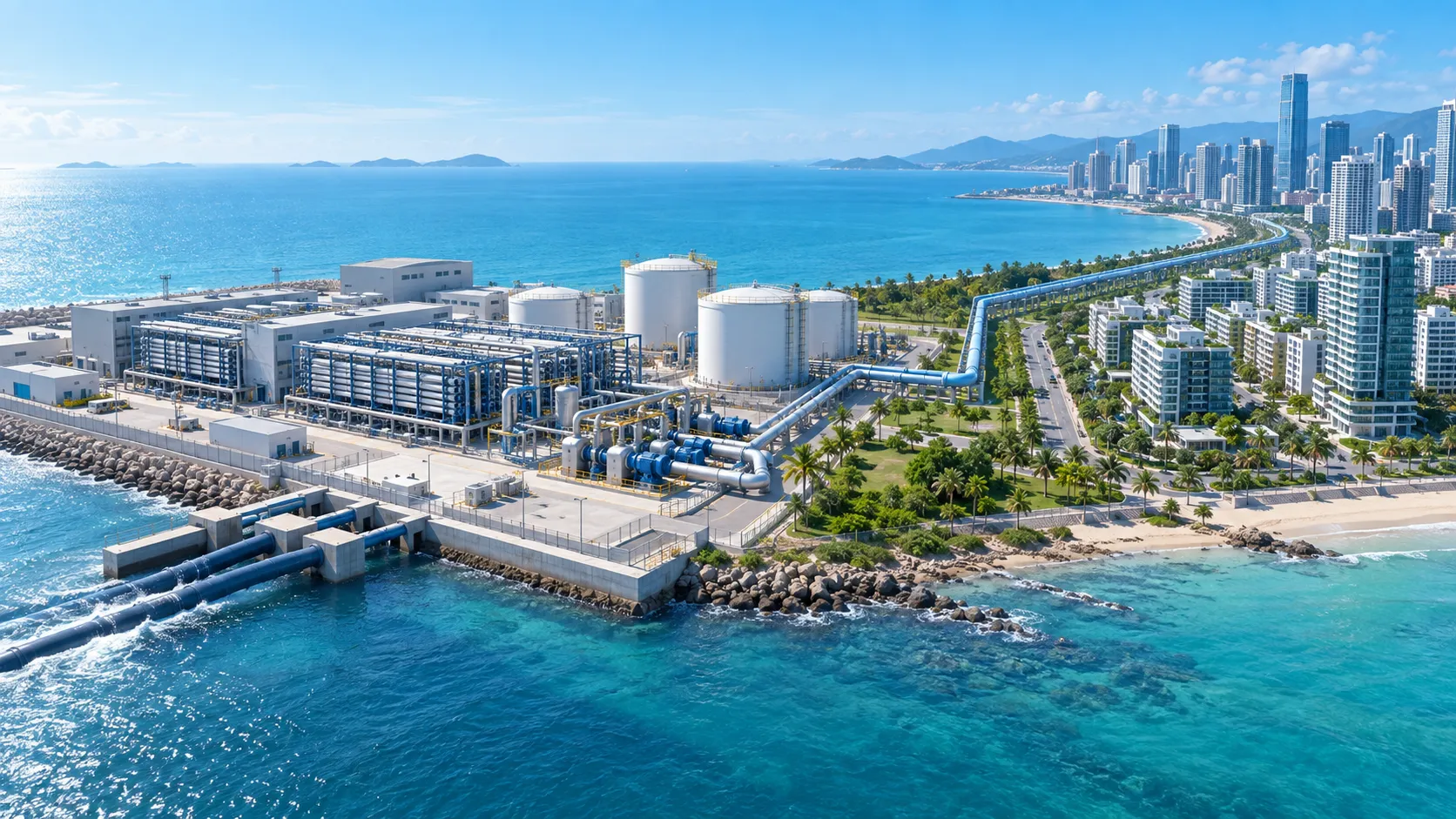
How coastal cities can select desalination solutions for peak demand
Seawater desalination solutions for coastal cities: compare firm peak capacity, intake risk, energy resilience, and lifecycle value to secure reliable water supply.
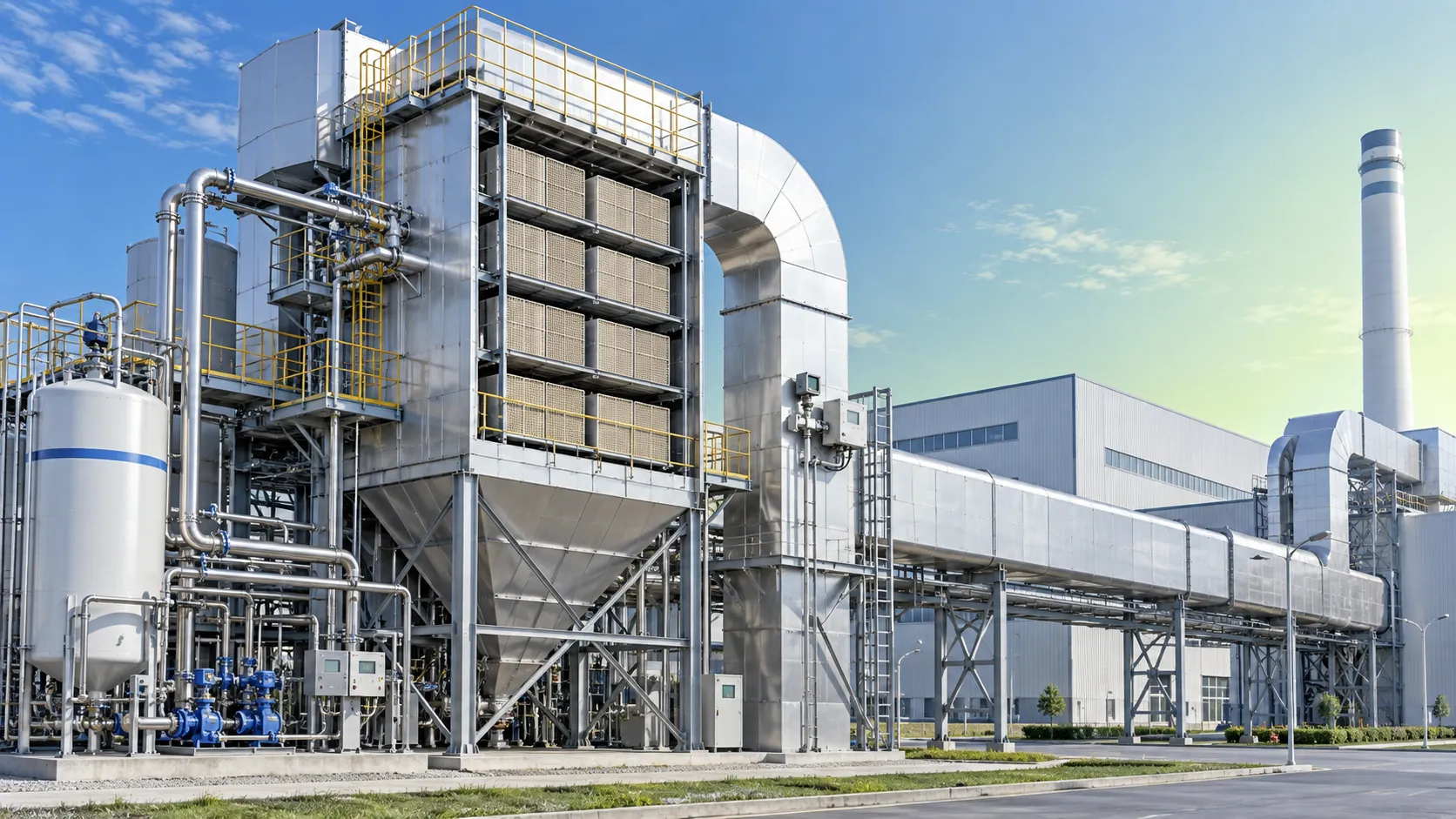
How SCR denitrification systems in Europe meet Industrial Emissions rules
SCR denitrification systems Europe: learn how permit-led design, ammonia-slip control, catalyst management and monitoring support Industrial Emissions compliance.
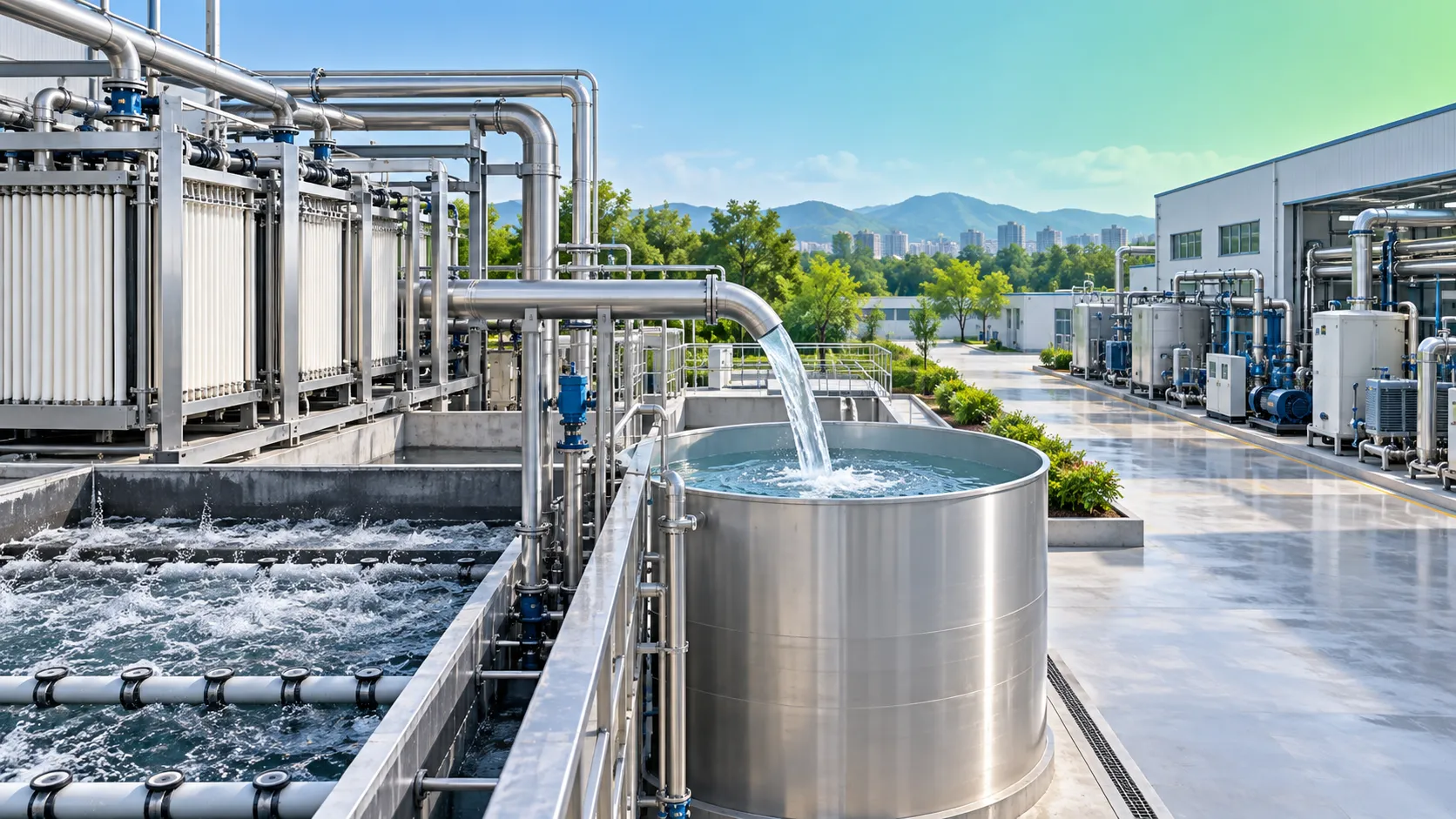
When does MBR equipment make sense for wastewater reuse?
Water treatment equipment for wastewater reuse: learn when MBR delivers compact, reliable low-solids effluent—and when alternative treatment trains offer better value.
How North America shapes global environmental governance standards
Global environmental governance North America: discover how regulation, finance, and procurement raise worldwide standards and reshape environmental projects.
How reactor capacity affects throughput in pyrolysis systems
Pyrolysis systems reactor capacity explained: learn how heat transfer, residence time, feed quality, and emissions controls determine reliable throughput.