
Industry News
Curation by industry experts
Hot Articles
Popular Tags
Which Green Tech Investments Look Strongest in 2026?
As climate policy tightens and industrial decarbonization accelerates, green tech investment opportunities in 2026 are becoming more defined.
The strongest themes are no longer driven by hype alone.
They are forming where regulation, infrastructure urgency, and technology readiness overlap.
For global industry watchers, that means capital should follow systems that solve hard environmental bottlenecks.
In 2026, the best green tech investment opportunities are likely to sit inside water, waste, air, desalination, and nuclear safety infrastructure.
These areas match the intelligence focus of ESD, where environmental equipment is judged by reliability, compliance value, and long-cycle demand.
Defining the strongest green tech investment opportunities in 2026
Not every sustainable technology becomes an investable industrial platform.
The strongest green tech investment opportunities usually share five traits.
- Clear regulatory pressure
- Large replacement or buildout demand
- Proven engineering performance
- High switching costs
- Ability to support measurable compliance outcomes
This matters because 2026 will reward technologies tied to essential infrastructure, not optional pilot programs.
Investable strength will come from treatment trains, control systems, membranes, catalysts, recovery lines, and containment technologies.
In short, green tech investment opportunities are strongest where environmental performance is becoming a legal and operational necessity.
Market signals shaping 2026 capital allocation
Several global signals are narrowing the field.
They help separate durable green tech investment opportunities from short-lived narratives.
These signals support an infrastructure-first view of green tech investment opportunities.
That is especially true in heavy industry, utilities, and public works.
The segments that look strongest
Advanced water treatment and ZLD
Among all green tech investment opportunities, advanced water treatment looks especially durable.
Industrial clusters face stricter limits on salinity, toxicity, and water reuse.
That supports demand for membranes, evaporation systems, brine concentration, and ZLD integration.
The appeal here is practical.
Water treatment projects often have long operating lives and strong compliance visibility.
Solid waste recovery and AI-enabled sorting
Waste recovery is shifting from disposal economics to resource economics.
That transition strengthens green tech investment opportunities in AI sorting, pyrolysis, and material upgrading.
Urban mining, battery material recovery, and mixed-plastic processing are attracting more infrastructure attention.
Where feedstock quality improves, project bankability often improves too.
Flue gas treatment and industrial emissions control
Air compliance remains a critical industrial spending category.
FGD systems, SCR catalysts, low-temperature performance upgrades, and monitoring tools remain relevant in 2026.
These green tech investment opportunities are reinforced by emissions enforcement and cross-border carbon scrutiny.
They also benefit from retrofit demand inside existing plants.
Seawater desalination and water security equipment
Desalination is becoming less regional and more strategic.
As climate volatility increases, seawater reverse osmosis equipment gains policy support.
Promising green tech investment opportunities include SWRO membranes, energy recovery devices, pretreatment systems, and digital optimization tools.
The strongest positions may belong to technologies that reduce energy intensity without sacrificing reliability.
Nuclear waste handling and vitrification support
Nuclear energy expansion often gets attention, but backend waste infrastructure receives less coverage.
That creates overlooked green tech investment opportunities in containment, conditioning, vitrification support, remote handling, and monitoring systems.
This segment is specialized, but barriers to entry are high.
High barriers can support resilient long-term value.
Why these segments matter from a business perspective
The best green tech investment opportunities do more than align with sustainability narratives.
They improve project economics, reduce compliance risk, and increase infrastructure resilience.
- Water systems reduce shutdown risk and freshwater dependency
- Recovery platforms turn waste costs into secondary revenue
- Air treatment systems protect permits and export competitiveness
- Desalination improves long-term regional water security
- Nuclear waste technologies support the full clean-energy safety chain
This is why industrial environmental infrastructure deserves closer attention than many consumer-facing climate themes.
Its demand base is often contractual, regulated, and difficult to delay.
Typical categories for evaluating green tech investment opportunities
Using these categories helps compare green tech investment opportunities across very different markets.
Practical considerations before committing capital
Strong themes still require disciplined screening.
Several factors deserve close review in 2026.
- Check whether revenue depends on subsidies or on mandatory compliance spending.
- Review technology maturity, uptime data, and reference installations.
- Study permitting complexity and project delivery cycles.
- Assess supply chain concentration for membranes, catalysts, or specialty materials.
- Track how global regulations reshape export-linked industries.
The most attractive green tech investment opportunities usually combine technological credibility with predictable demand visibility.
That combination reduces the risk of chasing sectors with weak conversion into real projects.
A focused outlook for 2026
The 2026 landscape favors environmental technologies that keep industrial civilization inside physical and regulatory limits.
That is why green tech investment opportunities look strongest in mission-critical infrastructure.
Advanced water treatment, waste recovery, flue gas control, desalination, and nuclear waste management stand out for clear reasons.
They answer urgent problems, fit evolving policy frameworks, and rely on engineering pathways that are increasingly proven.
The next step is to map these green tech investment opportunities against project pipelines, regional regulation, and equipment intelligence depth.
A sharper view of technology maturity and infrastructure timing will matter more than broad sustainability language.
In 2026, precision is likely to outperform enthusiasm.
- water treatment
- solid waste recovery
- urban mining
- flue gas treatment
- air pollution control
- industrial emissions
- seawater desalination
- SWRO membranes
- nuclear waste management
- nuclear safety
- circular economy
- green tech
- decarbonization
- SCR catalysts
- industrial decarbonization
- green tech investment opportunities
Recommended News
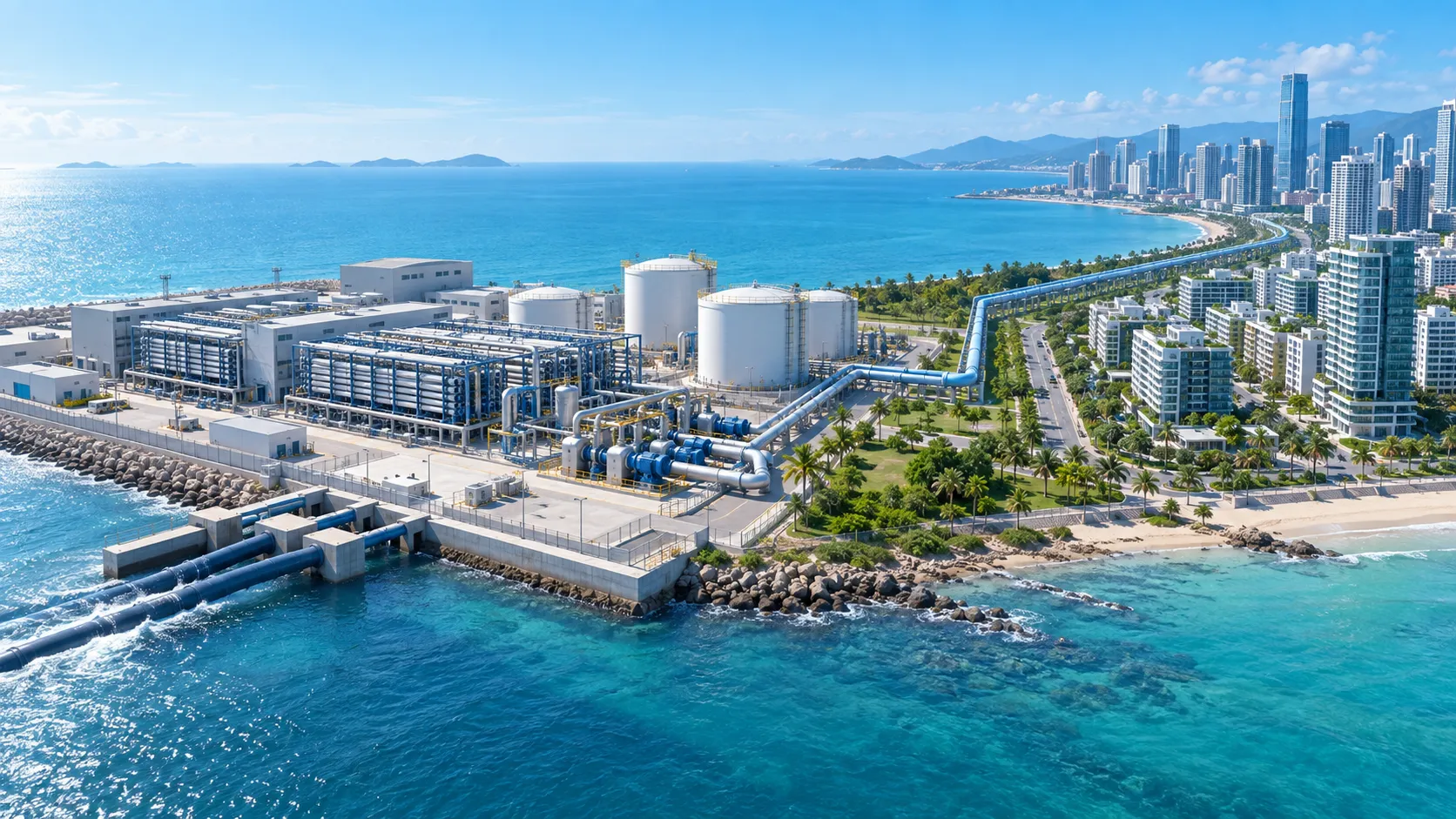
How coastal cities can select desalination solutions for peak demand
Seawater desalination solutions for coastal cities: compare firm peak capacity, intake risk, energy resilience, and lifecycle value to secure reliable water supply.
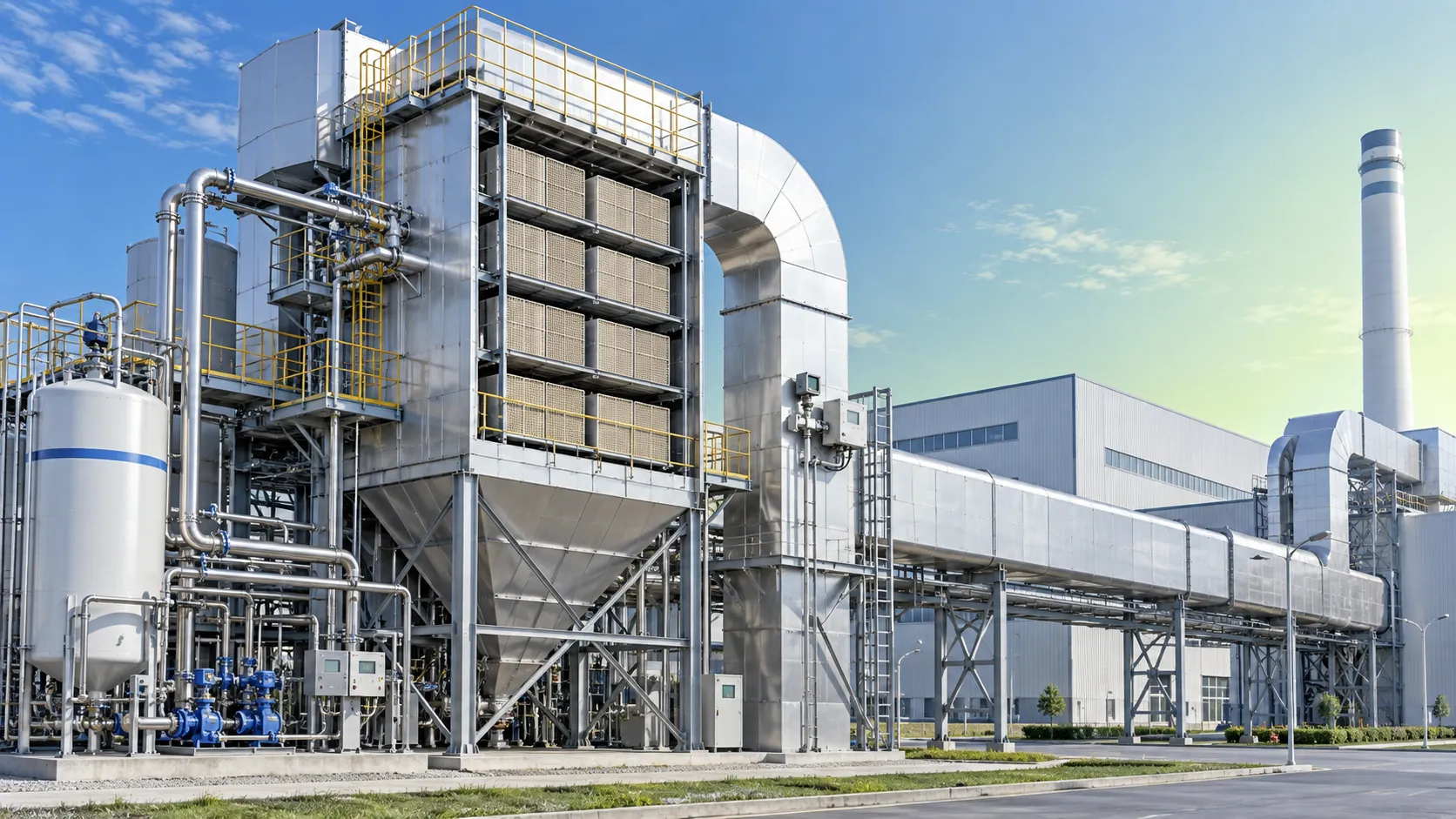
How SCR denitrification systems in Europe meet Industrial Emissions rules
SCR denitrification systems Europe: learn how permit-led design, ammonia-slip control, catalyst management and monitoring support Industrial Emissions compliance.
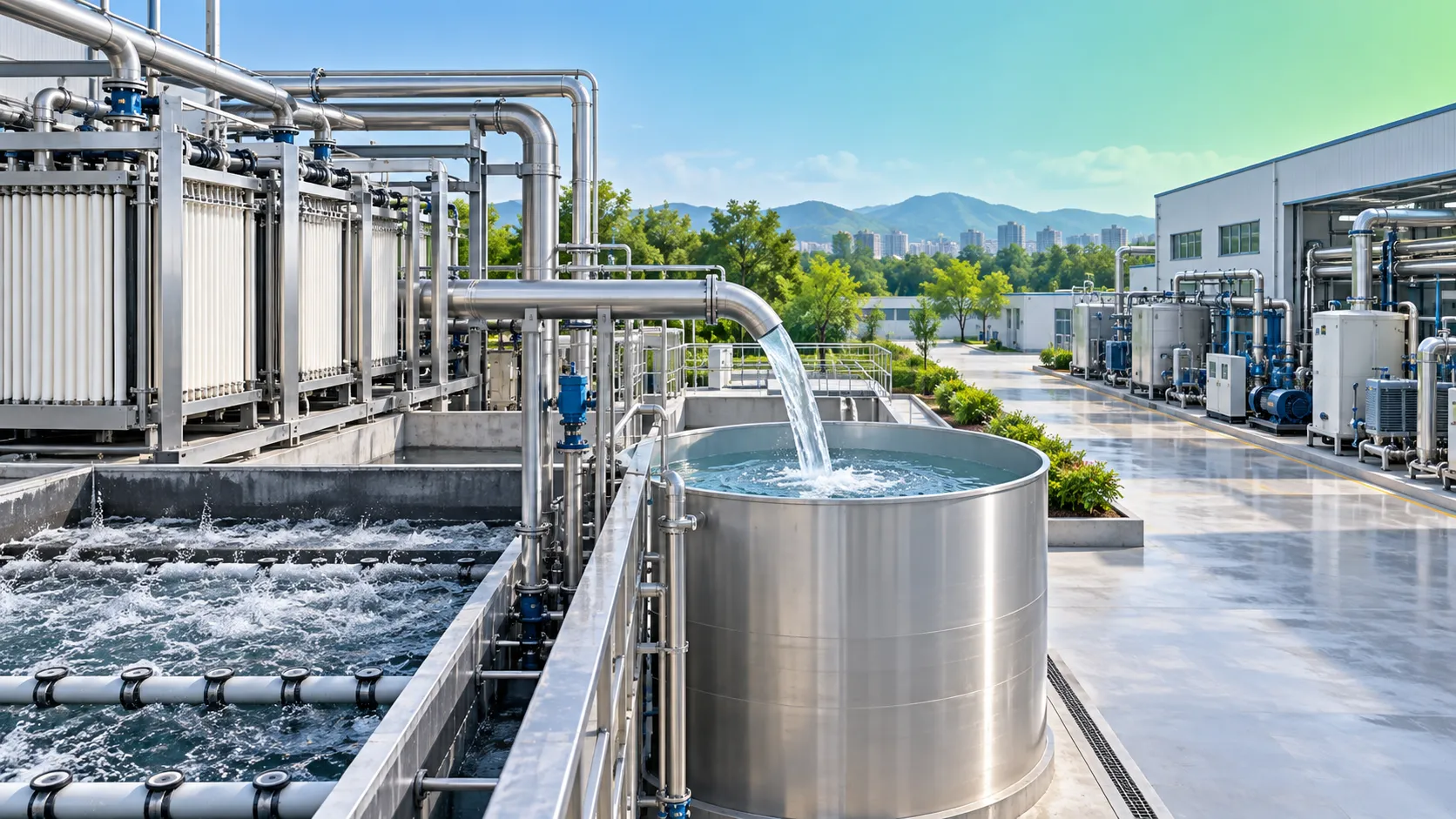
When does MBR equipment make sense for wastewater reuse?
Water treatment equipment for wastewater reuse: learn when MBR delivers compact, reliable low-solids effluent—and when alternative treatment trains offer better value.
How North America shapes global environmental governance standards
Global environmental governance North America: discover how regulation, finance, and procurement raise worldwide standards and reshape environmental projects.
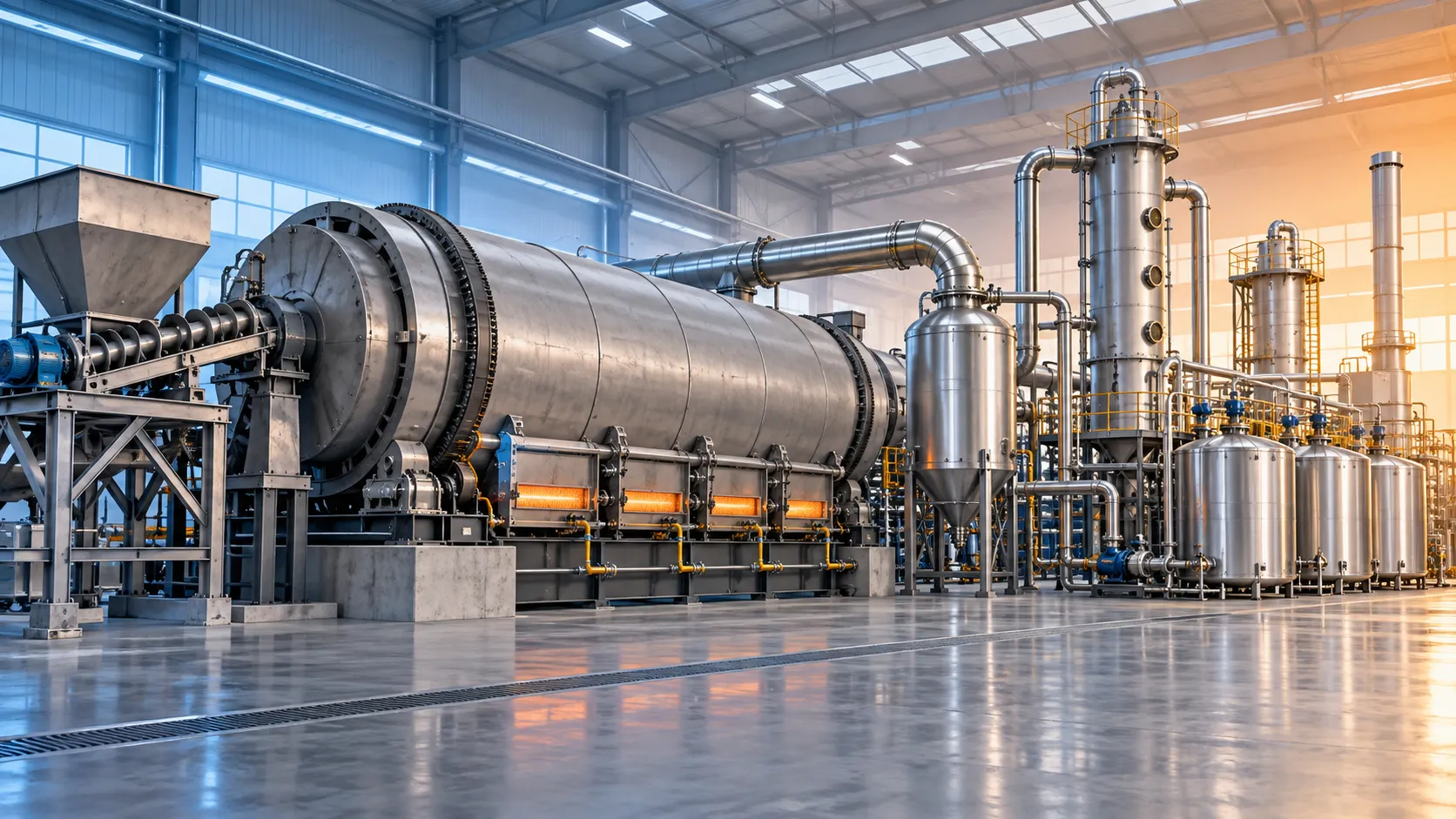
How reactor capacity affects throughput in pyrolysis systems
Pyrolysis systems reactor capacity explained: learn how heat transfer, residence time, feed quality, and emissions controls determine reliable throughput.
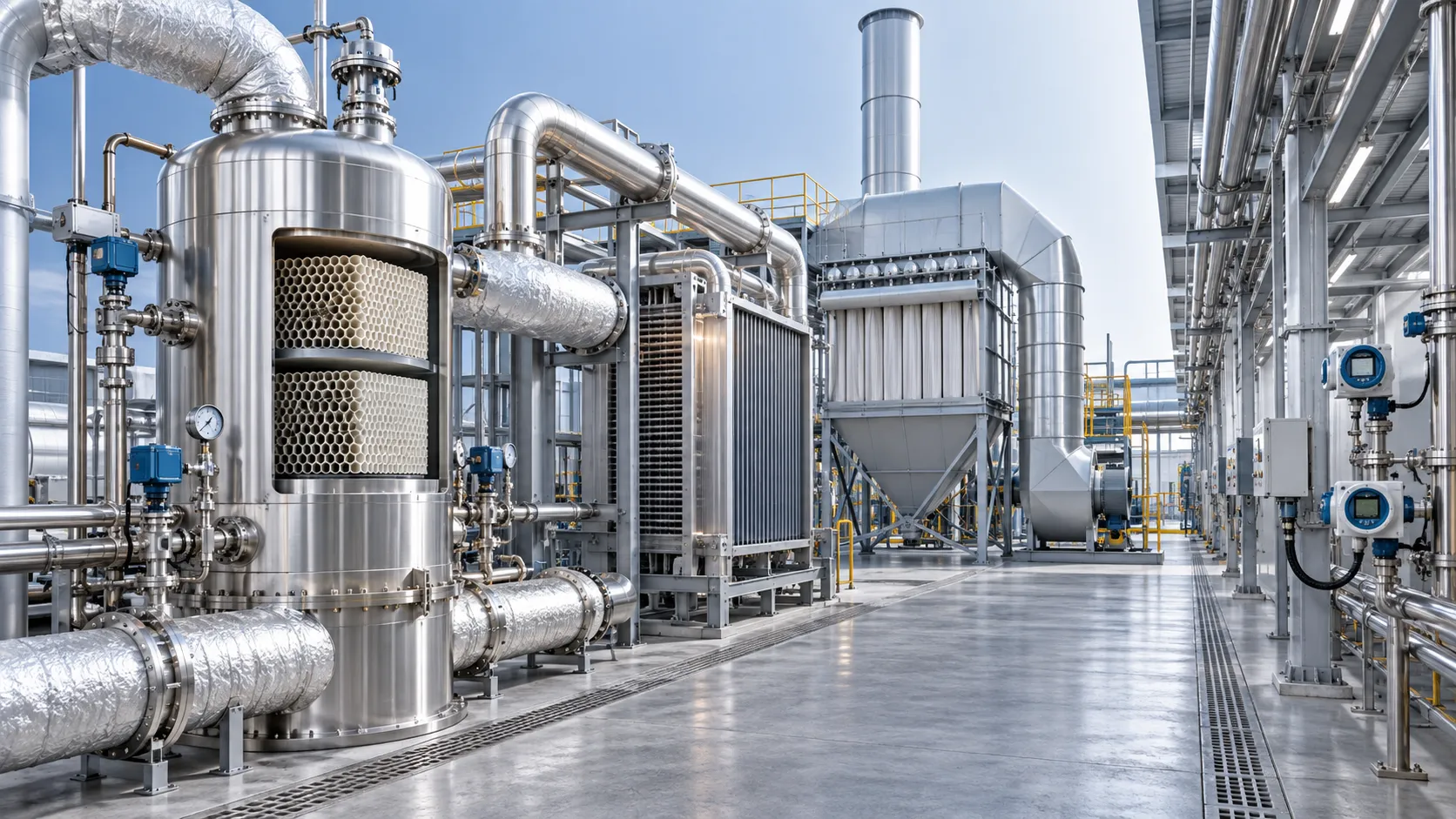
When low-temperature reaction equipment is the right fit for heat-sensitive processes
Low-temperature reaction equipment helps protect heat-sensitive streams, improve energy integration, and maintain reliable conversion. Explore key selection factors today.
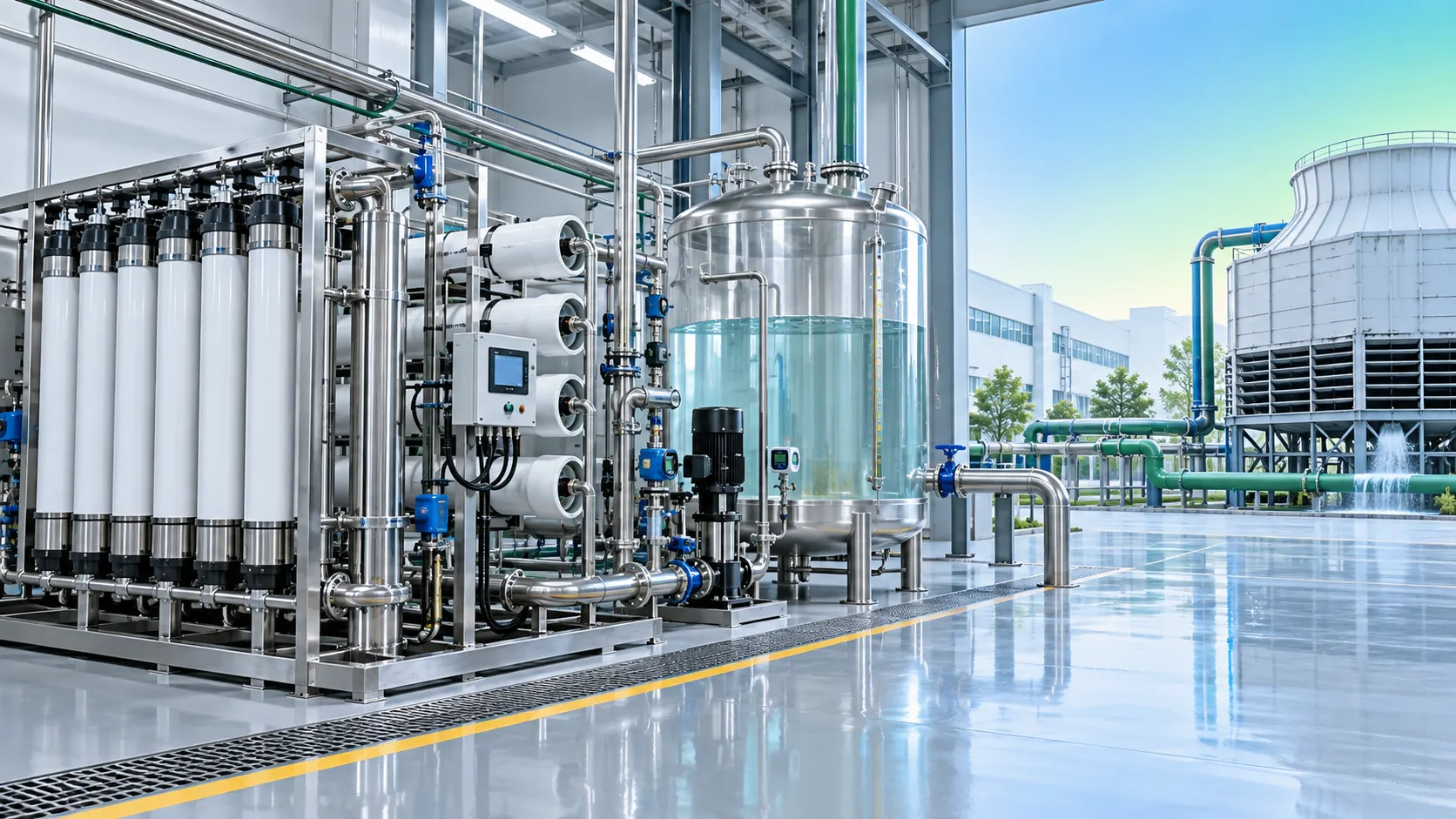
When do water reuse systems deliver a practical payback?
Water reuse systems deliver practical payback when they cut water, discharge, and downtime costs. Learn how to match treatment, recovery, and reuse quality for lasting ROI.
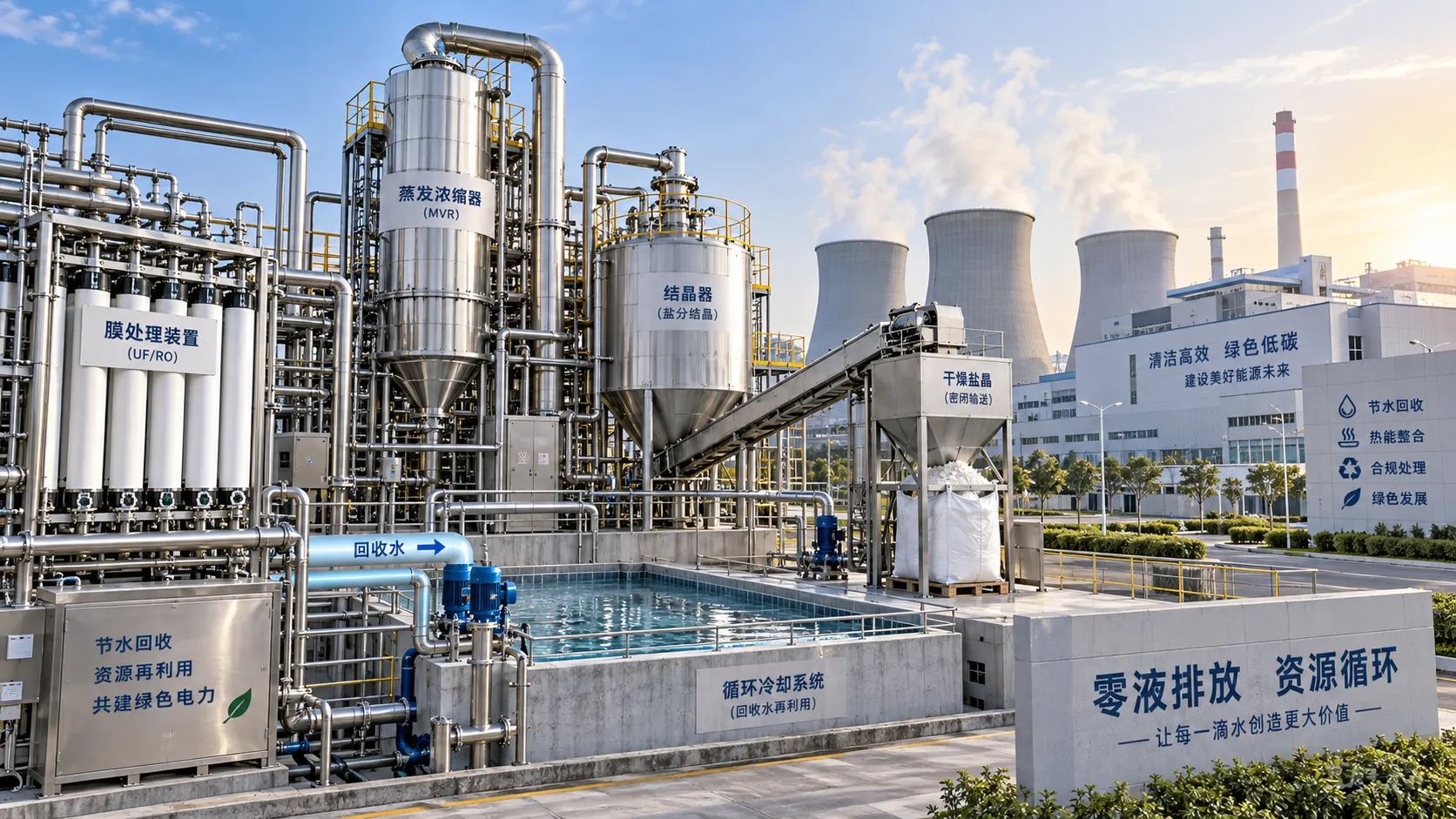
When do ZLD systems for power generation justify their energy use?
ZLD systems for power generation: learn when energy-intensive water recovery delivers stronger compliance, resilience, and long-term value.
Which decarbonization pathways are most viable in Southeast Asia?
Decarbonization Southeast Asia: discover practical pathways for clean power, efficiency, electrification, circular recovery, and resilient industrial growth.