
Industry News
Curation by industry experts
Hot Articles
Popular Tags
Which Circular Economy Model Is Best for Industrial Waste Recovery?
Which circular economy model works best for industrial waste recovery? There is no single winner for every factory, refinery, mine, food processor, or municipal utility. The best model is the one that matches a waste stream’s material value, contamination profile, volume consistency, available processing technology, and the reality of local regulations and end markets.
For many industrial operators, the strongest answer is not a stand-alone recycling program. It is a layered model: prevent waste where possible, separate materials at source, recover the highest-value fraction through closed-loop use, and channel unavoidable residues into industrial symbiosis, chemical recycling, energy recovery, or secure disposal. In other words, the most resilient system treats recovery as an engineering and supply-chain challenge—not merely a waste-management task.
This matters because industrial waste is rarely simple. A mixed plastic residue may contain valuable polymers but also additives, moisture, metals, and hazardous contaminants. A high-salinity wastewater stream may hold recoverable minerals while threatening membranes, pipes, and downstream biology. Slag, fly ash, spent catalysts, brines, and electronic scrap all require different recovery logic. Choosing the wrong circular model can create a costly sorting bottleneck, an unusable secondary material, or a compliance liability that simply moves pollution elsewhere.
The short answer: closed loops are best when they are technically real
The closed-loop manufacturing model is generally the most desirable circular economy model for industrial waste recovery when recovered materials can return to the same process or a closely related production chain without unacceptable loss of quality, safety, or performance.
Examples include reclaimed process water reused after advanced treatment, recovered metals returned to alloy production, purified solvents recirculated into manufacturing, and high-grade plastic regrind incorporated into new products. The attraction is clear: the company reduces exposure to virgin-material price swings, cuts disposal requirements, and gains greater control over material specifications.
Yet “closed loop” should not become a slogan. A loop is only genuinely circular if the recovered output meets a defined technical standard and has a stable destination. If a plant produces a low-grade residue that nobody can safely or economically use, it has not created circularity; it has merely changed the waste’s location and label.
For difficult mixed wastes, industrial symbiosis often performs better. In this model, one company’s by-product becomes another company’s feedstock. Mineral residues may support cementitious products where chemistry allows; recovered heat may serve nearby operations; treated organic residues may be converted into biogas or soil-related products subject to strict contaminant controls. The model is especially compelling in industrial parks, ports, chemical clusters, and regions where material users are close enough to make transport practical.
Start with the waste stream, not the preferred technology
Executives often begin with a technology question: “Should we install pyrolysis?” “Can AI sorting solve this?” “Is zero liquid discharge the answer?” Those are important questions, but they come too late. The first question is whether the material has a recoverable function.
A robust industrial waste recovery assessment looks at five connected dimensions:
- Composition: What is actually present, including contaminants, moisture, hazardous constituents, and variability between batches?
- Concentration and scale: Is the recoverable material present in enough quantity and consistency to justify separation and processing?
- Material quality: Can the recovered output meet a buyer’s specification, or can the original process tolerate it on return?
- Infrastructure: Are there sorting lines, treatment capacity, rail links, storage systems, and qualified off-takers nearby?
- Regulatory pathway: Is the output legally classified as a product, by-product, recovered material, or controlled waste—and what documentation is required?
This sequence protects organizations from a common mistake: investing in advanced recovery equipment before confirming the economics of the downstream material market. The equipment may work exactly as designed while the business model fails because the recovered product has no dependable buyer.
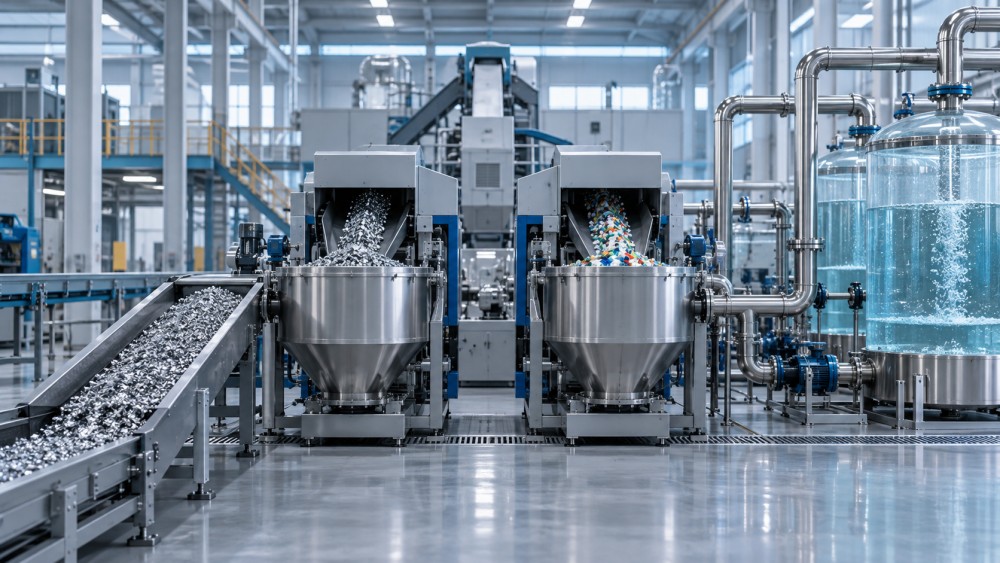
A practical comparison of the leading circular economy models
Why source separation is the foundation of almost every successful model
Whether the final route is mechanical recycling, solvent recovery, metal extraction, anaerobic digestion, or thermal treatment, recovery performance is decided surprisingly early: at the point where waste is generated. Once compatible materials are mixed with oils, food residues, hazardous chemicals, incompatible polymers, or moisture, their value often declines quickly.
Source separation does not always mean adding more bins and expecting workers to solve a complex chemistry problem. In heavy industry, it may involve redesigning drainage networks, isolating process lines, segregating metal-bearing dusts, keeping clean packaging films separate from contaminated films, or installing pre-treatment steps before a stream reaches a central recovery facility.
AI-enabled optical sorting, robotics, sensor-based analysis, and digital material tracking can improve decisions after collection. They are particularly useful where manual sorting is unsafe, inputs vary rapidly, or high-throughput classification is needed. Still, technology cannot fully compensate for poor upstream segregation. A sorting line can identify fractions; it cannot always restore the purity lost when incompatible substances have been blended.
When chemical recycling and pyrolysis make sense—and when they do not
Pyrolysis and related chemical conversion routes are often presented as answers to the plastic waste problem. They can be valuable tools for selected industrial streams, especially where polymer mixtures are unsuitable for conventional mechanical recycling and where a credible route exists for the resulting oil, gas, wax, or chemical intermediates.
But the feedstock must be managed carefully. Chlorinated materials, excessive moisture, metals, flame retardants, and variable additives can complicate operations and increase the burden on gas cleaning, condensate treatment, and residue handling. The project must also account for the energy source, emissions controls, product upgrading requirements, and whether the output will truly replace fossil-derived feedstock in a verifiable way.
The same principle applies to solvent extraction, depolymerization, and other advanced recycling systems. They may be the best choice for difficult, valuable materials—not a universal replacement for good design, reuse, separation, and mechanical recycling. A sensible hierarchy keeps materials in their highest practical use for as long as possible.
Water recovery is a circular economy model in its own right
Industrial circularity is often discussed through the lens of solids, but water can be the most strategic recovered resource. In water-stressed regions, a facility’s ability to treat and reuse wastewater may affect expansion plans, operating continuity, and community acceptance as much as its waste-disposal strategy.
Water reuse systems can range from relatively straightforward filtration and biological treatment to membrane bioreactors, reverse osmosis, evaporation, crystallization, and Zero Liquid Discharge (ZLD). The correct architecture depends on the contaminant load and reuse target. Cooling water, wash water, boiler feed, process water, and high-purity applications each demand different quality levels.
ZLD can be justified for highly regulated discharges, scarce-water environments, or streams containing recoverable salts and valuable compounds. However, it should be evaluated as a system rather than a symbolic endpoint. Concentrate management, thermal energy demand, scaling control, and crystallized solids all influence whether the solution delivers environmental and commercial value. In many cases, a partial reuse strategy with targeted brine management is more appropriate than forcing every stream through the most energy-intensive treatment train.
The model that usually wins: a cascading recovery system
In practice, the best circular economy model for industrial waste recovery is usually a cascading model. It assigns each fraction to the highest-value feasible route, rather than applying one method to every tonne of material.
A plant might return clean metal scrap to production, mechanically recycle separated polymer fractions, send complex plastic residues to a qualified conversion facility, recover water from rinse streams, capture heat from thermal processes, and stabilize the truly unrecoverable remainder for secure treatment. Such a system is less visually simple than a single “all waste to energy” or “all waste to recycling” claim, but it is closer to how industrial materials behave in the real world.
This approach also improves resilience. If a recycled polymer market weakens, an operator may need an alternative qualified outlet. If a new chemical restriction affects a by-product, traceability data can help isolate the affected fraction rather than stopping the entire recovery chain. Circular systems are strongest when they have both hierarchy and flexibility.
Do not confuse diversion with recovery
A high diversion rate may look impressive in a sustainability report, but it does not automatically indicate meaningful circular performance. Sending waste away from landfill can be beneficial, yet decision-makers should ask harder questions: What happens to the material next? Does it displace virgin resources? Are hazardous substances controlled? What is the energy and transport burden? Is the receiving facility operating under credible environmental oversight?
For regulated sectors, especially those handling persistent chemicals, heavy metals, high-salinity liquids, flue-gas residues, or radioactive materials, recovery must never weaken containment and safety principles. Some materials require isolation, stabilization, vitrification, or long-term controlled management rather than conventional recycling. The circular economy does not mean forcing every substance back into commerce; it means retaining value where safe while respecting physical, toxicological, and regulatory limits.
How to choose a model without overcommitting
Before approving a major recovery investment, build a material-flow map covering inputs, production losses, wastewater, emissions-control residues, packaging, maintenance waste, and end-of-life products where relevant. Characterize streams over time rather than relying on a single sample. Seasonal production changes and shifts in suppliers can alter recovery economics significantly.
Then compare options using a balanced set of criteria: recovered-material quality, total environmental burden, operational reliability, capital and operating requirements, permitting risk, worker safety, and buyer security. A lower-cost option that produces an unstable output may be less valuable than a more controlled solution with a clear reuse destination.
Long-term contracts, quality specifications, chain-of-custody documentation, and contingency routes are often as important as the recovery equipment itself. In a circular system, the off-taker is part of the process design.
Frequently asked questions
Is industrial symbiosis better than closed-loop recycling?
Not necessarily. Closed-loop recycling is preferable when materials can safely return to the original process at a useful quality level. Industrial symbiosis becomes more attractive when the material cannot return to its source but has value in another industry. Many successful sites use both models.
What is the best option for mixed industrial plastic waste?
Begin with segregation and material identification. Recover clean, compatible polymer fractions mechanically where possible. Consider chemical recycling or pyrolysis only for streams that remain difficult to recycle mechanically and that have a controlled downstream use for conversion outputs.
Can waste-to-energy be considered circular?
It can recover energy from residual materials, but it generally retains less value than reuse or material recycling. It is most appropriate after higher-value recovery options have been assessed and where emissions controls and residue management are robust.
How does environmental compliance affect model selection?
Compliance affects waste classification, transport, treatment permits, emissions monitoring, product-status claims, and reporting obligations. New rules on carbon, recycled content, hazardous substances, and cross-border waste movement can change a project’s viability. Regulatory intelligence should be integrated early, not added at the end.
The most effective industrial recovery strategy is therefore neither a fashionable technology nor a universal diagram. It is a disciplined system that recognizes material limits, protects environmental boundaries, and builds credible pathways from residue to resource. When recovery is designed around quality, safety, traceability, and real demand, industrial waste stops being an unavoidable cost center and becomes part of a more durable production economy.
Recommended News
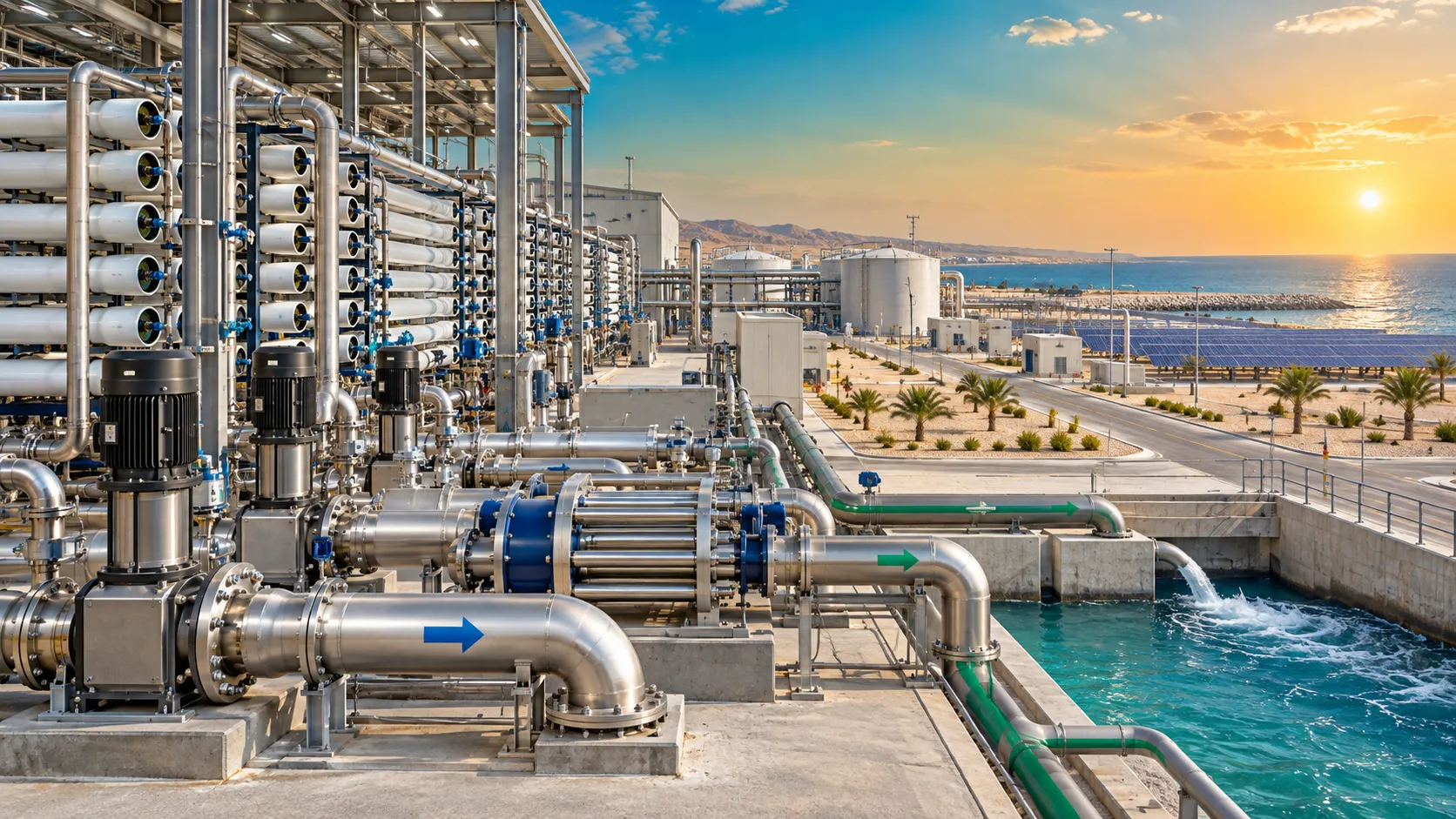
How energy recovery cuts the cost of seawater desalination in the Middle East
Seawater desalination Middle East projects can cut lifecycle costs with energy recovery. Explore savings, bankability, power-risk strategies, and smarter investment decisions.
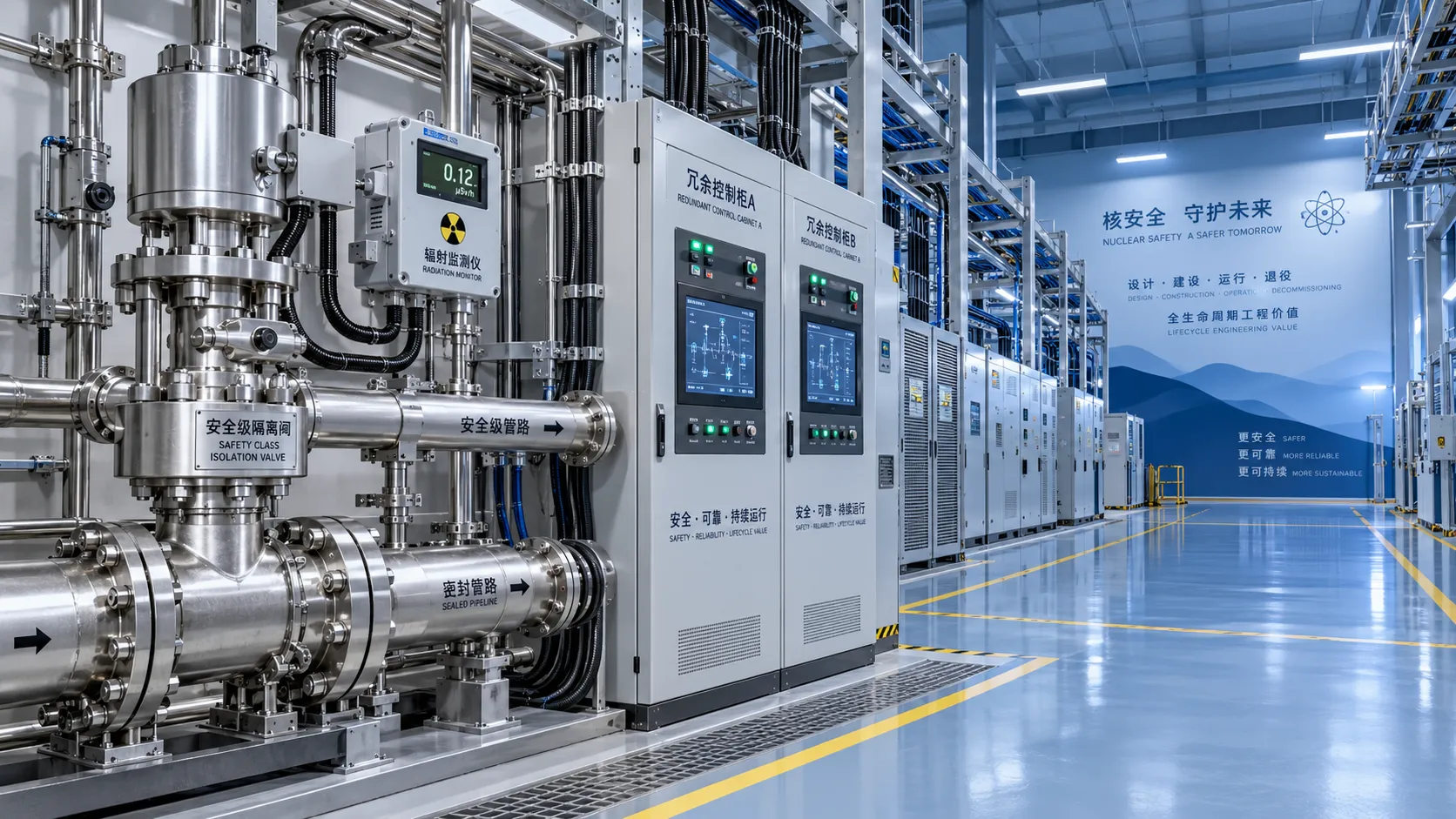
What drives nuclear safety solutions pricing for new facility projects?
Nuclear safety solutions pricing explained: uncover the key cost drivers for new facilities, from qualification and interfaces to lifecycle support.
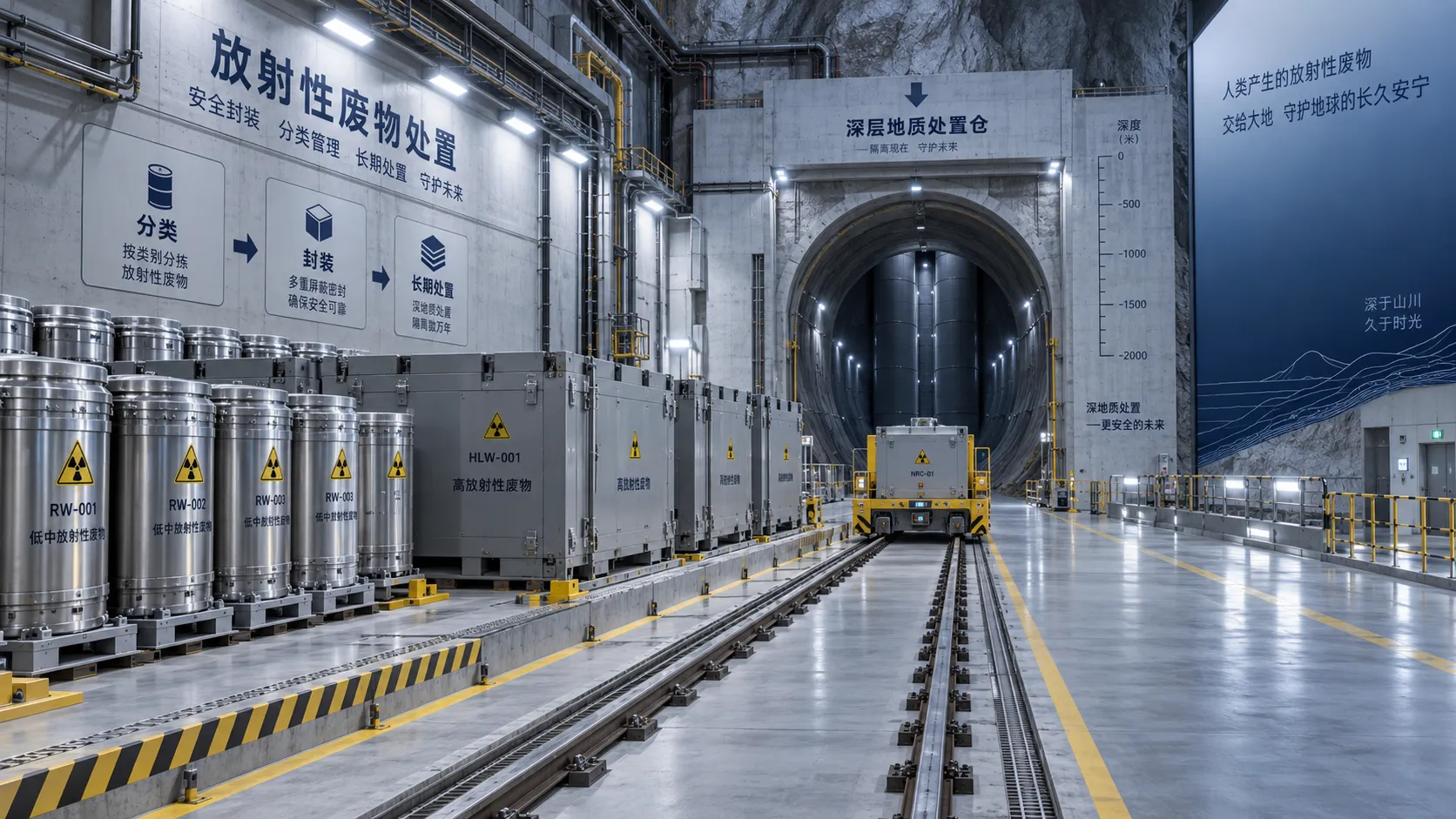
What drives radioactive waste cost over the life of a disposal project?
Radioactive waste cost depends on classification, treatment, transport, storage, disposal access, and long-term compliance. Explore the key lifecycle cost drivers.
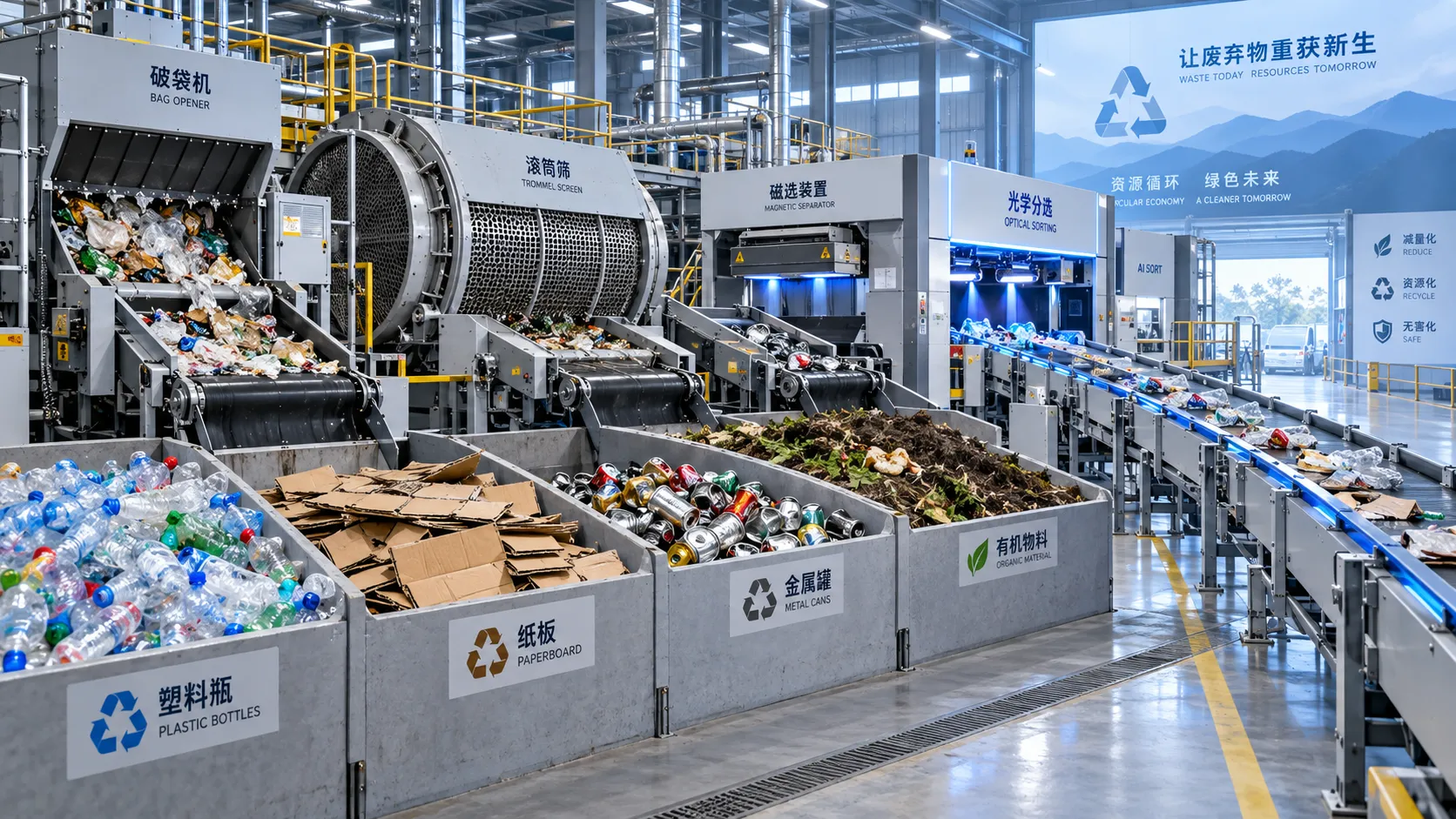
How to choose solid waste equipment based on waste stream characteristics
Environmental equipment guide for solid waste: discover how to match sorting, treatment, and recovery equipment to waste composition, moisture, contamination, and output goals.
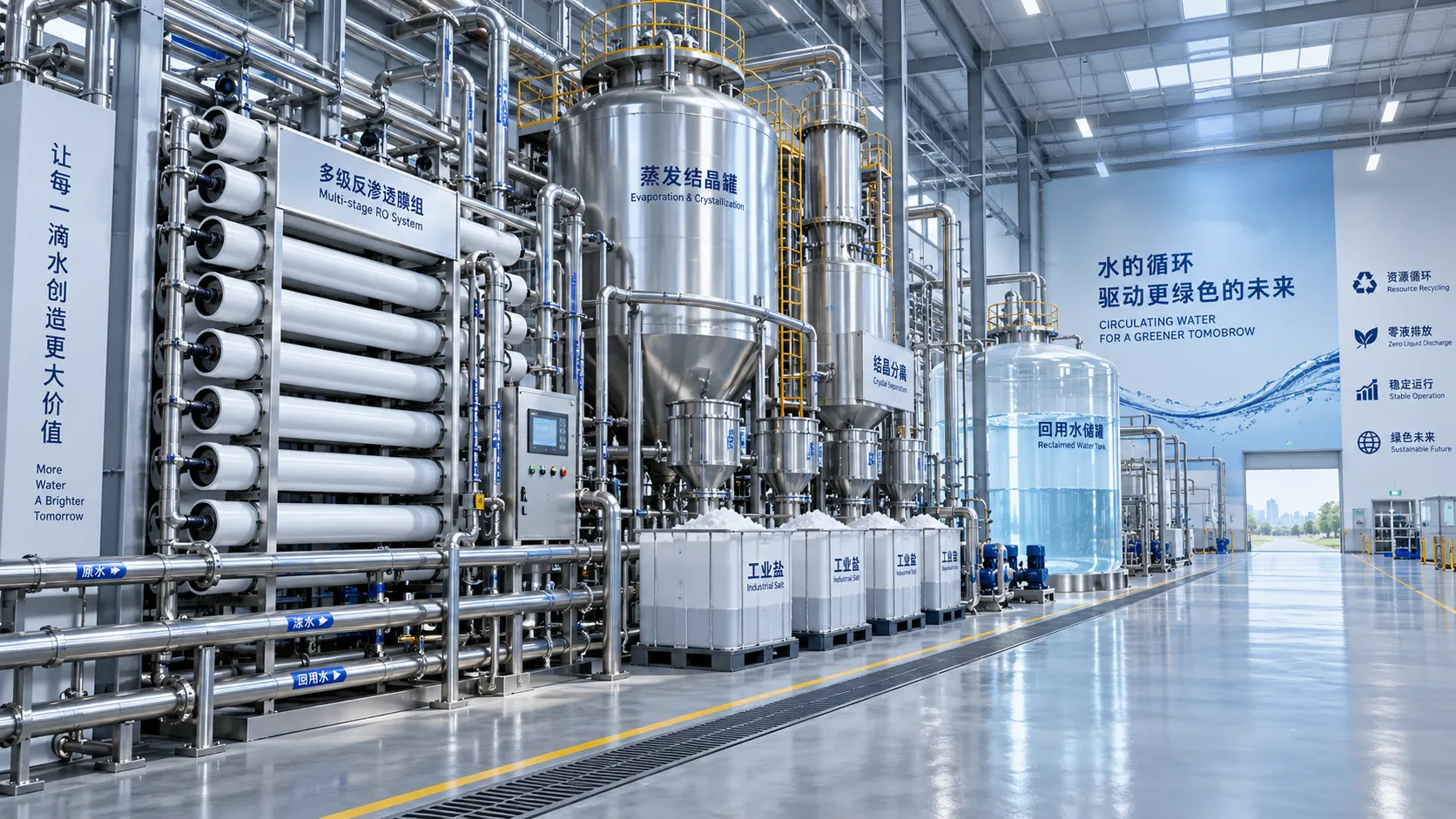
When does high recovery ZLD equipment justify its higher capital cost?
High recovery ZLD equipment can justify higher capital cost when water scarcity, discharge risks, brine disposal, and downtime threaten operations. Explore the decision factors.
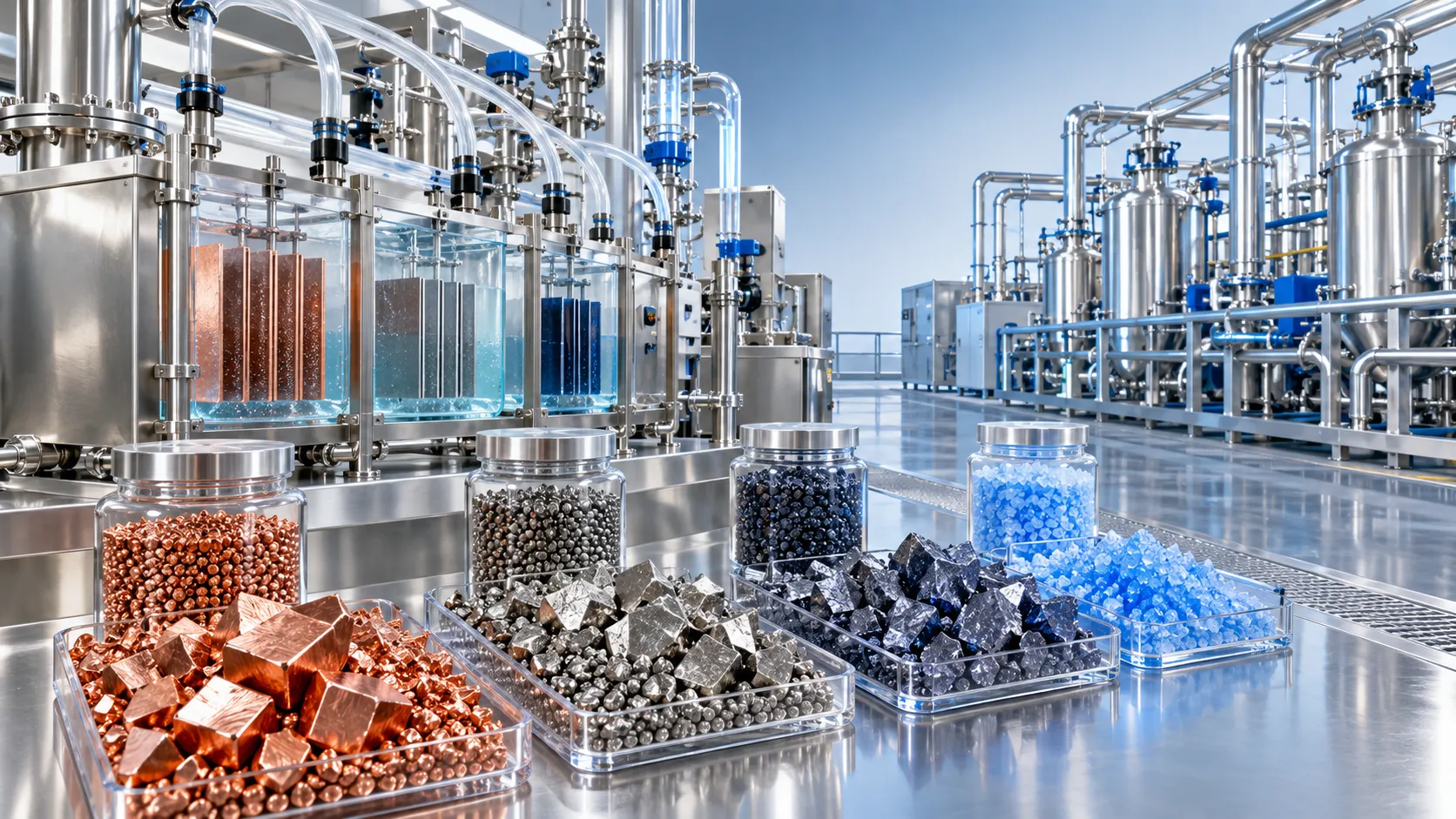
How high purity heavy metal recovery affects recovered metal value
High purity heavy metal recovery boosts recovered metal value by improving payability, reducing penalties, and unlocking stronger buyer opportunities. Explore smarter netback strategies.
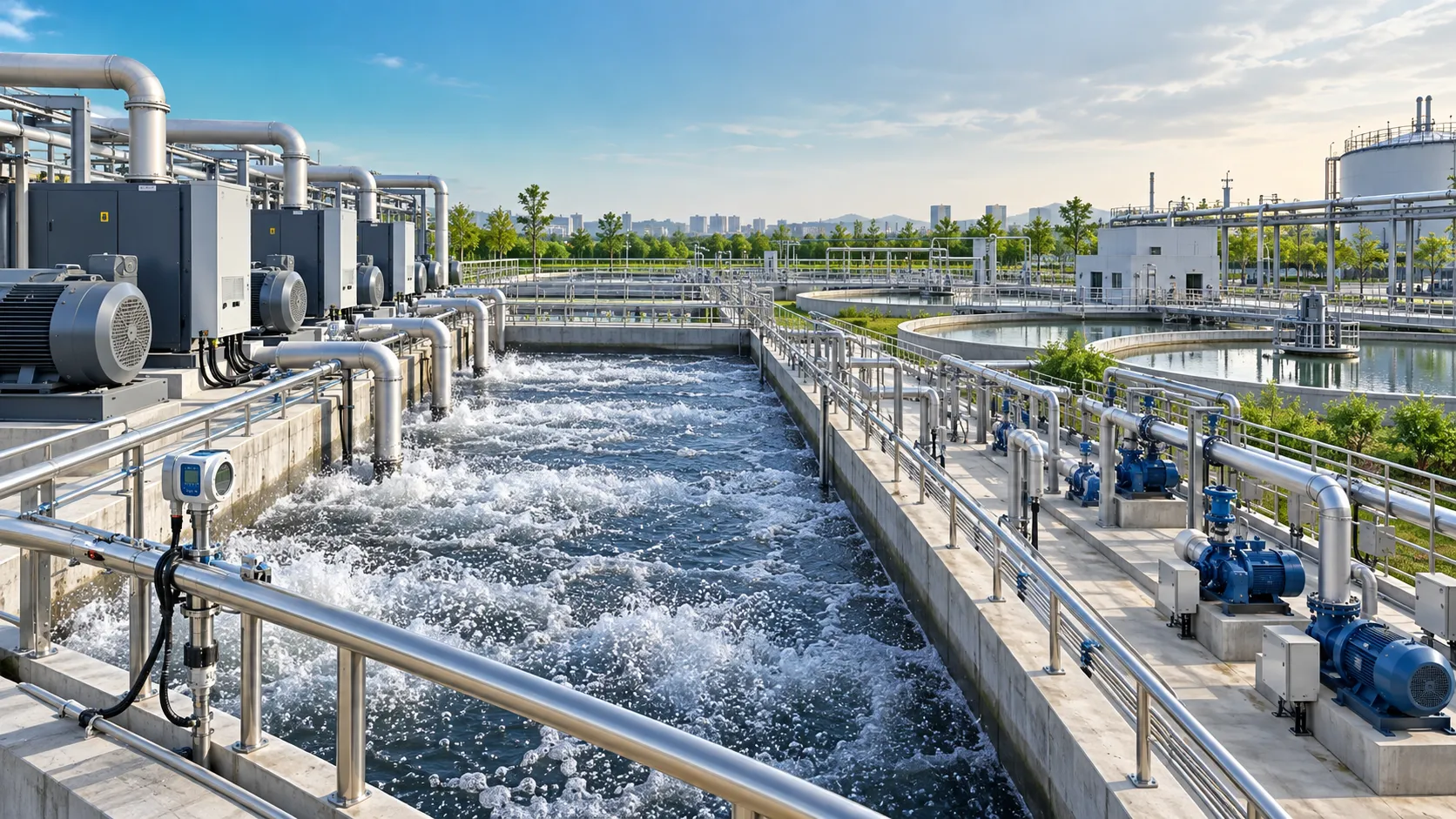
When does environmental equipment intelligence reduce wastewater plant energy use?
Environmental equipment intelligence for wastewater plants cuts energy use through smarter aeration, pumping, and data-driven controls—without compromising compliance. Discover when it delivers measurable savings.
How Is the Payback Period for Resource Recovery Equipment Calculated?
How do you calculate the payback period for resource recovery equipment? Learn to model installed costs, savings, revenue, operating expenses, and realistic cash flows.
What Are the Main Compliance Risks in Industrial Wastewater Discharge?
What are the main compliance risks in industrial wastewater discharge? Explore permit exceedances, monitoring failures, hazardous contaminants, and practical controls to reduce liability.