
Industry News
Curation by industry experts
Hot Articles
Popular Tags
How Can Water Treatment Projects Reduce Lifecycle Operating Costs?
Lifecycle operating cost is reduced when a water treatment project is designed around stable performance over decades rather than the lowest initial equipment price. The largest recurring cost drivers are usually electricity, chemicals, membrane or media replacement, labor, residuals handling, unplanned downtime, and the cost of failing to meet discharge or water-quality requirements. These costs are connected: a process that consumes slightly more capital expenditure may reduce energy use, fouling, operator intervention, and compliance risk enough to produce a lower total cost of ownership.
The central question is not whether a component is inexpensive at purchase. It is whether the full treatment train can maintain the required flow, water quality, recovery rate, and availability under the actual variability of the feedwater. A plant optimized only for nominal design conditions can become expensive when salinity, solids loading, temperature, organic content, or production demand changes.
Where do lifecycle costs actually accumulate?
Energy is often the most visible operating expense, especially in membrane-based desalination, high-pressure industrial wastewater treatment, advanced oxidation, aeration-intensive biological treatment, pumping stations, and thermal concentration systems. Yet focusing only on kilowatt-hours can miss more consequential costs. A poorly protected reverse osmosis system, for example, may consume more energy as pressure rises to overcome fouling, while also requiring more frequent cleaning, shorter membrane life, greater chemical use, and production interruptions.
Similarly, low-cost pumps, valves, analyzers, and control panels can create high maintenance exposure if their materials, seals, instrumentation range, or service support do not match the duty. In high-salinity, corrosive, abrasive, or chemically aggressive streams, the wrong specification often shifts expense from procurement to spare parts, emergency labor, lost production, and premature replacement.
A useful lifecycle review separates costs into several connected categories:
- electricity and fuel;
- treatment chemicals, cleaning chemicals, and consumables;
- membranes, filter media, electrodes, resins, and other replacement parts;
- routine maintenance and corrective repair;
- sludge dewatering, brine management, concentrate disposal, and waste transport;
- labor, laboratory testing, remote support, and compliance reporting;
- production losses and contractual exposure caused by outages or off-spec water.
These categories should be modeled together. Reducing one line item can increase another. Higher recovery in a membrane system, for example, can reduce intake and discharge volumes, but it also raises concentrate salinity and scaling risk. The economically sound operating point depends on feedwater chemistry, pretreatment effectiveness, disposal constraints, energy price, and the cost of downtime—not on recovery percentage alone.
How does process selection determine long-term cost?
Process selection has the greatest leverage before construction begins. Once civil works, pipe racks, hydraulic profiles, and major equipment layouts are fixed, operating improvements become more limited and more expensive to implement.
The treatment train should be selected using the real water matrix rather than a simplified average analysis. Design teams need to account for expected variation in suspended solids, silica, hardness, iron, manganese, oil, biological activity, dissolved organics, chloride, sulfate, temperature, and seasonal flow changes. Industrial effluent also requires attention to batch discharges, cleaning-in-place releases, production upsets, and changes in raw materials.
For municipal treatment, avoiding unnecessary treatment intensity can lower lifetime cost. For industrial reuse or high-purity process water, insufficient treatment creates a different problem: downstream fouling, product-quality exposure, higher reject volumes, or repeated polishing steps. The lowest-cost process is therefore not always the simplest train. It is the train that achieves the required quality consistently with the least operational instability.
In seawater reverse osmosis, intake quality, pretreatment design, membrane selection, pressure-exchanger integration, and cleaning strategy must be evaluated as a system. In industrial wastewater reuse, the relationship between equalization, solids separation, biological treatment, oxidation, membrane filtration, and concentrate management is equally important. A robust equalization basin or effective upstream oil removal may deliver more lifecycle value than adding complexity at the final polishing stage.
Designers should also distinguish between treatment that is essential for compliance and treatment intended for future flexibility. Building in sensible allowance for changing feedwater or tighter permit conditions can be prudent, but oversizing every unit creates avoidable energy and maintenance burdens. Flexibility is most valuable when it can be isolated, bypassed, or activated only when conditions require it.
Why is hydraulic design often underestimated?
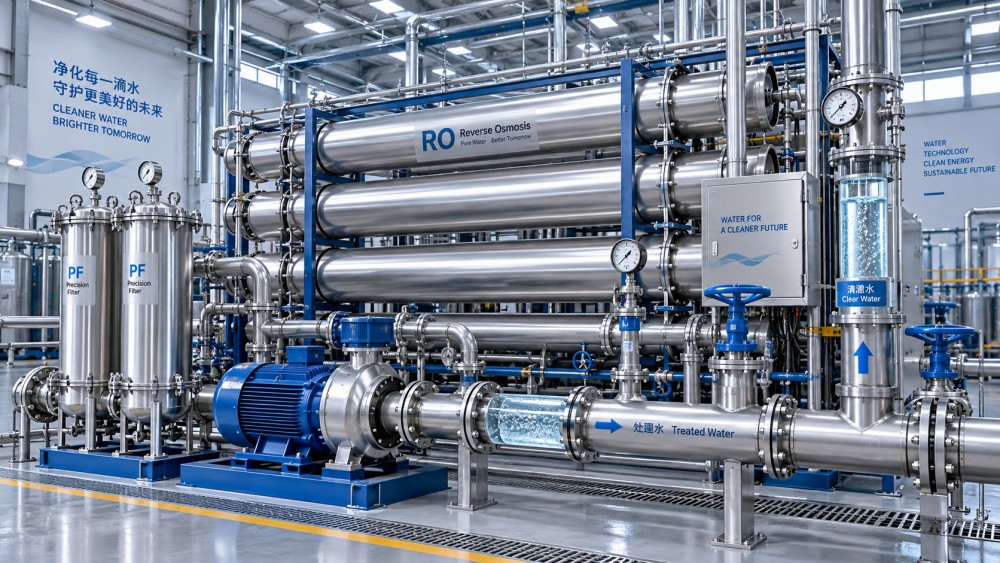
Pumping energy is strongly influenced by pressure losses across pipelines, valves, filters, strainers, membrane vessels, and control devices. Small compromises in pipe sizing, layout, fitting selection, or filtration design can become permanent energy penalties because pumps operate continuously or for long duty cycles.
Hydraulic design should examine not only the clean, new condition but also the expected pressure drop as filters load, membranes foul, and equipment ages. A system that meets its flow target only at the upper edge of pump capability has little margin. It may operate inefficiently, experience unstable control, and require earlier pump replacement.
Variable-frequency drives can reduce energy use where flow demand changes materially, but they are not a universal cure. Their value depends on the pump curve, static head, operating profile, minimum-flow needs, control philosophy, and harmonic or electrical integration requirements. A variable-speed pump operating against an unnecessarily restrictive downstream system still wastes energy. The priority is to minimize avoidable resistance before relying on controls to compensate for it.
Redundancy must also be designed with care. Standby duty equipment protects availability, but duplicate units that are poorly sequenced can spend too much time operating below their efficient range. A lifecycle-based design defines realistic duty points, maintenance windows, and failure scenarios instead of treating redundancy as a simple equipment-count requirement.
What equipment specifications prevent premature operating expense?
Equipment should be specified according to the actual process environment. This includes wetted materials, corrosion allowance, elastomer compatibility, seal design, solids tolerance, temperature range, pressure cycling, cleanability, access for maintenance, and availability of critical spares. Material selection is particularly consequential where chloride, low pH, oxidants, sulfides, abrasive solids, or high temperatures are present.
Choosing stainless steel, duplex alloys, coated carbon steel, fiberglass-reinforced plastic, polyethylene, polypropylene, or specialty linings is not simply a capital-cost comparison. The relevant question is whether the selected material can maintain integrity throughout the anticipated chemical and mechanical exposure. A lower-cost material that requires frequent repair or creates contamination risk is rarely economical over the asset life.
Maintainability also deserves the same attention as performance. Filters need practical media access; pumps need room for seal and bearing work; membrane racks need safe vessel access; instruments need calibration isolation; and chemical dosing systems need containment, flushing, and safe refill arrangements. Maintenance that requires extensive dismantling, confined-space entry, or prolonged shutdown is more expensive than its original equipment price suggests.
For critical assets, procurement documentation should define not only performance guarantees but also operating envelopes, allowable turndown, expected maintenance intervals, recommended spare parts, component lead times, and data requirements. A performance guarantee at a single reference condition does not protect an owner against high operating cost across variable conditions.
How can energy consumption be reduced without sacrificing water quality?
Energy reduction begins with measuring the right indicators. Total plant electricity is useful for budgeting, but it does not reveal whether a specific process is deteriorating. Operators need process-level indicators such as specific energy per cubic meter treated, normalized membrane permeability, pump efficiency, blower air delivery, filter differential pressure, and energy associated with reject or sludge handling.
Normalization matters because raw production figures can be misleading. Membrane feed temperature affects permeability; flow and pressure change with demand; biological systems respond to load; and seasonal influent characteristics can alter aeration requirements. Comparing normalized trends helps distinguish a genuine efficiency decline from a change in operating conditions.
Several measures commonly have a strong technical basis:
- match pump and blower selection to the normal operating range rather than only the maximum design point;
- use staged treatment units so that low-flow periods do not force all equipment to run inefficiently;
- maintain clean intake, screening, filtration, and air-distribution systems to prevent hidden pressure and airflow losses;
- control aeration using reliable dissolved oxygen and process signals, while retaining safeguards for sensor failure;
- recover pressure energy where high-pressure membrane systems and project scale justify the added equipment and maintenance requirements;
- review heat integration where thermal treatment, evaporation, or hot industrial streams are involved.
Energy projects should be tested against water-quality resilience. Reducing blower output below the process requirement, delaying membrane cleaning solely to avoid chemical cost, or lowering recirculation without confirming treatment performance can move costs into compliance failures, membrane damage, or production instability. The right objective is minimum energy at verified treatment performance, not minimum instantaneous power draw.
How do membrane management and pretreatment affect total cost?
Membranes are often treated as replaceable consumables, but their condition reflects the quality of upstream design and daily operation. In reverse osmosis, nanofiltration, ultrafiltration, and membrane bioreactor systems, pretreatment determines the frequency of fouling, cleaning, flux loss, and replacement.
A membrane management program should establish baseline data at commissioning and track normalized permeate flow, salt passage where relevant, transmembrane pressure, differential pressure, recovery, and cleaning response. These indicators are more informative than waiting for a severe loss of production. When performance declines, the cause must be identified: particulate fouling, biological fouling, scale formation, organic adsorption, oxidation damage, seal leakage, or instrument error require different responses.
Chemical cleaning is necessary in many membrane applications, but repeated aggressive cleaning can shorten membrane life. The lowest cleaning cost is not always the least expensive formulation or the longest interval between cleans. It is the strategy that removes the identified foulant effectively without causing avoidable membrane degradation or allowing irreversible fouling to develop.
Antiscalant selection, pH adjustment, cartridge filtration, coagulation, multimedia filtration, dissolved air flotation, ultrafiltration, and activated carbon all have roles under specific feedwater conditions. No pretreatment technology is inherently economical in isolation. Its value depends on the contaminant profile it removes and the downstream failure mode it prevents.
Can automation lower cost if it is implemented selectively?
Automation lowers lifecycle cost when it improves repeatability, shortens response time, and makes process deviations visible before they become failures. It raises cost when it adds complex instrumentation with no maintenance plan, unclear ownership, or unreliable data.
The most valuable controls are generally tied to decisions that operators would otherwise make late or inconsistently: chemical dose adjustment, filter backwash initiation, pump sequencing, membrane flushing, tank level management, alarm prioritization, and energy optimization within approved treatment limits. Instrument reliability is crucial. A conductivity analyzer, turbidity meter, pH probe, flowmeter, or pressure transmitter can only support control if its installation, calibration, cleaning, and verification requirements are built into operating practice.
Condition-based maintenance can be especially effective for rotating equipment and critical treatment assets. Vibration, temperature, motor current, seal leakage, pressure trends, and run-hour data can reveal deterioration before a failure stops production. However, predictive maintenance is not simply the purchase of monitoring software. It requires defined alarm thresholds, data review responsibility, spare-part planning, and a maintenance response process.
Remote monitoring can support geographically dispersed assets or specialist troubleshooting, but cybersecurity, access control, network resilience, and manual operating capability should be addressed from the beginning. A treatment plant must remain safe and controllable when communications fail.
Why do residuals and compliance costs need earlier attention?
Sludge, spent media, membrane-cleaning waste, regeneration effluent, concentrate, and brine are sometimes treated as downstream details. They can determine whether an apparently efficient treatment process remains economically viable. Disposal restrictions, transport distance, dewatering performance, discharge limits, and receiving-facility capacity can all change the cost equation.
For zero liquid discharge or near-ZLD applications, the economics depend on more than achieving high recovery. Evaporation, crystallization, salt handling, pretreatment, energy integration, and the classification of recovered solids or waste residues all affect lifecycle cost. Concentrating a stream may reduce liquid volume but create a more difficult solid or hazardous residue. The treatment boundary should therefore include final residual management, not stop at the last process vessel.
Compliance should be designed into normal operation rather than handled through emergency corrective action. Continuous or frequent monitoring may be necessary for certain discharge parameters, but monitoring alone does not assure compliance. Sampling points, calibration practices, chain-of-custody procedures, laboratory methods, alarm escalation, and corrective actions must align with permit obligations and local regulatory requirements.
What should be included in a lifecycle cost decision?
A credible lifecycle comparison uses common assumptions for all alternatives: design horizon, annual operating hours, expected feedwater range, electricity and chemical assumptions, labor model, membrane or media replacement schedule, maintenance scope, residuals cost, planned downtime, and financing treatment where applicable. It should also state which risks are excluded rather than hiding uncertainty inside a single headline number.
The evaluation should test sensitivity to the variables most likely to change the decision. For a desalination system, these may include feed salinity, energy cost, membrane replacement, intake quality, and concentrate discharge conditions. For industrial wastewater reuse, the critical variables may be influent variability, chemical consumption, sludge production, production uptime, and the cost of make-up water or lost reuse capacity.
The practical answer to how can a water treatment project reduce lifecycle operating costs is to make each design and procurement decision accountable for its operational consequences. Efficient hydraulic design, appropriate process selection, durable materials, maintainable equipment, disciplined membrane management, meaningful automation, and realistic residuals planning reinforce each other. When these elements are evaluated as a system, a project is better positioned to deliver compliant water quality at a lower and more predictable cost throughout its operating life.
Recommended News
How to size a desulfurization equipment scrubber for variable gas flow
Desulfurization equipment scrubber sizing for variable gas flow: optimize SO2 removal, pressure drop, liquid-to-gas control, and compliance across every load.
When does repeatable metals recovery infrastructure justify the investment?
Repeatable metals recovery infrastructure: discover when consistent feedstock, lower disposal costs, compliance control, and reliable offtake justify investment.
How energy recovery cuts the cost of seawater desalination in the Middle East
Seawater desalination Middle East projects can cut lifecycle costs with energy recovery. Explore savings, bankability, power-risk strategies, and smarter investment decisions.
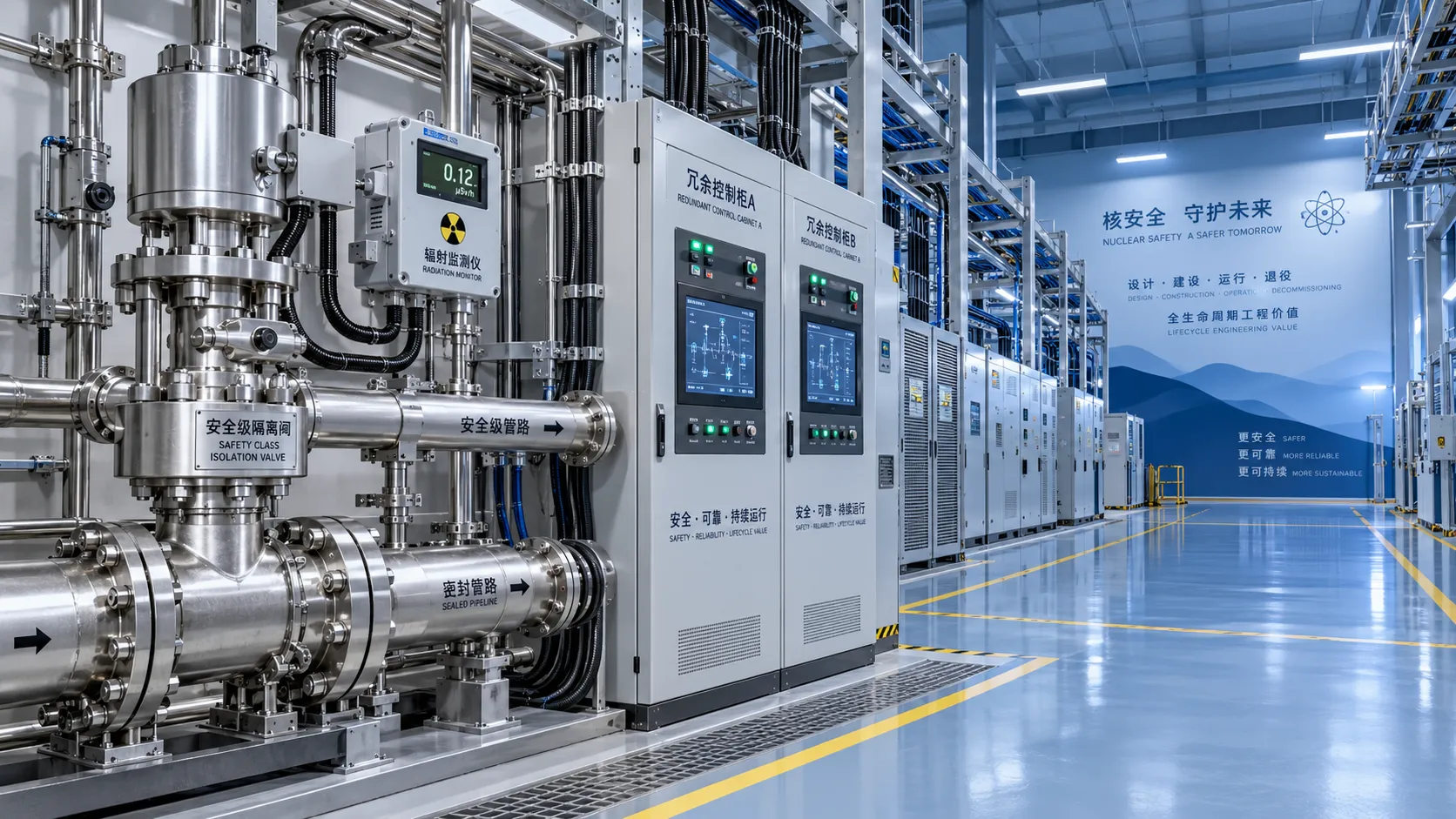
What drives nuclear safety solutions pricing for new facility projects?
Nuclear safety solutions pricing explained: uncover the key cost drivers for new facilities, from qualification and interfaces to lifecycle support.
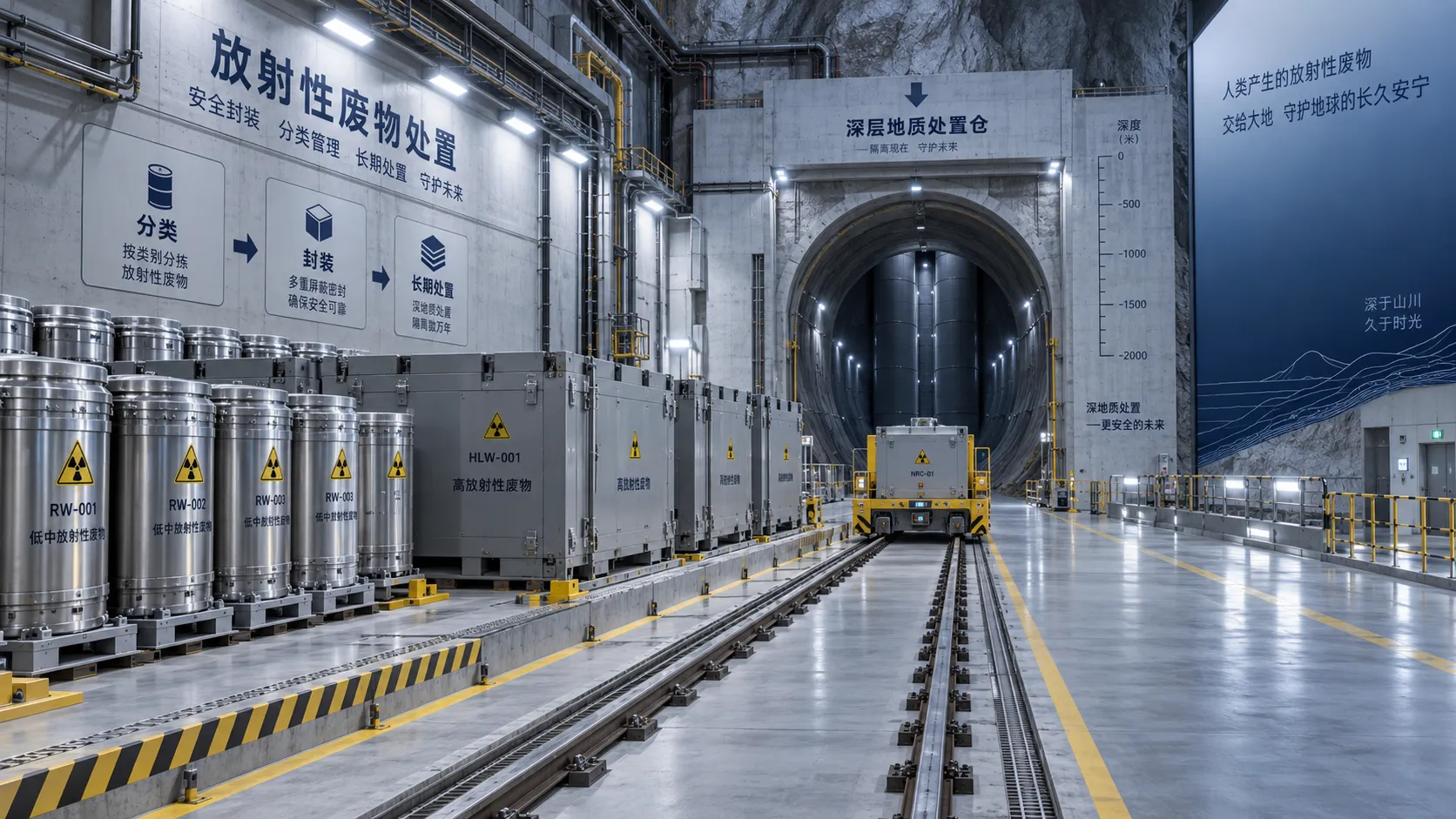
What drives radioactive waste cost over the life of a disposal project?
Radioactive waste cost depends on classification, treatment, transport, storage, disposal access, and long-term compliance. Explore the key lifecycle cost drivers.
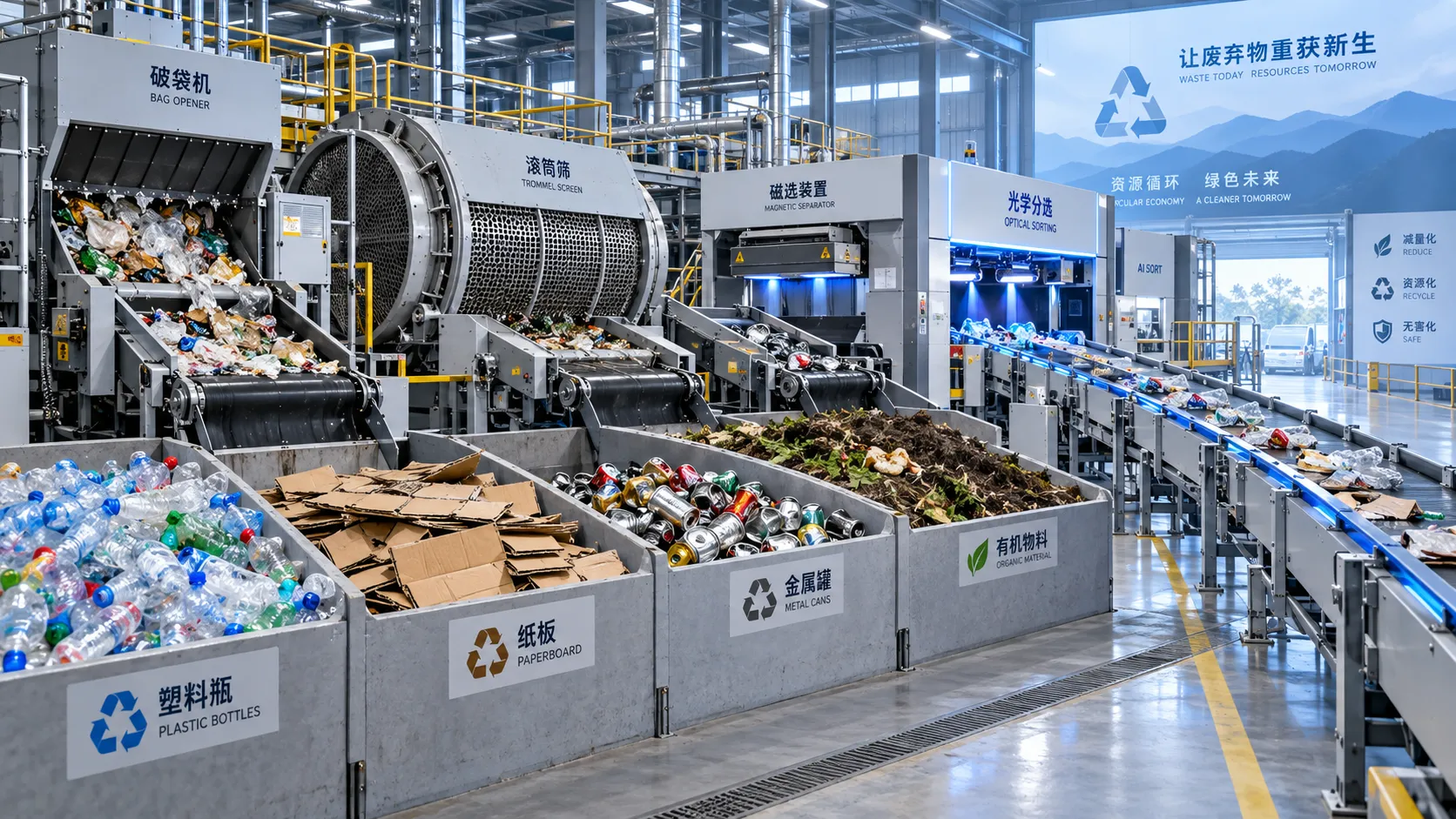
How to choose solid waste equipment based on waste stream characteristics
Environmental equipment guide for solid waste: discover how to match sorting, treatment, and recovery equipment to waste composition, moisture, contamination, and output goals.
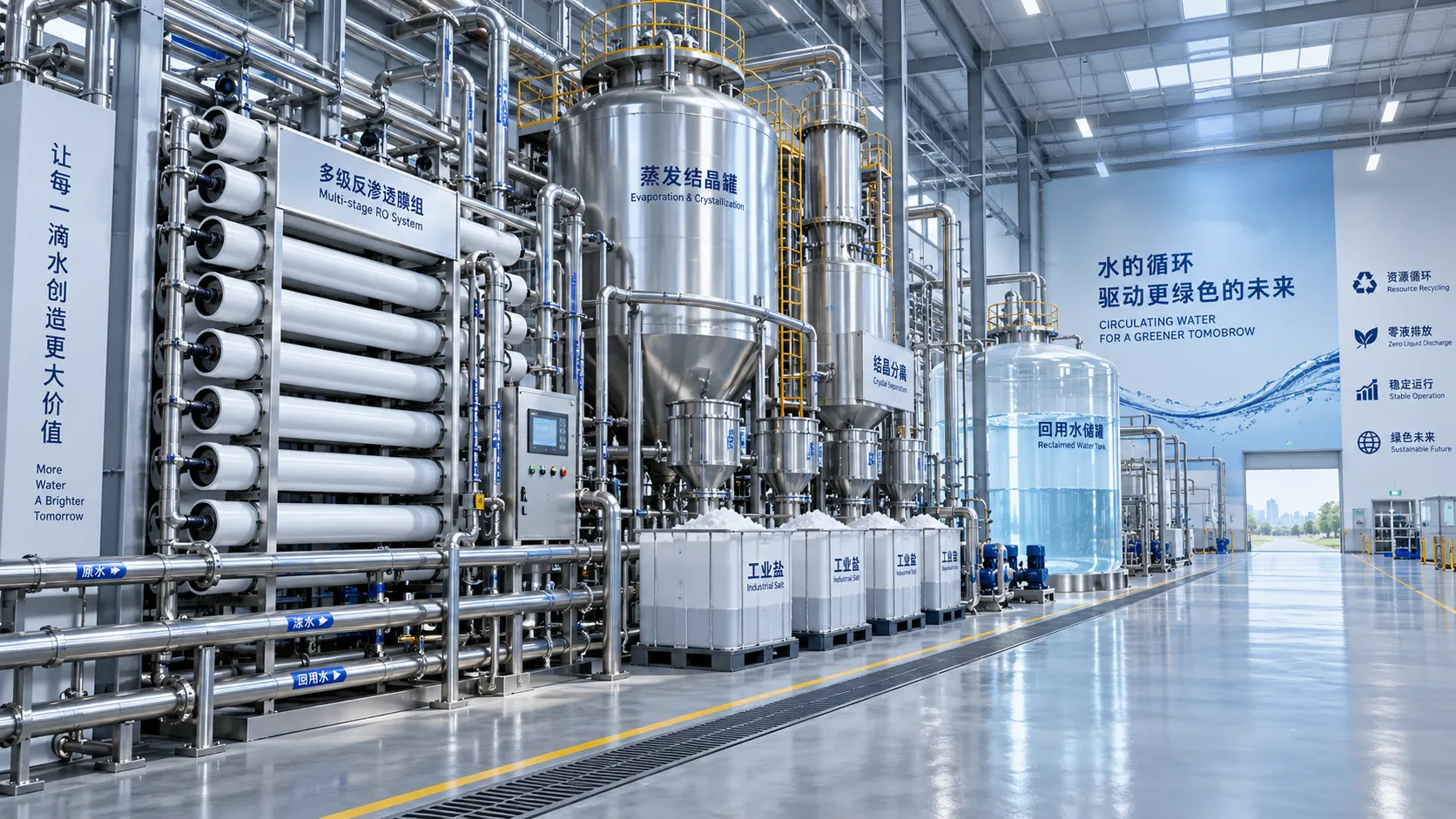
When does high recovery ZLD equipment justify its higher capital cost?
High recovery ZLD equipment can justify higher capital cost when water scarcity, discharge risks, brine disposal, and downtime threaten operations. Explore the decision factors.
How high purity heavy metal recovery affects recovered metal value
High purity heavy metal recovery boosts recovered metal value by improving payability, reducing penalties, and unlocking stronger buyer opportunities. Explore smarter netback strategies.
When does environmental equipment intelligence reduce wastewater plant energy use?
Environmental equipment intelligence for wastewater plants cuts energy use through smarter aeration, pumping, and data-driven controls—without compromising compliance. Discover when it delivers measurable savings.