
Industry News
Curation by industry experts
Hot Articles
Popular Tags
What Should EPC Teams Compare When Selecting a Water Treatment Supplier?
Start With the Project Risk Profile, Not the Equipment List
An EPC team selecting a water treatment supplier is choosing more than a package vendor. The supplier's process design, fabrication discipline, controls philosophy, commissioning support, and willingness to stand behind guarantees can affect whether the plant reaches acceptance on time and continues meeting discharge or reuse targets after handover.
Initial price still matters, particularly in competitive tenders, but it is a poor lead comparison point for complex projects. A lower-priced offer may exclude important redundancy, assume favorable feedwater conditions, use a minimally specified automation scope, or leave responsibilities between process packages unclear. Those gaps tend to reappear later as change orders, delayed commissioning, higher chemical use, membrane fouling, or disputes over performance responsibility.
The most useful comparison is therefore project-specific. An EPC contractor should ask whether each supplier can achieve the required water quality and recovery under the site's real operating envelope, deliver a complete and buildable package within the project schedule, and support the plant through the period when performance risk is highest. The answers should be documented in a common technical and commercial evaluation format, rather than inferred from brochures or high-level process descriptions.
Compare Process Capability Against the Actual Feedwater Envelope
Water treatment systems are often evaluated against a single design feedwater analysis. That is necessary, but it is rarely sufficient. Industrial influent can vary by production batch, season, source water quality, cleaning cycles, upstream upset events, and operator practice. Municipal and mixed wastewater flows can also change materially between dry-weather and peak-flow conditions. A supplier that can meet a target only at one idealized point may create a fragile plant.
The evaluation should begin with the treatment objective: discharge compliance, boiler-feed reuse, process-water reuse, high-purity water, seawater desalination, concentrate minimization, or zero liquid discharge. Each objective changes what should be compared. For example, a supplier proposing reverse osmosis should show how pretreatment protects membrane performance under the expected turbidity, organics, scaling ions, oxidants, oil, or biological loading. A ZLD proposal needs a defensible mass balance across pretreatment, membranes, thermal concentration, crystallization, and solids handling, rather than a recovery figure presented in isolation.
EPC teams should require each bidder to state the feedwater ranges used in its design and identify what happens outside those ranges. This makes hidden assumptions visible. It also helps distinguish a supplier that understands the wastewater chemistry from one that has simply selected standard equipment around a nominal flow rate.
- Influent flow range, peak factors, and minimum stable operating flow.
- Expected variation in total dissolved solids, hardness, silica, suspended solids, COD, oil, ammonia, metals, and problematic ions specific to the source.
- Required treated-water quality at normal and peak operation, including the compliance point or reuse point that defines acceptance.
- Recovery, concentrate volume, sludge production, and the disposal or downstream treatment assumptions behind them.
- Chemical consumption, cleaning frequency, membrane replacement assumptions, and energy demand under realistic conditions.
- Response to upset conditions, such as shock loads, loss of a pretreatment train, abnormal temperature, or temporary utility interruption.
For difficult industrial streams, bench-scale or pilot evidence may be valuable, but the EPC team should be precise about what such evidence proves. A pilot can reduce uncertainty around fouling, chemical selection, biological treatability, or scaling behavior. It does not automatically validate the full-scale hydraulic arrangement, operability, or construction schedule. The supplier should explain how pilot findings are translated into design margins and operating procedures.
Process scope boundaries deserve the same scrutiny. A water treatment supplier may provide equipment from equalization through final polishing, or may only supply a membrane skid while others provide pretreatment, chemical dosing, civil works, electrical systems, and concentrate handling. Neither model is inherently better. The issue is whether interfaces are clearly assigned. If a membrane supplier guarantees permeate quality but another contractor owns pretreatment performance, an EPC team needs to determine who carries the risk when fouling prevents the guarantee from being met.
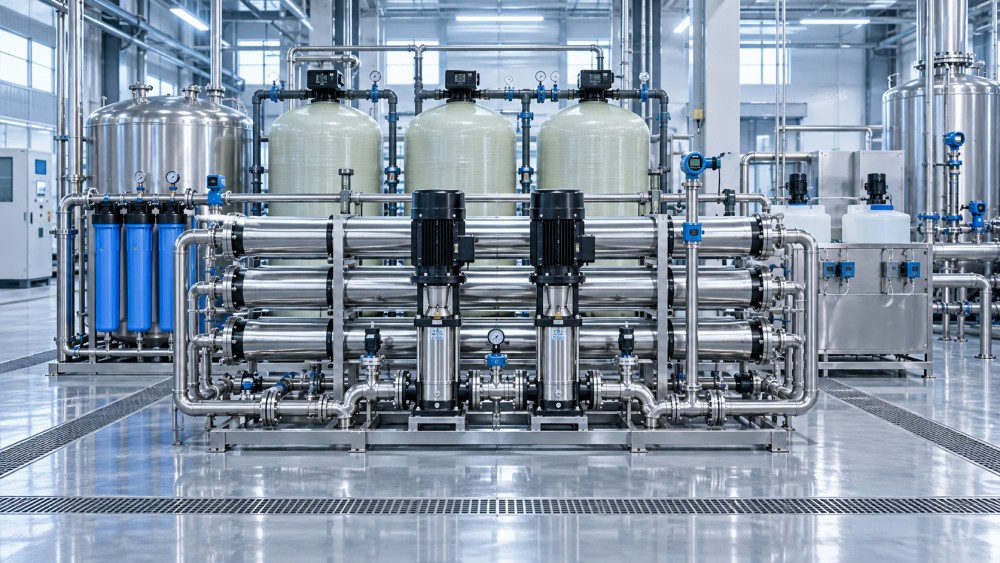
Test References for Similarity, Not Just Quantity
Reference lists are useful only when they answer a comparable technical question. A supplier may have many installations in municipal filtration yet limited evidence for high-salinity industrial wastewater, seawater intake variability, or a plant that must operate around a continuous-process manufacturing schedule. The more severe the feedwater, recovery target, discharge limit, or availability requirement, the more closely the references should resemble the proposed duty.
A strong reference review looks beyond project names and nominal capacity. EPC teams should compare the influent characteristics, treatment train, design recovery, target water quality, location, delivered scope, and operating history. A project delivered several years ago can demonstrate durability, provided the supplier can explain what has changed in its design approach and why. A recent project may reflect current fabrication and automation practices, but may offer less evidence of long-term reliability.
The reference check should also establish the supplier's contractual role. Was it the process guarantor, an equipment sub-supplier, a technology licensor, or a vendor operating under someone else's integration responsibility? A reference where the supplier provided only a vessel or skid should not be treated as proof that it can execute a complete water treatment package with civil, electrical, instrumentation, commissioning, and performance-test obligations.
Questions to ask include whether the system reached guaranteed performance, how long commissioning took, what design modifications were required, and whether operating costs remained close to the original basis. The purpose is not to demand a flawless history. Complex plants often require adjustment after start-up. What matters is whether the supplier identifies problems transparently, mobilizes capable support, and incorporates lessons into subsequent designs.
Evaluate the Package as an Operable Plant, Not a Collection of Major Equipment
Membranes, pumps, clarifiers, evaporators, filters, and ion-exchange systems receive much of the technical attention because they are visible and easy to compare on datasheets. Yet many plant problems originate in less conspicuous details: poor access for maintenance, incomplete instruments, unsuitable materials at a corrosive interface, inadequate drainability, unreliable sample points, weak chemical containment, or control logic that makes abnormal operation difficult to manage.
Suppliers should therefore be compared on package integration. This includes hydraulic design, mechanical layout, materials of construction, lifting and maintenance access, piping flexibility, isolation philosophy, spare connections, and the completeness of instrumentation. The EPC team should assess whether the proposal is genuinely ready for detailed engineering or whether major decisions remain deferred until after award.
Automation is especially important where plant staffing is limited or water quality varies. The question is not whether the supplier offers a PLC and remote monitoring. Almost every supplier can make that claim. The more useful questions concern alarm priorities, permissives, interlocks, manual override procedures, sequence control, historian data, water-quality monitoring, cleaning-in-place logic, and the information an operator receives when performance starts to drift.
A well-designed control system helps operators recognize a fouling trend, a chemical dosing failure, declining filter performance, or an emerging scaling risk before a compliance or availability issue becomes acute. It should also allow the owner to distinguish a process problem from an instrument problem. EPC teams should request a functional description and representative control narratives early enough to compare philosophy, not merely the number of instruments in a list.
Put Guarantees, Exclusions, and Test Conditions Side by Side
Performance guarantees are often treated as a commercial appendix. They should be central to supplier selection because they reveal how confidently a supplier stands behind its design. A guarantee has limited value if its test conditions are narrow, if feedwater deviations are broadly excluded, or if the supplier can attribute underperformance to another package with little evidence.
Each offer should be normalized against the same guarantee matrix. At minimum, this should cover treated-water quality, net production capacity, recovery where relevant, energy use where it is material, consumables, availability expectations, and any limits on waste or concentrate generation. The EPC team should also compare the duration and structure of performance testing. A short demonstration under controlled feed conditions may be appropriate for a simple package, while a complex industrial treatment train may require a more robust protocol to show stable operation.
Exclusions deserve close reading. Common areas include feedwater variability, utility quality, civil readiness, upstream solids or oil carryover, chemical supply quality, operator competence, fouling caused by off-spec influent, and disposal of residuals. Some exclusions are reasonable. The concern is a pattern in which the supplier retains the upside of a favorable design basis while transferring every consequential downside to the EPC contractor or owner.
Remedies also matter. Liquidated damages may be relevant, but they do not solve a plant that cannot meet its operational purpose. A practical comparison considers the supplier's obligation to investigate, modify, repair, retest, and provide engineering support. The stronger partner is usually the one whose guarantee, test plan, and interface responsibilities are internally consistent.
Price the Lifecycle and Delivery Risk Before Making the Commercial Decision
Two suppliers can offer similar capital prices while creating very different ownership costs. Energy demand, chemical use, membrane or media life, thermal duty, cleaning requirements, labor intensity, spare parts, residual handling, and unplanned downtime can outweigh an initial equipment saving over the plant's operating life. This is particularly relevant for desalination, high-recovery reuse, and ZLD systems, where small changes in recovery or fouling behavior can have larger downstream consequences.
A lifecycle comparison does not require false precision. It should use a transparent operating basis and show the assumptions that drive the result. If one bidder assumes infrequent cleanings, low power consumption, or extended membrane life, that assumption should be challenged against the feedwater and operating mode. Conversely, an offer with a higher capital cost may be justified if it includes meaningful redundancy, more robust materials, lower chemical dependency, or a simpler operating regime.
Delivery capability is another area where technical and commercial evaluation meet. EPC teams should examine engineering resources, fabrication location and capacity, quality-control records, critical bought-out equipment, inspection arrangements, documentation quality, packing and logistics plans, and the availability of commissioning personnel. Long-lead items and proprietary components should be identified before award, especially where local service or import constraints could affect the construction schedule.
Service capacity should be assessed in relation to the plant's location and criticality. The relevant question is whether qualified support, spare parts, troubleshooting expertise, and training can be made available when the system is under pressure. A supplier with a technically sound process but weak post-start-up support may still expose the EPC contractor to avoidable completion risk.
Use a Weighted Evaluation, Then Challenge the Result
A disciplined selection process typically separates mandatory requirements from scored differentiators. Mandatory requirements may include compliance targets, required capacity, approved materials, local codes, documentation standards, and critical schedule dates. Suppliers that cannot meet those conditions should not remain competitive because of a lower headline price.
For qualified suppliers, the weighting should reflect the project. A conventional municipal upgrade may place more emphasis on delivery certainty and maintainability. A high-salinity industrial reuse plant may assign greater weight to feedwater tolerance, mass-balance credibility, and guarantee strength. A remote desalination project may elevate energy performance, remote diagnostics, corrosion control, and service coverage.
Before the final decision, the evaluation team should challenge its own conclusion with a simple question: what has to go right for the selected supplier's proposal to work as promised? If the answer depends on unusually stable influent, unresolved interfaces, aggressive operating assumptions, or optimistic commissioning support, the apparent commercial advantage may be less attractive than it first appears.
The supplier worth selecting is not necessarily the one with the most elaborate process diagram or the lowest bid. It is the one whose technical basis, references, guarantees, delivery plan, and operating assumptions all describe the same credible plant.
Recommended News

How to size a desulfurization equipment scrubber for variable gas flow
Desulfurization equipment scrubber sizing for variable gas flow: optimize SO2 removal, pressure drop, liquid-to-gas control, and compliance across every load.
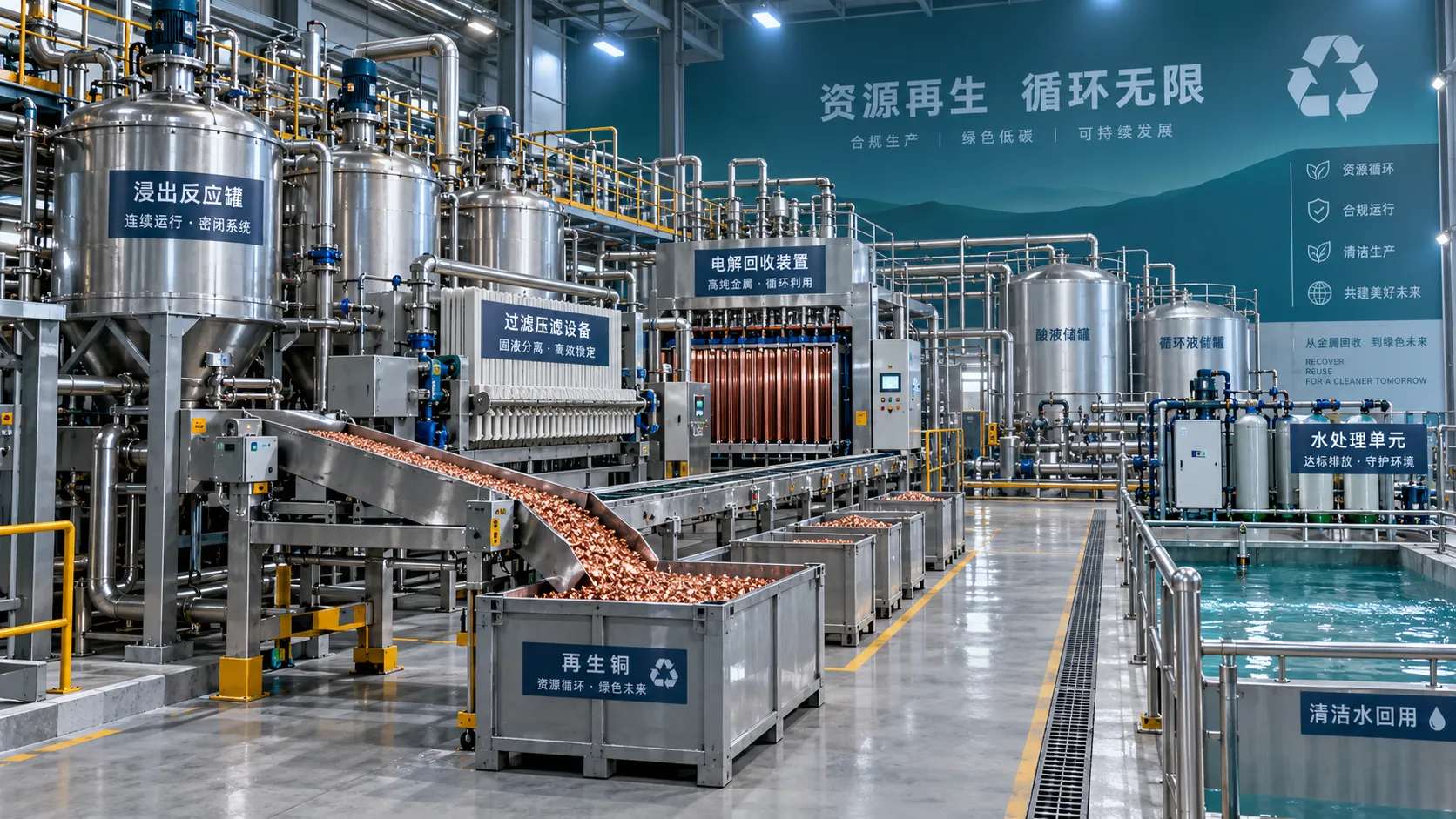
When does repeatable metals recovery infrastructure justify the investment?
Repeatable metals recovery infrastructure: discover when consistent feedstock, lower disposal costs, compliance control, and reliable offtake justify investment.
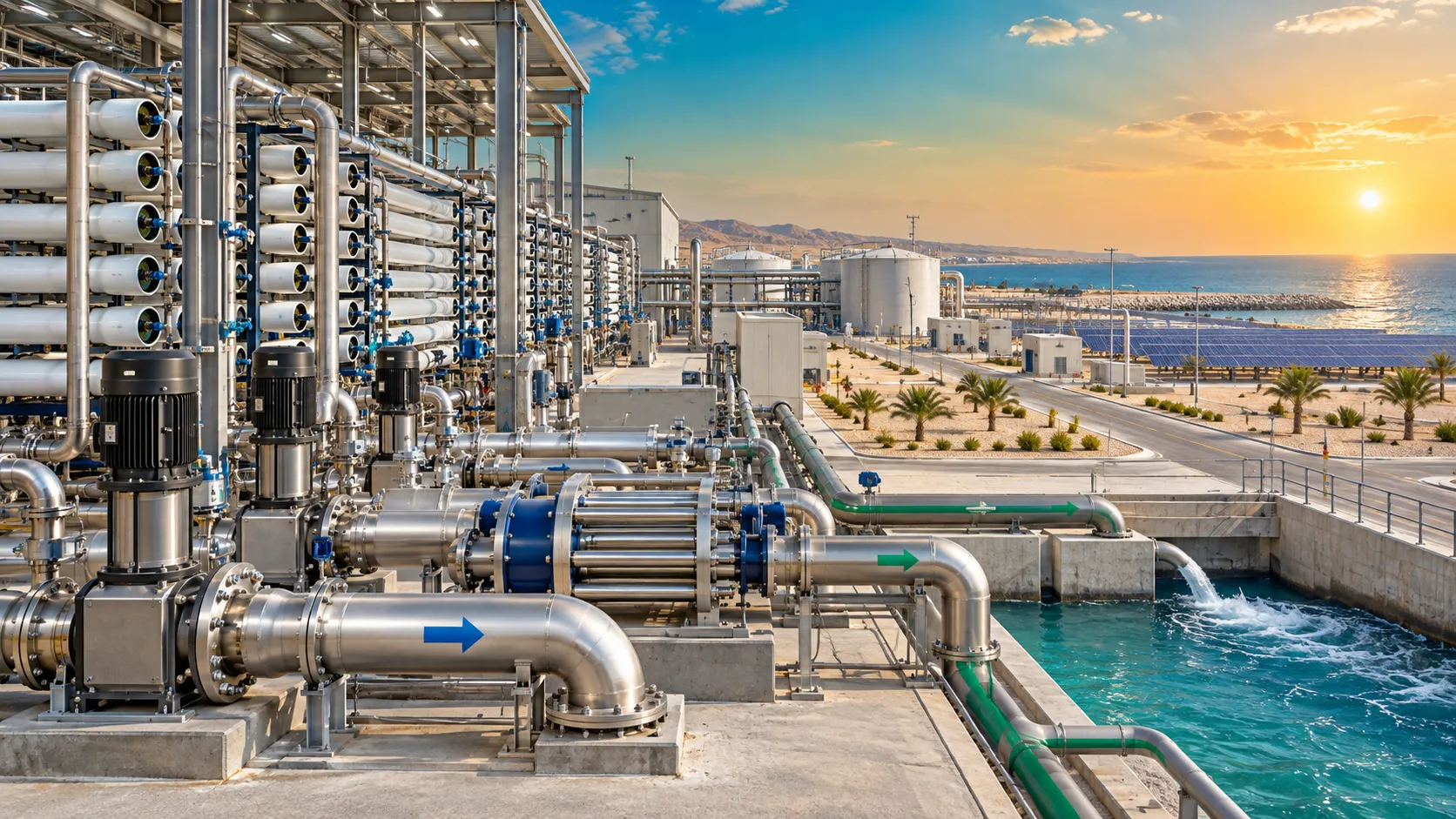
How energy recovery cuts the cost of seawater desalination in the Middle East
Seawater desalination Middle East projects can cut lifecycle costs with energy recovery. Explore savings, bankability, power-risk strategies, and smarter investment decisions.
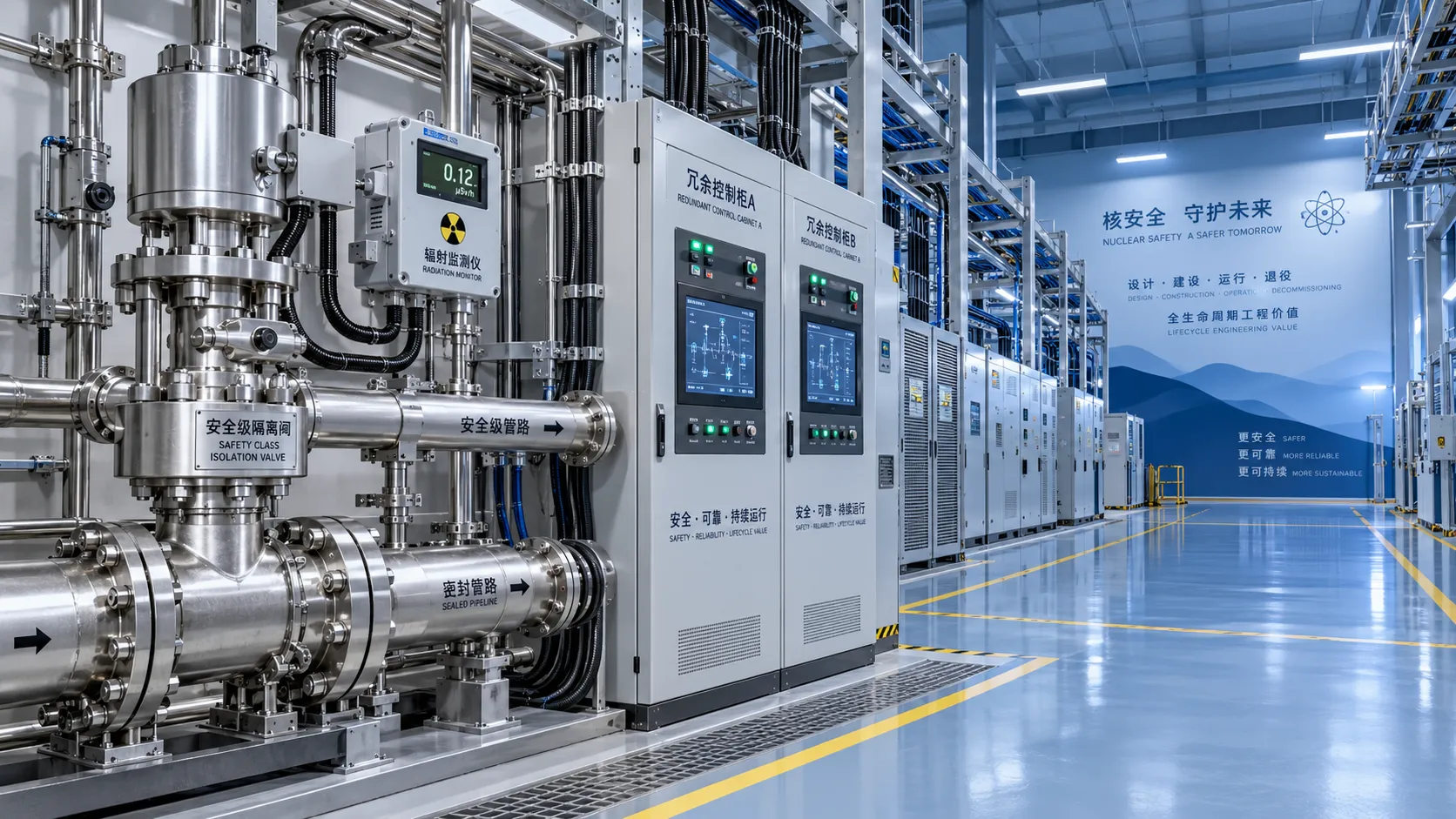
What drives nuclear safety solutions pricing for new facility projects?
Nuclear safety solutions pricing explained: uncover the key cost drivers for new facilities, from qualification and interfaces to lifecycle support.
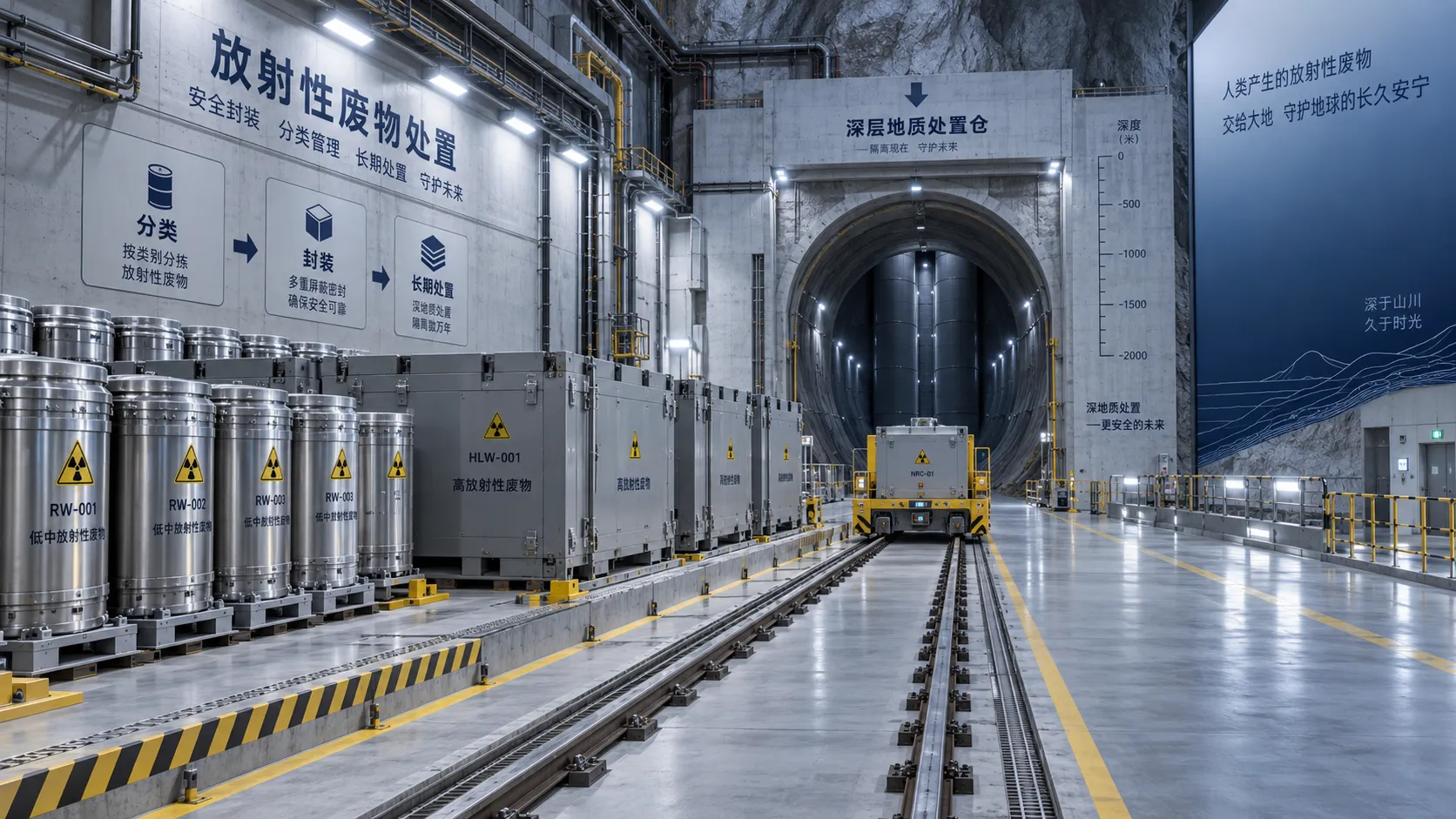
What drives radioactive waste cost over the life of a disposal project?
Radioactive waste cost depends on classification, treatment, transport, storage, disposal access, and long-term compliance. Explore the key lifecycle cost drivers.
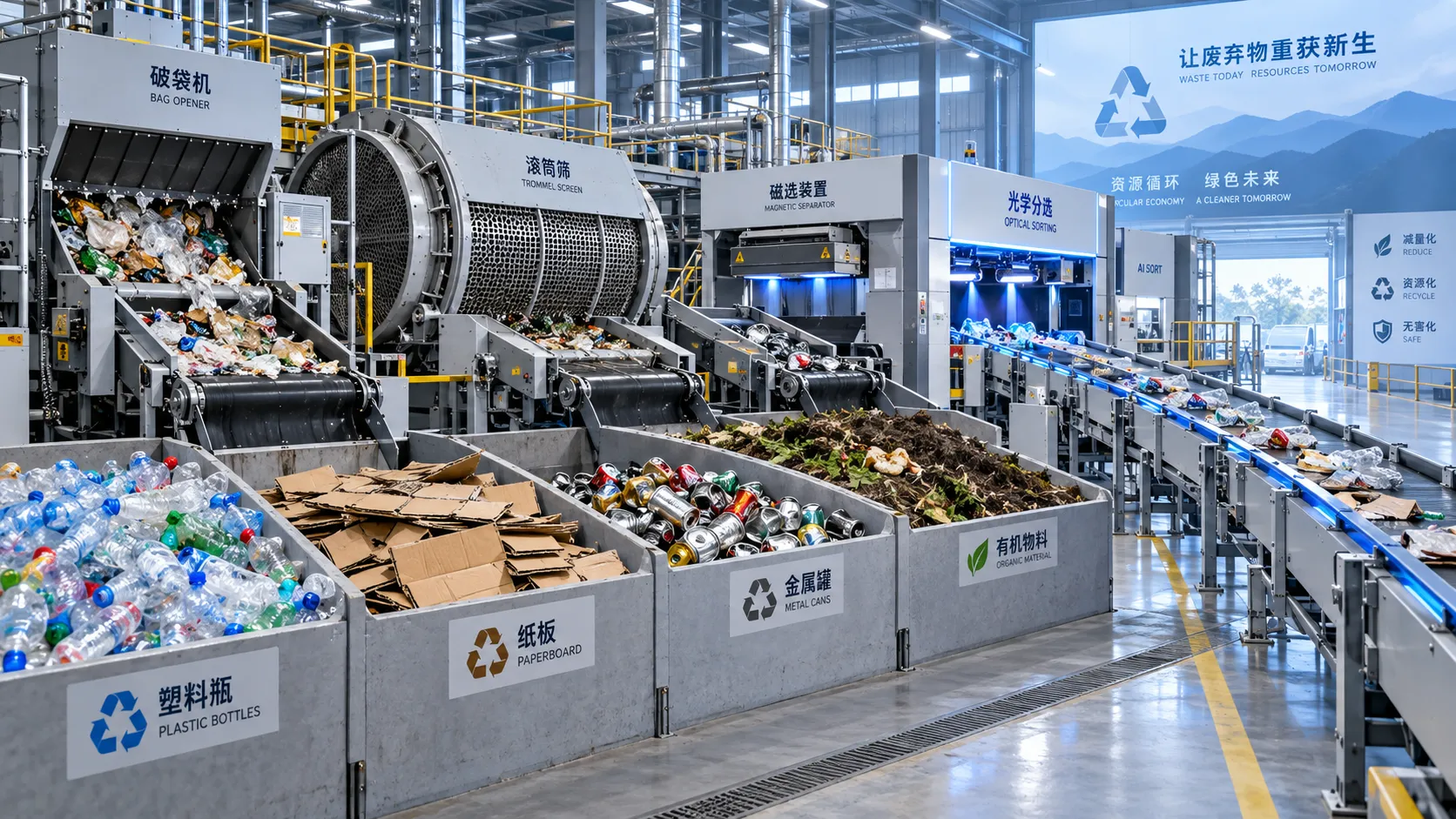
How to choose solid waste equipment based on waste stream characteristics
Environmental equipment guide for solid waste: discover how to match sorting, treatment, and recovery equipment to waste composition, moisture, contamination, and output goals.
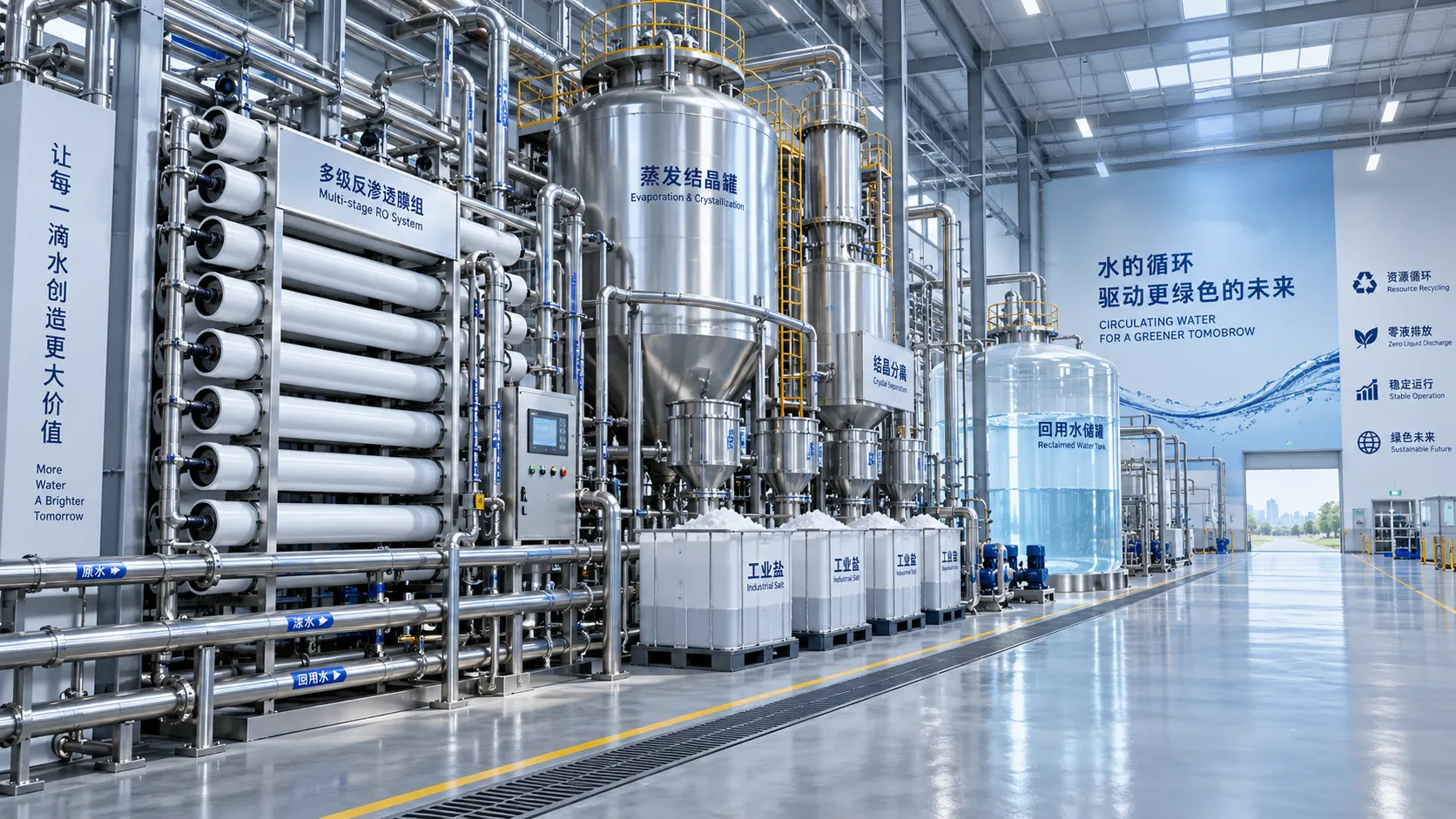
When does high recovery ZLD equipment justify its higher capital cost?
High recovery ZLD equipment can justify higher capital cost when water scarcity, discharge risks, brine disposal, and downtime threaten operations. Explore the decision factors.

How high purity heavy metal recovery affects recovered metal value
High purity heavy metal recovery boosts recovered metal value by improving payability, reducing penalties, and unlocking stronger buyer opportunities. Explore smarter netback strategies.
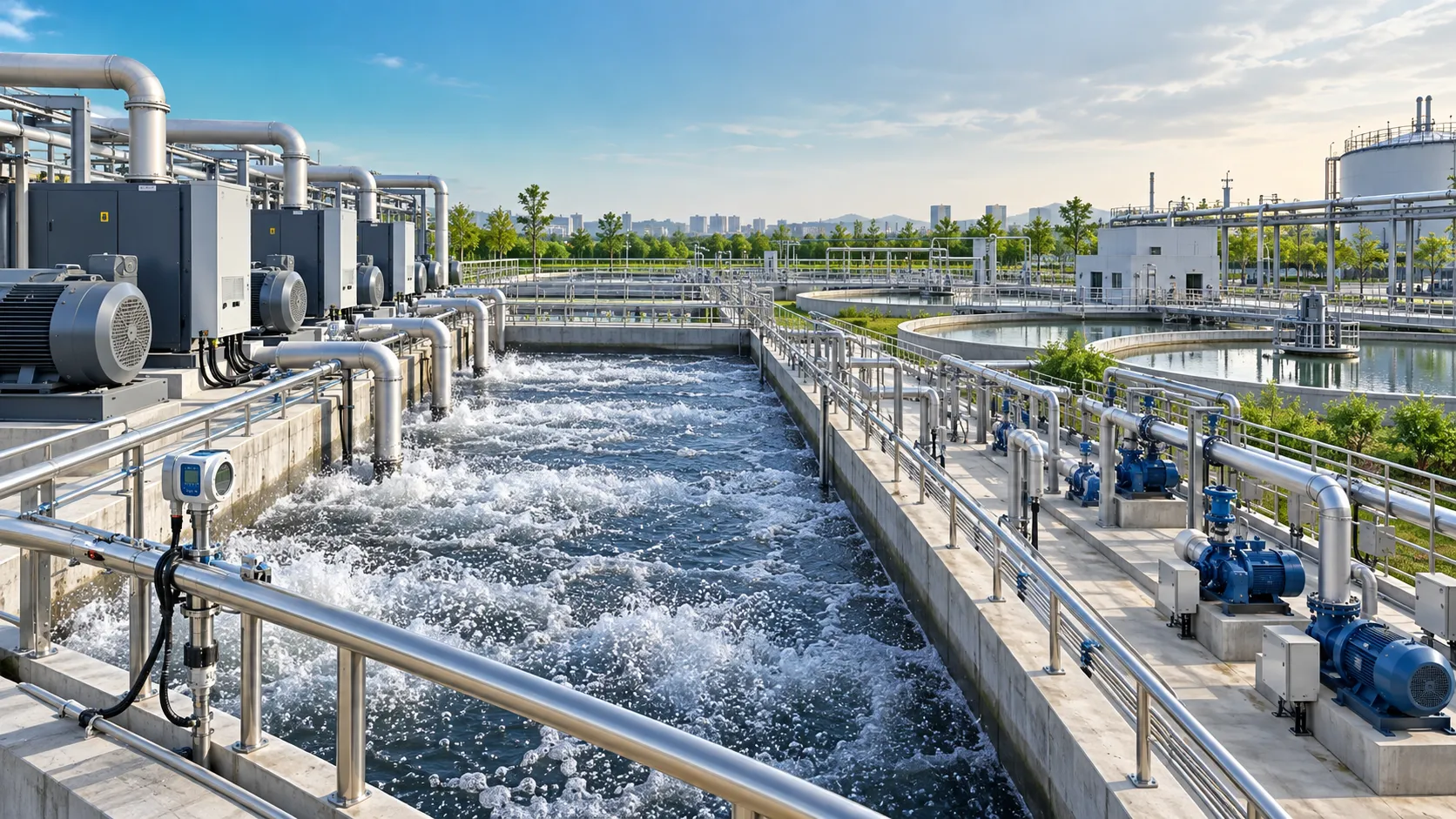
When does environmental equipment intelligence reduce wastewater plant energy use?
Environmental equipment intelligence for wastewater plants cuts energy use through smarter aeration, pumping, and data-driven controls—without compromising compliance. Discover when it delivers measurable savings.