
Industry News
Curation by industry experts
Hot Articles
Popular Tags
How metal concentration affects electrolytic heavy metal recovery equipment
Metal concentration is a critical variable when evaluating electrolytic heavy metal recovery equipment. It influences deposition rates, current efficiency, energy consumption, and the quality of recovered metal, while low concentrations can make further removal increasingly energy-intensive.
For technical evaluators, understanding these relationships is essential to sizing equipment, assessing pretreatment needs, and determining when electrolysis should be combined with polishing technologies. This article examines how changes in feed concentration affect recovery performance and the practical decisions behind process selection.
What concentration tells you about equipment suitability
Higher dissolved metal concentrations generally support faster recovery and better current efficiency because more target ions are available at the cathode. However, concentration alone cannot establish whether a system will meet an effluent limit or recover saleable metal.
The decisive question is whether the equipment can recover enough metal, at an acceptable cost, across the actual operating range. Evaluate the starting concentration, minimum expected concentration, flow rate, target endpoint, and competing constituents together.
For example, a segregated plating rinse may be attractive for recovery, while the same metal diluted in a combined wastewater stream may require concentration or polishing. Mixing streams before evaluation can obscure this difference.
Do not treat published concentration thresholds as universal design limits. Cell geometry, electrode materials, electrolyte chemistry, mass transfer, and the required outlet concentration can change the economical operating range substantially.
Why recovery slows as metal concentration falls
Electrolytic recovery uses electrical current to drive dissolved metal ions toward reduction at a cathode. Under suitable conditions, those ions form a deposit that can be stripped, collected, and potentially recycled.
As bulk concentration declines, fewer metal ions reach the electrode surface per unit time. If the applied current exceeds the rate at which ions can be supplied, competing reactions consume a larger share of the electricity.
Hydrogen evolution is a common competing cathodic reaction in aqueous systems. It can reduce current efficiency, alter local pH, and produce bubbles that affect electrode performance and require appropriate ventilation.
The limiting current depends on both concentration and mass-transfer conditions. Improved circulation, turbulence, or electrode design can increase ion delivery, but these measures also introduce energy demand, pressure losses, or maintenance requirements.
For a batch system, the consequence is a recovery curve that often becomes slower and more expensive near the endpoint. The final reduction in concentration may take disproportionately more time than the initial recovery.
Continuous systems face a related constraint: an aggressive outlet target may require more electrode area, longer residence time, staged cells, or downstream treatment. Each option changes footprint, capital cost, and operating complexity.
How concentration affects energy use and recovery cost
Current efficiency is the fraction of electrical charge used for the intended metal deposition reaction. When concentration falls and side reactions increase, more charge is needed to recover the same mass of metal.
Cell voltage matters as well. Electrical energy consumption rises with both voltage and operating time, while low conductivity, electrode fouling, and excessive spacing can increase voltage independently of metal concentration.
For comparison, calculate direct-current energy using measured cell voltage, current, and operating time. Report it as kilowatt-hours per kilogram of metal actually recovered, alongside inlet and outlet concentrations.
Also include rectifier losses, pumps, cooling, ventilation, and any heating in a full-system energy estimate. A vendor figure for the cell alone is not equivalent to the plant electricity demand.
For a simplified theoretical benchmark, copper deposition from Cu2+ requires approximately 0.84 ampere-hours per gram of copper at 100% current efficiency. Actual charge demand is higher when current efficiency is below 100%.
At a constant 3 V cell voltage, that ideal charge corresponds to approximately 2.5 kWh per kilogram of copper deposited. This is an illustration, not a design guarantee: real voltage, efficiency, and auxiliary loads vary.
Compare total treatment cost, not electricity alone. Electrode replacement, chemical conditioning, labor, deposit handling, residual treatment, and avoided disposal fees can all materially change the result.
Which concentration should you use for sizing?
Use dissolved, electrochemically recoverable metal concentration for the initial assessment, not just total metal measured after digestion. Particulate metal and strongly bound species may not be available for direct deposition.
Sample the proposed feed after its intended pretreatment point. Record total and dissolved metals, pH, conductivity, temperature, suspended solids, and relevant complexing agents using methods appropriate to the wastewater.
Characterize variability over production cycles, shift changes, cleaning events, and shutdowns. A single high-concentration sample can overstate recovery potential if most of the operating time is spent at lower concentrations.
Convert concentration and flow into a metal mass rate. For example, 10 cubic meters per day containing 500 milligrams per liter of dissolved copper carries 5 kilograms of copper per day.
If the required outlet concentration is 100 milligrams per liter at the same flow, the theoretical removal requirement is 4 kilograms per day. This simplified balance assumes no other liquid streams or metal losses.
That mass balance does not determine cell size by itself. Equipment sizing also requires demonstrated current efficiency, achievable current density, hydraulic residence time, availability, and the effect of declining concentration.
Check whether the treatment target applies to total or dissolved metal and whether it is a daily maximum, average, or other compliance metric. The applicable permit and sampling rules govern the actual endpoint.
When does concentration improve deposit quality?
Adequate metal ion supply can support a more consistent deposit, but higher concentration does not automatically produce pure or easily harvested metal. Current density and electrolyte composition remain important.
If deposition is too aggressive for the available mass transfer, deposits may become rough, powdery, or dendritic. Such deposits can detach, complicate collection, and increase the risk of electrode short circuits.
Other dissolved metals can co-deposit, depending on their concentrations, speciation, and operating potential. Organic additives, suspended matter, and process contaminants may also affect deposit adhesion and downstream recycling acceptance.
Ask a potential recycler for acceptance criteria covering metal content, moisture, impurities, and physical form. A recovered deposit has economic value only when a credible outlet accepts its composition and quantity.
In mixed-metal streams, selective recovery may be possible under controlled conditions, but standard electrode-potential tables alone do not establish practical selectivity. Test the actual wastewater and analyze deposits from each operating stage.
When should electrolysis be combined with polishing?
Electrolysis is often most compelling as a bulk recovery step when the feed contains enough recoverable metal to sustain useful current efficiency. A separate polishing step can address the lower-concentration residual.
Depending on the water chemistry and discharge or reuse objective, polishing options may include precipitation and filtration, ion exchange, selective adsorption, or membrane separation. Each creates its own residuals and operating obligations.
Precipitation can remove metals from dilute water but typically produces sludge requiring handling and disposal or further recovery. Ion exchange may reach low concentrations, but resin capacity and regenerant management need evaluation.
Membranes can concentrate dissolved metals for potential recovery while producing a permeate for further treatment or reuse. Fouling, scaling, concentrate disposal, and pretreatment requirements determine whether that approach is practical.
Choose the handoff point using measured marginal cost: compare the cost of further electrolytic removal with the incremental cost and capacity burden imposed on polishing. Include both equipment availability and compliance risk.
Segregating concentrated process baths from dilute rinses may be more effective than treating a combined stream. However, confirm collection logistics, flow variability, and compatibility before changing the plant layout.
How to test equipment across the operating range
Bench tests are useful for screening chemistry and identifying interfering reactions. Pilot testing becomes important when scale, variable wastewater, deposit harvesting, or a demanding effluent target could materially affect investment decisions.
Use representative samples or a continuously supplied slipstream, and test the expected high, typical, and low concentrations. Include the intended pretreatment and any recycle streams that will change electrolyte composition.
For batch treatment, sample concentration and electrical conditions throughout the run, not only at the beginning and end. This reveals how recovery rate and current efficiency change as the bath is depleted.
For continuous treatment, measure performance after the system reaches a representative steady state and during foreseeable feed changes. Confirm how the controls respond to variations in concentration, flow, and conductivity.
Request a complete mass balance covering feed, treated water, harvested deposit, solids, and any purge. Differences between measured inputs and outputs should be investigated before extrapolating recovery or revenue.
Record metal recovery, current efficiency, cell voltage, system energy, electrode area, run time, deposit quality, cleaning frequency, and downtime. Report the test conditions with every performance figure.
Where discharge compliance is claimed, validate the full treatment train against the applicable analytical method and permit conditions. A pilot result for dissolved metal alone may not establish compliance with a total-metal limit.
Questions to put to an equipment supplier
Request performance curves for the actual metal and wastewater, showing recovery rate and current efficiency against concentration. A single headline recovery percentage does not reveal performance near the required endpoint.
Ask how the proposed system maintains mass transfer, controls current, prevents short circuits, and handles hydrogen and other process gases. Gas hazards depend on the chemistry and require a site-specific safety assessment.
Confirm the design basis for electrode area, operating hours, redundancy, cleaning, and deposit removal. Ask whether stated throughput assumes continuous availability or includes realistic maintenance and harvesting interruptions.
Require a transparent cost model that separates cell electricity from auxiliary loads and identifies chemical use, replacement parts, labor, polishing, and residual disposal. Treat metal revenue as conditional on verified buyer acceptance.
Finally, establish acceptance-test criteria before procurement. Specify feed conditions, sampling methods, treatment targets, energy boundaries, operating duration, and how performance will be assessed when incoming wastewater varies.
Conclusion: design around the full concentration curve
Metal concentration shapes recovery rate, current efficiency, energy demand, and the practical endpoint of electrolytic treatment. Its effect is strongest when assessed alongside flow, speciation, mass transfer, and competing reactions.
For technical evaluators, the soundest decision is based on representative testing across the concentration range and a complete treatment-train cost. Recover metal where electrolysis performs well, then select polishing against the verified final requirement.
Recommended News
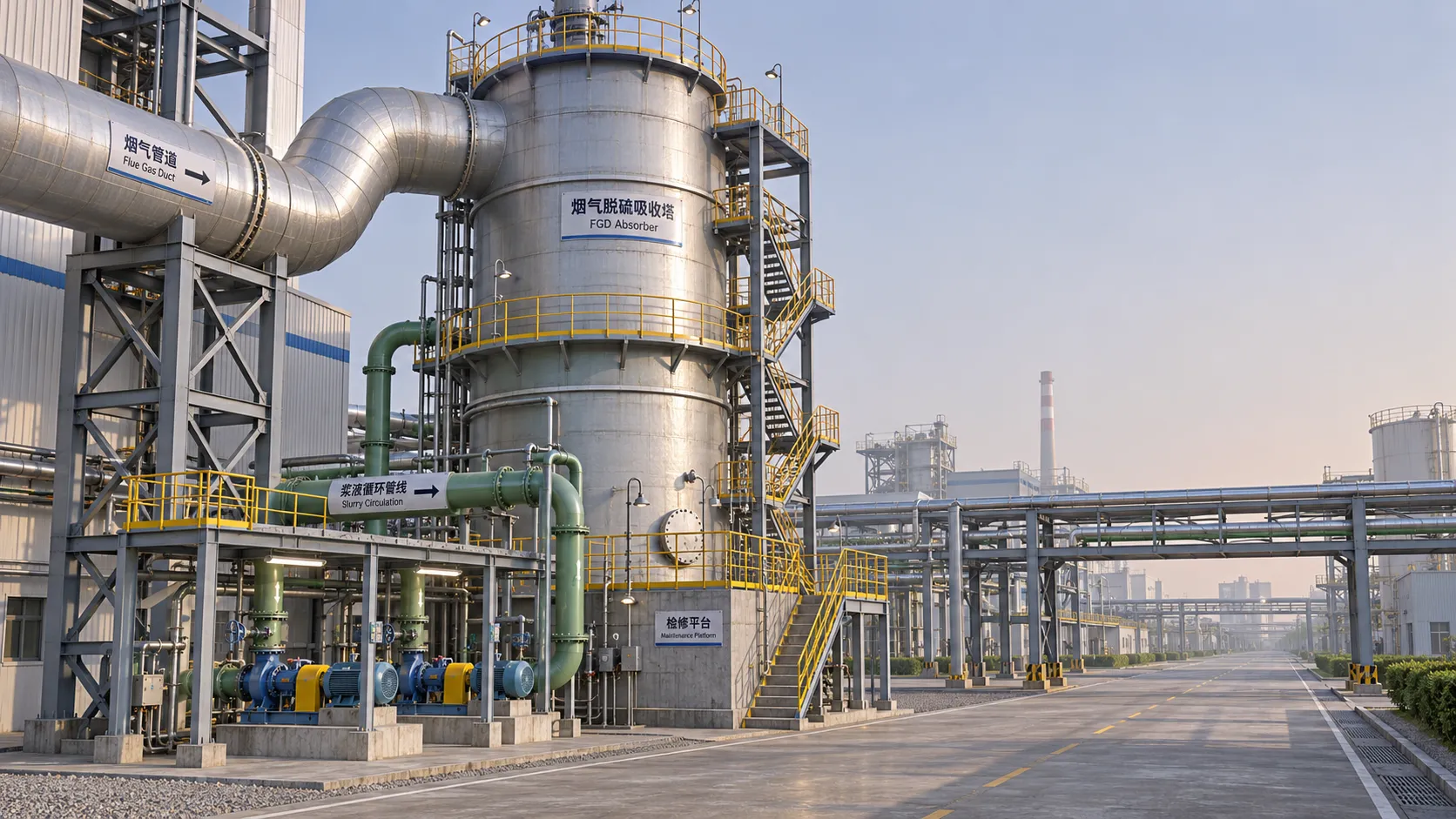
How does plant capacity affect the price of a wet FGD scrubber?
Explore how plant capacity affects FGD scrubbers price, from gas flow and sulfur load to economies of scale. Make smarter budgeting and supplier comparisons.
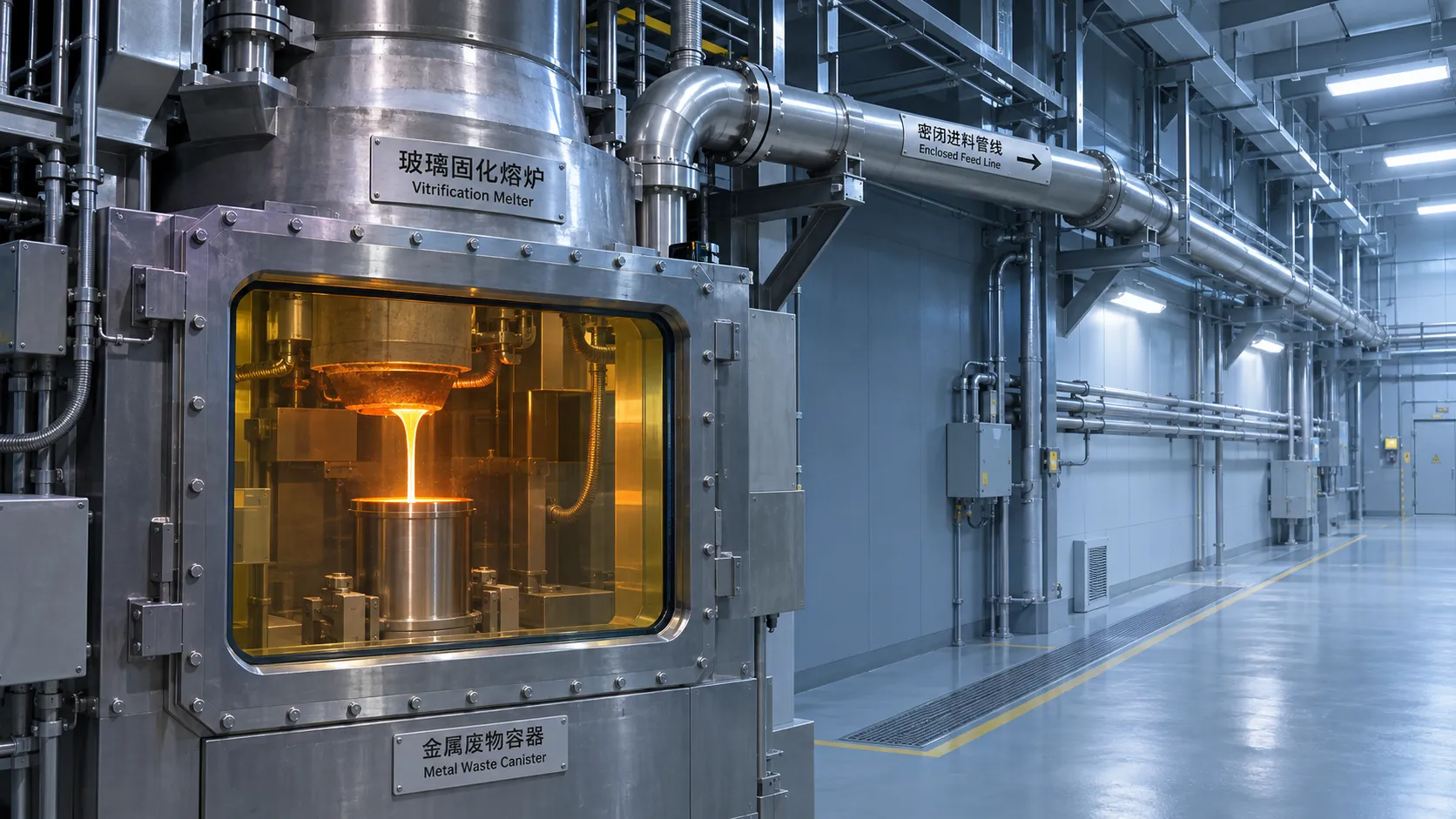
How is high-level waste vitrified at nuclear reprocessing plants?
Nuclear waste treatment for reprocessing plants turns liquid high-level waste into durable glass. Explore the process, safety controls and qualification steps.
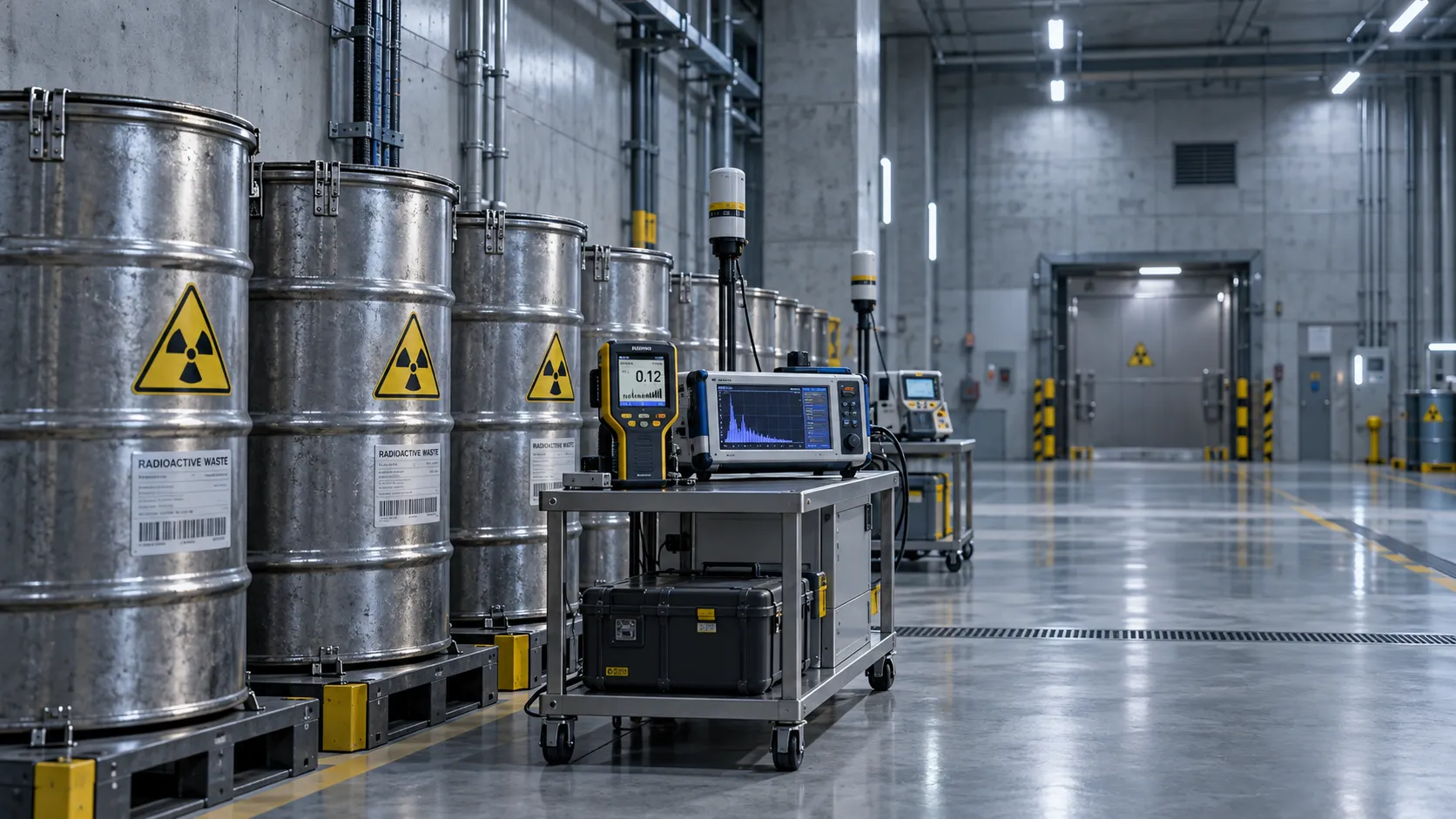
How does waste classification affect nuclear waste treatment cost?
Discover how waste classification affects nuclear waste treatment cost, from characterization and packaging to disposal, and learn how to build a more reliable project budget.
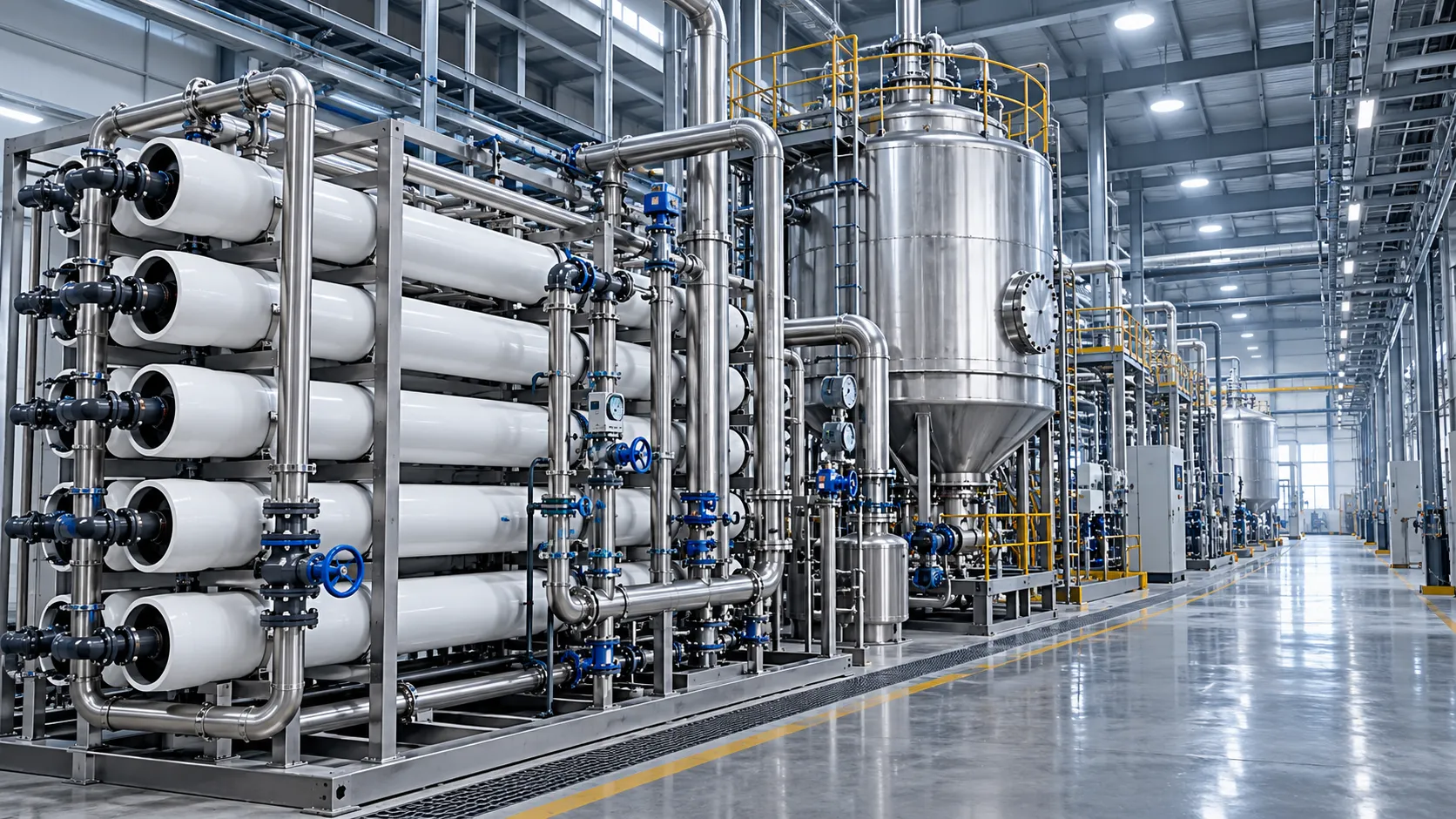
How wastewater salinity affects industrial zero liquid discharge equipment selection
Industrial zero liquid discharge equipment selection starts with wastewater salinity. Explore membrane, evaporation, scaling, and cost considerations.
When is wet scrubbing suitable for flue gas cleaning?
Flue gas cleaning with wet scrubbing can control acid gases and particles. Discover when it makes sense and how to weigh water, wastewater and operating costs.
How to assess the sorting accuracy of AI waste sorting equipment
Assess AI waste sorting equipment with practical tests for recovery, purity and throughput. Learn how to compare suppliers and make a confident purchase.
Choosing purification systems for chemical plants by contaminant load
Use this industrial purification systems guide for chemical plants to match treatment to contaminant loads, reduce operating risks, and improve water reuse. Explore smarter system choices.
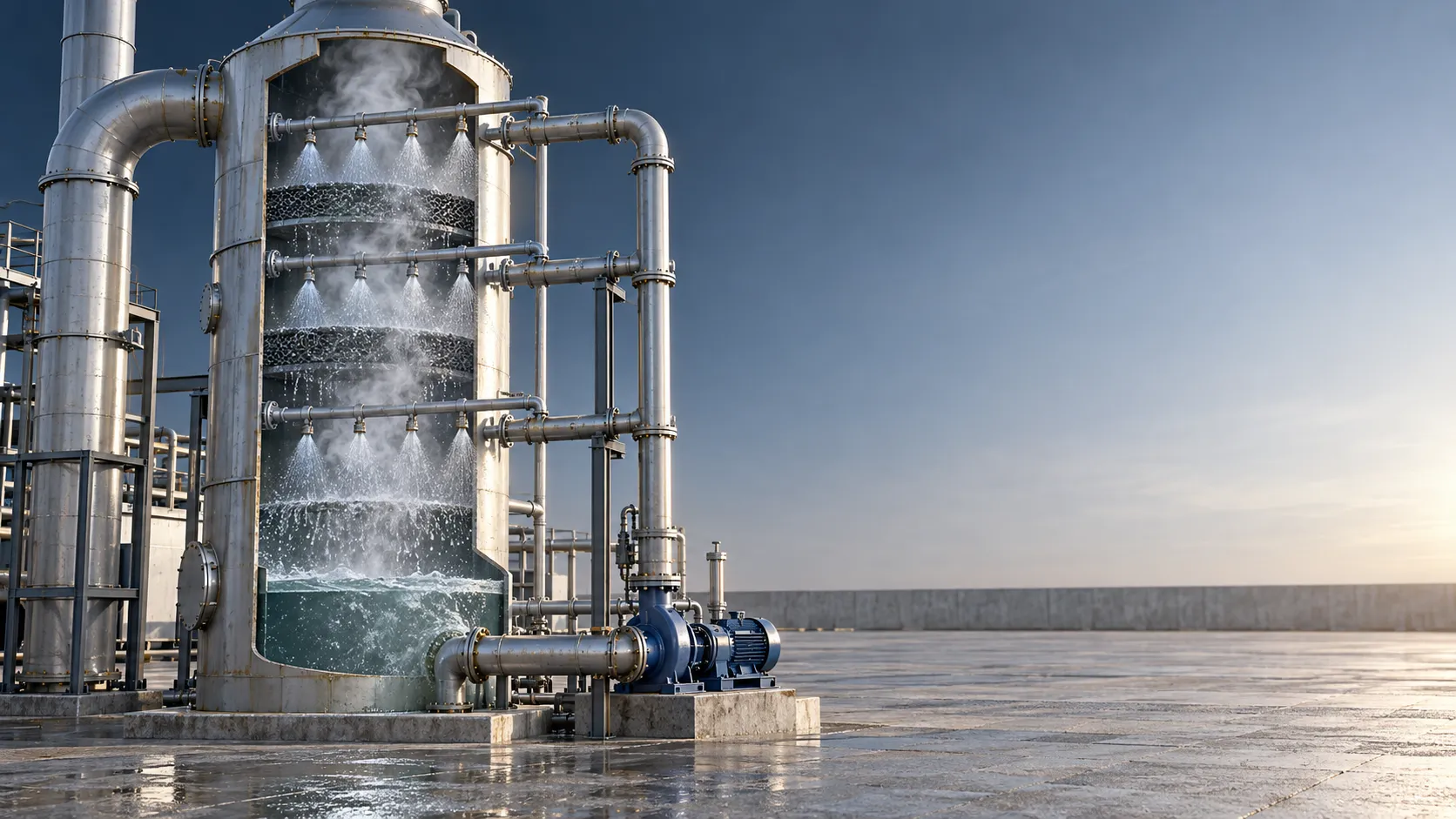
How liquid-to-gas ratio affects wet flue gas scrubbing design
Optimize flue gas scrubbing design with the right liquid-to-gas ratio. Discover how chemistry, hydraulics, and pumping costs shape reliable, cost-effective emissions control.
How to size ingredient mixing equipment for viscous formulations
Size mixing ingredient processing equipment for viscous formulations with expert guidance on rheology, torque, and heat removal. Learn how to select a system that delivers reliable batch performance.