
Industry News
Curation by industry experts
Hot Articles
Popular Tags
When do integrated environmental governance solutions make sense?
When environmental challenges cross operational boundaries, fragmented investments can increase costs and compliance risks. Integrated environmental governance solutions make sense when a business needs to manage interconnected water, waste, emissions and resource recovery priorities across a facility or portfolio. For decision-makers, the question is not simply which technology performs best, but how coordinated systems can support regulatory compliance, operational resilience and long-term value.
Integration does not mean replacing every existing asset or purchasing one all-encompassing system. It means making decisions with the full environmental and operational picture in view: where materials enter, how they move through a site, what leaves as a product or residue, and who remains accountable for each outcome.
When a single environmental problem is not really a single problem
A wastewater upgrade may look like a water department decision until its consequences appear elsewhere. Additional treatment can produce sludge that requires disposal, increase electricity demand or generate a concentrated brine stream. A technology that improves one discharge metric may therefore create a new cost or risk in another part of the operation.
The same pattern appears in air pollution control. A flue gas treatment system can reduce emissions at the stack, but its performance also depends on reagent supply, energy use, maintenance and the management of resulting residues. Treating those requirements as afterthoughts can weaken an otherwise sound investment.
Integrated environmental governance solutions are most compelling when these connections are material enough to affect permitting, capital allocation or continuity of operations. The aim is not to optimize every environmental outcome at any cost. It is to make trade-offs visible before they become expensive surprises.
Signals that an integrated approach deserves serious consideration
Several compliance obligations meet at the same operating site
A manufacturing complex, industrial park or energy facility may face requirements for wastewater discharge, air emissions, solid waste handling and resource reporting at the same time. Even when each obligation has a separate permit or regulator, the underlying processes can be connected.
Coordinated planning helps teams examine whether a proposed change in one area will affect another obligation. For a business operating across jurisdictions, it also creates a basis for distinguishing common internal standards from local legal requirements. Permit conditions and reporting rules still need to be checked for each location; integration is not a substitute for site-specific legal review.
Waste streams could become inputs—but only under the right conditions
Resource recovery can change the economics of environmental management. Sorting a solid waste stream more accurately, for example, may increase the proportion suitable for recycling. In some settings, industrial wastewater treatment can support water reuse, reducing dependence on freshwater sources.
These opportunities are not automatic revenue streams. Decision-makers should establish whether the recovered material meets buyer specifications, whether a stable outlet exists, and what treatment, transport and quality-control costs remain. A circular solution that has no dependable end market may simply create a different storage problem.
Water availability threatens production
Where water supply is constrained, the choice is rarely just between a larger treatment plant and a smaller one. A company may need to compare reuse, process changes, alternative supplies and, in coastal locations, seawater desalination. Each option carries implications for energy, discharge, reliability and capital.
Zero liquid discharge can be relevant where liquid discharge is severely restricted or where water recovery has strategic value. It is not automatically the best choice: concentrate management, energy consumption and solid residues must be assessed alongside local permit requirements and the real cost of interrupted supply.
New investments are arriving on different timelines
An acquisition, plant expansion or equipment replacement can expose years of disconnected environmental decisions. If water treatment, waste recovery and emissions control are all approaching renewal, a shared roadmap may prevent the company from locking itself into incompatible systems.
That does not require a single construction phase. A phased plan can prioritize urgent compliance needs while preserving space, utilities, data connections and operating flexibility for later upgrades.
When integration may not be the best answer
Sometimes a focused intervention is the more responsible choice. If a problem is isolated, its interfaces are well understood and the existing systems have adequate capacity, a targeted equipment replacement may solve it with less disruption. A broader program can also be premature when the business lacks reliable baseline data or faces uncertainty about a facility’s future.
There is a difference between integrated planning and integrated procurement. A company can assess cross-system impacts without placing every asset under one contract or supplier. In fact, separating packages may protect competition or make specialist expertise easier to secure. The important question is whether responsibilities at the interfaces remain clear.
How to evaluate the business case
Before comparing vendors or technologies, define the decision in operational terms. Is the primary concern a discharge permit, water security, exposure to disposal costs, an emissions limit or the resilience of a multi-site portfolio? A project may address several objectives, but treating all of them as equally urgent can make choices harder rather than better.
From there, compare a coordinated option with a credible alternative: usually a set of targeted upgrades or a continuation of current operations with necessary compliance work. Use the same planning period, production assumptions and risk boundaries for each.
- Map flows and constraints. Identify water sources, pollutants, waste streams, energy inputs, discharge points and existing treatment capacity. Include seasonal and production-related variation, not just average conditions.
- Establish the baseline. Review operating costs, equipment condition, permit obligations, incidents and known bottlenecks. Where measurements are missing, distinguish estimates from verified data.
- Model whole-life costs. Consider capital, energy, chemicals, labor, maintenance, consumables, residue transport, disposal and eventual replacement—not only purchase price.
- Test uncertainty. Examine how results change with energy prices, water availability, waste composition, production volumes and potential regulatory changes. A solution that works only under one optimistic scenario deserves scrutiny.
- Assign ownership. Name the teams responsible for performance, data quality, maintenance, reporting and decisions when environmental objectives conflict.
The business case should also reflect benefits that are difficult to express as a single cash flow. Reduced exposure to water interruptions or better visibility across facilities may matter strategically, but assumptions should be explicit. Avoid presenting avoided risks as guaranteed savings.
Technology fit: follow the interfaces, not just the specifications
Equipment comparisons often begin with removal efficiency or rated capacity. Both matter, but neither tells the whole story. Ask what enters the system, what leaves it, and how the unit performs when real operating conditions depart from the design case.
For example, a seawater reverse osmosis project depends not only on membrane selection but also on intake conditions, pretreatment, energy supply and concentrate discharge. A membrane can perform well in the right conditions and still suffer if upstream variability is poorly managed. Similarly, a solid waste sorting line needs a realistic understanding of feed composition, contamination and downstream recovery routes.
For flue gas treatment, evaluate how pollutant concentrations, temperature range and operating patterns affect the proposed control system. If selective catalytic reduction is being considered, catalyst performance and maintenance requirements should be assessed against actual flue gas conditions rather than a nominal specification alone.
Nuclear waste management requires a particularly distinct treatment. Radioactive waste classification, containment, transport, storage and disposal are governed by specialized safety frameworks and regulatory oversight. Coordination with broader site infrastructure may be useful, but conventional waste-management assumptions must not replace the applicable nuclear safety case.
Questions to put to a prospective partner
Whether the work is divided among specialists or led by an engineering, procurement and construction contractor, the quality of coordination will shape the result. Ask potential partners to explain:
- Which operating assumptions underpin the design, and how will they be validated?
- What secondary waste, brine, sludge or air emissions will the proposed system generate?
- Where do equipment packages connect, and who is responsible if performance at an interface falls short?
- How will the system respond to changes in feed quality, production rate or utility availability?
- What monitoring, operator skills, spare parts and maintenance access are required?
- Which permits or approvals may be affected, and what remains the owner’s responsibility?
- Can the design be expanded or modified without replacing major assets?
Request a clear account of exclusions as well as deliverables. A proposal that leaves residue disposal, integration testing or operating data requirements undefined can look attractive initially while transferring significant risk back to the owner.
From investment decision to operating discipline
Approval is not the end of integration. Before implementation, agree on measurable outcomes and a realistic commissioning plan. These might include discharge quality, water recovery, energy use per unit treated, equipment availability or the proportion of waste sent to a verified recovery route. Select measures that match the project’s objectives and can be monitored with reliable data.
Define how performance will be checked during normal operations and during credible upsets. If results fall short, the contract and operating plan should make it clear who investigates, who acts and how corrective work is approved. For a portfolio, common reporting definitions can make sites comparable while still respecting local permit conditions and process differences.
Integrated environmental governance solutions make the strongest case when the connections between systems are consequential, measurable and manageable. They are less about buying a bigger package than about making a better-informed decision: one that accounts for compliance, resource flows, operating people and the life of the asset. Sector intelligence from sources such as ESD can help decision-makers track relevant technology and regulatory developments, but the final choice should rest on verified site data and a transparent comparison of alternatives.
- water treatment
- industrial wastewater
- flue gas treatment
- air pollution control
- seawater desalination
- nuclear waste management
- radioactive waste
- nuclear safety
- resource recovery
- environmental governance
- industrial wastewater treatment
- environmental governance solutions
- zero liquid discharge
- water reuse
- seawater reverse osmosis
- integrated environmental governance solutions
- radioactive waste classification
- flue gas treatment system
- waste sorting line
Recommended News
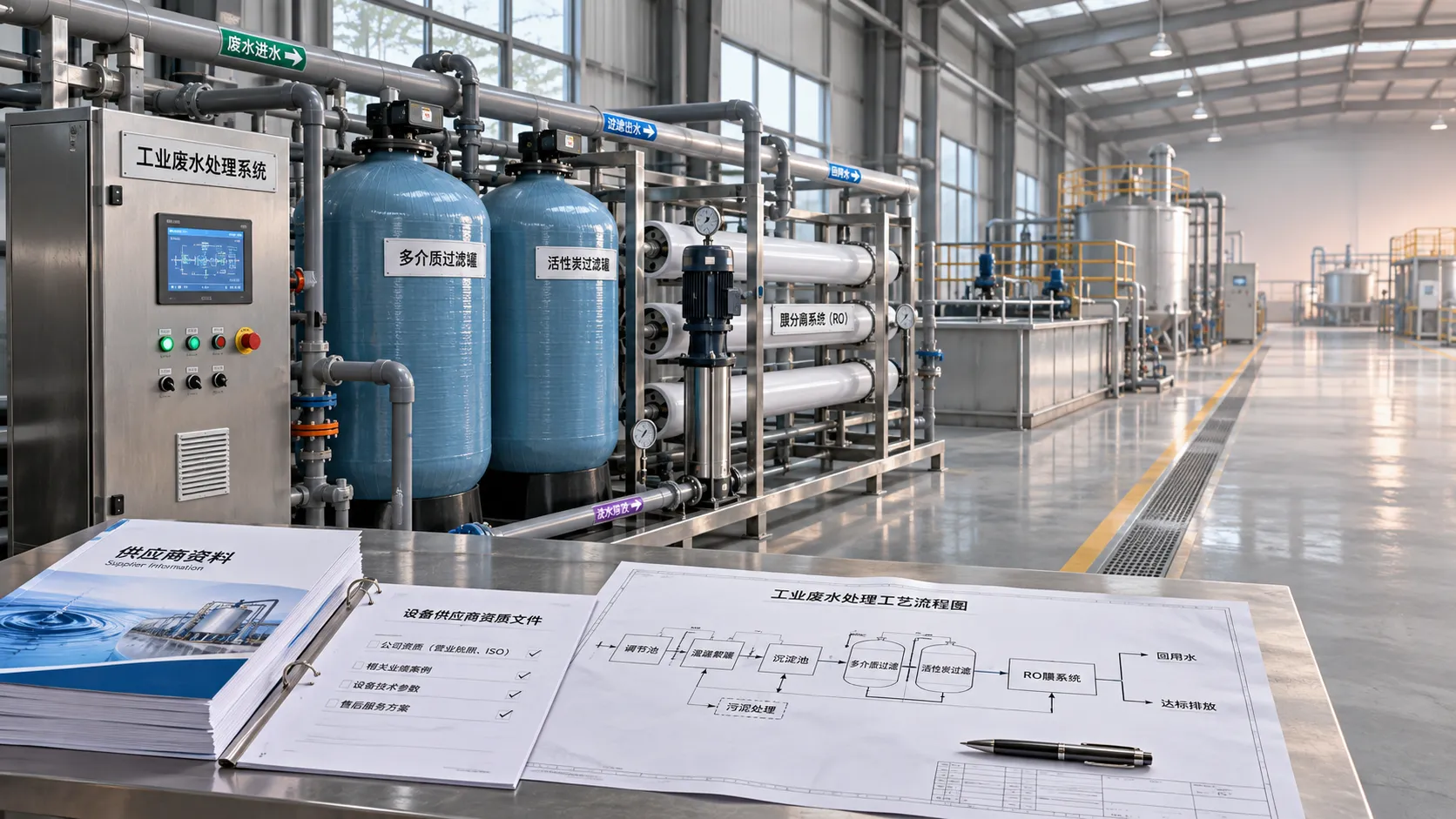
How to find verified providers in an industrial environmental solutions directory
Use an environmental solutions directory for industry to find verified providers, compare technical capabilities and costs, and build a reliable supplier shortlist.
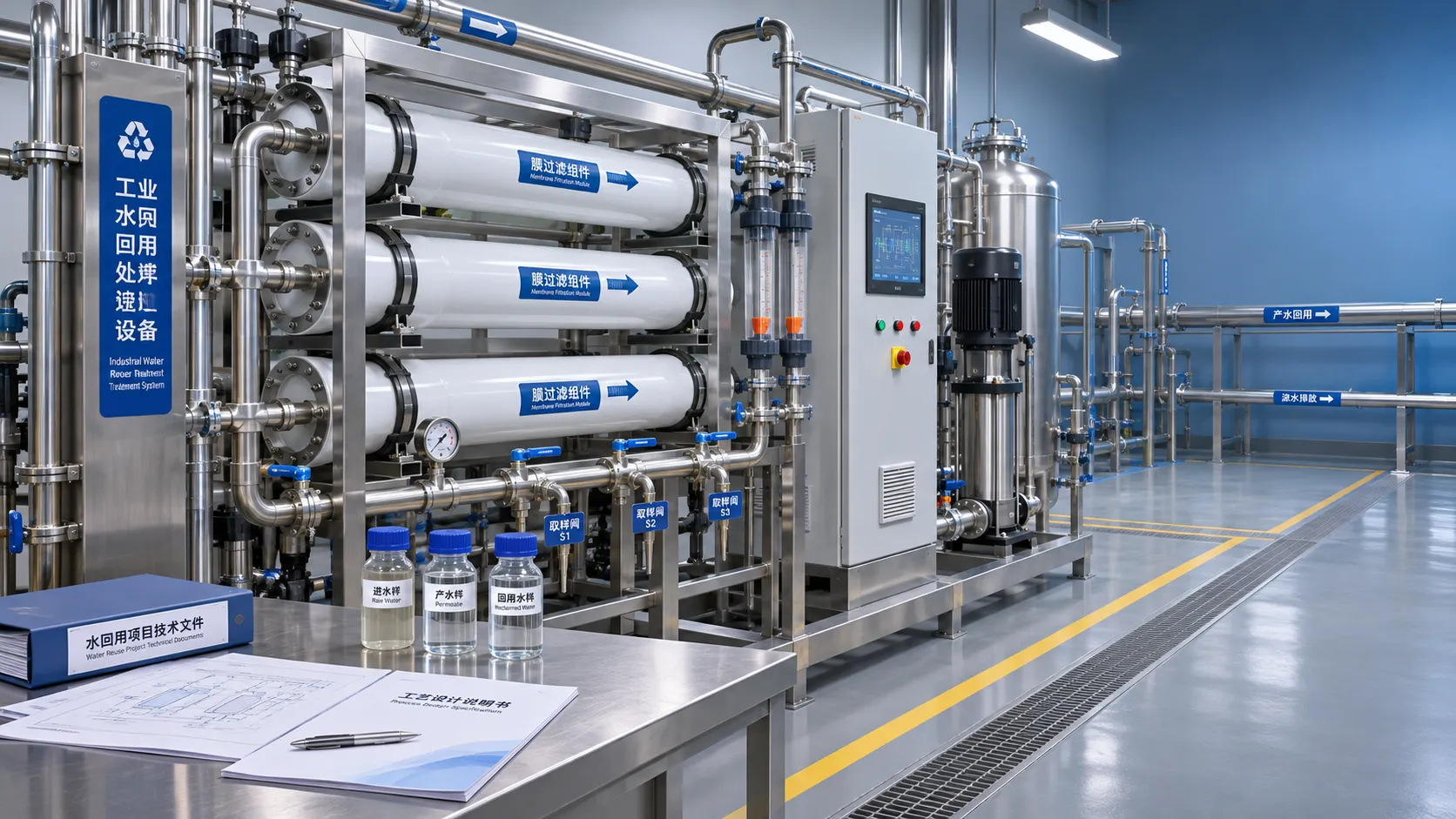
How to identify applicable water reuse equipment standards
Identify applicable water reuse equipment standards with a practical guide to regulations, performance claims, certification, and monitoring.
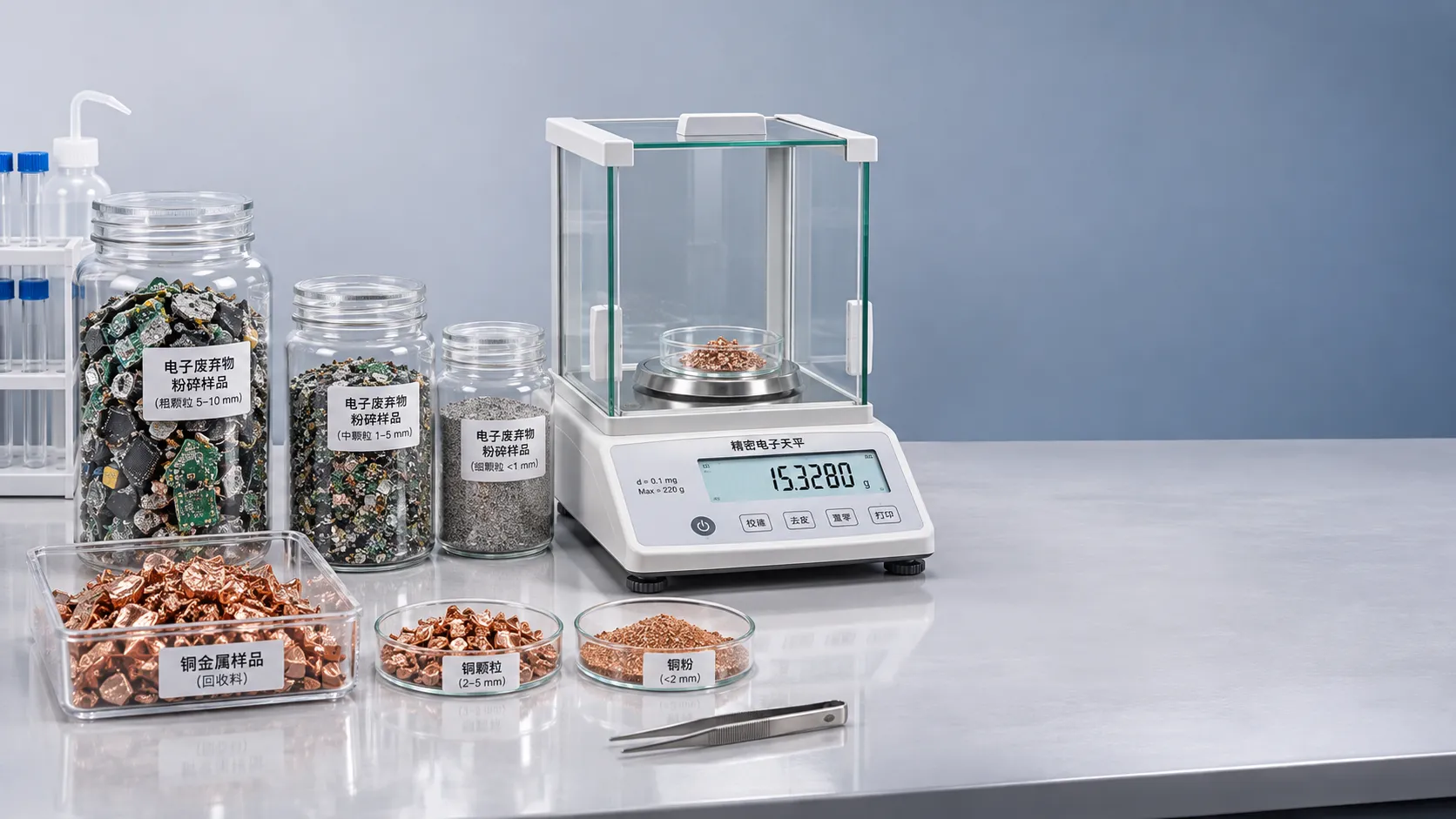
How to measure resource recovery efficiency in e-waste refining
Learn how to measure resource recovery efficiency in e-waste refining with metal balances, sampling and verified yields. Compare technologies with confidence.
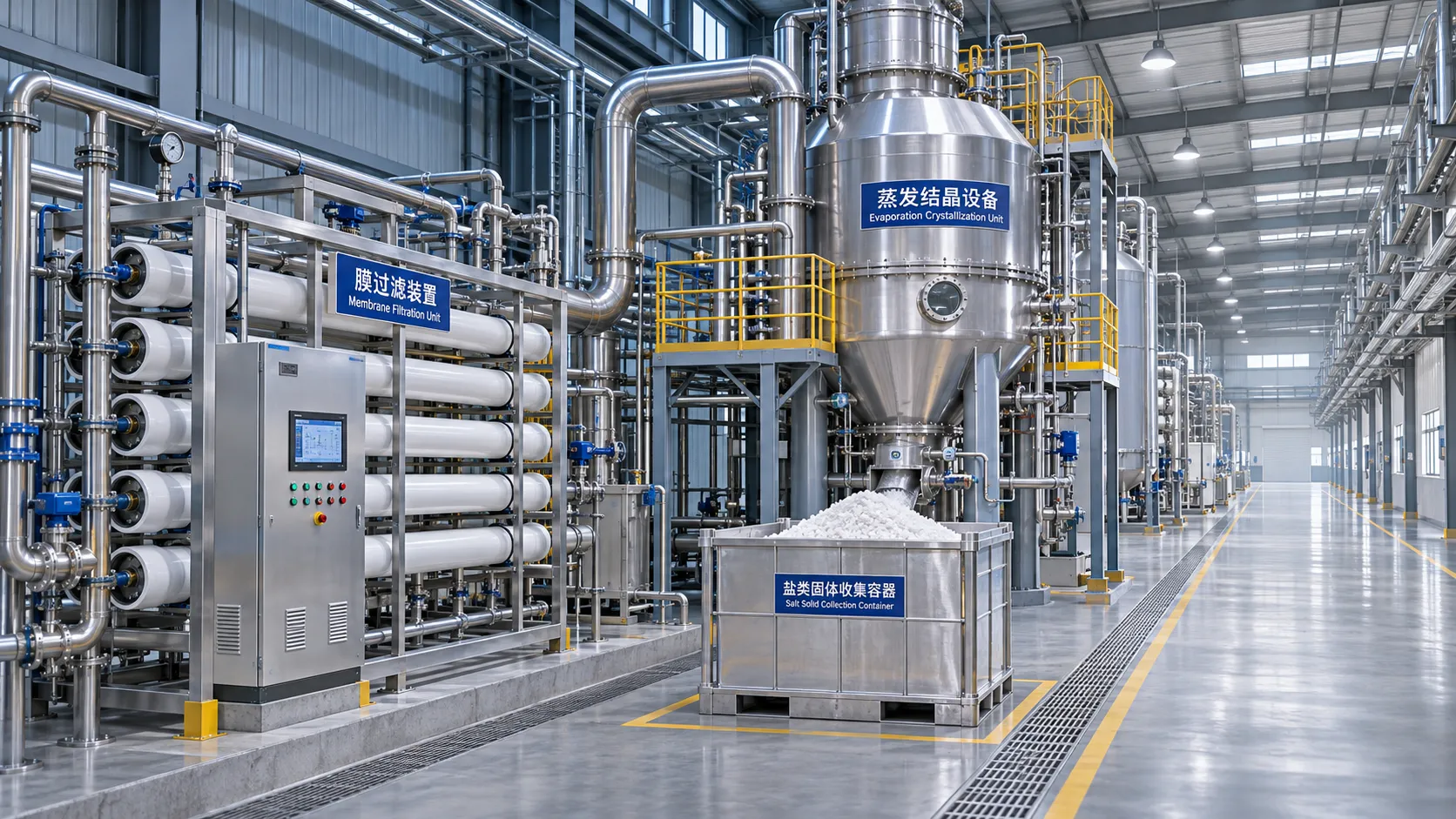
How to evaluate a ZLD system integrator’s project experience
Evaluate a ZLD system integrator with confidence. Learn how to verify relevant projects, operating results and contract risks before selecting a partner.
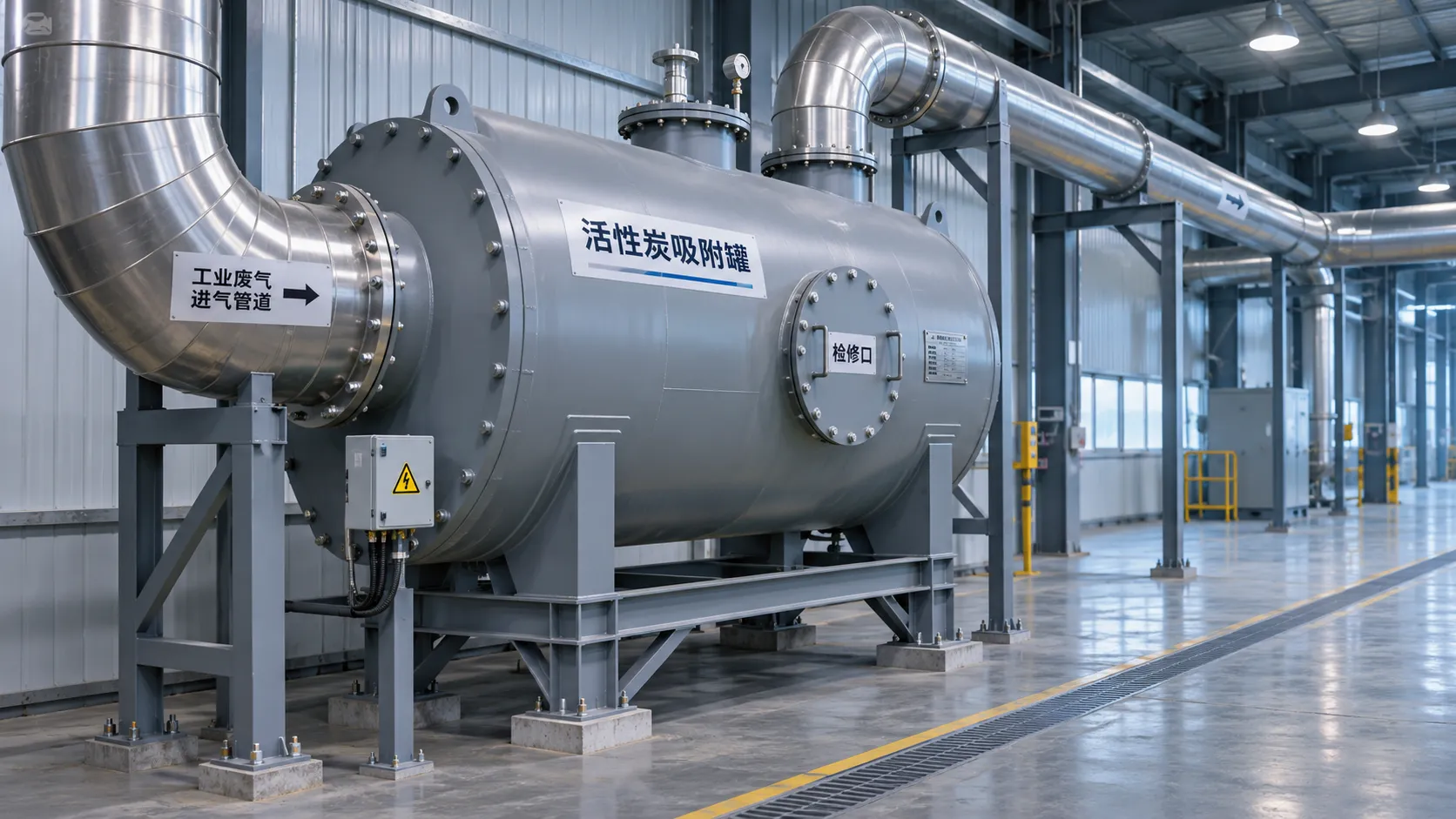
How VOC concentration affects industrial VOC treatment selection
Explore how VOC concentration shapes industrial VOC treatment selection, from adsorption and oxidation to solvent recovery. Find the right approach for your process.
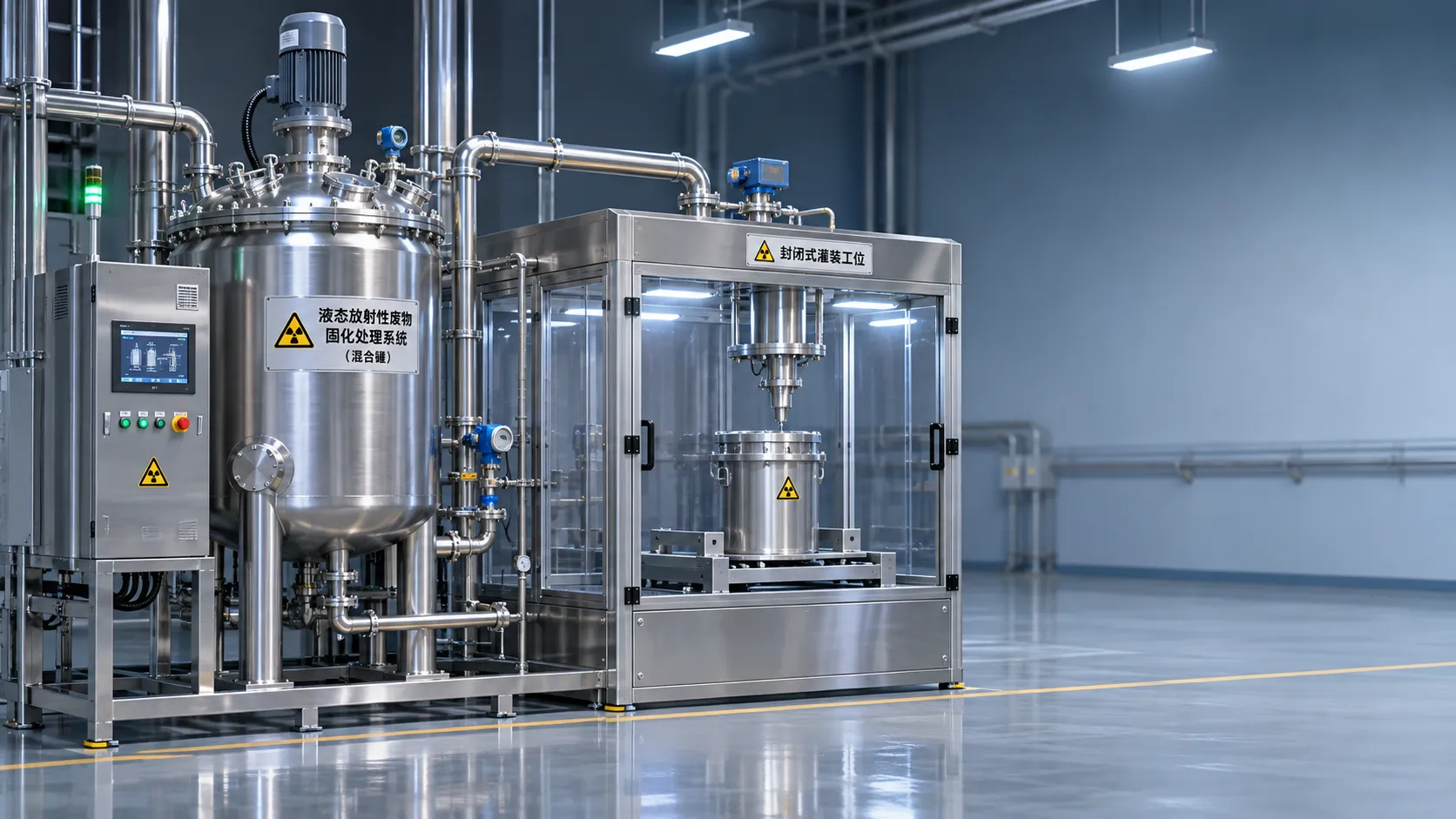
How to select nuclear waste safety equipment for liquid solidification
Choose nuclear waste safety equipment for liquid solidification with confidence. Compare waste acceptance, containment, radiation protection, and lifecycle costs.
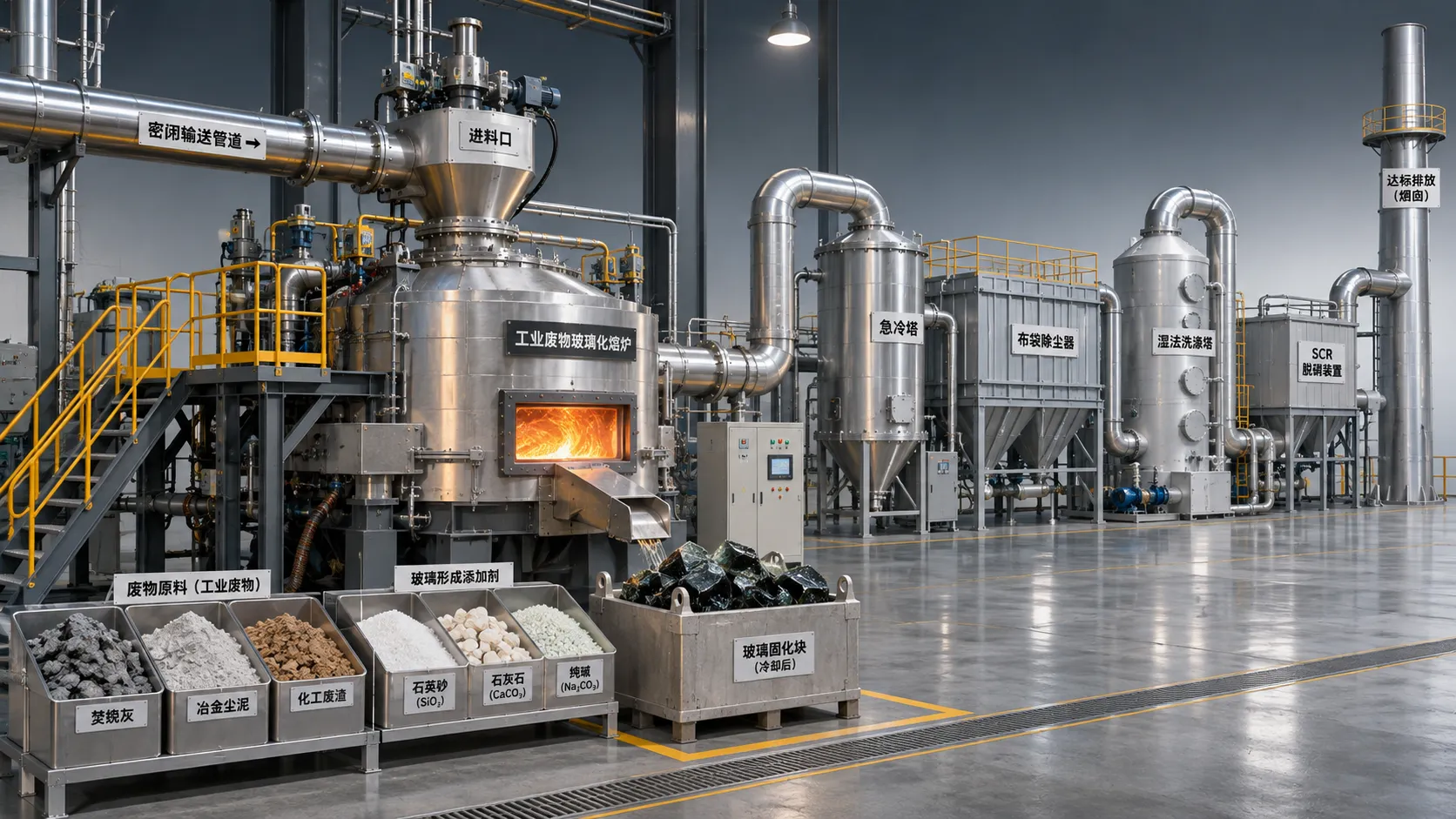
How does waste composition affect waste vitrification cost?
Discover how moisture, glass chemistry and contaminants affect waste vitrification cost—and learn how to compare bids and avoid hidden expenses.
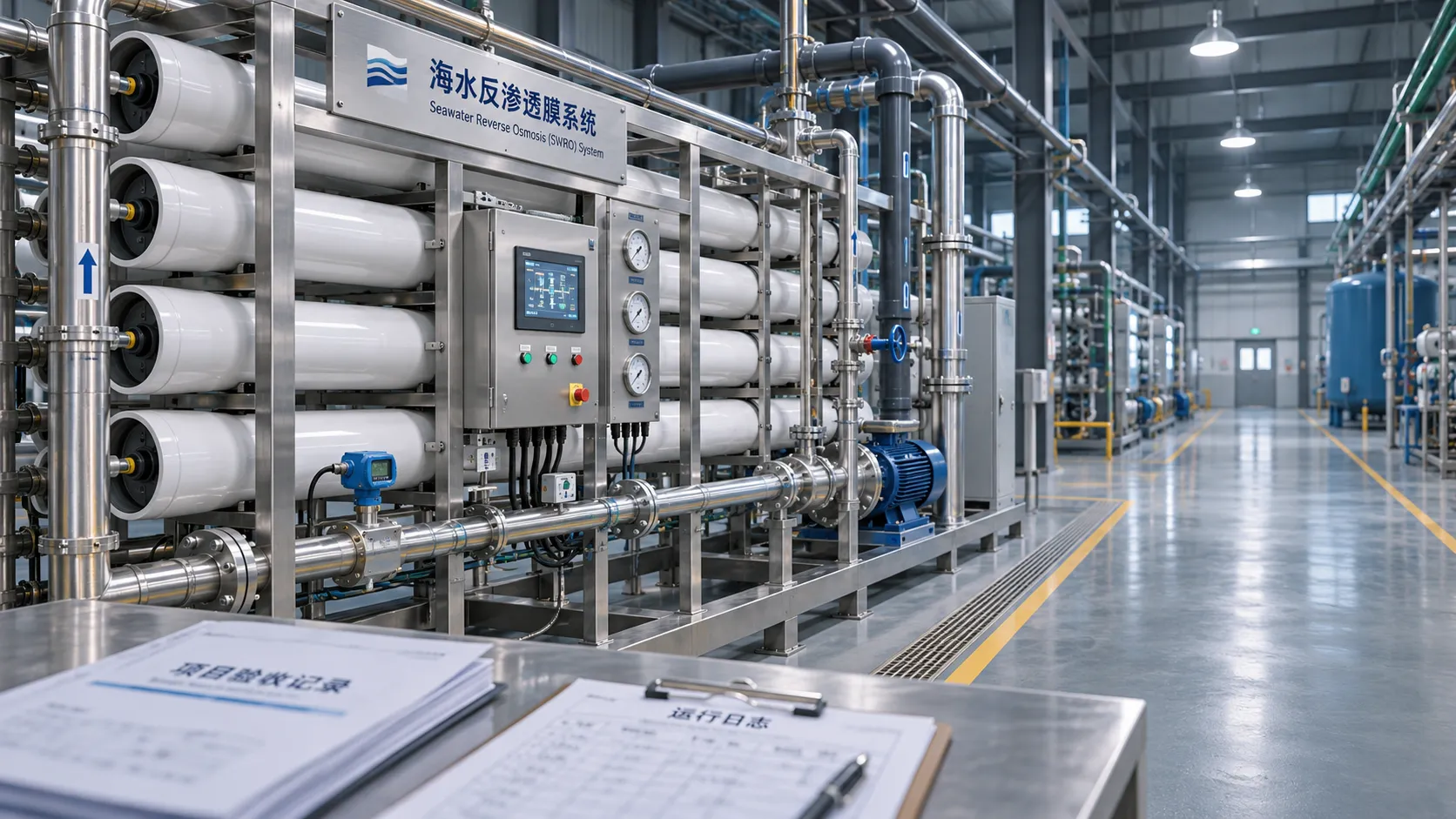
How to verify an SWRO membrane systems exporter's track record
Verify an SWRO membrane systems exporter's track record with practical checks for project references, operating evidence, export capability and after-sales support.
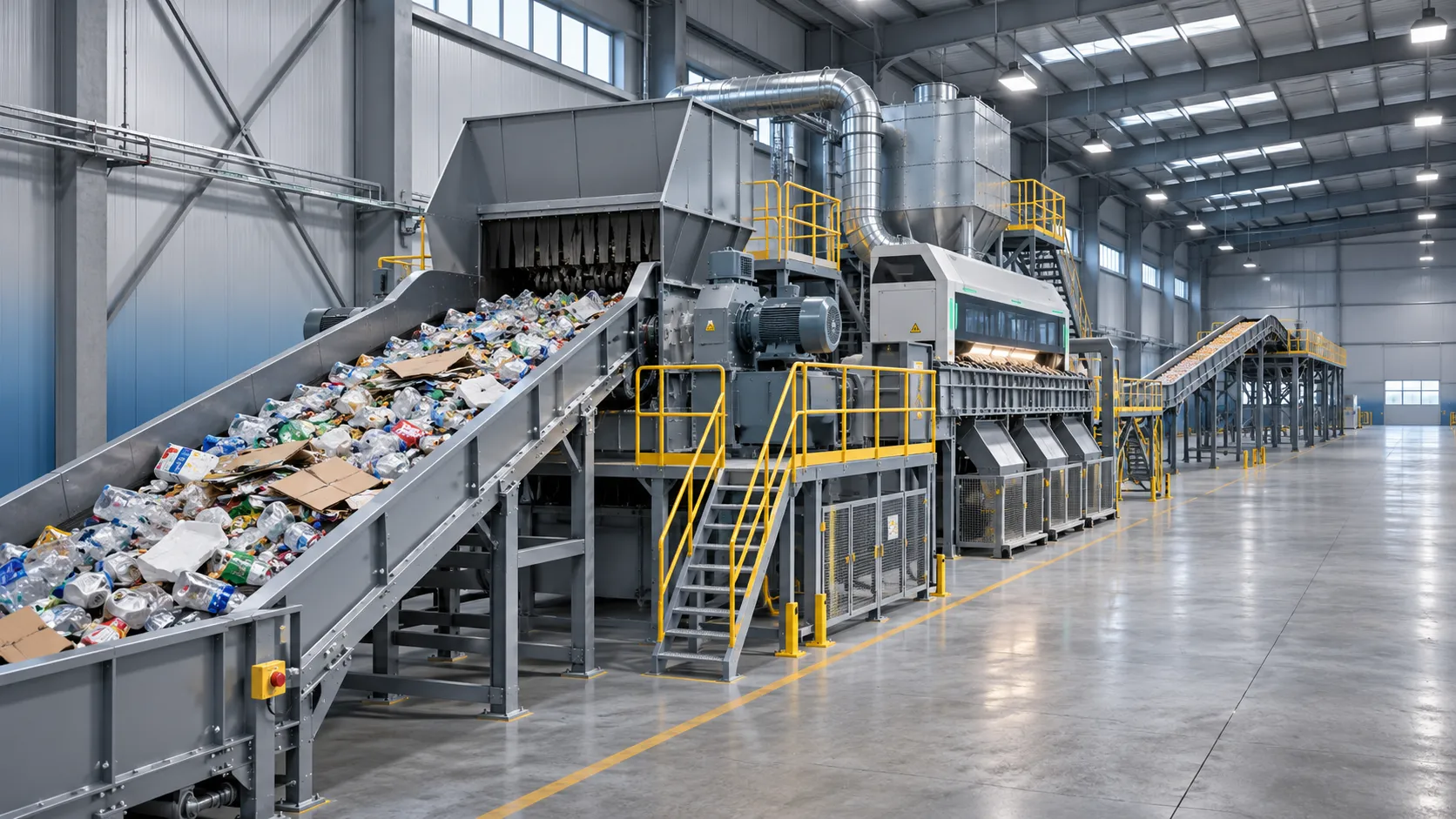
How does capacity affect waste recovery equipment price?
Discover how capacity affects waste recovery equipment price, and learn how to compare throughput, operating costs, and supplier quotes for a smarter investment.