
Industry News
Curation by industry experts
Hot Articles
Popular Tags
How to Choose Ingredient Processing Equipment for Throughput and Hygiene
Choosing ingredient processing equipment is rarely a simple capacity decision. Throughput, hygiene, cleanability, utility use, and compliance are tightly connected, and the wrong balance usually creates hidden cost long after installation.
That matters even more in cross-sector operations where food, nutraceutical, chemical, and environmental expectations increasingly overlap. A faster line is valuable, but only when sanitary design, process stability, and lifecycle performance support it.
From the perspective of ESD’s equipment intelligence work, this is also part of a wider industrial shift. Plants are being judged not only by output, but by water efficiency, waste reduction, traceability, and resilience under stricter global standards.
What ingredient processing equipment really includes
Ingredient processing equipment covers the systems that receive, transfer, mix, mill, heat, cool, separate, dose, and package ingredients before they become finished products or intermediates.
In practice, the term may include feeders, blenders, ribbon mixers, high-shear mixers, grinders, sieves, pumps, tanks, valves, pasteurizers, conveyors, and clean-in-place assemblies.
The selection challenge comes from interaction. One underperforming component can limit the whole line, reduce sanitary integrity, or make cleaning cycles longer than expected.
Throughput is more than nameplate capacity
Suppliers often present output in ideal conditions. Real throughput depends on ingredient characteristics, shift patterns, changeover frequency, operator skill, and the time needed for verification cleaning.
Powders bridge, sticky materials smear, viscous slurries shear differently, and heat-sensitive ingredients may require slower transfer. Effective capacity should therefore be measured across an actual production window.
Why hygiene has become a strategic buying factor
Hygiene used to be treated as a checklist issue. Now it directly affects audit outcomes, product recalls, utility consumption, downtime, and even wastewater load from aggressive cleaning regimes.
This is where ingredient processing equipment connects with the broader ESD view of industrial systems. Sanitary performance is no longer isolated from environmental performance.
Poorly designed seals, dead legs, rough welds, and inaccessible contact surfaces create contamination risk. They also force longer wash cycles, more chemical use, and higher wastewater treatment demand.
For facilities already managing stricter discharge rules or internal sustainability targets, hygienic design influences both product safety and ecological cost.
Key hygienic design signals
- Smooth product-contact surfaces with documented finish quality.
- Drainable geometry that prevents standing liquid or residue pockets.
- Validated gasket, seal, and valve designs for the intended media.
- Easy access for inspection, swabbing, and maintenance.
- Compatibility with CIP or COP procedures already used on site.
Matching equipment to ingredient behavior
The best ingredient processing equipment is selected around the material, not around catalog categories. Particle size, moisture, oil content, density, abrasiveness, and temperature sensitivity all change equipment suitability.
A free-flowing powder may suit simple conveying and blending. A hygroscopic or sticky ingredient may require sealed transfer, controlled humidity, and surfaces that reduce buildup.
For liquid and semi-solid applications, viscosity curves matter more than static viscosity numbers. If the process involves shear-sensitive emulsions, pump selection becomes a quality issue, not just a transfer issue.
How to evaluate throughput without overbuying
Oversized ingredient processing equipment often looks safer on paper. In reality, it can reduce process control, increase cleaning surface area, and raise utility and maintenance costs.
A better approach is to compare four throughput layers: hourly peak, average shift rate, campaign output between cleanings, and annual effective production after downtime.
This reveals whether a line constraint comes from core processing, ingredient handling, sanitation, or supporting utilities such as steam, chilled water, compressed air, and wastewater capacity.
Useful questions during comparison
- What is the tested throughput on material similar to the target ingredient?
- How much output is lost during changeover and sanitation?
- Which component becomes the bottleneck at higher speeds?
- Can the line maintain quality at maximum rated capacity?
- What utilities rise sharply as throughput increases?
Compliance, traceability, and hidden operating cost
Ingredient processing equipment is now assessed through a wider lens than mechanical performance. Documentation quality, validation support, material certificates, and digital traceability increasingly shape procurement value.
This is especially relevant in industries exposed to export controls, customer audits, environmental reporting, or cross-border requirements influenced by carbon and compliance policy.
A lower purchase price can be misleading if the equipment lacks cleaning validation records, spare part transparency, or support for batch tracking and alarm history.
Over time, those gaps affect claim handling, root-cause analysis, and the ability to defend process integrity.
Where hidden cost usually appears
- Longer-than-expected wash cycles and chemical consumption.
- Frequent seal replacement due to ingredient incompatibility.
- Unplanned downtime caused by difficult access.
- High reject rates during startup after cleaning.
- Extra wastewater load from sanitation and rinse water.
Typical operating scenarios worth separating
Ingredient processing equipment should not be evaluated as if every plant runs the same way. The right choice differs depending on campaign length, product variety, sanitation frequency, and available technical support.
A dedicated high-volume line may prioritize rugged throughput and low cost per unit. A multi-SKU facility often benefits more from quick disassembly, rapid validation, and recipe flexibility.
In facilities where water reuse, discharge reduction, or ZLD planning already matter, equipment that cleans faster and uses fewer chemicals carries strategic weight beyond production.
That broader systems view aligns closely with ESD’s intelligence focus. Equipment decisions increasingly sit inside environmental infrastructure, not outside it.
A practical framework for shortlisting options
A useful shortlist usually comes from comparing ingredient processing equipment across a limited set of business-critical criteria rather than collecting every possible specification.
This kind of matrix helps prevent the common mistake of favoring maximum speed while underestimating sanitation limits and environmental operating burden.
What deserves attention before the final decision
Before closing a purchase, it is worth testing assumptions under real process conditions. Factory acceptance data is helpful, but site-specific trials usually reveal the true relationship between throughput and hygiene.
Review the complete line, not just the main machine. Feed systems, transfer routes, valves, sensors, and cleaning circuits often decide whether ingredient processing equipment performs reliably in daily operation.
It is also sensible to map the equipment against future requirements. Product mix changes, tighter discharge controls, traceability upgrades, and water-efficiency targets can alter the economic picture within a few years.
A well-structured evaluation starts with material behavior, follows the sanitation path, and ends with effective output across the whole system. That sequence usually leads to better decisions than comparing headline capacity alone.
The next step is simple: define the real operating window, list the highest hygiene risks, and compare ingredient processing equipment against those conditions before comparing prices. That creates a stronger basis for technical and commercial judgment.
Recommended News

How North America shapes global environmental governance standards
Global environmental governance North America: discover how regulation, finance, and procurement raise worldwide standards and reshape environmental projects.
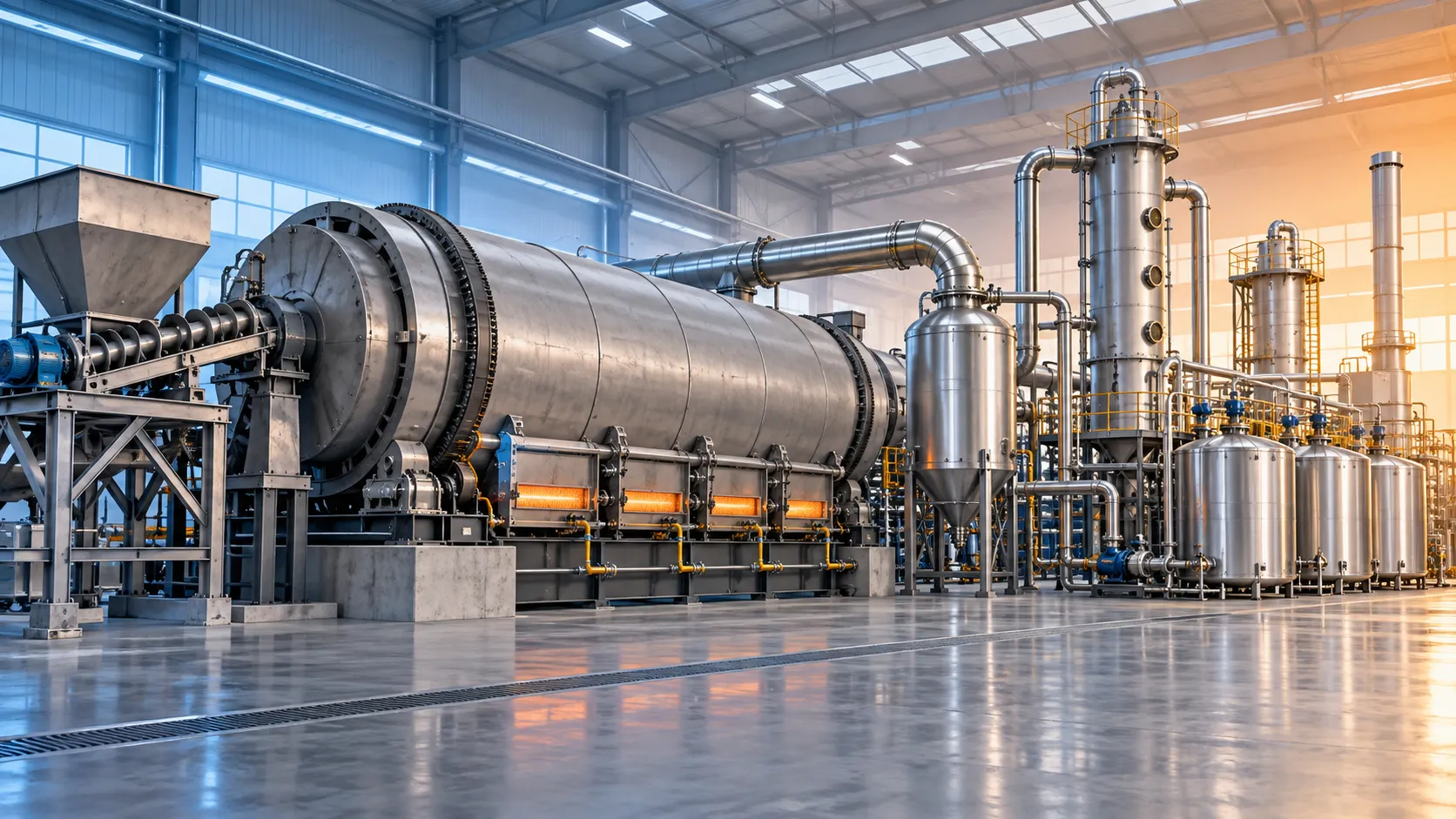
How reactor capacity affects throughput in pyrolysis systems
Pyrolysis systems reactor capacity explained: learn how heat transfer, residence time, feed quality, and emissions controls determine reliable throughput.
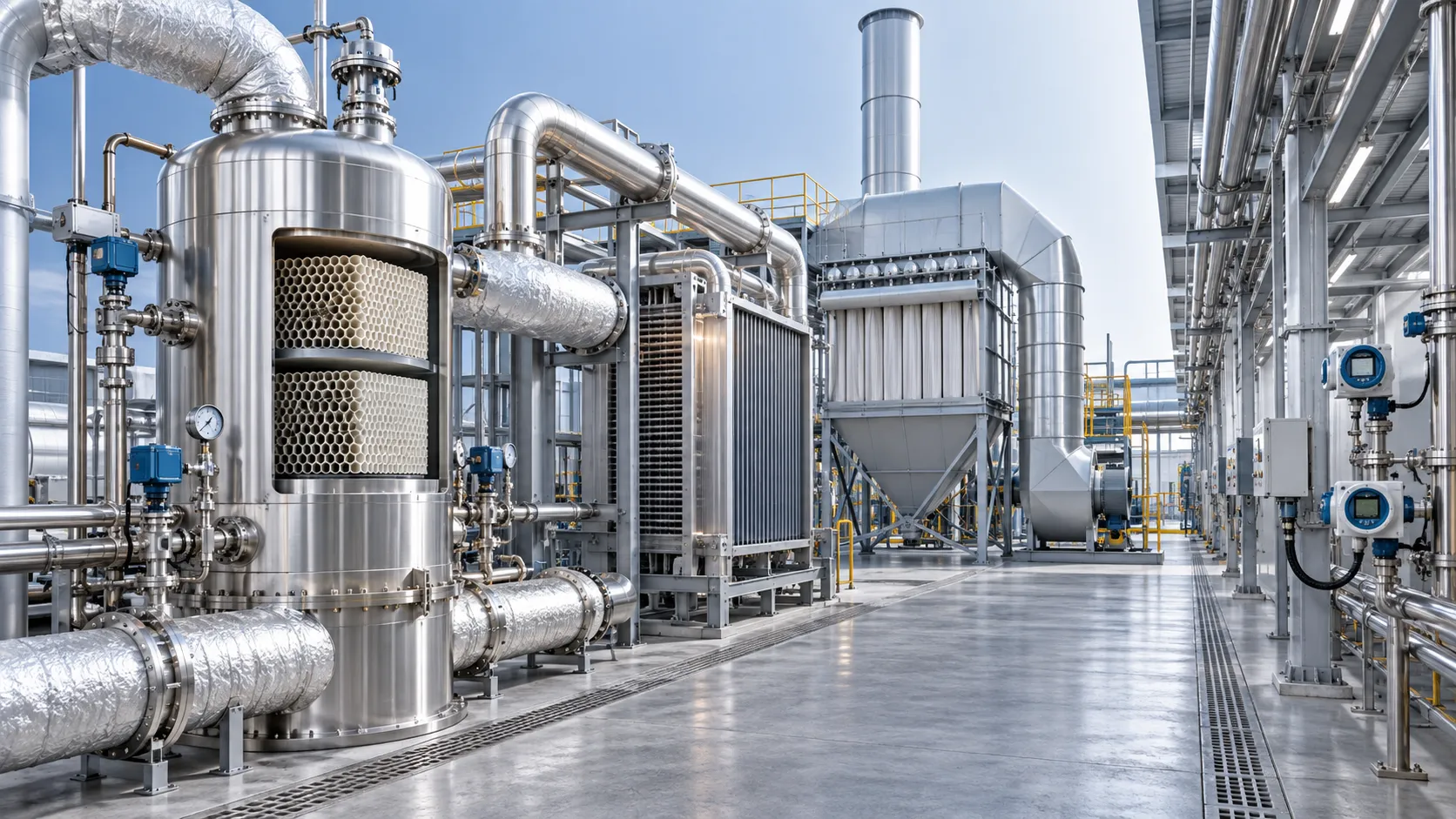
When low-temperature reaction equipment is the right fit for heat-sensitive processes
Low-temperature reaction equipment helps protect heat-sensitive streams, improve energy integration, and maintain reliable conversion. Explore key selection factors today.
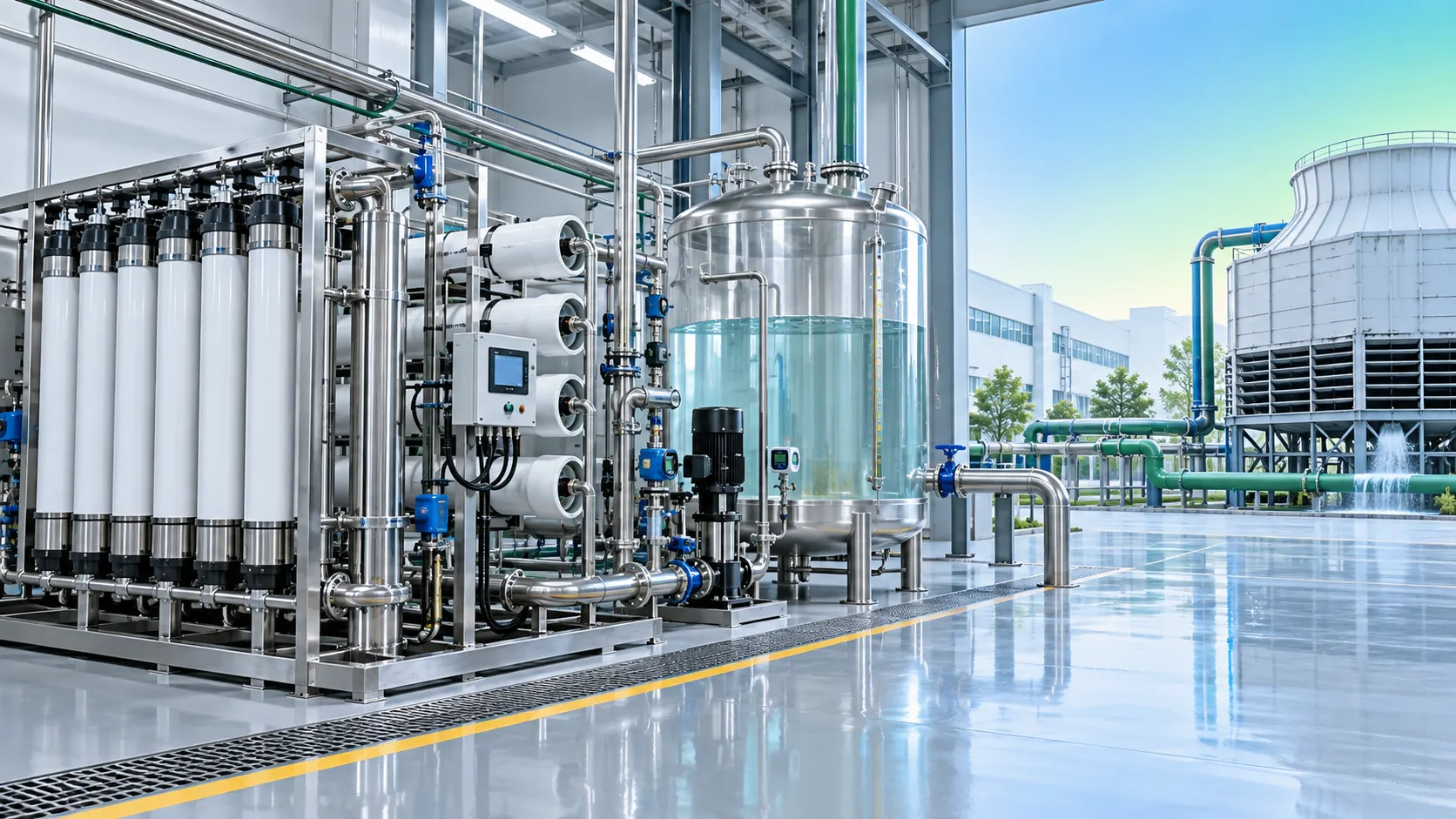
When do water reuse systems deliver a practical payback?
Water reuse systems deliver practical payback when they cut water, discharge, and downtime costs. Learn how to match treatment, recovery, and reuse quality for lasting ROI.
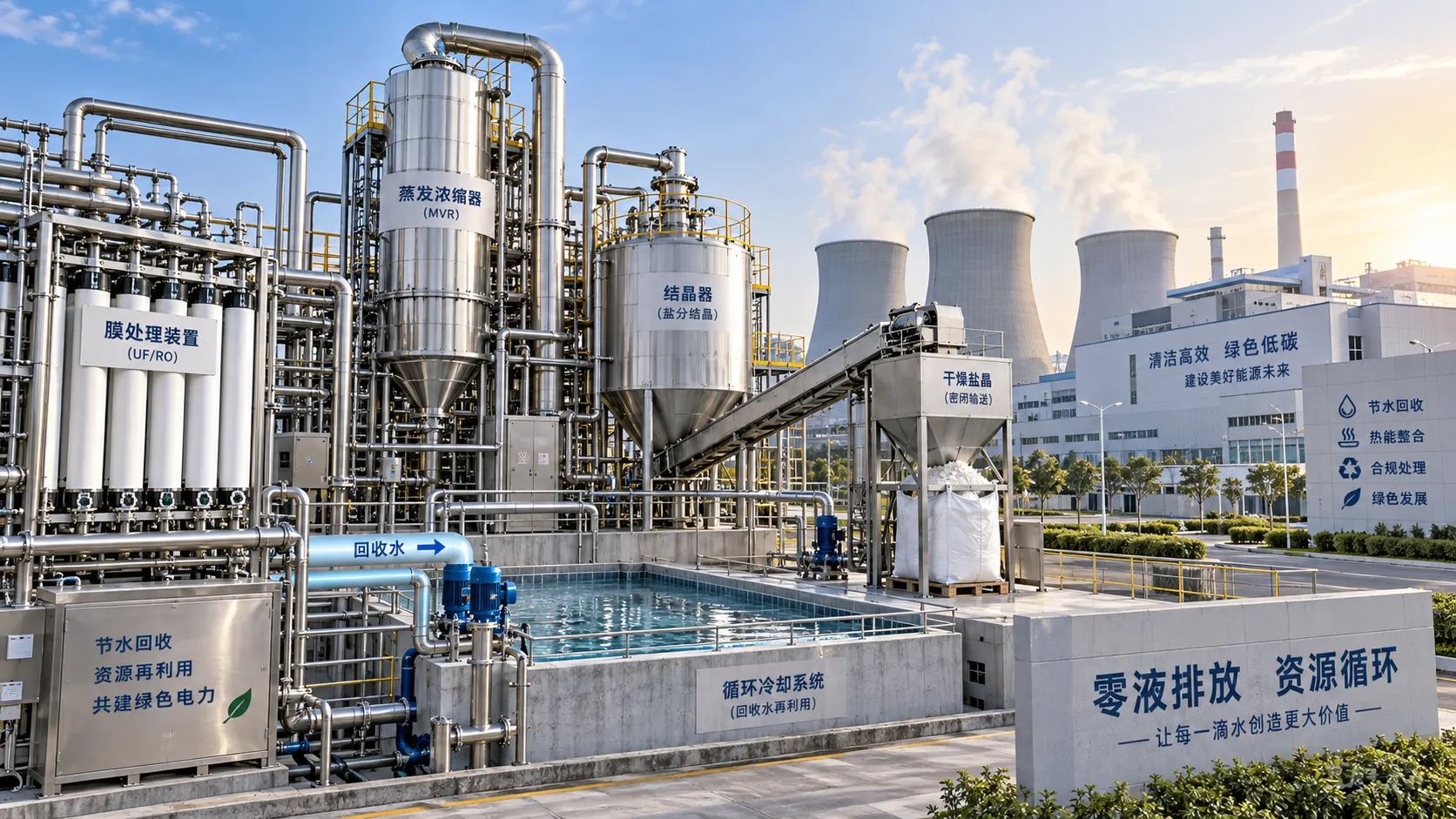
When do ZLD systems for power generation justify their energy use?
ZLD systems for power generation: learn when energy-intensive water recovery delivers stronger compliance, resilience, and long-term value.
Which decarbonization pathways are most viable in Southeast Asia?
Decarbonization Southeast Asia: discover practical pathways for clean power, efficiency, electrification, circular recovery, and resilient industrial growth.
How to choose waste sorting equipment for mixed municipal waste
Waste sorting equipment selection guide for mixed municipal waste: compare technologies, improve recovery, reduce downtime, and build reliable output streams.
How to verify standards in an environmental equipment directory
environmental equipment directory standards reference: learn to verify certifications, performance evidence, scope, and project fit for confident, compliant equipment selection.
When high flux membrane water treatment justifies a larger footprint
High flux membrane water treatment can justify a larger footprint when variable feedwater, fouling risk, and uptime demands require resilient, lower-flux operation.