
Industry News
Curation by industry experts
Hot Articles
Popular Tags
How to Evaluate Suppliers of Wastewater Reuse Systems for Industrial Sites
A reuse project can look straightforward during procurement: a supplier proposes ultrafiltration, reverse osmosis, evaporation, or a combination, and the quoted treated-water quality appears to meet the site’s target. The difficulty often appears later, when influent quality shifts, a membrane train fouls faster than expected, a reject stream has no practical disposal route, or operators cannot obtain timely process support. At that point, the lowest equipment price may become the most expensive option.
When evaluating wastewater reuse systems for industrial sites suppliers, the central question is not “Who can provide the required equipment?” It is “Who can take responsibility for a defined feedwater range, deliver water suitable for its intended use, manage residual streams, and support the plant through normal operating variation?” A credible supplier should be evaluated as a process partner with measurable technical, commercial, and service obligations—not simply as an equipment vendor.
Start with the reuse objective, not the technology proposal
Procurement teams should define the intended destination of reclaimed water before comparing supplier offers. Reuse water for cooling-tower makeup, washdown, boiler feed pretreatment, scrubber supply, process rinsing, or high-purity manufacturing use can require very different treatment barriers. A system designed around a generic “reuse” target may be oversized for one duty and inadequate for another.
Ask internal operations, environmental, and process teams to agree on the following before issuing an inquiry:
- The wastewater sources to be treated, including whether streams will be blended or kept separate.
- The expected flow range, peak flow, seasonal variation, and batch discharges.
- Known contaminants: suspended solids, oil, hardness, silica, dissolved salts, nutrients, metals, solvents, surfactants, biological load, or difficult-to-oxidize organics.
- The required reclaimed-water quality at the actual point of use, rather than only at the treatment plant outlet.
- Allowable downtime, storage capacity, bypass arrangements, and consequences of losing reuse-water supply.
- The disposal or recovery route for sludge, concentrate, spent media, regenerant, and other residuals.
This preparation prevents a common bidding problem: each supplier makes a different assumption about influent quality, recovery rate, or discharge conditions, so quoted systems cannot be compared fairly. The proposal with the smallest footprint or lowest capital cost may simply exclude the pretreatment, buffer storage, chemical conditioning, or concentrate management needed for reliable operation.
Request a design basis that exposes assumptions
A capable supplier should be willing to convert site information into a clear design basis. This document is more valuable than a polished process flow diagram because it shows the conditions under which performance is expected. It should distinguish average, normal maximum, and abnormal feed conditions rather than relying on one set of idealized values.
Review whether the supplier has identified data gaps. A responsible response may state that treatability testing, extended sampling, or pilot work is needed before finalizing the process. That is not necessarily a weakness. It can be a sign that the supplier understands the risks of designing a reuse system around incomplete characterization.
Questions that reveal technical maturity
- Which contaminants drive the proposed treatment train, and what removal mechanism addresses each one?
- Which feedwater parameters are treated as design limits, operating targets, or exclusions?
- What happens when oil, turbidity, conductivity, chemical oxygen demand, or hardness exceeds the assumed range?
- What equalization volume is required, and how was it determined?
- How are shock loads, cleaning wastewater, and intermittent production discharges handled?
- Which water-quality instruments are essential for automated protection of downstream membranes or ion-exchange units?
- What operator actions are required when alarms occur?
Answers should be specific enough to test. Statements such as “the system is robust” or “the membrane can handle industrial wastewater” do not replace a defined feed envelope, interstage monitoring plan, or upset-response logic.
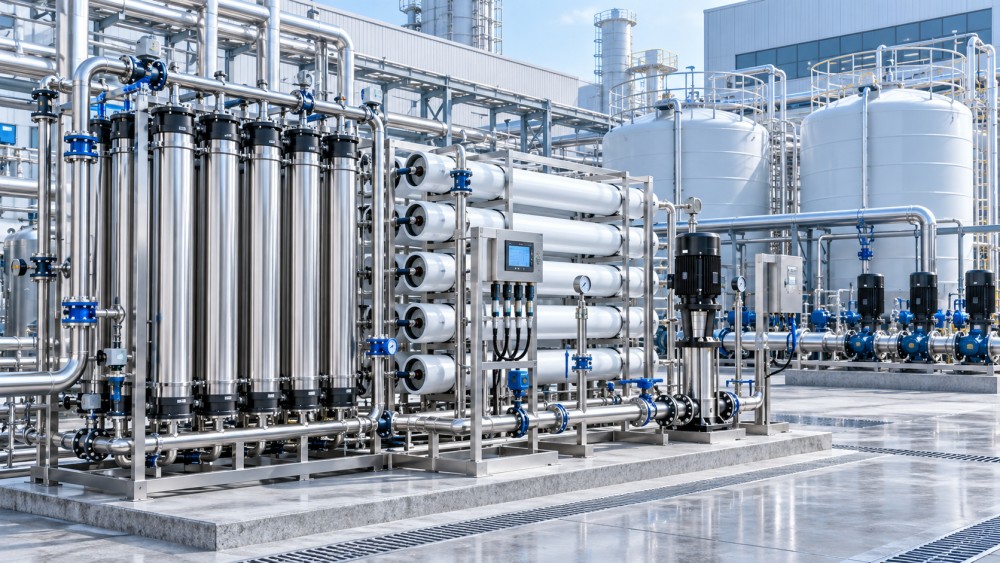
Evaluate the process train as an operating system
Industrial water reuse is rarely a single machine. It is a sequence in which upstream inconsistency is passed downstream until it becomes expensive fouling, scaling, corrosion, or off-spec reuse water. Suppliers should explain the role of every major stage and the consequences of bypassing or underperforming equipment.
For example, oil and grease may require separation, dissolved-air flotation, coalescing media, or another dedicated barrier before membrane filtration. High suspended solids may need clarification, biological treatment, multimedia filtration, or ultrafiltration, depending on particle characteristics and discharge variability. Scaling ions, silica, and high dissolved solids can drive softening, antiscalant dosing, nanofiltration, reverse osmosis, electrodialysis, thermal concentration, or a hybrid arrangement. Persistent organics may call for activated carbon, advanced oxidation, biological polishing, or another targeted step.
The important procurement task is not to insist on a preferred technology. It is to require a defensible link between the contaminants present, the treatment mechanism selected, and the reliability of the downstream unit operations. Suppliers that cannot explain this connection may be supplying a standard package rather than a site-specific design.
Make performance guarantees operationally meaningful
A performance guarantee has limited value if it only states a final conductivity or flow figure under laboratory-like conditions. The guarantee should be tied to an agreed influent envelope, operating temperature range, feed flow, uptime conditions, chemical consumption assumptions, and residual-stream handling arrangement.
Clarify whether the supplier guarantees treated-water quality continuously, as a periodic sample result, or only during acceptance testing. The distinction matters when reclaimed water will be used in sensitive equipment. A cooling tower may tolerate moderate short-term variation that a high-pressure boiler feed system cannot.
Acceptance testing should also be defined early. Procurement documents should identify the test duration, sampling points, analytical methods, stabilization period, feedwater conditions, responsibilities for utilities and chemicals, and the remedy if performance is not achieved. Without this detail, a supplier may demonstrate compliance during a brief period of favorable influent conditions while the site assumes long-term capability has been proven.
Ask separately about availability and capacity. A plant may meet its hourly design flow when all equipment is running but still fail to provide enough reuse water over a month because of cleaning cycles, membrane replacement, sludge handling interruptions, or unplanned shutdowns. The supplier should state how these operating realities are accounted for.
Compare lifecycle costs using the same boundaries
Capital cost remains important, but industrial reuse economics depend heavily on energy, chemicals, consumables, membrane or media replacement, labor, maintenance, sludge handling, concentrate disposal, and freshwater offset. A quote that excludes these elements cannot be compared directly with a more complete proposal.
Require each bidder to provide an operating-cost model with transparent assumptions. It should show expected electricity demand by major process area, chemical types and dosing basis, filter or membrane replacement intervals, cleaning frequency assumptions, waste volumes, and routine maintenance requirements. Estimates should not be treated as promises, but the assumptions allow buyers to identify where the commercial risk sits.
Pay particular attention to high-recovery and zero-liquid-discharge concepts. These may be appropriate where discharge restrictions, water scarcity, or resource recovery objectives justify them. However, they often shift the cost and complexity from liquid discharge to brine concentration, crystallization, solids handling, thermal energy use, or salt management. The right question is not whether high recovery sounds more sustainable; it is whether the site has a complete and operable route for every output stream.
Test service capability before contract award
A reuse plant is exposed to production changes that may not have been visible during design. New cleaning chemicals, altered raw materials, increased throughput, or a changed discharge pattern can all affect treatment performance. Suppliers should therefore be evaluated on their ability to troubleshoot and adapt the installed process after commissioning.
Review the proposed service model in practical terms. Where are critical spare parts held? Who provides controls support? Can the supplier diagnose process issues using site data? Is there a defined escalation path for membrane fouling, biological instability, scaling, or repeated off-spec water? Are operating manuals and training materials tailored to the supplied configuration, or are they generic documents?
References are useful when they are relevant. Rather than asking only for a long customer list, seek evidence of installations with comparable wastewater characteristics, reuse objectives, treatment complexity, and operating environment. A supplier experienced in municipal tertiary treatment may be technically competent, yet still lack practical experience with emulsified oil, high-salinity rinse streams, solvent traces, or variable industrial batches.
Look beyond the reference name
When reference discussions are permitted, ask about commissioning support, response to deviations from the original feedwater assumptions, consumable use, operator workload, control-system usability, and the supplier’s conduct when problems emerged. The most useful reference is not necessarily one reporting a flawless installation. It is one that helps reveal how the supplier handled a real operating challenge without avoiding responsibility.
Assess integration, controls, and maintainability
Even a sound treatment process can perform poorly if it does not fit the site. Suppliers should show how their system interfaces with existing wastewater collection, utilities, storage tanks, reuse distribution, plant control architecture, and emergency discharge arrangements. Clarify battery limits so that no essential piping, cabling, civil work, ventilation, drainage, or chemical containment is omitted between contracts.
Controls deserve close review because reuse systems depend on rapid response to changing quality. Determine which analyzers trigger diversion, shutdown, recirculation, or chemical adjustment; how instruments are calibrated; whether manual sampling confirms online measurements; and how historical trends are stored for troubleshooting. Automated control does not remove the need for operators, but it can prevent poor feedwater from reaching vulnerable downstream equipment.
Maintainability should be visible in the layout. Can operators access valves, pumps, cartridge filters, membrane housings, dosing points, and analyzers without unsafe or time-consuming work? Is there space to remove major components? Are lifting provisions, drain points, sample points, and chemical-transfer arrangements adequately planned? These details are often overlooked during bid comparison because they are harder to summarize than flow rate and footprint.
Use a weighted decision rather than a lowest-price comparison
A structured evaluation helps prevent a persuasive presentation or a low initial quote from dominating the decision. Technical compliance should be assessed first against the approved design basis. Suppliers that cannot meet the required water quality, recovery objective, residuals strategy, or operating boundary should not remain competitive merely because their price is lower.
For technically viable proposals, assign weighted scores to process suitability, guarantee clarity, lifecycle-cost transparency, service capacity, reference relevance, integration quality, schedule realism, and commercial terms. Keep the narrative justification beside each score. This is important when one bidder offers a simpler system with lower recovery and another offers a more complex arrangement with reduced freshwater demand but greater residuals-management burden.
Before final selection, resolve exclusions in writing. Typical gaps include influent equalization, waste storage, chemical supply systems, laboratory testing, electrical distribution, civil foundations, commissioning utilities, remote support, performance-test costs, and disposal of commissioning waste. A supplier’s scope may be commercially reasonable, but it must be visible so the total project requirement can be funded and managed.
The strongest supplier is usually not the one claiming that every wastewater stream can be reused with a standard package. It is the one that defines what the system can reliably handle, explains the trade-offs, quantifies the operating assumptions, and remains accountable for the parts of the process that determine whether reclaimed water is genuinely usable at the industrial site.
Recommended News
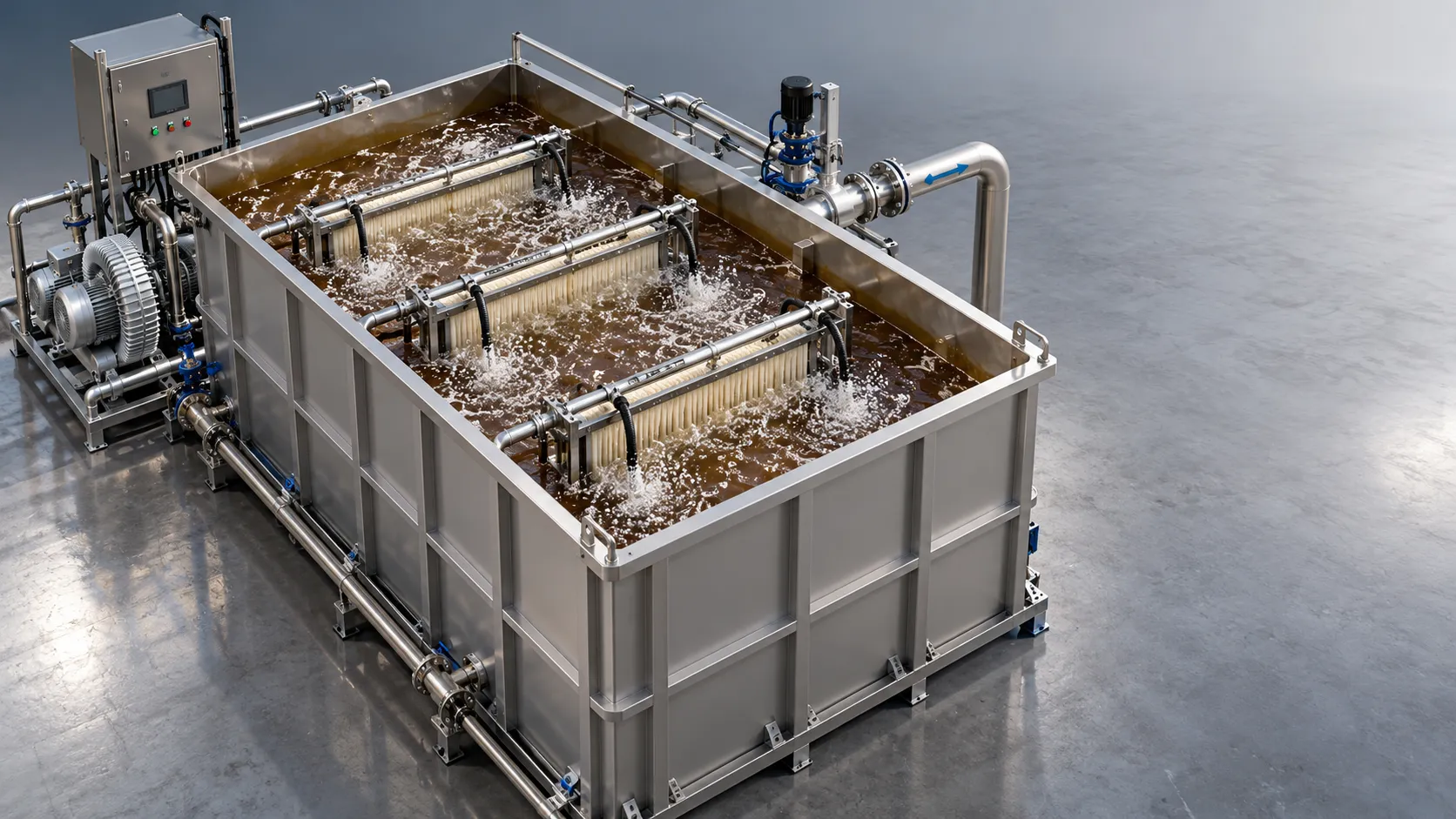
When is an MBR suitable for wastewater purification for bioprocessing?
For wastewater purification for bioprocessing, discover when an MBR fits your needs. Compare water quality, fouling risks, and lifecycle costs before investing.
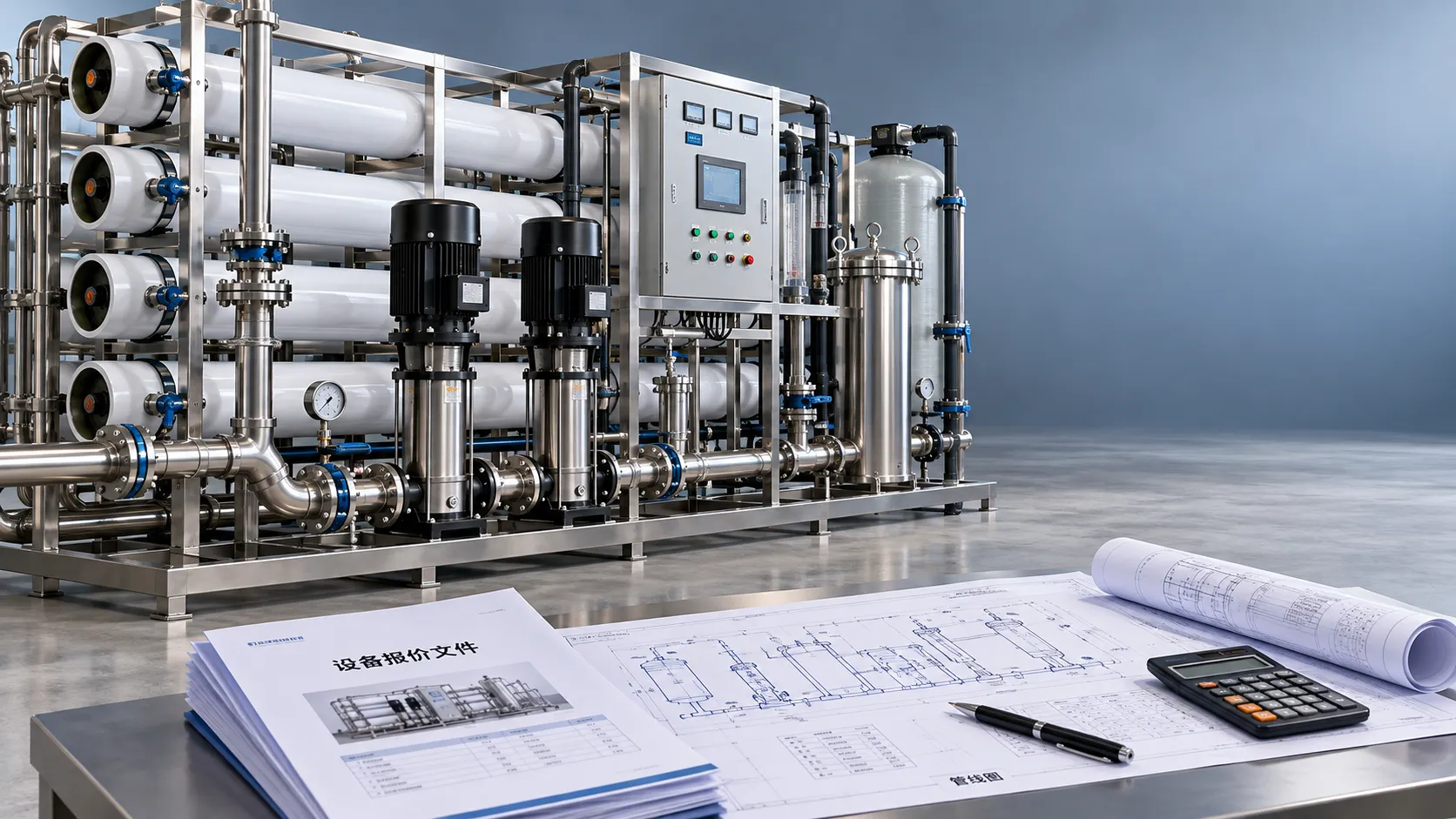
How to check a water treatment quotation for hidden project costs
Review your water treatment quotation for hidden costs, scope gaps, and operating expenses. Learn what to check before signing to protect your budget and avoid costly surprises.
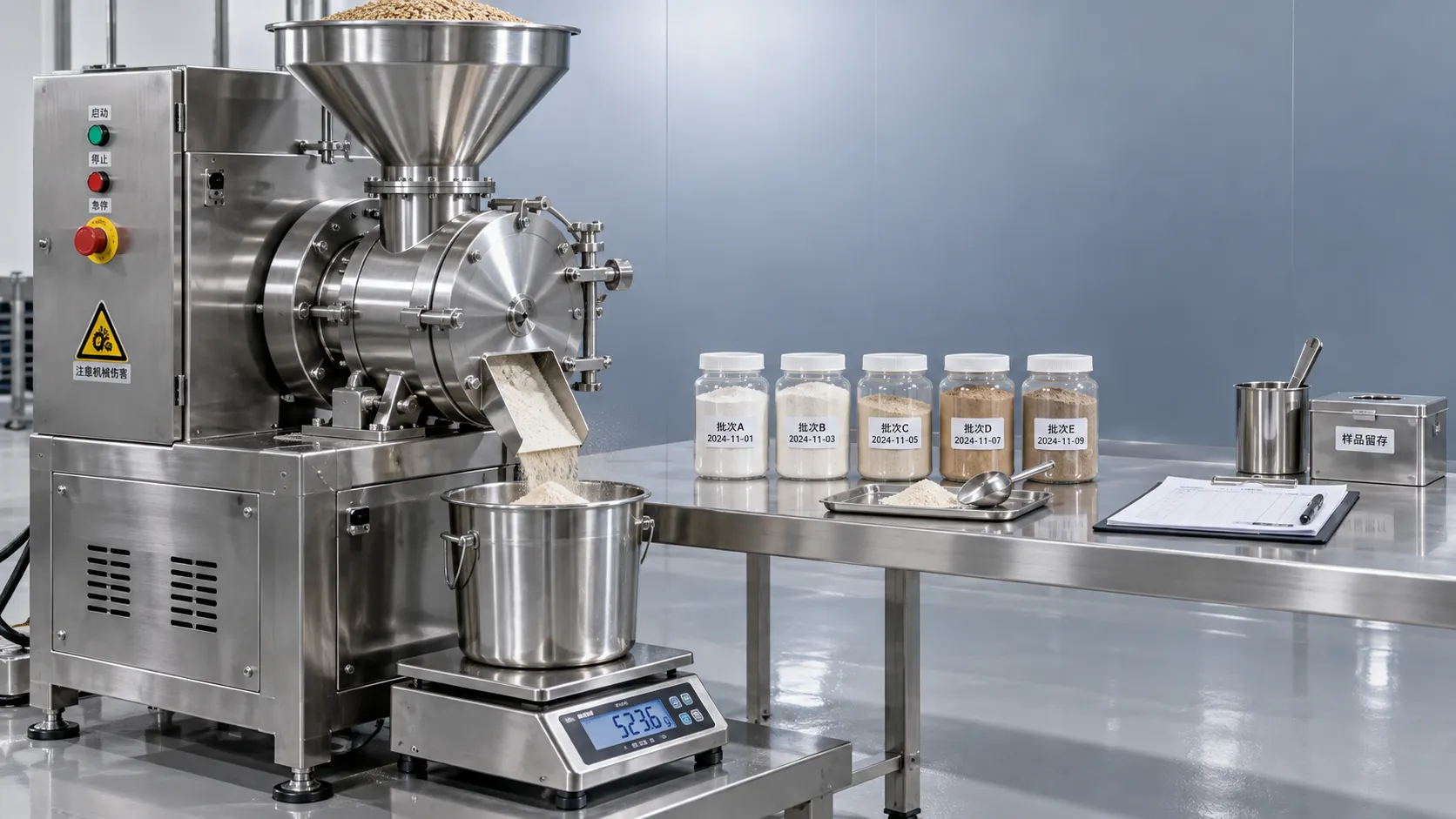
How to vet ingredient processing equipment manufacturers using trials
Vet ingredient processing equipment manufacturers with real-world trials. Learn how to verify yield, cleaning, energy use, and scale-up before you invest.
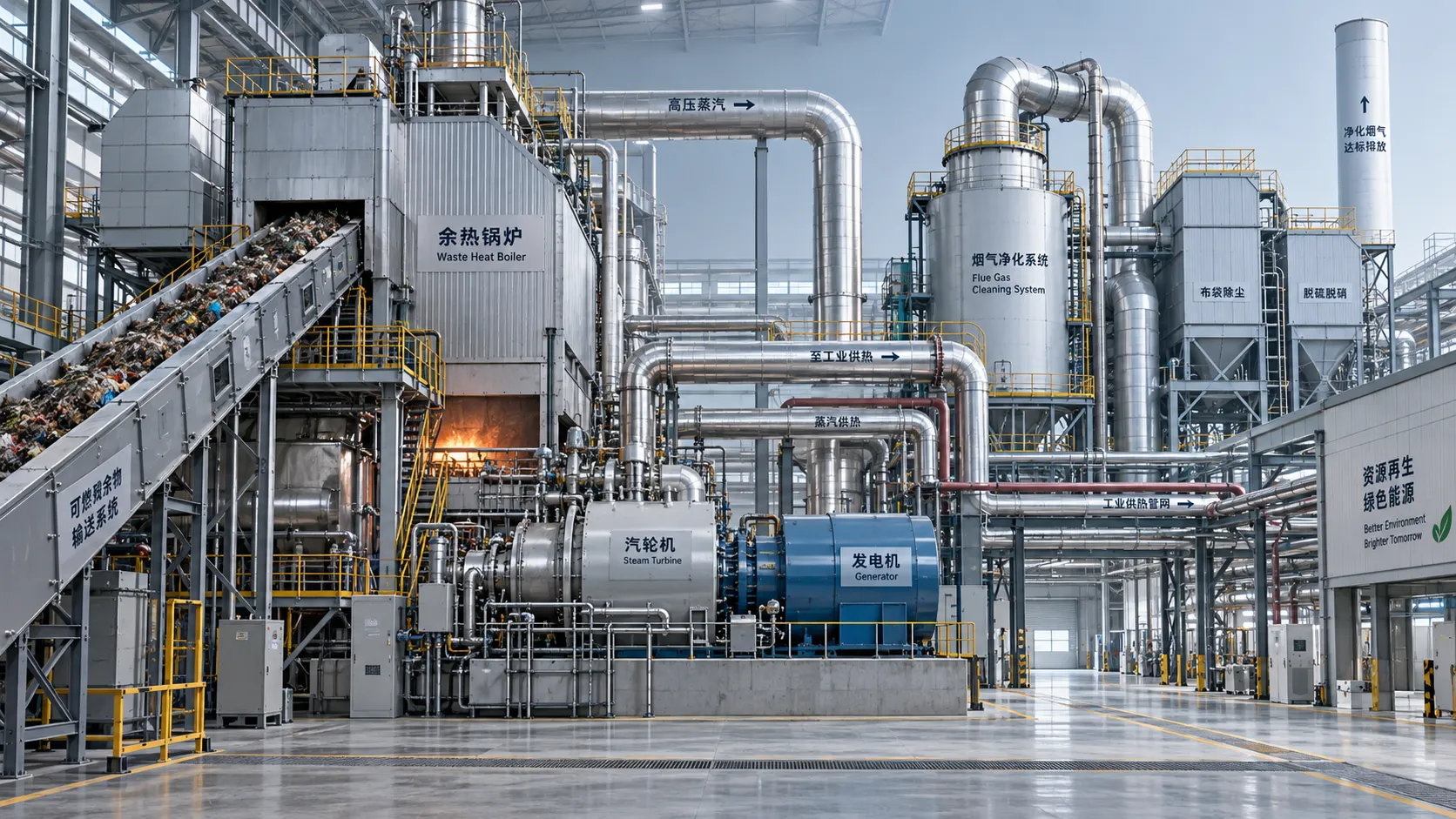
When is energy recovery viable in the solid waste recovery process?
When is energy recovery viable in the solid waste recovery process? Explore feedstock quality, net energy, emissions, and costs to assess feasibility and make smarter investment decisions.
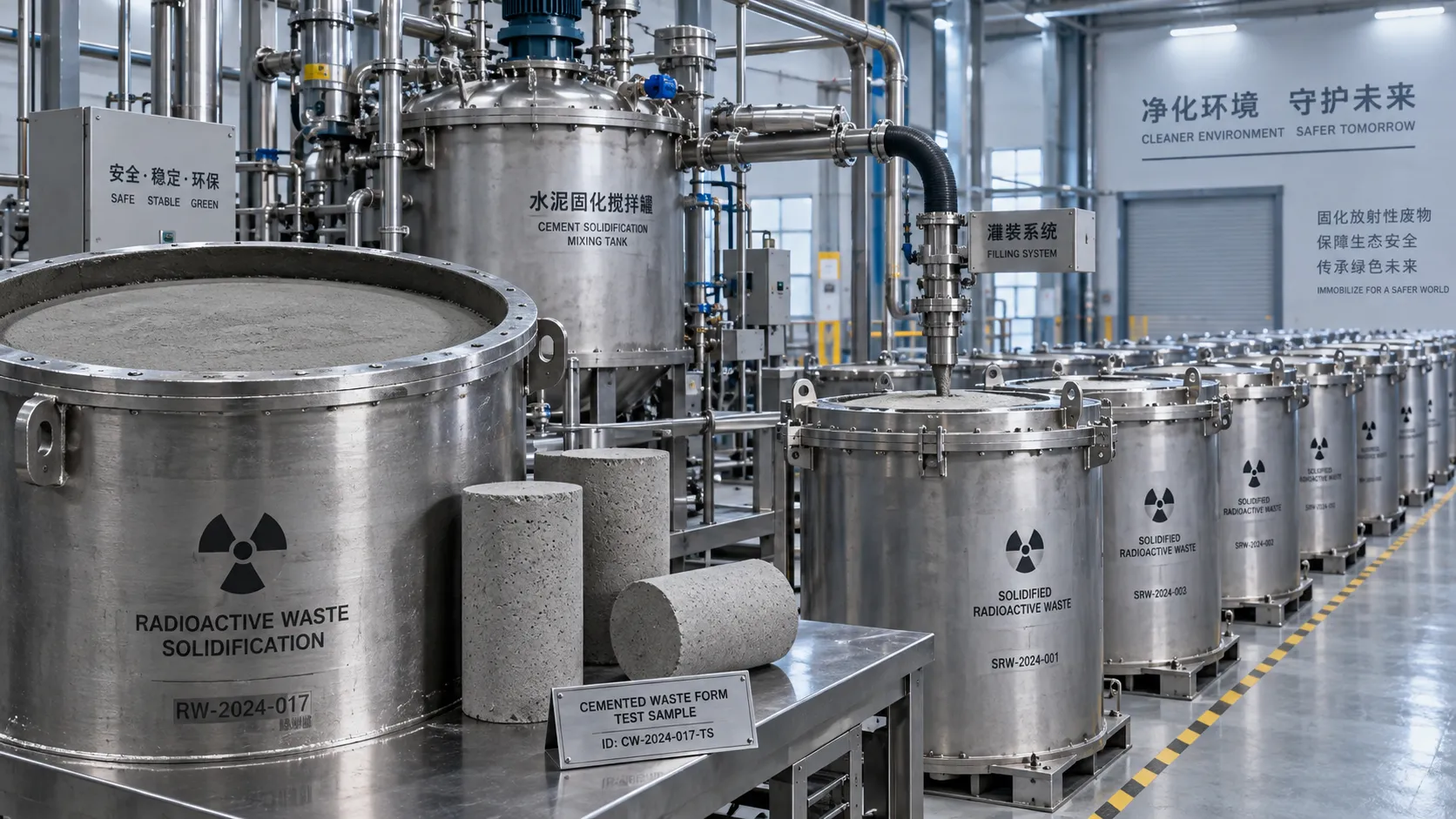
When is cementation suitable for nuclear decommissioning waste?
Explore nuclear waste treatment technology for decommissioning: learn when cementation fits, which risks to assess, and how disposal criteria guide an effective treatment choice.
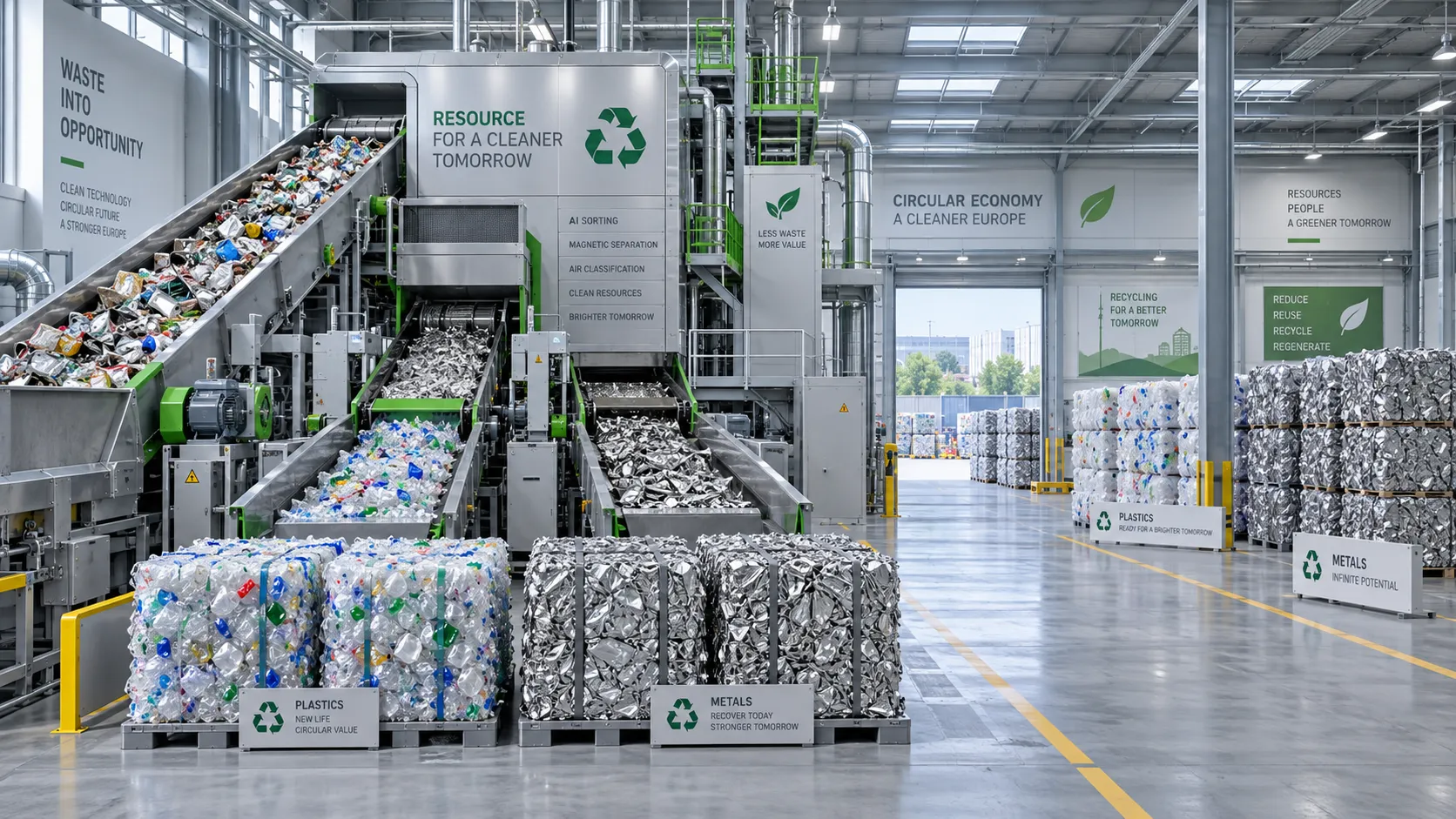
What determines payback for waste-to-resource systems in Europe?
Assess waste-to-resource systems Europe-wide: compare feedstock, recovery yields, costs and contracts to uncover payback drivers and make smarter investment decisions.
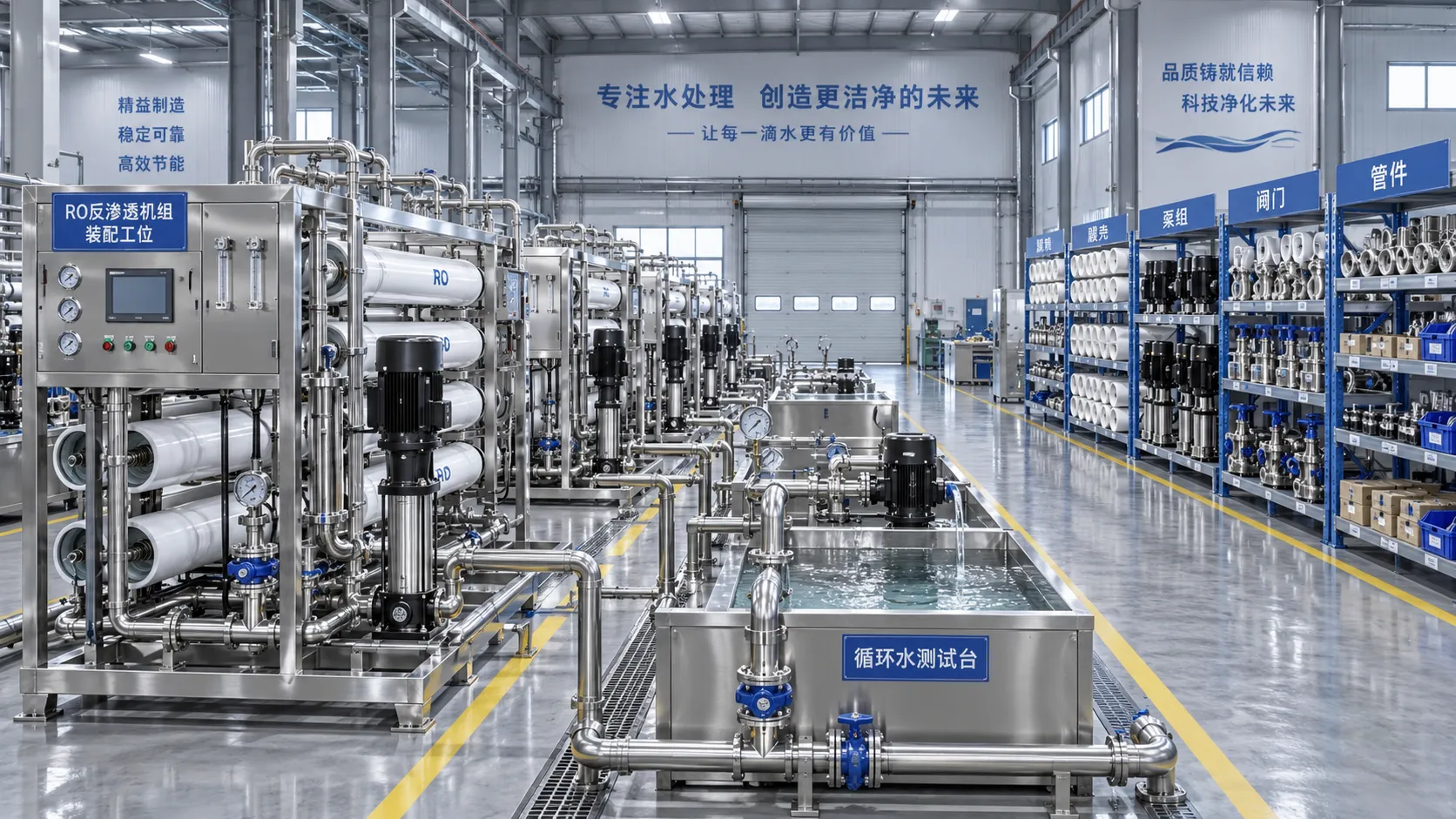
How to verify a water treatment system factory’s production capacity
Verify a water treatment systems factory’s production capacity through records, bottlenecks, component availability, and testing. Learn what to check before accepting a delivery promise.
When does EPC environmental project support reduce delivery risk?
EPC environmental project support engineering reduces delivery risk by aligning design, procurement, compliance, construction, and commissioning decisions.
How nuclear plants select a radioactive waste solidification method
Radioactive waste management for nuclear plants: compare vitrification, cementation, polymers, and ceramics to select a compliant, durable solidification solution.