
Industry News
Curation by industry experts
Hot Articles
Popular Tags
When is an MBR suitable for wastewater purification for bioprocessing?
A membrane bioreactor (MBR) is suitable for wastewater purification for bioprocessing when a facility needs reliable removal of biodegradable contaminants, low suspended solids, and a compact treatment footprint. It becomes particularly attractive where conventional clarification struggles with variable biomass settling or where treated water will feed a downstream reuse system.
Those advantages do not make an MBR a universal answer. Fermentation residues, cleaning chemicals, dissolved salts, and biologically active compounds can turn an apparently straightforward application into an expensive operating challenge. For technical evaluators, the question is not simply whether membranes produce clear water. It is whether the biological process can remain healthy, the membranes can remain productive, and the complete treatment train can meet its intended discharge or reuse specification.
Start with the destination of the treated water
“For bioprocessing” can describe two different requirements: treating wastewater generated by biological manufacturing, or recovering wastewater for use within a bioprocessing facility. The distinction changes the selection criteria.
For discharge, the main targets may be biochemical oxygen demand (BOD), chemical oxygen demand (COD), suspended solids, ammonia, and nutrients. For reuse, conductivity, trace organics, microbial quality, and the consequences of contamination become equally important.
- Discharge to sewer or receiving waters: An MBR may provide the main treatment step, with nutrient removal, disinfection, or polishing added where required.
- Cooling, washing, or other utility reuse: MBR permeate can be a useful starting point, but scaling, corrosion, aerosol exposure, and biological regrowth require separate assessment.
- Boiler makeup or higher-quality process water: Reverse osmosis (RO), demineralization, or additional polishing will usually be necessary, depending on the specification.
- Product-contact or pharmaceutical applications: Suitability depends on the applicable quality framework, validated purification train, and distribution controls. MBR permeate alone should not be assumed acceptable.
Define these boundaries before comparing equipment. Otherwise, a proposal can appear economical because it excludes the treatment stages that actually determine whether the recovered water is usable.
What makes an MBR a strong fit?
An MBR combines biological treatment with membrane separation, commonly using microfiltration or ultrafiltration. The biological stage transforms biodegradable pollutants; the membrane retains biomass and suspended material. The membrane is not a substitute for biological degradation.
This separation allows solids retention time to be controlled largely independently of hydraulic retention time. That flexibility can support slower-growing organisms and higher biomass concentrations than many conventional activated-sludge systems. It also removes dependence on secondary-clarifier settling performance, although biological instability still affects treatment quality and membrane operation.
The strongest applications usually combine several of these drivers. Where land is inexpensive, discharge requirements are moderate, and conventional treatment is stable, the additional membrane equipment and operating burden may be harder to justify.
Read the wastewater profile—not just the average COD
A composite sample can make a difficult wastewater look manageable. In bioprocessing plants, a concentrated broth discharge or a clean-in-place event may create the condition that governs the entire design.
Biodegradability and residual dissolved COD
Measure total and soluble COD, BOD, suspended solids, and relevant production-specific compounds. The BOD-to-COD relationship is a useful screening indicator, but it does not establish treatability on its own. Respirometry and biological treatability testing provide stronger evidence of degradation rates and inhibition.
A membrane will retain many particulate contaminants, but dissolved, poorly biodegradable molecules can pass into the permeate. If the discharge limit is driven by residual soluble COD, simply installing a finer solids barrier may not solve the problem. Activated carbon, oxidation, source control, or a different treatment strategy may be needed.
Cleaning chemicals, salinity, and biological inhibition
Caustic and acidic cleaning streams, disinfectants, solvents, antibiotics, and concentrated salts deserve individual attention. Their effects depend on concentration, exposure duration, acclimation, and the organisms required for treatment. A stream tolerated by carbon-removing biomass may still disrupt nitrification.
Equalization and controlled dosing can soften some shocks. They cannot make a persistent toxic load disappear. Segregating a small, problematic stream may protect the plant more effectively than increasing the size of the whole biological system.
Conventional MBR membranes do not meaningfully remove dissolved salts. Where salinity threatens biological activity or makes reuse unacceptable, the decision must include source segregation, acclimated biomass where appropriate, desalination, and management of the resulting concentrate.
Temperature, nutrients, and production schedules
High organic content does not guarantee a balanced biological feed. Some production wastewaters lack sufficient nitrogen, phosphorus, alkalinity, or trace nutrients. Others contain excess nitrogen that requires dedicated nitrification and denitrification capacity.
Temperature affects reaction rates, oxygen transfer, viscosity, and membrane operation. Seasonal conditions, shutdowns, and campaign changes should therefore be included in the design basis—not treated as operating details to resolve after installation.
The main trade-off: compact treatment versus fouling and aeration
Bioprocessing wastewaters may contain proteins, polysaccharides, cell debris, colloids, oils, and extracellular polymeric substances. These materials can accumulate on membrane surfaces or contribute to less reversible fouling. Clear permeate is therefore compatible with a membrane system that is gradually losing productivity.
Evaluators should ask how the proposed design controls this loss:
- Fine screening and removal of fibers or abrasive material before membrane exposure.
- Oil, grease, or solids separation where feed characteristics justify it.
- A sustainable operating flux established under representative conditions.
- Relaxation, backwashing where applicable, membrane scouring, and planned cleaning.
- Monitoring of transmembrane pressure and temperature-corrected permeability trends.
- Cleaning chemicals and exposure conditions compatible with the membrane material.
Higher flux is not automatically a better design. Reducing installed membrane area can increase cleaning frequency, energy use, downtime, or replacement risk. Proposals should distinguish sustained net production from short-duration peak capacity and account for cleaning and unavailable membrane trains.
Aeration deserves the same scrutiny. Oxygen supply supports biological oxidation, while air scouring helps control fouling in many submerged systems. Elevated mixed-liquor concentrations can increase viscosity and reduce oxygen-transfer efficiency. An operating point that saves tank volume may therefore demand more blower power.
Ask suppliers to explain the assumed organic load, oxygen-transfer conditions, scouring strategy, pumping duty, and turndown behavior behind their energy estimates. A single headline energy figure is not enough for a defensible comparison.
When another process should lead
An MBR is often most valuable as one component of a treatment train rather than the first destination for every wastewater stream.
High-strength, readily biodegradable wastewater may favor anaerobic treatment upstream, particularly where organic loading and operating conditions support energy recovery. An aerobic MBR can then provide polishing. The comparison must include temperature requirements, anaerobic effluent characteristics, dissolved methane where relevant, and residual nutrient removal.
Low-strength wastewater with straightforward discharge requirements may be treated more economically using conventional activated sludge, a sequencing batch reactor, or attached-growth processes. Available land and the performance of existing assets can outweigh the appeal of membrane separation.
Wastewater dominated by refractory or inhibitory compounds may require physicochemical treatment or source segregation before biological processing is viable. Advanced oxidation should be evaluated for actual contaminant destruction, by-products, and any change in biodegradability—not selected merely because it sounds comprehensive.
High-salinity recovery or zero liquid discharge projects require a wider mass balance. An MBR can remove biodegradable organics before desalination, but it does not close the salt loop. RO concentrate, evaporator residues, and final disposal routes can determine overall feasibility.
Prove wastewater purification for bioprocessing under realistic conditions
Bench testing establishes whether the biology is plausible. Pilot testing helps establish whether the proposed biological and membrane operating conditions are sustainable. Neither is convincing if it excludes the wastewater events most likely to cause failure.
A useful evaluation program should cover:
- Representative production variability: Include relevant product campaigns, cleaning cycles, shutdowns, and restart conditions.
- Biological performance: Track organic removal, oxygen uptake, nutrient conversion, pH, alkalinity, sludge production, and recovery after disturbances.
- Membrane behavior: Record flux, transmembrane pressure, normalized permeability, cleaning requirements, and permeability recovery.
- Final water quality: Measure dissolved contaminants and microbial parameters relevant to the intended destination, not only turbidity.
- Downstream compatibility: Where reuse is planned, assess polishing requirements and RO fouling or scaling risks using representative permeate.
The test must run long enough to assess acclimation, trends in fouling, and relevant production variation. Short trials with diluted or unusually consistent feed can underestimate full-scale risk.
For pharmaceutical, biotechnology, or genetically modified production streams, clarify any required containment, inactivation, and biosafety measures separately. A wastewater MBR should not be assumed to provide validated organism inactivation or a sterile effluent.
Make the selection on lifecycle evidence
The commercial comparison should include more than tanks and membrane modules. Account for pretreatment, equalization, biological and scouring aeration, pumping, chemicals, sludge management, membrane replacement, instrumentation, operator effort, and downtime provisions. Add downstream purification and concentrate management wherever they are necessary to meet the actual water specification.
Performance guarantees should also have clear boundaries: influent composition, temperature range, peak flow, allowable inhibitory substances, effluent targets, availability, and testing methods. A guarantee based on average COD alone leaves too much room for disagreement.
Select an MBR when three conditions align: the wastewater is biologically treatable after practical pretreatment; dependable solids separation or limited space creates genuine value; and the complete treatment train meets the required water quality at an acceptable lifecycle cost.
If any of those conditions remains uncertain, the next step is targeted characterization or testing—not a larger membrane allowance. The best-matched system is the one that continues meeting its purpose when production changes, cleaning starts, and the feed stops behaving like its average.
Recommended News
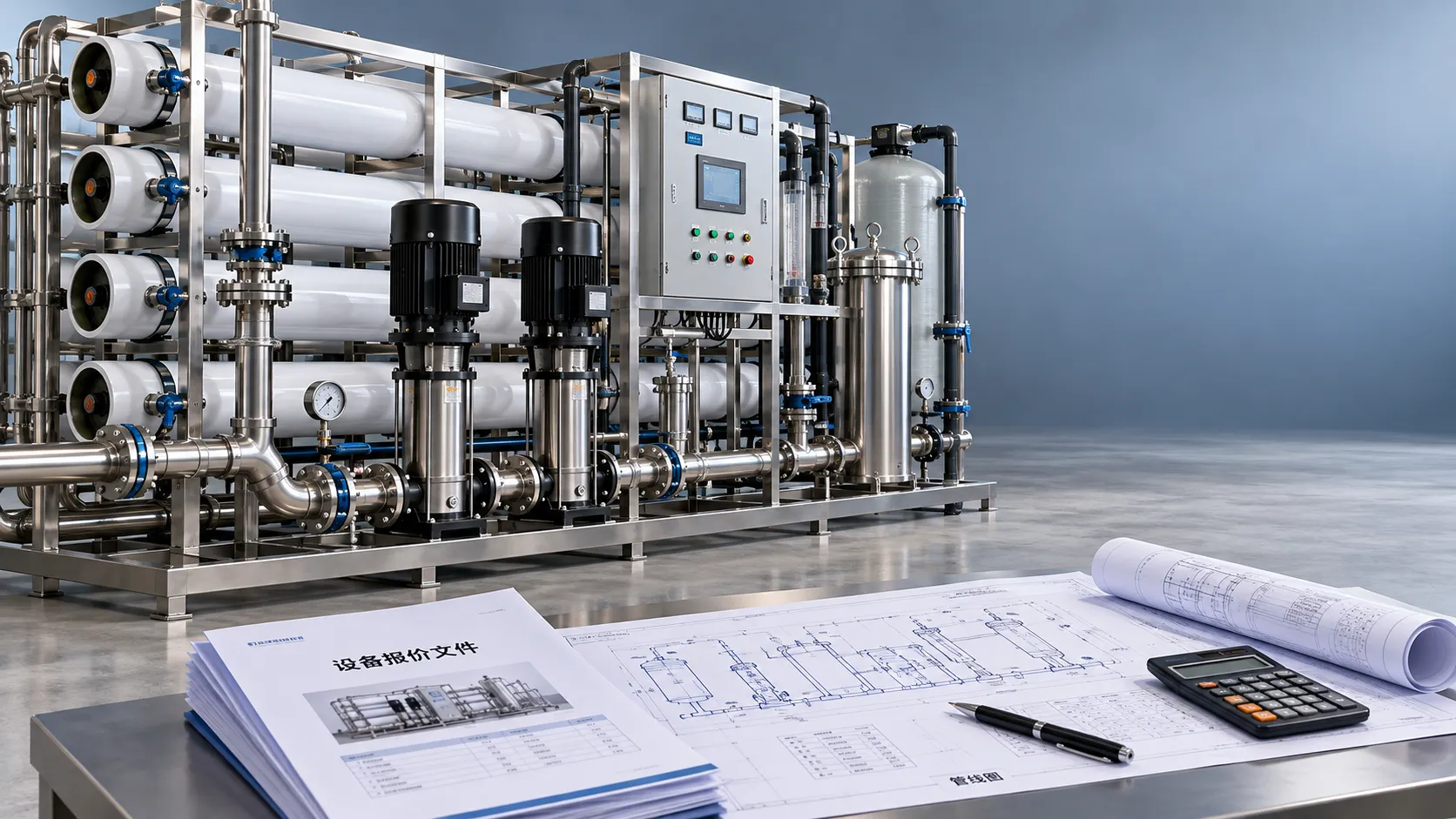
How to check a water treatment quotation for hidden project costs
Review your water treatment quotation for hidden costs, scope gaps, and operating expenses. Learn what to check before signing to protect your budget and avoid costly surprises.
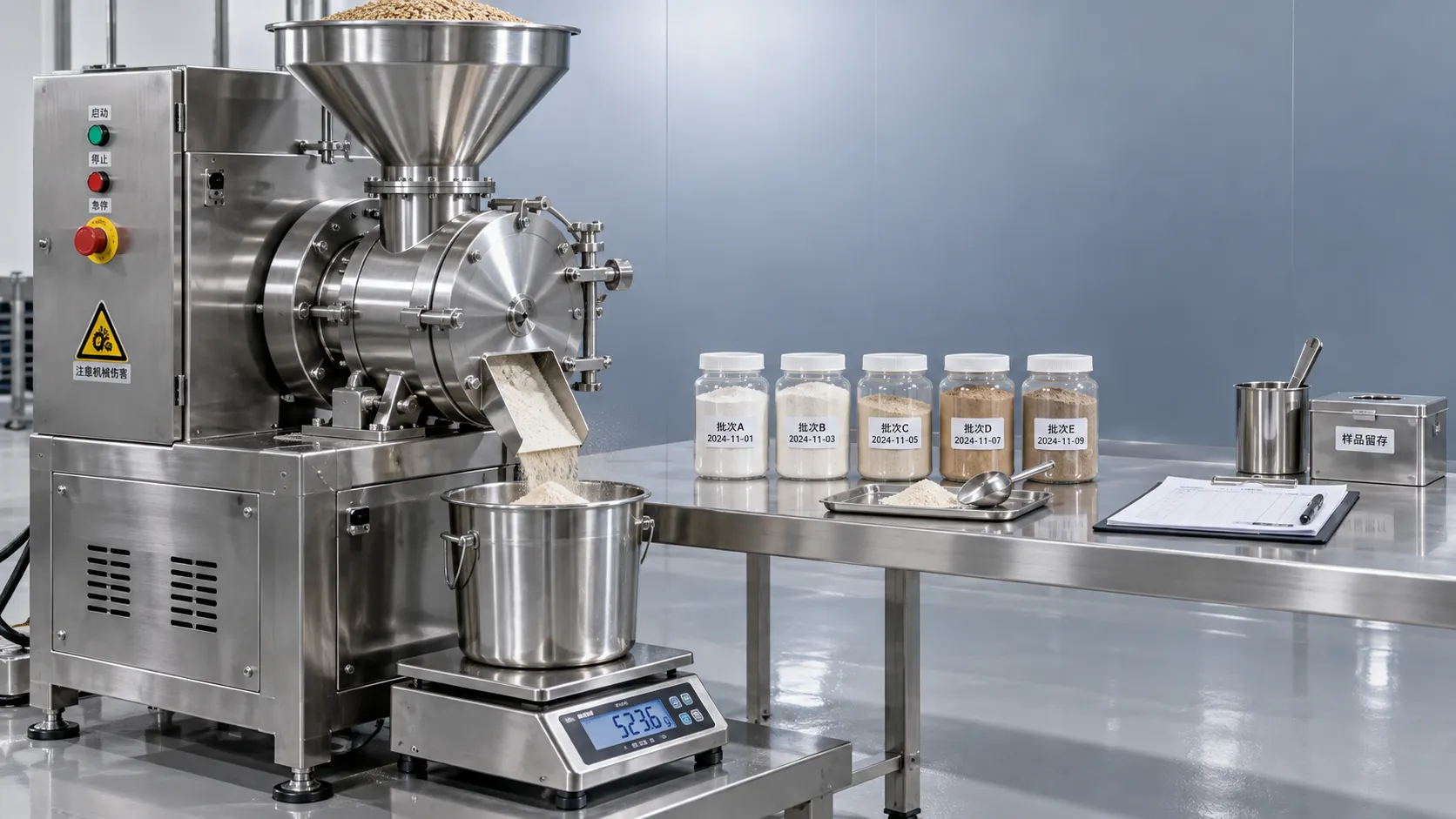
How to vet ingredient processing equipment manufacturers using trials
Vet ingredient processing equipment manufacturers with real-world trials. Learn how to verify yield, cleaning, energy use, and scale-up before you invest.
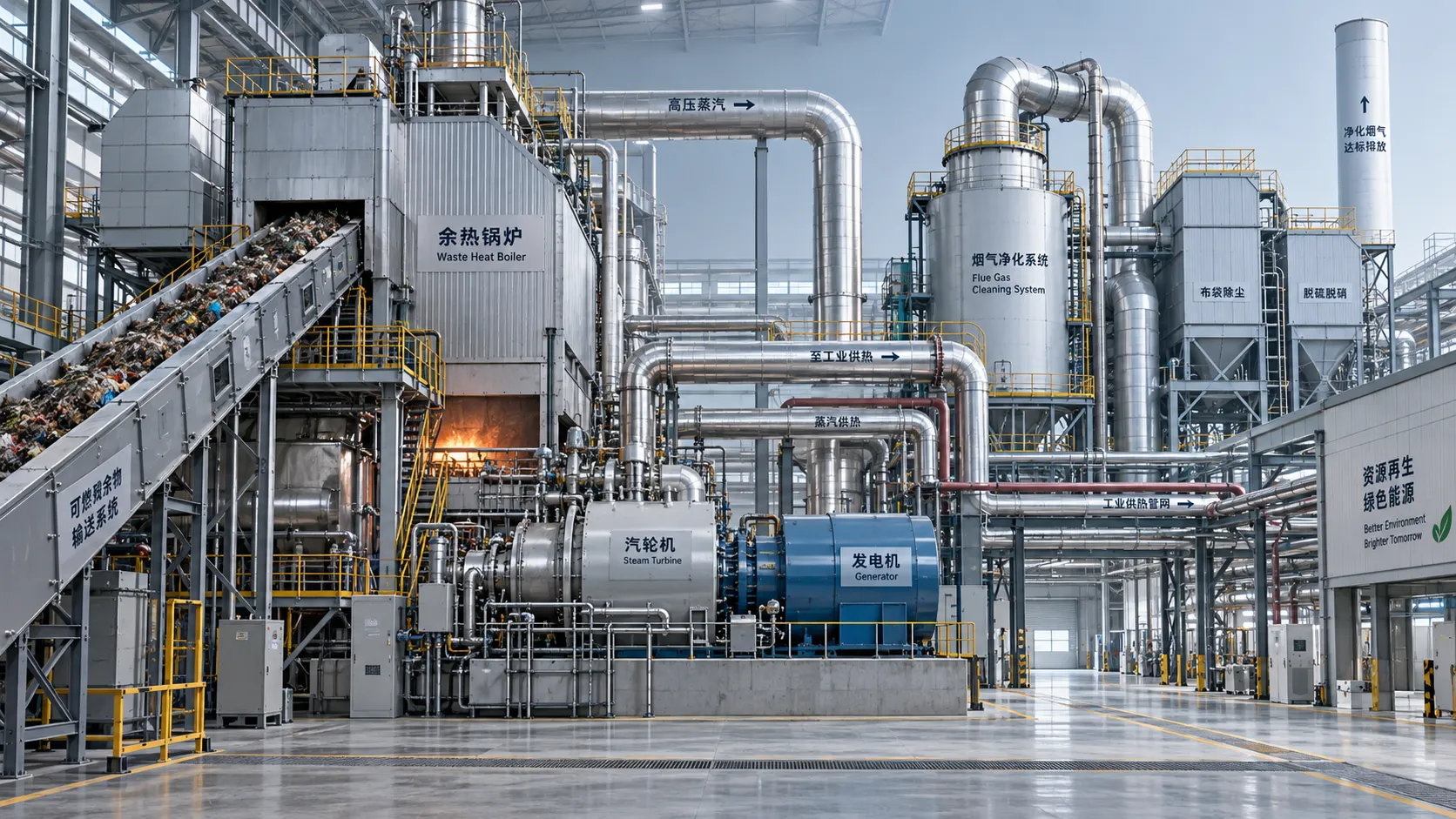
When is energy recovery viable in the solid waste recovery process?
When is energy recovery viable in the solid waste recovery process? Explore feedstock quality, net energy, emissions, and costs to assess feasibility and make smarter investment decisions.
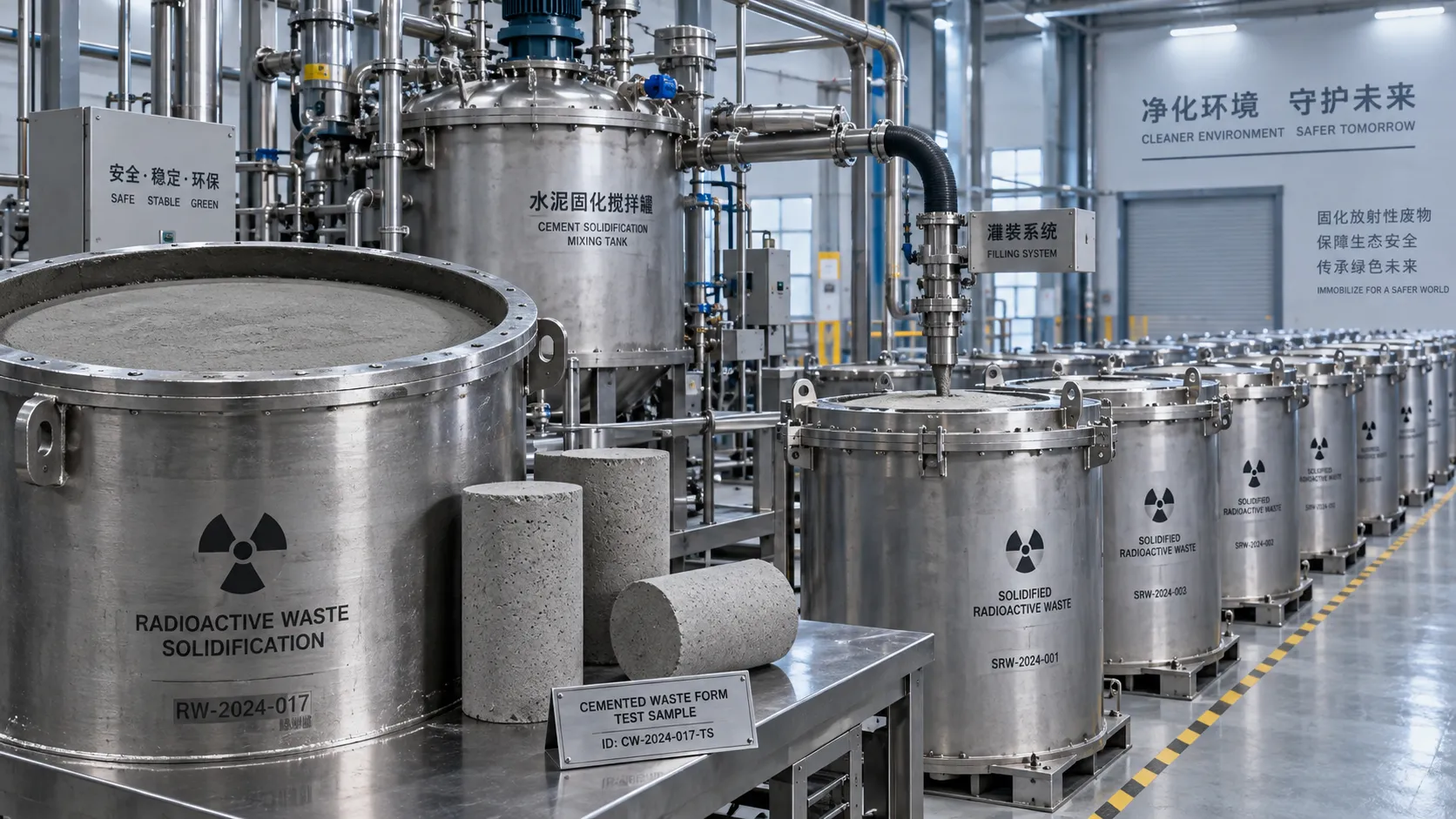
When is cementation suitable for nuclear decommissioning waste?
Explore nuclear waste treatment technology for decommissioning: learn when cementation fits, which risks to assess, and how disposal criteria guide an effective treatment choice.
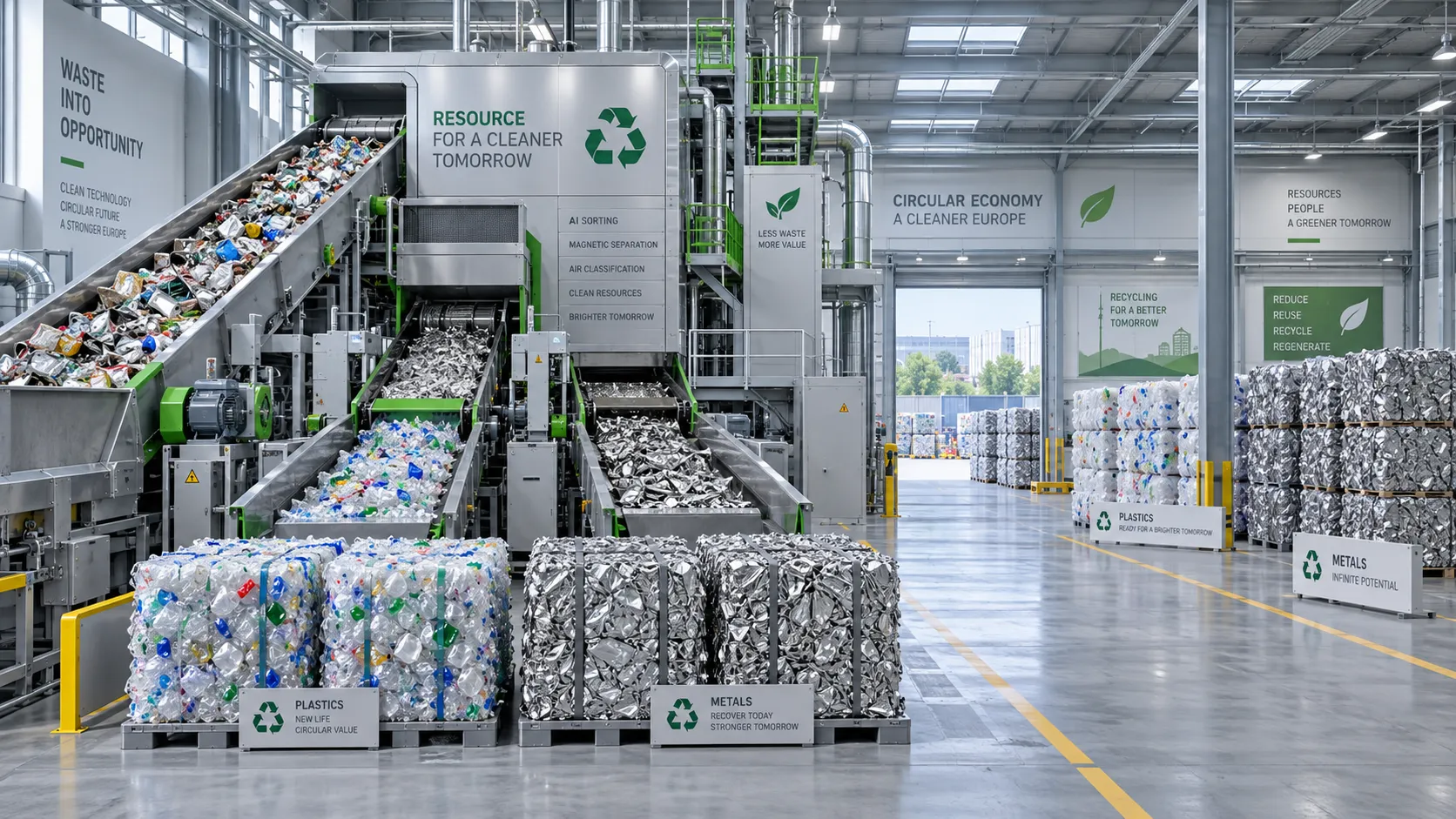
What determines payback for waste-to-resource systems in Europe?
Assess waste-to-resource systems Europe-wide: compare feedstock, recovery yields, costs and contracts to uncover payback drivers and make smarter investment decisions.
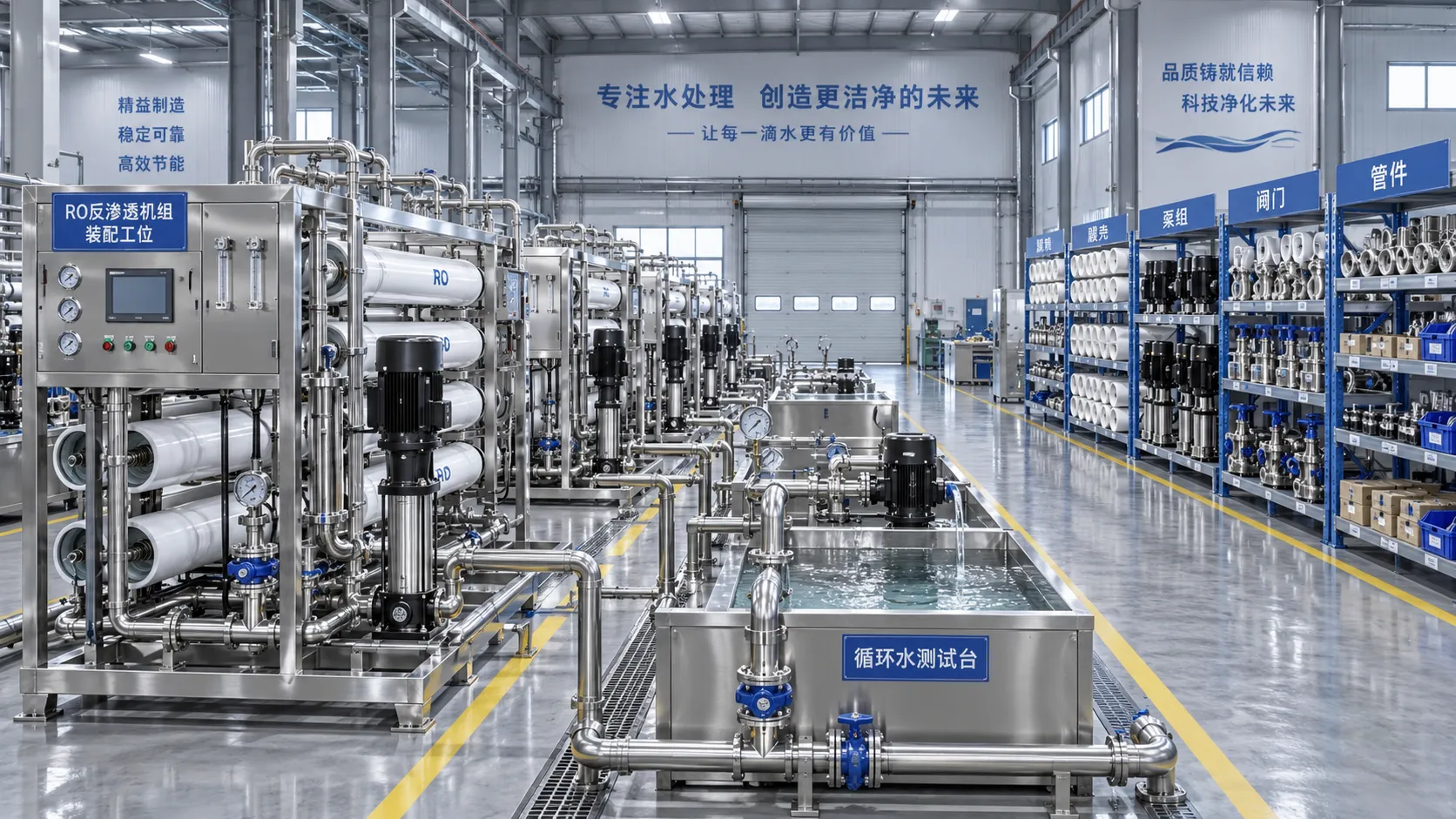
How to verify a water treatment system factory’s production capacity
Verify a water treatment systems factory’s production capacity through records, bottlenecks, component availability, and testing. Learn what to check before accepting a delivery promise.
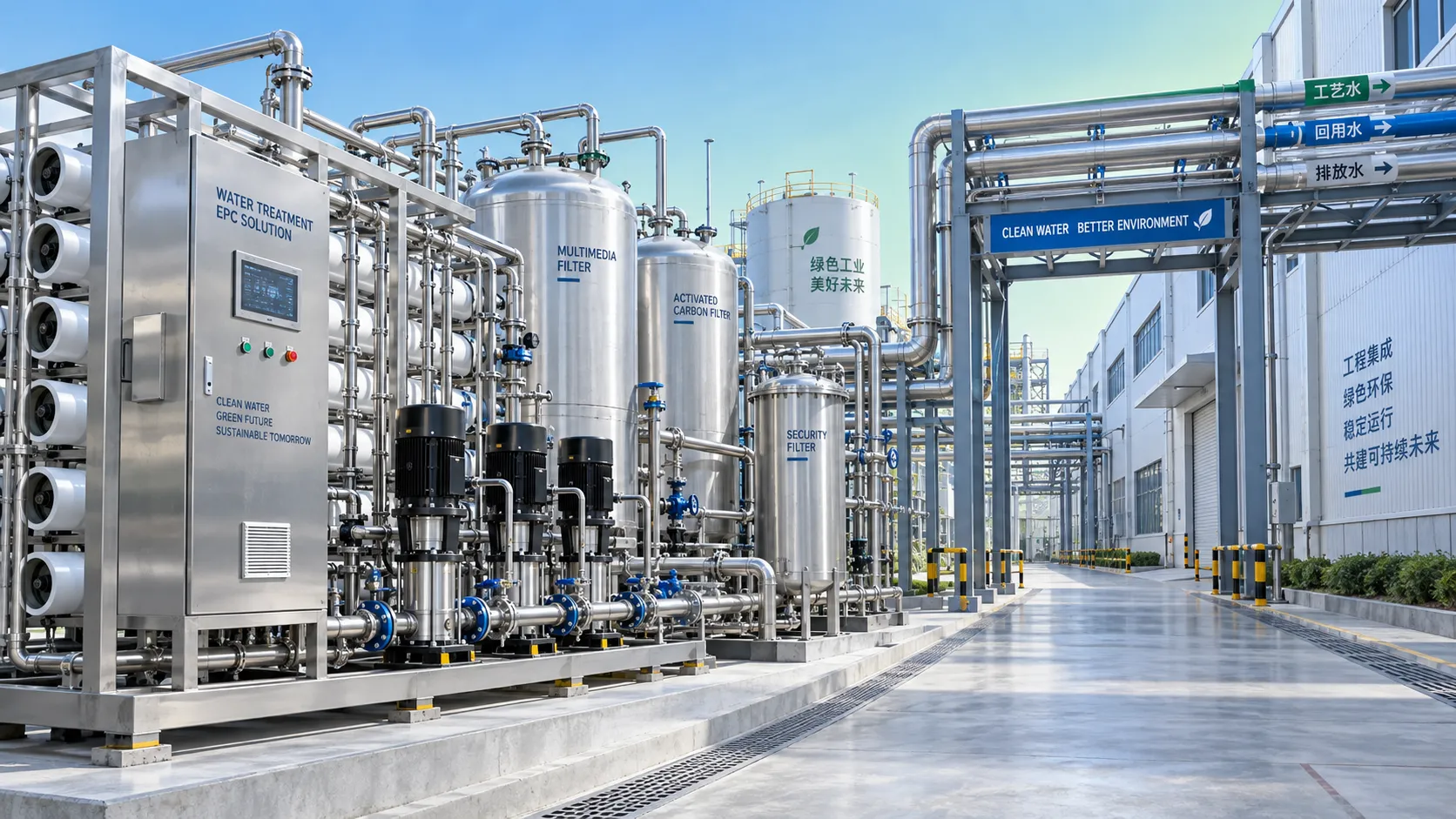
When does EPC environmental project support reduce delivery risk?
EPC environmental project support engineering reduces delivery risk by aligning design, procurement, compliance, construction, and commissioning decisions.
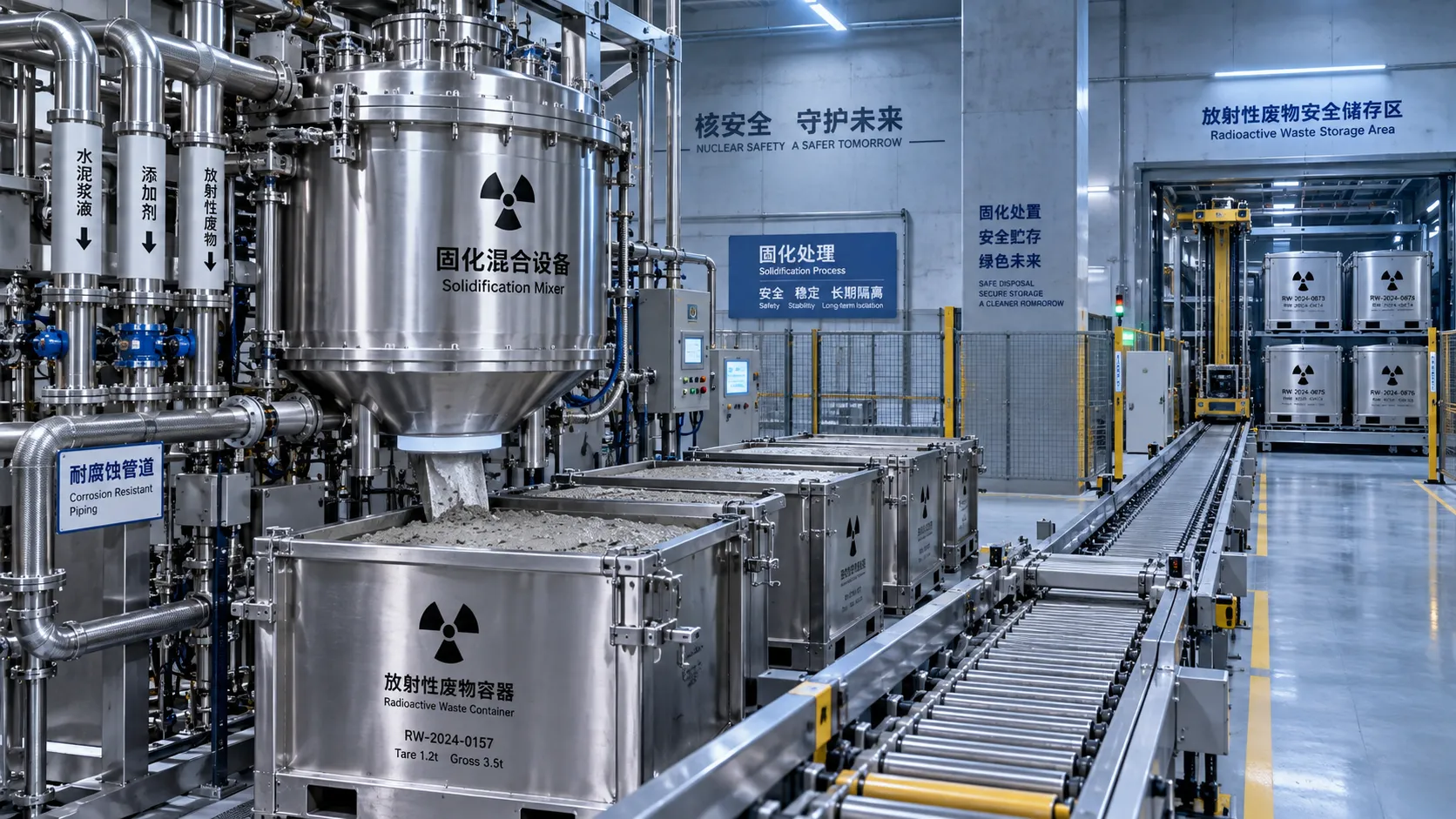
How nuclear plants select a radioactive waste solidification method
Radioactive waste management for nuclear plants: compare vitrification, cementation, polymers, and ceramics to select a compliant, durable solidification solution.
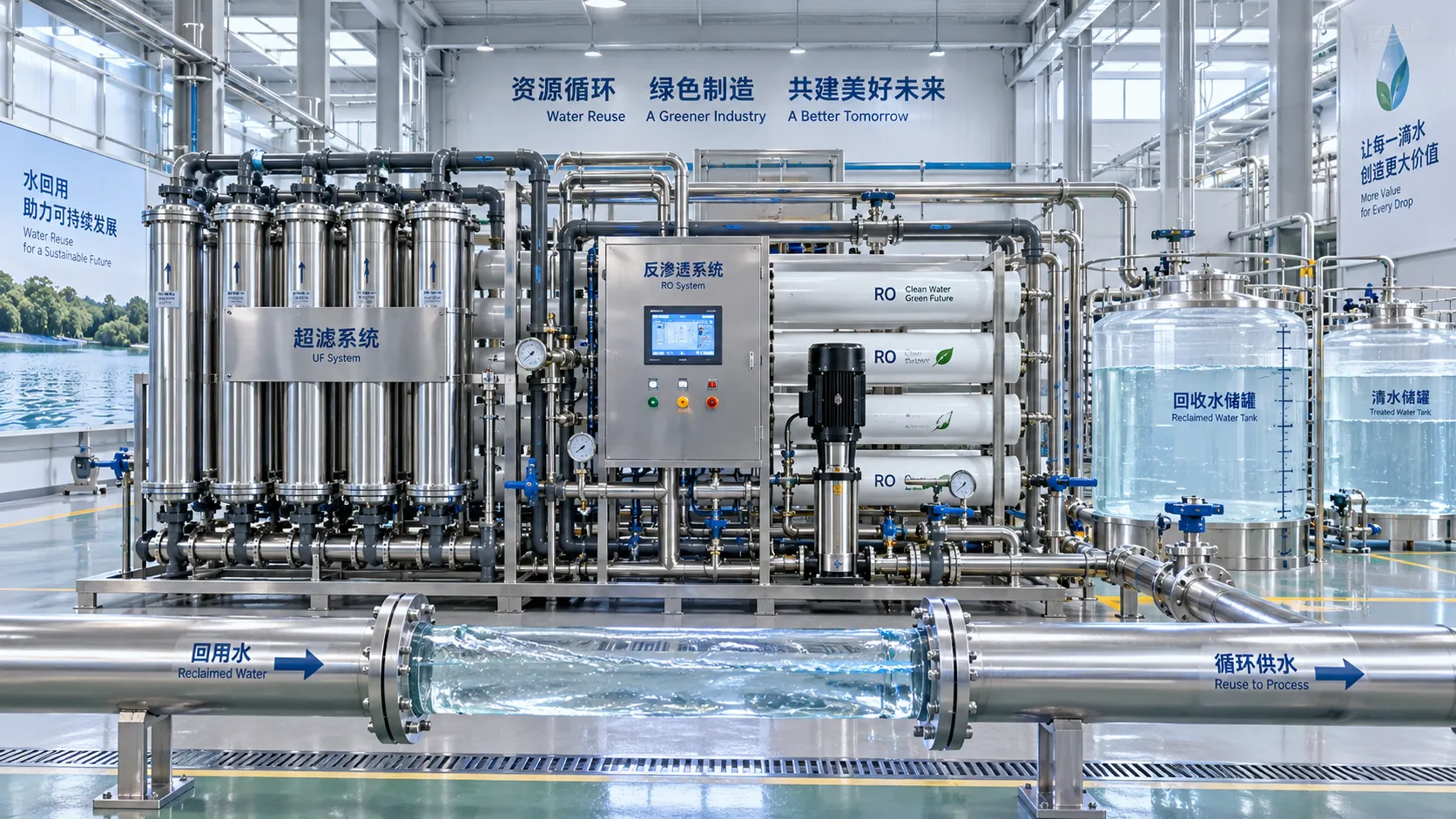
Selecting Water Purification Technologies for Sustainable Factory Water Reuse
Explore top water purification solutions for sustainable water reuse in factories, from stream segregation and RO to ZLD, for reliable, cost-effective compliance.