
Industry News
Curation by industry experts
Hot Articles
Popular Tags
How to Vet a Bio-Processing Equipment Exporter Before Cross-Border Sourcing
How to Vet a Bio-Processing Equipment Exporter Before Cross-Border Sourcing
Choosing a reliable bio-processing equipment exporter is a high-stakes decision for cross-border sourcing teams.
Price matters, but it rarely tells the full story.
A weak supplier can trigger delays, validation failures, customs issues, and expensive downtime after installation.
That is why vetting a bio-processing equipment exporter must go beyond brochures and sales calls.
You need evidence of compliance readiness, engineering depth, quality discipline, and service capability across borders.
In practice, the best sourcing decisions come from structured checks made before purchase orders are issued.
This guide breaks down the main checkpoints that help confirm whether a bio-processing equipment exporter is truly procurement-ready.
Start With Regulatory and Market Access Readiness
The first test is simple.
Can the bio-processing equipment exporter legally and smoothly ship into your target market?
For bio-processing systems, export success often depends on more than customs paperwork.
It may involve CE marking, ASME expectations, pressure vessel compliance, electrical safety rules, or sanitary design standards.
Some projects also require FDA-aligned materials documentation or GMP-friendly design support.
Ask the exporter for a document map, not just certificates.
That map should show which standards apply to each subsystem and who verifies them.
- Declaration of conformity and relevant test reports
- Material traceability for wetted parts
- Pressure, electrical, and hygienic design records
- Export experience in the same destination country
- Clear responsibility split between manufacturer and integrator
If a bio-processing equipment exporter answers vaguely here, the sourcing risk is already visible.
Check Technical Depth, Not Just Product Range
A broad catalog can look impressive.
It does not prove the bio-processing equipment exporter understands your process conditions.
Ask how the supplier sizes equipment for flow rate, viscosity, shear sensitivity, sterility, cleaning cycles, and automation integration.
Good exporters can explain design tradeoffs in plain language.
They should also show whether they have handled fermentation, filtration, separation, dosing, or CIP and SIP requirements before.
From recent market shifts, a stronger signal is application evidence.
Look for process narratives, not generic case studies.
A credible bio-processing equipment exporter should connect design choices to contamination control, yield stability, and maintainability.
If the team cannot discuss failure modes, scale-up limits, or utility demands, the technical fit may be shallow.
Questions That Reveal Real Engineering Capability
- How do you select materials for product-contact surfaces?
- Which parameters are guaranteed during FAT and SAT?
- What process assumptions drive the equipment sizing?
- Which components are in-house and which are outsourced?
- How do you support validation documents and change control?
Audit the Quality System Behind the Equipment
A reliable bio-processing equipment exporter should have a quality system that is visible in records, routines, and corrective actions.
ISO 9001 is useful, but it is only a starting point.
You need to see how quality control works on the shop floor.
Review welding logs, calibration status, inspection hold points, nonconformance handling, and final release approvals.
For process-critical systems, traceability matters more than polished presentations.
That also means checking vendor control over pumps, valves, sensors, PLC components, and pressure parts.
In actual sourcing work, weak supplier management often causes the most painful field failures.
Verify Delivery Discipline and Export Execution
Cross-border sourcing fails when delivery control is weak.
A capable bio-processing equipment exporter should provide a realistic production schedule with milestones and risk buffers.
Do not accept a single promised shipment date without a timeline behind it.
Ask how they manage long-lead motors, control components, membrane elements, stainless steel, and third-party skids.
This also means reviewing packing methods and preservation routines for sea freight.
For sensitive systems, export packaging is part of quality assurance, not a logistics afterthought.
A seasoned bio-processing equipment exporter should be ready to explain Incoterms, shipping document accuracy, and customs coordination.
When responses stay generic, expect schedule surprises later.
Useful Signs of Delivery Reliability
- Past on-time performance by project type
- Shared procurement status for key components
- Defined FAT booking windows
- Export packing specifications and photo records
- Clear escalation path for schedule disruption
Examine After-Sales Support Before You Need It
Support quality becomes visible only after commissioning starts.
That is why after-sales review should happen early in the selection process.
A dependable bio-processing equipment exporter should define response times, spare parts coverage, remote support options, and field service availability.
This is especially important for automated systems and regulated production lines.
Also check training scope.
Operators and maintenance teams need practical guidance, not just a manual drop.
More experienced exporters usually offer document packages, troubleshooting logic, and critical spare recommendations by runtime risk.
That level of preparation often separates a sales-oriented supplier from a long-term partner.
Use a Practical Vetting Framework Before Final Selection
A structured scorecard keeps decisions grounded.
It also helps compare each bio-processing equipment exporter on the same decision basis.
In most cases, five categories are enough.
- Compliance readiness and export documentation
- Technical fit and application engineering
- Manufacturing quality and traceability
- Delivery control and logistics execution
- After-sales support and lifecycle service
Weight the scorecard based on project risk.
For regulated applications, compliance and documentation may carry the highest weight.
For urgent capacity expansion, delivery discipline may become the main filter.
It also helps to request a live technical review before award.
That meeting often exposes gaps hidden in written proposals.
If possible, add a factory audit or virtual inspection with document sampling.
For a high-value cross-border project, this step is rarely optional.
Final Takeaway
Choosing a bio-processing equipment exporter should be treated as a risk decision, not a catalog decision.
The strongest exporter is usually the one that proves capability through records, process understanding, and service structure.
When you verify compliance, technical depth, quality systems, delivery control, and support readiness together, sourcing becomes far more predictable.
That also means fewer surprises after shipment and a stronger basis for internal approval.
Before shortlisting any bio-processing equipment exporter, turn these checkpoints into a formal review sheet and test every claim with evidence.
Recommended News
When does environmental equipment intelligence reduce wastewater plant energy use?
Environmental equipment intelligence for wastewater plants cuts energy use through smarter aeration, pumping, and data-driven controls—without compromising compliance. Discover when it delivers measurable savings.
Which supplier evaluation support tools improve audit consistency?
Supplier evaluation support tools improve audit consistency with controlled checklists, evidence capture, risk scoring, CAPA workflows, and traceable approvals. Explore the essentials.
How reactor retention time affects denitrification equipment performance
Denitrification equipment reactor performance depends on retention time, carbon, mixing, and load control. Explore practical insights for reliable nitrogen removal.
How feed salinity affects energy use in ZLD system brine treatment
ZLD system brine treatment: discover how feed salinity drives energy use, scaling risk, and technology choices for efficient, reliable zero liquid discharge.

How coastal cities can select desalination solutions for peak demand
Seawater desalination solutions for coastal cities: compare firm peak capacity, intake risk, energy resilience, and lifecycle value to secure reliable water supply.
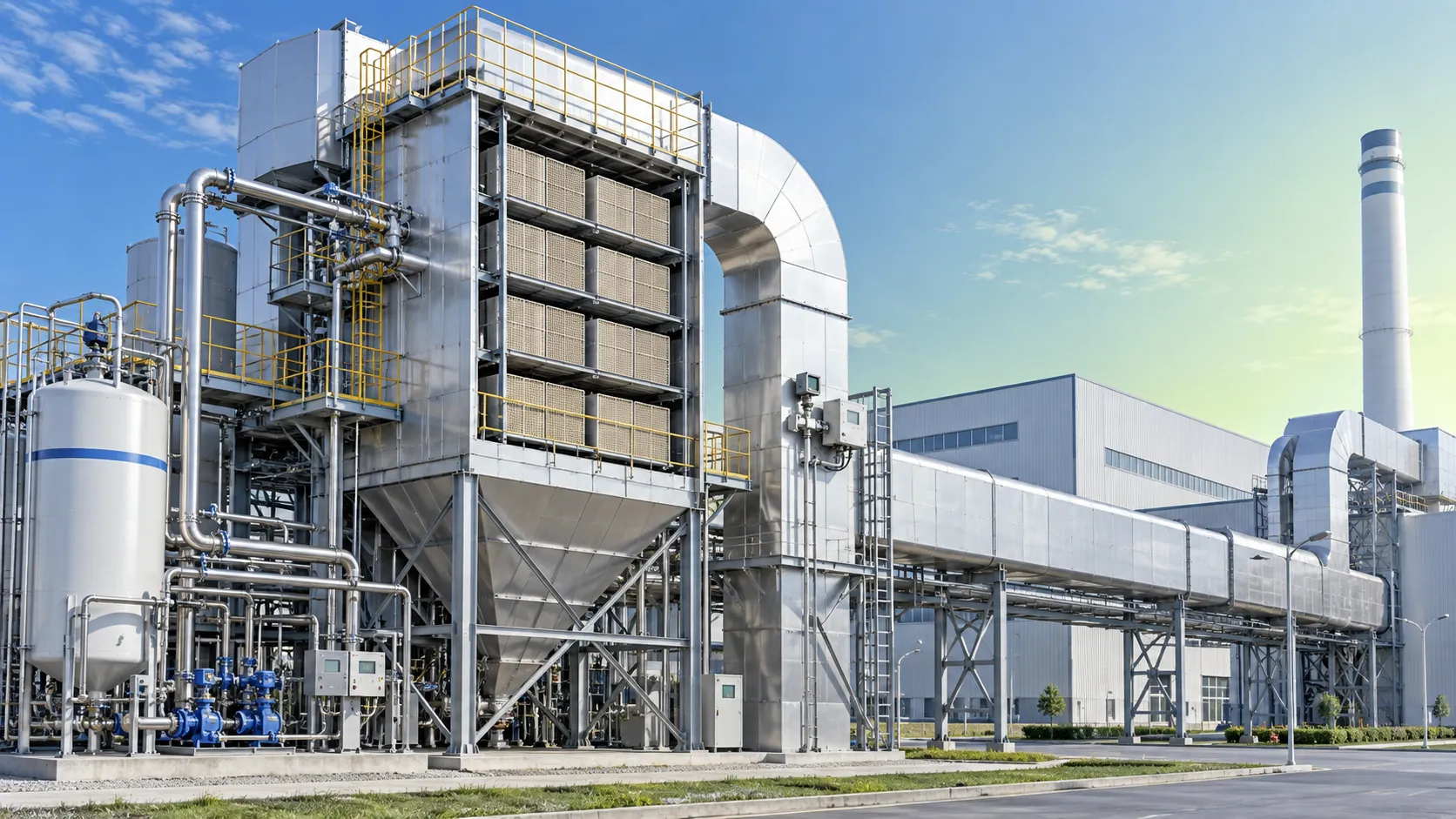
How SCR denitrification systems in Europe meet Industrial Emissions rules
SCR denitrification systems Europe: learn how permit-led design, ammonia-slip control, catalyst management and monitoring support Industrial Emissions compliance.
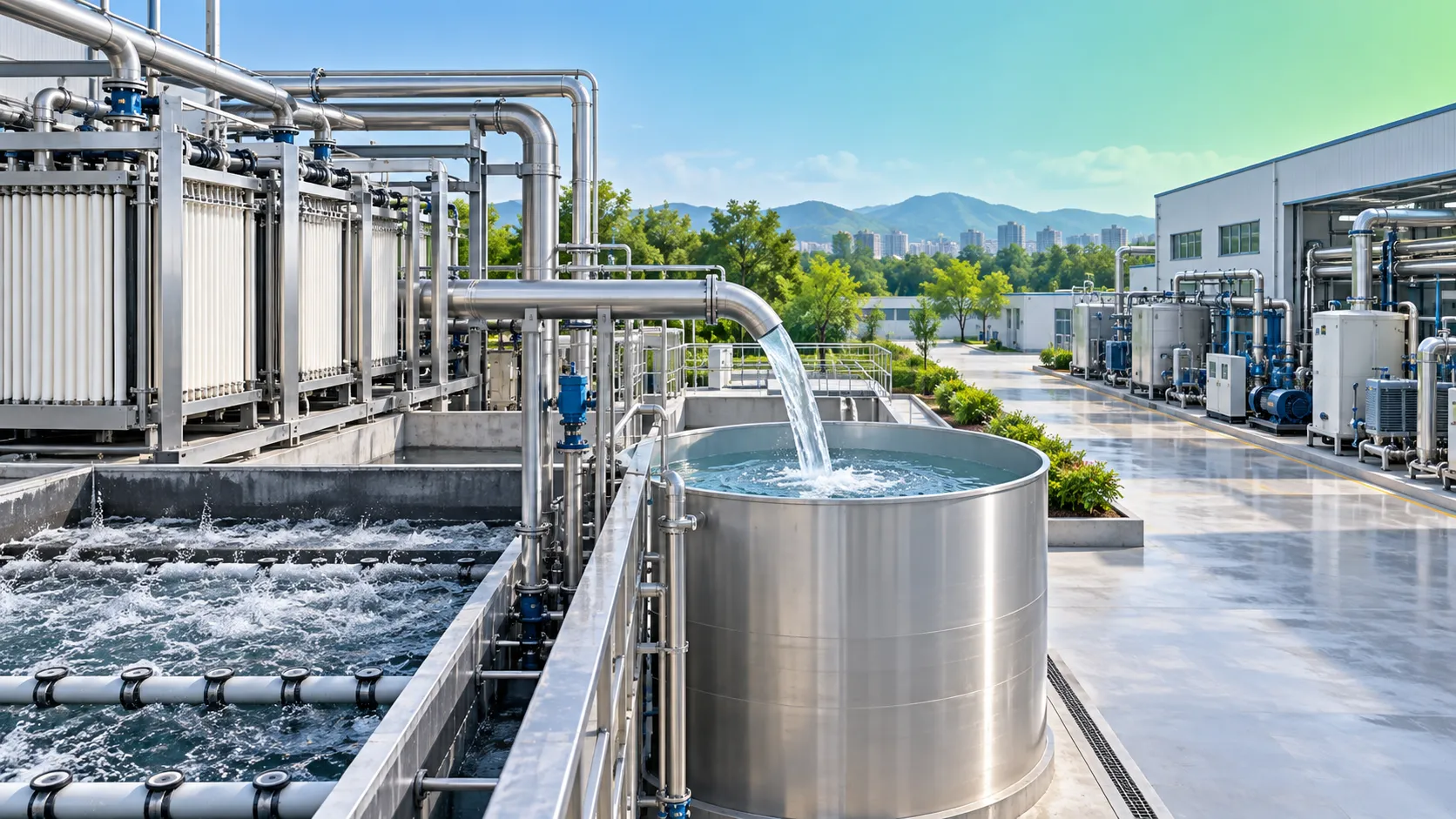
When does MBR equipment make sense for wastewater reuse?
Water treatment equipment for wastewater reuse: learn when MBR delivers compact, reliable low-solids effluent—and when alternative treatment trains offer better value.

How North America shapes global environmental governance standards
Global environmental governance North America: discover how regulation, finance, and procurement raise worldwide standards and reshape environmental projects.
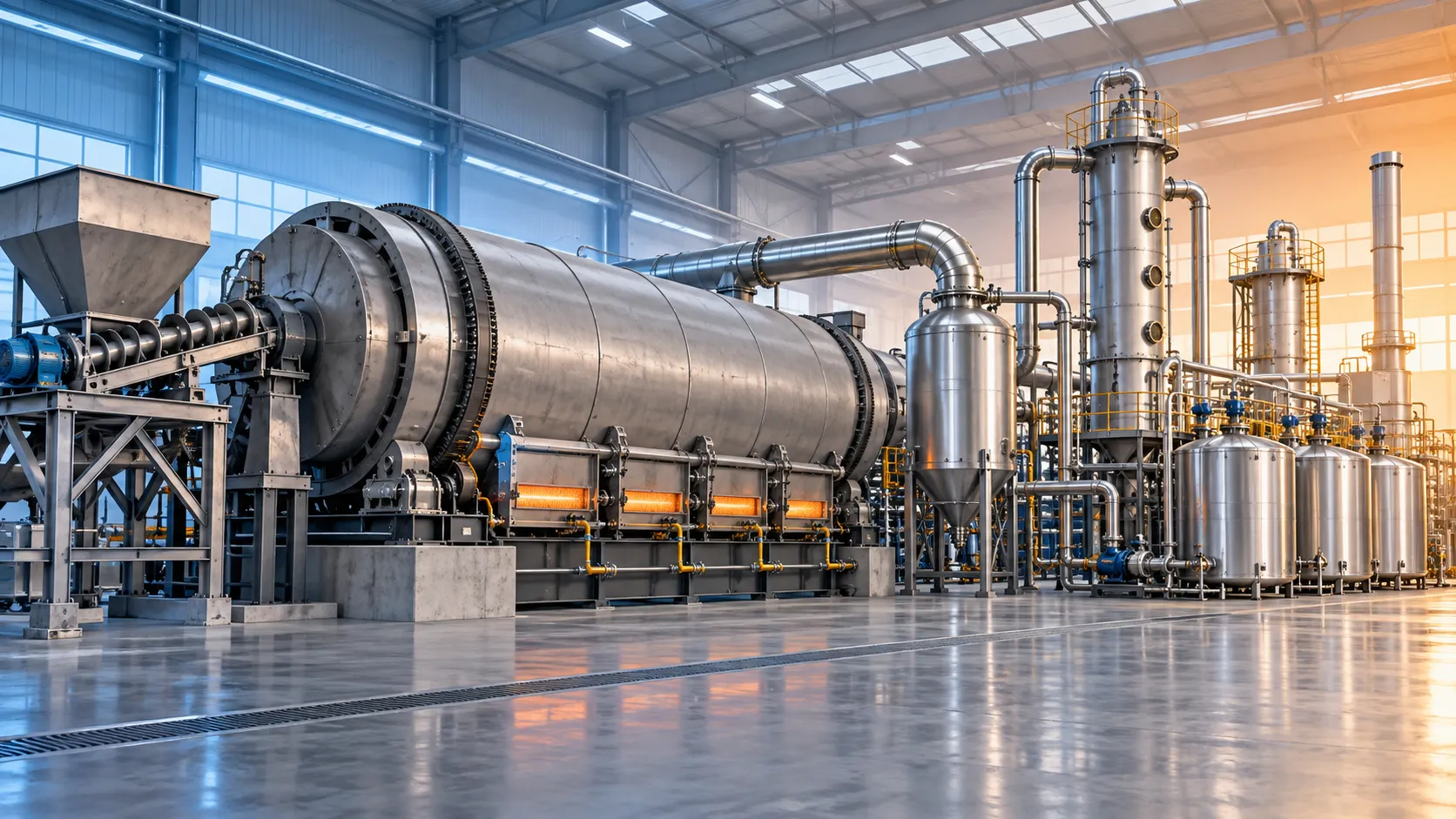
How reactor capacity affects throughput in pyrolysis systems
Pyrolysis systems reactor capacity explained: learn how heat transfer, residence time, feed quality, and emissions controls determine reliable throughput.