
Industry News
Curation by industry experts
Hot Articles
Popular Tags
Can waste-to-resource for sludge cut disposal costs?
If you are the one signing off on sludge handling budgets, the hard part is often not the treatment itself. It is the line items around it: hauling, temporary storage, landfill gate fees, compliance checks, and the hidden cost of process interruptions when sludge sits too long. In many facilities, sludge disposal starts as a routine expense and slowly turns into a recurring budget problem that is difficult to explain but easy to feel.
That is why waste-to-resource for sludge keeps coming up in procurement and finance discussions. The idea is simple enough: instead of treating sludge only as a disposal burden, look at whether part of it can be converted into reusable materials, energy, or another recoverable output. For finance approvers, the real question is less about the concept and more about whether it can reduce disposal costs without creating new risk, new complexity, or a longer approval cycle.
Where the cost pressure usually starts
Most sludge budgets do not explode in one place. They creep. A site may begin with manageable hauling frequency, then find that thicker sludge, seasonal load changes, or tighter storage limits force more frequent removal. If the sludge is classified in a way that narrows disposal options, the list of vendors gets shorter and prices become less flexible. Add in transport distance, container handling, and documentation work, and the disposal line starts to absorb more than the original treatment plan expected.
What makes this frustrating is that sludge is rarely treated as a strategic material. It is often viewed as something to move off-site as quickly as possible. But once the volume, moisture content, and disposal route begin to affect operating budgets, it becomes reasonable to ask whether part of that stream can be redirected into a resource recovery path instead.
The common mistake: judging only by disposal fees
A frequent misstep is comparing only the visible disposal price against a recovery option. That comparison is too narrow. A waste-to-resource for sludge path may change collection timing, preprocessing needs, energy use, labor allocation, storage requirements, or downstream handling. If those changes are ignored, the finance team may approve a process that looks cheaper on paper but creates friction elsewhere.
The better question is: what total cost does the sludge currently impose, and which parts of that cost can realistically be reduced? In practice, that includes transport, storage, handling, contingency disposal, administrative work, and the cost of compliance uncertainty. A recovery route does not need to eliminate every expense to be useful; it only needs to shift the economics in a cleaner direction.
A more reliable way to evaluate the option
Start by separating the sludge stream into practical segments. Not all sludge behaves the same, and not every batch is suitable for the same recovery route. What matters first is whether the material characteristics support a stable process. Moisture level, contamination profile, consistency, and seasonal variation all influence whether the sludge is a candidate for reuse, energy recovery, or other secondary processing.
Then map the current disposal workflow in plain terms:
- Where the sludge is generated
- How often it is removed
- How long it is stored before pickup or processing
- Which regulations or internal rules limit disposal routes
- Which steps create the most labor or delay
Once that is clear, compare it with the proposed recovery path. If the route requires specialized preprocessing, a separate contract structure, or stricter feedstock control, those requirements should be visible before approval. Finance teams usually need to know whether the new process is a one-time adjustment or a continuing operating commitment.
When waste-to-resource makes more sense
The strongest cases usually appear when disposal costs are high because of recurring transport, limited landfill access, or strict handling requirements. It can also make sense when sludge volume is steady enough to justify a repeatable process and when the recovered output has a practical use within the organization or a credible outlet outside it.
For some sites, the benefit is not that sludge suddenly becomes valuable in a large commercial sense. The benefit is that it stops being pure liability. If a portion can be converted into a usable material or an energy-related stream, the budget conversation changes from “how do we pay to remove this?” to “which route gives us the lowest total burden with the least compliance risk?”
That shift matters because disposal-only planning tends to lock you into cost growth whenever handling rules tighten. Recovery planning gives more room to adjust operations, especially when the site already struggles with disposal capacity or logistics.
Where the approach can fail
Not every sludge stream is worth converting. If the sludge is highly variable, heavily contaminated, or too small in volume to support a stable process, the recovery route may add complexity without enough offsetting value. The same is true when the organization lacks control over upstream inputs. A recovery process needs predictable feedstock; otherwise, the output becomes difficult to manage and the economics become uncertain.
Another weak point is overpromising on simplification. Some teams assume recovery automatically means less work. In reality, it may shift work from disposal coordination to process monitoring, quality control, or partner management. That is not a reason to reject the idea, but it is a reason to price it properly.
What to ask before approving the shift
If you are reviewing this for procurement or budget approval, the most useful questions are practical:
Does the sludge stream stay consistent enough to support the proposed route? What upstream adjustments are needed before the material can be processed? Which step becomes the new bottleneck if disposal is reduced? Who owns the handling, testing, and documentation? And if the recovery outlet changes or stops, what is the fallback plan?
These questions help separate real cost reduction from simple cost movement. A credible waste-to-resource for sludge plan should show how it lowers total handling burden, not just how it moves expenses into a different ledger category.
A sensible approval stance
For finance approvers, the best position is not to demand a perfect recovery model upfront. It is to require enough operational clarity to judge whether the sludge stream is suitable, whether the new process is stable, and whether the expected cost relief is likely to hold under normal operating variation.
If the answer is yes, the project may be worth moving forward as a controlled shift away from disposal-heavy handling. If the answer is unclear, the next step is usually not a hard rejection. It is a narrower technical review of feedstock quality, process fit, and downstream obligations. That is where waste-to-resource for sludge becomes less of a slogan and more of a usable procurement decision.
Recommended News

How high purity heavy metal recovery affects recovered metal value
High purity heavy metal recovery boosts recovered metal value by improving payability, reducing penalties, and unlocking stronger buyer opportunities. Explore smarter netback strategies.
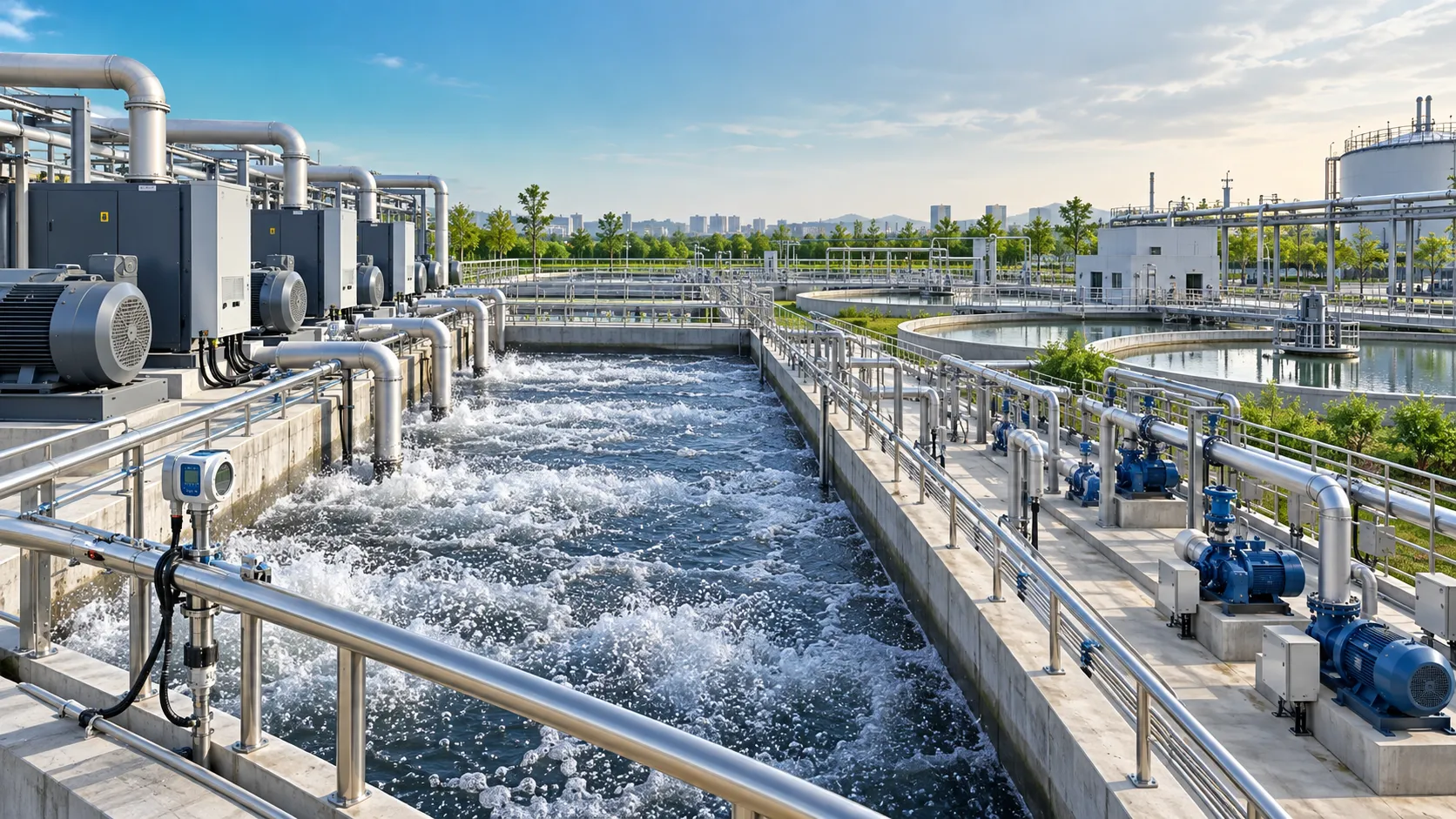
When does environmental equipment intelligence reduce wastewater plant energy use?
Environmental equipment intelligence for wastewater plants cuts energy use through smarter aeration, pumping, and data-driven controls—without compromising compliance. Discover when it delivers measurable savings.
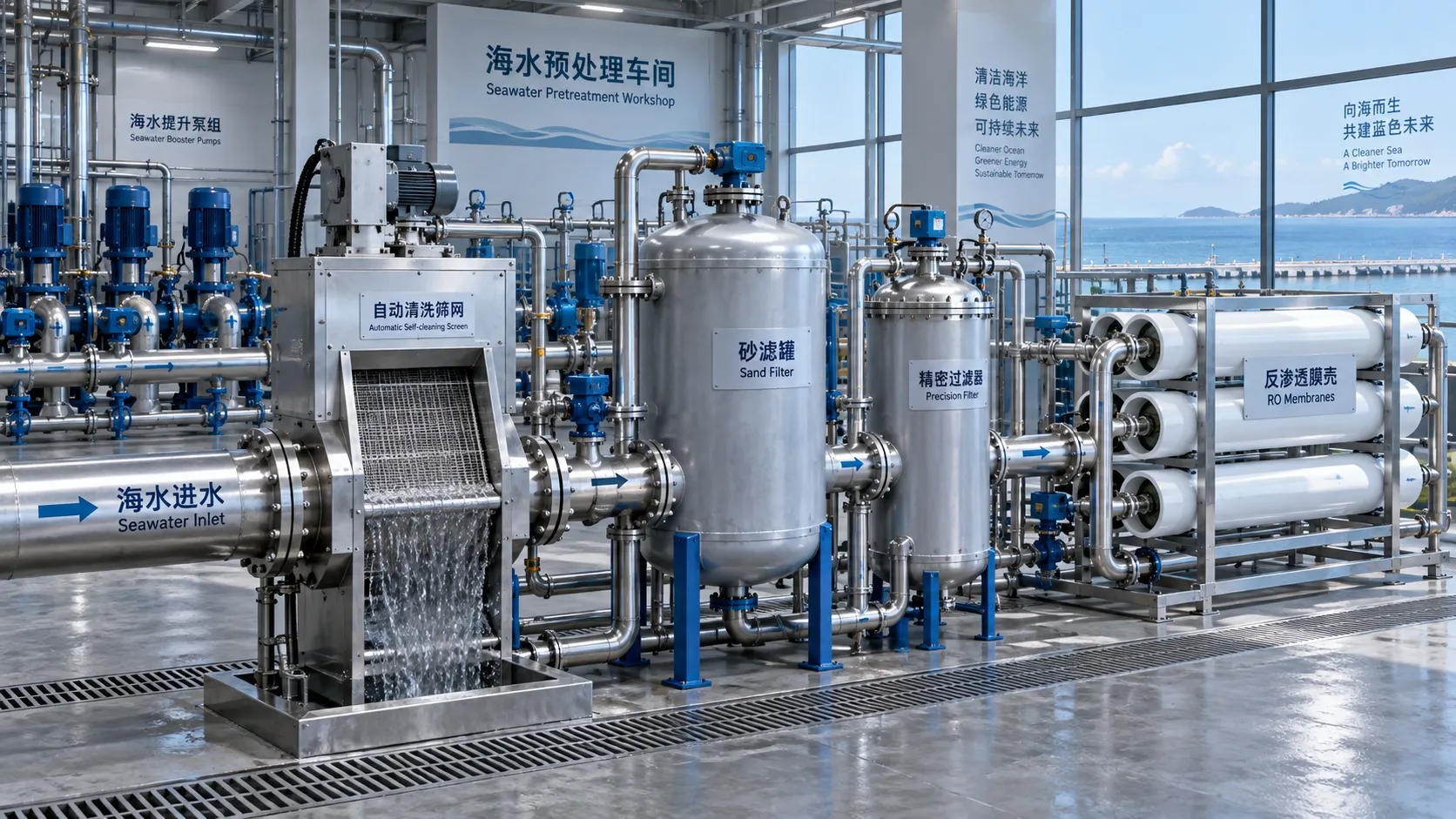
How to Improve Industrial Seawater Quality Before Cooling or Membrane Treatment
How can I improve the quality of seawater used for industrial processes? Explore proven pretreatment strategies for cooling systems and RO membranes.
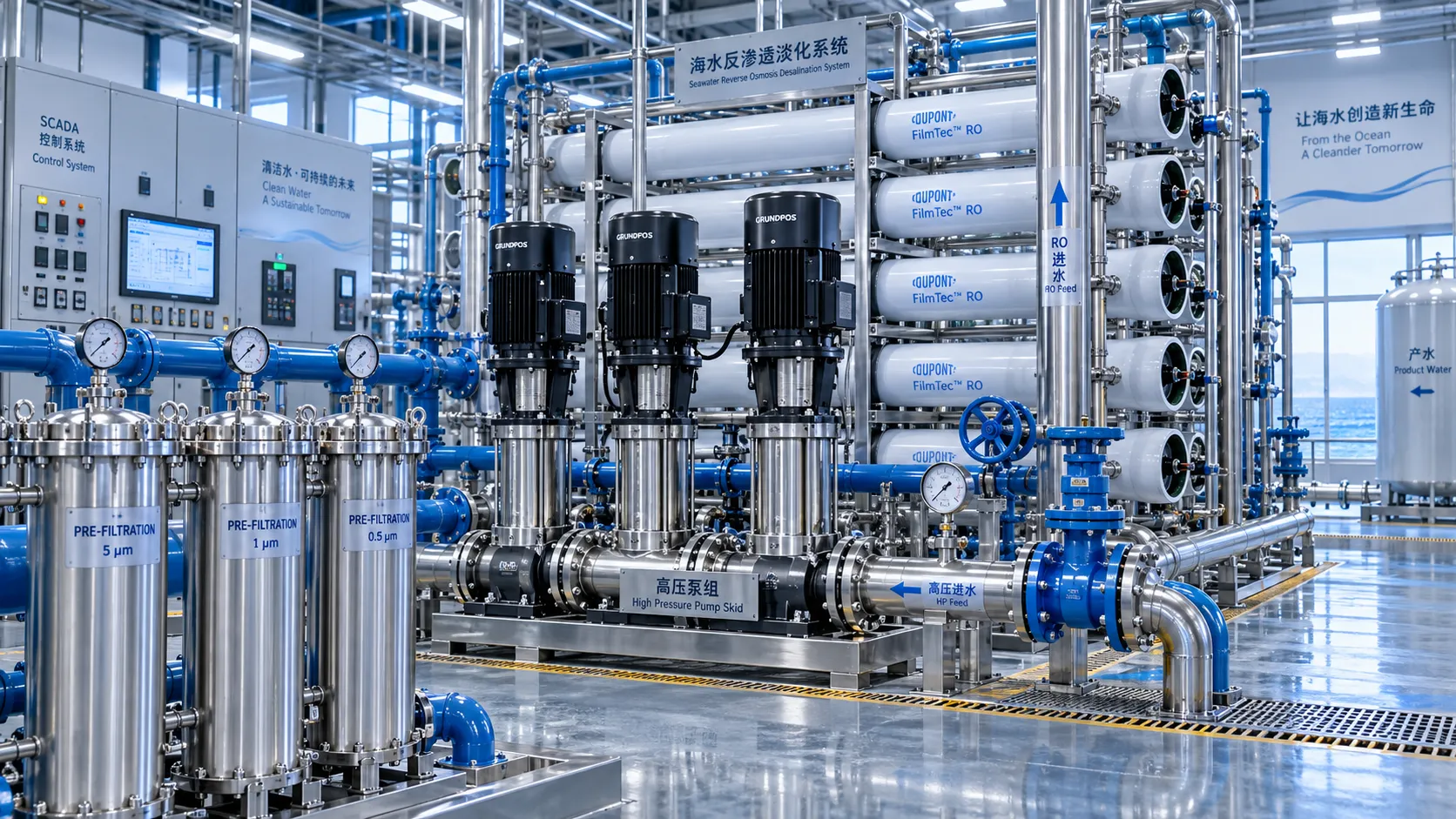
Desalination Plant Maintenance Priorities That Prevent Unplanned Downtime
Desalination plant maintenance priorities that reduce unplanned downtime: protect pretreatment, RO membranes, pumps, chemical dosing, and critical controls.
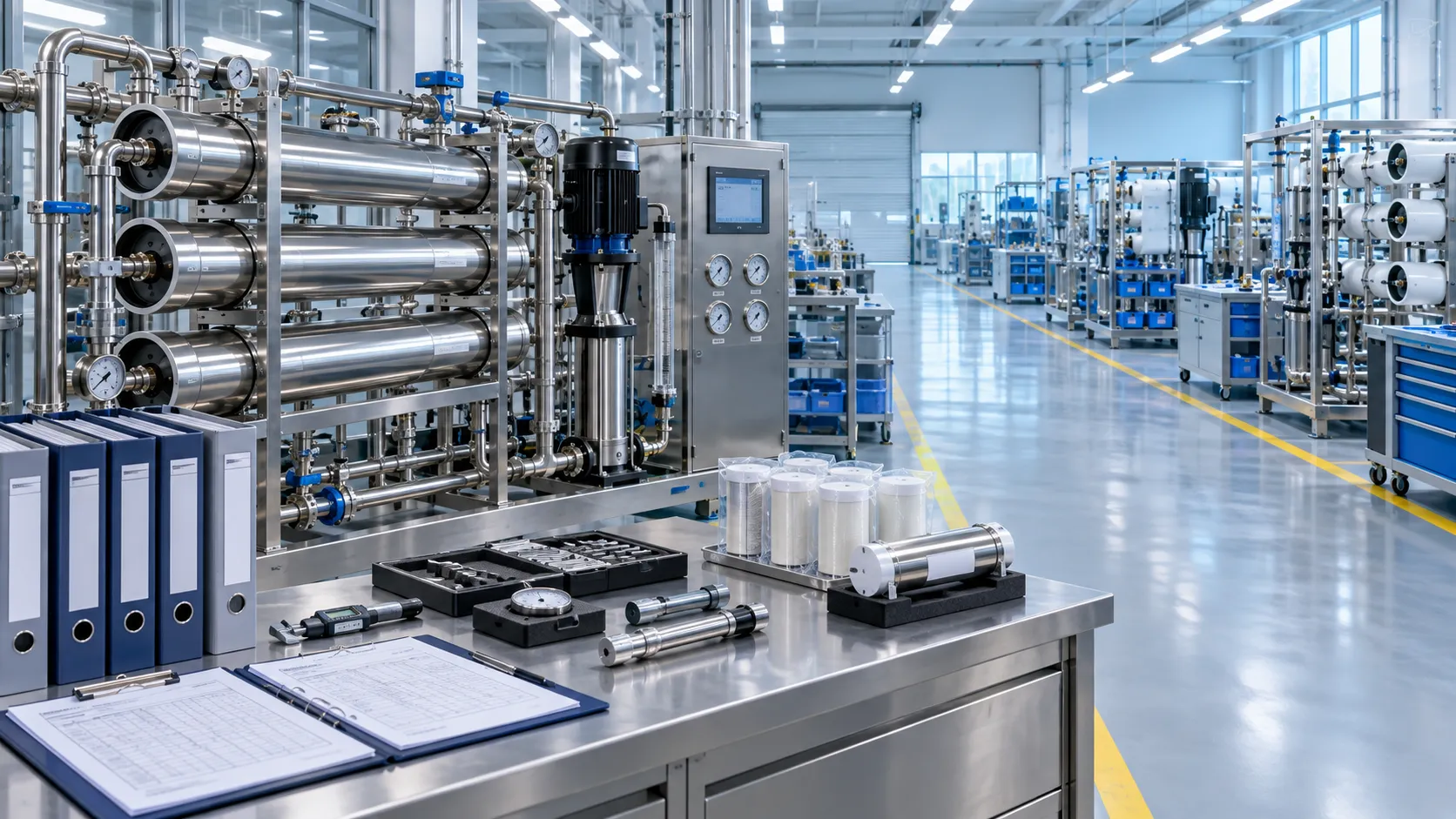
Which supplier evaluation support tools improve audit consistency?
Supplier evaluation support tools improve audit consistency with controlled checklists, evidence capture, risk scoring, CAPA workflows, and traceable approvals. Explore the essentials.
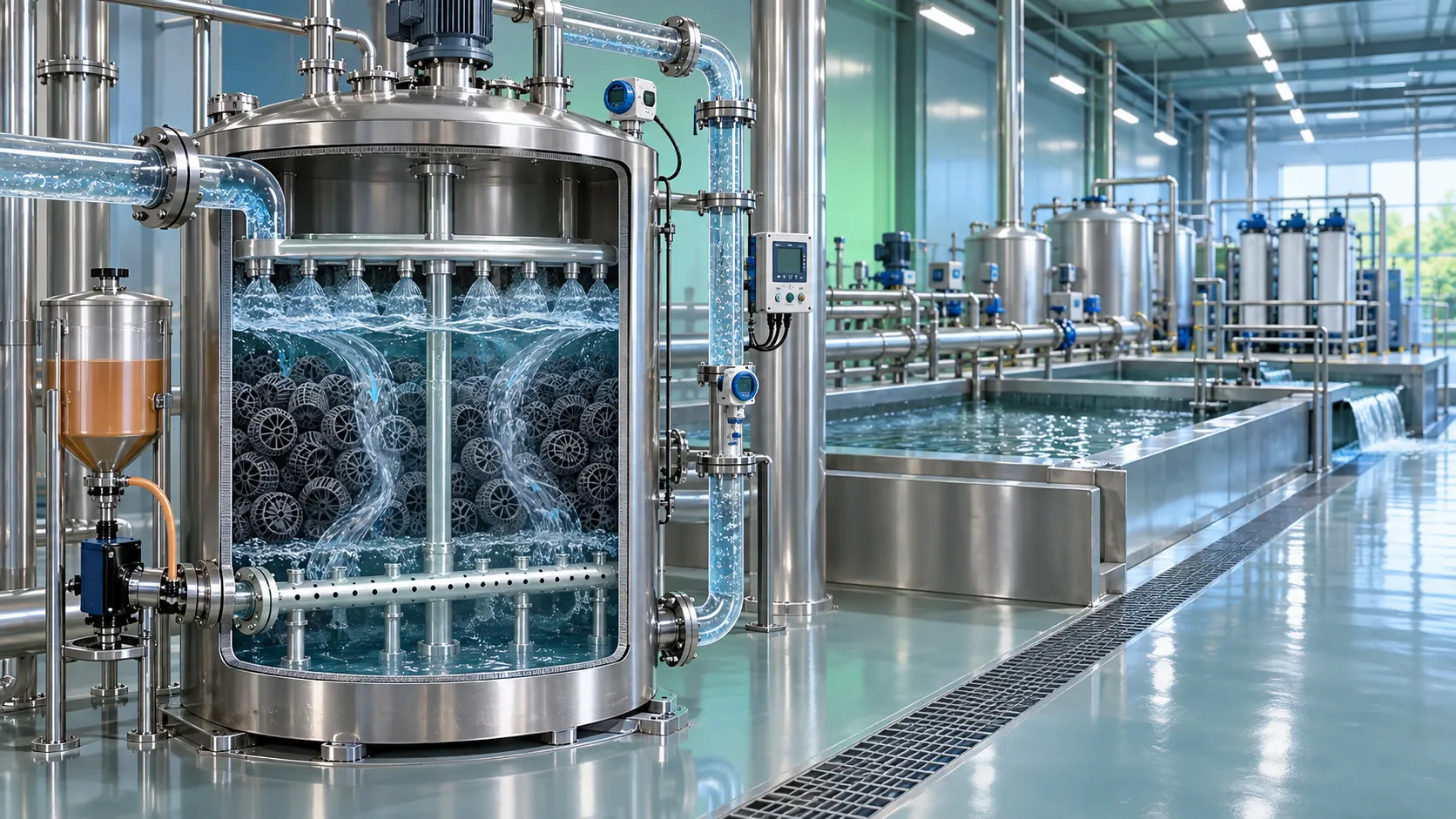
How reactor retention time affects denitrification equipment performance
Denitrification equipment reactor performance depends on retention time, carbon, mixing, and load control. Explore practical insights for reliable nitrogen removal.
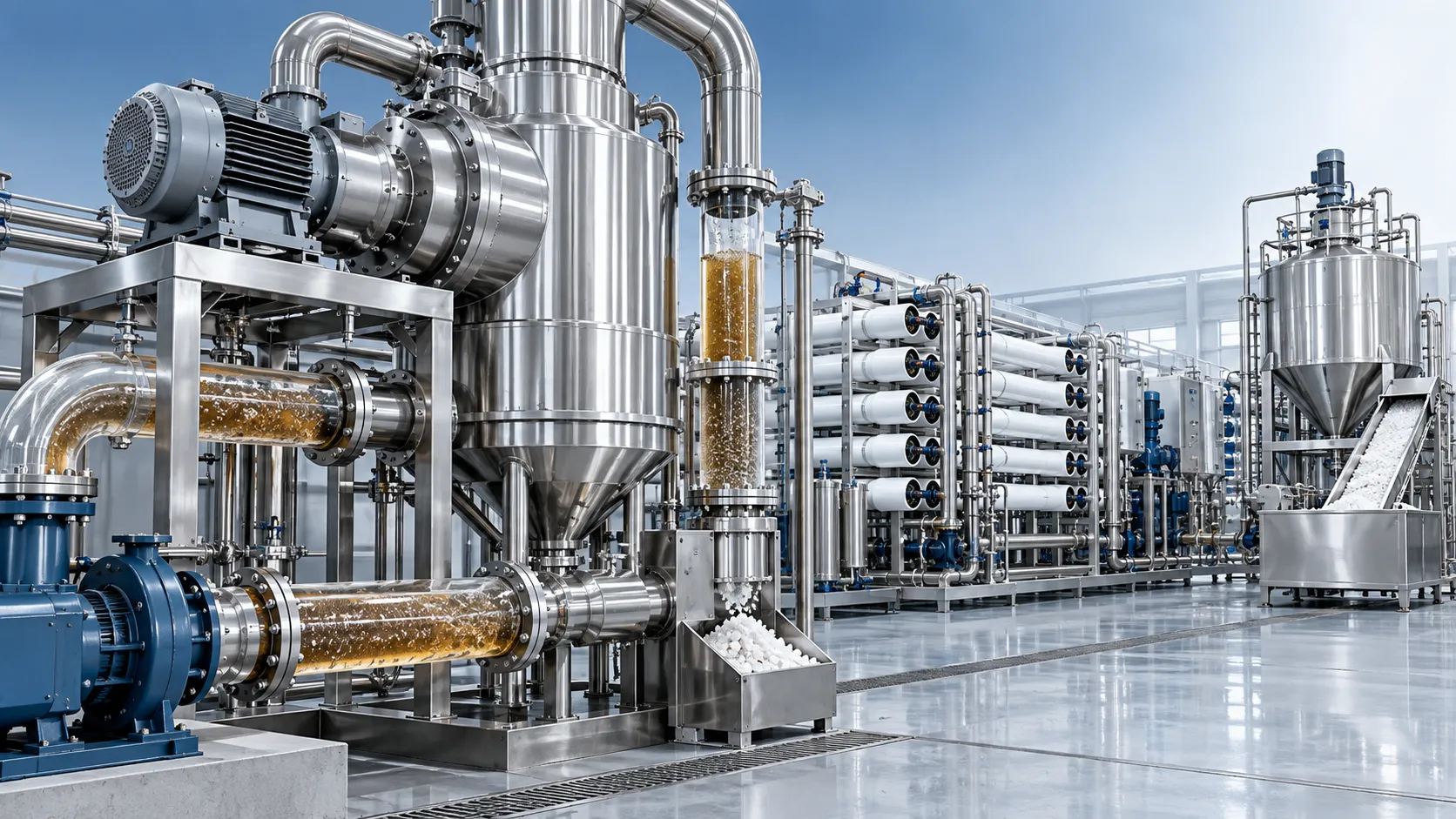
How feed salinity affects energy use in ZLD system brine treatment
ZLD system brine treatment: discover how feed salinity drives energy use, scaling risk, and technology choices for efficient, reliable zero liquid discharge.

How coastal cities can select desalination solutions for peak demand
Seawater desalination solutions for coastal cities: compare firm peak capacity, intake risk, energy resilience, and lifecycle value to secure reliable water supply.
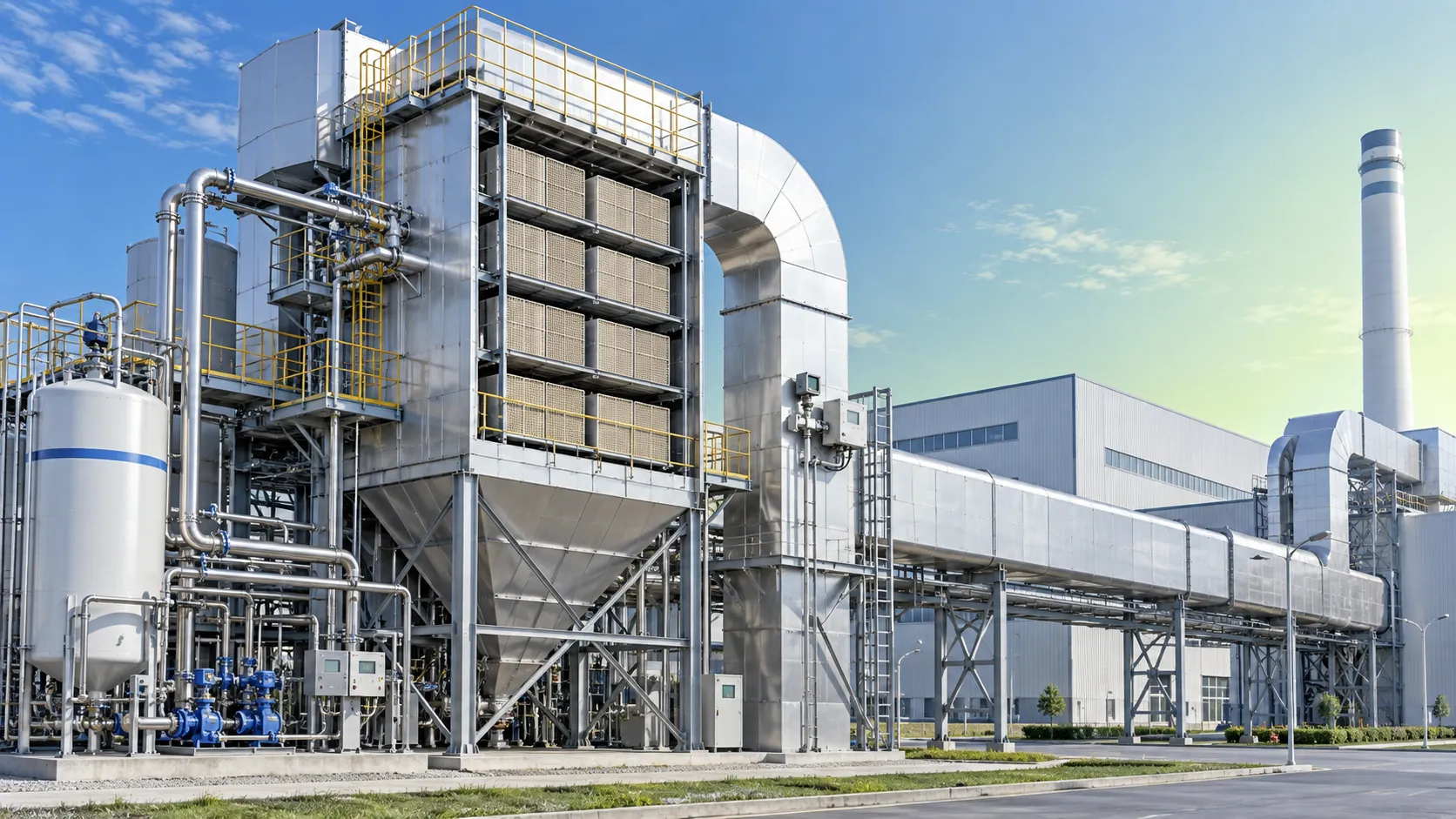
How SCR denitrification systems in Europe meet Industrial Emissions rules
SCR denitrification systems Europe: learn how permit-led design, ammonia-slip control, catalyst management and monitoring support Industrial Emissions compliance.