
Industry News
Curation by industry experts
Hot Articles
Popular Tags
Industrial Purification Systems: Key Checks Before Comparing Process Options
Industrial purification decisions rarely fail because one technology looks weak on paper. They fail when process options are compared without enough context on feed variability, compliance exposure, utility demand, and operational resilience.
That matters across wastewater treatment, flue gas control, desalination, solid waste recovery, and even high-consequence containment systems. In each case, the selected route shapes cost, reliability, permit security, and future upgrade flexibility.
A stronger evaluation framework turns industrial purification from a line-item purchase into a long-horizon asset decision. It also reduces the risk of choosing a technically elegant process that performs poorly under real operating pressure.
Why industrial purification comparisons have become more complex
Industrial purification used to be compared mainly by removal efficiency and capital cost. That is no longer enough.
Regulatory tightening now reaches deeper into emissions quality, brine management, sludge handling, trace contaminants, carbon intensity, and digital traceability. A system that passes today may become expensive tomorrow.
The broader market also adds pressure. CBAM, water stress, energy volatility, and circular economy targets are changing how treatment assets are valued in tenders and long-term operating models.
This is why intelligence-led platforms such as ESD matter. They connect equipment performance with evolving rules, process chemistry, and commercial demand signals rather than treating each project as an isolated package.
Start with the process reality, not the brochure
Before comparing routes, define what must actually be purified, stabilized, recovered, or discharged. That sounds basic, yet many weak comparisons begin with average design values instead of operating extremes.
In water treatment, that means checking conductivity swings, COD peaks, silica, boron, scaling tendencies, toxic shocks, and final reuse targets. In flue gas control, sulfur load, temperature windows, moisture, and particulate behavior matter just as much.
For solid waste recovery, contamination rate and material heterogeneity can determine whether an AI sorting line or thermal recovery route produces value or losses. In desalination, intake quality and pretreatment stability often decide membrane life more than nameplate specifications do.
The key question is simple: what does the process face on its worst day, not only on its best one?
The checks that usually change the shortlist
When industrial purification options look similar at a high level, a few checks often separate a practical choice from a risky one.
Feed and load stability
A route optimized for steady-state conditions may struggle under variable influent, intermittent shutdowns, or seasonal temperature shifts. Stable pilot data should never hide unstable plant reality.
By-product burden
Purification does not end at removal. Concentrate, sludge, spent media, gypsum, salts, ash, and hazardous residues all carry disposal or recovery consequences.
Utility intensity
Energy, chemicals, steam, compressed air, and wash water can sharply shift lifecycle economics. A lower CAPEX route may become the higher-cost option within two operating seasons.
Control complexity
Advanced industrial purification systems often promise better selectivity or efficiency. They also may demand tighter instrumentation, cleaner upstream conditions, or more specialized operators.
Failure consequences
Downtime risk is not equal across sectors. A missed discharge target in a municipal-adjacent treatment plant differs from a failure in nuclear waste immobilization or critical flue gas compliance.
Different sectors, different comparison logic
Industrial purification is not one market with one decision template. The evaluation logic changes by process consequence and recovery objective.
Large water treatment and ZLD
Comparisons usually revolve around pretreatment robustness, membrane fouling behavior, evaporative load, salt management, and reuse economics. Water recovery targets can distort decisions if energy and scaling penalties are ignored.
Flue gas treatment
FGD, SCR, dry sorbent injection, and hybrid routes should be checked against fuel variability, low-temperature kinetics, reagent logistics, and secondary waste creation. Stack compliance is only part of the financial picture.
Seawater desalination
Pretreatment reliability, SWRO membrane behavior, intake conditions, and energy recovery integration dominate long-term performance. A process route may look efficient until biofouling and chemical cleaning frequency are included.
Solid waste and resource recovery
Here, industrial purification overlaps with sorting purity, thermal conversion, and material resale quality. The best route is often the one that protects downstream value, not the one with the highest headline throughput.
Nuclear waste management
This category demands extreme reliability, long-term containment logic, and rigorous material stability. Comparison criteria shift toward fail-safe design, vitrification quality, containment integrity, and regulatory defensibility.
Lifecycle cost needs a wider boundary
A narrow total cost view is one of the most common mistakes in industrial purification evaluation. CAPEX, OPEX, and maintenance should be joined by less visible burdens.
Those burdens include permitting delays, chemical supply risk, membrane replacement cycles, catalyst deactivation, waste hauling, corrosion repairs, digital monitoring upgrades, and the cost of underperformance during audits.
In sectors influenced by carbon accounting, the energy profile of purification equipment also has commercial consequences. A route with strong pollutant removal but poor energy discipline may weaken future competitiveness.
That is why ESD’s intelligence model is useful in practice. It links equipment choices with regulatory evolution, material science trends, and procurement risk rather than isolating technical data from business exposure.
Questions worth asking before locking a process route
- Does performance data include upset conditions, or only stable operating windows?
- What residual streams are created, and where do they go financially and legally?
- How sensitive is the route to utility price shifts and feed composition changes?
- Which components define downtime risk, and what is the realistic replacement lead time?
- Can the system meet tighter future discharge or emissions limits without full redesign?
- Is the automation architecture adequate for traceability, optimization, and compliance evidence?
These checks improve industrial purification comparisons because they expose the operational shape of each option, not only its technical promise.
How to move from comparison to decision
A useful next step is to build a weighted matrix around process fit, residual burden, lifecycle cost, compliance resilience, and upgrade flexibility. The weighting should reflect site reality, not a generic template.
For complex industrial purification projects, the strongest decisions usually combine pilot evidence, worst-case feed analysis, and intelligence on regulation and equipment evolution. That creates a more defensible shortlist.
When options remain close, focus on what is hardest to correct after installation: residual handling, control complexity, and future compliance headroom. Those factors often decide long-term value more than initial pricing gaps.
A disciplined comparison process does not guarantee a perfect outcome. It does make industrial purification choices more strategic, more transparent, and far less vulnerable to expensive surprises after commissioning.
Recommended News
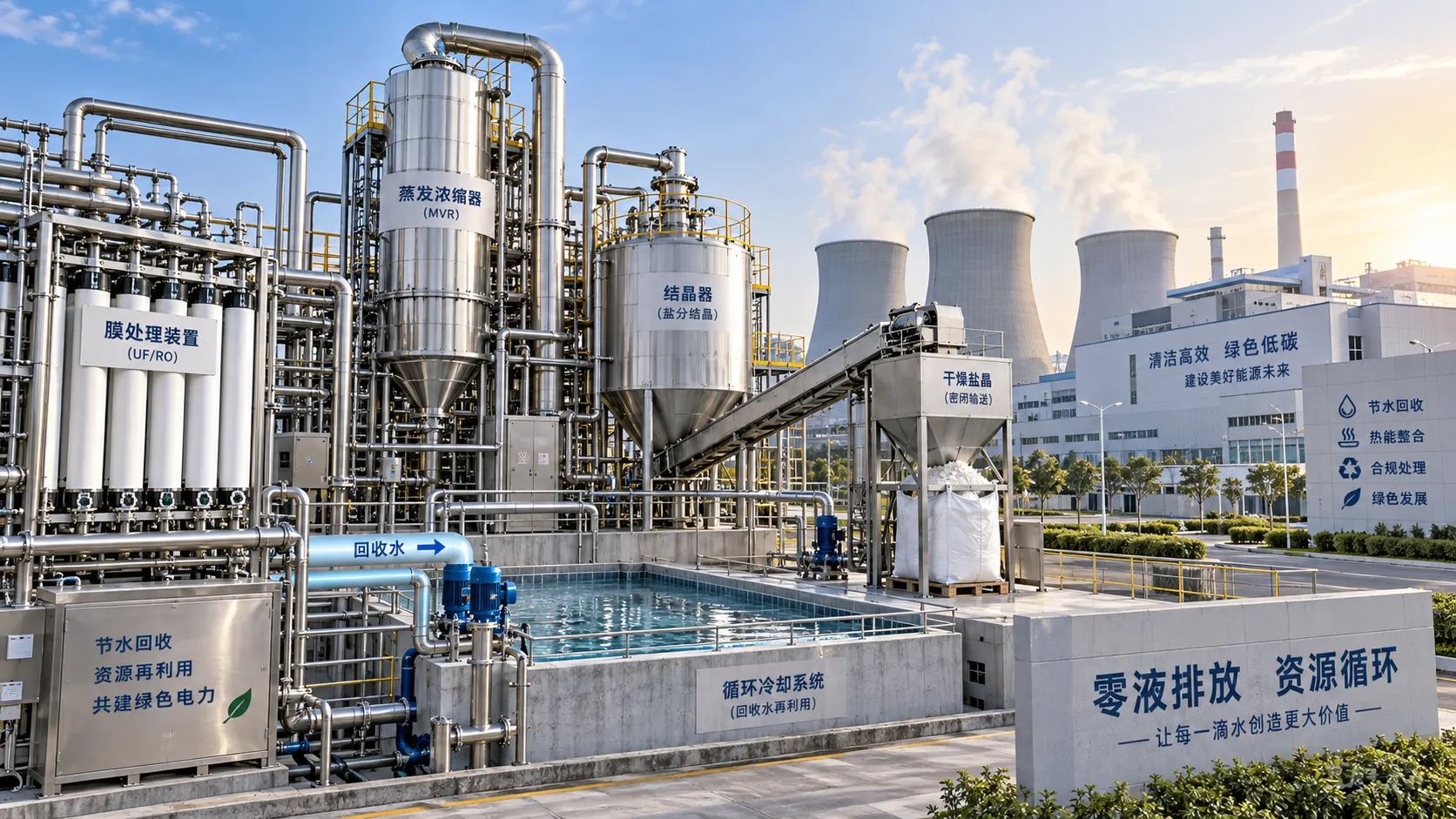
When do ZLD systems for power generation justify their energy use?
ZLD systems for power generation: learn when energy-intensive water recovery delivers stronger compliance, resilience, and long-term value.
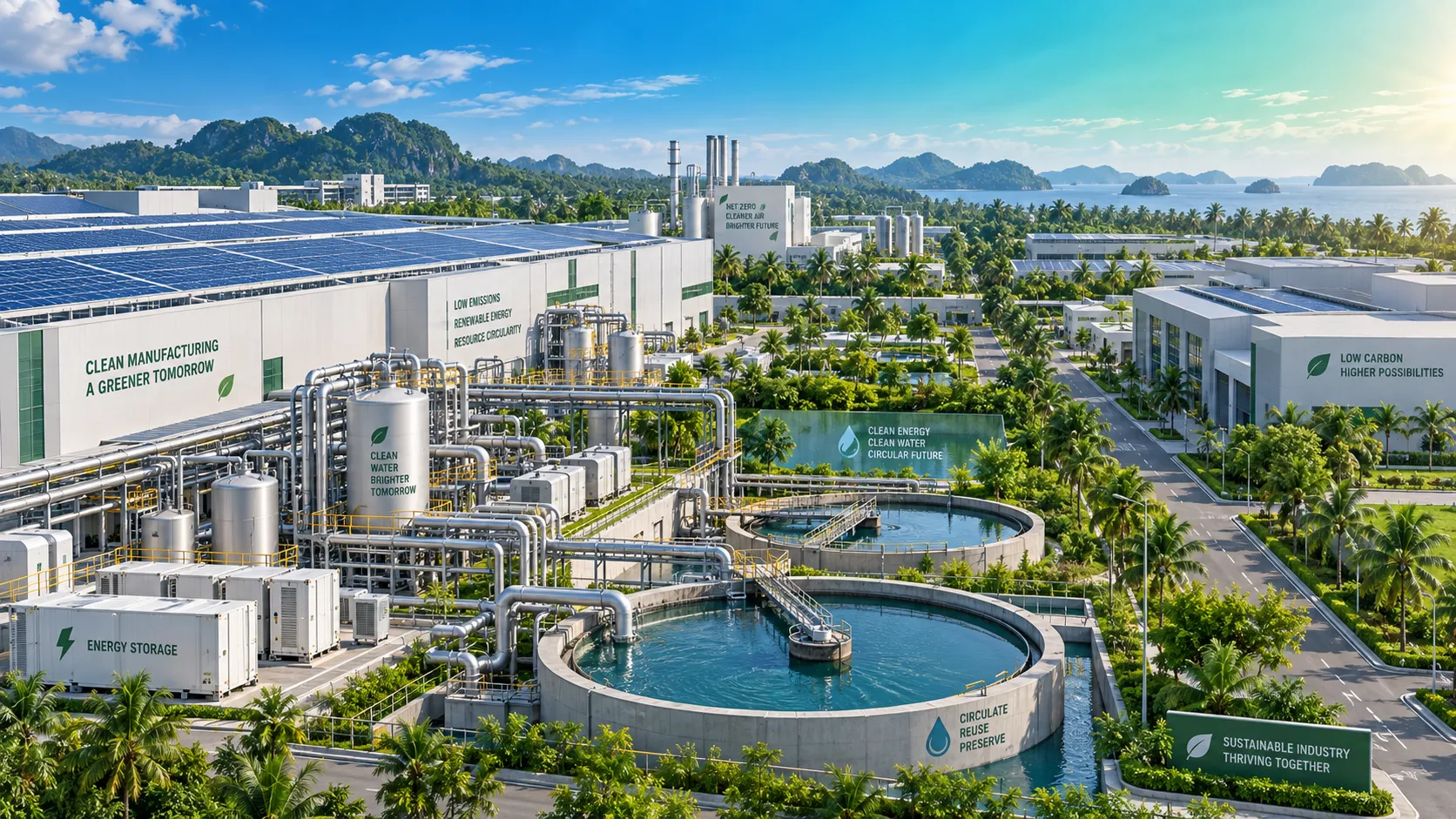
Which decarbonization pathways are most viable in Southeast Asia?
Decarbonization Southeast Asia: discover practical pathways for clean power, efficiency, electrification, circular recovery, and resilient industrial growth.
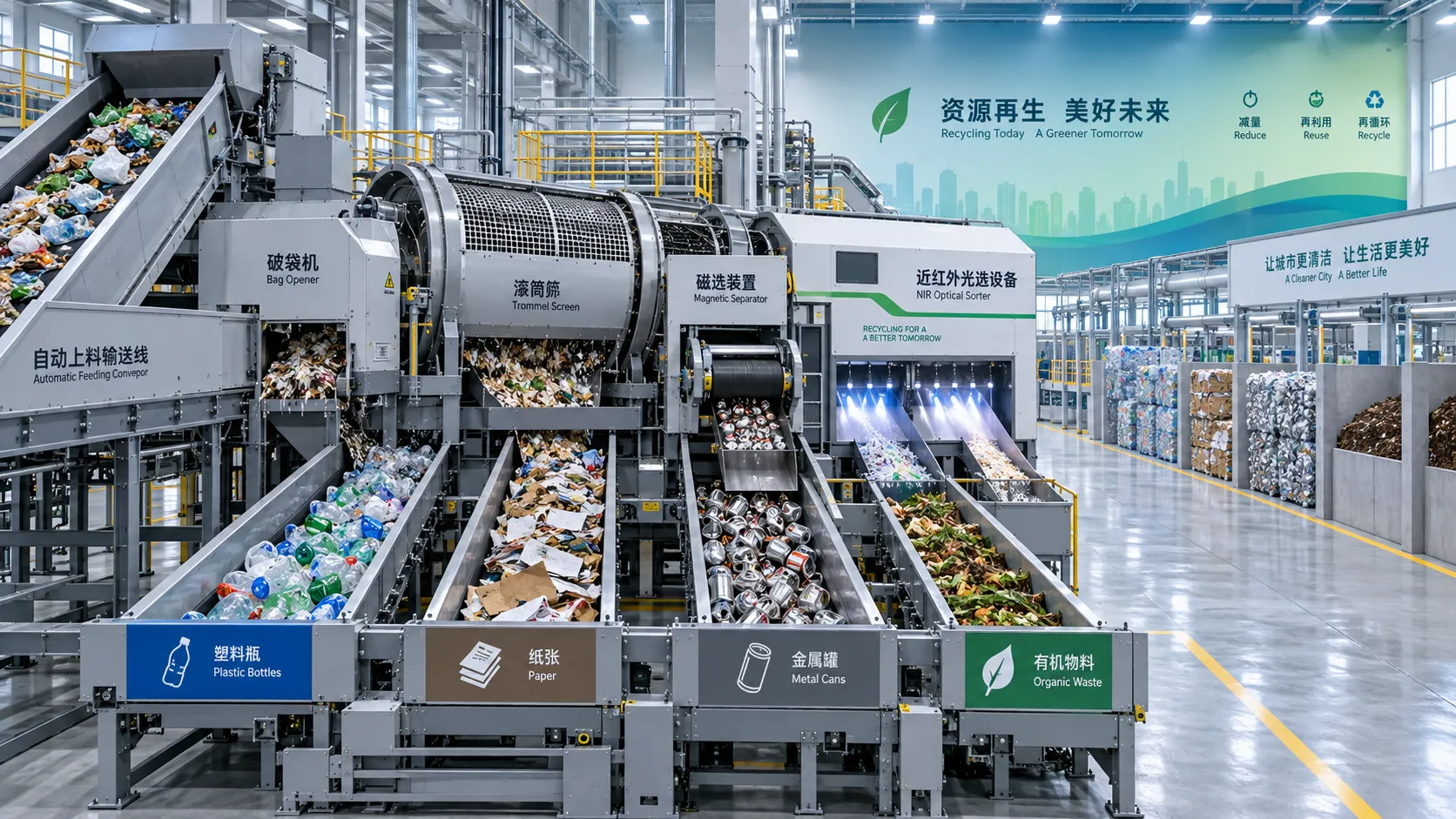
How to choose waste sorting equipment for mixed municipal waste
Waste sorting equipment selection guide for mixed municipal waste: compare technologies, improve recovery, reduce downtime, and build reliable output streams.
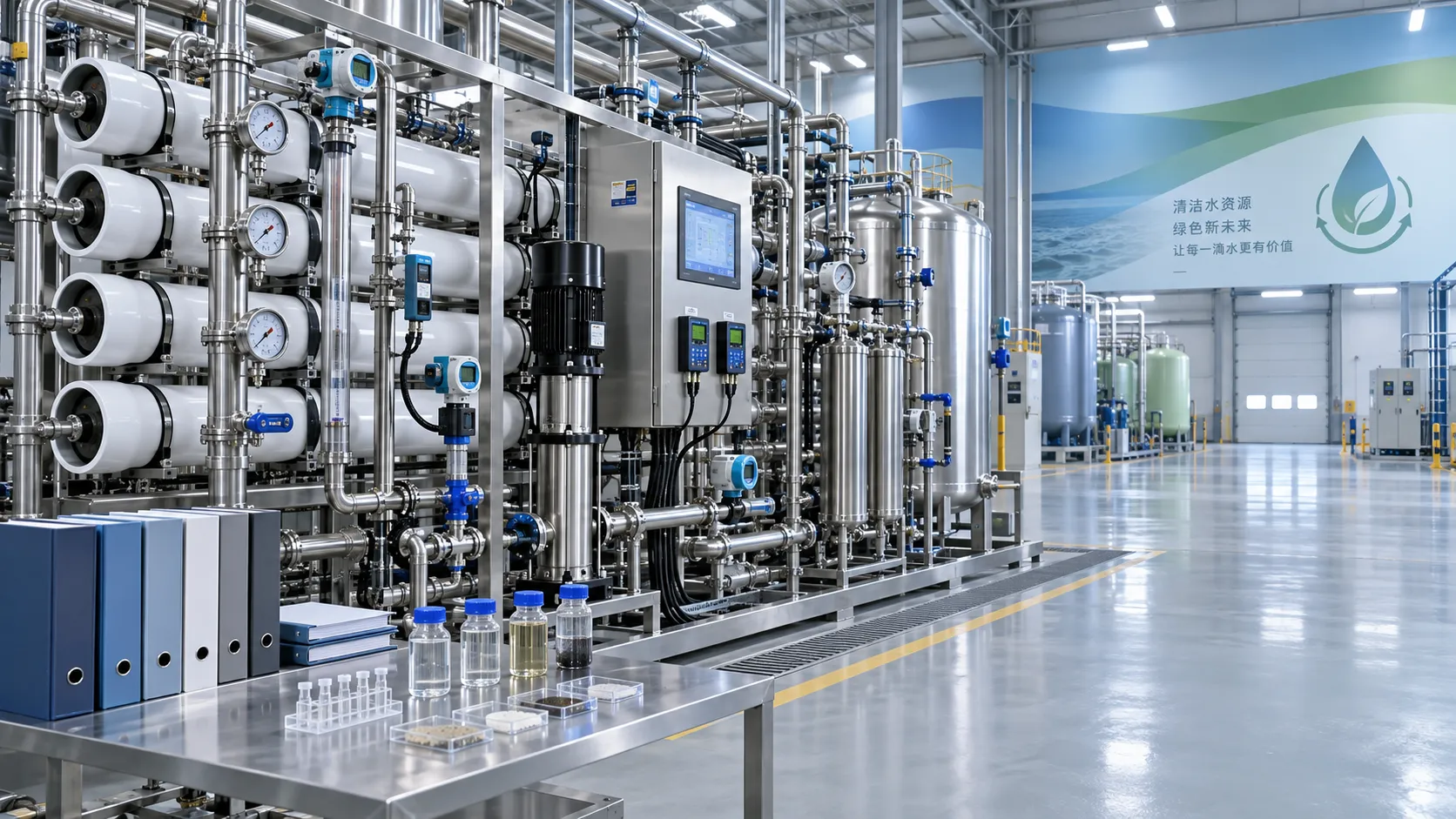
How to verify standards in an environmental equipment directory
environmental equipment directory standards reference: learn to verify certifications, performance evidence, scope, and project fit for confident, compliant equipment selection.
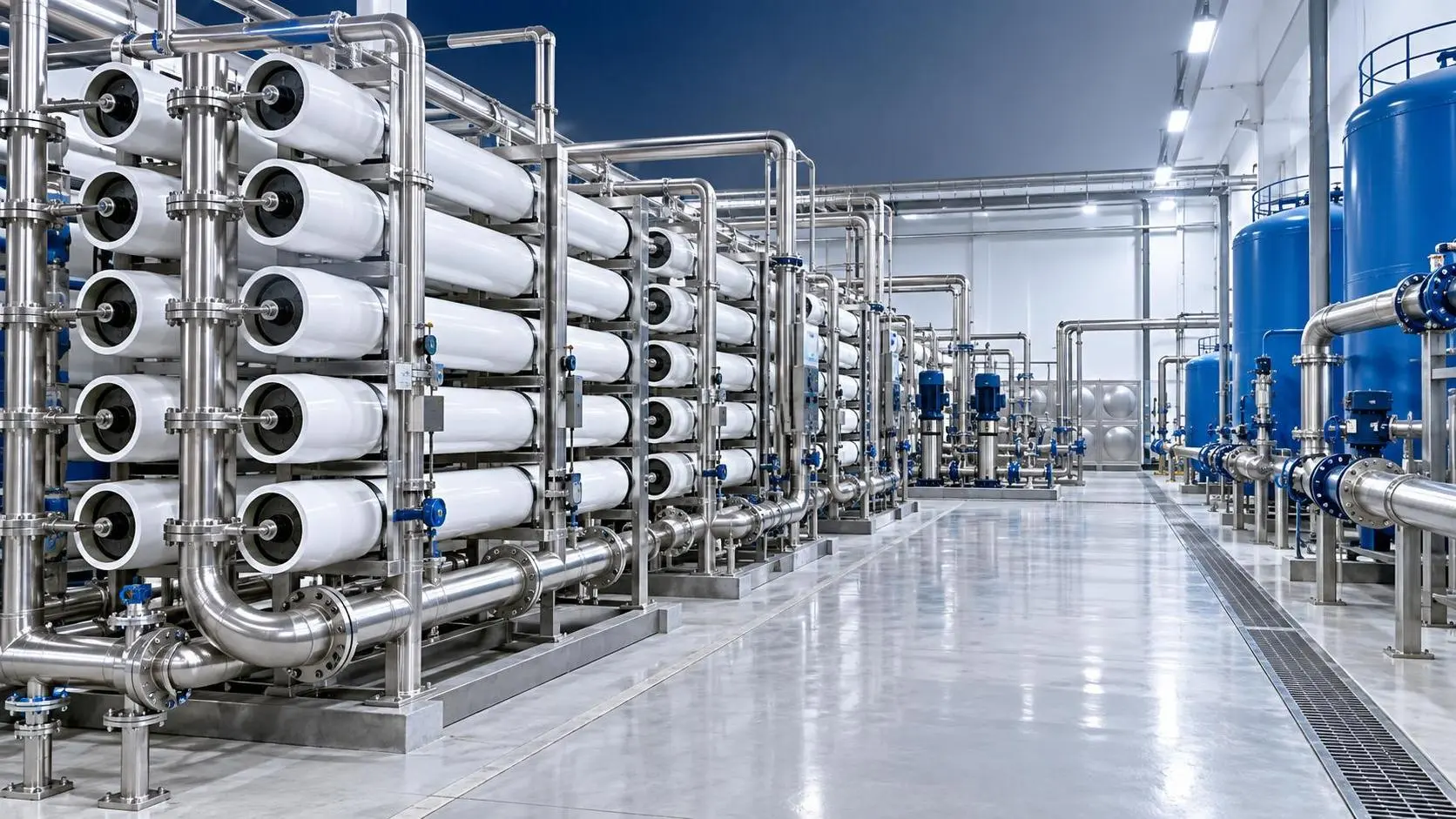
When high flux membrane water treatment justifies a larger footprint
High flux membrane water treatment can justify a larger footprint when variable feedwater, fouling risk, and uptime demands require resilient, lower-flux operation.
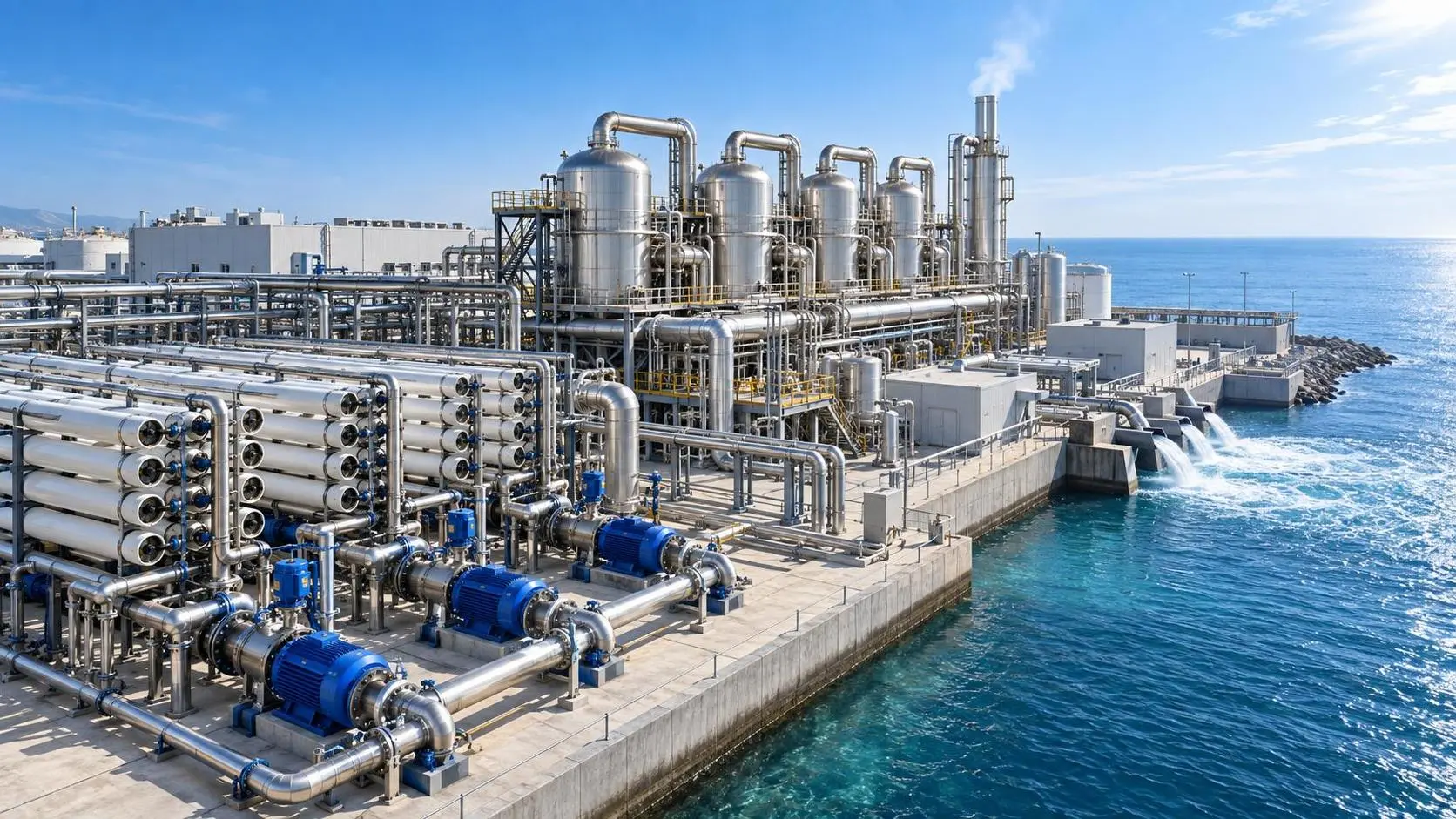
RO vs MED desalination: which is more energy-efficient at scale?
Desalination technology comparison: RO vs MED at scale. See how energy use, waste heat, feedwater, carbon, and flexibility determine the best choice.
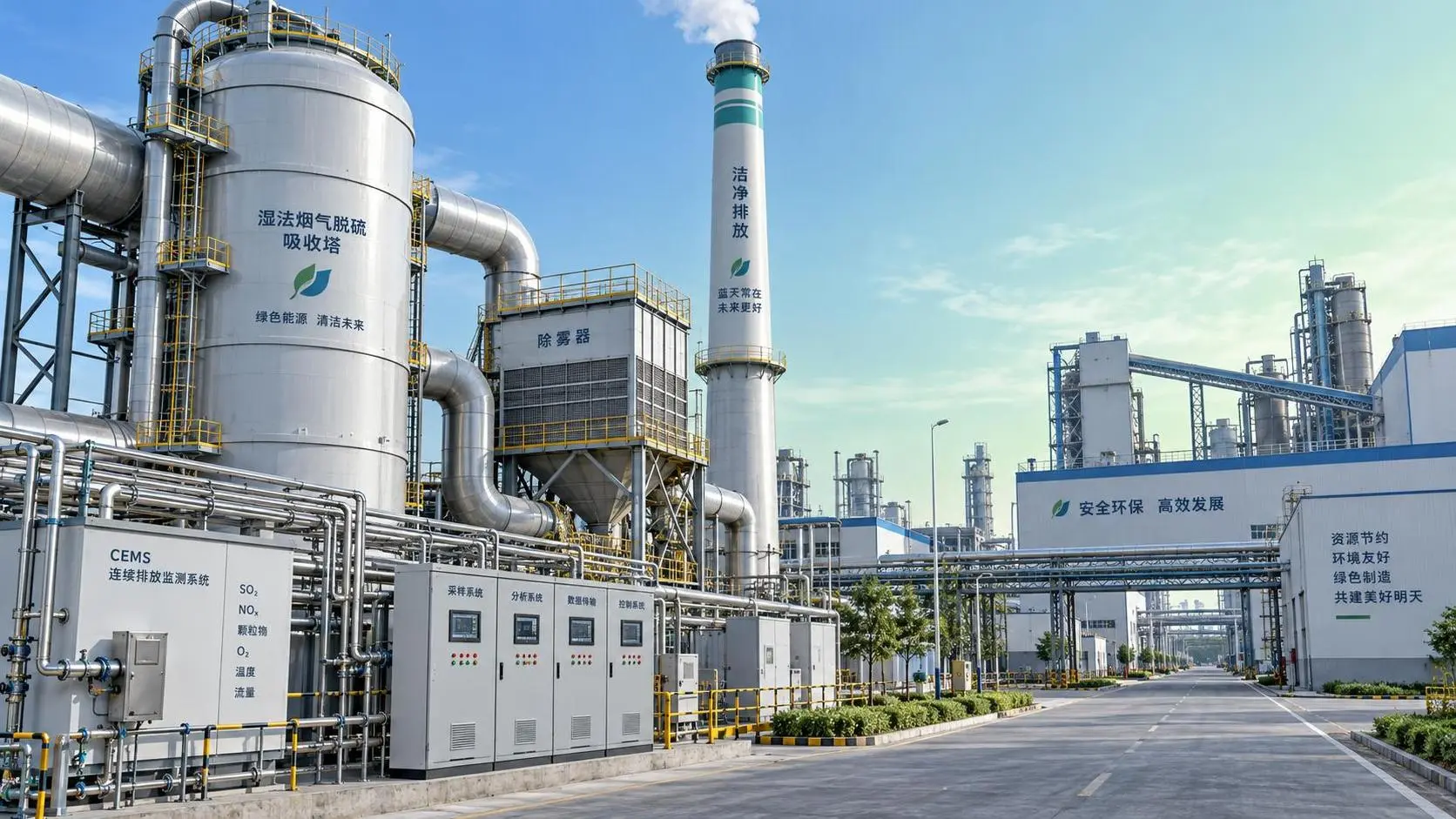
Which ISO standards apply to flue gas treatment systems?
Flue gas treatment systems ISO standards: explore key requirements for emissions testing, CEMS, safety, fabrication, corrosion control, and compliant project evaluation.

When corrosion resistant purification systems are needed for brine treatment
Corrosion resistant purification systems for brine treatment: assess chloride, heat, scaling, materials, and lifecycle reliability for demanding water projects.

How preventive maintenance reduces seawater desalination equipment downtime
Seawater desalination equipment maintenance reduces downtime through proactive monitoring, pretreatment protection, and planned repairs. Explore practical strategies for reliable RO performance.