
Industry News
Curation by industry experts
Hot Articles
Popular Tags
Industrial Water Purification Systems: How to Compare OPEX, Recovery, and Footprint
Choosing industrial water purification systems now demands a broader lens than capital cost alone. In large treatment plants, desalination lines, resource recovery projects, and high-compliance industrial sites, the real difference often appears later in operating cost, achievable recovery, and the physical footprint required to keep performance stable.
That shift matters because water projects are being asked to do more at once. They must reduce discharge, preserve energy, fit into tighter layouts, and meet stricter environmental rules without losing reliability. For decision processes shaped by technical evidence, comparing OPEX, recovery, and footprint side by side creates a more realistic picture of long-term system value.
Why comparison has become more complex
Industrial water purification systems are no longer selected for a single duty. Many installations must remove dissolved solids, recover reusable water, protect downstream assets, and support compliance reporting at the same time.
This is especially visible in sectors linked to the wider ecological engineering chain. Municipal reuse, high-salinity wastewater, seawater desalination, flue gas byproduct treatment, and even nuclear support utilities all depend on robust purification logic.
From that perspective, the market no longer rewards simple nameplate capacity. It rewards systems that hold recovery targets under variable feedwater, limit chemical use, and fit into constrained sites without creating future bottlenecks.
This is also where intelligence-led evaluation becomes useful. Platforms such as ESD focus on the connection between process chemistry, closed-loop resource strategy, and rising global compliance pressure, which is exactly where many equipment choices succeed or fail.
A practical way to define the three core metrics
OPEX is more than power consumption
In industrial water purification systems, OPEX includes energy, membrane replacement, pretreatment media, cleaning chemicals, labor, sludge or brine handling, spare parts, and unplanned downtime.
A low-energy design can still become expensive if fouling is frequent. A compact skid can still drive cost higher if cleaning intervals are short or consumables are specialized.
Recovery is a process outcome, not a brochure number
Recovery describes how much feedwater becomes usable product water. In practice, the meaningful number is sustainable recovery under actual feed variability, not the peak figure achieved in controlled trials.
Higher recovery can reduce freshwater demand and discharge volume. Yet it may also increase scaling risk, osmotic pressure, concentrate management complexity, and pretreatment requirements.
Footprint shapes both layout and future flexibility
Footprint is often treated as a civil issue, but it directly affects project feasibility. It includes equipment area, maintenance clearance, chemical storage, piping corridors, electrical rooms, and future expansion space.
In retrofit projects, footprint may be the deciding factor. In greenfield developments, it influences civil cost, modularity, safety separation, and the ability to integrate later polishing or ZLD stages.
Where the main trade-offs usually appear
The challenge with industrial water purification systems is that the three metrics rarely improve together. A stronger result in one area often creates pressure in another.
Simple comparisons can miss these interactions. A more useful evaluation checks how the system behaves over time, especially when feedwater quality drifts outside normal design assumptions.
How to compare OPEX with fewer blind spots
A good OPEX comparison starts with the feedwater envelope. Seasonal swings in TDS, hardness, silica, organics, temperature, and suspended solids can change the operating profile more than equipment brand differences.
Next, separate fixed and variable costs. This reveals whether the economic model is sensitive to throughput, uptime, cleaning frequency, or concentrate disposal.
- Map energy use at normal load and off-design load.
- Estimate membrane or media life using realistic fouling assumptions.
- Include antiscalant, pH control, CIP chemicals, and neutralization demand.
- Quantify the cost of reject handling, not only product water production.
- Test downtime scenarios, because lost availability often becomes the largest hidden cost.
For industrial water purification systems serving critical operations, OPEX should also include resilience. Redundancy, automation quality, and cleaning recovery time influence the real cost of ownership.
Recovery should be judged against the full water balance
Recovery looks attractive when viewed in isolation, but project value depends on the full site balance. If a plant can reuse permeate internally, every extra percentage point may have high strategic value.
The opposite can also happen. Pushing recovery too far may create a difficult concentrate stream that needs evaporation, crystallization, or specialized disposal. The savings on intake water may then be offset elsewhere.
This is why large water treatment and ZLD-linked projects often compare recovery in stages. One stage may optimize stable reuse, while a later stage handles concentrate only when the economics remain defensible.
In desalination and industrial reuse, the best choice is often the recovery level that the plant can sustain with predictable membrane condition, manageable scaling control, and acceptable reject treatment cost.
Footprint matters more than floor area
When industrial water purification systems are installed in existing industrial estates, the nominal skid dimension rarely tells the full story. Access routes, lifting space, ventilation, chemical safety zones, and pipe rerouting can dominate the real layout burden.
A compact package can be attractive, especially for retrofits. Still, tightly compressed layouts may increase maintenance time, complicate instrumentation replacement, and reduce operator visibility during abnormal events.
For high-end facilities, footprint should also be read as future adaptability. If discharge limits tighten, if reuse demand grows, or if upstream chemistry changes, the ability to add polishing, advanced oxidation, or extra concentrate treatment becomes valuable.
Typical scenarios where the comparison changes
Not every site weighs the same variables equally. Context changes the ranking.
This broader framing aligns with the way ESD reads environmental infrastructure. The most durable equipment decisions connect process data with resource loops, policy pressure, and long-cycle operating reality.
A more reliable evaluation workflow
For industrial water purification systems, the strongest comparisons usually come from a structured review rather than a single vendor matrix.
- Define the actual feedwater envelope, not only average values.
- Model OPEX over several operating cases, including upset conditions.
- Check sustainable recovery against scaling, fouling, and reject treatment limits.
- Review footprint together with maintenance paths and future expansion options.
- Test compliance resilience under tighter discharge or reuse requirements.
The result is usually clearer than a simple cost-per-cubic-meter claim. It shows which design is technically robust, which is merely optimized for quotation stage, and which can stay competitive through the next compliance cycle.
What to examine next
A sound shortlist for industrial water purification systems should move beyond catalog performance. The next useful step is to build a comparison sheet that links OPEX assumptions, recovery limits, footprint consequences, and concentrate strategy to one common project baseline.
That kind of discipline helps separate attractive concepts from bankable solutions. It also makes later discussions on ZLD, desalination expansion, reuse integration, or regulatory alignment far more productive.
Where the decision stakes are high, the best reference point is not the cheapest configuration. It is the system that remains technically credible when process chemistry, environmental obligations, and site realities are considered together.
Recommended News
Which decarbonization pathways are most viable in Southeast Asia?
Decarbonization Southeast Asia: discover practical pathways for clean power, efficiency, electrification, circular recovery, and resilient industrial growth.
How to choose waste sorting equipment for mixed municipal waste
Waste sorting equipment selection guide for mixed municipal waste: compare technologies, improve recovery, reduce downtime, and build reliable output streams.
How to verify standards in an environmental equipment directory
environmental equipment directory standards reference: learn to verify certifications, performance evidence, scope, and project fit for confident, compliant equipment selection.
When high flux membrane water treatment justifies a larger footprint
High flux membrane water treatment can justify a larger footprint when variable feedwater, fouling risk, and uptime demands require resilient, lower-flux operation.
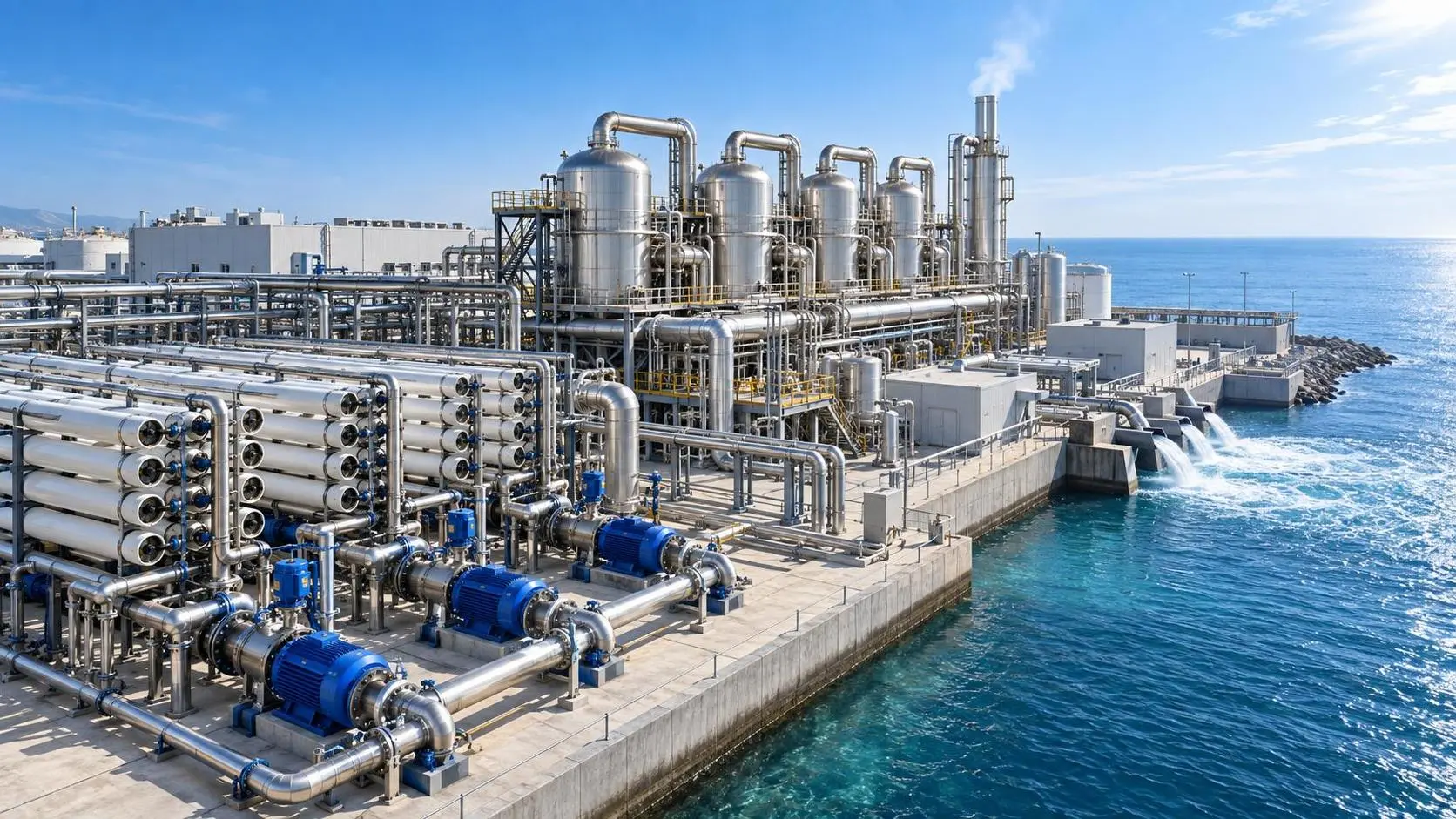
RO vs MED desalination: which is more energy-efficient at scale?
Desalination technology comparison: RO vs MED at scale. See how energy use, waste heat, feedwater, carbon, and flexibility determine the best choice.
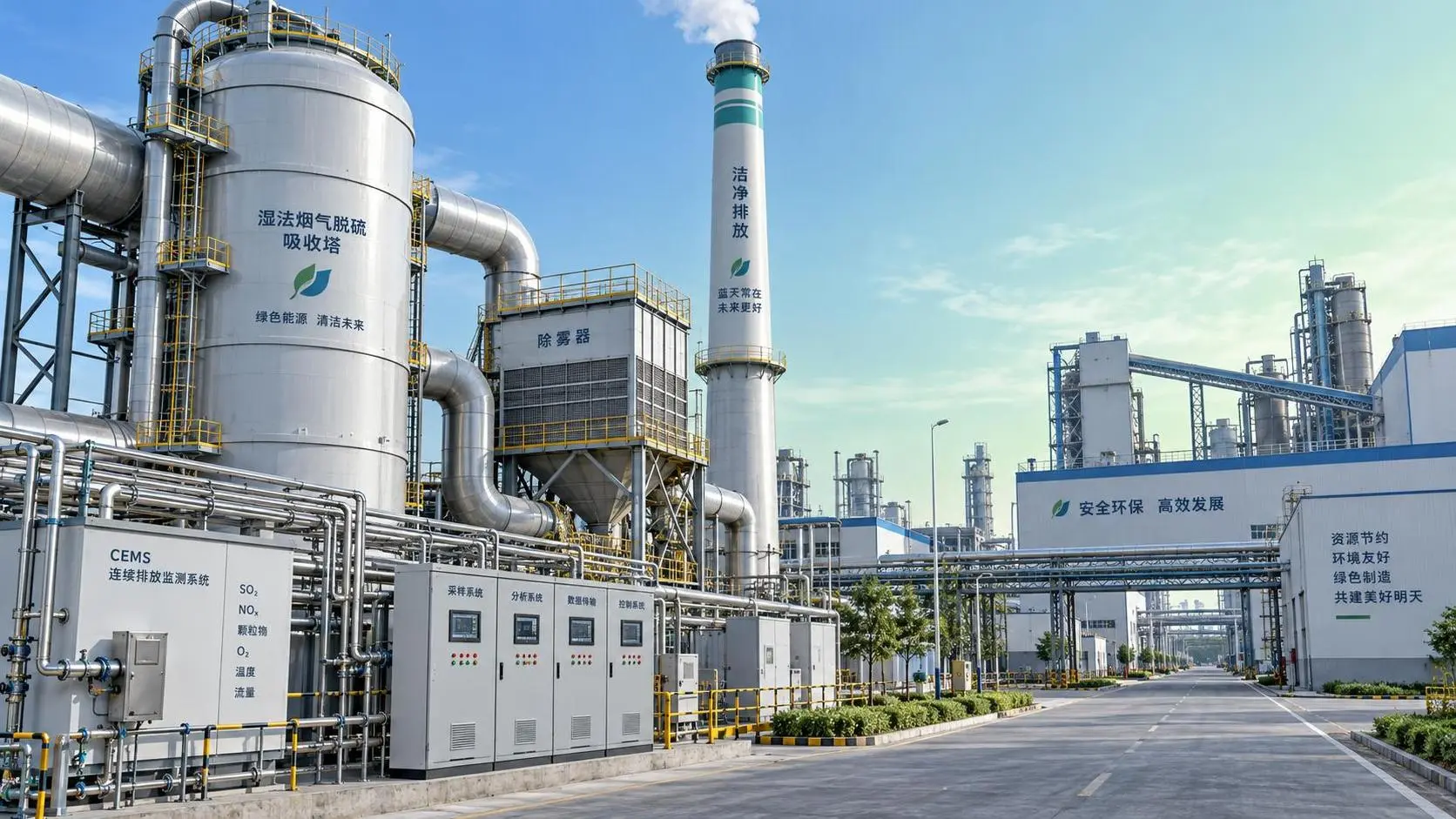
Which ISO standards apply to flue gas treatment systems?
Flue gas treatment systems ISO standards: explore key requirements for emissions testing, CEMS, safety, fabrication, corrosion control, and compliant project evaluation.

When corrosion resistant purification systems are needed for brine treatment
Corrosion resistant purification systems for brine treatment: assess chloride, heat, scaling, materials, and lifecycle reliability for demanding water projects.

How preventive maintenance reduces seawater desalination equipment downtime
Seawater desalination equipment maintenance reduces downtime through proactive monitoring, pretreatment protection, and planned repairs. Explore practical strategies for reliable RO performance.
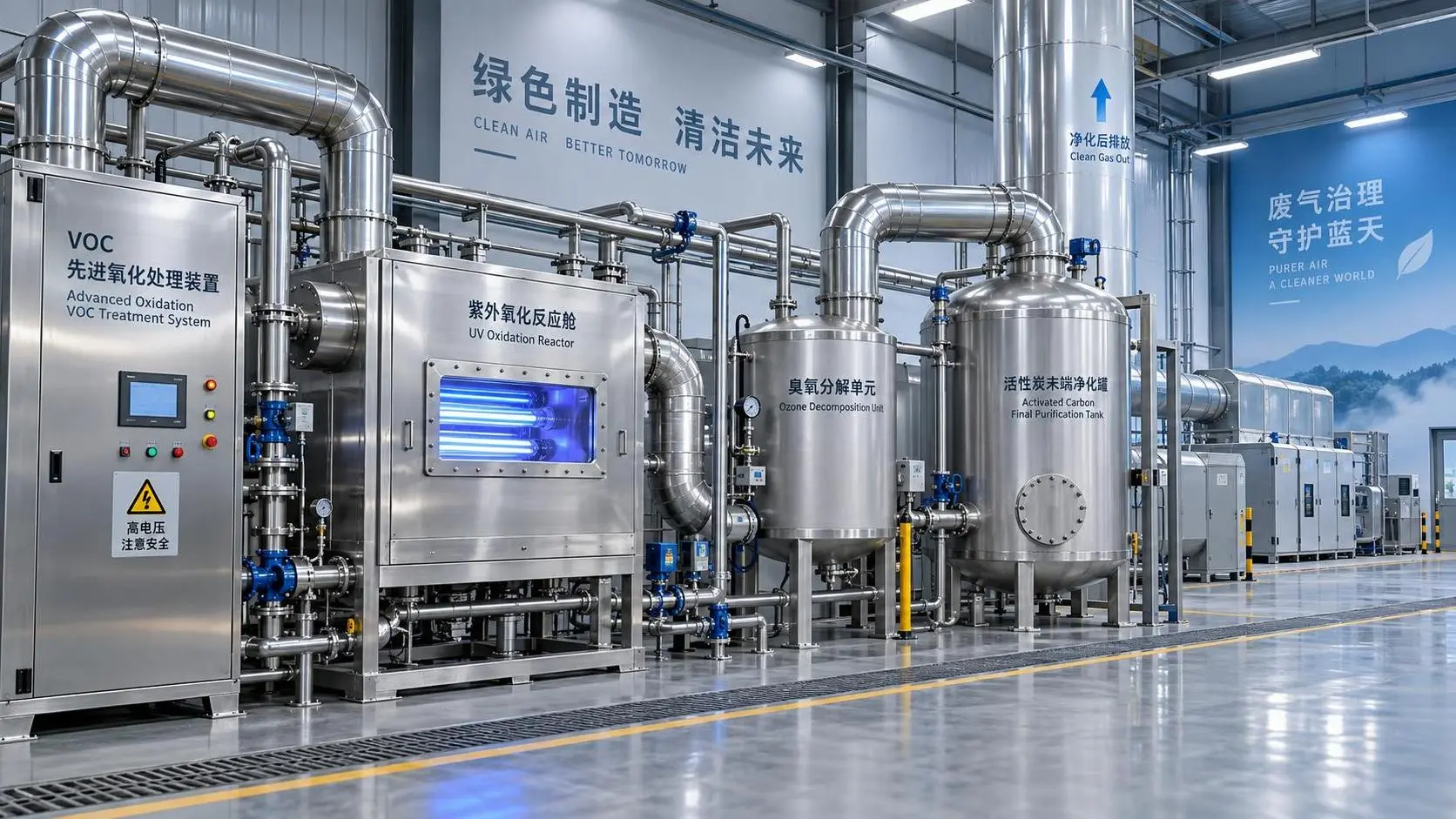
When are advanced oxidation processes the right choice for VOC control?
Advanced oxidation processes for VOC control: learn when AOPs outperform conventional options, manage by-products, and achieve reliable compliance.