
Industry News
Curation by industry experts
Hot Articles
Popular Tags
Radioactive Waste Disposal Methods and Compliance Risks
Radioactive waste disposal methods sit at the intersection of engineering discipline, environmental protection, and regulatory accountability. For operations under tighter scrutiny, disposal choices now shape audit outcomes, liability exposure, and long-term site credibility as much as they shape technical safety.
That is why the discussion is no longer limited to final burial or storage design. It starts much earlier, with classification, segregation, packaging, transport control, treatment technology, documentation accuracy, and the ability to prove that every step remains compliant under changing rules.
Within the broader ecological infrastructure tracked by ESD, nuclear waste management stands out because failure is cumulative. A weak decision upstream can affect water interfaces, material handling systems, public communication, and cross-border compliance years later.
Why disposal method selection matters now
The industry is dealing with a more complex mix of waste streams than before. Legacy waste, medical isotopes, decommissioning debris, contaminated resins, activated metals, and spent fuel all require different handling logic.
At the same time, environmental oversight is becoming more integrated. Waste decisions are being reviewed alongside groundwater protection, transport law, occupational exposure, emissions control, and chain-of-custody reliability.
This is where radioactive waste disposal methods become a business control issue, not only a technical one. A method may look adequate in isolation yet create downstream compliance gaps in packaging, labeling, storage duration, or repository acceptance.
The core logic behind radioactive waste disposal methods
In simple terms, disposal strategy follows the nature of the waste. The main variables are radioactivity level, half-life, heat generation, physical form, chemical stability, and the likelihood of radionuclide migration.
Most radioactive waste disposal methods are built around a layered barrier concept. The waste form, container, engineered structure, monitoring system, and surrounding geology must work together rather than independently.
The practical objective is not merely to move waste away from a facility. It is to isolate, immobilize, control exposure, and maintain traceability for as long as the hazard remains relevant.
Common disposal and management pathways
- Decay storage for short-lived waste, where radioactivity falls to acceptable levels before release or further treatment.
- Near-surface disposal for low-level waste with limited heat output and lower long-term mobility risk.
- Engineered intermediate-depth facilities for wastes requiring stronger isolation and longer institutional control.
- Deep geological disposal for high-level waste or spent fuel needing very long containment periods.
- Conditioning and stabilization routes such as cementation, bituminization, compaction, encapsulation, or vitrification.
Each option depends on acceptance criteria. If the waste form fails repository, transport, or storage specifications, the disposal route may collapse even when the basic technology is proven.
Where compliance risks usually begin
Many compliance failures happen before final disposal. They start with poor classification, mixed inventories, incomplete records, or inconsistent radiation characterization. Once those errors enter the system, they are expensive to correct.
Another recurring issue is the gap between engineering practice and legal definitions. Materials treated internally as operational residue may be regulated externally as radioactive waste, mixed hazardous waste, or transport-sensitive material.
This distinction matters because radioactive waste disposal methods must align with multiple rule sets at once. Safety law, environmental permits, transport codes, worker dose limits, and repository licensing often overlap without using identical terminology.
High-frequency risk points
Method selection is also a system design question
In practice, radioactive waste disposal methods are shaped by upstream process design. Water treatment performance, corrosion control, filtration residue behavior, and material selection can all alter final waste volume and stability.
This wider system view is increasingly important in mixed industrial settings. A facility may operate wastewater polishing, solid waste recovery, off-gas treatment, and radiological controls in parallel, with one stream influencing another.
ESD’s cross-sector perspective is useful here. The same discipline used to evaluate ZLD reliability, flue gas capture efficiency, or membrane life cycle can sharpen decisions on radionuclide immobilization, secondary waste generation, and monitoring architecture.
Examples of operational coupling
- Ion exchange systems may reduce liquid discharge while creating spent resin that needs strict radiological characterization.
- Evaporation can cut waste volume but may concentrate difficult nuclides into a stream needing stronger conditioning.
- Decontamination chemistry may support maintenance goals while complicating mixed-waste classification.
- Vitrification can improve long-term stability, yet it raises demanding quality checks on feed composition and micro-crystalline behavior.
What strong control looks like on the ground
Effective control begins with an inventory that is current, auditable, and tied to measurable parameters. Disposal planning should not rely on generic labels when radionuclide content, moisture, heat, or chemical reactivity can change acceptance status.
It also requires alignment between technical teams and compliance functions. Engineering may focus on containment performance, while legal review may focus on licensing boundaries, reporting triggers, and transport classification.
The best radioactive waste disposal methods are usually the ones that remain robust under inspection, incident review, and long storage timelines. In other words, technical adequacy and documentary defensibility should be evaluated together.
Useful checkpoints for ongoing review
- Confirm that waste categories match current regulations and repository criteria, not historical internal naming.
- Check whether storage assumptions still reflect actual residence time, ventilation, shielding, and package integrity.
- Review transport interfaces early, especially labeling, dose rate limits, and package certification status.
- Test records for continuity from generation point to treatment, storage, shipment, and final disposition.
- Reassess secondary waste generated by treatment equipment, not just the primary waste stream.
The direction of travel for regulation and risk
Regulators are asking for more than compliant paperwork. They increasingly expect demonstrable process control, data integrity, predictive monitoring, and evidence that disposal assumptions remain valid through changing operating conditions.
That trend favors organizations that can connect technical intelligence with policy tracking. It is not enough to know the approved radioactive waste disposal methods. The critical advantage is knowing when waste acceptance criteria, reporting obligations, or public-risk expectations are shifting.
This is especially relevant in projects with international contractors, public funding, or long asset lives. A disposal pathway selected today may be judged later against stricter environmental baselines or revised stewardship standards.
A practical next step for decision quality
A useful starting point is to map radioactive waste disposal methods against actual facility conditions, not against generic design intent. That means comparing each waste stream with treatment capability, storage limits, package performance, and end-point acceptance requirements.
From there, it becomes easier to spot hidden compliance risks, especially where water treatment residues, solid recovery systems, or decommissioning materials create mixed control boundaries. Small classification errors often reveal larger governance weaknesses.
For organizations following ESD’s intelligence-led approach, the most valuable move is often a structured review of waste data, disposal assumptions, and regulatory triggers. Better decisions usually begin with clearer evidence, tighter traceability, and a more realistic view of how radioactive waste disposal methods perform in the full ecological system.
Recommended News

How to verify standards in an environmental equipment directory
environmental equipment directory standards reference: learn to verify certifications, performance evidence, scope, and project fit for confident, compliant equipment selection.
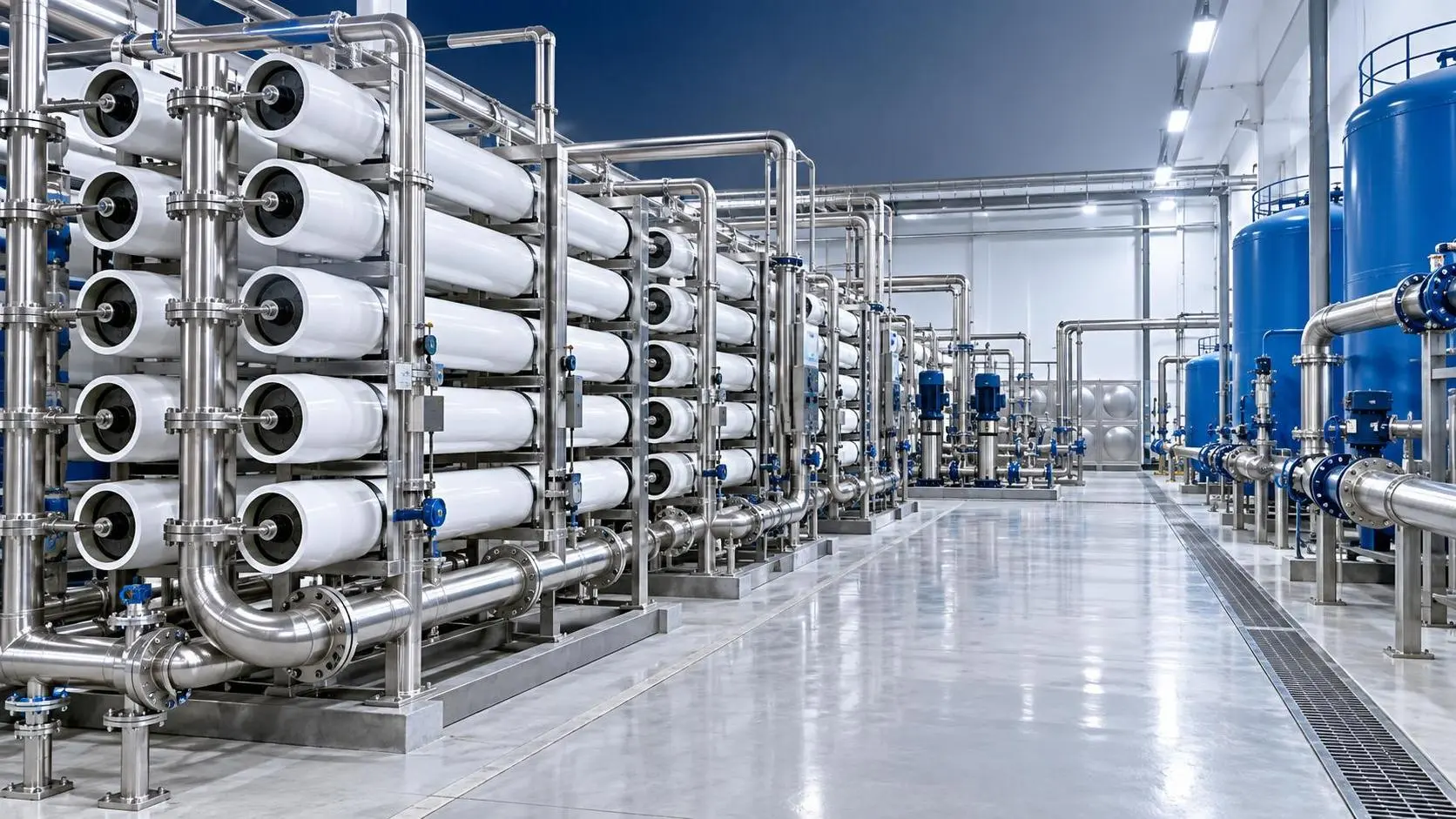
When high flux membrane water treatment justifies a larger footprint
High flux membrane water treatment can justify a larger footprint when variable feedwater, fouling risk, and uptime demands require resilient, lower-flux operation.
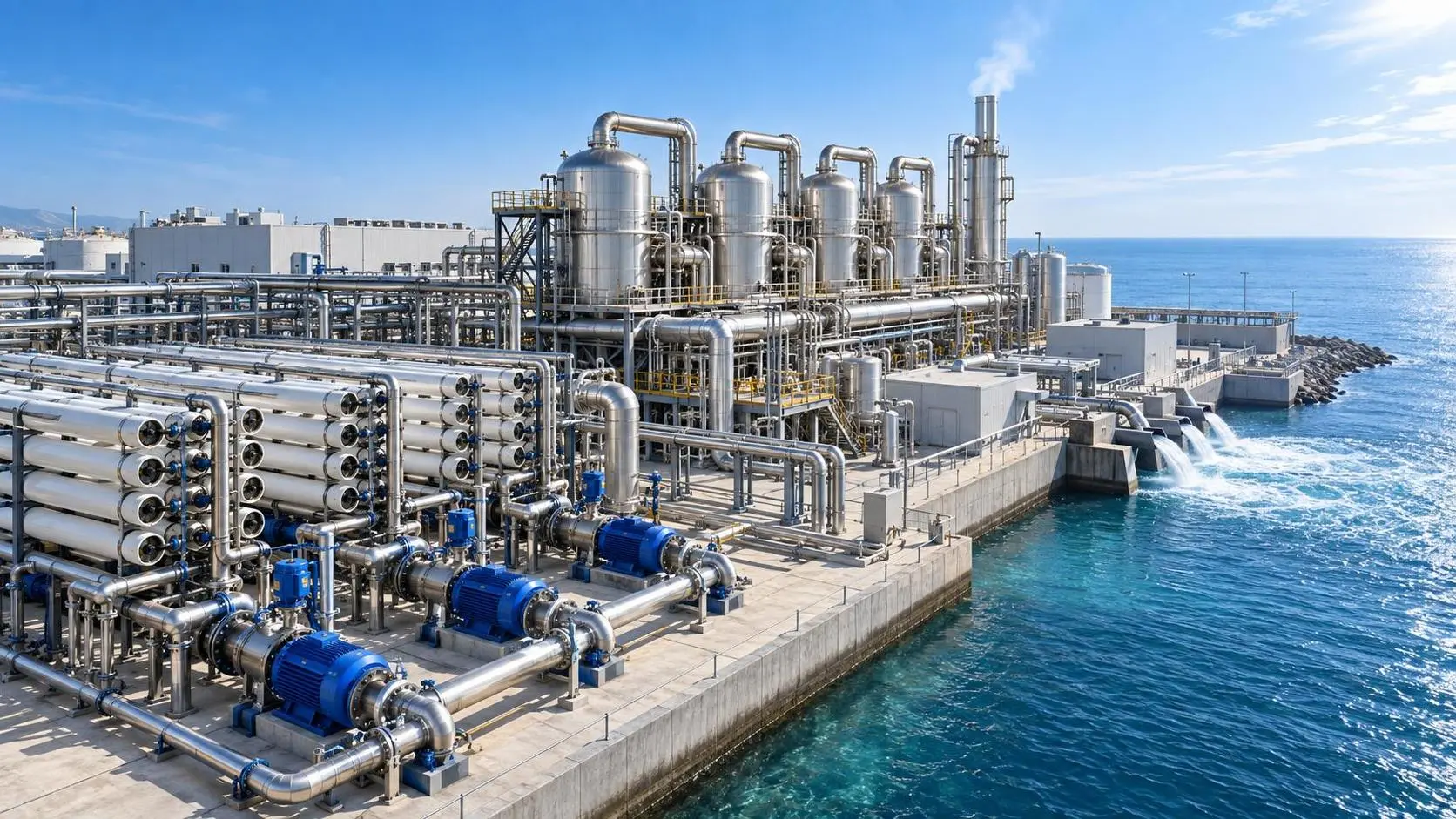
RO vs MED desalination: which is more energy-efficient at scale?
Desalination technology comparison: RO vs MED at scale. See how energy use, waste heat, feedwater, carbon, and flexibility determine the best choice.
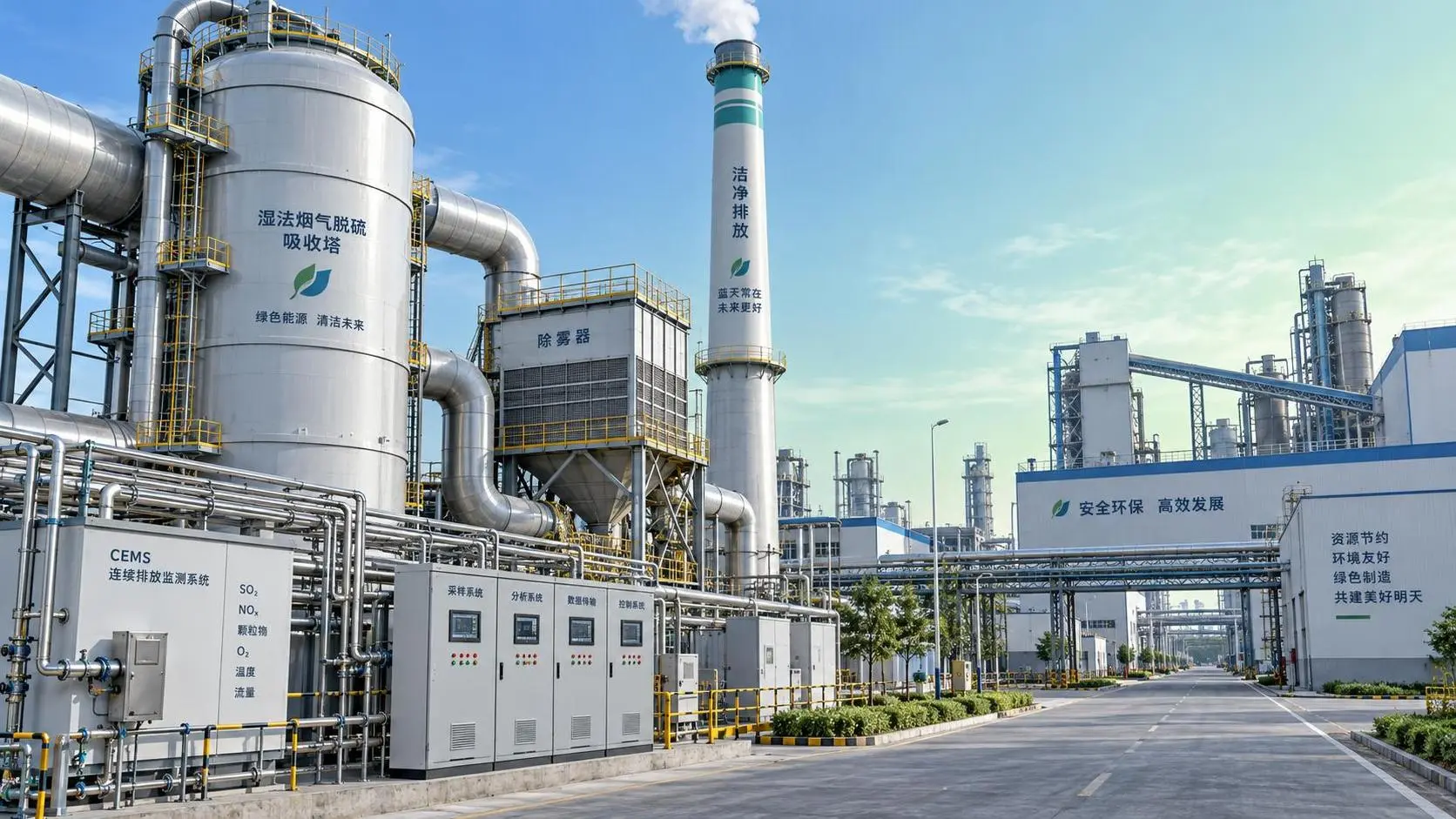
Which ISO standards apply to flue gas treatment systems?
Flue gas treatment systems ISO standards: explore key requirements for emissions testing, CEMS, safety, fabrication, corrosion control, and compliant project evaluation.

When corrosion resistant purification systems are needed for brine treatment
Corrosion resistant purification systems for brine treatment: assess chloride, heat, scaling, materials, and lifecycle reliability for demanding water projects.

How preventive maintenance reduces seawater desalination equipment downtime
Seawater desalination equipment maintenance reduces downtime through proactive monitoring, pretreatment protection, and planned repairs. Explore practical strategies for reliable RO performance.
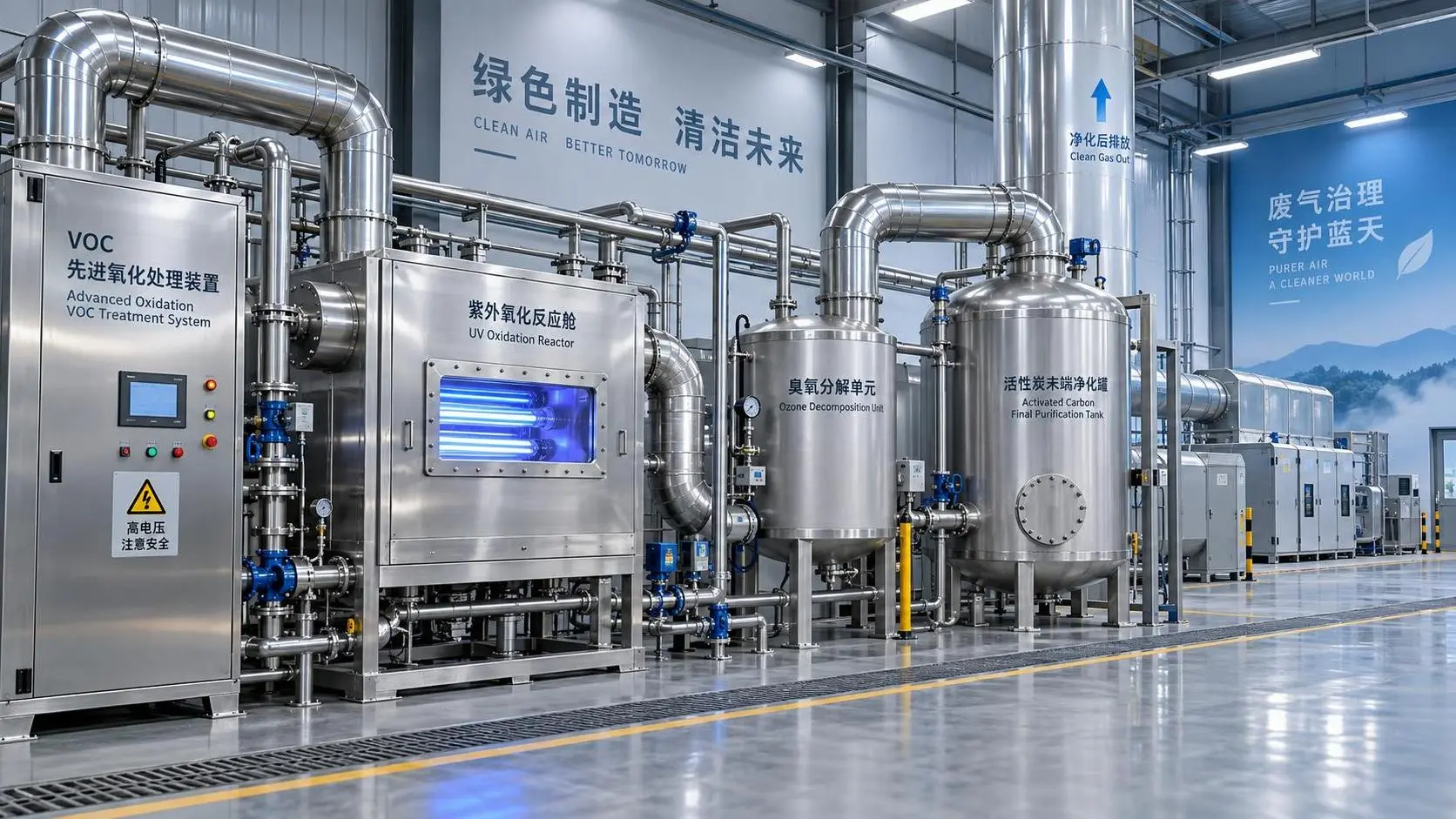
When are advanced oxidation processes the right choice for VOC control?
Advanced oxidation processes for VOC control: learn when AOPs outperform conventional options, manage by-products, and achieve reliable compliance.
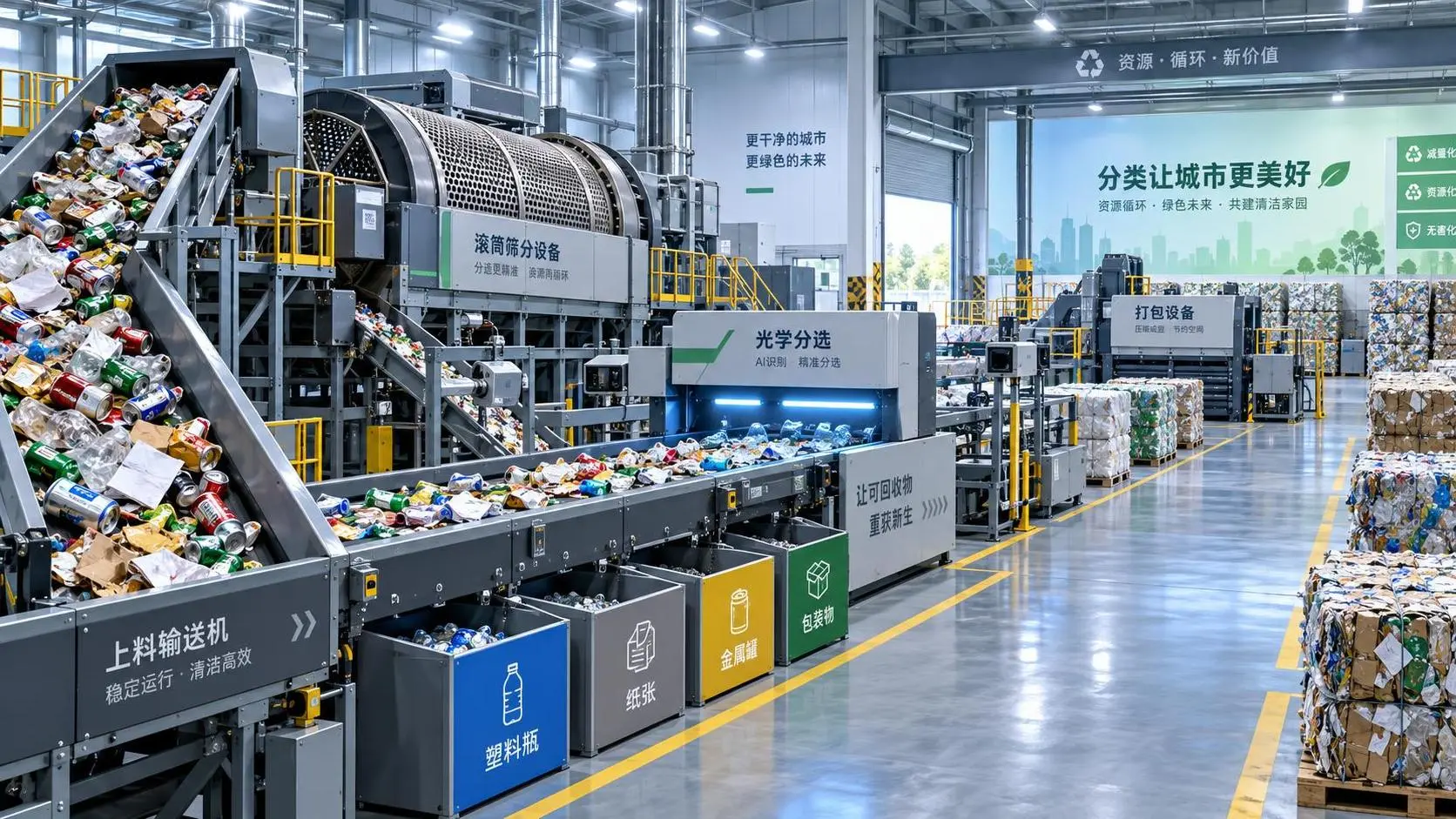
What throughput should municipal waste sorting equipment deliver?
Waste sorting equipment for municipal waste: learn how to set reliable throughput based on peak loads, material quality, uptime, and recovery targets.

What carbon neutrality means for corporate investment decisions
Carbon neutrality is transforming corporate investment decisions. Explore how lifecycle economics, efficiency, compliance, and resilience can drive measurable returns and lasting advantage.