
Industry News
Curation by industry experts
Hot Articles
Popular Tags
Air Pollution Control Options for Multi-Line Industrial Sites
Air Pollution Control Options for Multi-Line Industrial Sites
For complex industrial campuses, air pollution control is rarely a single-device decision.
Different process lines release different pollutants, temperatures, and flow patterns.
That makes one-size-fits-all solutions expensive, risky, and often hard to scale.
A smarter approach compares each line, then builds an integrated emissions strategy.
This matters even more when uptime, permit compliance, and operating cost all compete.
In practice, strong air pollution control combines technology fit, controls logic, and maintainability.
The goal is not only cleaner stacks, but also steadier production and lower lifecycle risk.
Why Multi-Line Sites Need a Different Air Pollution Control Strategy
A multi-line site may include boilers, dryers, reactors, furnaces, and storage transfer points.
Each source can produce dust, SOx, NOx, VOCs, acid gases, heavy metals, or odors.
More importantly, emission profiles often shift by product mix, load rate, and fuel choice.
That is why air pollution control design must start with line-by-line characterization.
Recent compliance trends make this even more urgent.
Authorities increasingly examine startup, shutdown, and transient emissions, not just average conditions.
That also means weak system integration can become a permit problem fast.
For decision-making, the best air pollution control option is the one that matches actual variability.
Key questions before selecting technology
- What pollutants dominate each line, and what are the peak concentrations?
- Are gas temperatures stable, or do they swing during batch operations?
- Can sources be collected together, or do they need separate treatment trains?
- How strict are current limits for particulate, VOCs, acid gases, and visible emissions?
- What downtime can the site tolerate for maintenance or media replacement?
- Will future expansion require modular air pollution control capacity?
Particulate Air Pollution Control Options
Particulate control usually anchors the full system because solids can damage downstream equipment.
For dust-heavy lines, the common options are cyclones, baghouses, and electrostatic precipitators.
Cyclones work well as pre-cleaners where particles are coarse and loading is high.
They are simple, durable, and useful for reducing wear on downstream filtration stages.
Baghouses are often the most practical air pollution control option for fine particulate.
They deliver high capture efficiency, but need close attention to temperature and moisture.
Electrostatic precipitators fit large gas volumes and steady operating conditions.
However, they can be less forgiving when gas chemistry changes across multiple lines.
When each option makes sense
- Cyclone: Good for coarse dust, sparks, and pre-separation before filters.
- Baghouse: Best for strict particulate limits and mixed process dust loads.
- ESP: Strong for high-volume utility streams with stable operating windows.
In real projects, a cyclone plus baghouse combination often delivers balanced air pollution control.
Air Pollution Control for SOx, Acid Gases, and Corrosive Emissions
Lines using sulfur-bearing fuels or acidic chemistries need dedicated gas-phase treatment.
Typical pollutants include SO2, HCl, HF, and other corrosive compounds.
Wet scrubbers remain a proven air pollution control choice for many of these streams.
They can achieve strong removal performance while handling temperature quenching at the same time.
The tradeoff is wastewater generation, corrosion management, and a larger balance-of-plant load.
Dry and semi-dry scrubbers reduce liquid handling and simplify some site layouts.
These systems fit facilities seeking easier solids management over wet effluent handling.
For mixed-line sites, this flexibility can improve both constructability and operating resilience.
Selection factors that change the answer
- Water availability and onsite wastewater treatment capacity.
- Required removal efficiency under peak sulfur or acid loading.
- Space limits around existing ductwork and stack routing.
- Reagent supply stability, storage safety, and solids disposal routes.
If acid gas loads vary widely, separate trains may outperform one oversized shared scrubber.
NOx Reduction Options Across Diverse Combustion Lines
NOx control becomes tricky when a site has different burners, furnaces, and thermal profiles.
Primary measures include low-NOx burners, staged combustion, and process tuning.
These steps should come first because they reduce pollutant formation at the source.
When limits are tighter, secondary air pollution control usually means SNCR or SCR.
SNCR is simpler and less capital-intensive, but performance depends on temperature windows.
SCR offers deeper NOx reduction and is often favored for stricter compliance regimes.
Still, catalyst life, ammonia slip, and dust loading must be managed carefully.
That is especially true when several lines share one common treatment sequence.
A practical decision path
- Stabilize combustion and document baseline NOx by line.
- Apply primary controls where burner retrofits are feasible.
- Use SNCR for moderate targets and favorable furnace temperatures.
- Use SCR where limits are low and operational consistency is strong.
VOC and Odor Air Pollution Control for Process Flexibility
VOC control is often where multi-line complexity becomes most visible.
Solvent use, coating lines, storage tanks, and batch reactors can behave very differently.
Thermal oxidizers are a common air pollution control solution for medium to high VOC loads.
Regenerative thermal oxidizers improve energy efficiency for variable but sustained solvent streams.
Catalytic oxidizers reduce operating temperatures, but feed cleanliness becomes more important.
Activated carbon works well for lower concentrations, intermittent vents, and polishing duties.
For odor-heavy operations, biofilters or wet scrubbing may also be valid options.
The best air pollution control setup depends on concentration, variability, and destruction requirements.
Common mistakes to avoid
- Mixing incompatible vent streams before understanding explosion and condensation risks.
- Undersizing equalization for batch peaks and solvent loading swings.
- Ignoring pretreatment needs that protect catalyst beds or carbon media.
- Treating odor complaints as separate from VOC air pollution control planning.
Centralized Versus Decentralized Air Pollution Control
One major project decision is whether to centralize treatment or control each line locally.
Centralized air pollution control can lower equipment count and simplify compliance reporting.
It can also create better reagent economies and stronger monitoring consistency.
But shared systems increase duct complexity and can spread operational disturbances.
Decentralized units are easier to tailor to each process line.
They often improve isolation during maintenance and reduce cross-line contamination risks.
However, they may increase spare parts, operator attention, and total installed footprint.
In many cases, the strongest air pollution control strategy is hybrid, not absolute.
A useful hybrid model
- Control hazardous or highly variable streams at the source.
- Combine compatible moderate-load streams into shared downstream treatment.
- Keep monitoring points separate enough for troubleshooting and permit clarity.
Implementation Priorities That Reduce Project Risk
Technology choice matters, but execution usually decides whether air pollution control performs well.
Front-end data quality is the first priority.
If flow, temperature, and pollutant ranges are wrong, equipment sizing will be wrong too.
The next priority is controllability during non-steady operations.
This includes bypass logic, dampers, reagent dosing response, and alarm strategy.
Maintenance access should also be designed early, not added late.
Bag changes, nozzle inspection, catalyst replacement, and media unloading need real space.
That point sounds basic, yet it often separates reliable air pollution control from chronic downtime.
A practical project checklist
- Map every emission source, including upset and maintenance conditions.
- Test representative gas composition instead of relying only on nameplate assumptions.
- Review utility impacts such as water, power, compressed air, and reagent storage.
- Validate corrosion, fouling, and explosion risks before final duct integration.
- Plan performance guarantees around realistic operating windows.
- Include digital monitoring for trends, deviations, and preventive maintenance triggers.
Building a More Resilient Air Pollution Control Framework
The most effective air pollution control program is built as a site framework, not a purchase list.
It links source reduction, treatment technology, controls integration, and compliance visibility.
For multi-line industrial sites, that usually means different tools for different emission realities.
Particulate systems, scrubbers, NOx reduction, and VOC treatment must work as one chain.
A good strategy also leaves room for regulation changes, production growth, and decarbonization pressure.
From a project standpoint, the right answer is usually the most adaptable one.
If the next step is technology screening, begin with source segmentation and operating variability.
That foundation makes every air pollution control decision faster, safer, and easier to defend.
Recommended News
How North America shapes global environmental governance standards
Global environmental governance North America: discover how regulation, finance, and procurement raise worldwide standards and reshape environmental projects.
How reactor capacity affects throughput in pyrolysis systems
Pyrolysis systems reactor capacity explained: learn how heat transfer, residence time, feed quality, and emissions controls determine reliable throughput.
When low-temperature reaction equipment is the right fit for heat-sensitive processes
Low-temperature reaction equipment helps protect heat-sensitive streams, improve energy integration, and maintain reliable conversion. Explore key selection factors today.
When do water reuse systems deliver a practical payback?
Water reuse systems deliver practical payback when they cut water, discharge, and downtime costs. Learn how to match treatment, recovery, and reuse quality for lasting ROI.
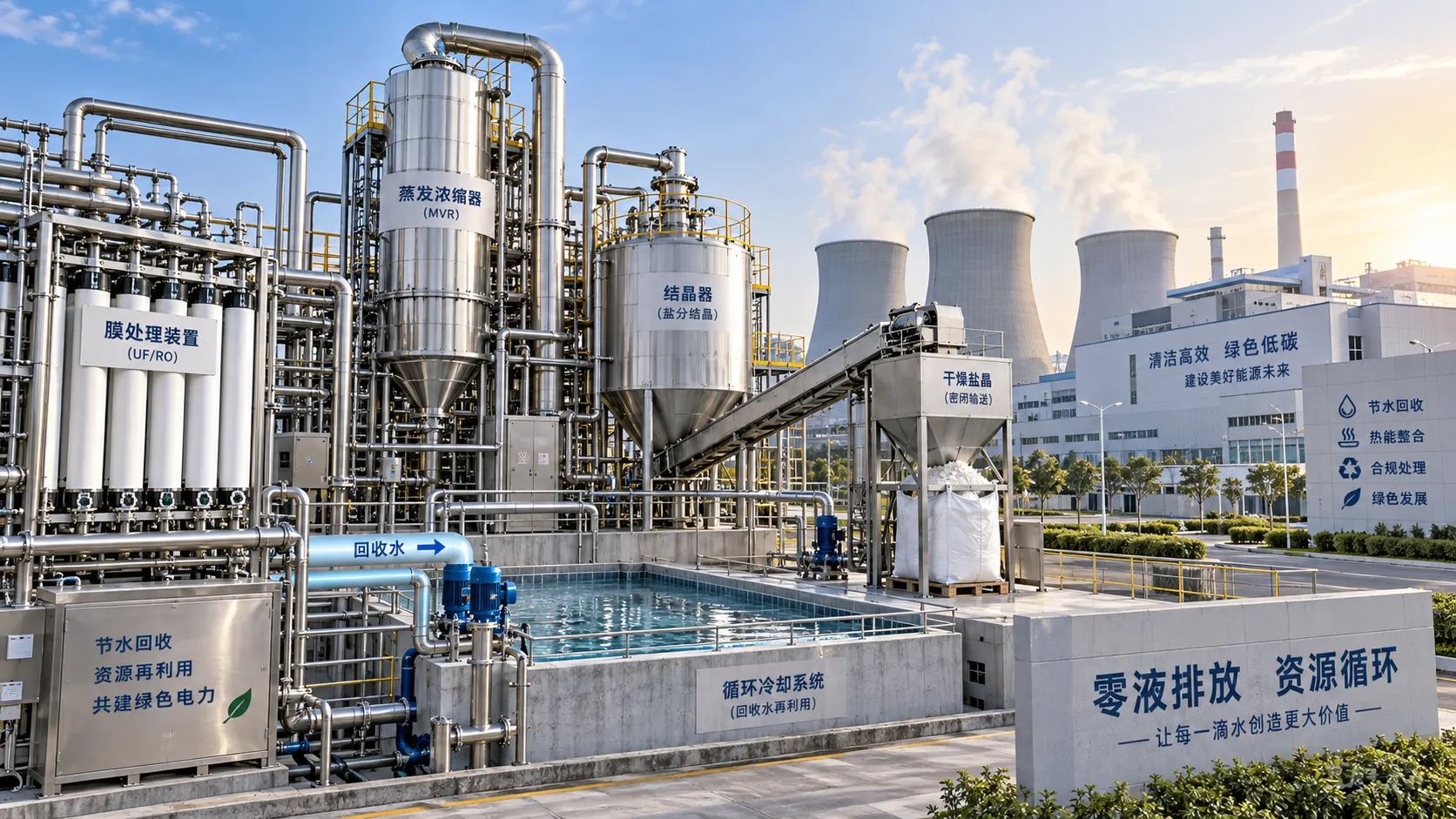
When do ZLD systems for power generation justify their energy use?
ZLD systems for power generation: learn when energy-intensive water recovery delivers stronger compliance, resilience, and long-term value.
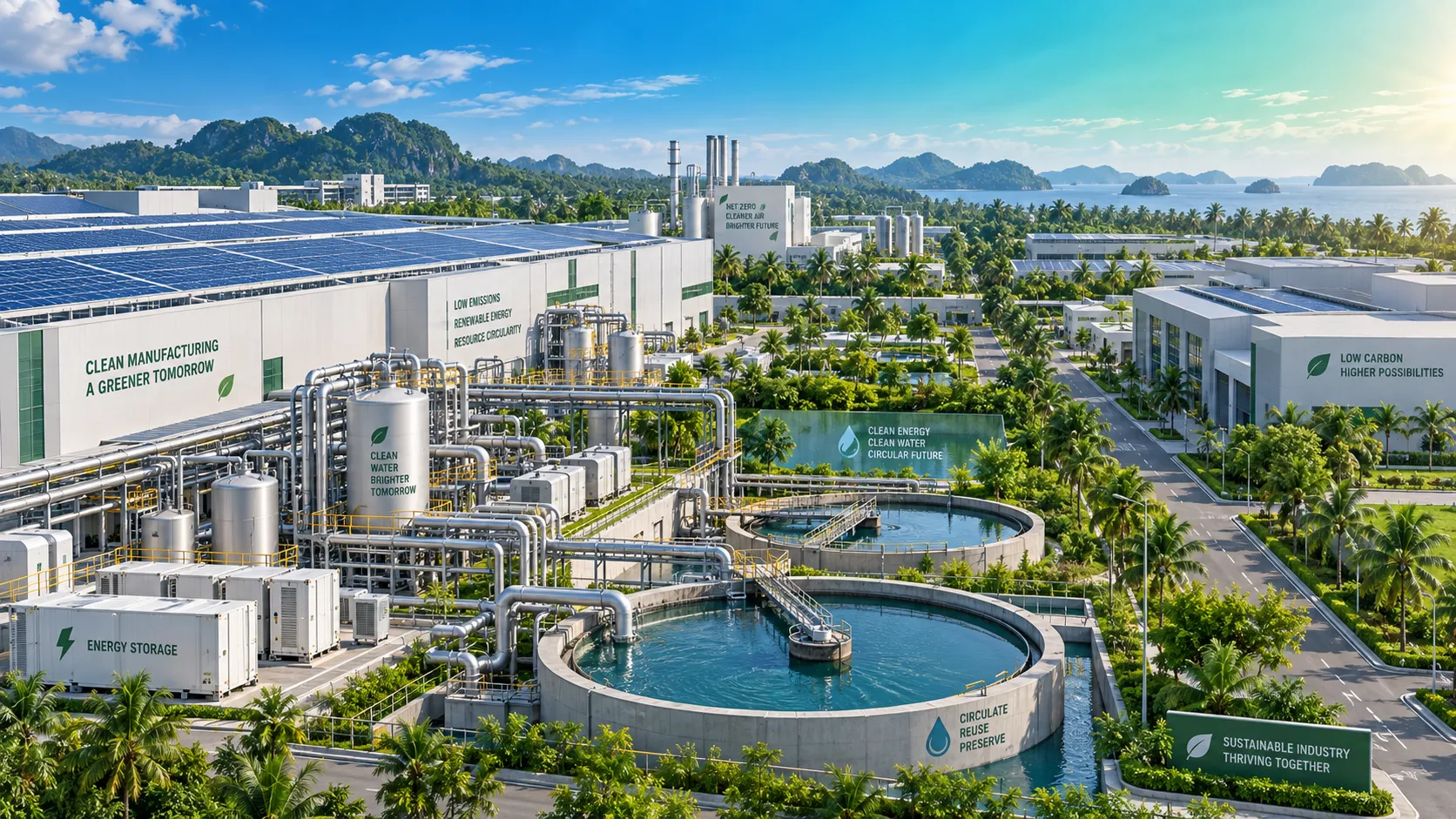
Which decarbonization pathways are most viable in Southeast Asia?
Decarbonization Southeast Asia: discover practical pathways for clean power, efficiency, electrification, circular recovery, and resilient industrial growth.
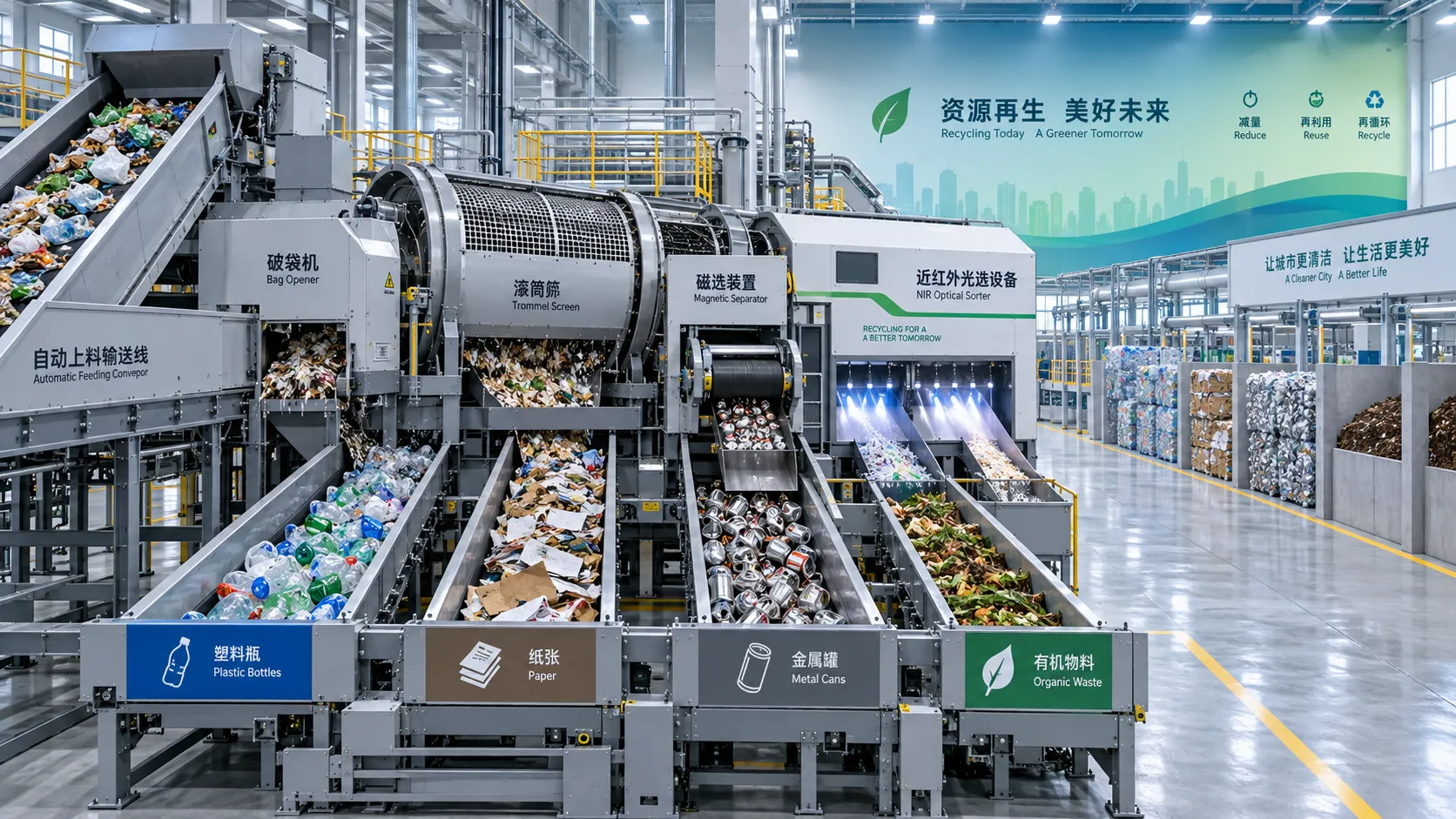
How to choose waste sorting equipment for mixed municipal waste
Waste sorting equipment selection guide for mixed municipal waste: compare technologies, improve recovery, reduce downtime, and build reliable output streams.
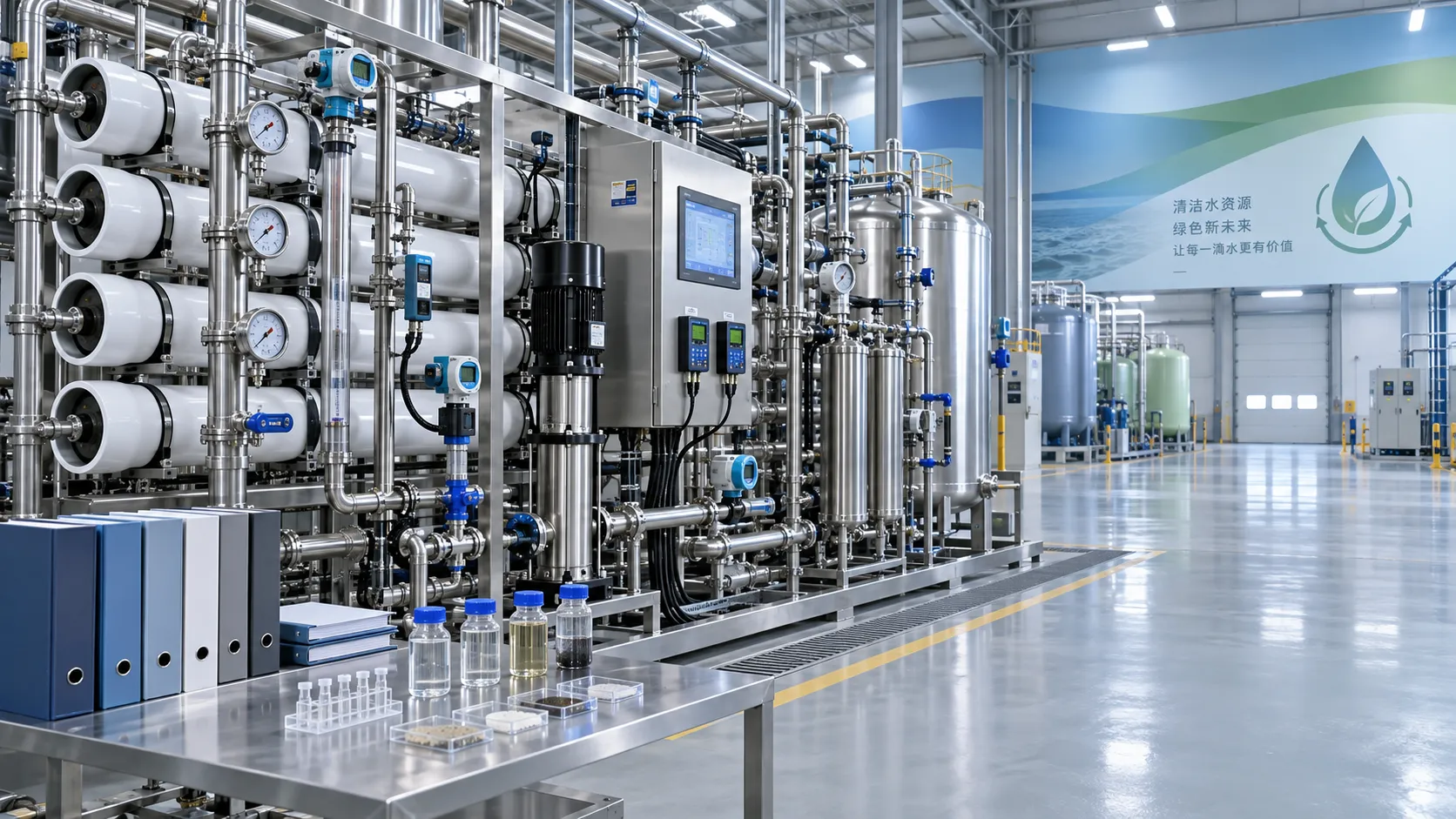
How to verify standards in an environmental equipment directory
environmental equipment directory standards reference: learn to verify certifications, performance evidence, scope, and project fit for confident, compliant equipment selection.
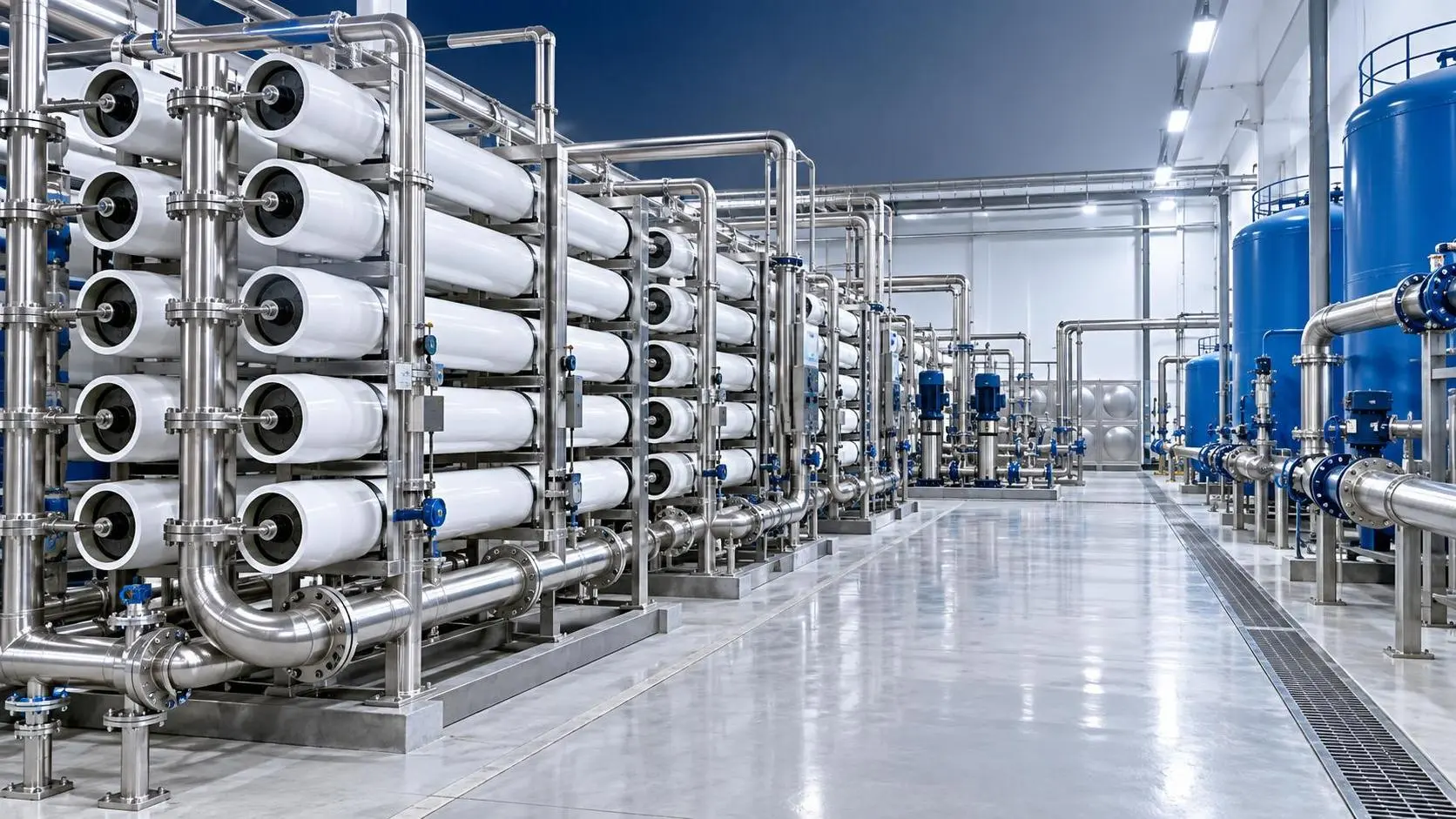
When high flux membrane water treatment justifies a larger footprint
High flux membrane water treatment can justify a larger footprint when variable feedwater, fouling risk, and uptime demands require resilient, lower-flux operation.