
Industry News
Curation by industry experts
Hot Articles
Popular Tags
Sustainable Resource Management Trends Reshaping Industrial Investment
Industrial capital is moving toward assets that can protect output while using less water, less energy, and fewer virgin materials. In that shift, sustainable resource management is no longer a peripheral environmental topic. It has become a practical investment lens for judging resilience, compliance exposure, operating efficiency, and long-term market access across complex industrial systems.
The change is especially visible in water treatment, waste recovery, flue gas control, seawater desalination, and nuclear waste management. These sectors sit where resource scarcity, technical reliability, and policy pressure meet. For industrial investors, the question is no longer whether sustainability matters, but which resource management trends are strong enough to reshape asset value, equipment demand, and project timing.
Why sustainable resource management now drives investment decisions
At its core, sustainable resource management means controlling material, water, and energy flows so that industrial activity remains productive without exhausting the systems that support it. That sounds broad, yet in practice it becomes very concrete.
It affects discharge permits, input costs, waste liabilities, supply continuity, and financing conditions. It also shapes whether a facility can expand, whether a bidder can win a public contract, and whether an export-oriented business can stay competitive under tightening carbon and environmental rules.
This is why sustainable resource management increasingly sits beside traditional investment metrics. Return on capital still matters. So do throughput and uptime. But they now need to be read together with water stress, waste circularity, emissions intensity, and regulatory adaptability.
In industries exposed to environmental scrutiny, inefficient resource use is becoming a form of strategic risk. Plants that cannot recover value from waste streams, reduce freshwater dependence, or adapt to stricter standards may face higher operating costs and lower capital attractiveness.
The trends changing the industrial resource equation
Water systems are shifting from treatment to circular control
Water investment used to focus on meeting discharge standards. That is no longer enough in many regions. The stronger trend is circular water management, where reuse, concentration control, and Zero Liquid Discharge strategies are becoming part of plant design economics.
High-concentration industrial wastewater, municipal reuse projects, and integrated treatment hubs are drawing more attention because they reduce both water procurement risk and compliance uncertainty. In water-stressed areas, the ability to recycle process water can influence the feasibility of future production growth.
Waste is being reclassified as a secondary resource base
Another defining trend is the revaluation of waste. Solid waste streams are no longer judged only by disposal cost. They are increasingly assessed for recovery potential, feedstock quality, and downstream market value.
Pyrolysis, AI-assisted sorting, urban mining, and material recovery systems support a more circular model. Under this model, sustainable resource management improves not only environmental performance but also resource security, especially where critical materials or landfill capacity are constrained.
Desalination is becoming a strategic infrastructure asset
Heavy seawater desalination is moving beyond emergency supply logic. It is increasingly treated as strategic industrial infrastructure in regions where freshwater scarcity threatens economic continuity.
The investment challenge is clear. Desalination expands water security, yet it can bring high energy demand and membrane performance pressure. That makes sustainable resource management essential in evaluating SWRO efficiency, brine handling, energy recovery, and lifecycle cost rather than nominal water output alone.
High-risk waste streams are under closer lifecycle scrutiny
In nuclear waste management, the market is shaped by reliability, containment integrity, and public trust. Here, sustainable resource management is not about resource recovery in the conventional sense. It is about maintaining an absolute safety loop over very long periods.
That pushes attention toward vitrification stability, storage design, transport control, and monitoring architecture. Industrial investment in this space tends to reward systems that reduce uncertainty over decades, not only those that optimize short-term budgets.
What the market is watching more closely
Capital is becoming more selective because environmental infrastructure now sits inside a denser policy and cost environment. Several signals matter more than they did even a few years ago.
- Regulatory evolution is faster, with discharge, waste traceability, and emissions standards changing procurement priorities.
- Carbon-linked trade tools, including CBAM, are connecting environmental performance with export competitiveness.
- Technology differentiation is widening between standard compliance equipment and systems built for deeper recovery, lower energy intensity, and higher reliability.
- Project owners increasingly want intelligence, not only hardware, because specification mistakes now carry larger commercial consequences.
This is where an intelligence-led view becomes useful. Platforms such as ESD track not just sector news, but the technical and commercial signals behind investment movement. That includes membrane evolution, catalyst behavior in challenging operating conditions, waste vitrification stability, and the structural demand emerging in large public environmental projects.
How sustainable resource management creates business value
The value case is broader than cost savings. Sustainable resource management changes how industrial assets perform under pressure. It can improve permit stability, extend asset relevance, reduce feedstock volatility, and support stronger positioning in infrastructure bids.
In other words, sustainable resource management turns environmental discipline into operational optionality. It gives industrial assets more ways to stay viable when resources tighten, standards rise, or public project criteria become more demanding.
Where the strongest applications are emerging
The most visible applications are in sectors where large-scale infrastructure intersects with environmental stress. Yet the investment logic differs by scenario.
Large treatment plants and industrial parks
These projects often need coordinated water, waste, and emissions control rather than isolated upgrades. Integrated systems usually outperform fragmented compliance fixes when regulation becomes stricter over time.
Port, coastal, and arid-region infrastructure
Desalination, brine management, and energy coupling become central here. Investment quality depends on whether water security is achieved without creating unsustainable energy or disposal burdens.
Circular economy platforms
Recovery networks built around sorting, thermal conversion, and secondary materials processing are gaining traction. Their success depends less on slogans and more on feedstock consistency, offtake certainty, and process intelligence.
High-consequence environmental safety systems
Nuclear waste and hazardous residuals require extremely conservative design logic. Here, sustainable resource management is inseparable from traceability, containment, and long-duration performance evidence.
What to assess before committing capital
A useful decision framework looks beyond headline capacity and advertised efficiency. Several questions usually reveal whether a project is genuinely aligned with sustainable resource management or only framed that way.
- Does the solution reduce a structural resource constraint, or merely delay it?
- Are compliance assumptions robust under tighter future standards?
- Is resource recovery measurable in commercial terms, not just environmental reporting terms?
- How sensitive is project value to energy prices, membrane degradation, catalyst life, or waste composition shifts?
- Can technical data support bidding strength in major government or infrastructure tenders?
This is why strategic intelligence matters. The strongest decisions often come from combining policy tracking, equipment performance analysis, and scenario-based commercial evaluation. In sectors shaped by chemistry, regulation, and capital intensity, surface-level comparisons are rarely enough.
A practical direction for the next planning cycle
Sustainable resource management is reshaping industrial investment because it changes how risk and value are calculated at the same time. It links environmental limits to asset quality, technology choice, and future competitiveness.
The most useful next step is to review current projects through a resource lens rather than a narrow compliance lens. Map where water, waste, emissions, and long-tail liabilities are most likely to affect returns. Then compare which technologies improve circularity, reliability, and regulatory resilience together.
For organizations tracking large-scale environmental infrastructure, the advantage increasingly belongs to those that can connect technical detail with investment timing. That is where sustainable resource management moves from principle to strategy, and from strategy to durable industrial positioning.
Recommended News
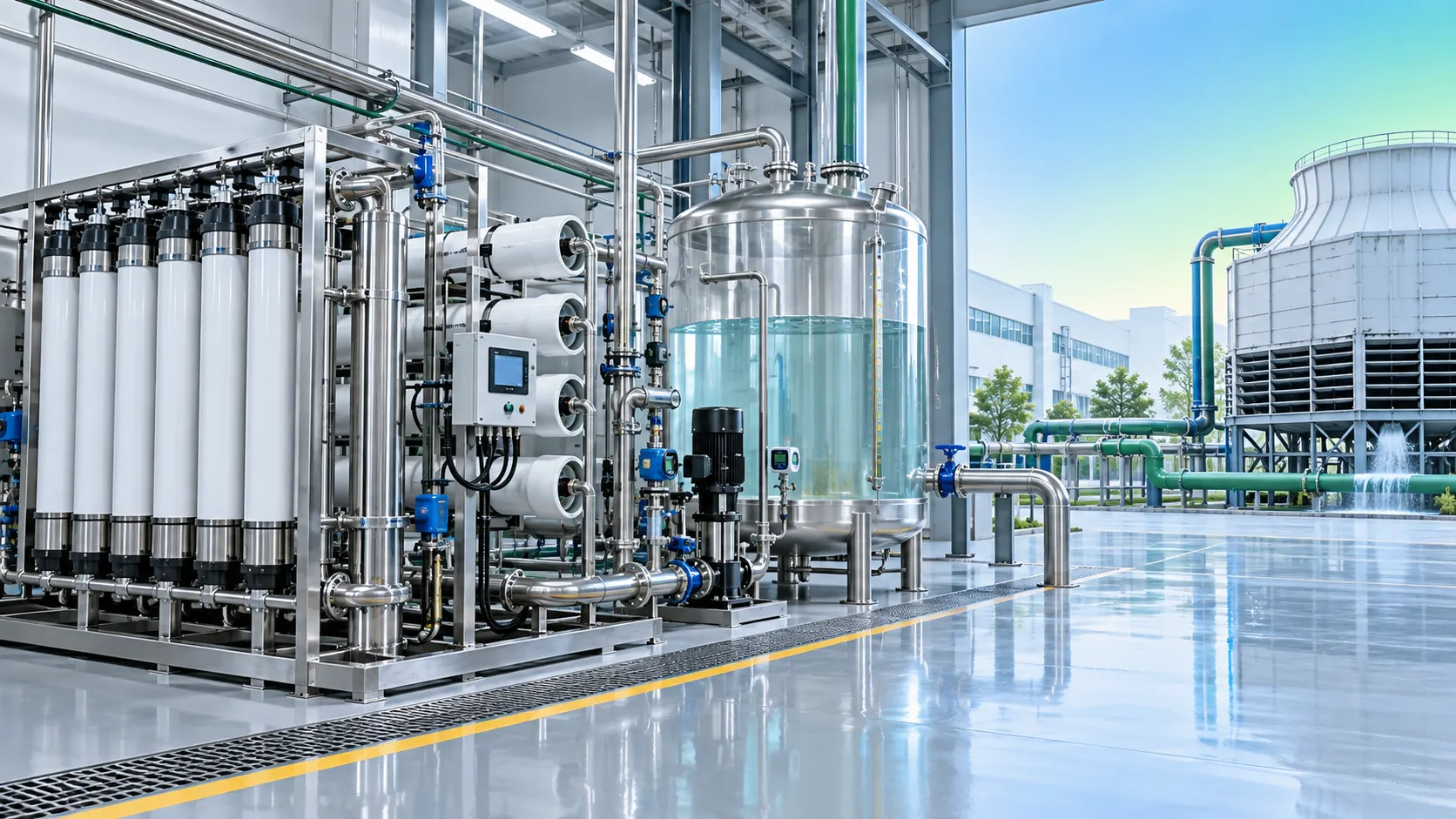
When do water reuse systems deliver a practical payback?
Water reuse systems deliver practical payback when they cut water, discharge, and downtime costs. Learn how to match treatment, recovery, and reuse quality for lasting ROI.
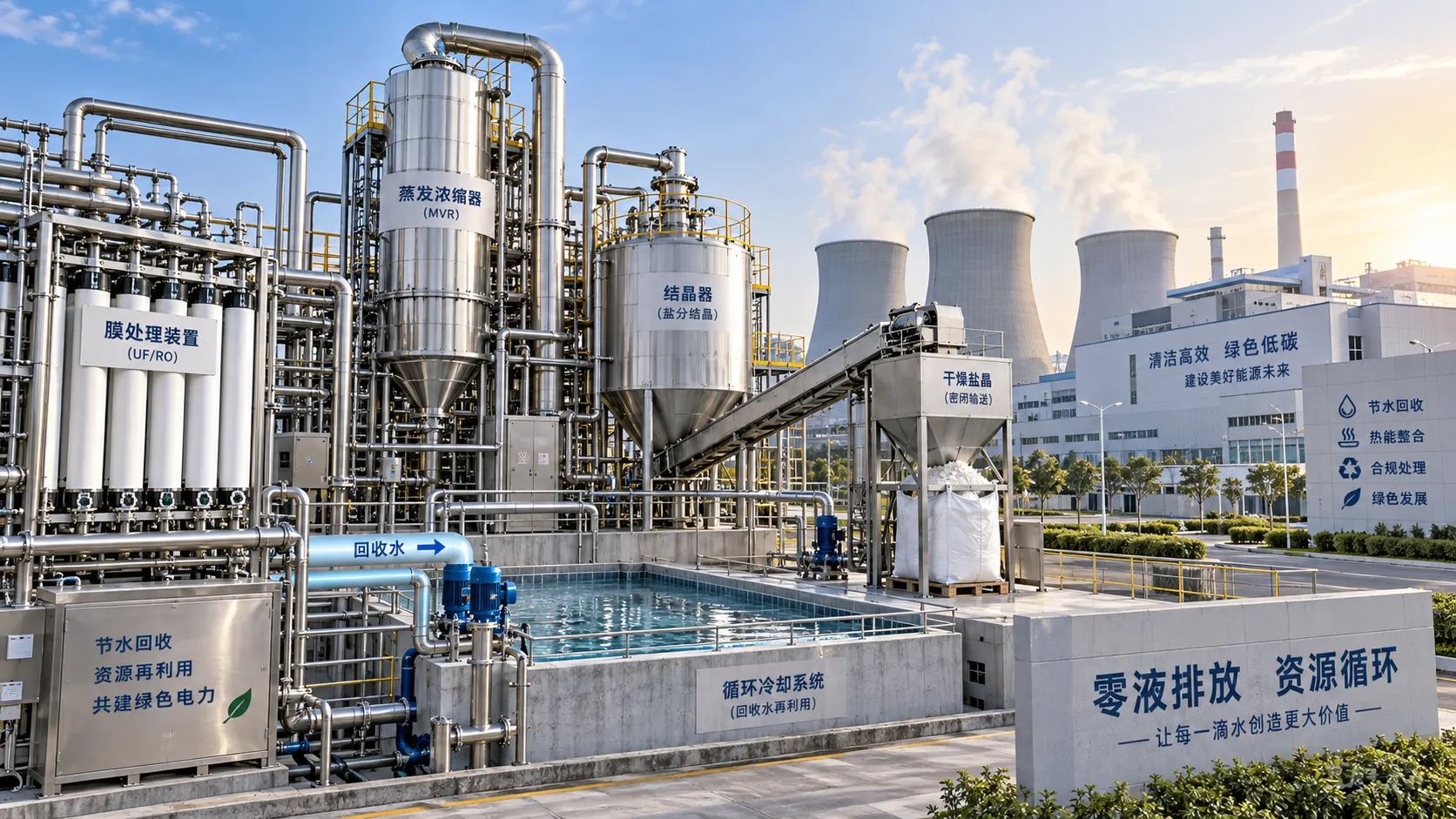
When do ZLD systems for power generation justify their energy use?
ZLD systems for power generation: learn when energy-intensive water recovery delivers stronger compliance, resilience, and long-term value.
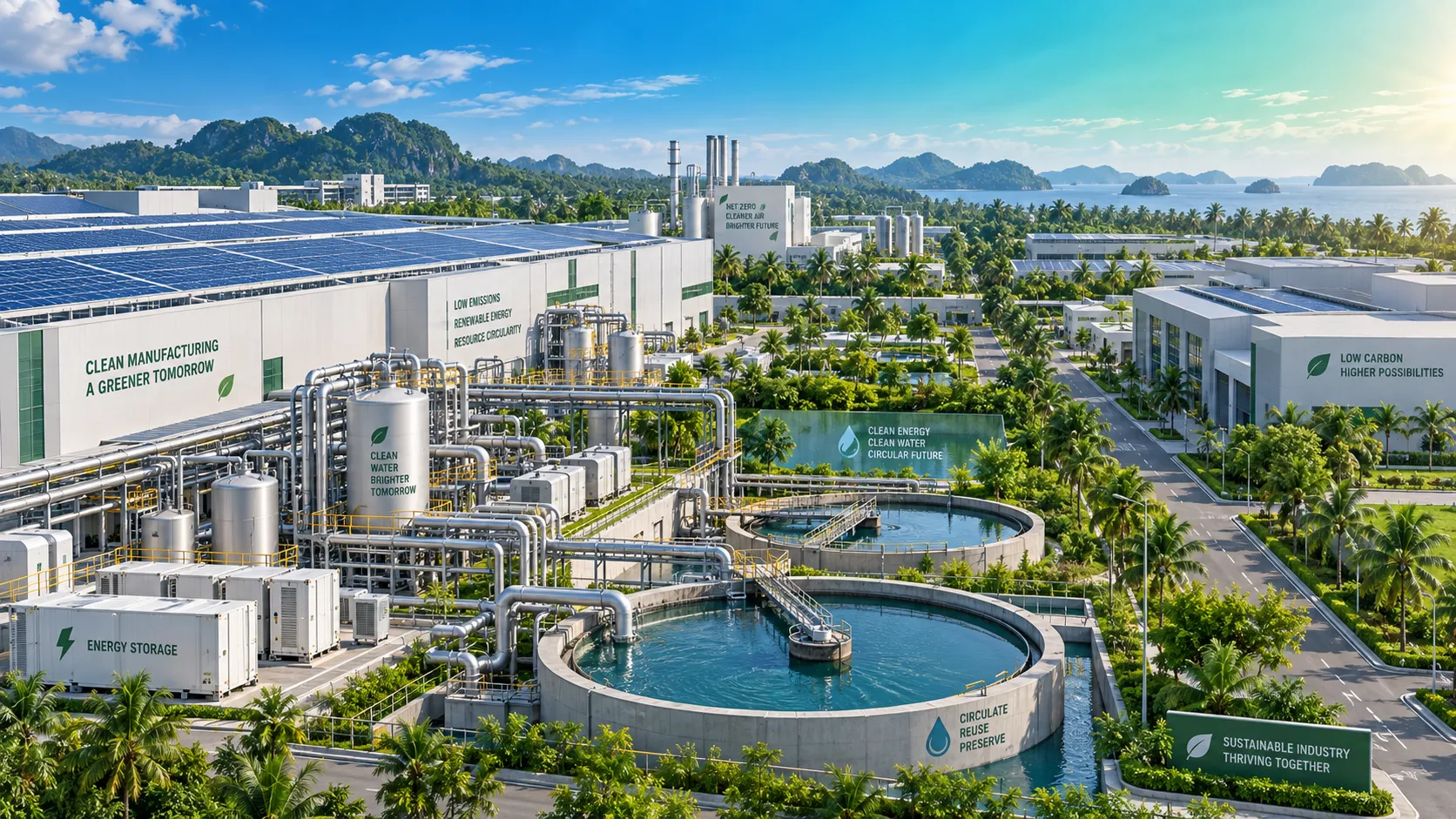
Which decarbonization pathways are most viable in Southeast Asia?
Decarbonization Southeast Asia: discover practical pathways for clean power, efficiency, electrification, circular recovery, and resilient industrial growth.
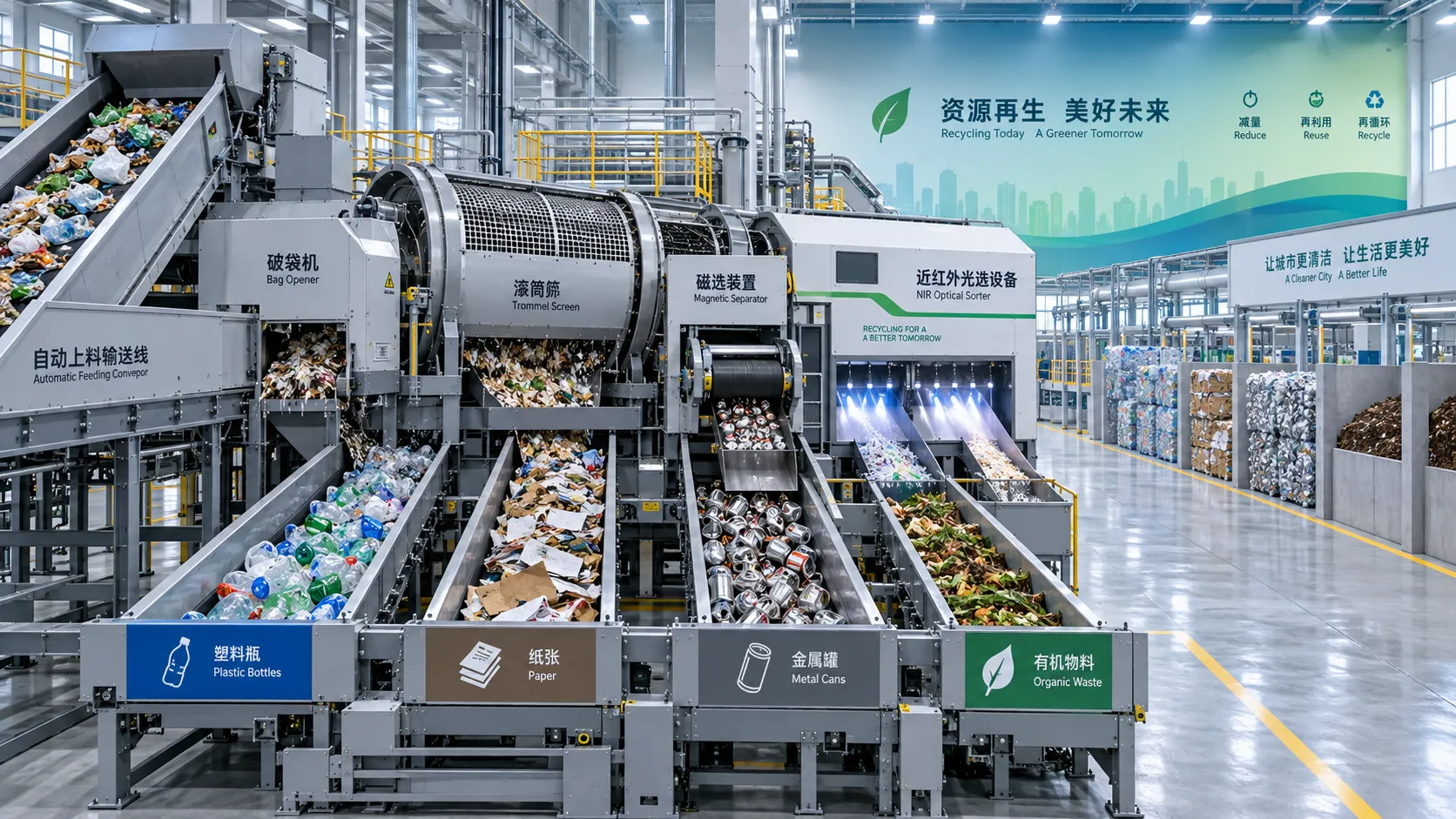
How to choose waste sorting equipment for mixed municipal waste
Waste sorting equipment selection guide for mixed municipal waste: compare technologies, improve recovery, reduce downtime, and build reliable output streams.
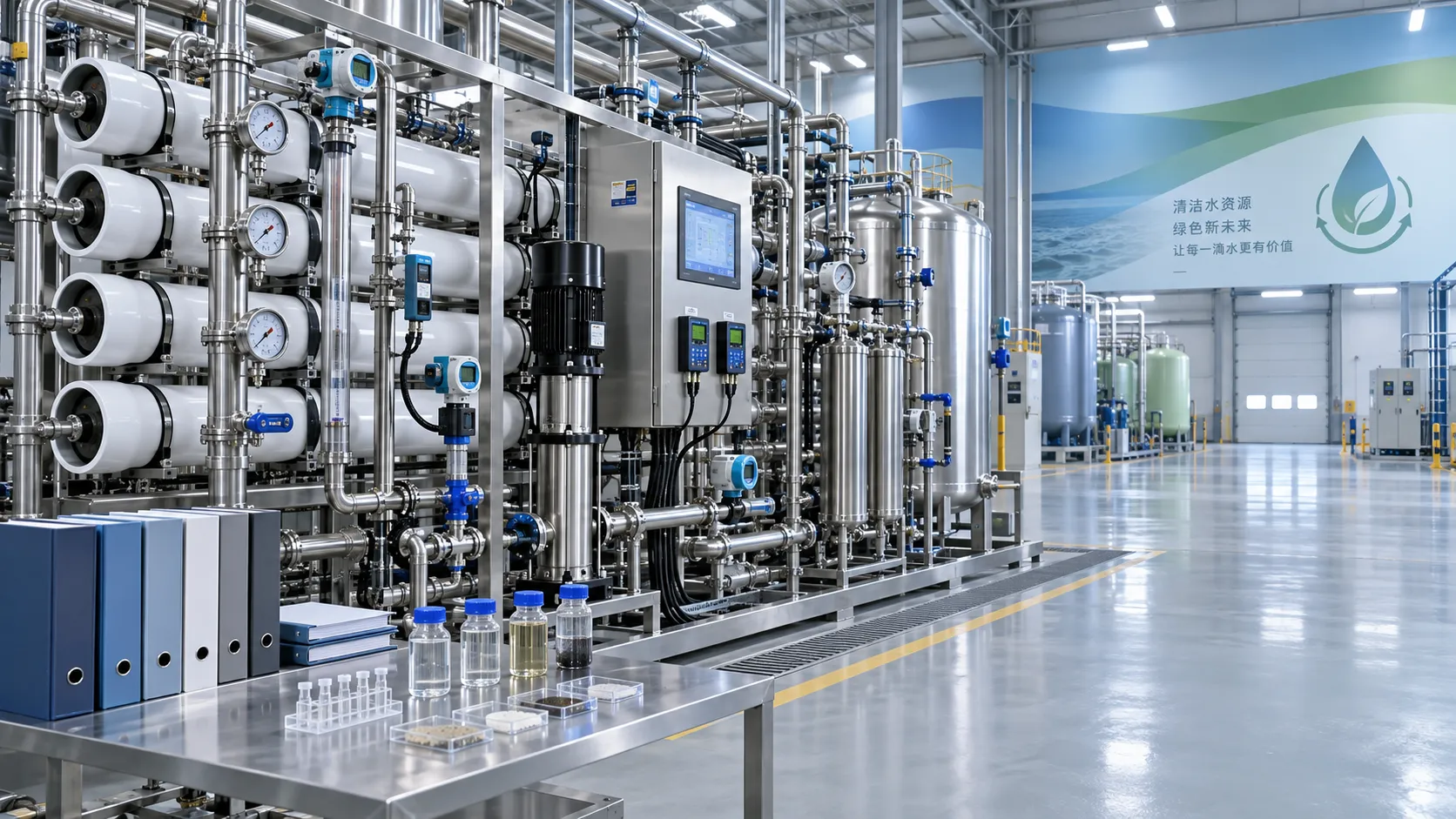
How to verify standards in an environmental equipment directory
environmental equipment directory standards reference: learn to verify certifications, performance evidence, scope, and project fit for confident, compliant equipment selection.
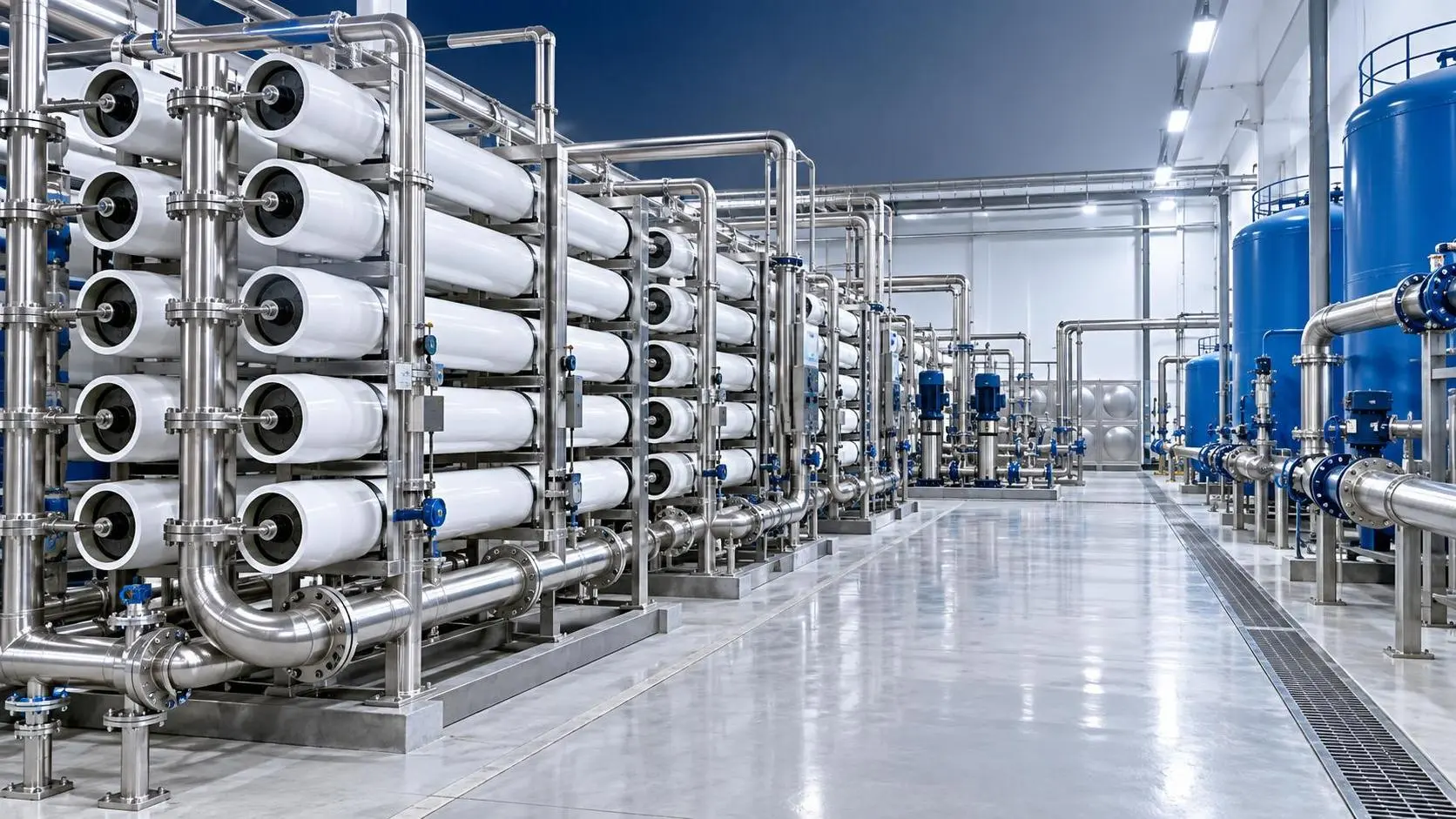
When high flux membrane water treatment justifies a larger footprint
High flux membrane water treatment can justify a larger footprint when variable feedwater, fouling risk, and uptime demands require resilient, lower-flux operation.
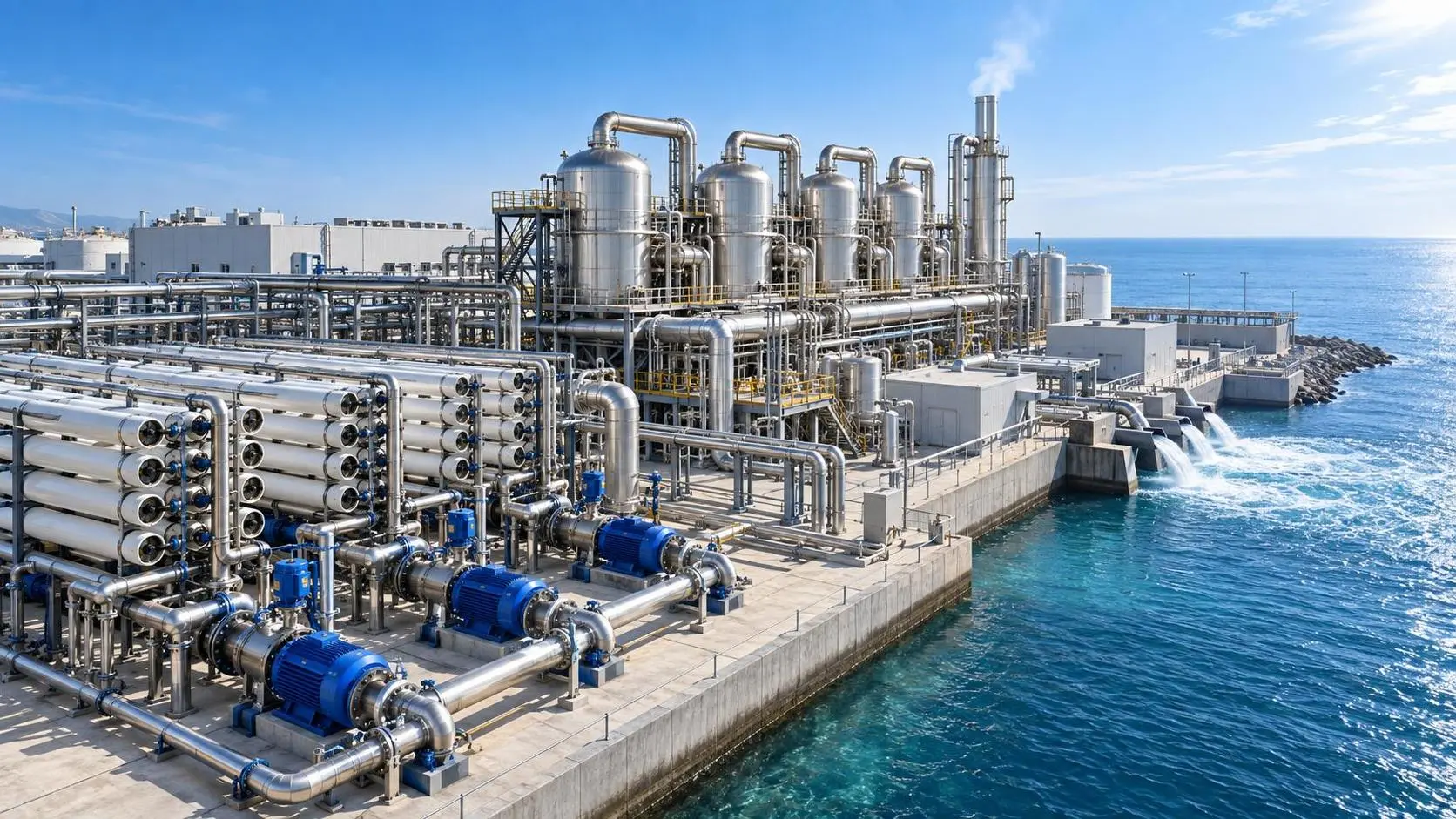
RO vs MED desalination: which is more energy-efficient at scale?
Desalination technology comparison: RO vs MED at scale. See how energy use, waste heat, feedwater, carbon, and flexibility determine the best choice.
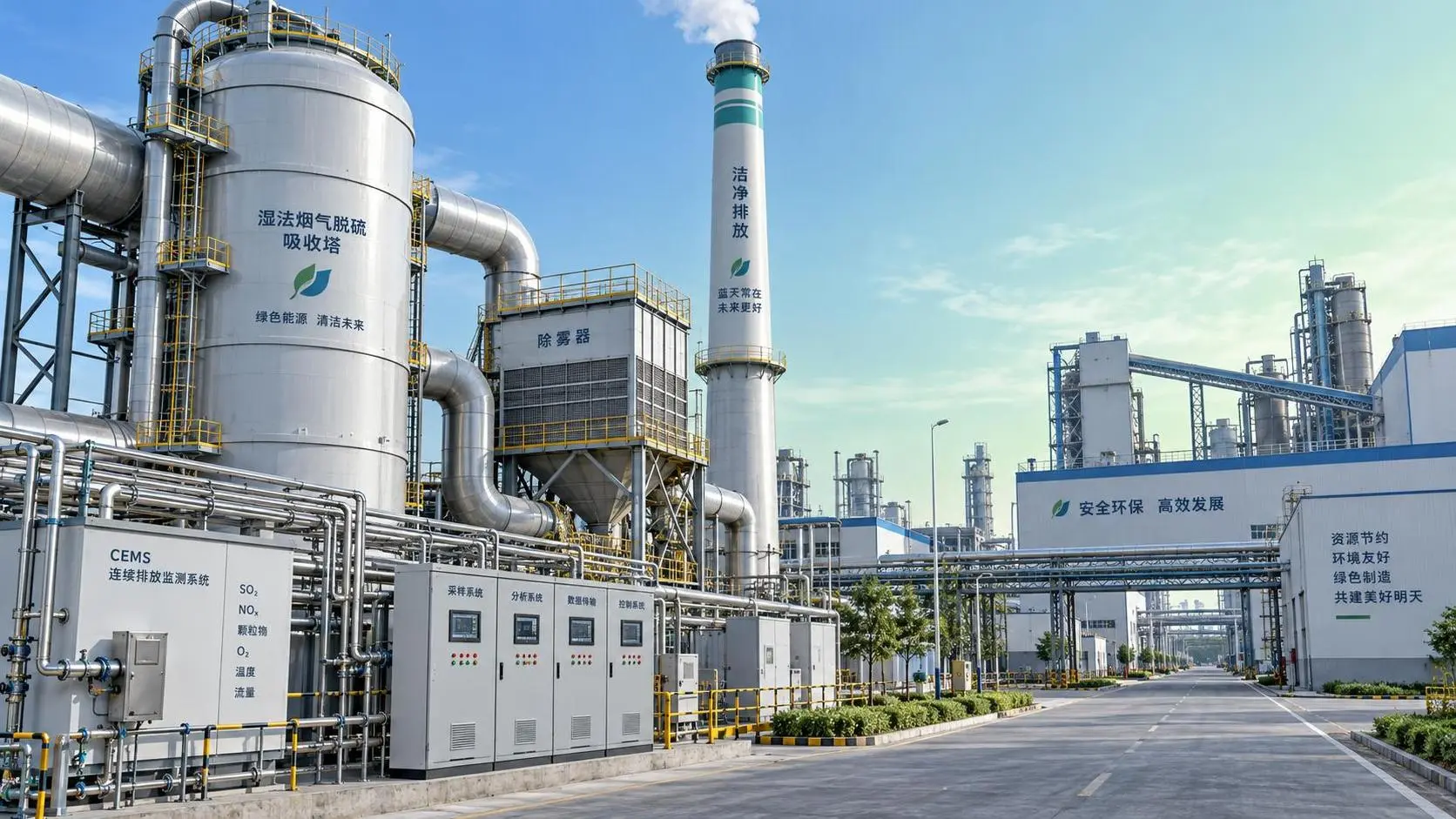
Which ISO standards apply to flue gas treatment systems?
Flue gas treatment systems ISO standards: explore key requirements for emissions testing, CEMS, safety, fabrication, corrosion control, and compliant project evaluation.

When corrosion resistant purification systems are needed for brine treatment
Corrosion resistant purification systems for brine treatment: assess chloride, heat, scaling, materials, and lifecycle reliability for demanding water projects.