
Industry News
Curation by industry experts
Hot Articles
Popular Tags
Sustainable Resource Management Tools With Practical Value
Sustainable Resource Management Tools With Practical Value
For operators working across water treatment, waste recovery, desalination, and emission control, sustainable resource management tools are no longer optional—they are essential for safer, smarter, and more compliant operations.
This article highlights practical solutions that improve efficiency, reduce environmental risk, and support daily decisions in complex industrial environments.
What Sustainable Resource Management Tools Mean in Practice
In industrial settings, sustainable resource management tools combine data, process control, monitoring, and planning methods to reduce waste while protecting output stability.
These tools are not limited to software. They include sensors, dashboards, digital twins, laboratory analytics, maintenance systems, and compliance tracking frameworks.
Their shared goal is simple: use water, energy, chemicals, land, and materials more effectively across the full operating cycle.
For ESD’s core sectors, sustainable resource management tools must also perform under harsh conditions, strict standards, and rapidly changing regulatory expectations.
Core functional areas
- Resource monitoring for water, steam, power, chemicals, and recovered materials.
- Process optimization using real-time operating data.
- Compliance support for emissions, discharge, storage, and traceability.
- Asset reliability management for membranes, pumps, scrubbers, and sorting lines.
- Strategic planning for circular economy targets and carbon-linked reporting.
Industry Context and Current Signals
The need for sustainable resource management tools is rising because environmental systems now face pressure from three directions at once.
First, plants must process more difficult feed streams. Second, regulators require tighter control. Third, costs are rising across energy, logistics, and consumables.
This is especially visible in high-end ecological infrastructure, where one unstable process can affect safety, efficiency, and permit performance simultaneously.
Across these sectors, sustainable resource management tools help convert fragmented operational data into decisions that are easier to defend internally and externally.
Why These Tools Deliver Practical Value
The practical value of sustainable resource management tools appears when they connect technical performance with cost control and compliance readiness.
1. Better operating efficiency
Real-time measurement reduces overuse of chemicals, unnecessary flushing, energy peaks, and avoidable recirculation losses.
In desalination and advanced water treatment, even small improvements in recovery rates can create major long-term savings.
2. Lower environmental risk
Early warning tools identify abnormal pH, conductivity, particulate loading, temperature drift, or emission deviation before permit breaches occur.
This reduces emergency response costs and helps preserve process continuity during audits or upset conditions.
3. Stronger asset reliability
Sustainable resource management tools support condition-based maintenance for critical assets, including RO membranes, pumps, filters, reactors, and thermal units.
Instead of waiting for breakdowns, plants can replace components when performance indicators justify intervention.
4. Improved reporting quality
Reliable data trails support internal reviews, external verification, ESG disclosures, and cross-border environmental compliance requirements.
This becomes more important as carbon accounting and material traceability move closer to procurement and financing decisions.
Typical Sustainable Resource Management Tools by Application
Different facilities need different combinations of sustainable resource management tools. The most useful approach is to match tools with process constraints.
Water treatment and ZLD systems
- Online TOC, turbidity, ORP, conductivity, and ammonia analyzers.
- Membrane fouling trend software and CIP performance tracking.
- Water balance dashboards for reuse, discharge, and concentrate control.
- Digital twins for evaporation, crystallization, and recovery optimization.
Solid waste and recovery systems
- AI-based optical sorting tools with contamination detection.
- Material flow analysis platforms for secondary resource mapping.
- Pyrolysis process monitoring for temperature, residence time, and yield quality.
- Inventory tools linking recovered output with downstream buyers.
Flue gas treatment and air systems
- CEMS platforms for SOx, NOx, dust, and flow stability.
- SCR catalyst activity tracking under low-temperature operation.
- Reagent consumption analytics for lime, ammonia, or urea systems.
- Alarm logic tools to manage start-up and transient conditions.
Desalination and high-salinity infrastructure
- Specific energy consumption dashboards for SWRO trains.
- Biofouling and scaling prediction tools for intake and pretreatment systems.
- Brine management planning tools linked to discharge constraints.
- Spare parts and membrane lifecycle planning systems.
Nuclear waste management environments
- Container tracking and chain-of-custody systems.
- Condition monitoring for storage temperature, radiation, and seal integrity.
- Data platforms supporting vitrification stability and storage records.
- Scenario-based risk tools for long-term oversight.
Selection Criteria and Implementation Priorities
Not every digital platform or monitoring package creates value. Effective sustainable resource management tools must fit process realities, not just vendor claims.
Key evaluation points
- Data quality: Verify sensor accuracy, calibration routines, and sampling consistency.
- System integration: Check compatibility with SCADA, DCS, LIMS, and maintenance software.
- Decision usefulness: Prefer tools that trigger action, not only display trends.
- Compliance relevance: Ensure outputs match reporting and permit obligations.
- Lifecycle economics: Measure total value across downtime reduction, savings, and risk avoidance.
Implementation should begin with one constrained process area, such as brine concentration, catalyst efficiency, sorting purity, or sludge dewatering stability.
This focused approach helps validate assumptions before wider rollout across the facility or network.
Practical Guidance for Daily Use
The best sustainable resource management tools fail if teams cannot trust the numbers or act on them quickly.
- Set alert thresholds based on process behavior, not generic defaults.
- Review exception reports daily and trend reports weekly.
- Link every key indicator to an operating response or maintenance task.
- Keep data governance rules for manual entries, overrides, and audit history.
- Update tool logic after process modifications or regulatory changes.
In high-risk sectors, practical discipline matters more than dashboard complexity. Clear workflows usually outperform visually impressive but weakly governed systems.
Next-Step Direction
For organizations tracking ecological infrastructure, sustainable resource management tools should be assessed as strategic operating assets, not optional add-ons.
A useful next step is to map one process line, define three resource-loss indicators, and compare current monitoring gaps with compliance and reliability priorities.
From there, build a shortlist of sustainable resource management tools that support measurable gains in control, traceability, and resource recovery.
In sectors shaped by water stress, circularity demands, emission limits, and long-term safety obligations, practical intelligence is the real foundation of sustainable performance.
Recommended News
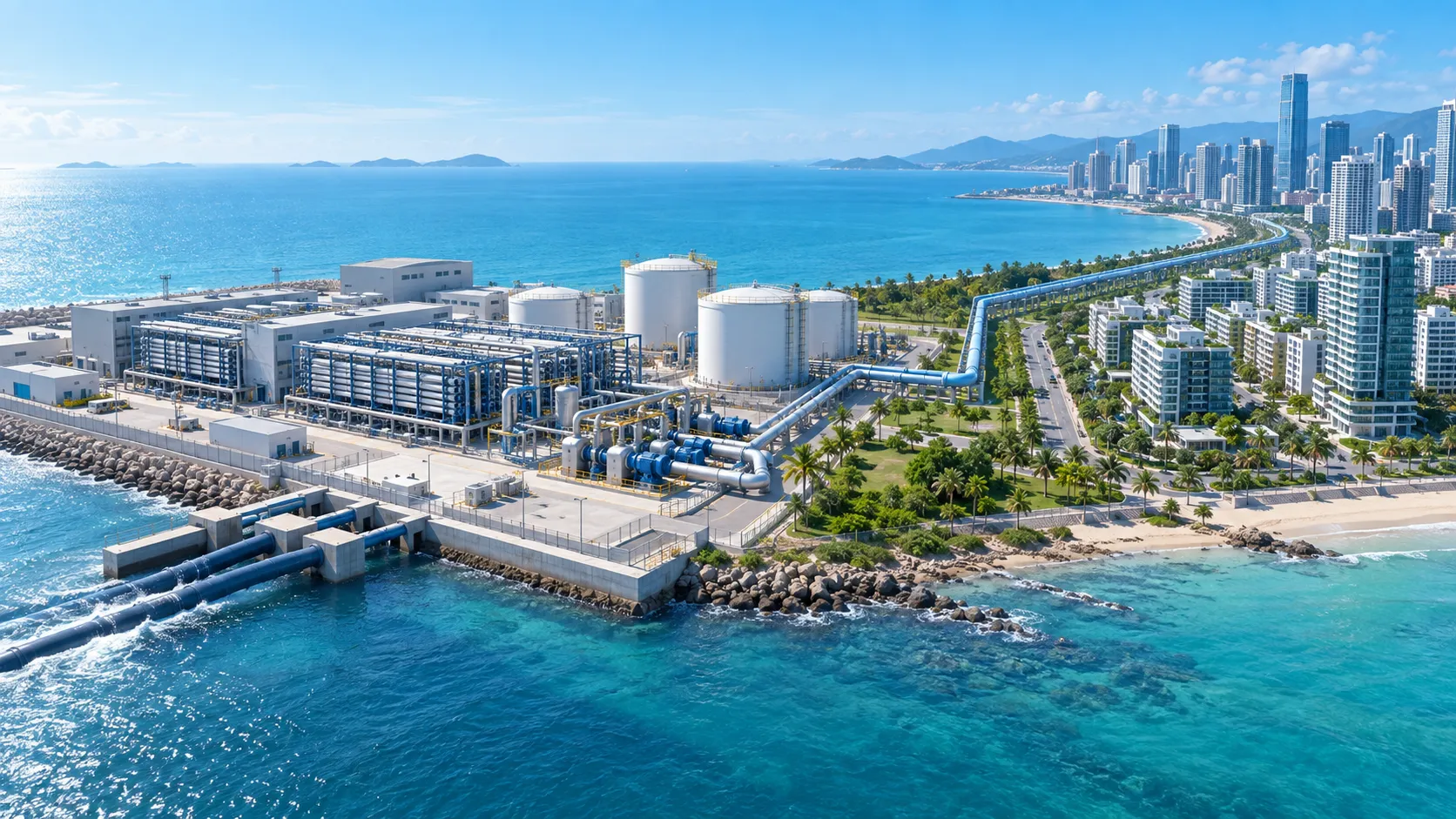
How coastal cities can select desalination solutions for peak demand
Seawater desalination solutions for coastal cities: compare firm peak capacity, intake risk, energy resilience, and lifecycle value to secure reliable water supply.
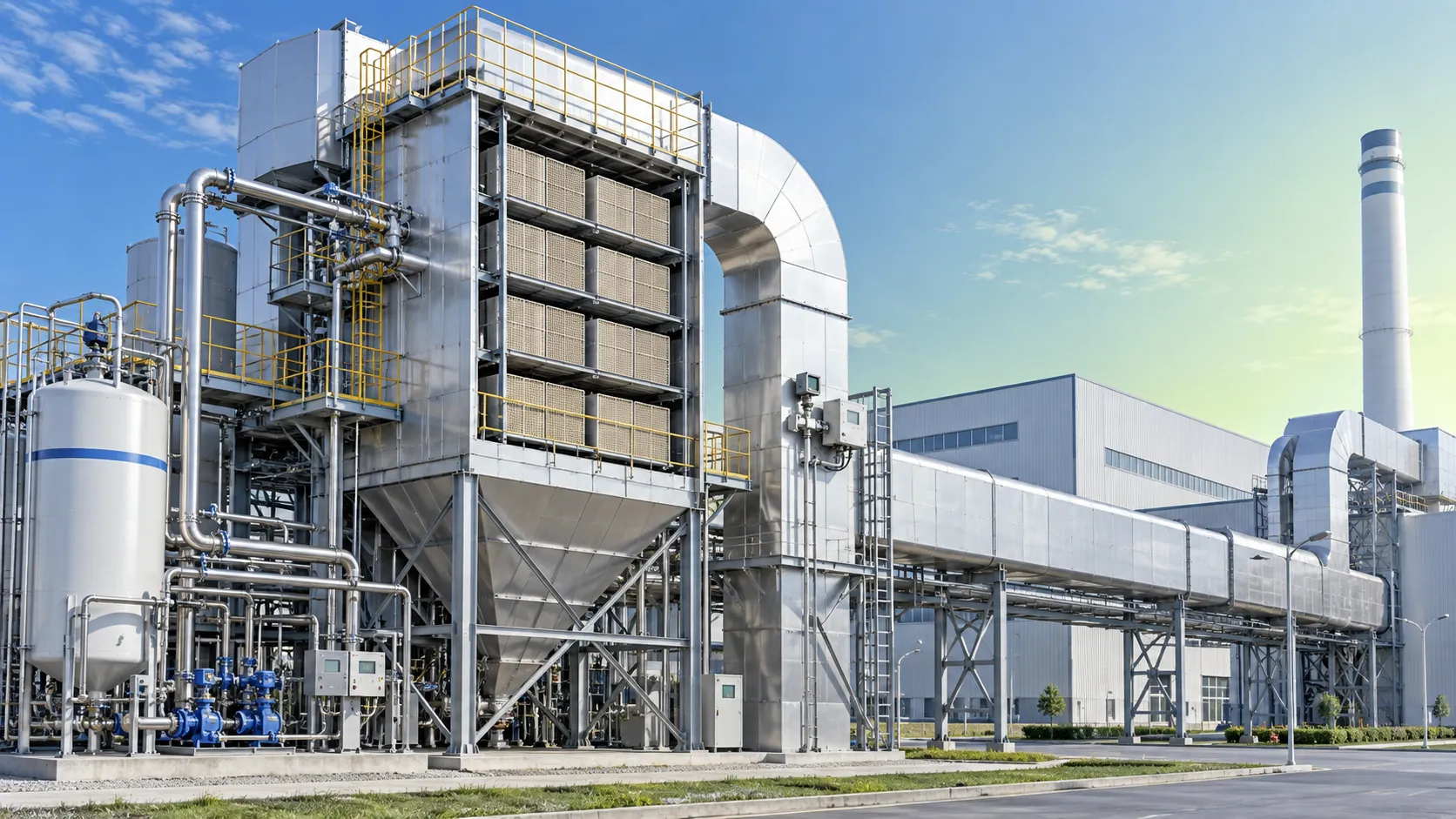
How SCR denitrification systems in Europe meet Industrial Emissions rules
SCR denitrification systems Europe: learn how permit-led design, ammonia-slip control, catalyst management and monitoring support Industrial Emissions compliance.
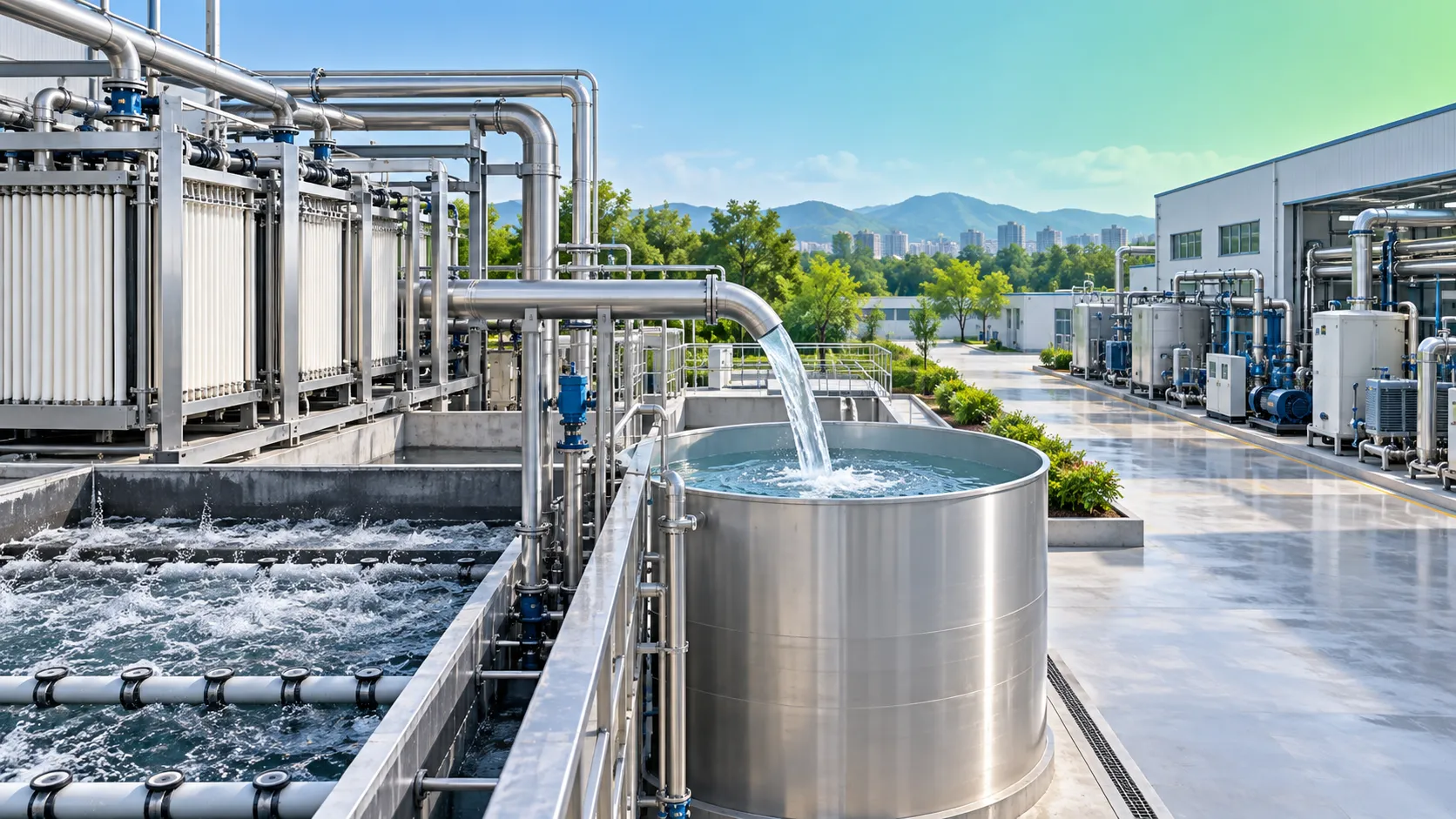
When does MBR equipment make sense for wastewater reuse?
Water treatment equipment for wastewater reuse: learn when MBR delivers compact, reliable low-solids effluent—and when alternative treatment trains offer better value.
How North America shapes global environmental governance standards
Global environmental governance North America: discover how regulation, finance, and procurement raise worldwide standards and reshape environmental projects.
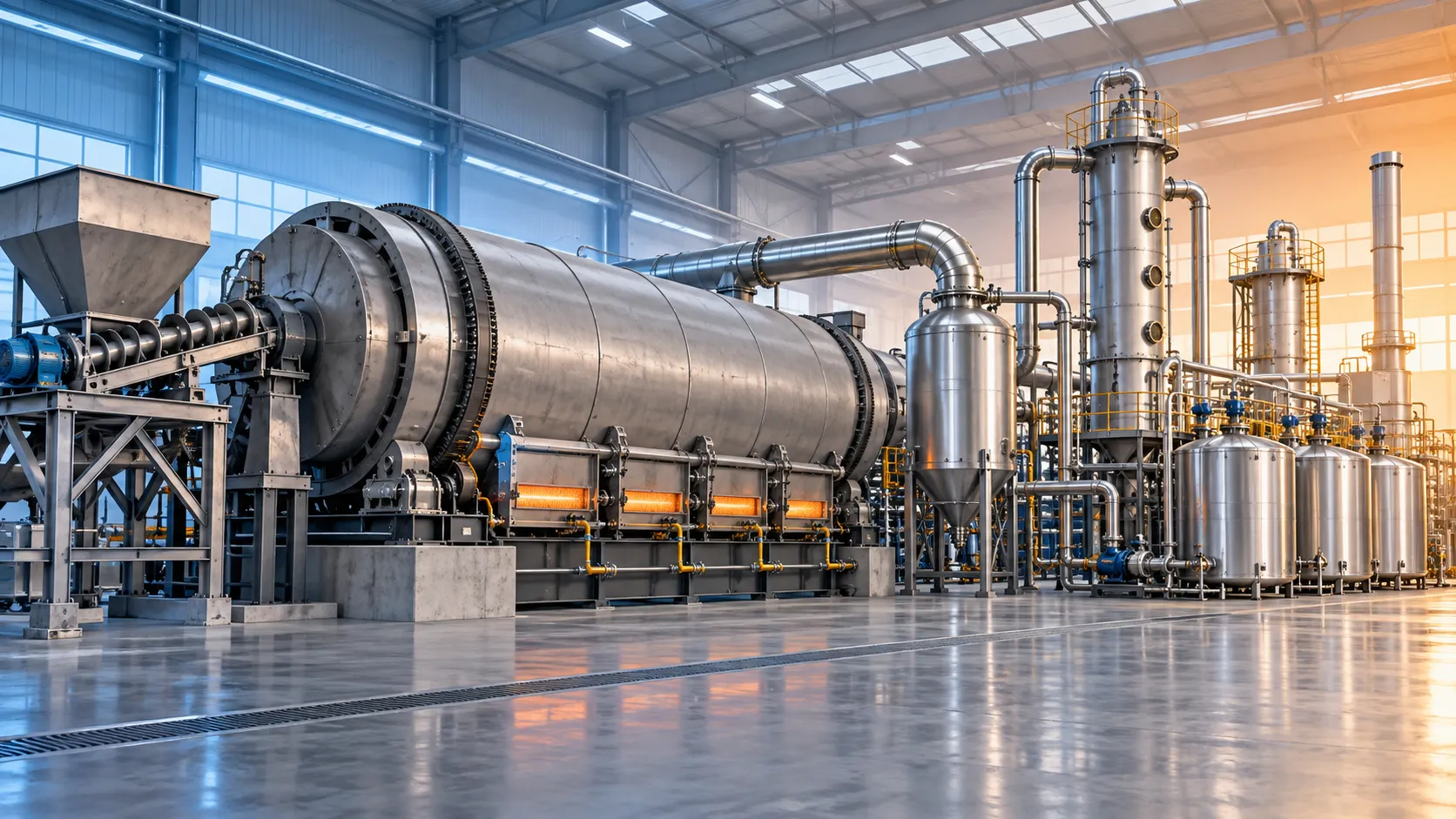
How reactor capacity affects throughput in pyrolysis systems
Pyrolysis systems reactor capacity explained: learn how heat transfer, residence time, feed quality, and emissions controls determine reliable throughput.
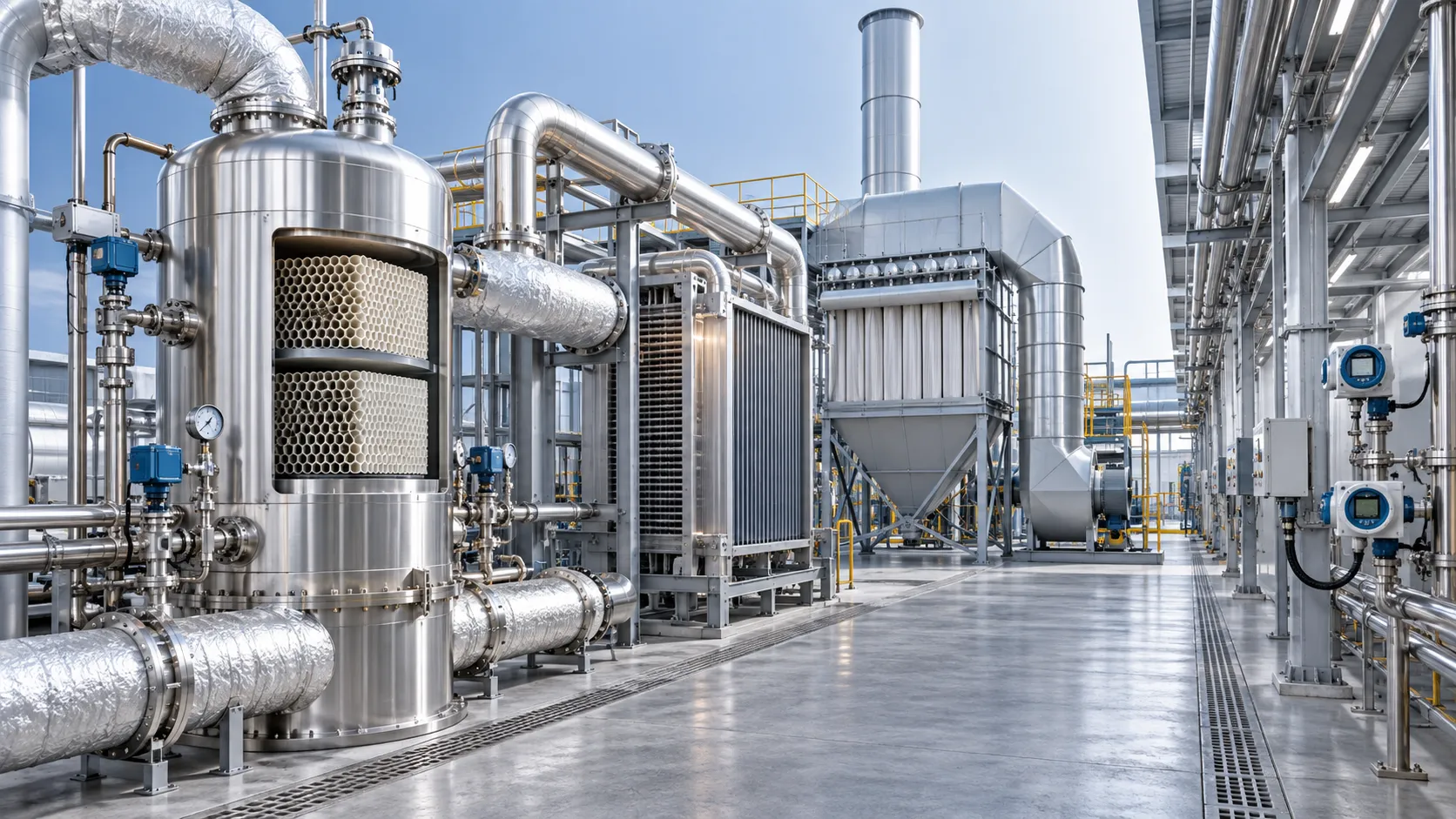
When low-temperature reaction equipment is the right fit for heat-sensitive processes
Low-temperature reaction equipment helps protect heat-sensitive streams, improve energy integration, and maintain reliable conversion. Explore key selection factors today.
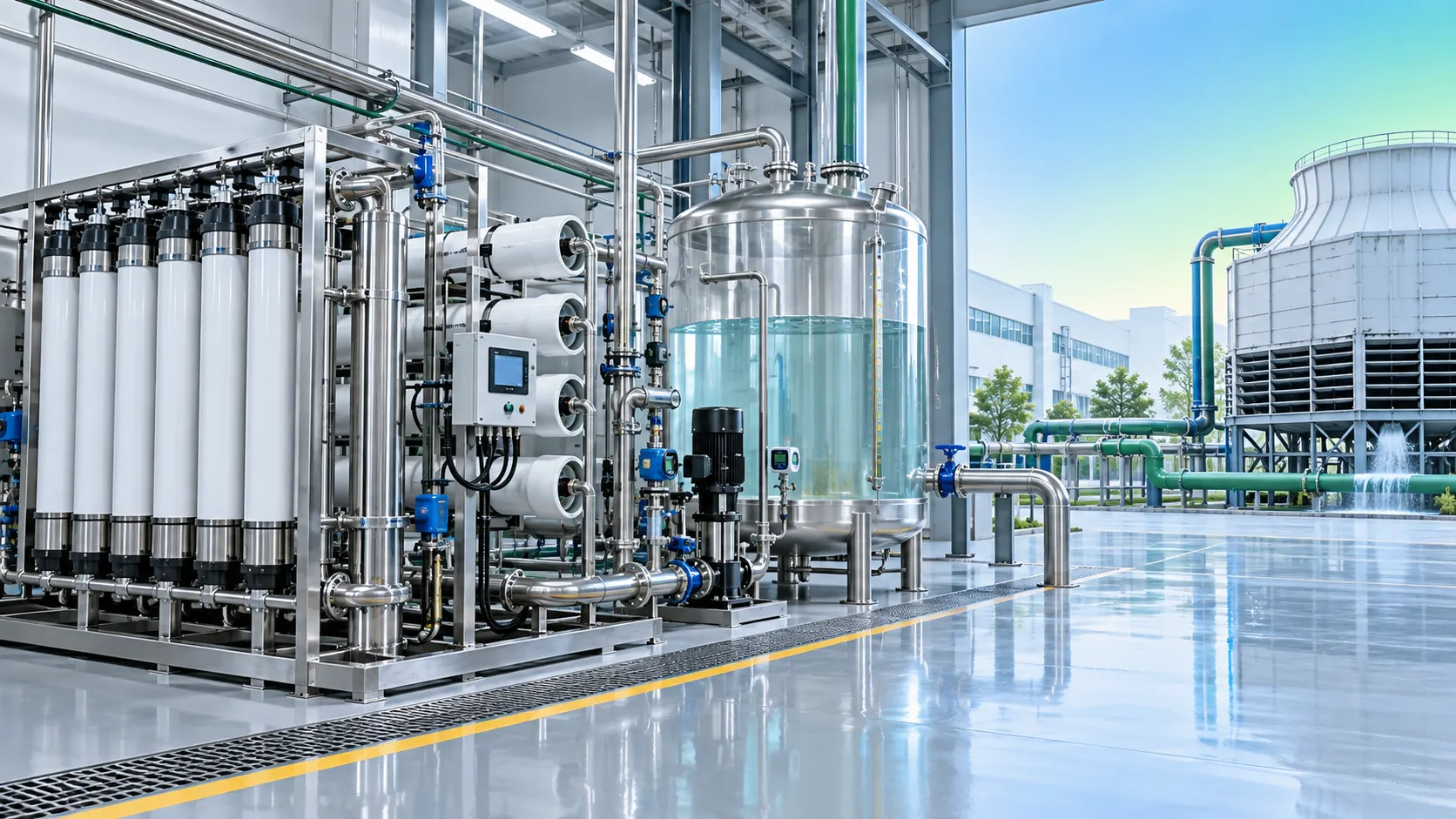
When do water reuse systems deliver a practical payback?
Water reuse systems deliver practical payback when they cut water, discharge, and downtime costs. Learn how to match treatment, recovery, and reuse quality for lasting ROI.
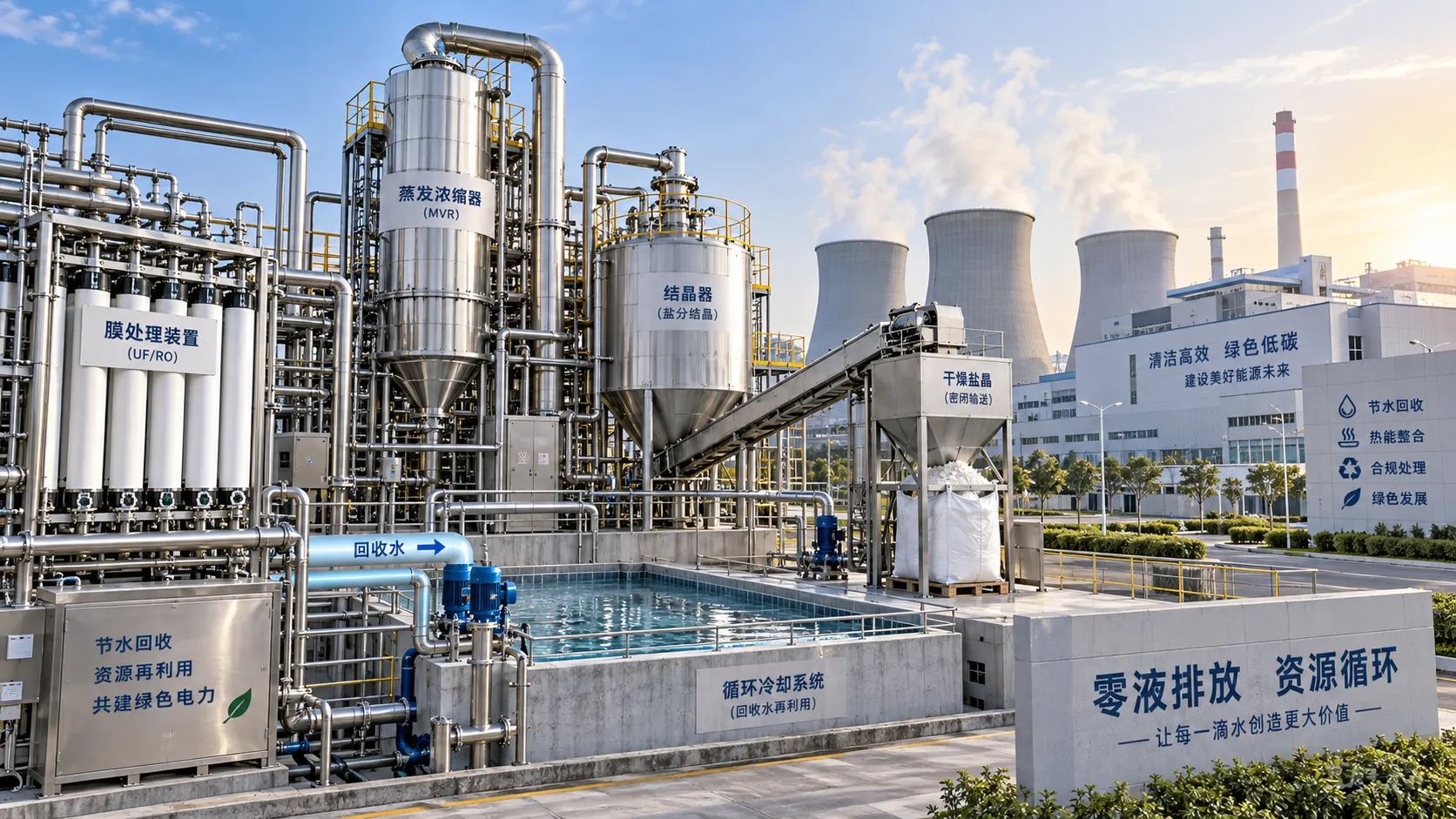
When do ZLD systems for power generation justify their energy use?
ZLD systems for power generation: learn when energy-intensive water recovery delivers stronger compliance, resilience, and long-term value.
Which decarbonization pathways are most viable in Southeast Asia?
Decarbonization Southeast Asia: discover practical pathways for clean power, efficiency, electrification, circular recovery, and resilient industrial growth.