
Industry News
Curation by industry experts
Hot Articles
Popular Tags
Which ISO standards apply to flue gas treatment systems?
Which ISO Standards Apply to Flue Gas Treatment Systems?
A flue gas treatment system is rarely evaluated on removal efficiency alone. A wet FGD scrubber may meet a sulphur dioxide guarantee in a controlled test, yet still create problems through unreliable pH instrumentation, poor absorber materials, inadequate slurry handling, unsafe maintenance access, or emissions data that cannot withstand regulatory scrutiny. The same is true for SCR, SNCR, baghouses, electrostatic precipitators, dry sorbent injection units, activated-carbon systems, and multi-pollutant treatment trains.
That is why the question “which ISO standards apply to flue gas treatment systems?” does not have a single standard-number answer. ISO standards apply at different layers: management systems, stack-emissions measurement, continuous monitoring quality assurance, machinery safety, fabrication quality, corrosion protection, energy management, and environmental reporting. The applicable set depends on the plant’s fuel, pollutant profile, jurisdiction, operating regime, and contract structure.
For technical evaluators, the useful approach is not to ask whether a supplier is “ISO compliant” in general. Ask which ISO standards govern the specific risk being controlled, who is responsible for applying them, and what evidence will be available at commissioning and during operation.
Start with a practical distinction: ISO certification is not an emissions permit
An ISO 14001 certificate does not prove that a plant meets stack-emission limits. ISO 9001 certification does not prove that an SCR reactor will achieve the required NOx conversion at low load. These standards demonstrate that an organization has established management processes; they do not replace local air permits, sector-specific emissions rules, contractual guarantees, or mandatory testing protocols.
In an EPC tender, this distinction matters. The governing emissions limit may come from national legislation, a permit, an industrial directive, or a client standard. ISO methods are then often used to define how emissions, flow, oxygen, moisture, dust, or analyzer performance are measured and verified. The legal limit and the measurement method must be read together. A very low numerical limit is of little use if sampling location, reference oxygen basis, dry/wet basis, averaging period, and uncertainty treatment are not clearly aligned.
This is particularly important where the treatment train serves waste-to-energy, cement, steel, refinery, chemical, coal-fired, biomass, or hazardous-waste applications. The pollutant mix may include particulate matter, SO2, NOx, HCl, HF, CO, VOCs, mercury, ammonia slip, dioxins and furans, or acid mist. Not every ISO method applies to every pollutant, and a system should never be specified by copying a generic “ISO standards” clause from an unrelated project.
Core ISO management standards used around flue gas treatment projects
The most widely encountered standards sit above the equipment itself. They are valuable because flue gas treatment is a cross-disciplinary package: process design, ducting, fans, pumps, reagent storage, electrical systems, controls, structural steel, wastewater, residue handling, and maintenance all meet in one operating unit.
These standards are useful procurement filters, but they should not become a shortcut for technical due diligence. A supplier can hold valid management-system certificates and still offer a design that is poorly suited to chloride-rich gas, variable sulphur load, low-temperature catalyst operation, or sticky particulate. Certification should be checked, then set aside while the engineering evidence is examined.
ISO standards for stack testing and emissions measurement
For flue gas treatment systems, measurement standards are often more consequential than general management certificates. They determine whether performance acceptance is technically defensible. Before choosing a test method, confirm the pollutant, concentration range, sampling conditions, reference basis, and whether the project requires periodic manual testing, continuous monitoring, or both.
Commonly referenced ISO standards include ISO 9096 for manual determination of particulate matter concentration at stationary-source emissions, and ISO 13284-1 for low-range dust measurements. These are especially relevant to baghouse and ESP evaluations, where leakage, bag failure, rapping behavior, gas distribution, and ash properties can affect outlet dust readings.
For gaseous pollutants, ISO 7935 addresses sulphur dioxide determination, while ISO 10849 covers nitrogen oxides. ISO 12039 is used for carbon monoxide, carbon dioxide, and oxygen determination by automated measurement systems. These methods may be part of a performance-test plan for FGD and DeNOx equipment, but the final selection still needs to match local regulatory practice and contract language.
The gas flow rate is not a minor detail. Mass emissions cannot be reliably calculated from concentration alone. ISO 16911 provides methods for determining flow rate and velocity in ducts and stacks. In a large industrial installation, poor velocity profiling or an unsuitable measurement plane can undermine an otherwise careful emissions campaign. Technical teams should assess the sampling platform, access, straight-run requirements, pressure conditions, temperature, and whether the planned location is representative under different operating loads.
For automated measuring systems, ISO 10396 addresses automated measurement of gas concentrations, while ISO 14181 deals with quality assurance of automated measuring systems. These standards matter when continuous emissions monitoring systems are integrated with a flue gas treatment package. A CEMS is not simply an analyzer mounted at the stack. It includes sample conditioning or in-situ measurement arrangements, calibration functions, data acquisition, maintenance procedures, and a defined approach to drift, zero checks, span checks, and availability.
Equipment safety, fabrication, and durability standards are often missed
The most expensive failures in flue gas treatment are frequently mechanical rather than chemical. A corroded absorber shell, failed expansion joint, unstable duct support, damaged baghouse hopper, unreliable slurry pump, or inaccessible catalyst layer can turn a compliant design into a persistent outage risk.
ISO 12100 is widely used as a framework for machinery risk assessment and risk reduction. It is relevant to equipment such as ash conveyors, rotary valves, reagent handling systems, screw feeders, dampers, and packaged skids. Where safety-related control functions are used, ISO 13849 may also be relevant to the design of safety-related parts of control systems. These standards should be considered alongside applicable electrical, pressure-equipment, explosive-atmosphere, and machine-safety requirements, many of which are governed by IEC, EN, national, or regional rules rather than ISO alone.
For steelwork exposed to outdoor industrial environments, ISO 12944 is a useful reference for corrosion protection by protective paint systems. It does not solve internal wet-corrosion selection in an FGD absorber or quencher; those areas require material selection based on actual chemistry, temperature, chloride level, abrasion, and upset conditions. That distinction is worth emphasizing. Exterior coating classification and internal corrosion resistance are different engineering questions.
Where welded steel structures, ductwork, hoppers, tanks, or supports form part of the package, ISO 3834 can be relevant to quality requirements for fusion welding of metallic materials. Evaluators should request more than a statement of compliance. Review welding procedures, welder qualifications where applicable, inspection scope, repair records, material certificates, and non-destructive examination requirements. In corrosive flue gas service, workmanship details around penetrations, stiffeners, weld seams, linings, and drainage points deserve unusually close attention.
How standards differ by treatment technology
A baghouse evaluation naturally places weight on dust measurement, compressed-air reliability, hopper design, filter media traceability, fire and explosion risks where combustible dust is present, and residual particulate verification. For an ESP, electrical performance, gas distribution, rapper operation, insulator protection, and inlet dust characteristics may deserve more attention than fabric-related controls.
A wet FGD system combines air-emissions compliance with a liquid and solids process. ISO 14001 is relevant to the management framework, but the real technical questions include reagent quality, oxidation control, gypsum or sludge handling, wastewater routing, materials of construction, mist eliminator wash performance, and the behavior of the absorber during load swings. If the plant pursues zero liquid discharge or extensive water reuse, the boundary of the assessment should extend beyond the scrubber outlet to purge-water treatment, salt handling, and secondary waste pathways.
SCR and SNCR packages bring a different set of concerns: reagent storage and handling, ammonia safety, catalyst performance window, pressure drop, temperature profile, catalyst poisoning, and ammonia slip measurement. The correct NOx testing method is necessary, but it does not answer whether the catalyst will remain active after prolonged exposure to the site’s fly ash, sulphur species, alkalis, or transient conditions. That evidence belongs in the design basis and catalyst guarantee documentation.
A disciplined way to build the standards register
For a serious technical evaluation, build a project-specific standards register instead of inserting a long list of ISO references into the specification. Each entry should identify the standard, its edition, the equipment or activity covered, whether it is mandatory or informative, the responsible party, the verification document, and the point at which compliance will be checked.
It is also sensible to separate four evidence streams: supplier management certificates; design and fabrication records; factory acceptance documentation; and site performance-test records. Mixing them creates avoidable disputes. A factory test cannot validate stack emissions. A stack test cannot demonstrate that welding documentation was controlled. A corporate ISO certificate cannot substitute for a site-specific hazard review.
The most reliable specifications state the operating conditions under which compliance must be demonstrated: fuel envelope, load range, inlet pollutant conditions, ambient constraints, reagent quality, outage assumptions, test duration, and reference conditions for reported emissions. Without this context, a standards clause may look complete while leaving the core acceptance question unresolved.
For organizations assessing the broader ecological control chain—from flue gas purification to wastewater recovery and residue management—the standards register should follow the pollutant rather than stop at the stack. This systems view is central to the work observed across large environmental infrastructure: pollution transferred from air to scrubber liquor, spent sorbent, fly ash, or concentrated brine still requires a controlled destination.
The best answer to the ISO question is therefore specific rather than encyclopedic. Use ISO 9001, ISO 14001, ISO 45001, and ISO 50001 to assess organizational controls where relevant; use the appropriate ISO measurement and automated-monitoring standards to make emissions results credible; and apply safety, welding, corrosion, and risk standards where the equipment design calls for them. Then verify every reference against the governing permit, current edition, and actual operating conditions. That is where a flue gas treatment specification becomes defensible rather than merely well formatted.
Recommended News

When corrosion resistant purification systems are needed for brine treatment
Corrosion resistant purification systems for brine treatment: assess chloride, heat, scaling, materials, and lifecycle reliability for demanding water projects.

How preventive maintenance reduces seawater desalination equipment downtime
Seawater desalination equipment maintenance reduces downtime through proactive monitoring, pretreatment protection, and planned repairs. Explore practical strategies for reliable RO performance.
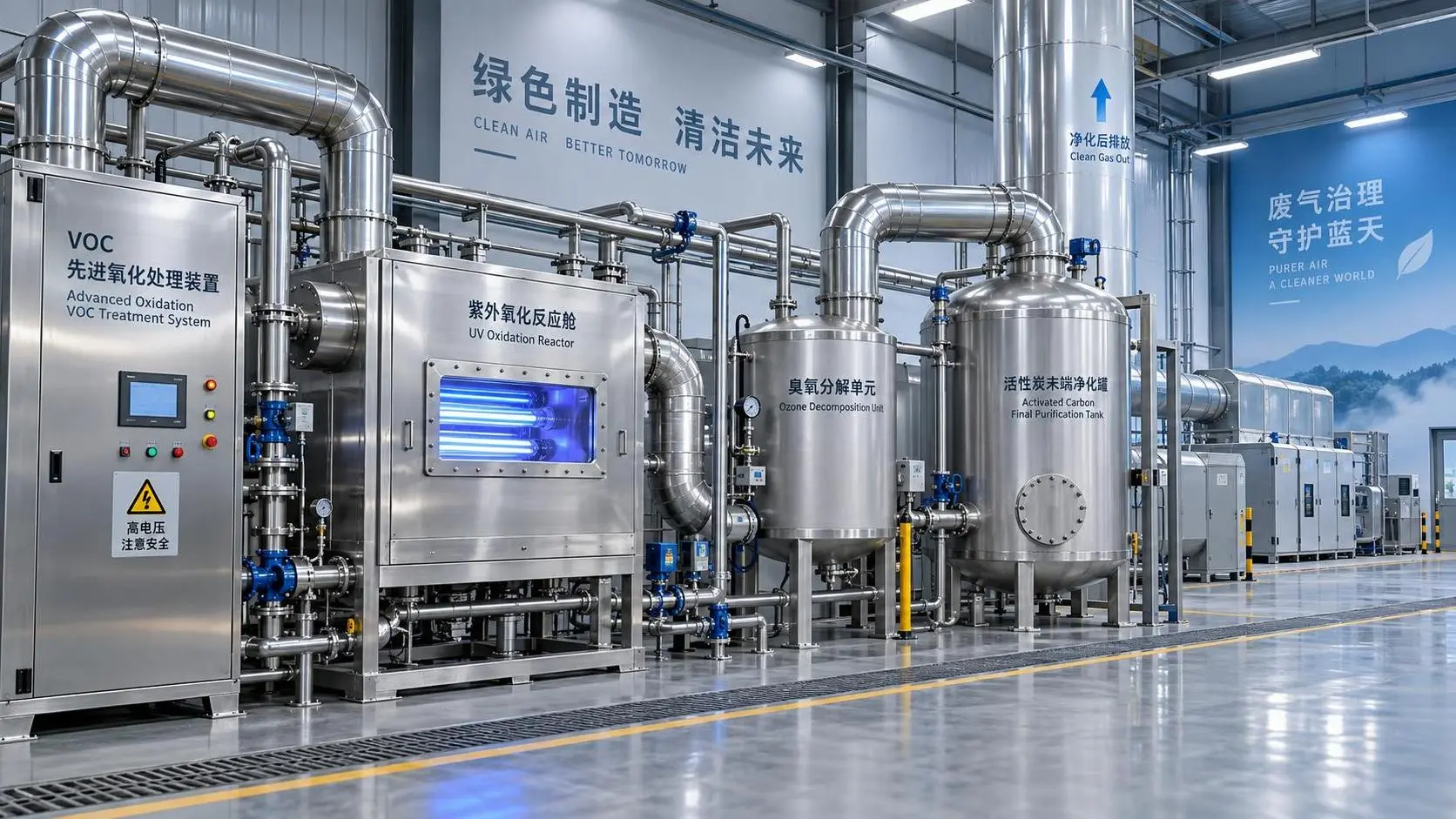
When are advanced oxidation processes the right choice for VOC control?
Advanced oxidation processes for VOC control: learn when AOPs outperform conventional options, manage by-products, and achieve reliable compliance.
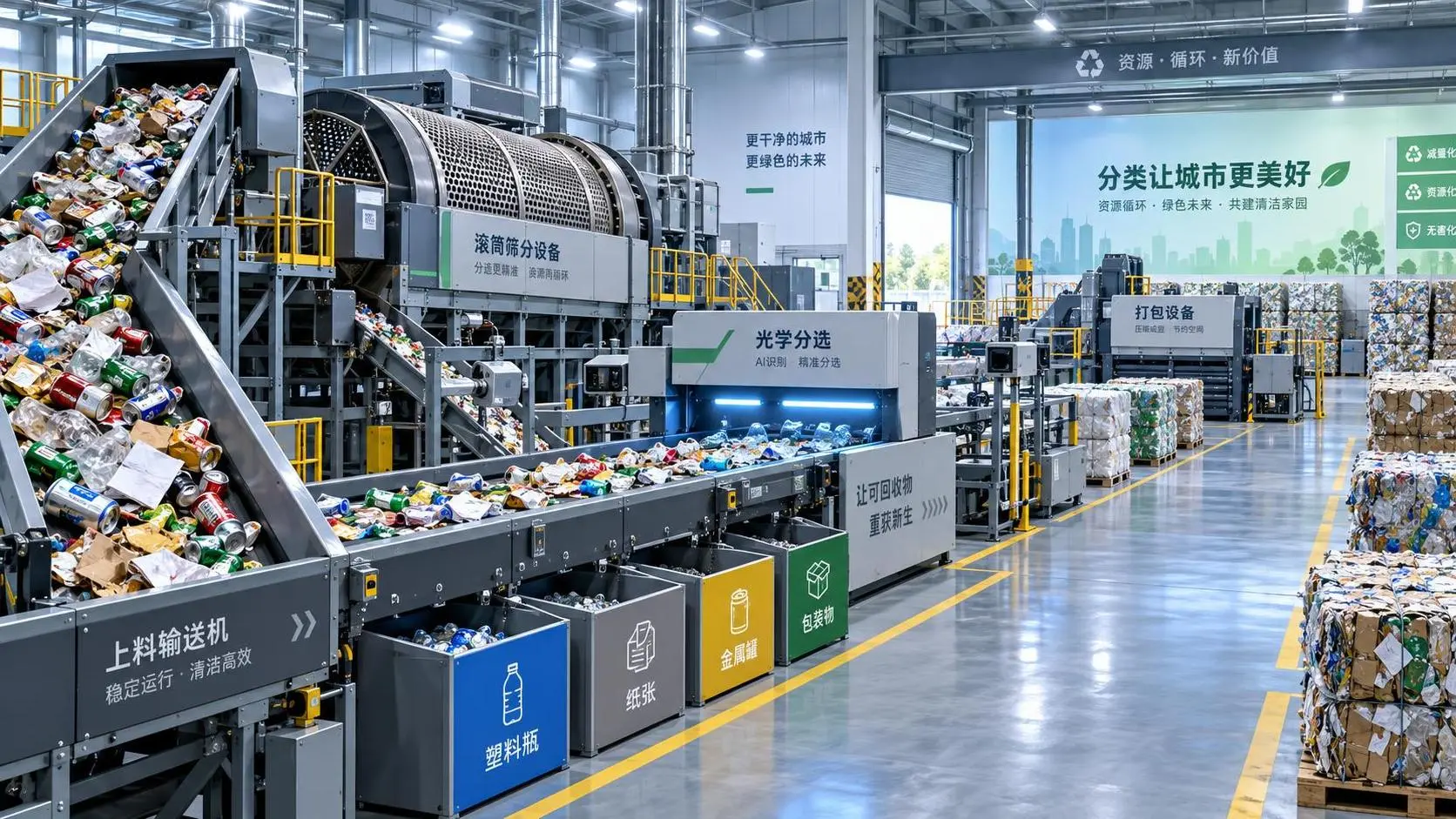
What throughput should municipal waste sorting equipment deliver?
Waste sorting equipment for municipal waste: learn how to set reliable throughput based on peak loads, material quality, uptime, and recovery targets.
What carbon neutrality means for corporate investment decisions
Carbon neutrality is transforming corporate investment decisions. Explore how lifecycle economics, efficiency, compliance, and resilience can drive measurable returns and lasting advantage.
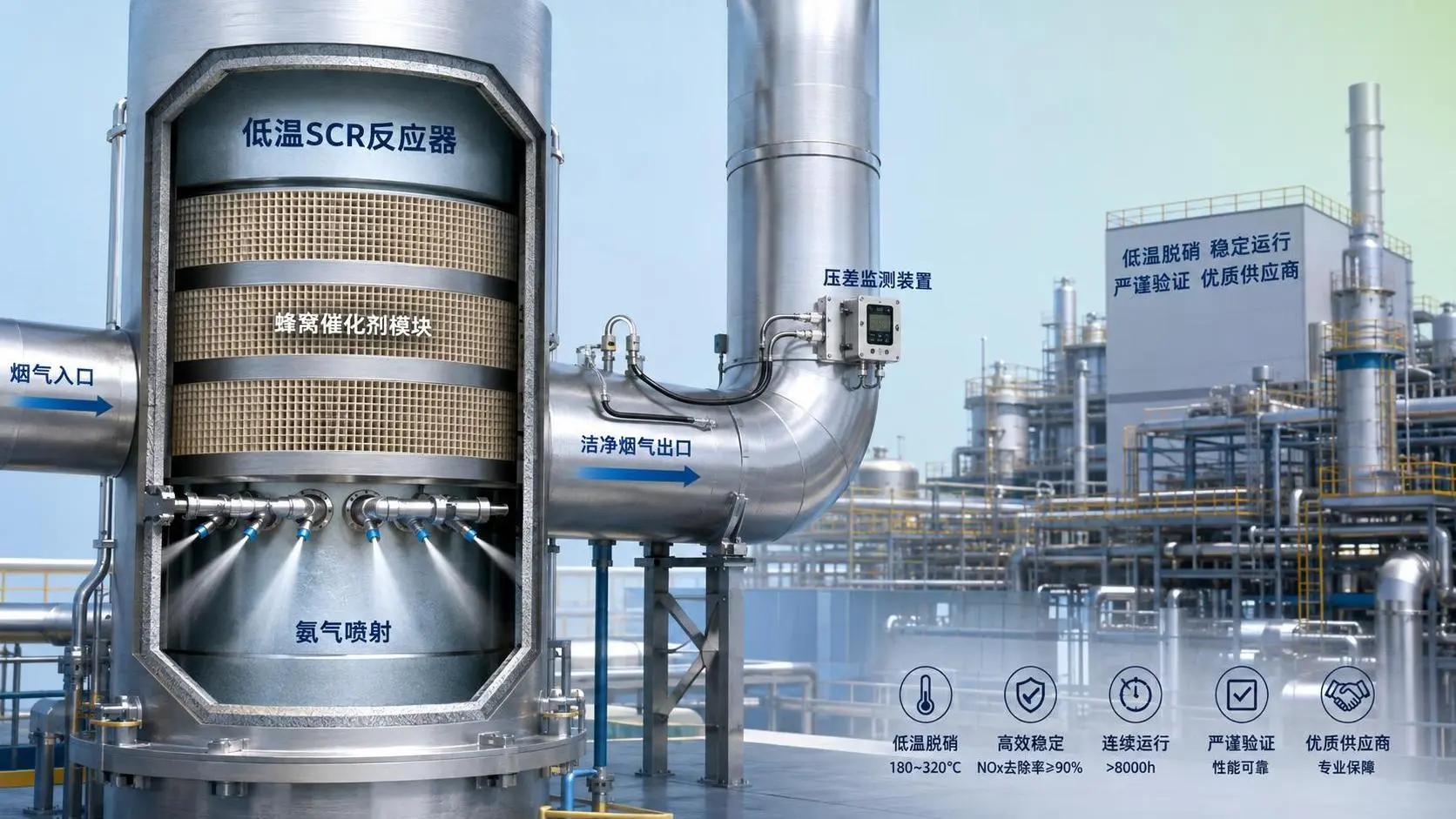
What to verify before choosing a low temperature SCR supplier
Low temperature SCR supplier checklist: verify catalyst temperature range, sulfur resistance, ammonia slip, pressure drop, lifecycle cost, and support before award.
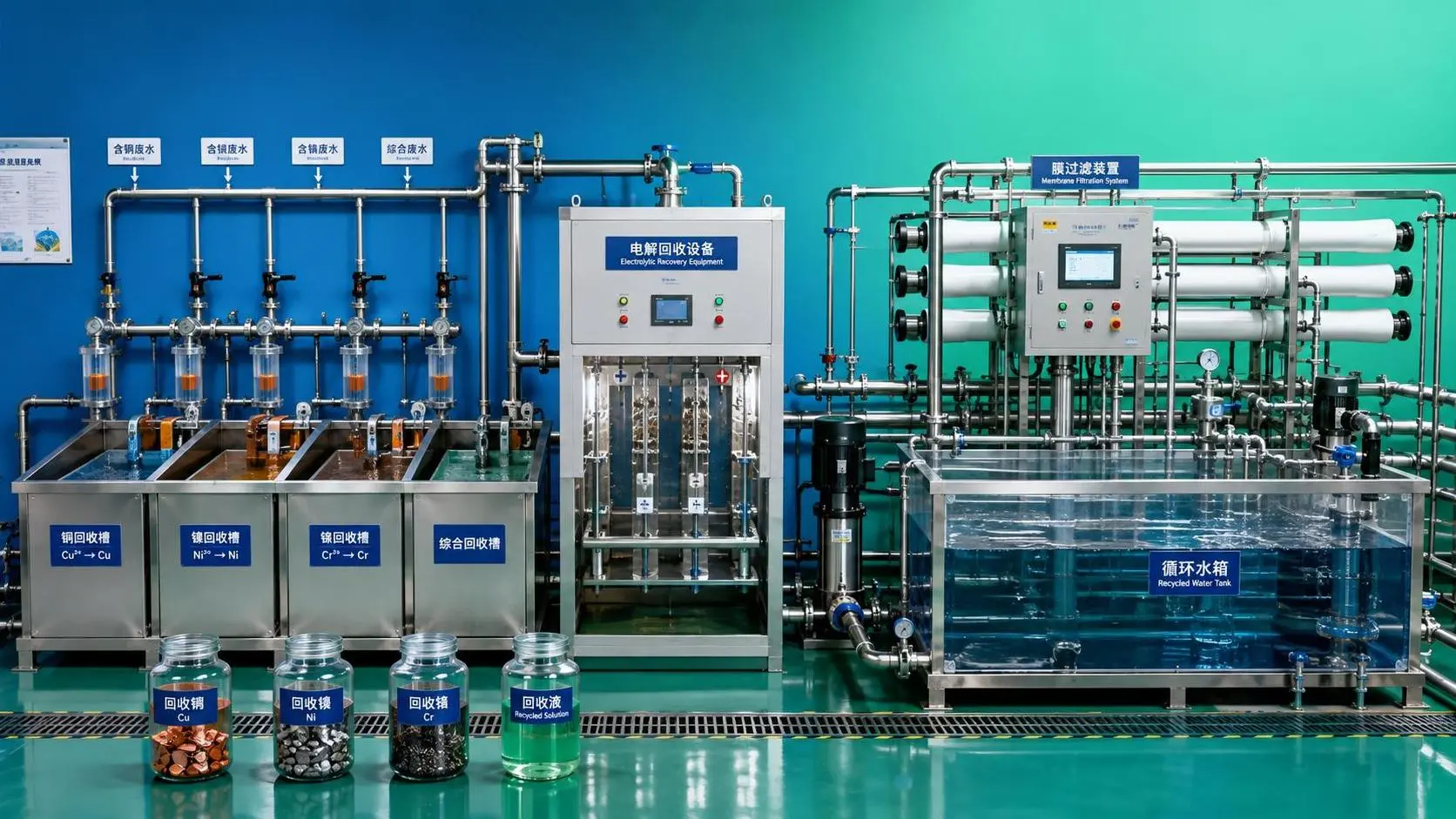
How closed-loop resource recovery for electroplating cuts metal waste
Closed-loop resource recovery for electroplating reduces metal waste, sludge, and water use through smarter stream segregation, recovery, and reuse strategies.
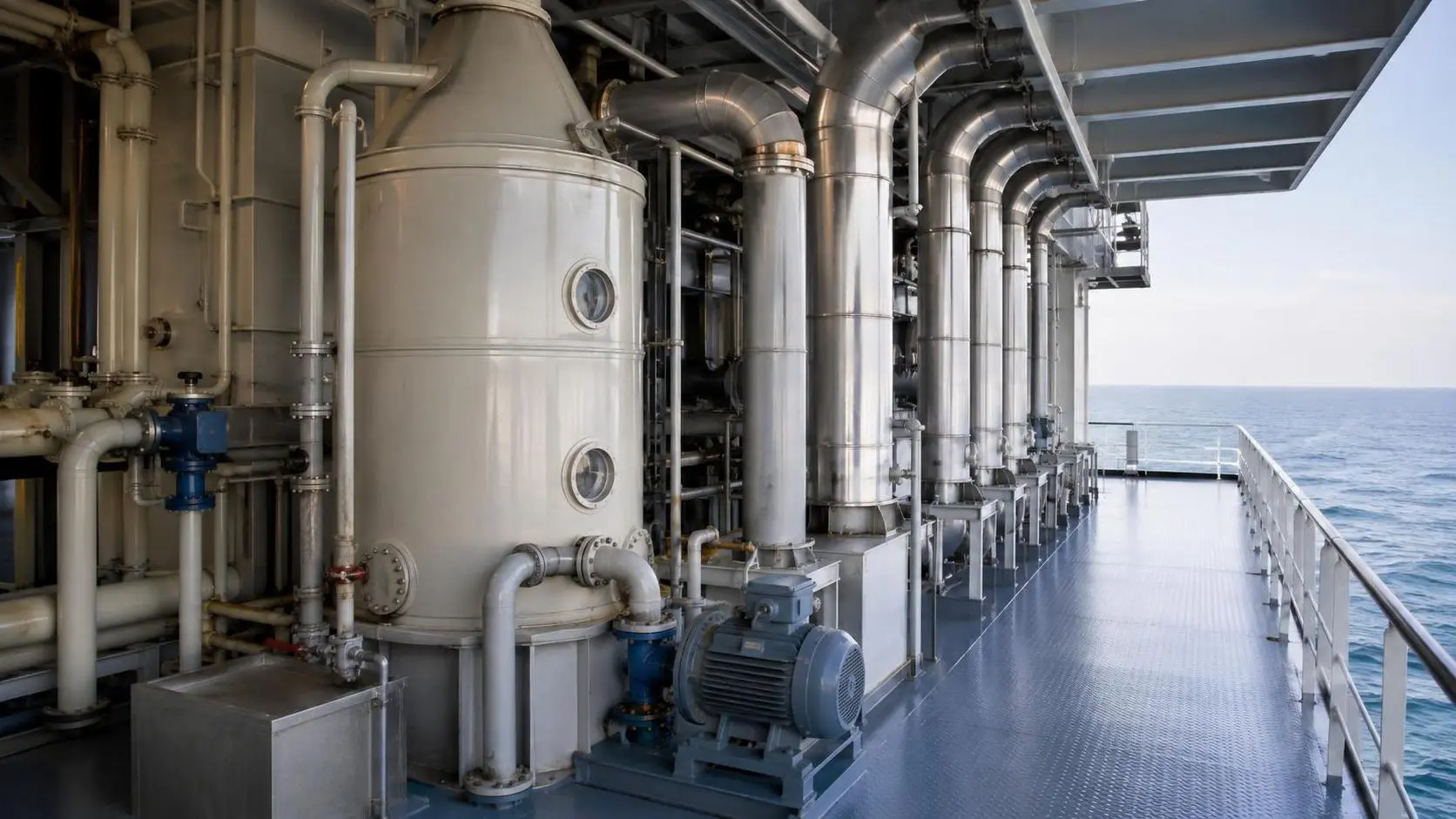
How to size flue gas cleaning systems for marine boilers
Flue gas cleaning systems for marine boilers: learn how to size for gas flow, sulfur load, backpressure, and compliance—improve reliability and reduce operating risk.
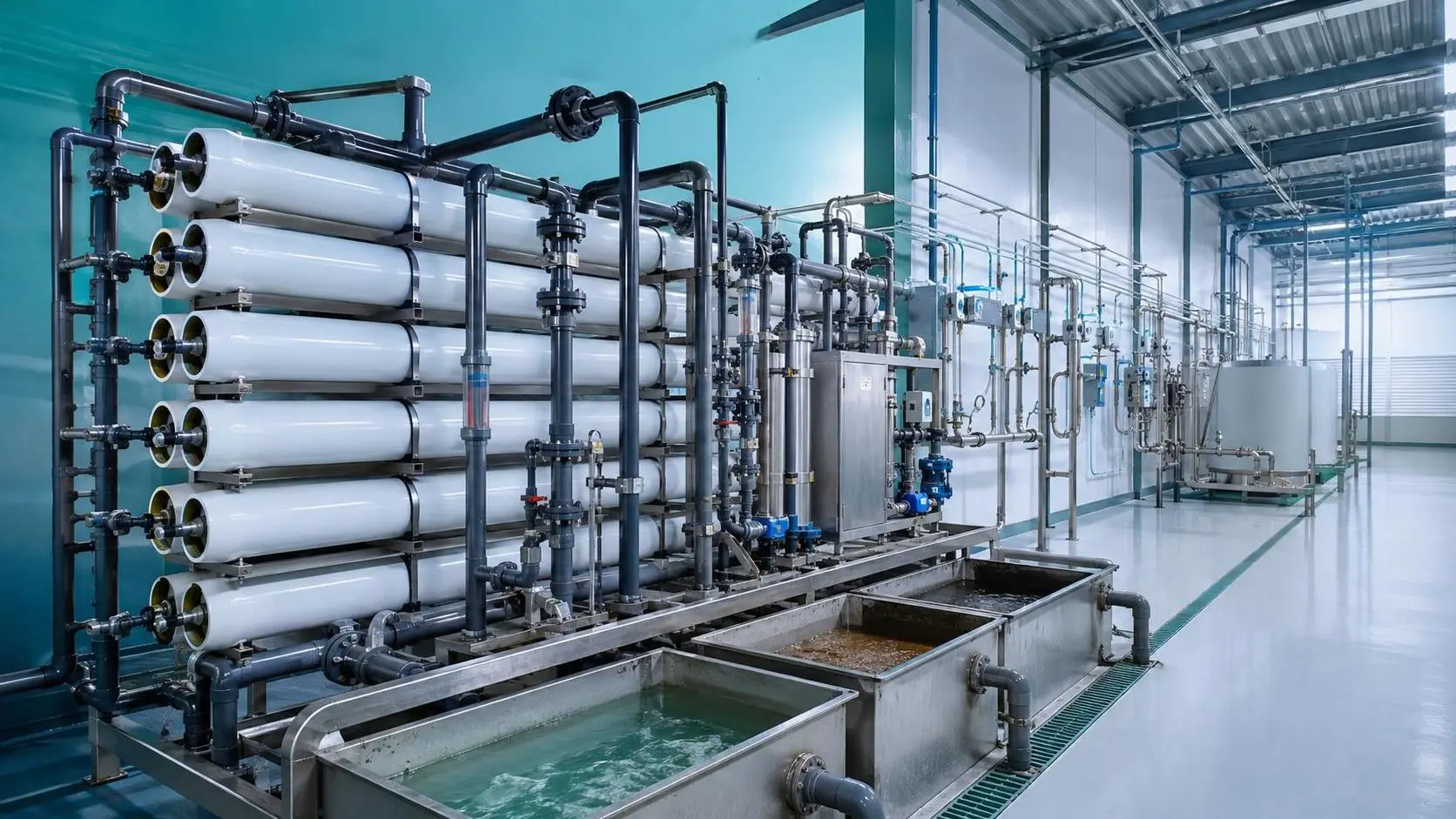
What compliance requirements apply to industrial wastewater recycling solutions?
Industrial wastewater recycling solutions compliance covers permits, reuse standards, discharge limits, monitoring, and residuals. Learn how to reduce approval risks and design a reliable, scalable system.