
Industry News
Curation by industry experts
Hot Articles
Popular Tags
When corrosion resistant purification systems are needed for brine treatment
When Corrosion-Resistant Purification Systems Are Needed for Brine Treatment
When brine streams combine high salinity, aggressive chlorides, elevated temperatures, and strict discharge limits, corrosion-resistant purification systems become a critical engineering requirement rather than an optional upgrade. For technical evaluators assessing desalination, industrial wastewater, and zero liquid discharge projects, material compatibility, process reliability, lifecycle cost, and compliance performance must be evaluated together.
The difficult part is that “brine” is not a single design condition. A reverse-osmosis concentrate from seawater desalination behaves differently from a spent regenerant in an ion-exchange plant, a chlor-alkali wastewater stream, or the mother liquor leaving a crystallizer. Two streams with similar total dissolved solids can create entirely different corrosion risks because pH, oxidation-reduction conditions, temperature, dissolved oxygen, scaling tendency, cleaning chemicals, velocity, and intermittent operation all change the corrosion mechanism.
A system may look acceptable during a short commissioning run and still fail prematurely after repeated concentration cycles, stagnant shutdowns, or chemical cleanings. That is why the question is not simply whether a plant treats saline water. The more useful question is: at which point in the process does the fluid chemistry exceed the safe operating envelope of ordinary construction materials?
Brine becomes an equipment integrity problem when concentration changes the chemistry
Chloride is often the first concern, particularly where stainless steels are under tensile stress, exposed to warm liquids, or subject to deposits. Chloride-containing brines can promote pitting, crevice corrosion, and chloride stress corrosion cracking. These failures are troublesome because they may begin in small, inaccessible locations: beneath gaskets, around fasteners, inside instrument connections, under scale deposits, or at weld heat-affected zones. A vessel can appear visually sound until a pinhole leak, contamination event, or sudden pressure loss reveals the problem.
Temperature usually narrows the margin further. Higher temperatures accelerate many electrochemical reactions and can reduce the practical resistance of materials that perform well in cooler service. Pressure also matters in membrane and thermal concentration systems, not because pressure itself always causes corrosion, but because it raises the consequence of a defect and imposes mechanical demands on housings, piping, seals, and joints.
Brine treatment becomes especially demanding when the process intentionally concentrates salts. In conventional desalination, the reject stream may be discharged, blended, reused, or sent for further treatment. In zero liquid discharge configurations, however, reverse osmosis, brine concentrators, evaporators, crystallizers, and solids-handling equipment progressively push dissolved constituents toward their solubility limits. What enters as a manageable concentrate can become a hot, scaling, chemically complex liquor that requires a different materials strategy downstream.
Conditions that should trigger a corrosion review
A detailed corrosion assessment is generally warranted when any of the following conditions apply:
- Chloride levels rise materially through membrane concentration, evaporation, recycling, or batch accumulation.
- Operating temperature is elevated, particularly in thermal desalination, brine concentration, evaporation, or hot cleaning cycles.
- The fluid contains oxidizing species, free chlorine, hypochlorite, ferric salts, dissolved oxygen, or variable redox chemistry.
- Low-flow zones, dead legs, intermittent service, deposits, or under-insulation wetting can create crevices and differential aeration cells.
- Acid and caustic cleaning regimes expose the same equipment to chemicals outside normal operating conditions.
- Failure could interrupt critical water supply, breach a discharge permit, damage downstream membranes, or release hazardous constituents.
- The stream contains mixed salts, metals, ammonia, sulfides, organics, or radionuclide-associated waste constituents that complicate simple chloride-based screening.
None of these factors automatically dictates one material. They do indicate that generic material selection based only on total dissolved solids, or only on a feedwater sample, is unlikely to be sufficient.
Where corrosion-resistant purification systems are most often justified
Seawater reverse osmosis is a familiar application, but even here the design boundary is not uniform. Intake water, pretreatment process water, high-pressure feed, concentrate piping, chemical dosing lines, membrane cleaning circuits, and outfall interfaces may each have different exposure profiles. Material choices need to account for seawater composition, residual disinfectants, biofouling control methods, flow velocity, and the consequences of marine atmospheric exposure outside the pipework.
Industrial brine treatment can be more variable. Mining and metals operations may produce high-sulfate or high-chloride waters containing dissolved metals. Power stations can generate cooling-tower blowdown and regeneration waste. Food, pharmaceutical, semiconductor, and chemical facilities may produce brines whose salinity is only one part of the materials challenge; organics, oxidants, solvents, temperature swings, and cleaning chemicals may be equally important. A brine stream from a process scrubber can also inherit contaminants from flue-gas treatment, making treatment chemistry and solids behavior central to the design.
The requirement becomes stronger at the back end of a ZLD train. High-recovery reverse osmosis may be followed by additional concentration and thermal treatment because discharge options are constrained. As recovery rises, precipitation, deposition, and localized concentration at heat-transfer surfaces become more likely. Materials must resist not only bulk liquid chemistry but also the concentrated micro-environments that form under scale, in evaporator calandrias, at recirculation bends, and around seals.
Nuclear waste management introduces another layer of discipline. Even where liquid volumes are limited, the requirement for containment, traceability, remote maintenance, and long-term reliability can make material decisions unusually consequential. Chemistry can change during conditioning and volume reduction, while access for repair may be restricted. In such environments, corrosion-resistant design is inseparable from safety analysis, waste acceptance criteria, decontamination strategy, and the chosen treatment route.
Material selection is a system decision, not a catalogue comparison
It is tempting to rank materials from “standard” to “premium” and select the highest grade a budget permits. That approach misses the interaction between chemistry, fabrication, mechanical loading, maintainability, and process design. A highly resistant alloy may still be compromised by inappropriate welding practice, an unsuitable gasket, stagnant geometry, contamination during fabrication, or a cleaning chemical that was never included in the original corrosion study.
Common options can include coated carbon steel, rubber-lined equipment, fiber-reinforced polymers, thermoplastics, duplex or super duplex stainless steels, high-alloy stainless steels, nickel alloys, titanium, and ceramic or glass-lined components. Each has a legitimate place. Non-metallic materials can be highly effective for selected chemical services, yet may face limits involving temperature, pressure, permeation, mechanical impact, ultraviolet exposure, fire requirements, or connection design. Metallic systems offer structural strength and broad operating capability but demand careful attention to chloride, welding, galvanic coupling, and crevice control.
For this reason, a technical evaluation should separate the major equipment zones rather than specifying one material for an entire facility. Consider the wetted path from feed equalization through pretreatment, membranes, concentrate management, thermal concentration, condensate polishing, and solids recovery. Then include ancillary items that frequently become weak points: sampling valves, drains, vents, instrument wetted parts, pump shafts, mechanical seals, bolting, expansion joints, and chemical dosing quills.
The process can reduce corrosion risk before materials are upgraded
Corrosion-resistant purification systems are not defined solely by alloy selection. Process choices can lower the severity of exposure. Removing suspended solids before high-pressure equipment may reduce deposit-related corrosion and abrasion. Controlling oxidant carryover can protect membrane elements and downstream metallurgy. Maintaining adequate velocity in recirculation loops can limit stagnant zones, although excessive velocity may introduce erosion-corrosion or wear. Better drainability and fewer dead legs reduce the risk of concentrated residues during shutdown.
Pretreatment chemistry also needs to be reviewed beyond its immediate water-quality purpose. Antiscalants, coagulants, acids, caustic solutions, biocides, and cleaning agents may interact with both equipment materials and residual contaminants in the brine. A chemical selected to improve membrane recovery could create an overlooked compatibility issue in storage tanks, dosing equipment, or the downstream evaporator. The same applies to neutralization: a nominally acceptable final pH does not eliminate localized corrosion risks created during mixing.
Designers should be cautious about relying on average values. Seasonal feed variation, regeneration batches, upset conditions, and concentration during low-flow periods can be more decisive than a typical analysis. It is often useful to establish both normal and credible upset envelopes, including maximum temperature, chloride concentration, cleaning chemistry, solids loading, and shutdown duration. The selected system should be defensible against the conditions it is reasonably expected to see, not merely the conditions it sees most often.
Lifecycle cost should include inspection, downtime, and replacement boundaries
The initial cost of corrosion-resistant construction can be substantial, particularly in large-diameter piping, pressure-rated vessels, evaporator components, and specialized pumps. Yet a lower-cost initial design can become expensive if it requires frequent coatings repair, unplanned replacement, repeated membrane contamination events, or production shutdowns. The economic comparison should therefore include inspection burden, accessibility, spare-parts strategy, outage implications, and the cost of environmental non-compliance—not simply equipment purchase price.
This does not mean every component needs the most resistant available material. Over-specification can create avoidable capital cost, longer lead times, more difficult fabrication, and unnecessary complexity. The practical goal is zoned protection: apply robust materials where chemistry and consequence justify them, while using suitable lower-cost materials where the exposure is demonstrably controlled. A clear corrosion allowance, when appropriate, may be part of that strategy, but it should not substitute for compatibility where localized attack is the dominant failure mode.
Fabrication quality deserves equal attention. Material certificates, weld procedures, post-fabrication cleaning, passivation where applicable, lining inspection, hydrotest water quality, and segregation of dissimilar materials can all influence service life. In chloride service, a well-chosen material installed poorly is not a resilient solution.
A disciplined evaluation starts with the right operating envelope
Before selecting equipment, technical teams should assemble a chemistry and operating dossier that is specific enough for meaningful materials review. It should identify major ions and contaminants, pH range, conductivity or dissolved-solids indicators, temperature profile, pressure, dissolved oxygen where relevant, oxidants and reductants, solids behavior, cleaning chemicals, flow velocity, expected cycling, and startup or shutdown practices. If the brine will be concentrated in stages, each stage needs its own projected chemistry rather than a single feedwater description.
The proposed discharge, reuse, recovery, or crystallization endpoint should be defined early. A system intended for controlled discharge may have a different corrosion profile from one built to recover water at high yield and produce dry salts. Regulatory expectations vary by jurisdiction and discharge route, so compliance requirements should be confirmed against the applicable permit conditions and local standards rather than assumed from a comparable project elsewhere.
This integrated perspective is central to the work observed by The Global Eco-Shield Dynamics. Across large water treatment plants, seawater desalination, resource recovery, flue-gas treatment, and nuclear waste management, the recurring engineering lesson is that extreme purification parameters cannot be separated from the wider loop of materials, energy, maintenance, and environmental control. A membrane, scrubber, or crystallizer is never just an isolated unit operation when corrosion can determine whether the entire treatment train remains available.
For evaluators, the most productive next step is usually not to ask for a generic “corrosion-proof” system. Ask suppliers and engineering teams to demonstrate the compatibility logic for each wetted zone, including credible upset conditions, cleaning regimes, joints and seals, inspection access, and the assumptions behind the design life. When that logic is documented, corrosion-resistant purification systems become a targeted reliability measure rather than an expensive reaction to a failure that could have been anticipated.
Recommended News
How to size ingredient mixing equipment for viscous formulations
Size mixing ingredient processing equipment for viscous formulations with expert guidance on rheology, torque, and heat removal. Learn how to select a system that delivers reliable batch performance.
How moisture affects material separation in solid waste recovery
Improve solid waste recovery material separation by understanding moisture effects on screening and sorting. Discover practical ways to boost recovery, purity, and throughput.
How to set recovery rates in seawater reverse osmosis system design
Explore seawater desalination systems engineering: learn to set SWRO recovery rates that balance energy, scaling risks, and water quality for reliable, cost-effective operation.
When is compaction suitable for solid nuclear waste treatment?
Is compaction right for solid nuclear waste treatment? Discover suitable waste streams, key safety checks, and disposal requirements to reduce package volume and optimize costs.
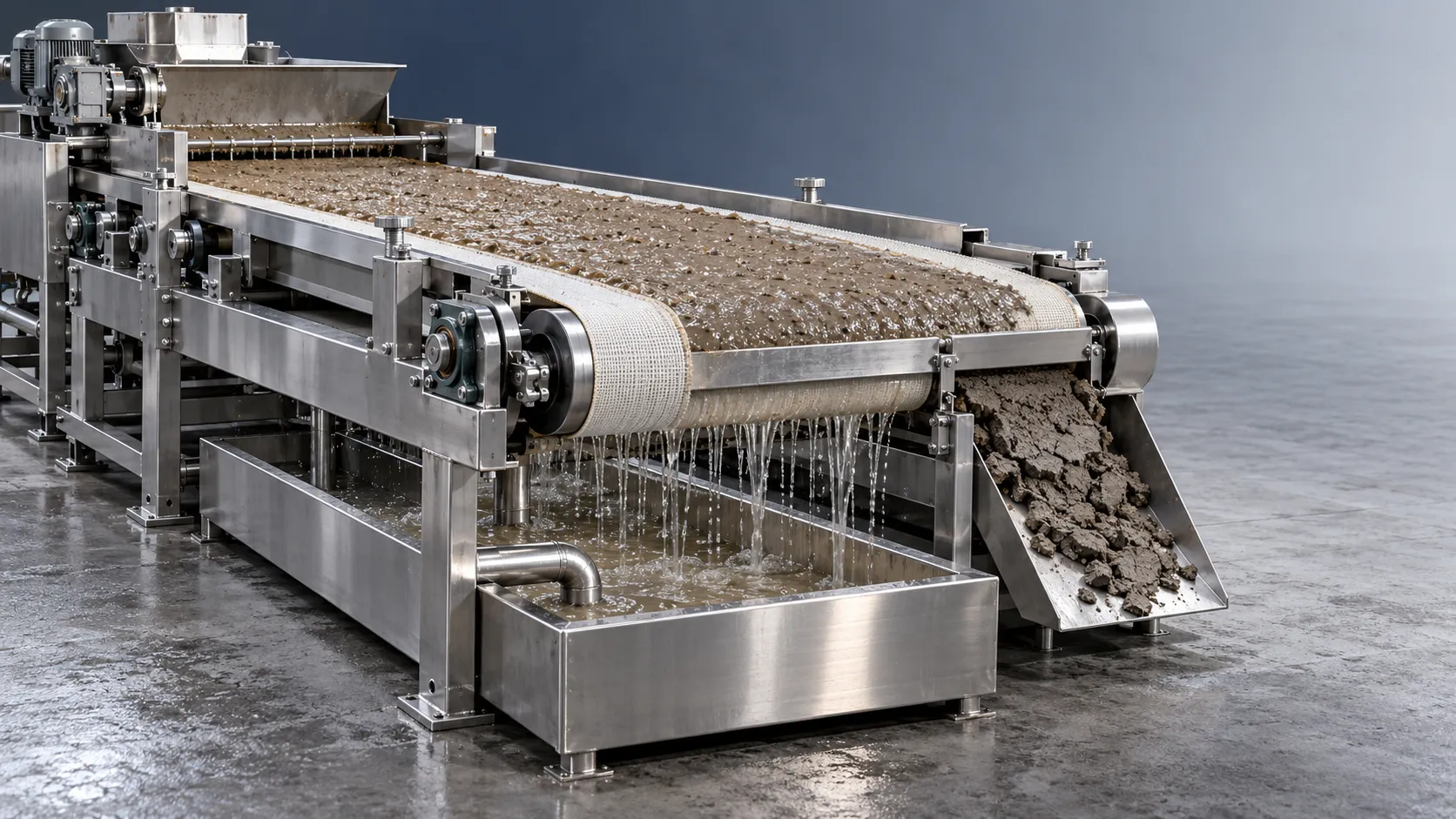
How solids concentration affects dewatering in waste recovery systems
Optimize waste recovery systems dewatering with insights on solids concentration. Learn to balance throughput, cake dryness, and solids capture while avoiding costly equipment overloads.
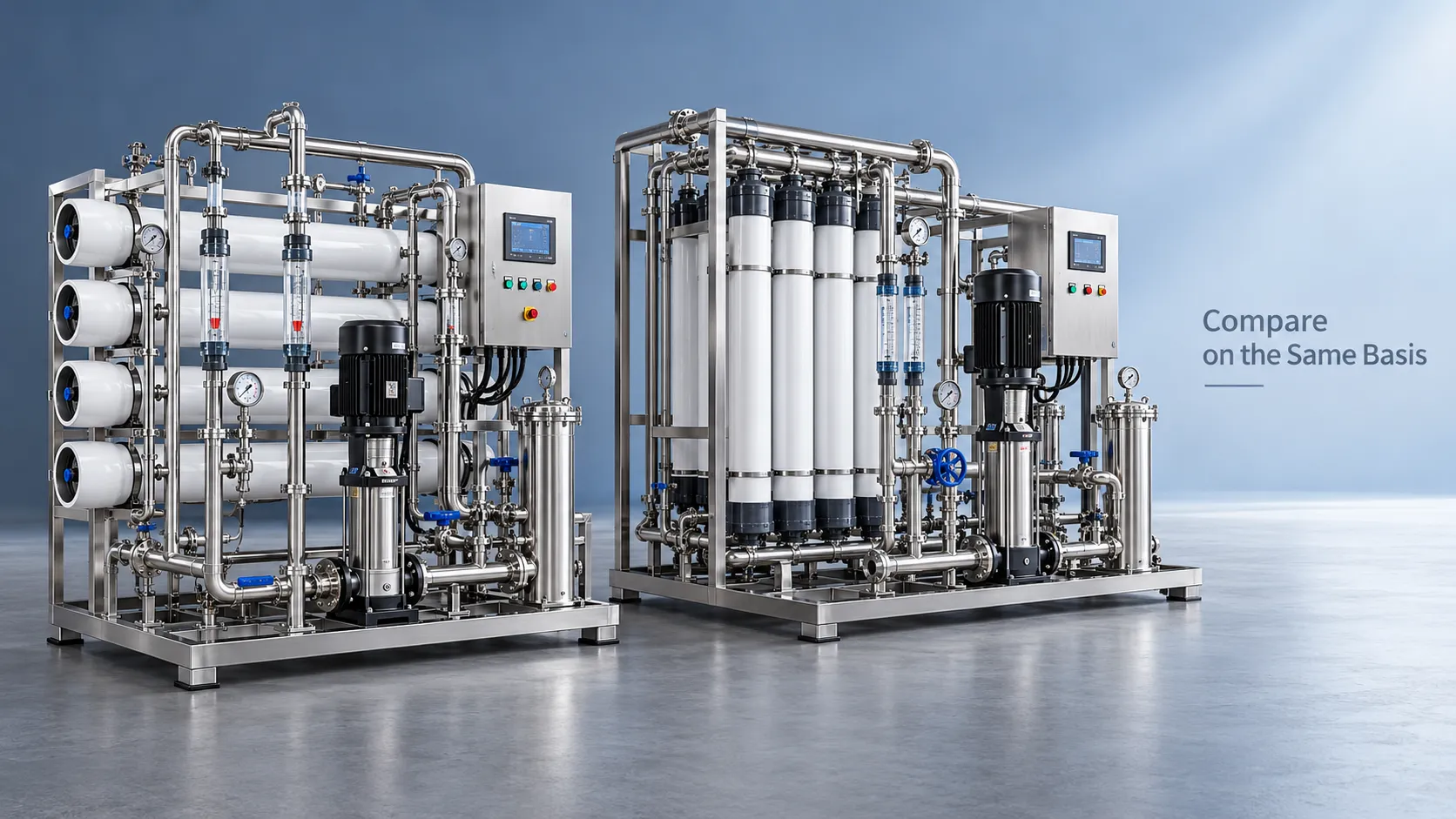
How to compare technical specs in an environmental equipment directory
Use this environmental equipment directory technical guide to compare capacity, energy use, compliance, and supplier evidence. Build a defensible shortlist and choose with confidence.
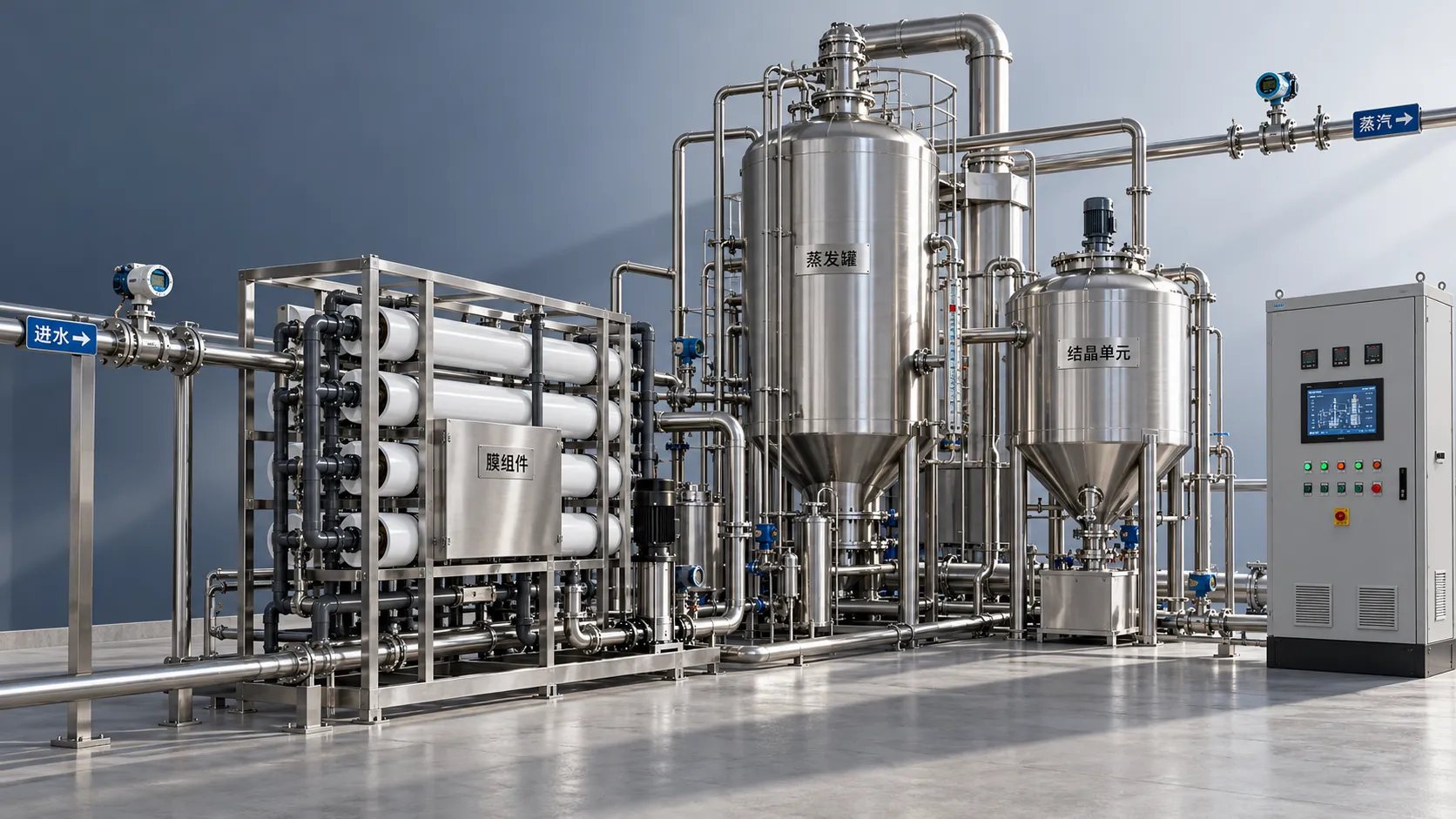
How to assess a zero liquid discharge equipment supplier’s energy claims
Assess a zero liquid discharge equipment supplier’s energy claims. Learn how to verify system boundaries, compare real costs, and demand testable guarantees before you buy.
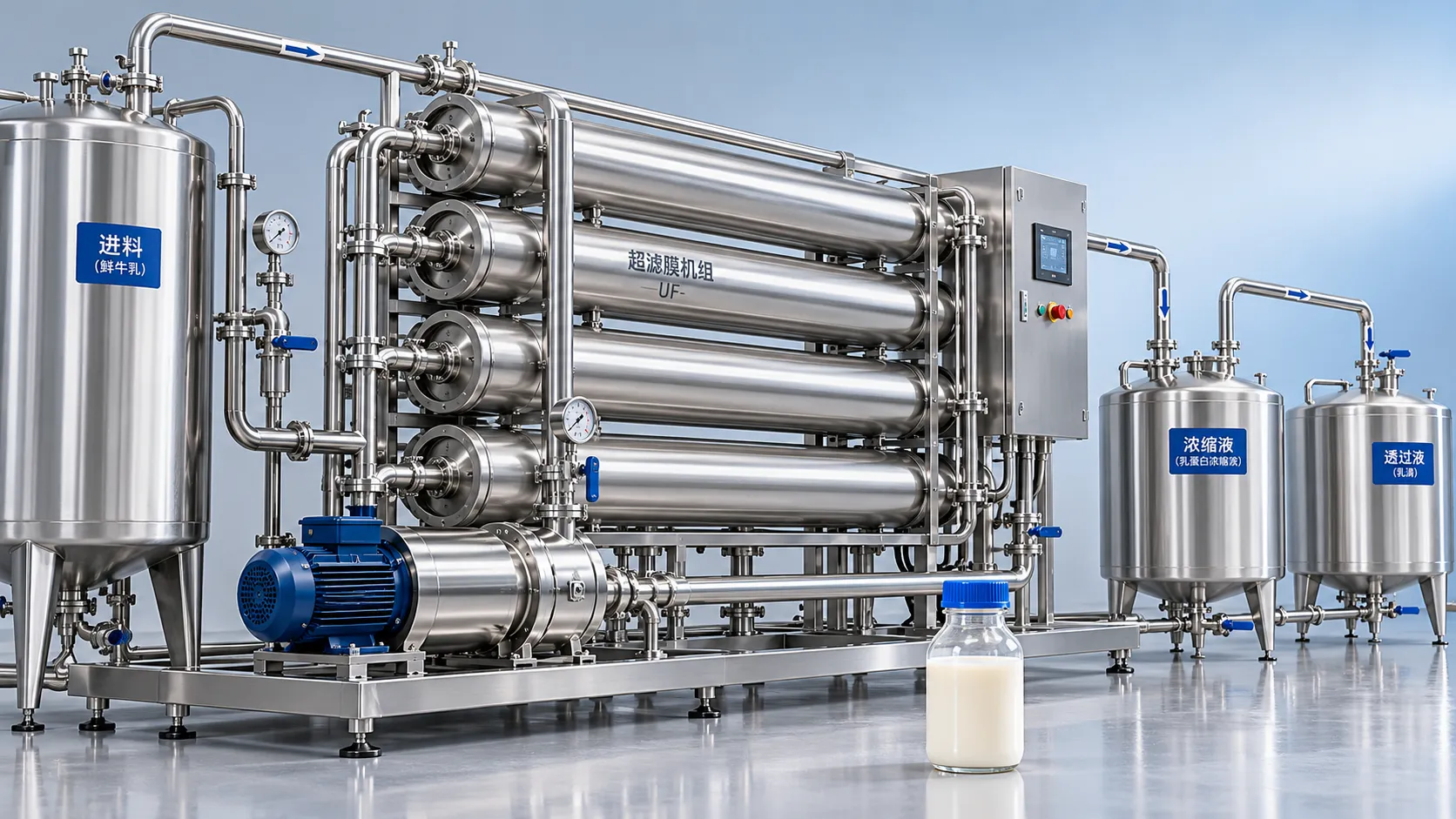
Which membrane filtration process suits dairy protein concentration?
Explore membrane filtration for dairy: compare UF, MF, and RO to select the right process for protein concentration, lactose reduction, and better recovery. Find your best fit.
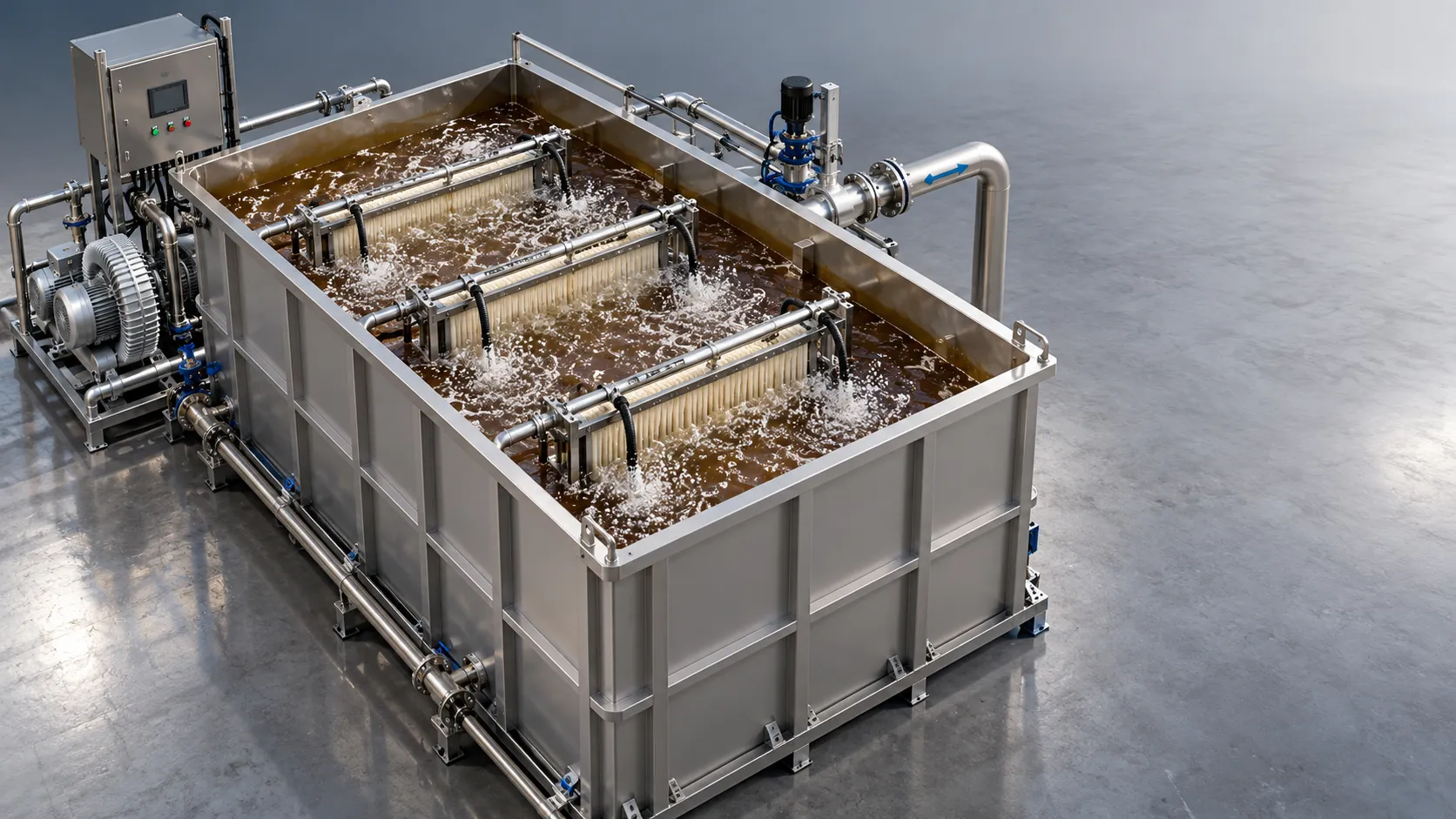
When is an MBR suitable for wastewater purification for bioprocessing?
For wastewater purification for bioprocessing, discover when an MBR fits your needs. Compare water quality, fouling risks, and lifecycle costs before investing.