
Industry News
Curation by industry experts
Hot Articles
Popular Tags
RO vs MED desalination: which is more energy-efficient at scale?
At large seawater-desalination capacity, reverse osmosis (RO) is usually the lower-energy choice when electricity is the main purchased utility and the intake water is suitable for stable membrane operation. Multi-effect distillation (MED) becomes energetically competitive when a site has dependable low-grade steam, turbine extraction steam, or waste heat whose alternative value is limited. The comparison changes again when thermal energy and electricity are converted to the same primary-energy and carbon basis rather than reported as separate utility figures.
A plant selection cannot be settled by comparing an RO electrical figure with an MED thermal figure. RO consumes mostly electricity to overcome osmotic pressure and hydraulic losses. MED consumes low-temperature heat to evaporate water across multiple effects, plus electricity for pumps, vacuum equipment, intake, discharge, and auxiliaries. A project that counts MED steam as “free” while charging RO for every kilowatt-hour will create a misleading result. Conversely, treating all steam as if it required new boiler fuel can unfairly exclude a thermal option integrated with an existing power or process facility.
Where the energy advantage starts
Seawater RO separates water by applying pressure above the feed’s osmotic pressure. Modern energy-recovery devices transfer hydraulic energy from the high-pressure concentrate stream to incoming feedwater. At a large, well-designed plant, this recovery step determines whether the process remains near its practical energy floor or carries an avoidable electrical penalty. High-pressure pumping is only part of the picture: intake lift, pretreatment, cartridge filtration, interstage boosting, permeate transfer, and brine outfall pumping all belong in the plant energy balance.
MED uses a sequence of evaporators operating at progressively lower pressures and temperatures. Steam or hot vapor supplies heat to the first effect; vapor formed there becomes the heat source for the next effect. Reusing latent heat across several effects sharply reduces the thermal demand compared with single-stage evaporation, but it does not eliminate it. The achievable number of effects is constrained by the available temperature span, heat-transfer surface area, scaling tendency, and the temperature approach required to maintain useful heat flow.
For a stand-alone desalination facility supplied by a normal grid or dedicated electrical generation, RO commonly wins because converting fuel into electricity and then using that electricity in high-efficiency pumps is generally more favorable than generating steam solely for evaporation. This is especially true when energy-recovery equipment is properly matched to the pressure exchanger duty and maintained so that internal leakage, fouling, and pressure losses do not erode its benefit.
MED has a different energy logic. If a refinery, petrochemical complex, power station, or other industrial site continuously rejects usable low-pressure steam or heat, the marginal energy assigned to MED may be modest. The critical question is whether diverting that heat displaces electricity generation, process heating, or another valuable thermal duty. “Available heat” is not automatically surplus heat. Its temperature, seasonal availability, pressure level, condensate return value, and operating continuity need to be defined before it is credited to the desalination process.
Use one energy boundary for both processes
The most reliable comparison starts with a common boundary: seawater intake through product-water delivery and concentrate discharge. Both technologies should include their actual upstream and downstream loads. Excluding open-ocean intake pumping from one option while including it in the other can reverse a close comparison, particularly at sites with deep intake structures, long tunnels, or substantial elevation change.
Thermal energy should be converted using a project-specific method that reflects its source. Steam extracted from a turbine has an opportunity cost related to foregone power. Steam from a fired boiler has a fuel and emissions burden. Waste heat from an unavoidable cooling duty has a different marginal treatment, although the equipment needed to capture, transport, and control it still consumes capital and auxiliary energy. The same conversion basis should also be applied to annual carbon calculations; otherwise a low electrical number can be compared with an unpriced thermal load.
Annual averages are more useful than design-point figures. Intake water temperature and salinity vary. Grid carbon intensity can change by hour. A co-located process plant may not supply steam at the same rate through maintenance periods or production transitions. A defensible model therefore considers at least the expected operating envelope, not only a single nominal feed condition.
Feedwater conditions can narrow or widen the gap
RO energy rises as osmotic pressure rises. Warm, highly saline seawater demands greater feed pressure than cooler or less saline water, although warmer water also increases membrane permeability. The net result is not captured by temperature alone. Recovery ratio, membrane permeability, feed-channel pressure drop, and concentrate salinity must be modeled together. Increasing recovery may appear attractive because it reduces intake per unit of product water, yet it also concentrates sparingly soluble salts, increases osmotic pressure near the tail of the pressure vessel, and raises scaling risk.
MED is less exposed to osmotic pressure, but it is not indifferent to feed chemistry. Concentration in the brine circuit increases boiling-point elevation, reducing the temperature difference available across each effect. Calcium carbonate, calcium sulfate, silica, magnesium compounds, and corrosion products can limit the permitted top-brine temperature or require more conservative antiscalant and cleaning practices. A low-temperature MED design limits scale formation but may need additional heat-transfer area or a different effect configuration to produce the same output.
RO pretreatment is often misunderstood as a minor ancillary system. It materially affects energy through membrane fouling, differential pressure, cleaning intervals, and membrane replacement timing. Open-ocean intakes, beach wells, subsurface galleries, and surface waters with seasonal biological loading do not present the same pretreatment duty. Coagulation, dissolved-air flotation, media filtration, ultrafiltration, and chemical conditioning each have different electrical loads, chemical dependencies, footprint implications, and resilience to rapid raw-water changes.
MED also requires feed conditioning, but its operational concern shifts toward evaporator cleanliness, deaeration, corrosion control, and stable vacuum performance. A thermal plant with deteriorated heat-transfer surfaces may continue producing water while quietly consuming more steam. That loss can be missed when only electrical meters are reviewed.
Scale does not automatically favor one technology
Large capacity benefits both processes, yet through different mechanisms. RO benefits from standardized membrane trains, high-efficiency large pumps, optimized energy-recovery devices, shared pretreatment, and fewer redundant systems per unit of output. The hydraulic design must still prevent excessive header losses and uneven train loading. Oversized manifolds, poor valve control, or a mismatch between pump curves and the operating envelope can consume much of the expected scale advantage.
MED benefits from shared steam distribution, large heat-exchange surfaces, common vacuum systems, and integration with a thermal host. However, more effects do not always produce a better total result. Additional effects reduce heat demand only while sufficient temperature difference remains across the train. As temperature approaches become tight, the design may require disproportionate heat-transfer area, stronger vacuum control, and greater sensitivity to non-condensable gases. The thermal efficiency improves on paper while mechanical complexity and cleaning exposure grow.
Train availability changes the annual energy result. RO facilities can isolate membrane trains for cleaning or membrane replacement while the remaining trains continue operating, subject to common pretreatment constraints. MED trains may be less flexible when they share steam headers, condensate systems, or vacuum equipment. A comparison should model the energy and water shortfall during planned cleaning, membrane chemical cleaning, evaporator descaling, and utility interruptions rather than assuming continuous design output.
The role of electrical flexibility
RO has a strong operational advantage where electricity supply has variable cost or carbon intensity. With adequate storage, network interconnection, or flexible production obligations, RO output can be shifted toward periods with lower-cost or lower-carbon electricity. Variable-speed high-pressure pumps and train sequencing support this behavior, though abrupt ramping is limited by pretreatment hydraulics, membrane flux control, and product-water quality stabilization.
MED is better aligned with a steady thermal source. Frequent steam swings can disturb effect pressures, condensate flows, and vacuum balance. A plant connected to a continuously operated cogeneration unit can be a good match; a plant relying on irregular excess heat may require thermal storage, backup steam, or a larger RO component to protect water production. The energy claim for MED should include any backup utility required to meet firm output.
Carbon accounting therefore needs to distinguish between average and marginal electricity. An RO plant powered by a grid with a low-carbon marginal supply during selected operating hours can have a different emissions profile from one running continuously on fossil-intensive power. An MED plant using steam that would otherwise produce electricity must account for the replacement electricity or lost export associated with extraction. These effects are site-specific, but omitting them makes a carbon comparison largely decorative.
When a hybrid configuration changes the answer
A hybrid RO-MED arrangement can be rational where seawater conditions are harsh, water-demand reliability is high, and a thermal source exists but cannot economically carry the full desalination load. RO can provide the bulk of lower-energy production, while MED uses a defined thermal allocation and adds output during periods when the heat source is available. The two technologies may share intake, outfall, chemical storage, laboratories, product-water storage, and some pretreatment infrastructure, but shared systems require careful hydraulic and quality segregation.
Blending product water is not merely a piping decision. RO permeate has very low dissolved solids and often requires remineralization. MED distillate is also low in minerals but can carry volatile contaminants if upstream deaeration or condenser arrangements are inadequate. Product-water stabilization, boron management where relevant, disinfection residual, and distribution compatibility must be designed around the final blend rather than treated as separate plant issues.
Hybridization should not be selected only because it appears to diversify technology risk. It introduces interfaces: steam allocation, feed split control, brine hydraulics, product blending, common-mode intake upset response, and different maintenance windows. The energy case improves only when those interfaces are engineered around an actual operating strategy.
Parameters that frequently distort the decision
- Specific energy consumption reported without its boundary. A process-island value can omit intake, pretreatment, remineralization, and outfall loads that are substantial at coastal sites.
- Steam treated as zero-cost energy. Its fuel, opportunity cost, pressure level, and availability must be represented even when the thermal host already exists.
- Design salinity used as the only seawater condition. Seasonal temperature, algae events, turbidity, and salinity excursions influence both energy and cleaning requirements.
- Nominal recovery accepted without brine-discharge context. A higher RO recovery reduces intake flow but can increase concentrate salinity, diffuser requirements, and scaling exposure.
- Ignoring deterioration. RO differential pressure and membrane permeability drift over time; MED heat-transfer resistance and vacuum leakage can produce a gradual, persistent thermal penalty.
For most utility-scale seawater projects without a committed low-grade heat source, RO is the energy-efficient baseline. Its advantage is strongest when high-efficiency pressure exchange, appropriate pretreatment, low-loss hydraulics, and disciplined membrane cleaning keep the plant near its intended operating condition. MED deserves serious consideration where heat integration is real, continuous, and evaluated against its alternative use. The final answer should emerge from a common annual energy-and-carbon model, supported by realistic feedwater, utility, maintenance, and availability assumptions rather than a single headline consumption figure.
Recommended News
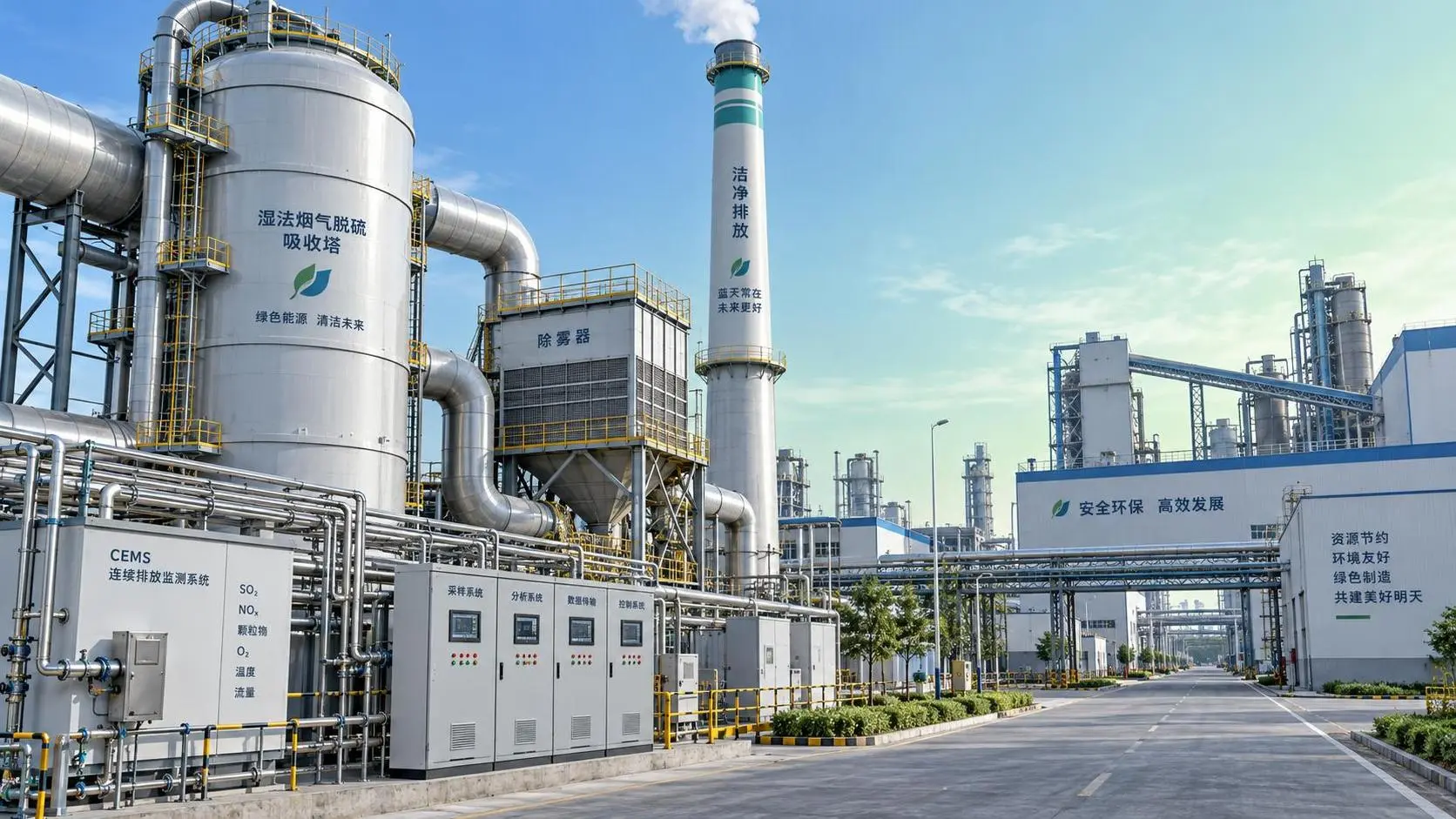
Which ISO standards apply to flue gas treatment systems?
Flue gas treatment systems ISO standards: explore key requirements for emissions testing, CEMS, safety, fabrication, corrosion control, and compliant project evaluation.

When corrosion resistant purification systems are needed for brine treatment
Corrosion resistant purification systems for brine treatment: assess chloride, heat, scaling, materials, and lifecycle reliability for demanding water projects.

How preventive maintenance reduces seawater desalination equipment downtime
Seawater desalination equipment maintenance reduces downtime through proactive monitoring, pretreatment protection, and planned repairs. Explore practical strategies for reliable RO performance.
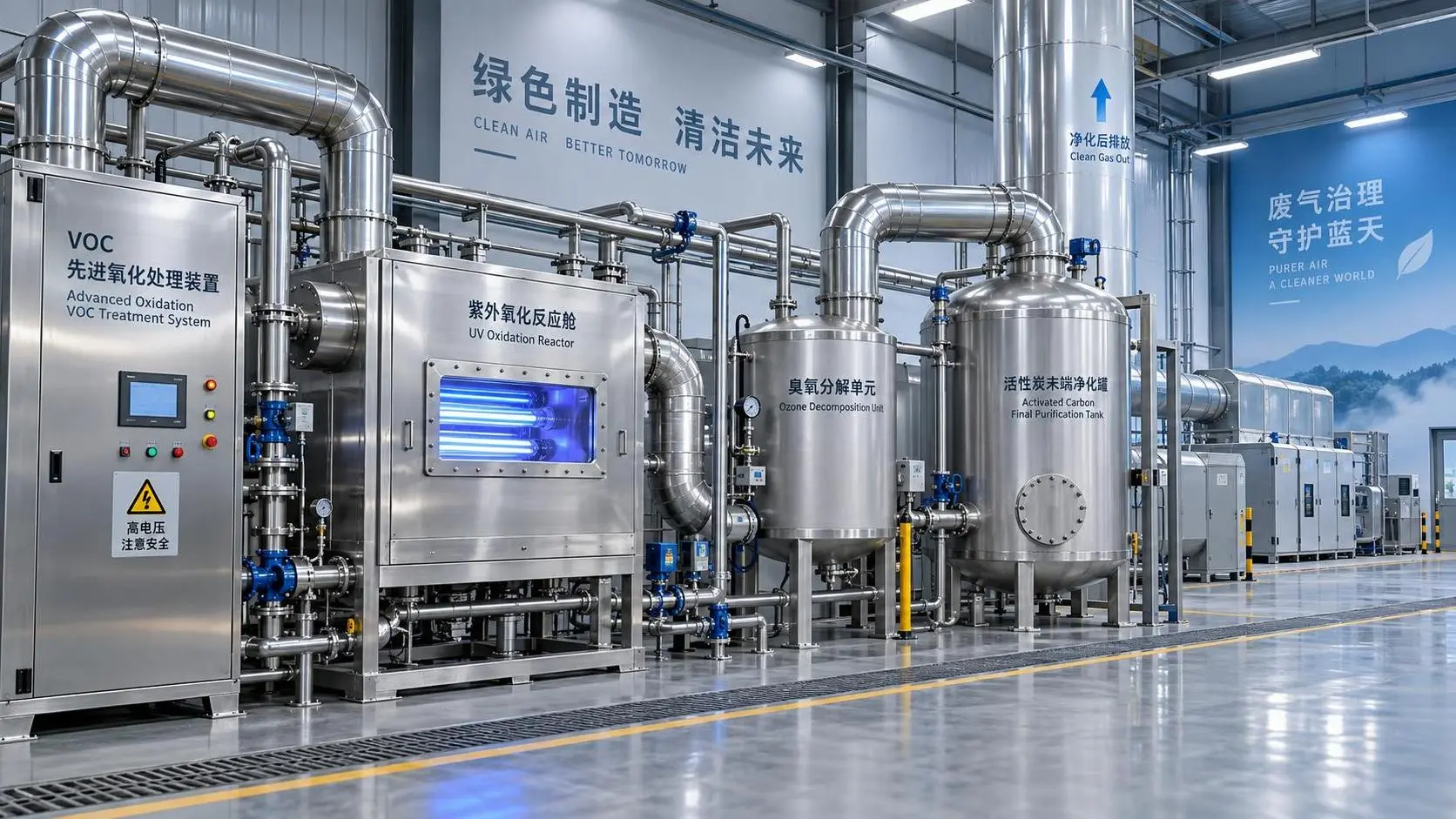
When are advanced oxidation processes the right choice for VOC control?
Advanced oxidation processes for VOC control: learn when AOPs outperform conventional options, manage by-products, and achieve reliable compliance.
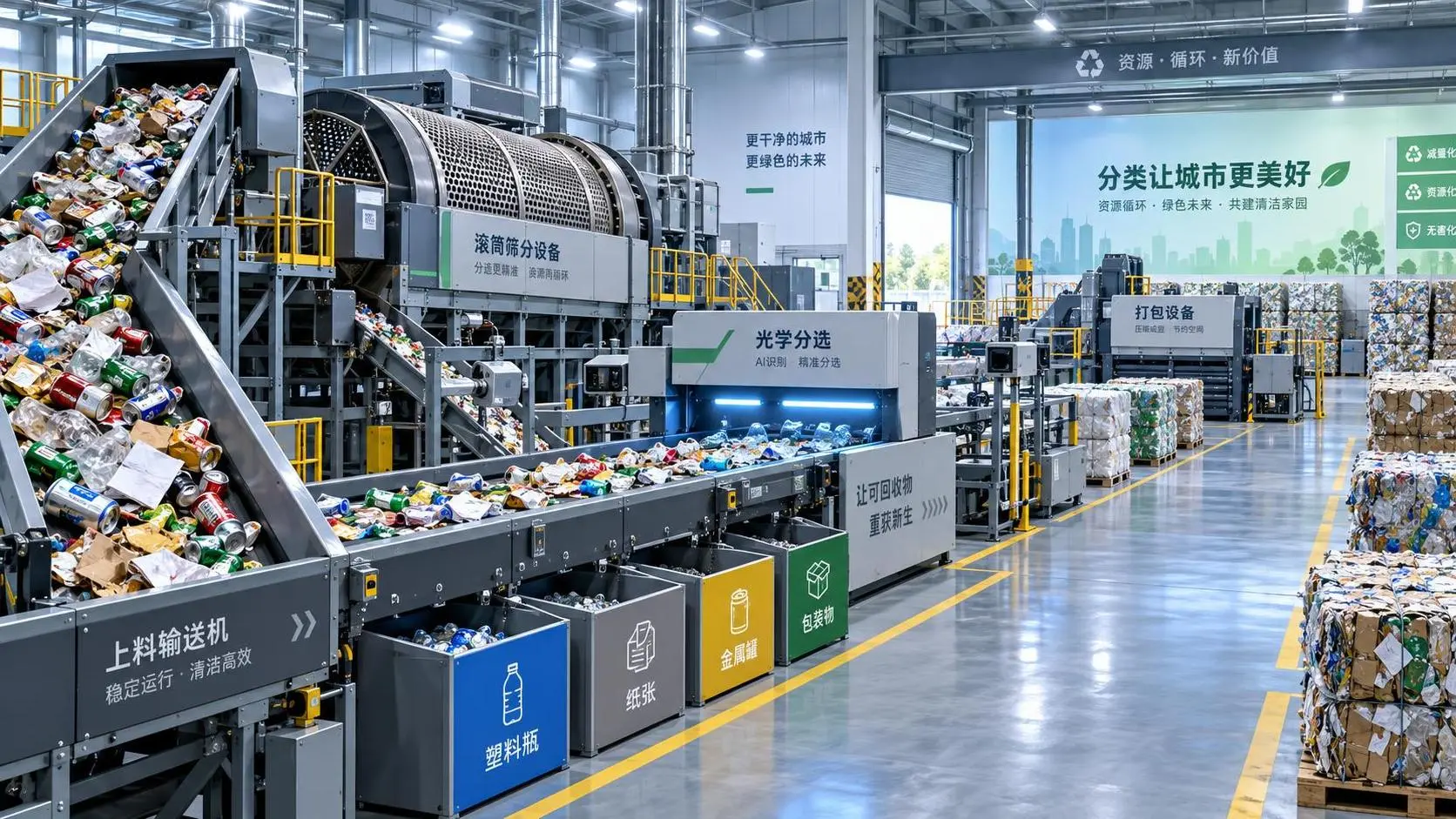
What throughput should municipal waste sorting equipment deliver?
Waste sorting equipment for municipal waste: learn how to set reliable throughput based on peak loads, material quality, uptime, and recovery targets.
What carbon neutrality means for corporate investment decisions
Carbon neutrality is transforming corporate investment decisions. Explore how lifecycle economics, efficiency, compliance, and resilience can drive measurable returns and lasting advantage.
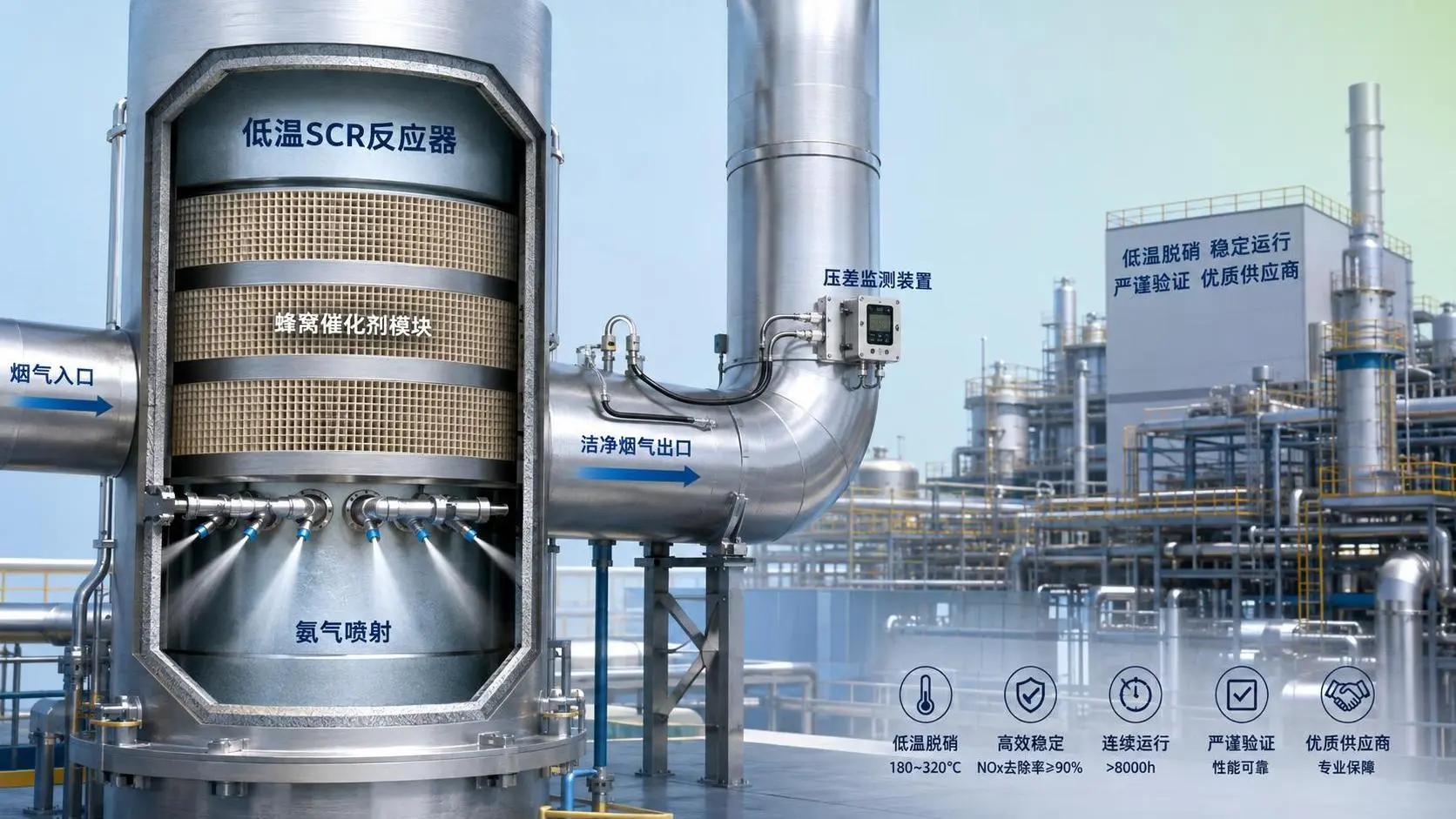
What to verify before choosing a low temperature SCR supplier
Low temperature SCR supplier checklist: verify catalyst temperature range, sulfur resistance, ammonia slip, pressure drop, lifecycle cost, and support before award.
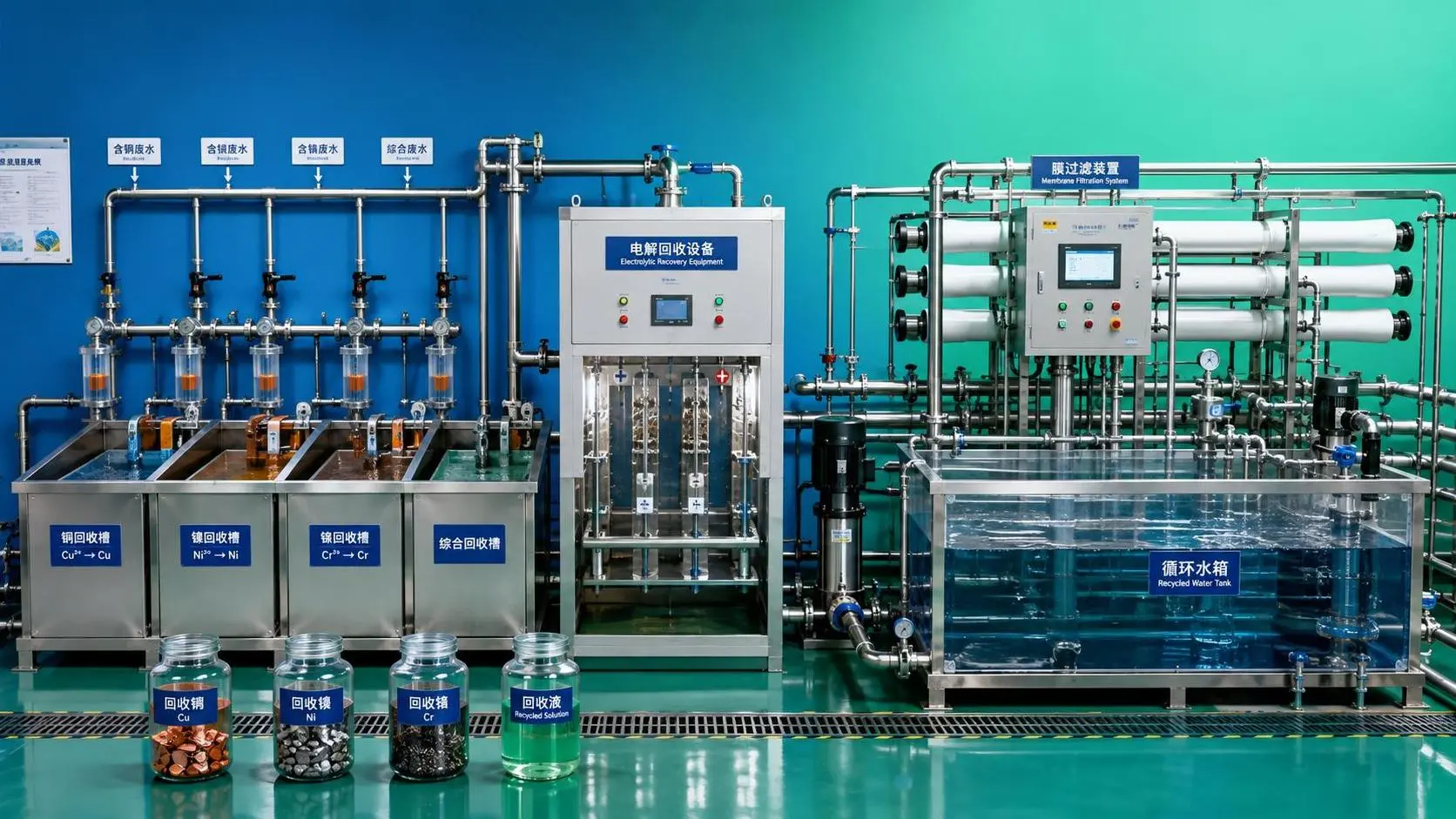
How closed-loop resource recovery for electroplating cuts metal waste
Closed-loop resource recovery for electroplating reduces metal waste, sludge, and water use through smarter stream segregation, recovery, and reuse strategies.
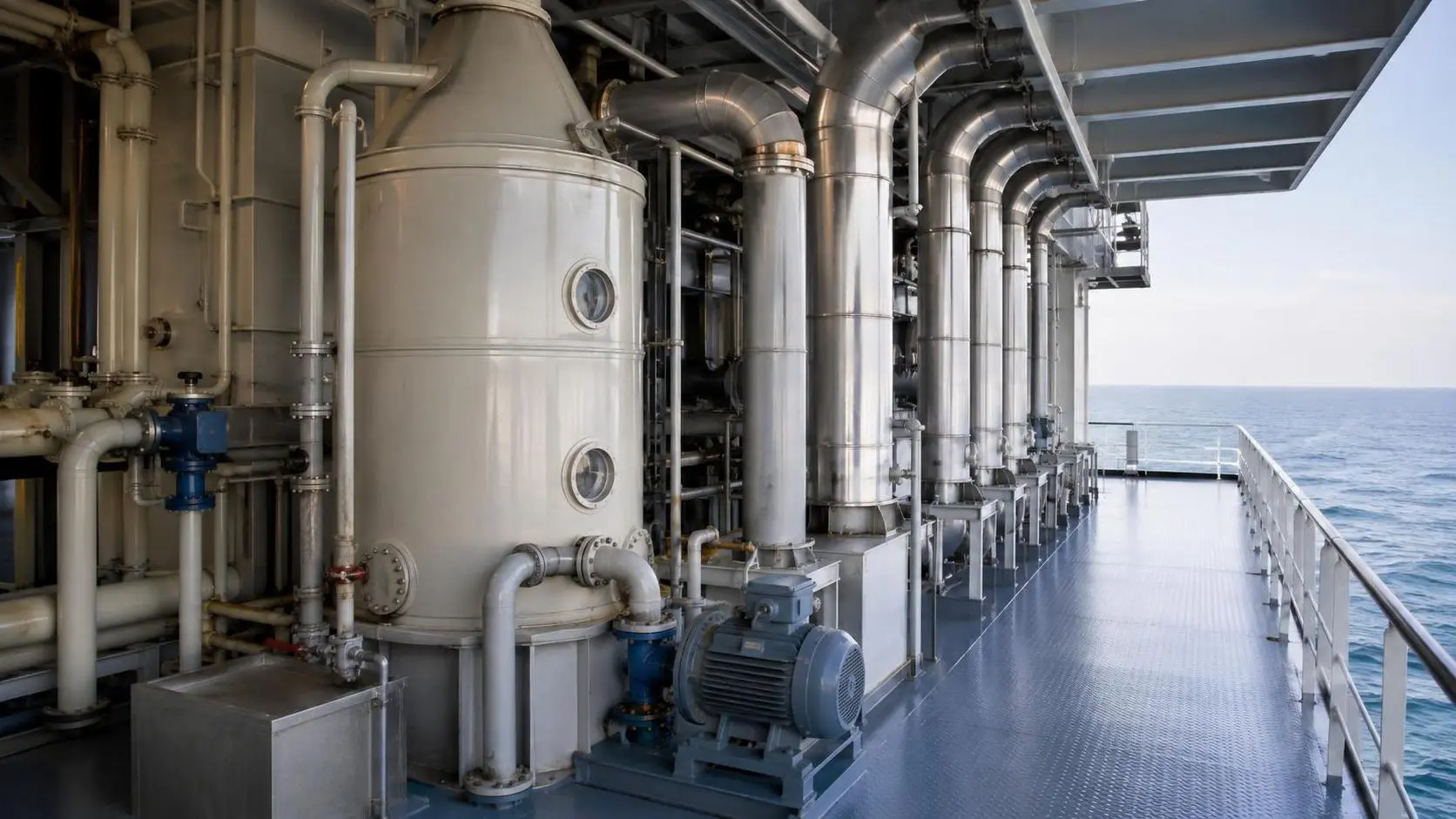
How to size flue gas cleaning systems for marine boilers
Flue gas cleaning systems for marine boilers: learn how to size for gas flow, sulfur load, backpressure, and compliance—improve reliability and reduce operating risk.