
Industry News
Curation by industry experts
Hot Articles
Popular Tags
What drives flue gas treatment project cost in industrial retrofits
If you are budgeting an industrial retrofit, the biggest mistake is to treat flue gas treatment project cost as a simple equipment quote. In practice, the price gap between two projects that look similar on paper can be very large. The reason is straightforward: retrofit cost is driven by the existing plant, the emissions target, the integration risk, and the consequences of getting the design wrong. A cheap system on bid day can become the most expensive option once shutdown losses, duct modifications, fan upgrades, reagent consumption, and compliance risk show up.
That is why experienced buyers do not ask only, “How much is the scrubber, filter, or reactor?” They ask, “What exactly are we trying to solve, under what site conditions, and at what total lifecycle cost?”
What really drives flue gas treatment project cost
A short answer is this: cost rises when the gas is harder to treat, the site is harder to modify, or the compliance margin is tighter than the first estimate assumed.
That sounds obvious, but many retrofit projects still go off track because early budgets are built around a preferred technology before the real operating conditions are fully understood.
The first cost driver is the flue gas itself. Temperature, flow fluctuation, dust loading, moisture, acid dew point, and pollutant mix all matter. A system designed for steady gas from one process line is a different procurement decision from a system that must handle variable loads, startup conditions, and multiple contaminants at once. If SOx, NOx, HCl, HF, particulate, heavy metals, and dioxin control are all involved, project cost usually moves up fast because the design stops being a single-device purchase and becomes a treatment train.
Second is the required outlet performance. Tight emission limits do not just affect the reactor or collector size. They can force better instrumentation, more reliable reagent dosing, more sophisticated control logic, and additional polishing stages. The closer the guaranteed emission value is to the regulatory limit, the less room there is for process drift. That margin has a price.
Third is the physical reality of the plant. Retrofit work inside an operating industrial site is rarely clean or spacious. Old steel, limited crane access, nonstandard duct routing, weak foundations, congested pipe racks, and unknown tie-in conditions are classic cost multipliers. On greenfield projects, you can optimize layout. On retrofits, you inherit compromises.
Equipment price is only one layer of the budget
Many project teams still compare bids mainly on major equipment cost. That approach is understandable, but it misses where overrun risk usually sits.
A flue gas treatment retrofit often includes:
- process equipment such as scrubbers, baghouses, ESPs, SCR reactors, fans, dampers, ducts, silos, and pumps
- civil and structural work for foundations, support steel, platforms, and access
- electrical and control integration, including analyzers and interlocks
- tie-ins during shutdown windows
- demolition or relocation of existing systems
- commissioning, tuning, performance testing, and operator training
In many real projects, the balance-of-plant work is where estimates become unstable. A buyer may negotiate hard on the absorber vessel or filter housing and still lose control of the total budget because ID fan capacity was underestimated, duct pressure drop was not modeled carefully, or existing stack conditions required more extensive modification than expected.
This is also why “lowest CAPEX” can be misleading. A lower-priced system with higher pressure drop, faster consumable use, or shorter maintenance intervals may look attractive in procurement, but it can create a poor five-year ownership profile.
The baseline survey often decides whether the budget is realistic
One pattern shows up again and again: projects with weak front-end data pay for it later.
Before locking budget assumptions, you need a credible baseline on gas composition, load range, particulate characteristics, moisture behavior, corrosion risk, and current bottlenecks. That baseline should reflect real operation, not just nameplate conditions. If the process line cycles, if fuel quality changes, or if upstream combustion control is inconsistent, those factors should be visible in the design basis.
When that work is skipped, vendors will protect themselves with contingencies, exclusions, or conservative designs. None of those outcomes help the buyer. Either the price goes up early, or the change orders come later.
This is where independent market and technical intelligence can help. Platforms such as ESD are most useful not as sales channels, but as a way to compare technology routes, regulatory direction, and typical engineering considerations before formal tendering starts. That kind of preparation usually improves budget accuracy more than last-minute bid pressure does.
Integration complexity is usually underestimated
Retrofitting into a live industrial plant is not just an environmental project. It is an operations project, a construction project, and sometimes a production-risk project at the same time.
For example, adding a new baghouse or wet scrubber may require more than a footprint check. You may need to confirm upstream gas cooling, downstream reheating, wastewater handling, induced draft fan margin, plume behavior, byproduct handling, and stack compatibility. If the new system increases pressure drop beyond what the existing fan can handle, a fan upgrade can materially change the project scope. If a wet system creates wastewater that the site cannot absorb, the “air” project suddenly starts affecting the water treatment budget.
That cross-system effect is one reason industrial retrofits can be deceptively expensive. The pollution control unit is visible. The knock-on modifications often are not, at least not in early budgeting.
Compliance strategy changes cost more than people expect
Not every project is buying the same outcome. Some plants need only to pass today’s permit limits. Others are buying future flexibility because they expect fuel changes, production expansion, customer audits, or tighter regional enforcement.
That strategic choice matters. If you procure only for current minimum compliance, initial cost may be lower. But if the plant later faces stricter particulate, sulfur, or acid gas controls, the retrofit path can become awkward and expensive. Designing with some expansion margin, spare space, control flexibility, or reagent system headroom can cost more upfront but reduce the risk of a second major intervention.
This is one of the more common buyer misjudgments: treating environmental compliance as a one-time checkbox instead of a moving operating condition.
Technology selection affects both CAPEX and operating cost
There is no universal “best” system. Wet FGD, dry sorbent injection, semi-dry scrubbers, bag filters, ESPs, SCR, SNCR, and hybrid systems each have cost logic tied to the site and pollutant profile.
A lower initial-cost option may be completely reasonable when the emissions target is moderate, the gas flow is stable, and maintenance resources are limited. But the same choice can become expensive if reagent consumption is high, residue handling is difficult, or performance swings under variable load.
On the other side, more sophisticated systems are not automatically better. Overdesigned solutions can burden a plant with unnecessary complexity, specialist maintenance needs, and harder spare parts planning. Good procurement is usually about fit, not maximum specification.
When evaluating bids, it helps to separate these questions:
- What is the installed project cost?
- What assumptions sit behind the performance guarantee?
- What operating consumables will this design require?
- How often will major internals, bags, catalyst, or nozzles need service or replacement?
- What happens to performance at low load, high moisture, or upset conditions?
Those questions often expose bigger financial differences than the headline equipment number.
Downtime risk is part of flue gas treatment project cost
Procurement teams sometimes isolate environmental equipment cost from production economics. That separation creates blind spots.
If the retrofit requires a long outage, a narrow tie-in window, or invasive modifications near critical process units, the shutdown strategy becomes a cost driver in its own right. Lost production, contractor acceleration, temporary bypass arrangements, and overnight installation shifts can reshape the economics quickly.
For some plants, the best technical option on paper is not the best commercial option because the installation risk is too disruptive. In those cases, modularization, phased implementation, or a solution that is slightly less optimized but easier to integrate may produce the better business result.
Where buyers usually get surprised
There are a few repeat offenders in retrofit budgets:
- underestimating structural reinforcement and access steel
- assuming existing fans, stacks, or electrical systems have enough spare capacity
- using average gas data instead of worst-case operating conditions
- ignoring wastewater, solids handling, or reagent logistics
- accepting vague vendor exclusions that later become owner cost
- budgeting for installation but not for commissioning instability and retuning
Another one is comparing vendors whose scope boundaries are not aligned. One bid includes analyzers, foundations, and performance testing; another excludes them. One includes corrosion allowance for upset conditions; another is priced against normal operation only. On paper, both may look like offers for the same job. They are not.
How to make a better procurement decision
If you are still early in the project, the most useful move is not asking for more quotes. It is tightening the design basis and commercial scope.
Start with a practical checklist. Confirm the actual emissions profile, required guarantee values, available footprint, outage limits, utility availability, byproduct handling route, and integration points with existing fans, stacks, water systems, and controls. Then force bid comparability: same gas basis, same scope definition, same guarantee conditions, same exclusions format.
Also ask each supplier where the design is sensitive. Serious vendors will tell you. They will point to gas variability, chloride risk, particulate stickiness, low-load temperature, or maintenance access. That is valuable information, not a weakness. A bid that looks “simple” because it hides those sensitivities can become the expensive one later.
For decision-makers, the useful question is not “Which option is cheapest?” It is “Which option gives us acceptable compliance confidence, workable installation risk, and manageable operating cost for this site?” That framing leads to better retrofit outcomes.
In the end, flue gas treatment project cost is driven by technical fit, plant constraints, and lifecycle consequences far more than by the vessel, filter, or reactor price alone. Buyers who treat the project as a full-site integration exercise usually budget more accurately, negotiate more intelligently, and avoid the kind of retrofit surprises that turn an environmental upgrade into a prolonged operations problem.
FAQ
Can I estimate retrofit cost from gas flow and pollutant type alone?
Not reliably. Those inputs are necessary, but site layout, shutdown constraints, utility availability, and existing equipment condition can change cost significantly.
Is a lower CAPEX option usually more expensive to run?
Sometimes, but not always. It depends on reagent use, pressure drop, maintenance intervals, residue handling, and how stable the process conditions are.
Should we design only for current compliance limits?
Only if you are confident the process, fuel, customer requirements, and regulatory environment will stay stable. Many plants benefit from limited future-proofing.
What is the most common budgeting mistake?
Treating the scope as equipment supply instead of a plant integration project. That usually hides civil, ducting, fan, control, and outage costs.
When should we involve operations in procurement?
Early. Operations teams usually know the real load swings, maintenance access issues, and startup behavior that affect design suitability and total cost.
Internal link anchor text suggestions
- FGD scrubber selection guide: technology comparison or buyer’s guide page
- SCR vs SNCR for industrial emissions control: comparison article
- How to evaluate environmental retrofit lifecycle cost: procurement insight page
- Industrial wastewater impact from wet flue gas treatment: related technical article
- Emission compliance planning for heavy industrial plants: regulatory intelligence page
External authority source directions
- Government environmental regulator pages covering industrial air emission standards and permit requirements
- Industry association guidance on air pollution control system design, operation, and compliance
- Original equipment manufacturer technical documentation for FGD, baghouse, ESP, SCR, and reagent systems
Recommended News
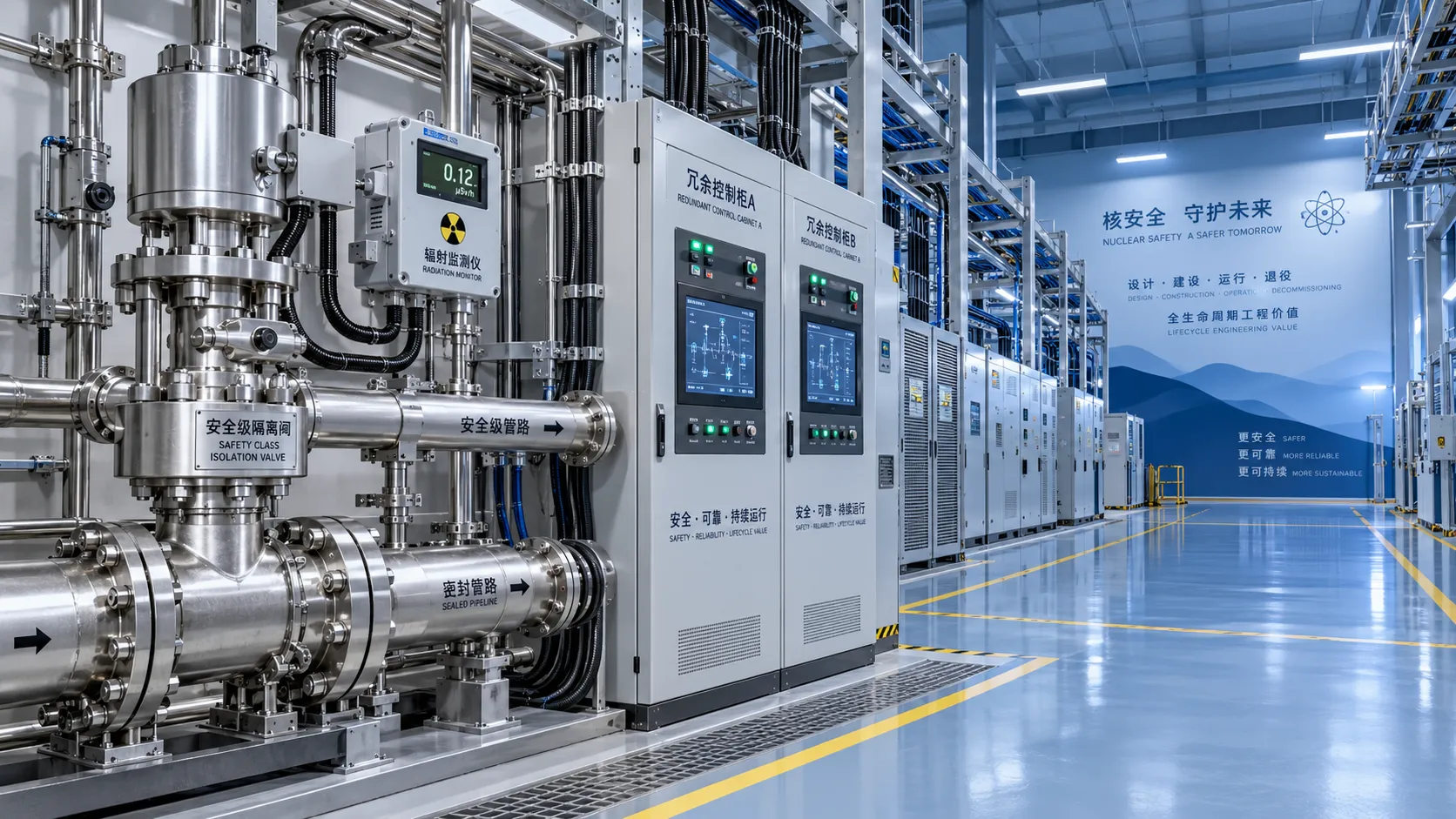
What drives nuclear safety solutions pricing for new facility projects?
Nuclear safety solutions pricing explained: uncover the key cost drivers for new facilities, from qualification and interfaces to lifecycle support.
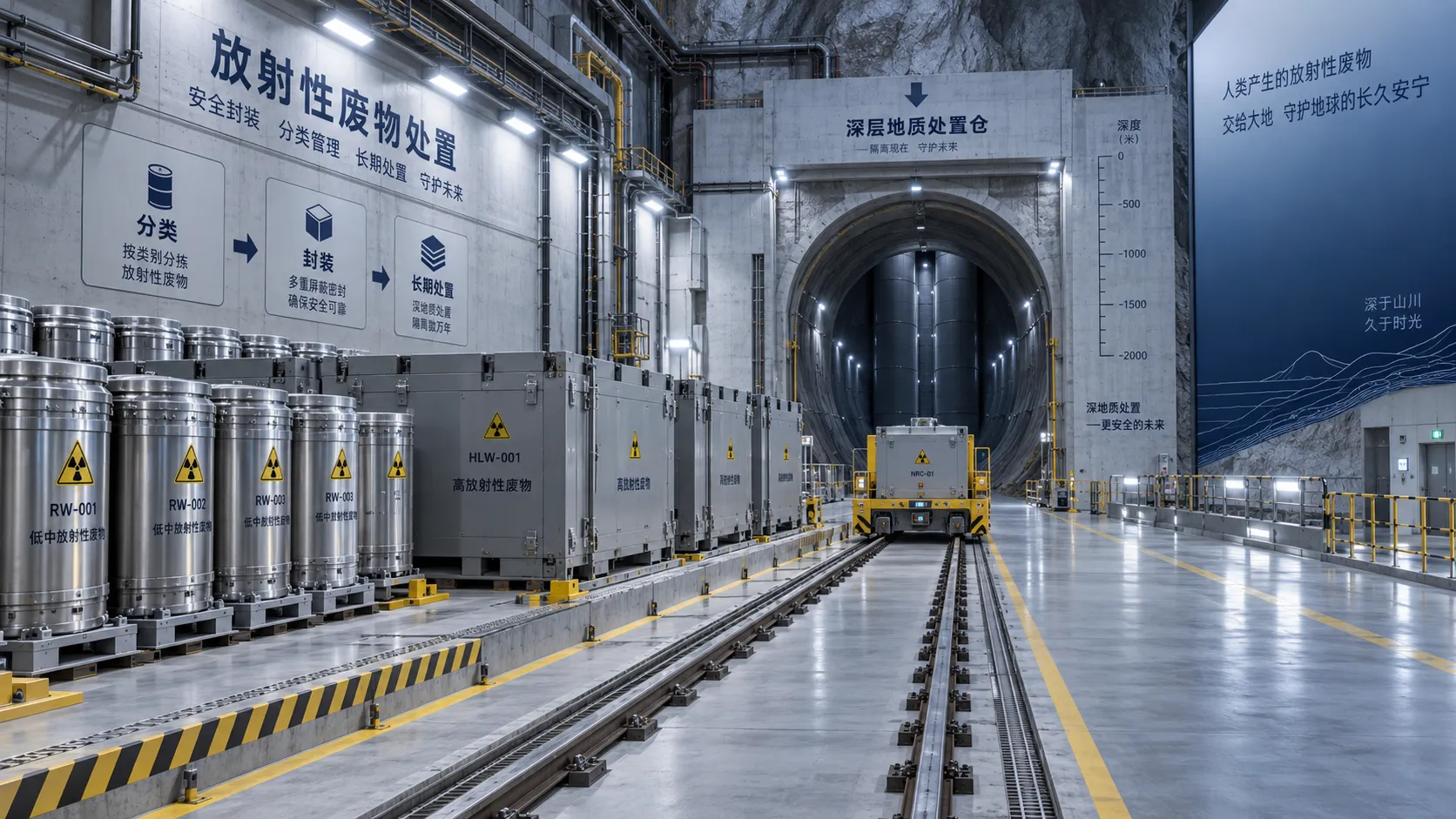
What drives radioactive waste cost over the life of a disposal project?
Radioactive waste cost depends on classification, treatment, transport, storage, disposal access, and long-term compliance. Explore the key lifecycle cost drivers.
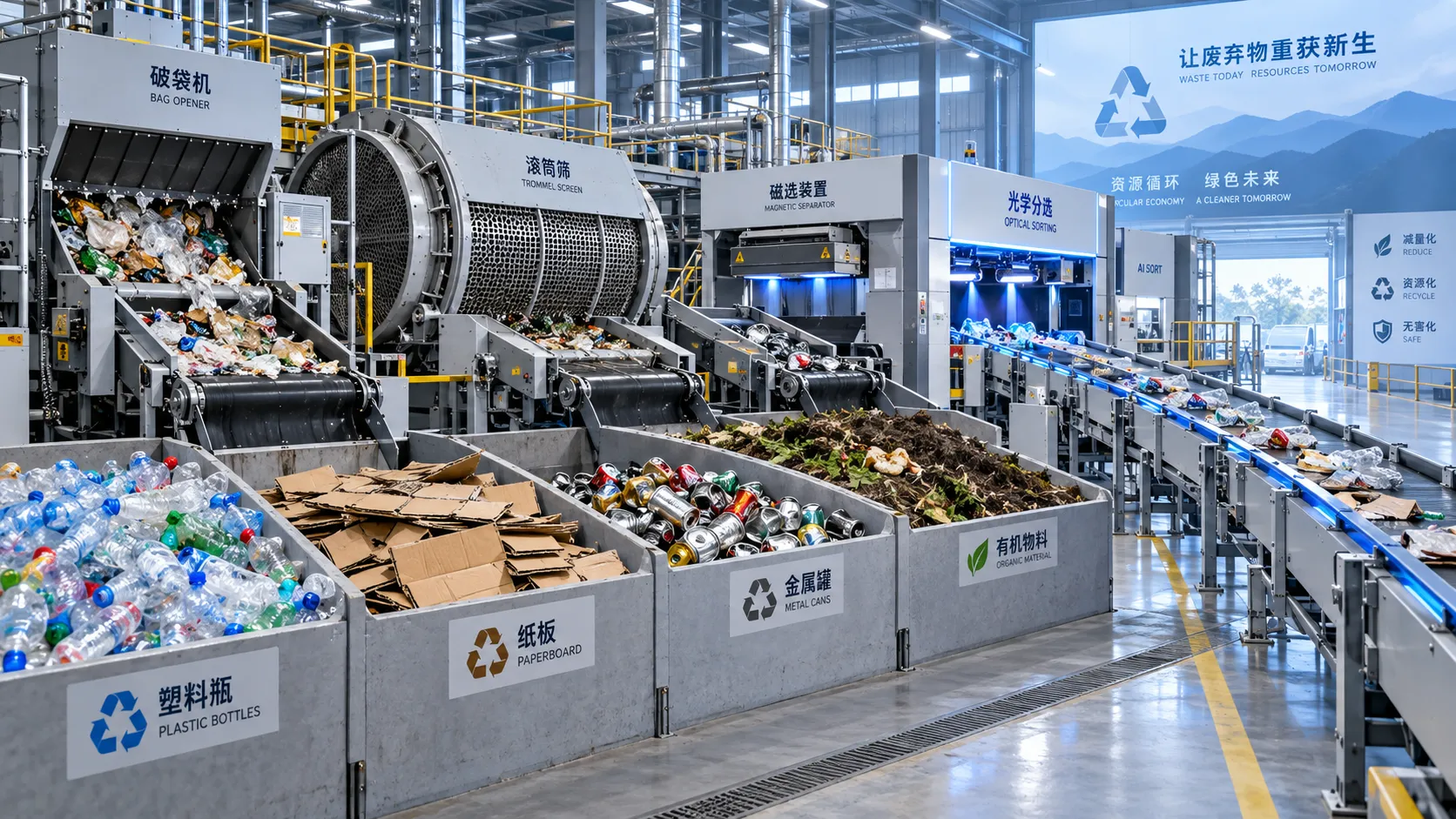
How to choose solid waste equipment based on waste stream characteristics
Environmental equipment guide for solid waste: discover how to match sorting, treatment, and recovery equipment to waste composition, moisture, contamination, and output goals.
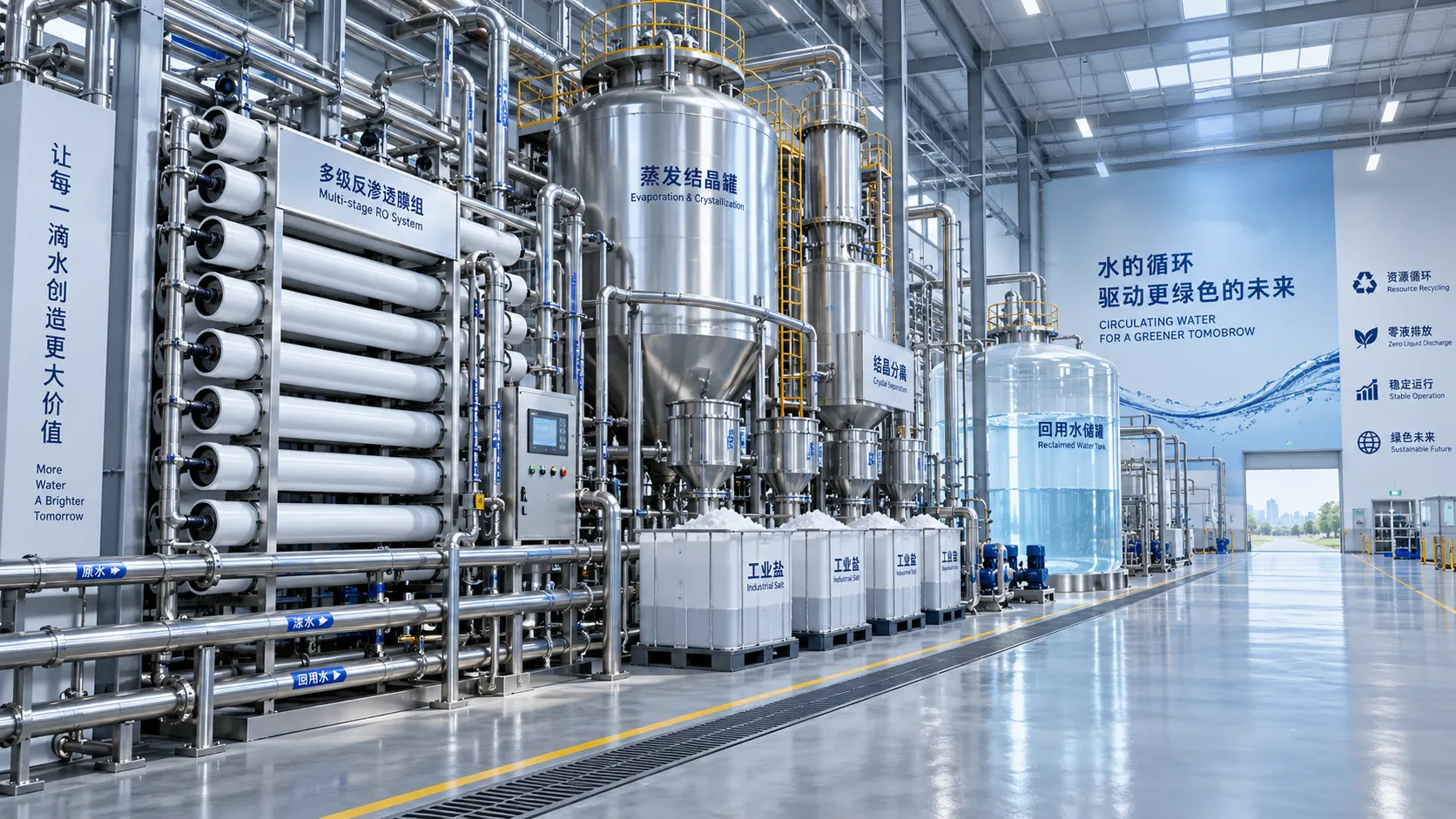
When does high recovery ZLD equipment justify its higher capital cost?
High recovery ZLD equipment can justify higher capital cost when water scarcity, discharge risks, brine disposal, and downtime threaten operations. Explore the decision factors.

How high purity heavy metal recovery affects recovered metal value
High purity heavy metal recovery boosts recovered metal value by improving payability, reducing penalties, and unlocking stronger buyer opportunities. Explore smarter netback strategies.
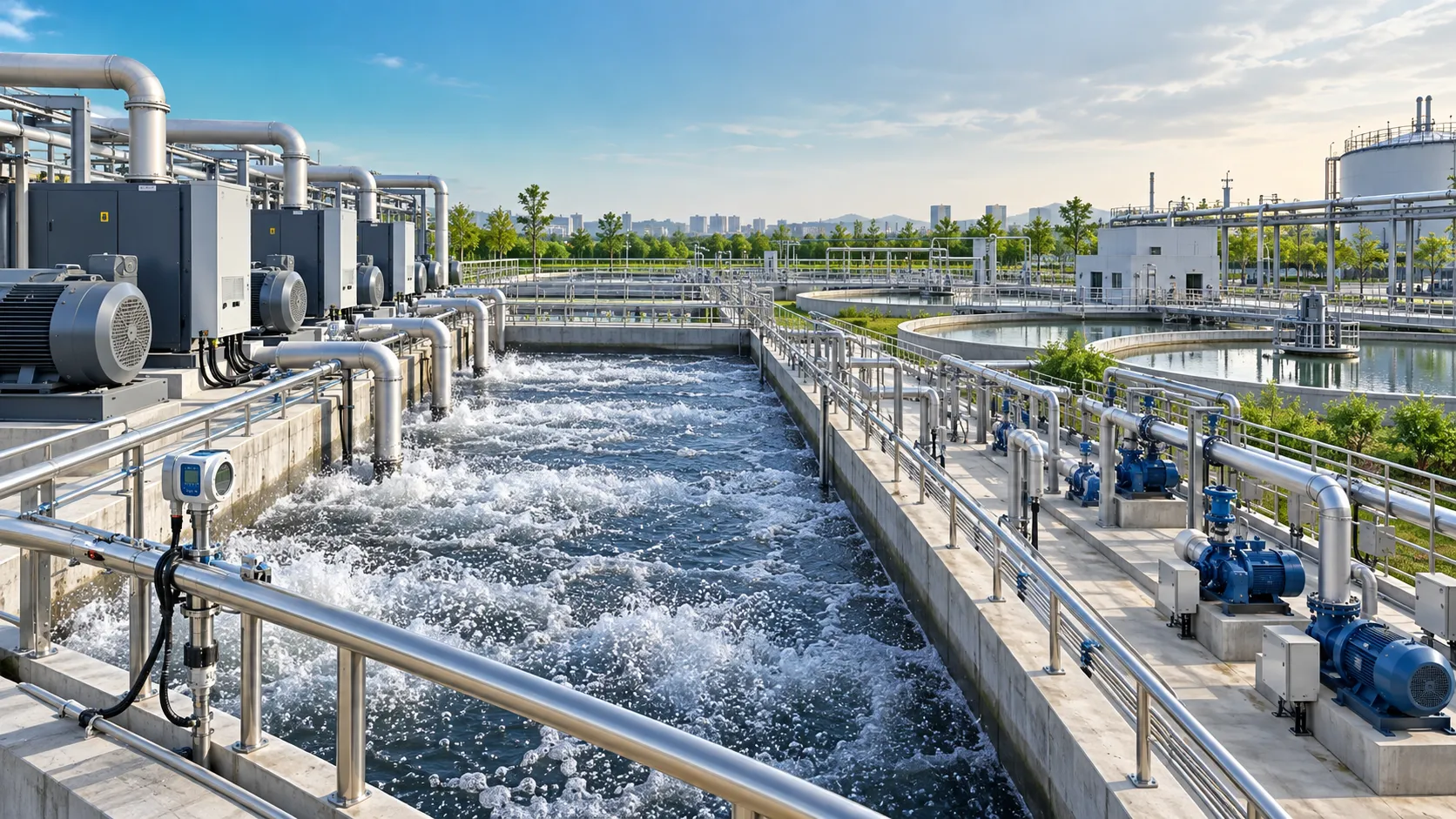
When does environmental equipment intelligence reduce wastewater plant energy use?
Environmental equipment intelligence for wastewater plants cuts energy use through smarter aeration, pumping, and data-driven controls—without compromising compliance. Discover when it delivers measurable savings.
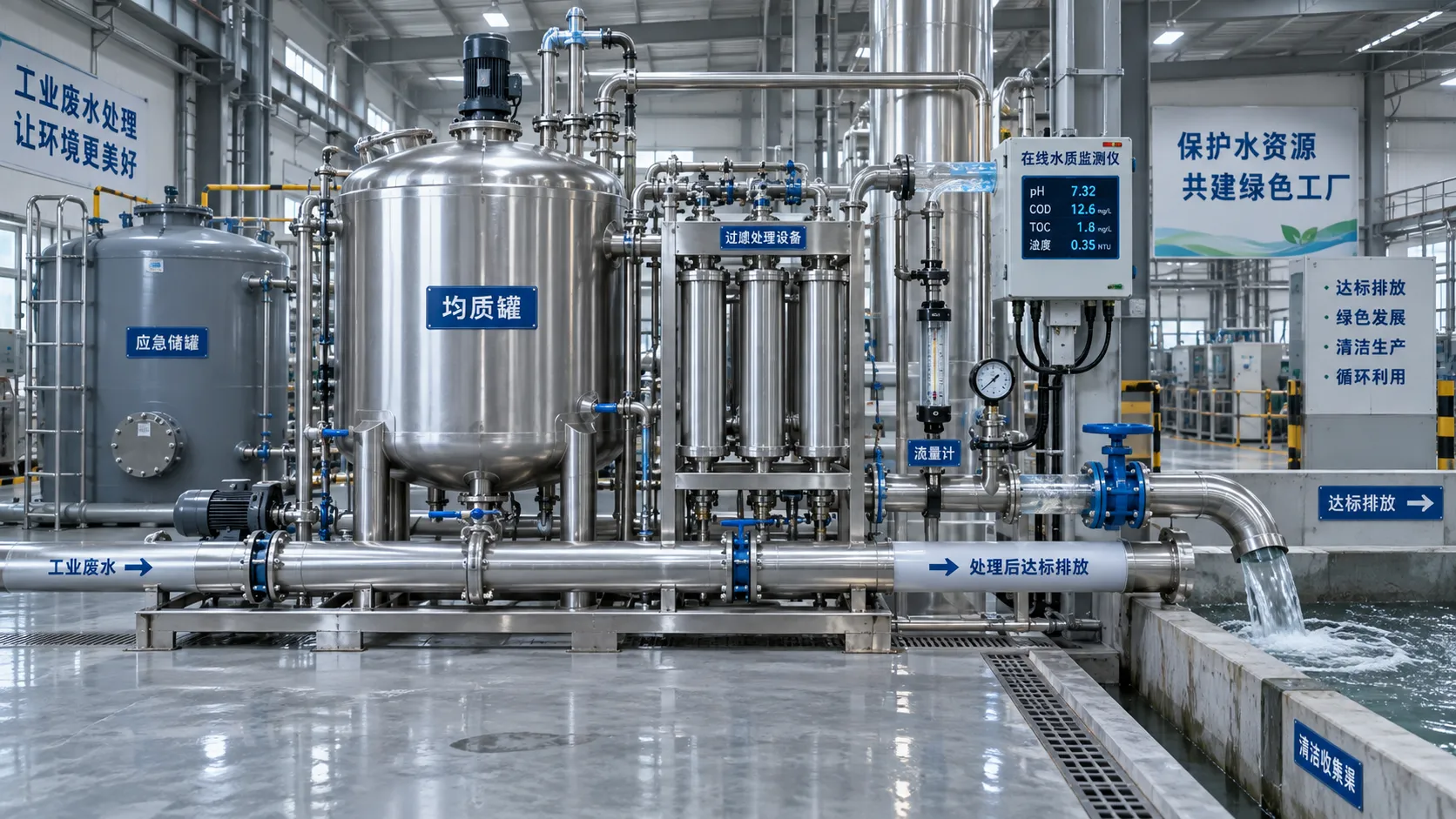
What Are the Main Compliance Risks in Industrial Wastewater Discharge?
What are the main compliance risks in industrial wastewater discharge? Explore permit exceedances, monitoring failures, hazardous contaminants, and practical controls to reduce liability.
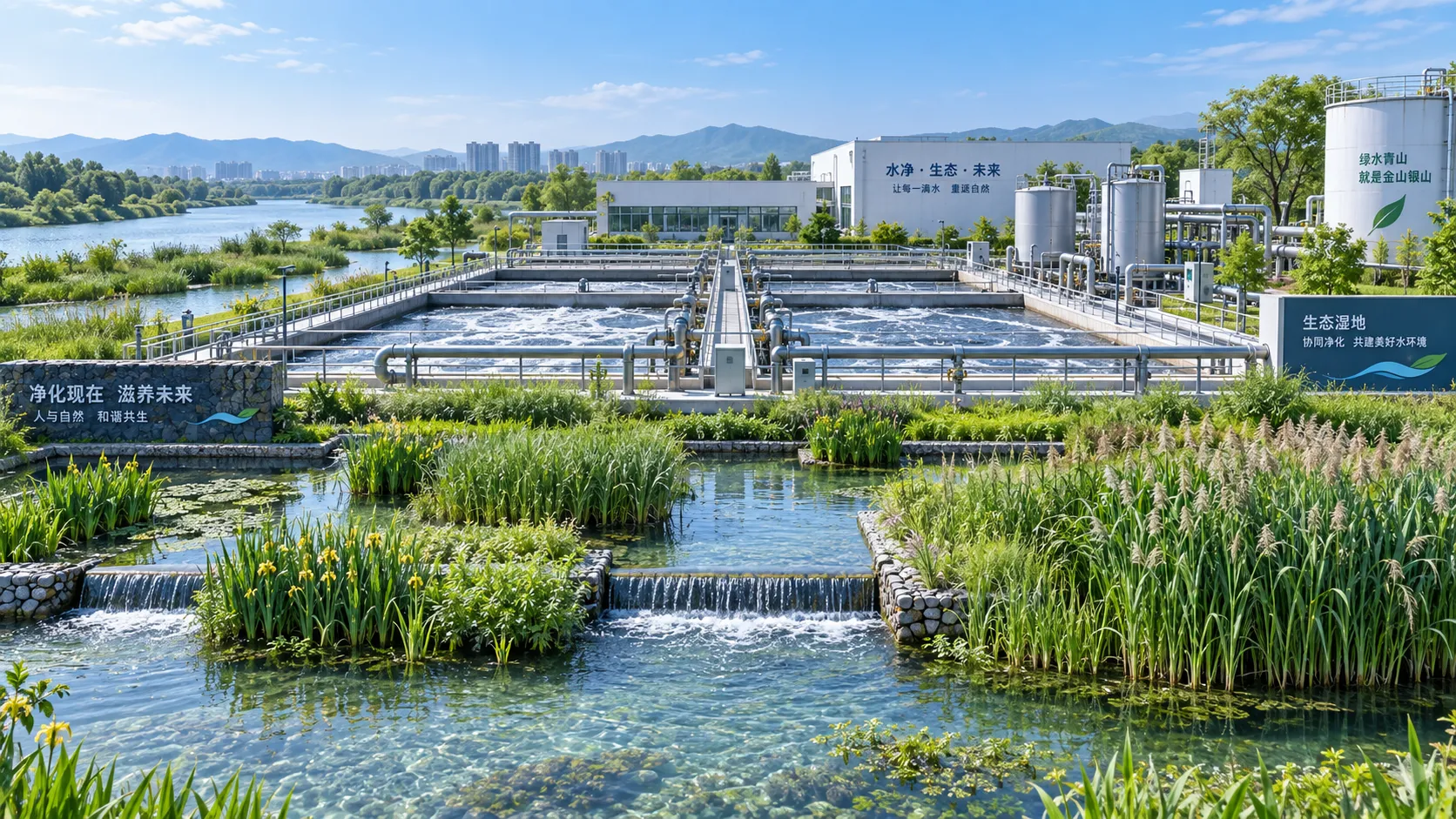
When Should Ecological Engineering Be Used Instead of Conventional Treatment?
When should ecological engineering be used instead of conventional treatment? Explore practical criteria, hybrid solutions, lifecycle value, and compliance-ready water strategies.
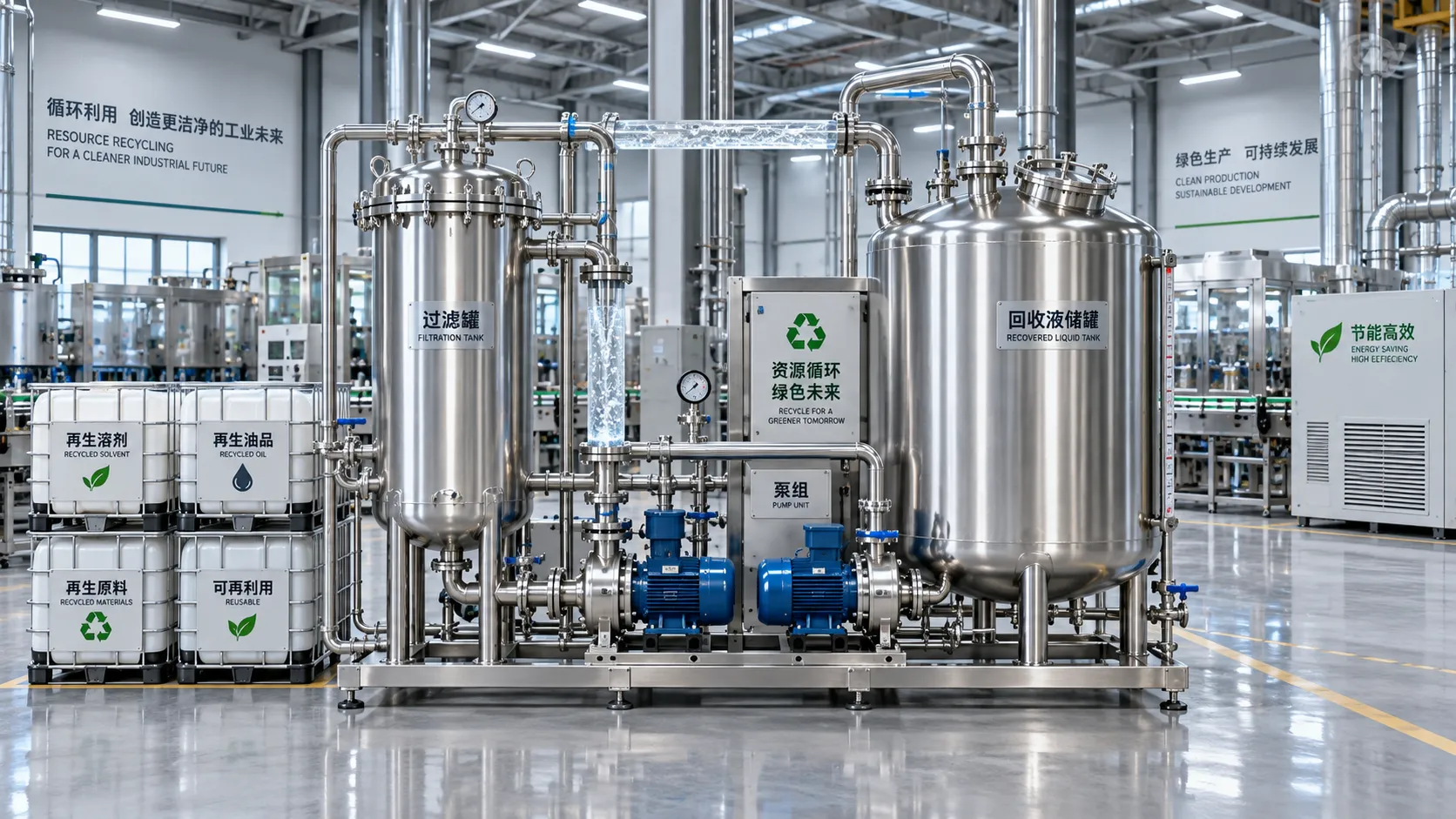
How to Calculate Product Recovery System Payback from Yield, Energy, and Labor Savings
Product recovery system payback: learn to model yield value, energy and labor savings, operating costs, and scenarios for a defensible capital approval case.