
Industry News
Curation by industry experts
Hot Articles
Popular Tags
How does feed salinity affect high recovery ZLD equipment?
Feed salinity determines how much work high recovery ZLD equipment must perform to separate reusable water from dissolved salts. As salinity rises, membrane systems generally face higher osmotic pressure and a narrower operating window, while downstream thermal equipment must handle more concentrated brine and, ultimately, solids. The effect on cost and reliability depends just as much on which salts are present as on their total concentration.
A higher-salinity feed does not automatically rule out membrane concentration or make a particular evaporator the right choice. It changes where the economic and technical limits lie. For an evaluator, the central question is how the feed composition evolves as water is removed, and which process can handle each resulting stream without unacceptable scaling, energy use or downtime.
Salinity changes the work required at each recovery step
In a membrane-based concentration step, dissolved salts create an osmotic pressure difference across the membrane. Reverse osmosis must apply enough pressure to overcome that difference and produce useful water flux. As concentration increases, the required operating pressure rises, while the driving force available at a given pressure falls. Temperature, membrane properties and concentration polarization at the membrane surface also affect performance.
Concentration polarization matters because the salt concentration immediately next to the membrane can exceed the bulk brine concentration. A design that appears acceptable from a bulk sample alone may therefore encounter scaling or flux decline at the membrane surface. Flow velocity, element configuration, recovery per stage and pretreatment all influence that local condition.
Once membrane concentration becomes impractical or uneconomic, evaporation can remove additional water, followed where necessary by crystallization or other solids-producing treatment. Thermal equipment is not limited by membrane osmotic pressure in the same way, but it has its own concentration-related penalties. Dissolved salts can elevate the boiling point of the brine, alter viscosity and heat transfer, and form deposits on heat-transfer surfaces. These effects can increase energy demand and complicate equipment operation.
The consequence is a trade-off rather than a single salinity threshold. Extending membrane recovery may reduce the volume sent to thermal treatment, but it can also demand more pretreatment, pressure, cleaning and membrane replacement. Sending a larger stream to an evaporator can simplify the upstream membrane duty while increasing the thermal load. The preferred balance depends on the feed, available utilities, equipment limits and required operating reliability.
Why total dissolved solids is not enough
Total dissolved solids (TDS) is useful for characterizing the broad concentration of a feed, but it does not identify the compounds that will limit recovery. Two waters with similar TDS can behave differently if one is dominated by relatively soluble salts and the other contains constituents that precipitate readily as concentration, pH or temperature changes.
For example, calcium combined with sulfate or carbonate can restrict concentration through scale formation. Silica, barium and strontium can also be important, depending on their concentrations and the chemistry of the stream. Antiscalants or pH adjustment may extend a membrane operating window, but their effectiveness is specific to the water chemistry and operating conditions. They do not eliminate the need to assess solubility limits or downstream impacts.
Other constituents create different constraints. Organic matter and suspended solids can foul membranes or heat-transfer surfaces. Oil, biological activity, metals and constituents that form difficult deposits can affect pretreatment and cleaning requirements. High chloride concentrations may influence material selection and corrosion risk, particularly in hot, concentrated brines. The relevant material choice depends on the full chemistry, temperature, dissolved oxygen and equipment design.
A useful feed characterization therefore includes individual major ions, relevant trace constituents, pH, alkalinity, silica, suspended solids and organic indicators, along with the range of operating temperatures. Measurements should capture normal variation and credible upset conditions. A single average TDS value is a weak basis for selecting a recovery target.
High recovery concentrates uncertainty as well as salt
For a simplified illustration, suppose a feed contains 10 g/L of a dissolved salt that remains entirely in the liquid, and 90% of the feed water is recovered as essentially salt-free product. The remaining liquid would contain approximately 100 g/L of that salt. This is a mass-balance illustration, not a prediction of an operating plant: precipitation, salt passage into product water, chemical addition and changing liquid properties alter the result.
The example shows why the last increments of recovery deserve particular scrutiny. If recovery rises further, the remaining liquid volume becomes smaller and dissolved constituents become more concentrated. A modest change in feed composition can then move a downstream stream across a precipitation limit or change the behavior of a crystallizer. The effect is especially important where feed quality varies over a production cycle.
Recovery figures also need a defined boundary. Membrane recovery refers to the proportion of water recovered within a membrane stage or train. Overall plant water recovery may include condensate recovered from thermal equipment, recycle streams and water retained in the final solids. These percentages are not interchangeable. A system can have a lower membrane recovery and still achieve high overall water recovery through downstream evaporation.
Zero liquid discharge is likewise a site-level outcome, not simply a high recovery percentage. It requires management of the residual material without a liquid discharge, subject to the applicable project definition and local requirements. Crystals, filter cake and other solids can retain moisture and may need further treatment or controlled disposal. A sales figure for water recovery alone does not establish how those residuals are handled.
Where salinity shifts equipment selection
At the front of the system, pretreatment may be needed to remove suspended material, reduce hardness or control constituents that would limit concentration. Softening, filtration or other conditioning steps can allow greater downstream recovery, but they add chemicals, residuals and operating complexity. Their value should be assessed against the reduction in membrane or thermal duty they make possible.
For the membrane section, evaluators should examine the projected concentrate composition at each stage, not only the feed and final recovery. Pressure capability, membrane salt passage, required product quality, cleaning frequency and pretreatment stability all matter. High-pressure membrane operation can extend concentration for some streams, provided that the membrane elements, pressure vessels and overall process are designed for the duty.
For evaporation and crystallization, feed salinity affects more than the volume of water to be evaporated. The composition determines which salts may precipitate, when they appear and whether they form manageable crystals or adherent scale. It can also influence slurry handling, separation of solids and the attainable quality of any recovered salt product.
Mixed-salt wastewater deserves particular care. A crystallizer designed around one dominant salt may not produce a clean, marketable product when the feed contains substantial impurities. Changes in composition can alter crystal habit and solids handling even if the overall TDS remains similar. Resource recovery should therefore be evaluated against a defined product specification and a credible route for material that does not meet it.
Thermal configuration also depends on the available energy supply. A comparison should account for electrical power, steam or other heat, cooling where required, and the effect of boiling-point elevation on the chosen process. Lower brine volume is helpful, but it does not by itself prove that the combined membrane and thermal system has the lowest lifecycle cost.
How to compare designs on a consistent basis
Equipment proposals are most useful when they are built around the same feed envelope and the same water and residuals objectives. An evaluator can then identify whether a lower energy estimate reflects a genuine process advantage or a different assumption about feed quality, recovery, pretreatment or product-water requirements.
- Feed envelope: Compare flow, temperature, TDS and individual constituent ranges, including expected variations and upsets. Identify which conditions govern design capacity and which require reduced operation or diversion.
- Stage-by-stage mass balance: Request flows and compositions for membrane concentrate, evaporator feed, condensate, recycle streams and final solids. Check chemical additions and salt passage as well as water recovery.
- Scaling and fouling basis: Examine predicted limiting compounds at operating pH and temperature, the allowance for concentration polarization, and the pretreatment and cleaning assumptions used to sustain performance.
- Energy and utilities: Compare power, heat, chemicals and cooling on the same inlet and outlet basis. Include the impact of feed variability and operating at part load where relevant.
- Residuals and reliability: Define solids quantity, moisture and handling requirements, along with maintenance access, cleaning intervals and the response to off-specification feed.
Laboratory analysis and process modeling are starting points, not substitutes for testing when the chemistry is uncertain. Bench-scale solubility work, membrane trials or thermal concentration tests can help establish whether predicted limits and solids behavior are credible. The test plan should reproduce relevant concentration, temperature, pH and residence-time conditions; otherwise, its results may not transfer to the proposed duty.
The most defensible design is the one that maintains the required recovery across a defined range of feed conditions, with a clear account of what happens when those conditions are exceeded. Salinity sets the separation burden, but the individual constituents and their behavior at the highest concentration points determine how confidently that burden can be managed.
Recommended News
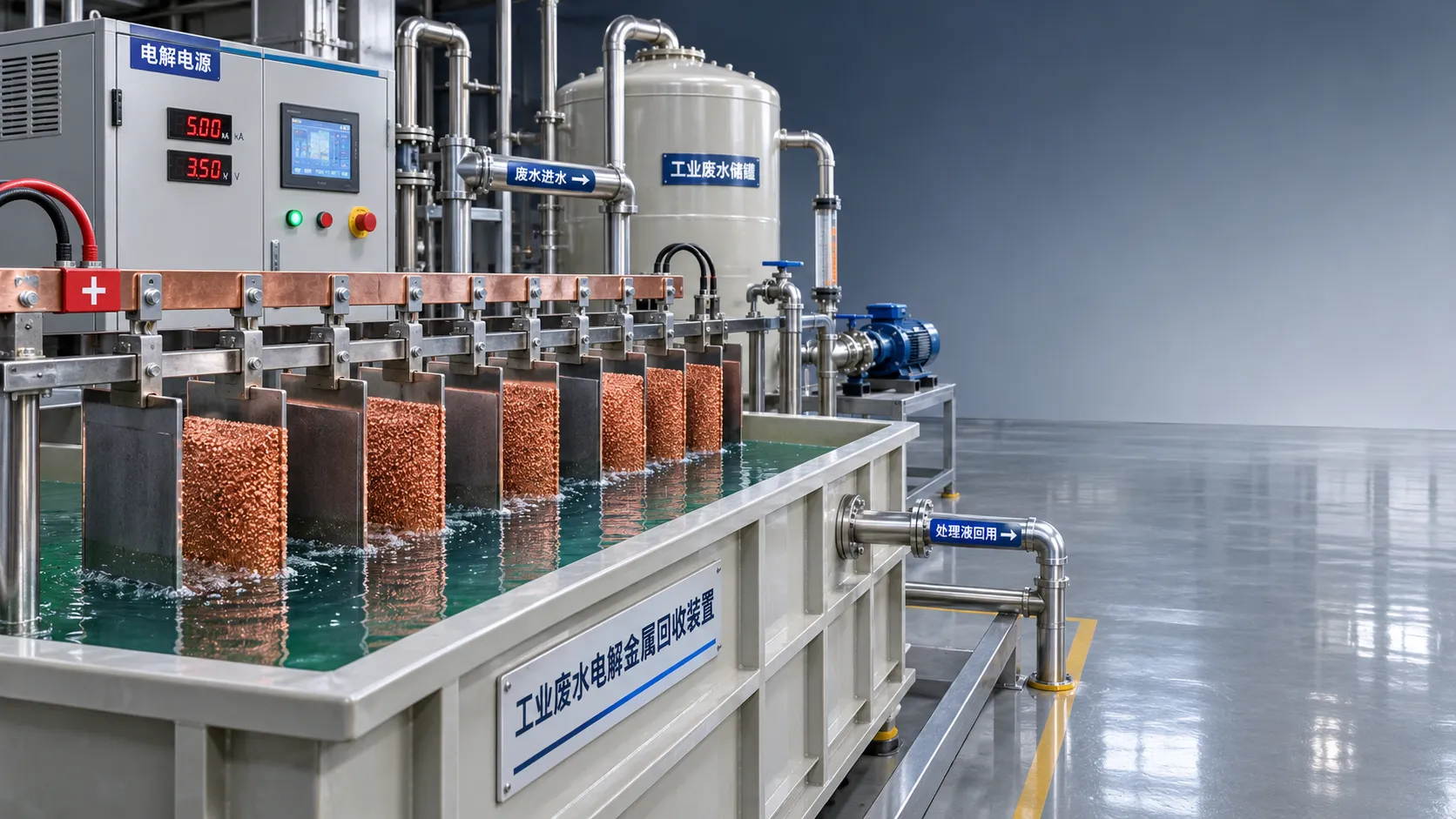
How metal concentration affects electrolytic heavy metal recovery equipment
Electrolytic heavy metal recovery equipment performance depends on metal concentration. Discover how to optimize recovery, energy use, and treatment costs.
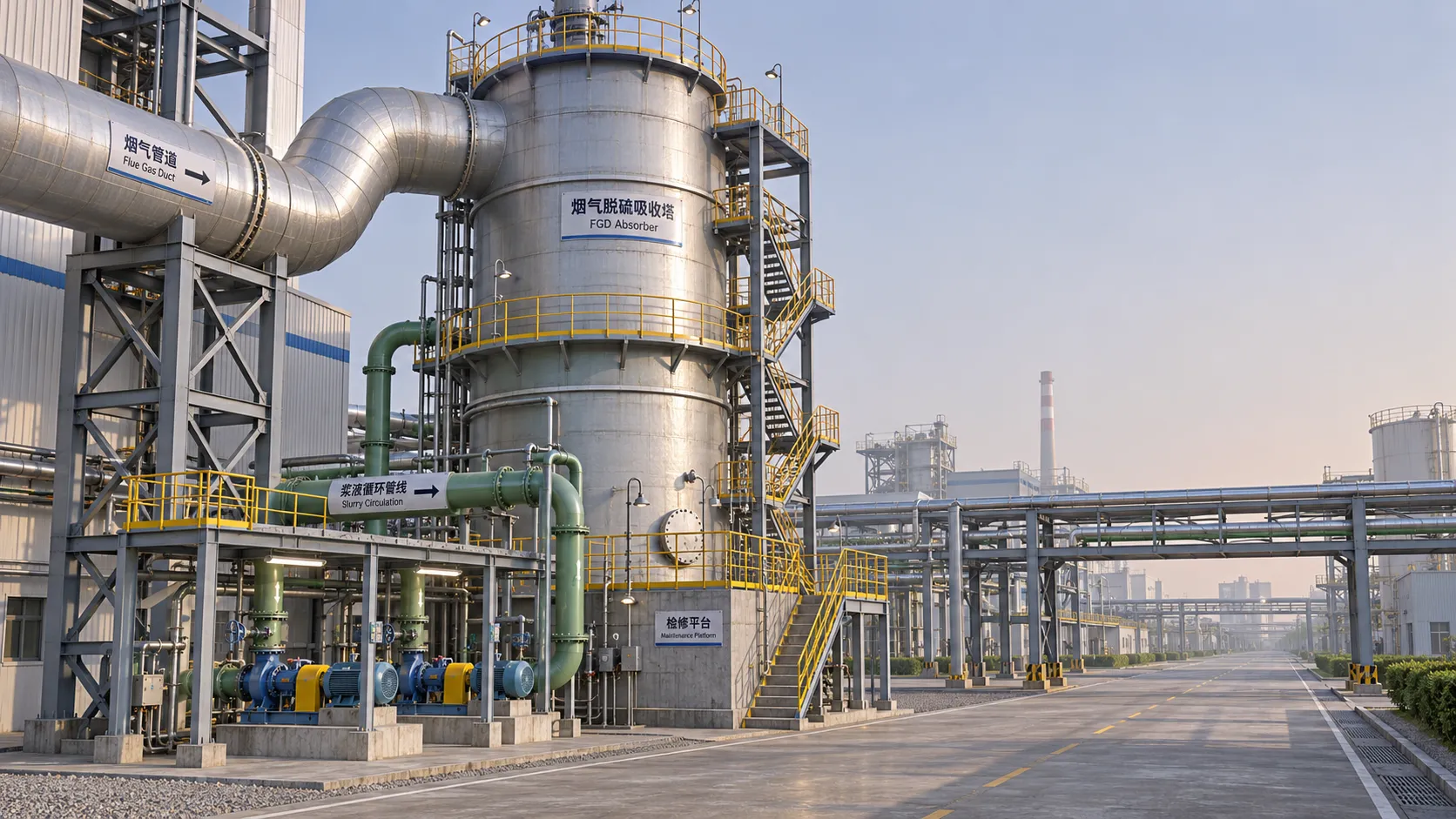
How does plant capacity affect the price of a wet FGD scrubber?
Explore how plant capacity affects FGD scrubbers price, from gas flow and sulfur load to economies of scale. Make smarter budgeting and supplier comparisons.
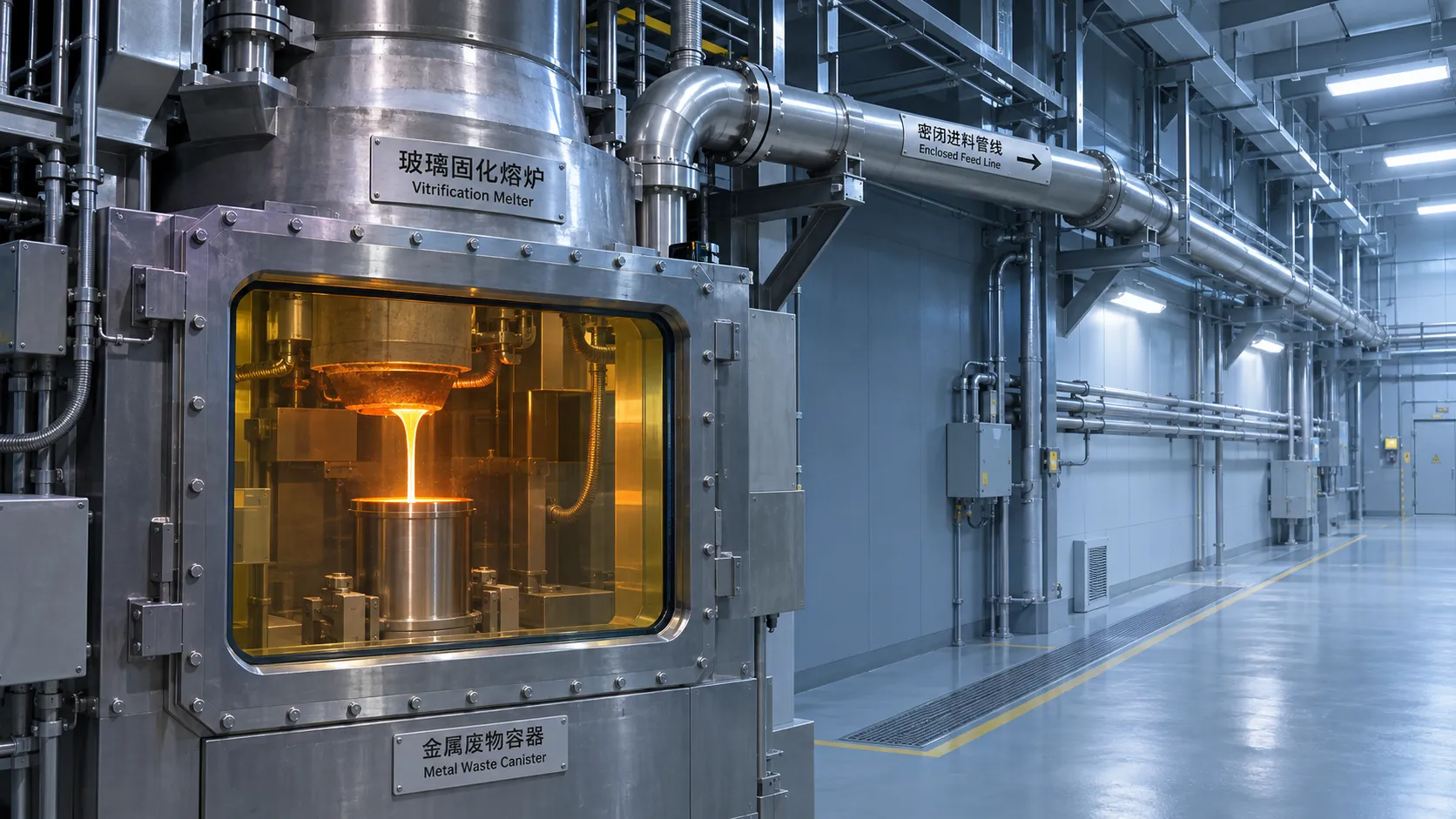
How is high-level waste vitrified at nuclear reprocessing plants?
Nuclear waste treatment for reprocessing plants turns liquid high-level waste into durable glass. Explore the process, safety controls and qualification steps.
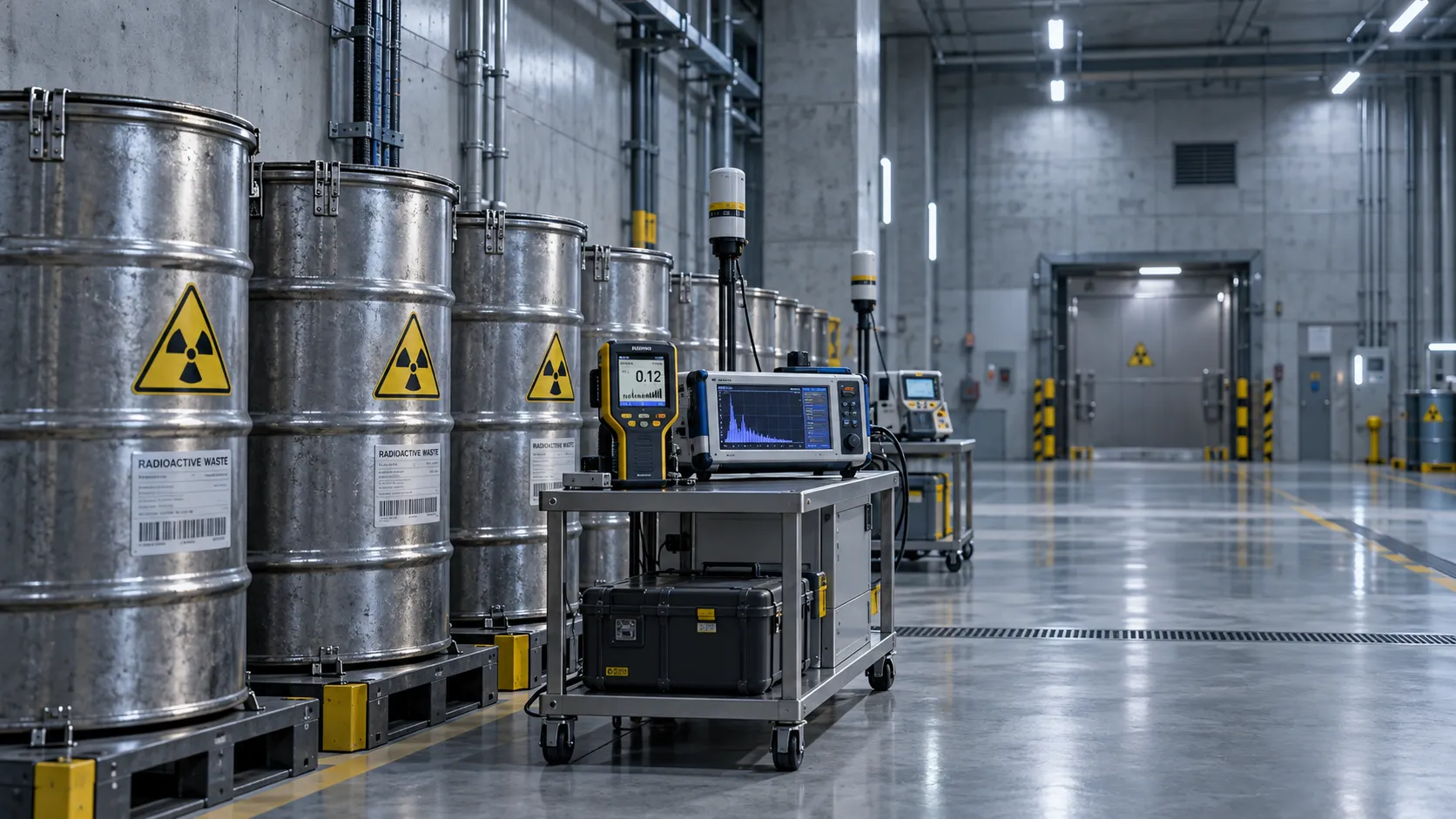
How does waste classification affect nuclear waste treatment cost?
Discover how waste classification affects nuclear waste treatment cost, from characterization and packaging to disposal, and learn how to build a more reliable project budget.
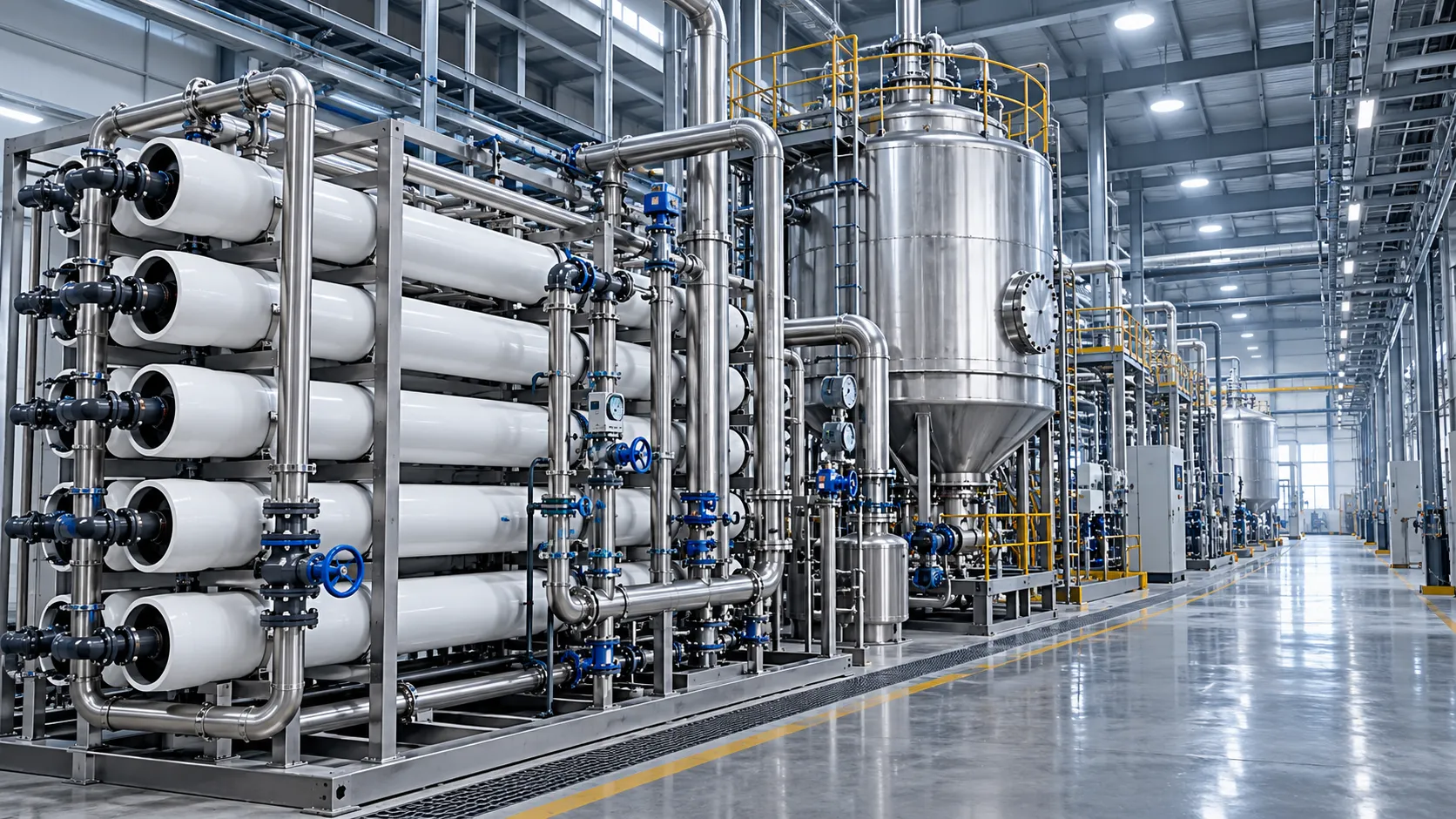
How wastewater salinity affects industrial zero liquid discharge equipment selection
Industrial zero liquid discharge equipment selection starts with wastewater salinity. Explore membrane, evaporation, scaling, and cost considerations.
When is wet scrubbing suitable for flue gas cleaning?
Flue gas cleaning with wet scrubbing can control acid gases and particles. Discover when it makes sense and how to weigh water, wastewater and operating costs.
How to assess the sorting accuracy of AI waste sorting equipment
Assess AI waste sorting equipment with practical tests for recovery, purity and throughput. Learn how to compare suppliers and make a confident purchase.
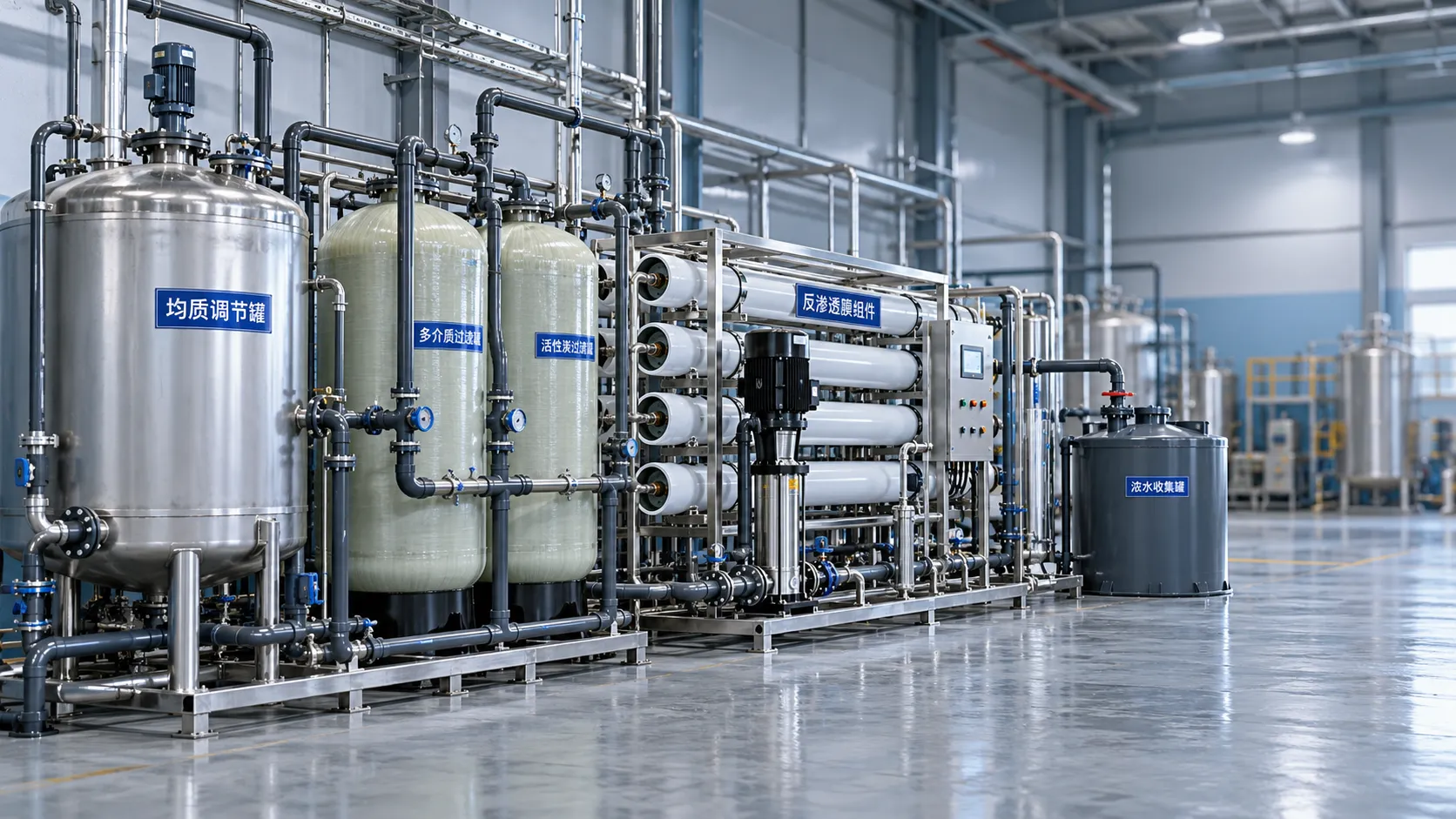
Choosing purification systems for chemical plants by contaminant load
Use this industrial purification systems guide for chemical plants to match treatment to contaminant loads, reduce operating risks, and improve water reuse. Explore smarter system choices.
How liquid-to-gas ratio affects wet flue gas scrubbing design
Optimize flue gas scrubbing design with the right liquid-to-gas ratio. Discover how chemistry, hydraulics, and pumping costs shape reliable, cost-effective emissions control.