
Industry News
Curation by industry experts
Hot Articles
Popular Tags
2026 Green Tech Innovations in Water Treatment to Watch
2026 is changing what counts as progress in water treatment
Green tech innovations in water treatment are no longer judged by throughput alone.
In 2026, the sharper question is whether a system can cut energy, recover value, and stay compliant under tighter operating uncertainty.
That shift is visible across industrial wastewater, municipal reuse, desalination, and high-risk treatment environments.
Water stress has become more regional, but compliance pressure has become more global.
Carbon accounting, discharge limits, and resilience planning now influence technology choices much earlier in project design.
This is why green tech innovations in water treatment matter beyond the utility sector.
They now affect project finance, plant uptime, export competitiveness, and long-term license to operate.
From the perspective of ESD’s ecological engineering lens, the most important developments are interconnected.
Membrane science, resource recovery, digital control, and regulatory intelligence are starting to move as one decision stack.
The strongest signal: treatment systems are being redesigned for circular performance
For years, many projects aimed to treat water as a cost center.
That logic is weakening.
The new generation of green tech innovations in water treatment treats wastewater streams as thermal, chemical, and mineral assets.
This is especially visible in high-salinity industrial effluents and advanced municipal reuse platforms.
ZLD strategies are also changing in tone.
They are no longer pursued only for compliance in difficult jurisdictions.
They are increasingly assessed as part of resource security and water independence planning.
- Selective ion recovery is gaining value where lithium, sulfate, phosphate, and rare metals affect operating economics.
- Concentrate minimization is being linked to lower hauling risk and better ESG reporting.
- Water reuse quality is being tailored to process loops, not only to end-of-pipe discharge targets.
The practical implication is clear.
Technology assessment now needs to compare total recovery logic, not isolated equipment efficiency.
Why membrane innovation is drawing renewed attention
Among green tech innovations in water treatment, membranes remain the most closely watched field.
But the excitement in 2026 is more specific than before.
Attention has shifted from headline flux gains to fouling resistance, chemical durability, and lower-energy separation under complex feed conditions.
This is where nanostructured SWRO materials, biomimetic surfaces, and hybrid membrane trains are changing expectations.
In desalination, the benchmark is not just fresh water output.
It is whether new membranes can reduce pretreatment intensity and stabilize performance during feedwater swings.
In industrial reuse, membranes are being paired more often with advanced oxidation, electrochemical polishing, and smart cleaning routines.
That pairing matters because one technology rarely solves the whole chemistry problem.
The better question now is not which membrane is newest.
It is which membrane architecture fits the chemistry, cleaning regime, and carbon budget of the site.
Energy and carbon are becoming design constraints, not reporting footnotes
A more noticeable shift is the way energy intensity is entering early-stage treatment planning.
Green tech innovations in water treatment increasingly compete on avoided emissions as much as on water quality results.
That has moved interest toward heat integration, high-efficiency pumps, electrodialysis variants, anaerobic treatment, and lower-temperature process routes.
The CBAM effect also matters indirectly.
When exported products face embedded carbon scrutiny, water treatment can no longer be separated from manufacturing competitiveness.
This is particularly relevant for chemicals, metals, semiconductors, food processing, and desalination-heavy regions.
In actual operations, the winning systems are often not the most complex.
They are the ones that maintain recovery targets with fewer energy spikes and fewer emergency interventions.
Digital control is moving from monitoring to process intelligence
Another major development is the rise of decision-grade digital water platforms.
Earlier systems mainly visualized alarms and trend lines.
Now, green tech innovations in water treatment are increasingly tied to predictive control, chemistry modeling, and failure prevention.
This matters most where feedwater variability is high or process penalties are severe.
Examples include desalination pretreatment, high-TDS industrial wastewater, and hazardous streams requiring tight safety envelopes.
ESD’s intelligence-centered view is useful here.
The value is not in data volume alone.
The value comes from stitching operating parameters, regulatory signals, and equipment behavior into a common decision model.
- Fouling prediction now influences cleaning schedules and chemical consumption.
- Digital twins are being used to test treatment upgrades before shutdown windows.
- Compliance analytics are helping sites anticipate permit risk instead of reacting after exceedances.
This is where digitalization stops being a software add-on.
It becomes part of the treatment architecture itself.
The impact is spreading beyond one plant or one utility segment
The effects of green tech innovations in water treatment are showing up across adjacent environmental systems.
That wider impact is easy to miss if water is reviewed in isolation.
Solid waste recovery depends on wash water quality and leachate control.
Flue gas treatment creates wastewater burdens that increasingly demand advanced polishing.
Nuclear waste management depends on extreme reliability, contaminant isolation, and secure water loop integrity.
This is why integrated ecological engineering platforms are gaining relevance.
The same organization may face linked decisions in water, waste, emissions, and compliance disclosure.
A treatment upgrade that looks efficient inside one unit can create cost or risk elsewhere.
The more mature planning approach compares full-chain environmental performance, not single-equipment output.
What deserves closer attention before budgets lock in
Not every promising technology will scale smoothly.
The next wave of green tech innovations in water treatment should be screened with disciplined questions.
- Does performance hold under real feed variability, not only pilot conditions?
- Can the system support reuse, recovery, and carbon goals at the same time?
- What hidden burdens appear in brine, sludge, off-gas, or concentrate handling?
- How exposed is the design to stricter discharge rules or emerging contaminant standards?
- Is process intelligence embedded deeply enough to support reliability over time?
These questions are becoming more important than headline claims about efficiency alone.
In many cases, the best-performing option is the one with stronger adaptability, not the most aggressive specification sheet.
Where the next decisions should start
By 2026, green tech innovations in water treatment will be shaped by one clear reality.
Water treatment is becoming a strategic environmental infrastructure layer, not a back-end utility function.
The strongest technologies will be those that connect purification, resilience, circularity, and compliance into one operating logic.
That is also where ESD’s broader eco-shield perspective becomes useful.
It frames water treatment within the larger boundaries of resource recovery, desalination intensity, emissions control, and high-reliability risk management.
The next step is not to chase every new platform.
It is to map where treatment needs are changing fastest, compare technical pathways against regulatory and carbon exposure, and build phased upgrade priorities.
Those who do that early will read market signals more accurately and make better long-cycle infrastructure decisions.
Recommended News
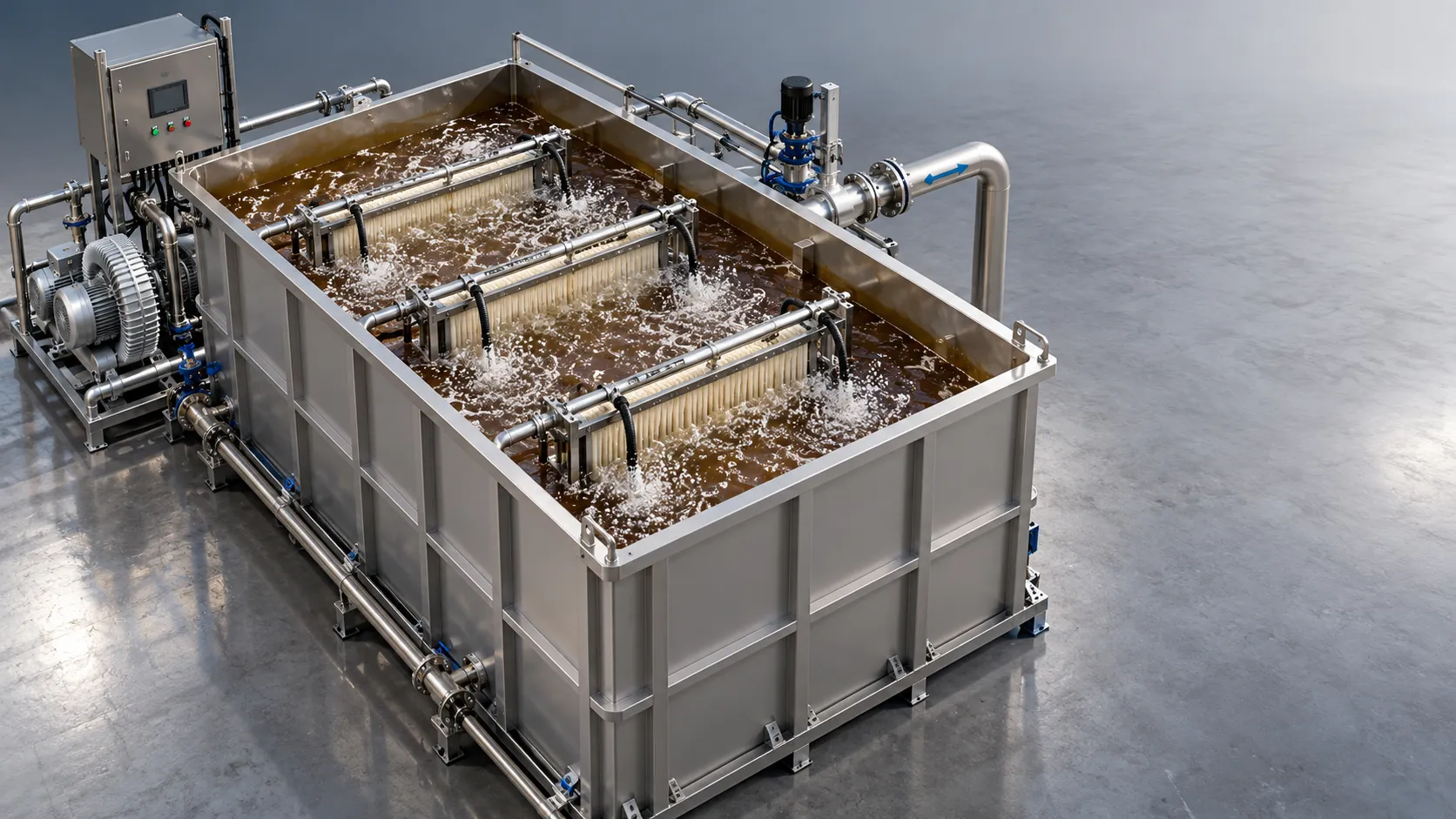
When is an MBR suitable for wastewater purification for bioprocessing?
For wastewater purification for bioprocessing, discover when an MBR fits your needs. Compare water quality, fouling risks, and lifecycle costs before investing.
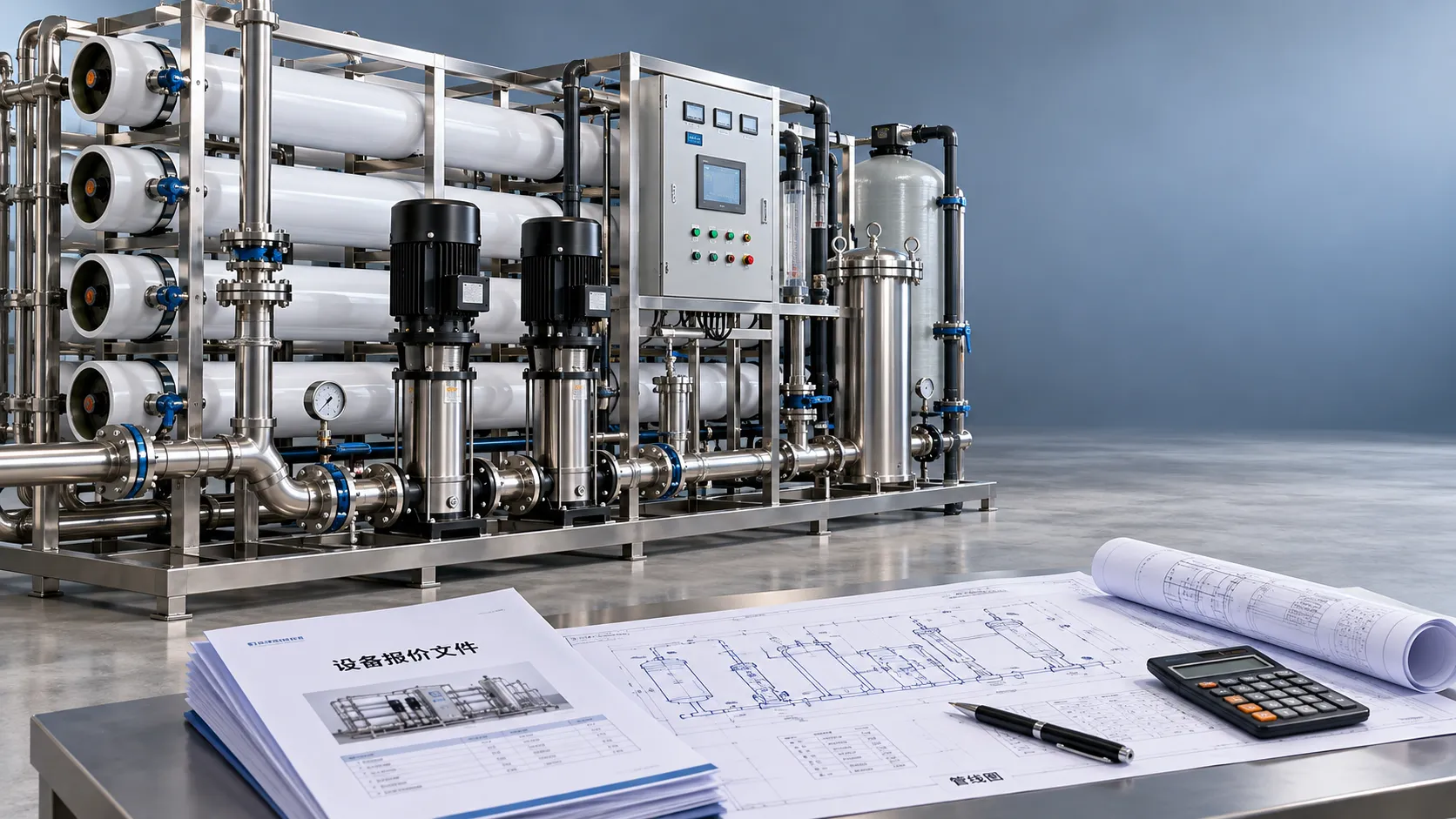
How to check a water treatment quotation for hidden project costs
Review your water treatment quotation for hidden costs, scope gaps, and operating expenses. Learn what to check before signing to protect your budget and avoid costly surprises.
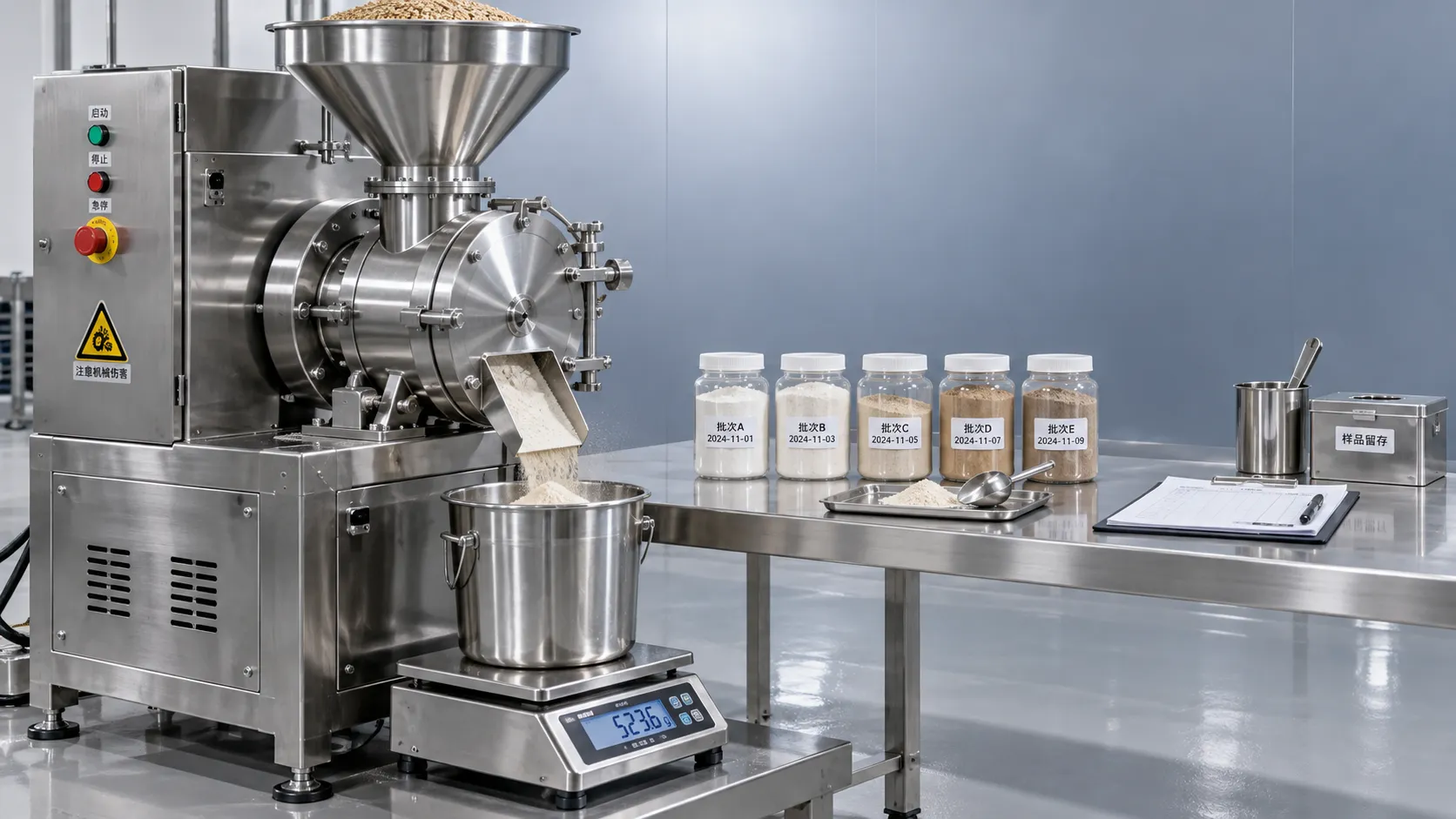
How to vet ingredient processing equipment manufacturers using trials
Vet ingredient processing equipment manufacturers with real-world trials. Learn how to verify yield, cleaning, energy use, and scale-up before you invest.
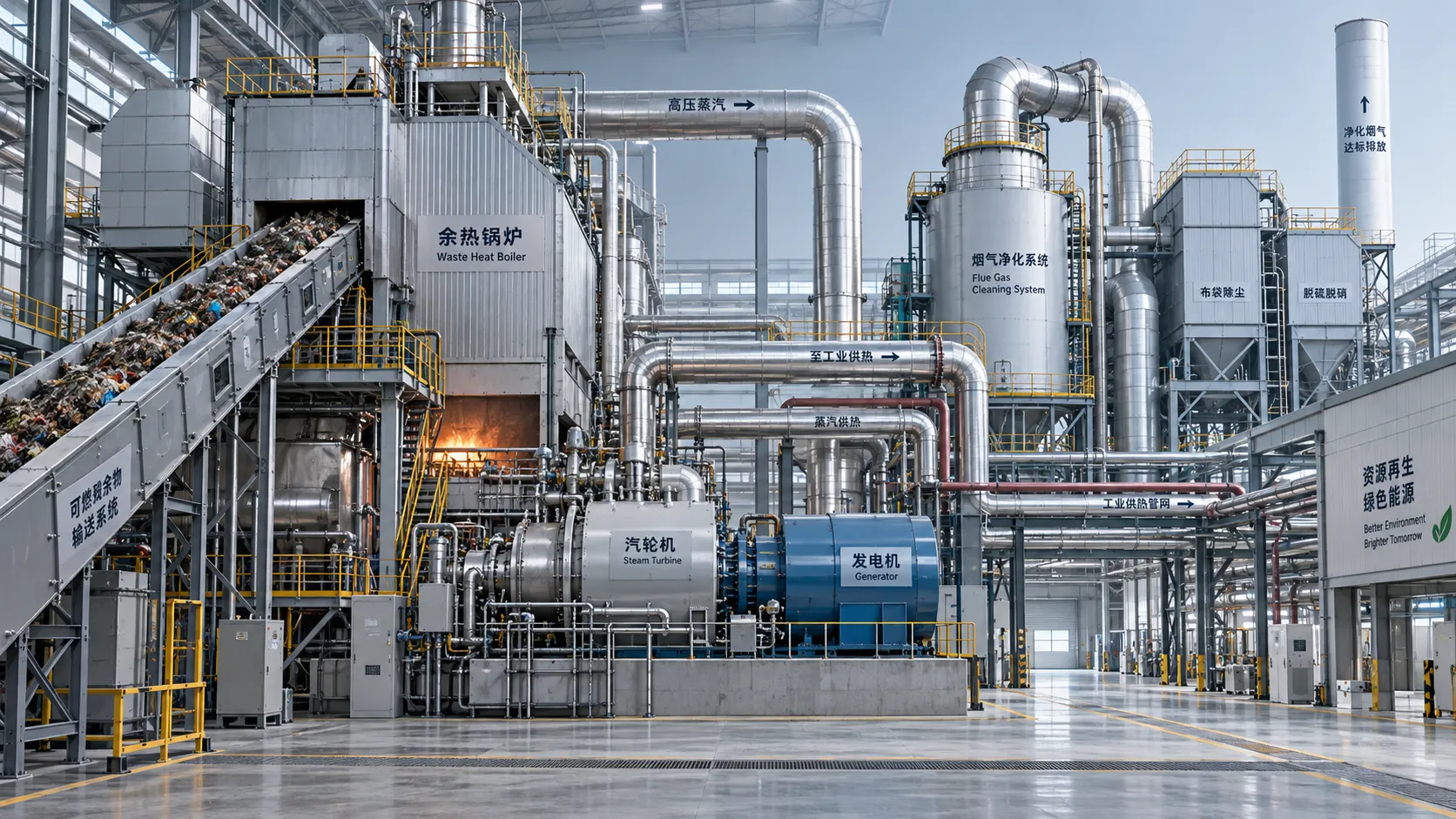
When is energy recovery viable in the solid waste recovery process?
When is energy recovery viable in the solid waste recovery process? Explore feedstock quality, net energy, emissions, and costs to assess feasibility and make smarter investment decisions.
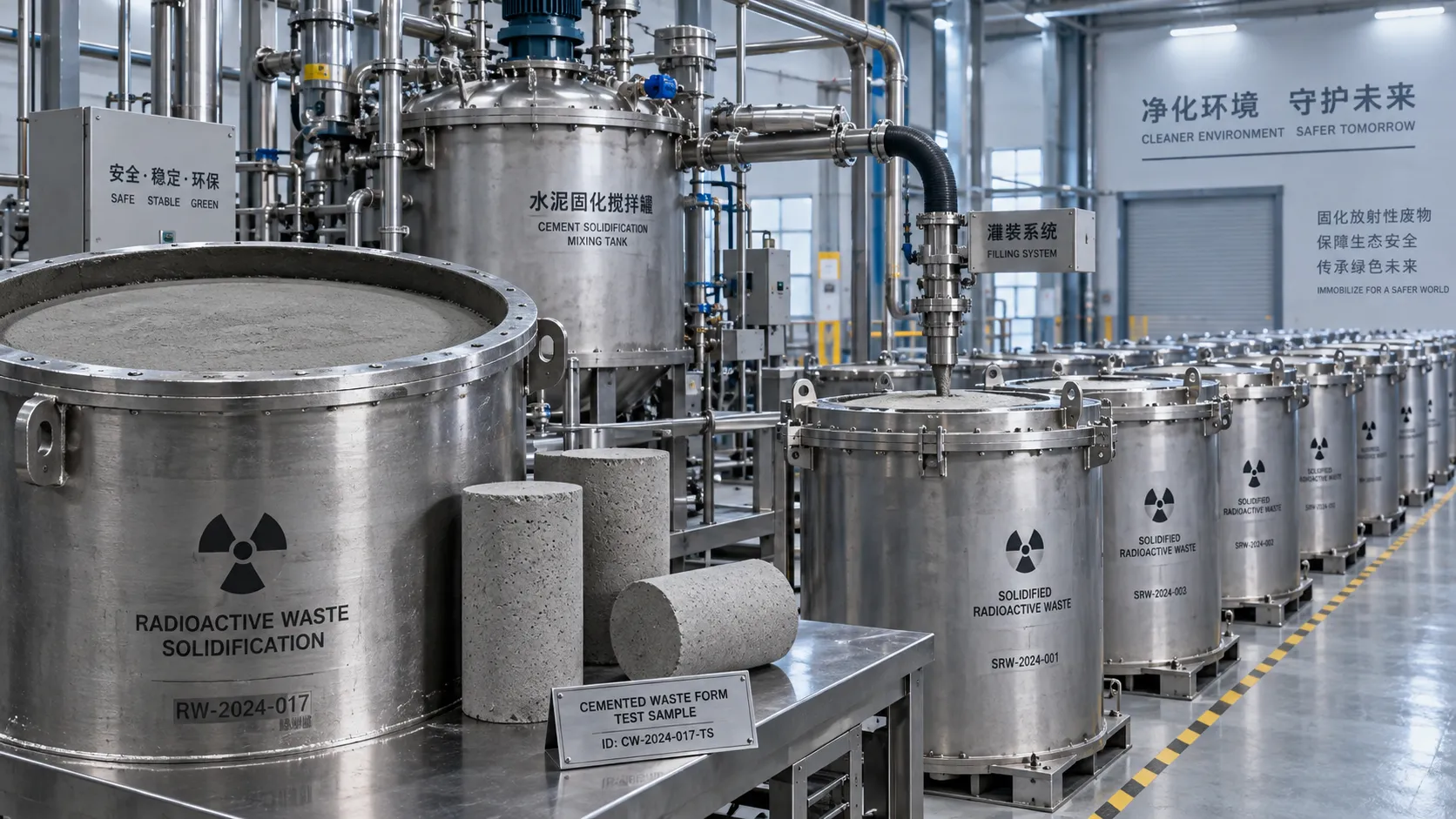
When is cementation suitable for nuclear decommissioning waste?
Explore nuclear waste treatment technology for decommissioning: learn when cementation fits, which risks to assess, and how disposal criteria guide an effective treatment choice.
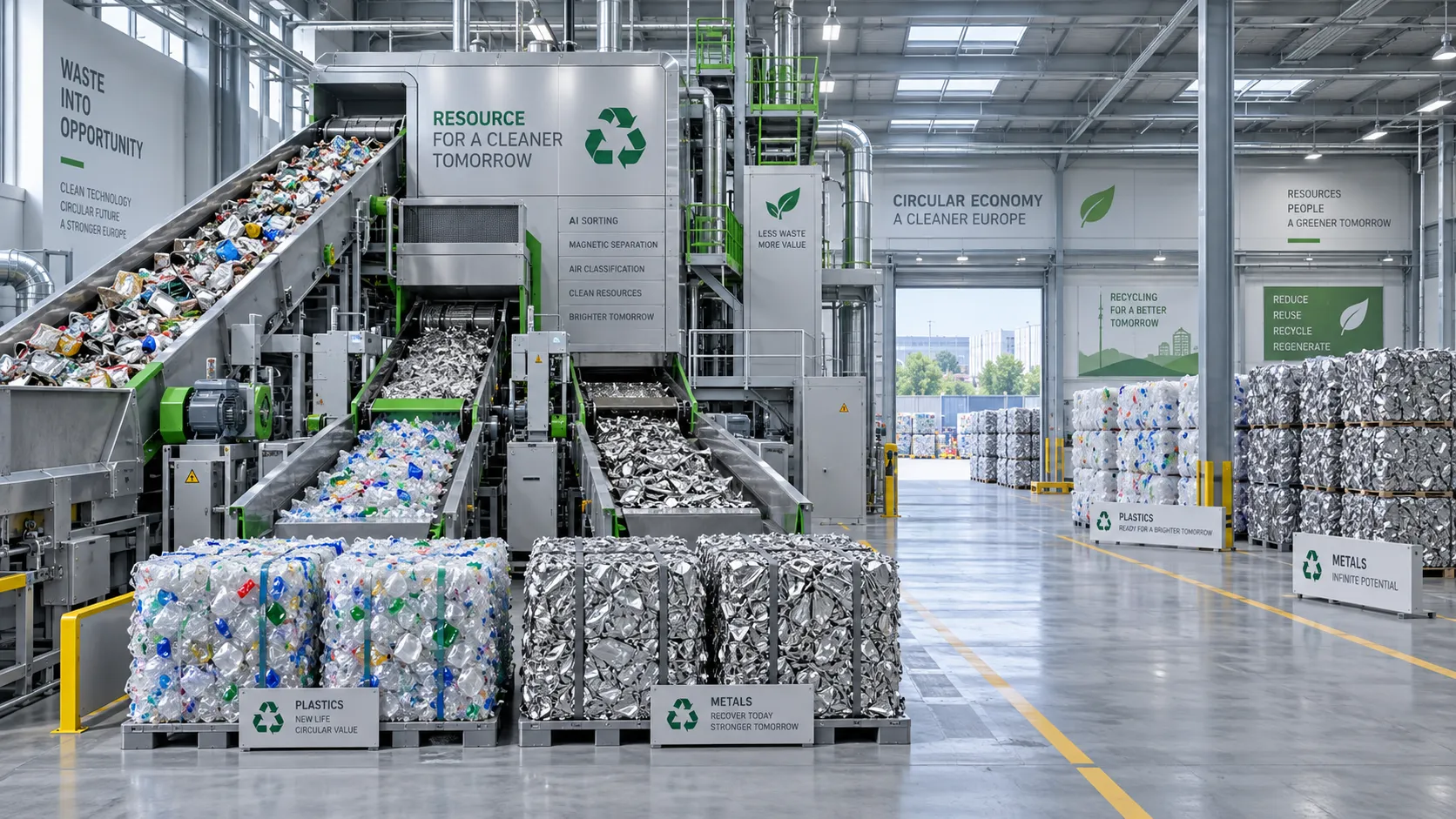
What determines payback for waste-to-resource systems in Europe?
Assess waste-to-resource systems Europe-wide: compare feedstock, recovery yields, costs and contracts to uncover payback drivers and make smarter investment decisions.
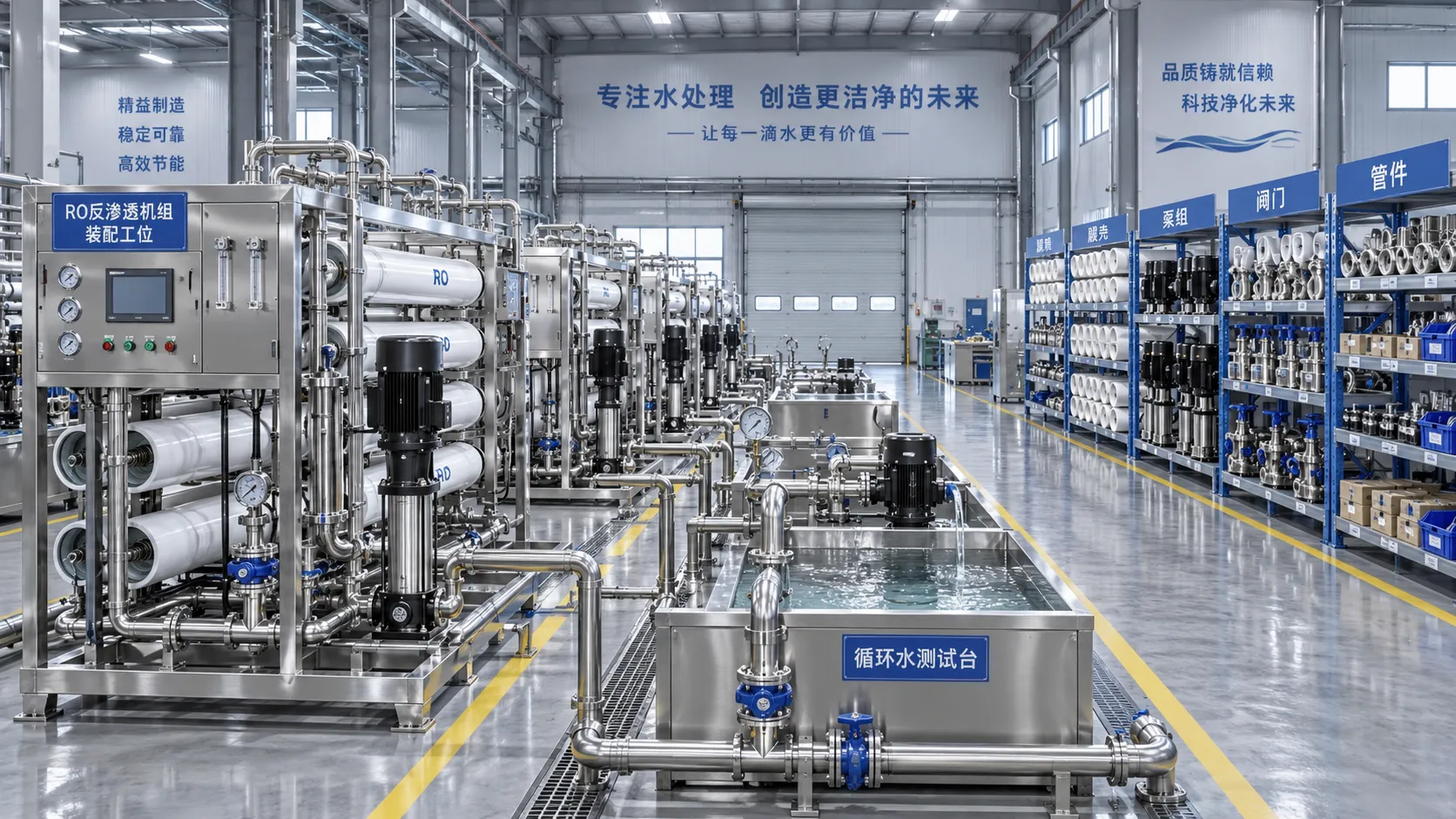
How to verify a water treatment system factory’s production capacity
Verify a water treatment systems factory’s production capacity through records, bottlenecks, component availability, and testing. Learn what to check before accepting a delivery promise.
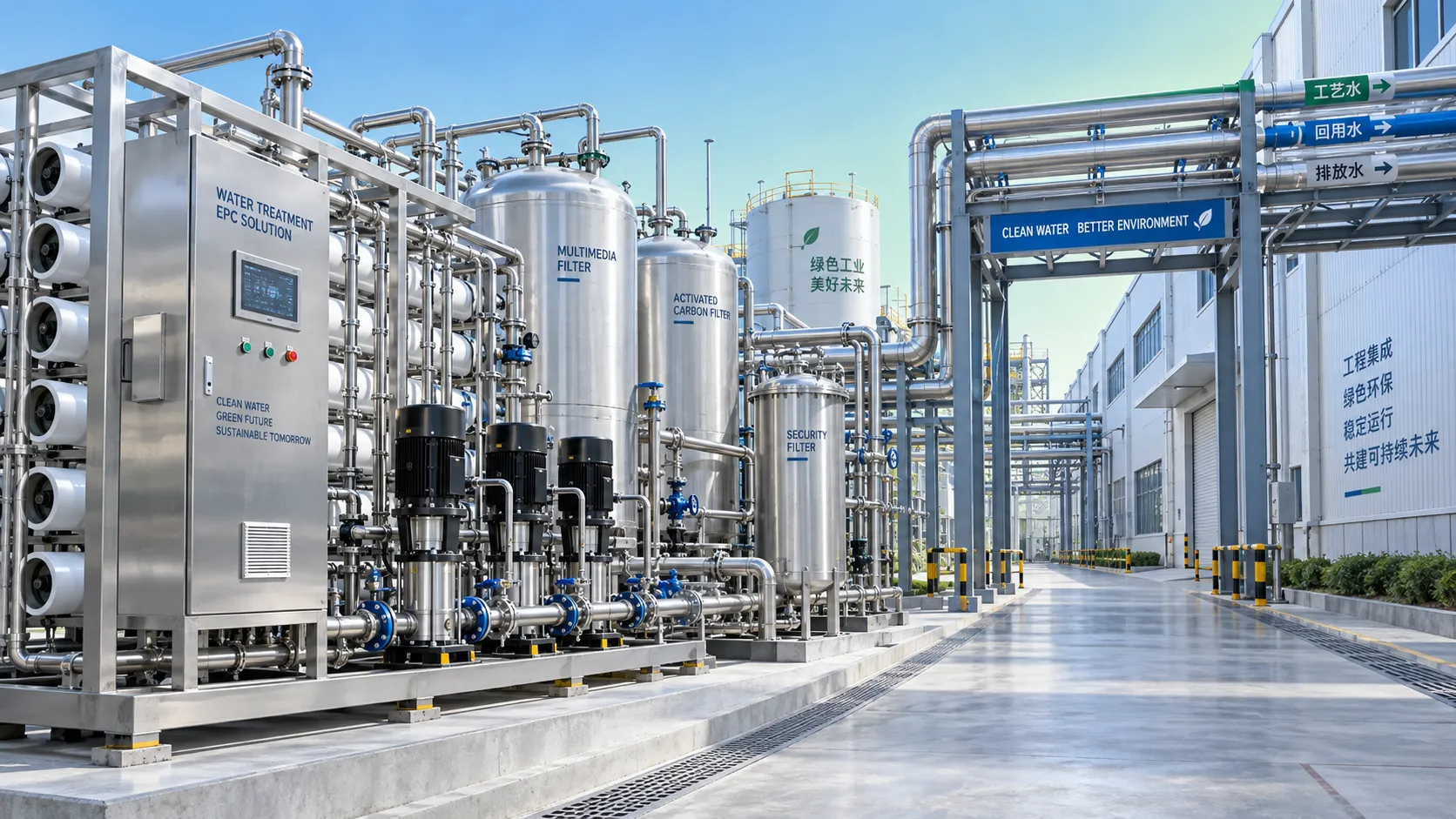
When does EPC environmental project support reduce delivery risk?
EPC environmental project support engineering reduces delivery risk by aligning design, procurement, compliance, construction, and commissioning decisions.
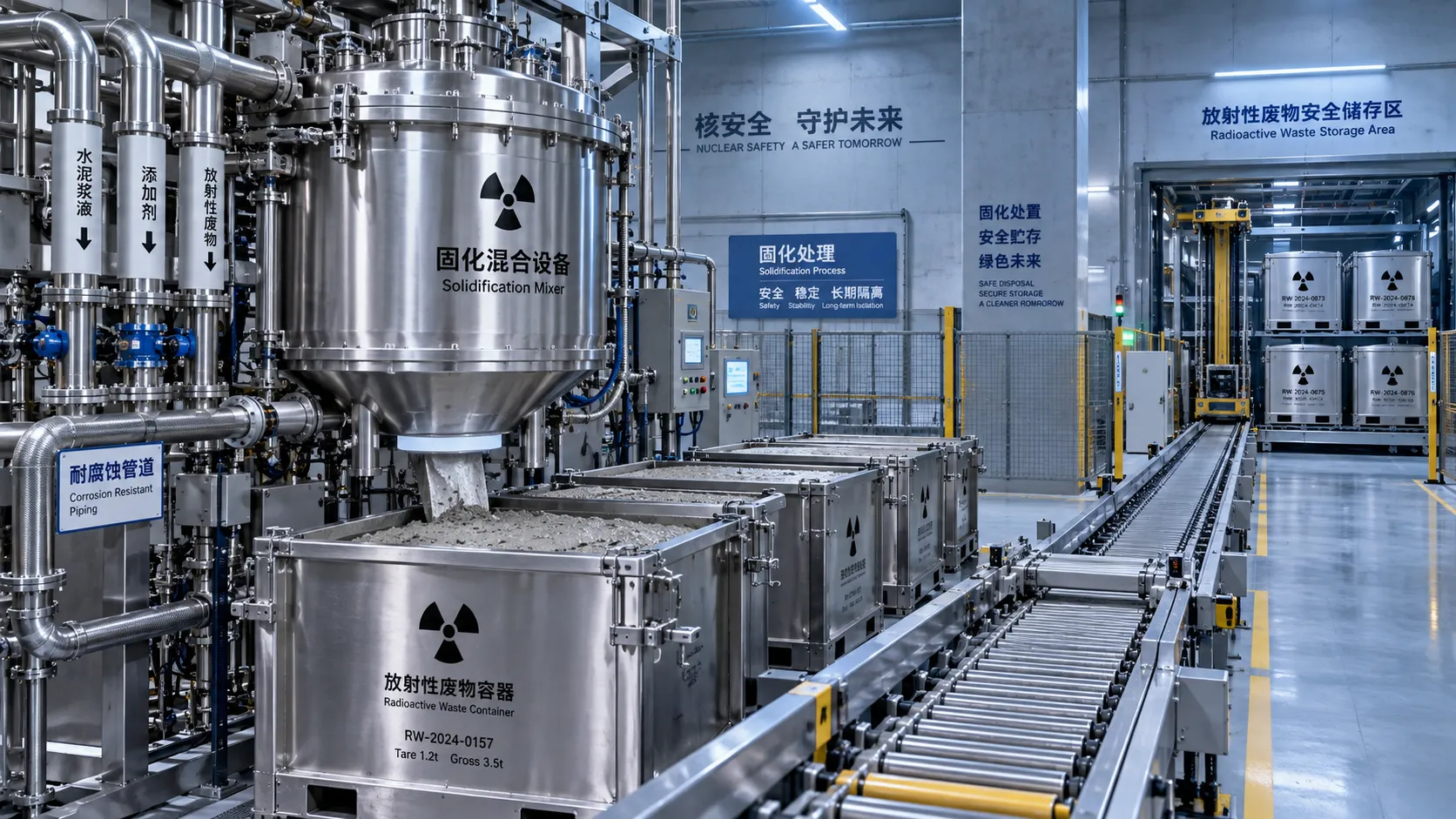
How nuclear plants select a radioactive waste solidification method
Radioactive waste management for nuclear plants: compare vitrification, cementation, polymers, and ceramics to select a compliant, durable solidification solution.