
Industry News
Curation by industry experts
Hot Articles
Popular Tags
Water Treatment Costs: What Changes Project ROI in 2026
In 2026, water treatment project ROI will move with more variables than most approval models capture. Capex still matters, but it is no longer the whole story.
Energy tariffs, compliance penalties, membrane replacement cycles, chemical dosing, labor efficiency, and asset uptime now shape the real economics of water treatment.
That is especially true across large plants, desalination systems, industrial reuse lines, and high-compliance treatment infrastructure tracked by ESD’s intelligence network.
If the goal is a stronger investment case, it helps to test every project against the cost changes most likely to hit payback after commissioning.
What actually changes water treatment ROI in 2026
Most water treatment projects underperform not because the process fails, but because operating assumptions were too optimistic at the approval stage.
For complex assets, ESD often sees the same pattern: the cheapest design on bid day becomes the most expensive system over ten to fifteen years.
- Power price volatility can erase modeled savings fast. Stress-test water treatment economics with high, base, and low tariff cases before locking ROI assumptions.
- Membrane life is not a fixed number. Feedwater instability, cleaning frequency, and pretreatment quality can shorten replacement cycles and lift lifecycle cost.
- Chemical consumption often drifts upward after startup. Review antiscalants, coagulants, pH control, and CIP demand under real seasonal operating conditions.
- Downtime has a bigger financial effect than many models show. Lost production, trucking, emergency discharge handling, and labor overtime add up quickly.
- Discharge compliance is now a direct ROI factor. Tightening nutrient, salinity, PFAS, or metals limits can force upgrades earlier than expected.
- Water recovery targets may improve sustainability headlines, but overly aggressive recovery can raise fouling, scaling, and maintenance costs beyond forecast.
- Local spare parts access matters. Long lead times for pumps, membranes, blowers, or controls can increase outage risk and cash reserve needs.
A quick comparison table for approval-stage review
Seven checks that deserve more attention before approval
A practical review works better than a theoretical one. These checks help separate a water treatment project with stable returns from one with hidden cost drag.
1) Recalculate total cost per cubic meter
Many proposals highlight design efficiency, but approval decisions should focus on delivered cost per cubic meter over the full operating window.
- Use a lifecycle cost model, not only EPC price. Include energy, chemicals, membranes, labor, sludge handling, maintenance, and unplanned shutdown costs.
2) Test feedwater variability, not just average quality
Average influent numbers look clean in presentations. Real plants see spikes in TDS, organics, solids, and temperature that alter water treatment performance.
- Ask for performance at worst-case feed conditions. That is where fouling, chemical demand, and cleaning frequency usually reshape ROI.
This matters in desalination, industrial reuse, and municipal upgrades alike. ESD’s sector tracking shows that variable influent is one of the most common reasons budgets drift.
3) Put membrane and media replacement into cash-flow timing
Replacement cost is not only about amount. Timing matters because clustered replacement years can weaken project returns and distort short-term budget confidence.
- Map replacement cycles by year. Include membrane elements, resin, media, cartridges, and sensors instead of leaving them inside a generic OPEX line.
4) Price the cost of non-compliance realistically
In 2026, environmental compliance is not a soft variable. It directly affects permits, production continuity, financing confidence, and reputation.
- Model fines, emergency hauling, corrective upgrades, and delayed operations. A low-cost water treatment design may be expensive under stricter discharge rules.
This is where ESD’s intelligence value becomes practical. Regulatory shifts, including carbon-linked border measures and tighter discharge expectations, can change project economics before midlife.
5) Review automation as a cost control tool
Automation is often presented as a premium feature. In many water treatment projects, it is actually a hedge against labor scarcity and operating inconsistency.
- Check whether controls reduce dosing drift, detect fouling early, and support predictive maintenance. Better automation often protects uptime and stabilizes OPEX.
6) Measure concentrate and residual handling costs early
This is easy to underestimate. For ZLD, brine concentration, sludge dewatering, or hazardous residuals, disposal can become a major cost driver.
- Verify hauling, storage, dewatering, evaporation, and final disposal assumptions. Residual management can shift payback more than front-end treatment hardware.
7) Challenge vendor guarantees with operating boundaries
Guarantees are useful, but only when the operating envelope is clear. Narrow guarantee conditions can reduce their financial value in real use.
- Check guaranteed recovery, water quality, power use, and uptime against real influent swings, seasonal peaks, and maintenance access constraints.
Where water treatment costs usually get missed
Some costs hide outside the process diagram. They still affect ROI, and they often surface only after the project is already committed.
Grid and energy structure
A desalination or advanced reuse system may look efficient on paper, yet tariff structures, peak demand charges, and backup power needs change the math.
If energy prices remain unstable, specific energy consumption should be tested against future tariff scenarios, not just current utility rates.
Permit pathway and upgrade exposure
A project designed only for today’s discharge target can age quickly. Water treatment assets now operate under a faster-moving compliance environment.
That is especially relevant in sectors tied to export scrutiny, industrial decarbonization, and cross-border environmental reporting frameworks highlighted by ESD.
Service support depth
A lower equipment price can hide weak field support. Slow troubleshooting and poor spare coverage often produce the most expensive kind of water treatment cost: lost time.
A simple way to compare options side by side
When comparing water treatment alternatives, it helps to use a scorecard that balances cost, compliance resilience, and operating stability.
Practical next steps before locking the business case
Before final approval, recast the water treatment model with three scenarios: base case, stressed energy case, and stressed compliance case.
Then review whether projected returns still hold after membrane replacement changes, chemical overuse, and a few days of outage each year.
- Build one decision sheet that shows capex, lifecycle cost, risk exposure, and upgrade flexibility together. That makes water treatment ROI easier to defend later.
- Use external sector intelligence where needed. ESD’s coverage of desalination, ZLD, reuse, and compliance trends can help validate assumptions before commitment.
The strongest water treatment investment in 2026 will not always be the one with the lowest initial price. It will be the one that keeps cost, compliance, and uptime aligned over time.
Recommended News
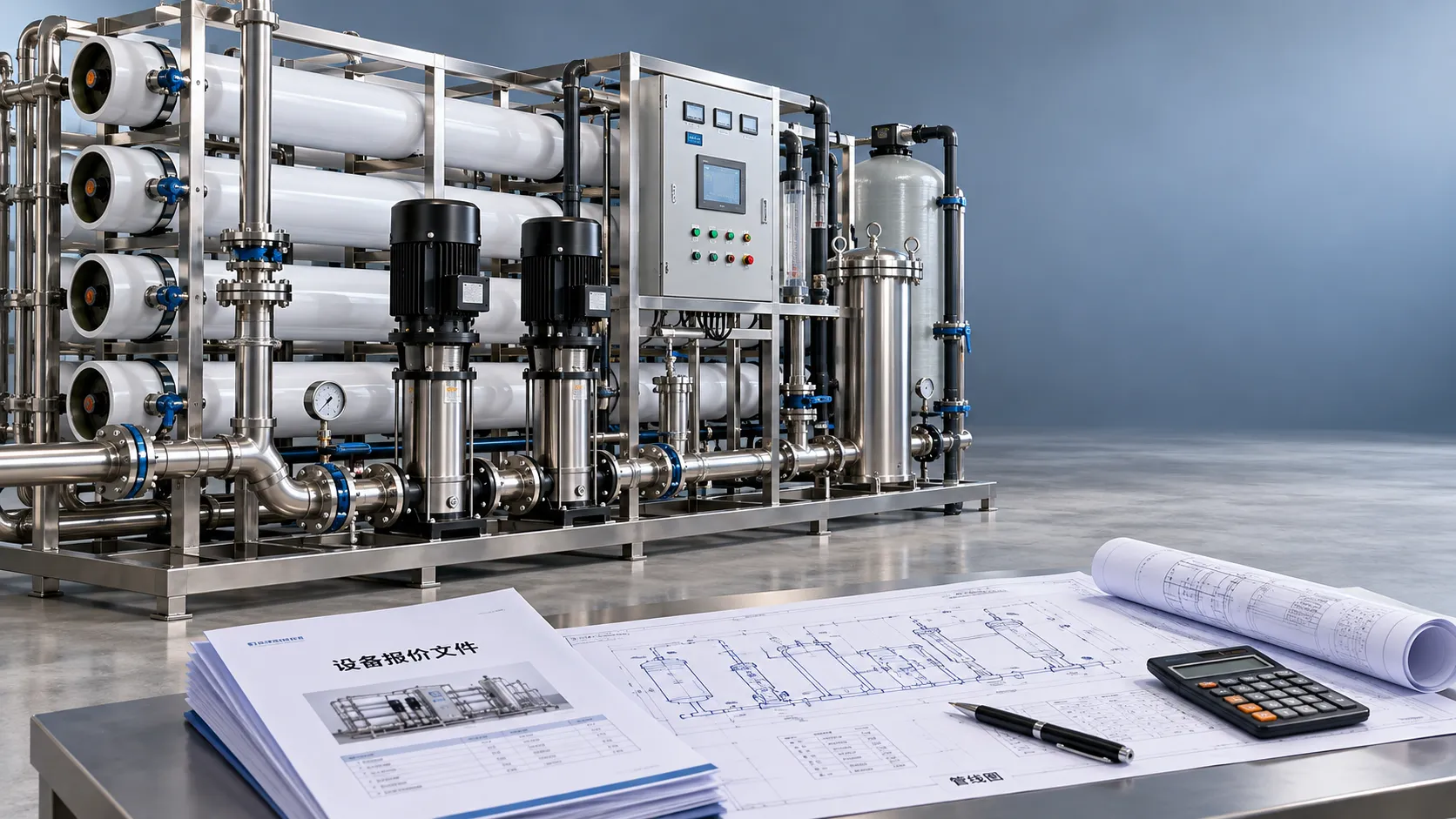
How to check a water treatment quotation for hidden project costs
Review your water treatment quotation for hidden costs, scope gaps, and operating expenses. Learn what to check before signing to protect your budget and avoid costly surprises.
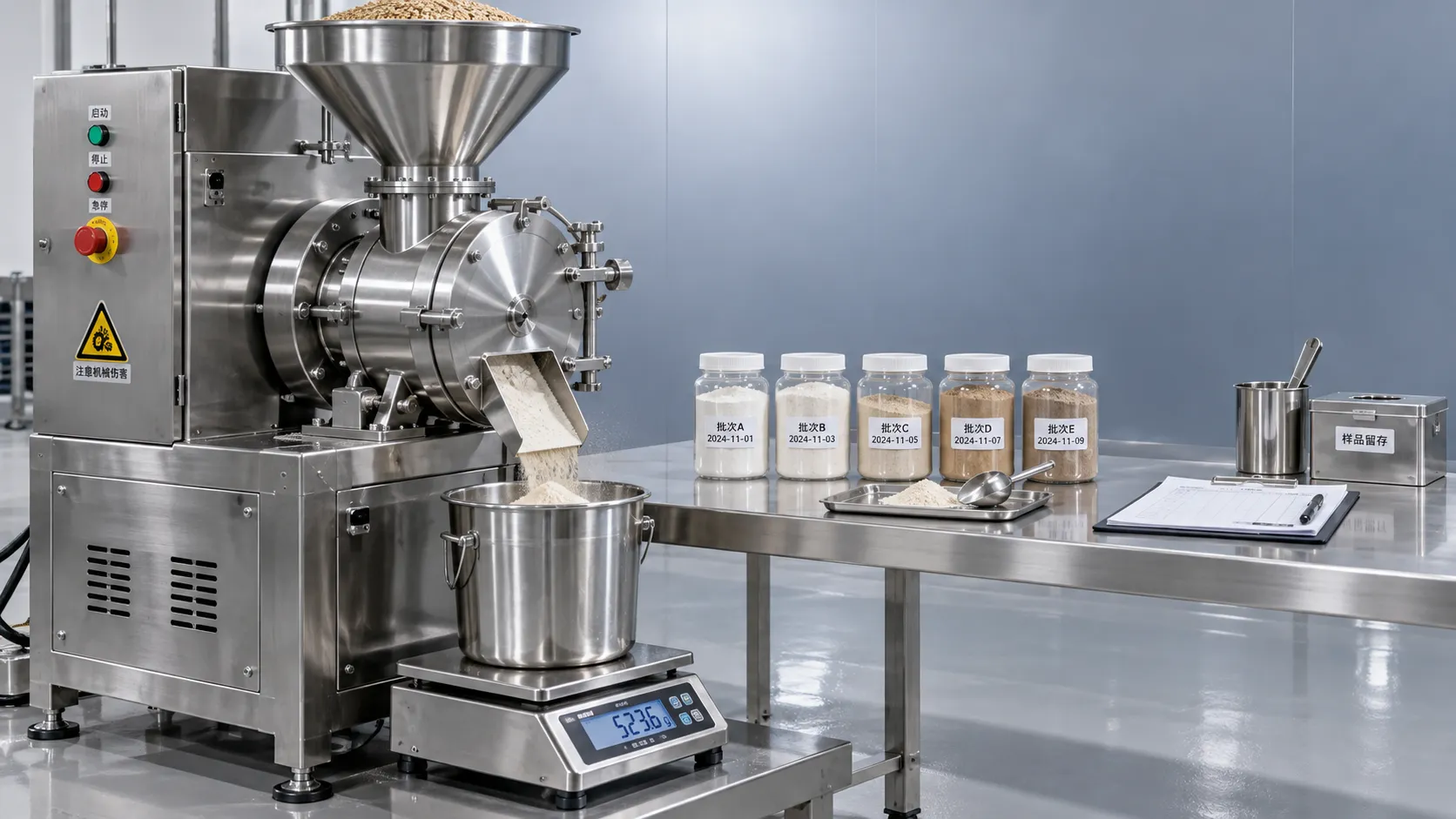
How to vet ingredient processing equipment manufacturers using trials
Vet ingredient processing equipment manufacturers with real-world trials. Learn how to verify yield, cleaning, energy use, and scale-up before you invest.
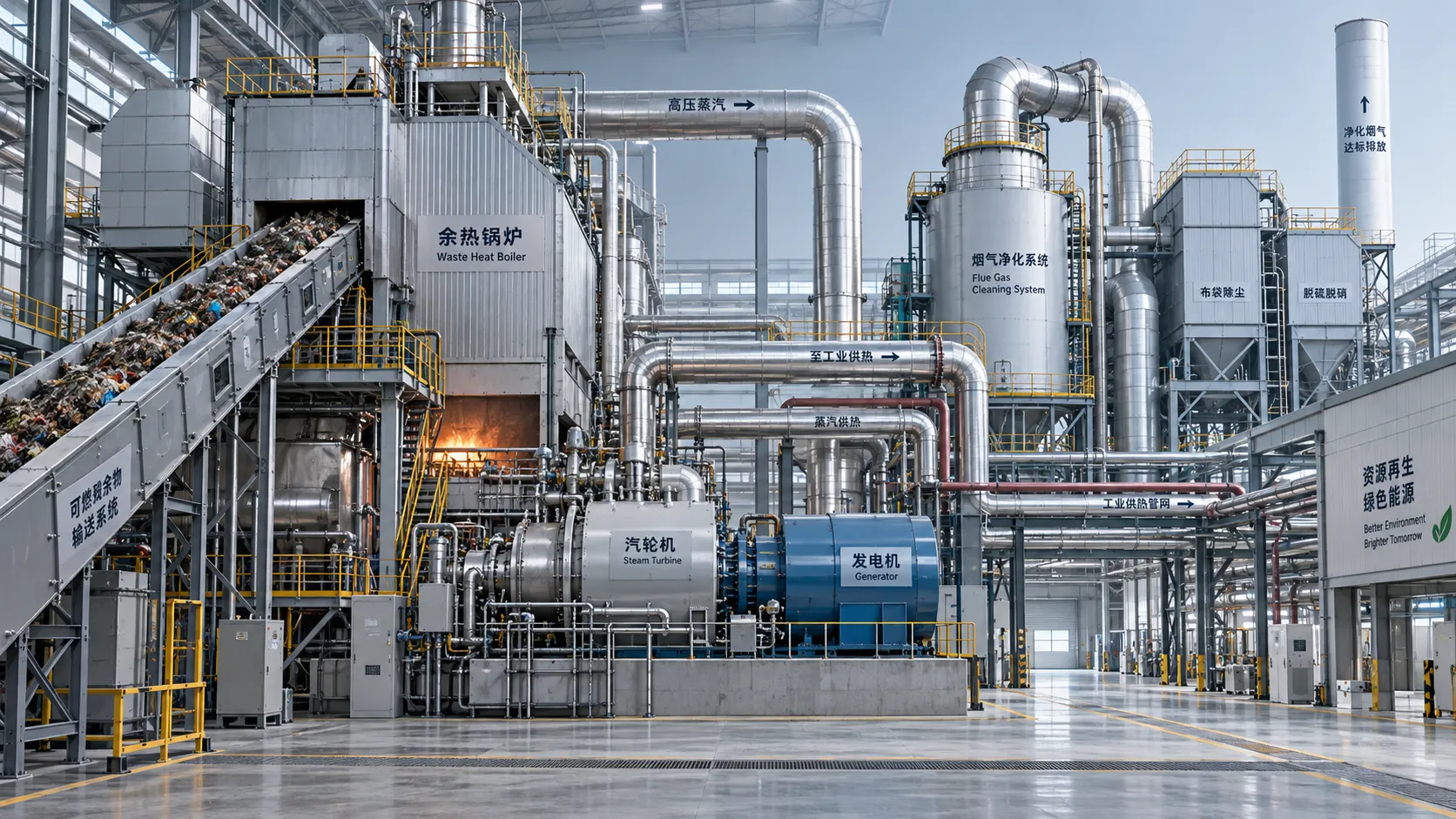
When is energy recovery viable in the solid waste recovery process?
When is energy recovery viable in the solid waste recovery process? Explore feedstock quality, net energy, emissions, and costs to assess feasibility and make smarter investment decisions.
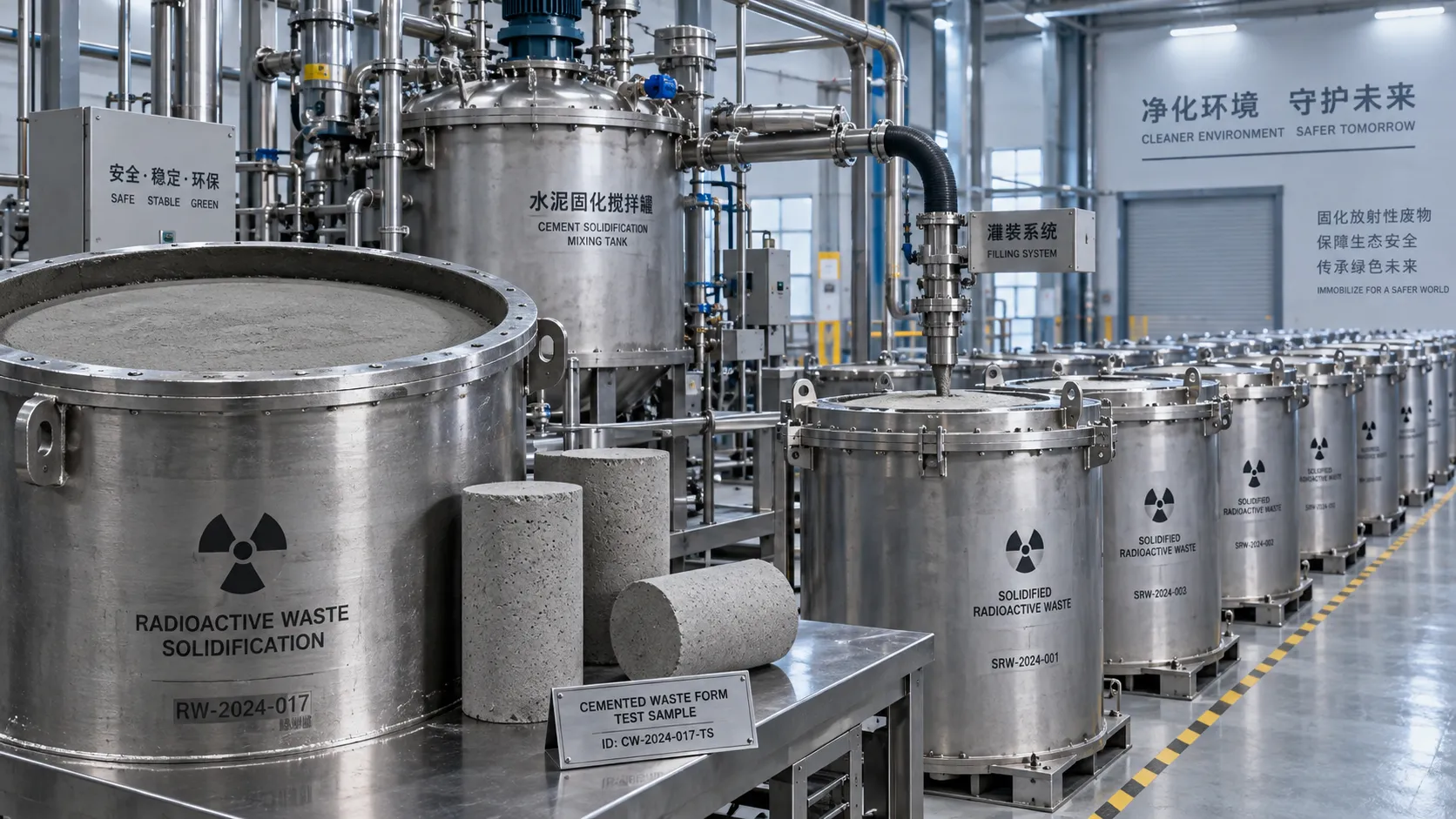
When is cementation suitable for nuclear decommissioning waste?
Explore nuclear waste treatment technology for decommissioning: learn when cementation fits, which risks to assess, and how disposal criteria guide an effective treatment choice.
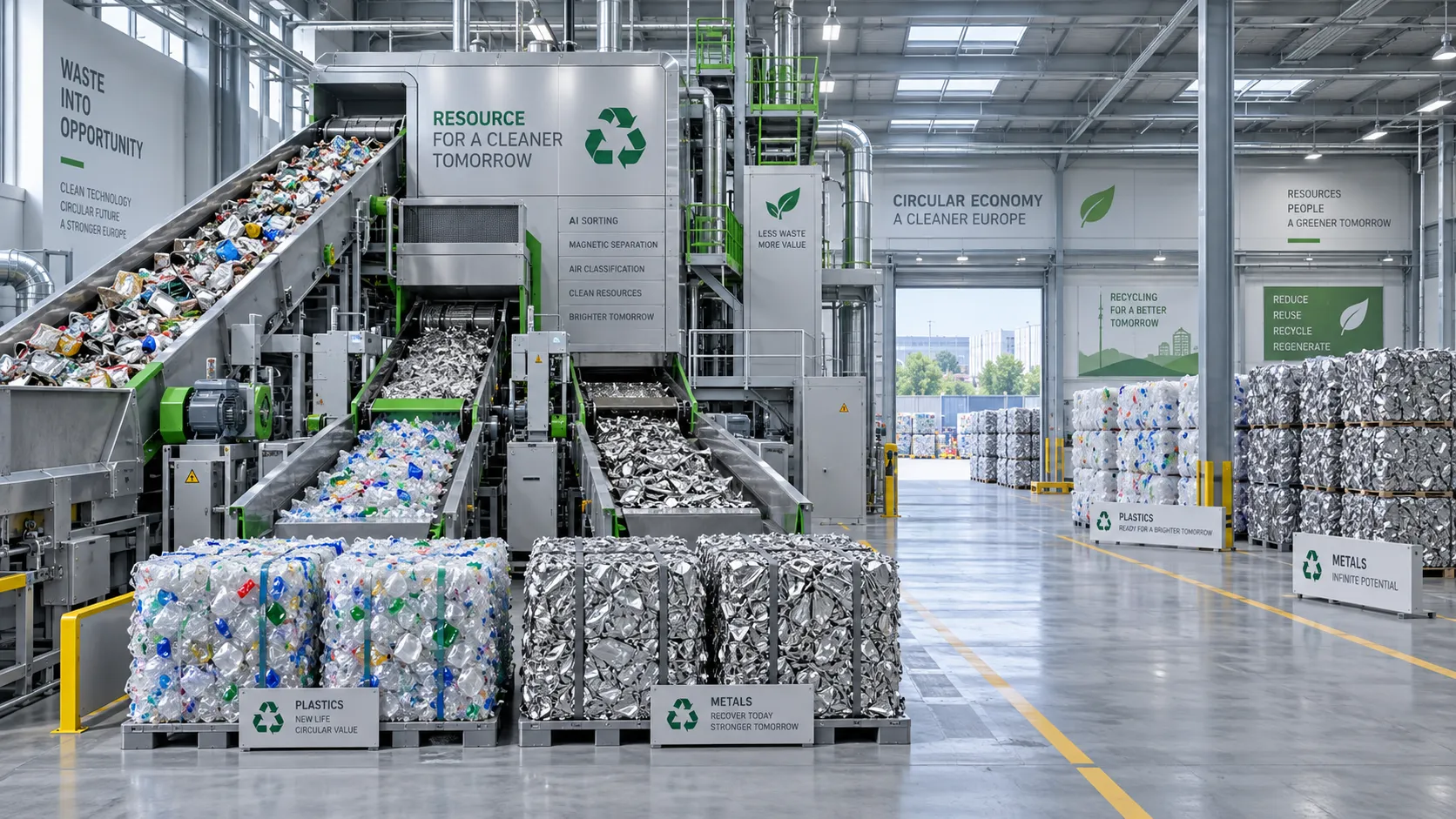
What determines payback for waste-to-resource systems in Europe?
Assess waste-to-resource systems Europe-wide: compare feedstock, recovery yields, costs and contracts to uncover payback drivers and make smarter investment decisions.
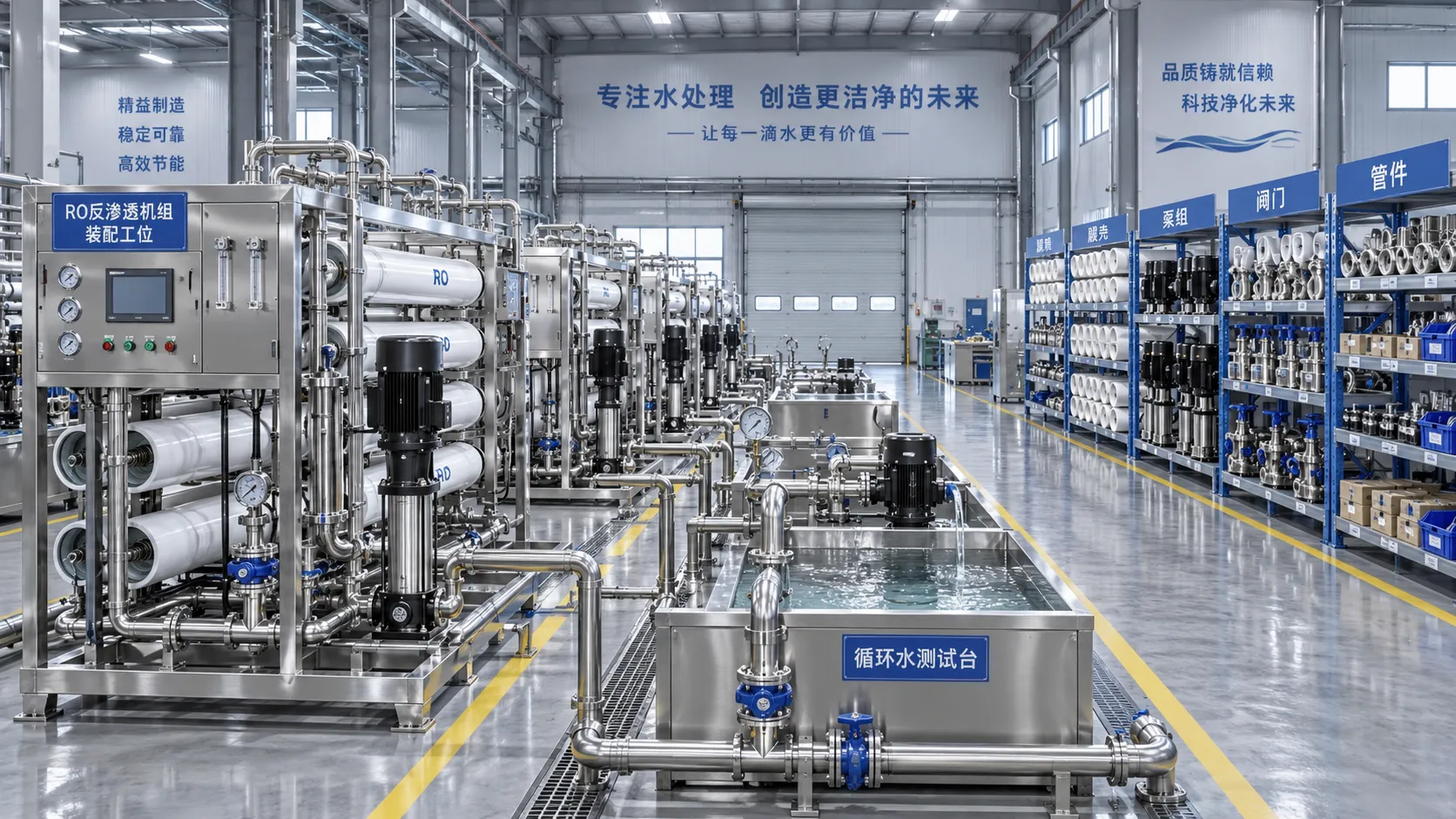
How to verify a water treatment system factory’s production capacity
Verify a water treatment systems factory’s production capacity through records, bottlenecks, component availability, and testing. Learn what to check before accepting a delivery promise.
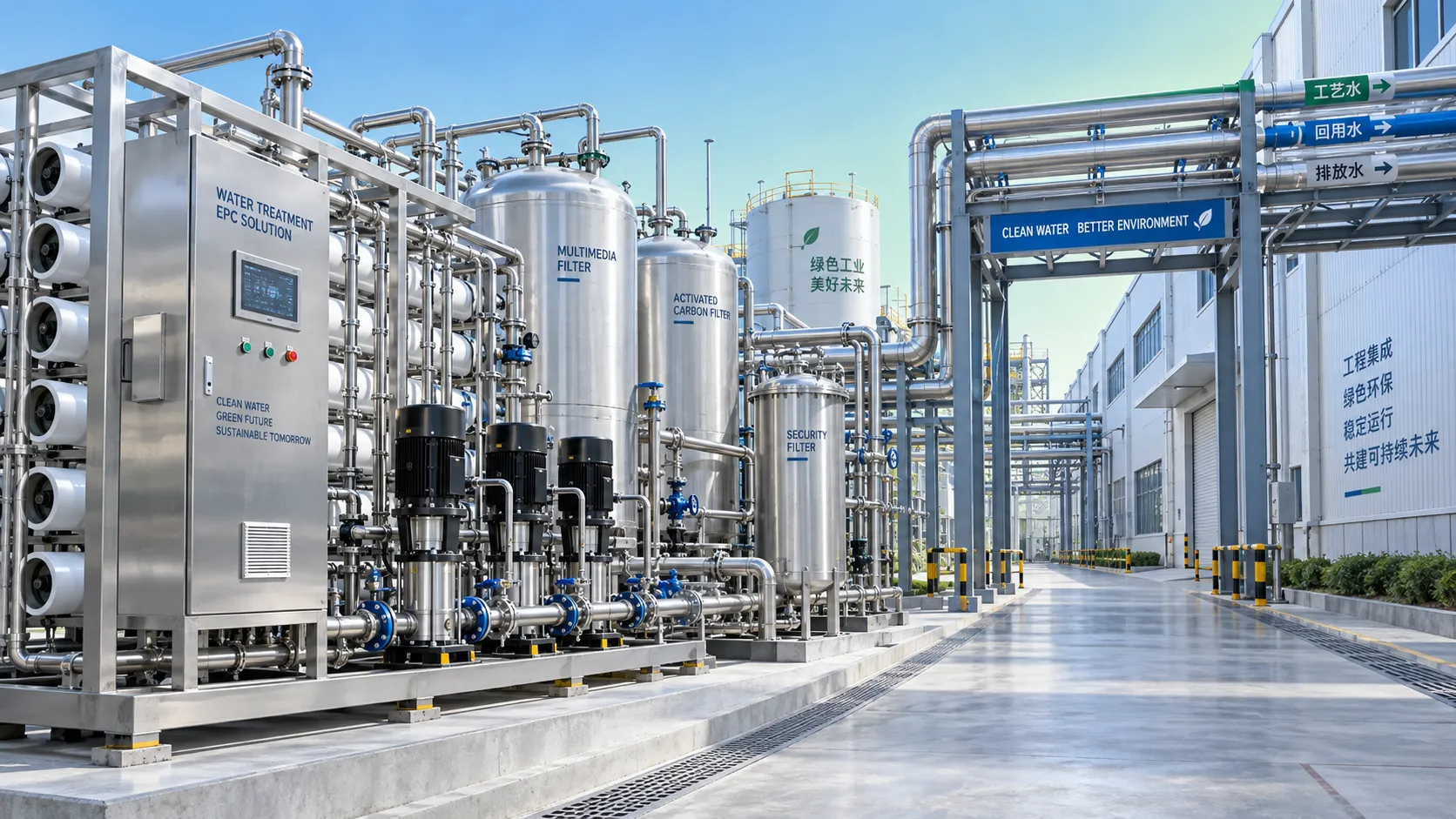
When does EPC environmental project support reduce delivery risk?
EPC environmental project support engineering reduces delivery risk by aligning design, procurement, compliance, construction, and commissioning decisions.
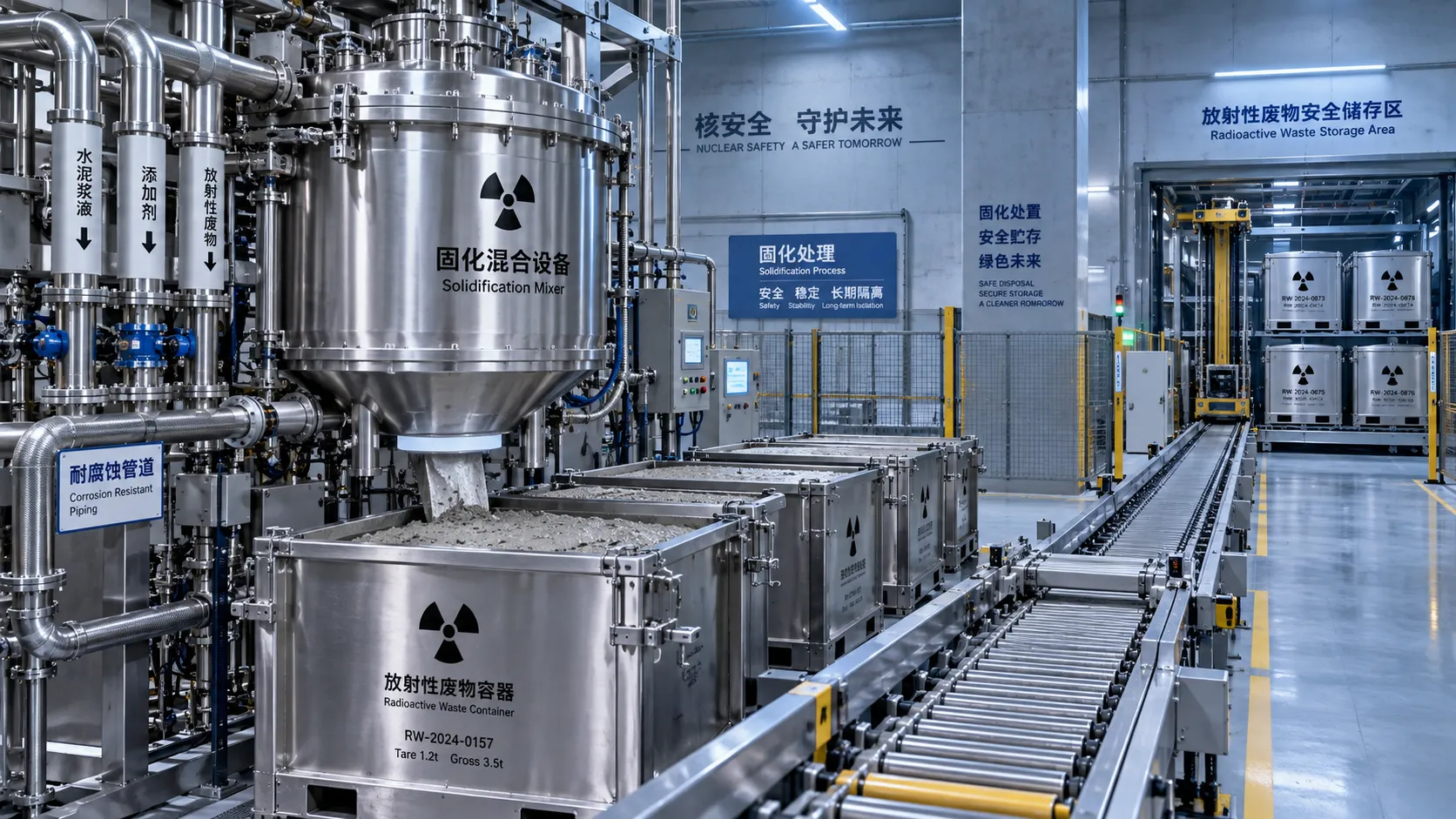
How nuclear plants select a radioactive waste solidification method
Radioactive waste management for nuclear plants: compare vitrification, cementation, polymers, and ceramics to select a compliant, durable solidification solution.
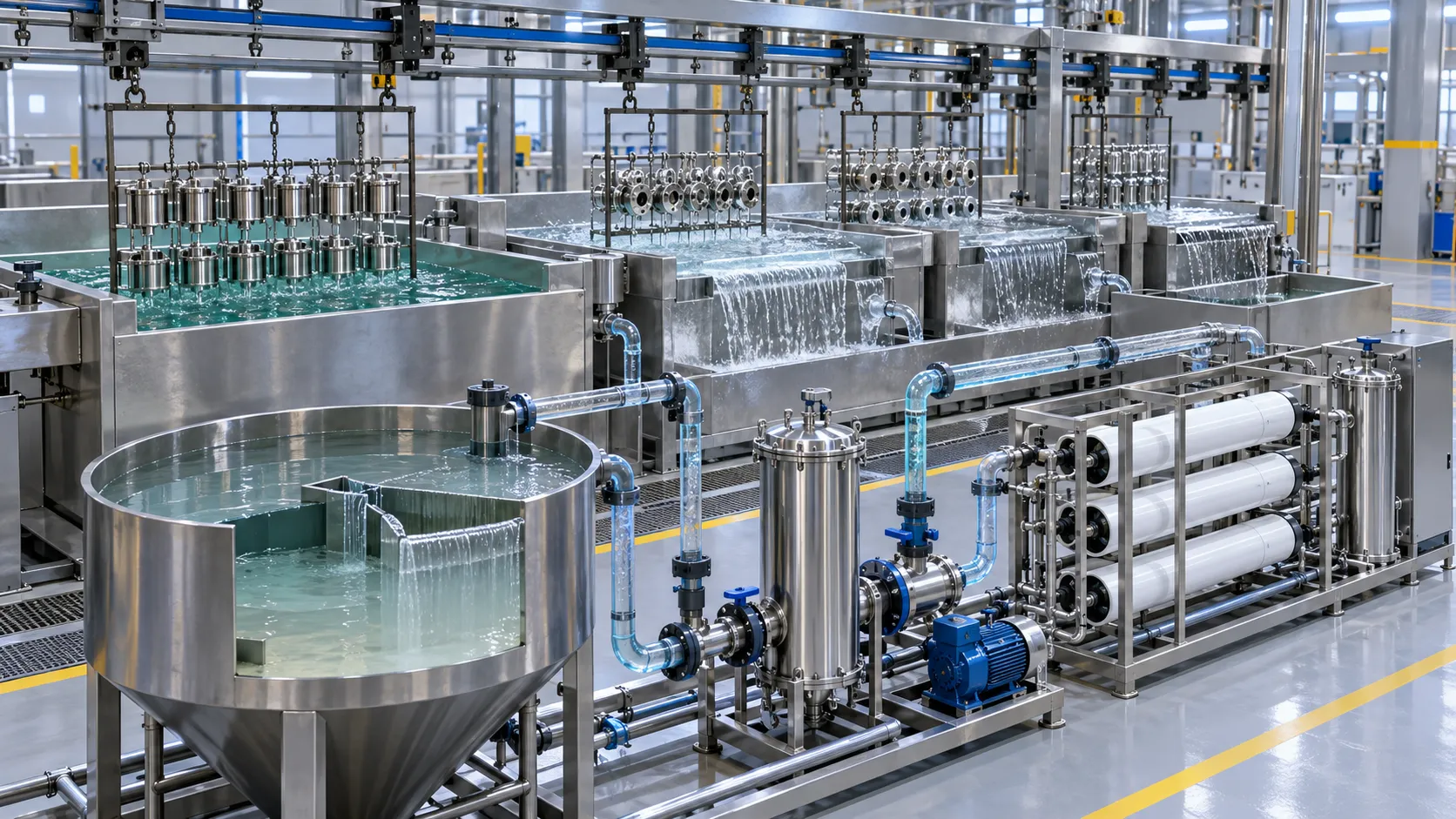
Water Treatment Options for Metal Finishing Rinse Water and Process Baths
Metal finishing water treatment solutions for rinse water and process baths—reduce costs, recover metals, improve reuse, and strengthen compliance.