
Industry News
Curation by industry experts
Hot Articles
Popular Tags
Carbon neutrality deadlines: what industrial sites should prepare now
As carbon neutrality deadlines move from policy ambition to operational reality, industrial sites can no longer afford to wait. From water treatment and waste recovery to flue gas control, desalination, and nuclear waste management, decision-makers must prepare for tighter compliance, higher capital scrutiny, and faster technology shifts. This article outlines the practical priorities industrial leaders should address now to reduce risk, protect competitiveness, and align complex facilities with the next phase of global environmental transition.
For most industrial leaders, the real question is not whether carbon neutrality will affect their sites, but how quickly those deadlines will influence asset value, operating cost, market access, and compliance exposure. The answer is clear: preparation must begin now, well before formal target years arrive.
The strongest search intent behind “Carbon neutrality deadlines: what industrial sites should prepare now” is practical and decision-oriented. Readers want to know what actions matter most, where risks are building, how to prioritize investments, and how to avoid spending heavily on the wrong decarbonization pathway.
For enterprise decision-makers, the issue is not abstract sustainability positioning. It is about capital planning, operational resilience, technology timing, regulatory uncertainty, procurement strategy, and competitive advantage. Carbon neutrality is becoming a board-level issue because it increasingly shapes financing, export eligibility, permit security, insurance perception, and customer qualification.
Why carbon neutrality deadlines are becoming an immediate industrial planning issue
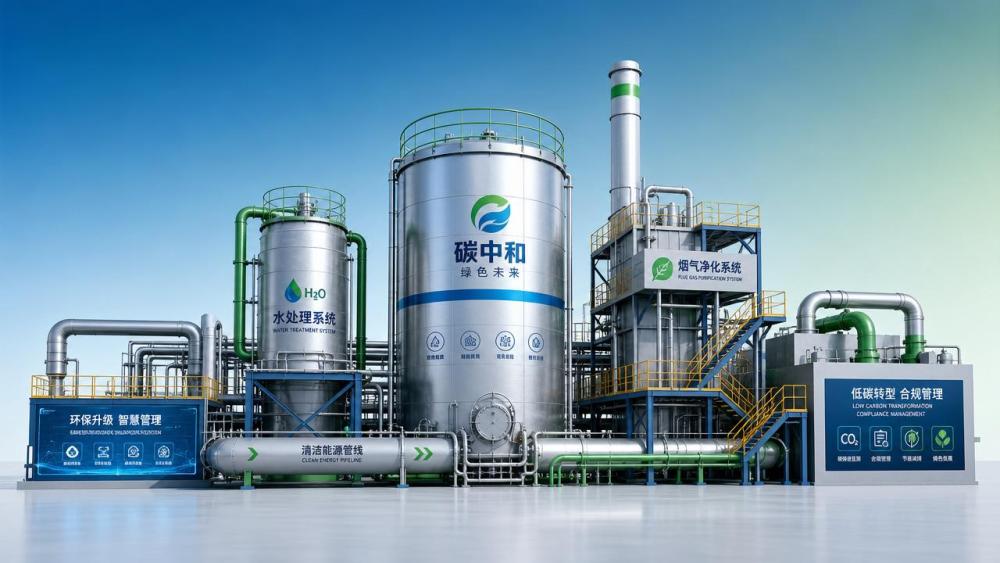
Carbon neutrality targets once felt distant because many were set for 2040, 2050, or later. That distance is now misleading. Industrial sites are long-life assets, and major treatment systems, flue gas units, desalination trains, recovery facilities, and hazardous waste infrastructure often require years to evaluate, permit, fund, engineer, and commission.
If a facility waits until formal deadlines are close, it will face a compressed transition window. That typically means higher retrofit costs, rushed vendor selection, production disruption, weaker financing terms, and a greater likelihood of stranded assets. In sectors with energy-intensive processes, late action can also lock in high-carbon operating structures for another decade or more.
Regulatory pressure is also shifting from broad ambition to measurable accountability. Governments, investors, lenders, and industrial customers increasingly expect verified emissions baselines, interim reduction targets, and credible implementation roadmaps. This matters not only for direct emitters, but also for sites whose carbon footprint is embedded in water processing, waste treatment, thermal recovery, materials handling, and utility systems.
In parallel, mechanisms such as carbon pricing, emissions disclosure rules, green procurement standards, and cross-border trade measures are making carbon performance commercially relevant. Carbon neutrality is no longer only an environmental commitment; it is becoming a condition of market participation.
What enterprise decision-makers care about most right now
Senior industrial readers usually care about five questions above all else. First, what is the site’s actual exposure to carbon-related regulation and cost? Second, which assets are most vulnerable to future non-compliance or poor economics? Third, what investments should be made now versus later? Fourth, how can decarbonization be aligned with operational reliability? Fifth, how can leadership avoid overcommitting to technologies that may not deliver financially?
These concerns are especially relevant in complex environmental infrastructure. A water treatment plant may reduce pollution risk while still carrying a heavy energy burden. A solid waste recovery line may create circular value but depend on unstable feedstock quality. Flue gas treatment can improve air compliance while increasing parasitic load. Desalination supports water security but can intensify electricity demand. Nuclear waste management requires uncompromising safety while facing pressure for lifecycle efficiency.
Because of these trade-offs, executives do not need generic climate messaging. They need a disciplined framework for deciding where carbon neutrality investments generate resilience, where they prevent future liabilities, and where they can create measurable commercial upside.
Start with a site-level carbon reality check, not a headline pledge
The first preparation step is a rigorous baseline. Many industrial groups still have an incomplete view of site-level emissions because they focus mainly on direct fuel use and purchased electricity. In reality, carbon exposure often sits across multiple layers: process heat, pumping energy, chemical dosing, sludge treatment, waste hauling, backup power, membrane replacement, thermal oxidation, transport logistics, and embedded emissions in critical consumables.
A credible baseline should identify Scope 1 and Scope 2 emissions in detail, then prioritize the most material Scope 3 categories that affect procurement, customer expectations, or product footprint. For industrial sites, this baseline should be built at the asset and process-unit level, not only as a corporate average.
Decision-makers should ask three practical questions. Which process blocks consume the most energy? Which systems are likely to become expensive under future carbon pricing or electricity volatility? Which equipment replacements over the next five to ten years could either lower or lock in emissions?
This exercise often reveals that a small number of systems drive a large share of emissions intensity. In water and wastewater operations, aeration, pumping, thermal concentration, and sludge handling are common hotspots. In waste recovery, drying, shredding, pyrolysis, and downstream purification can dominate energy use. In desalination, high-pressure pumping and pre-treatment reliability are critical. In flue gas treatment, reagent use, pressure drop, and heat integration matter. These are the areas where preparation should begin.
Prioritize “no-regret” actions before major transformation bets
One of the biggest mistakes industrial sites make is assuming carbon neutrality preparation always starts with breakthrough technology. In most cases, the highest-value first moves are no-regret actions that improve both carbon and operating performance regardless of how policy evolves.
These typically include energy efficiency upgrades, digital process control, load optimization, heat recovery, pump and motor modernization, compressed air correction, advanced monitoring, leak reduction, chemical optimization, and maintenance practices that restore design performance. Such measures usually offer shorter payback, lower execution risk, and better internal acceptance than large-scale transformation projects.
For example, a wastewater or desalination facility may cut power intensity significantly by optimizing membrane fouling control, improving variable-speed drive strategies, or reducing unnecessary recirculation. A waste recovery site may improve sorting purity and thermal efficiency simultaneously through automation and feedstock stabilization. A flue gas treatment system may reduce energy penalties by improving pressure-drop management or integrating better controls.
No-regret actions also create organizational momentum. They help teams build data credibility, prove savings, and prepare the site for larger decarbonization investments later. Most importantly, they reduce the risk of making expensive strategic decisions on top of poor process discipline.
Review upcoming capital expenditure through a carbon neutrality lens
Industrial sites should not treat decarbonization as a separate workstream disconnected from normal capex planning. The better approach is to review every major planned investment through a carbon neutrality lens. Any new boiler, incineration line, treatment train, pumping station, thermal process, emergency power system, or solids handling asset may define the site’s emissions profile for the next fifteen to thirty years.
This means investment committees should add several questions to standard approval processes. Will this asset remain compliant under plausible future carbon rules? Does it improve or worsen energy intensity? Can it support electrification or lower-carbon fuel switching later? What is the carbon cost exposure over its lifecycle, not just the purchase price? Are there modular options that preserve flexibility?
In many industries, the biggest risk is not failing to spend. It is spending once, and spending wrong. A project that appears economical under today’s utility prices can become unattractive if grid emission factors tighten, carbon charges rise, or customer disclosure requirements become stricter. A carbon neutrality roadmap should therefore function as a filter for all major asset decisions.
Prepare for compliance convergence, not just one regulation
Another important mindset shift is that industrial sites are unlikely to face only a single carbon-related rule. More often, they encounter compliance convergence: emissions reporting, energy efficiency obligations, water discharge limits, waste traceability, local air permits, product-level disclosure, green finance criteria, and customer sustainability requirements arriving together.
That is particularly true in complex environmental sectors. A treatment facility may be judged not only on what pollutants it removes, but also on how much energy it uses, how much residual waste it generates, and how transparent its operating data is. The era of optimizing one compliance variable at the expense of all others is ending.
For leadership teams, this means carbon neutrality preparation should be cross-functional. Sustainability, operations, engineering, finance, procurement, legal, EHS, and commercial teams need a shared planning structure. If each function works separately, sites often miss interactions between permit risk, carbon cost, downtime exposure, and customer contract requirements.
A useful governance tool is a site transition map that links each major asset to compliance status, emissions intensity, cost sensitivity, retrofit options, and replacement timing. That map gives decision-makers a more strategic basis for sequencing action.
Focus on technologies that fit the site, not technologies that fit the trend
Industrial executives are under pressure to respond quickly to decarbonization narratives, but not every widely discussed solution belongs at every site. Carbon neutrality preparation should be grounded in process realities, local power conditions, resource availability, and reliability needs.
Electrification may make sense where grid quality is stable and power is decarbonizing. Waste heat recovery can be highly effective where thermal streams are continuous and recoverable. On-site renewables may support auxiliary loads but not always core process demand. Alternative fuels can help in some thermal applications but may introduce supply insecurity or permit complexity. Carbon capture may be justified for specific high-concentration streams, but often not as an early-stage measure for facilities with larger low-cost efficiency opportunities still untapped.
For sites involved in desalination, water treatment, solid waste recovery, or air pollution control, the best technology pathway is often hybrid rather than singular. It may combine process optimization, selective electrification, digital controls, energy recovery, smarter materials selection, and staged equipment replacement. The key is to avoid adopting high-visibility technology before confirming operational fit and financial logic.
Strengthen data quality now because future decisions will depend on it
Poor data is one of the most underestimated risks in the carbon neutrality transition. If a site cannot measure process-level energy use, fugitive losses, treatment efficiency, chemical consumption, and residual outputs with confidence, it will struggle to prioritize investments or defend them internally.
Data quality matters for more than reporting. It affects financing discussions, vendor comparisons, lifecycle cost models, customer disclosures, and regulatory audits. As expectations rise, rough estimates and spreadsheet assumptions become less acceptable.
Decision-makers should therefore invest in metering, digital visibility, process analytics, and carbon-accounting discipline early. Better data helps answer practical questions: Which operating mode has the lowest emissions intensity? Which unit operation is underperforming? Which maintenance backlog is creating hidden carbon cost? Which retrofit claims from suppliers are credible in real plant conditions?
For board-level planning, good data also supports better narrative control. It allows leadership to show that carbon neutrality preparation is not symbolic, but based on measurable operational intelligence.
Build a phased roadmap that protects competitiveness
The most effective industrial response to carbon neutrality deadlines is usually a phased roadmap rather than a single grand program. Phase one should establish baseline visibility, governance, and no-regret efficiency actions. Phase two should align medium-term capex, procurement standards, and asset replacement plans with decarbonization goals. Phase three should address deeper structural changes such as electrification, low-carbon process redesign, advanced recovery systems, or integration with cleaner energy supply.
This phased approach helps leadership control risk. It avoids paralysis from over-analysis while also preventing reactive spending. It gives finance teams time to structure investment pathways, helps operations absorb change gradually, and allows technology choices to improve as markets mature.
Most importantly, a roadmap should be tied to business outcomes, not only emissions percentages. Those outcomes may include lower operating cost volatility, stronger bid competitiveness, easier compliance, improved customer qualification, better insurance posture, or greater resilience against future carbon pricing. When carbon neutrality is framed this way, it becomes easier to govern as a strategic industrial issue rather than a communications exercise.
Conclusion: the best time to prepare is before the deadline becomes expensive
Carbon neutrality deadlines are not simply future policy milestones. For industrial sites, they are already influencing how assets should be valued, upgraded, financed, and operated. The companies that benefit most will not be those with the most ambitious slogans, but those that build a disciplined transition strategy early.
That strategy starts with understanding site-level emissions reality, identifying no-regret improvements, screening capital projects through a carbon lens, preparing for overlapping compliance demands, and choosing technologies based on industrial fit rather than trend pressure. Strong data and phased execution then turn carbon neutrality from a vague obligation into a manageable business program.
For decision-makers overseeing water treatment, waste recovery, flue gas control, desalination, nuclear-related infrastructure, or other heavy environmental systems, the message is straightforward: waiting reduces optionality. Preparing now preserves it. And in a tighter regulatory and commercial landscape, optionality may become one of the most valuable assets a site has.
Recommended News

How feed salinity affects energy use in ZLD system brine treatment
ZLD system brine treatment: discover how feed salinity drives energy use, scaling risk, and technology choices for efficient, reliable zero liquid discharge.
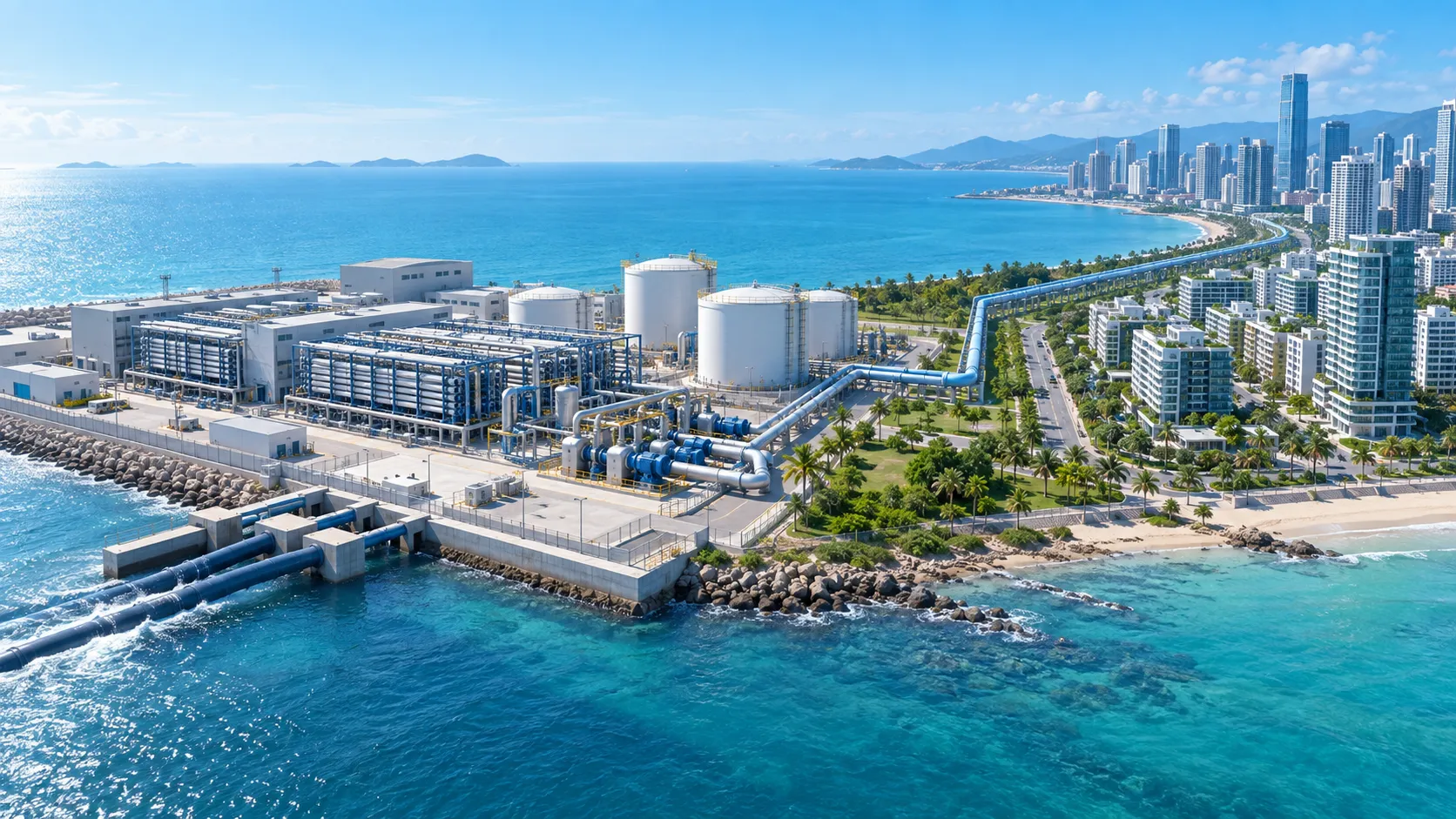
How coastal cities can select desalination solutions for peak demand
Seawater desalination solutions for coastal cities: compare firm peak capacity, intake risk, energy resilience, and lifecycle value to secure reliable water supply.
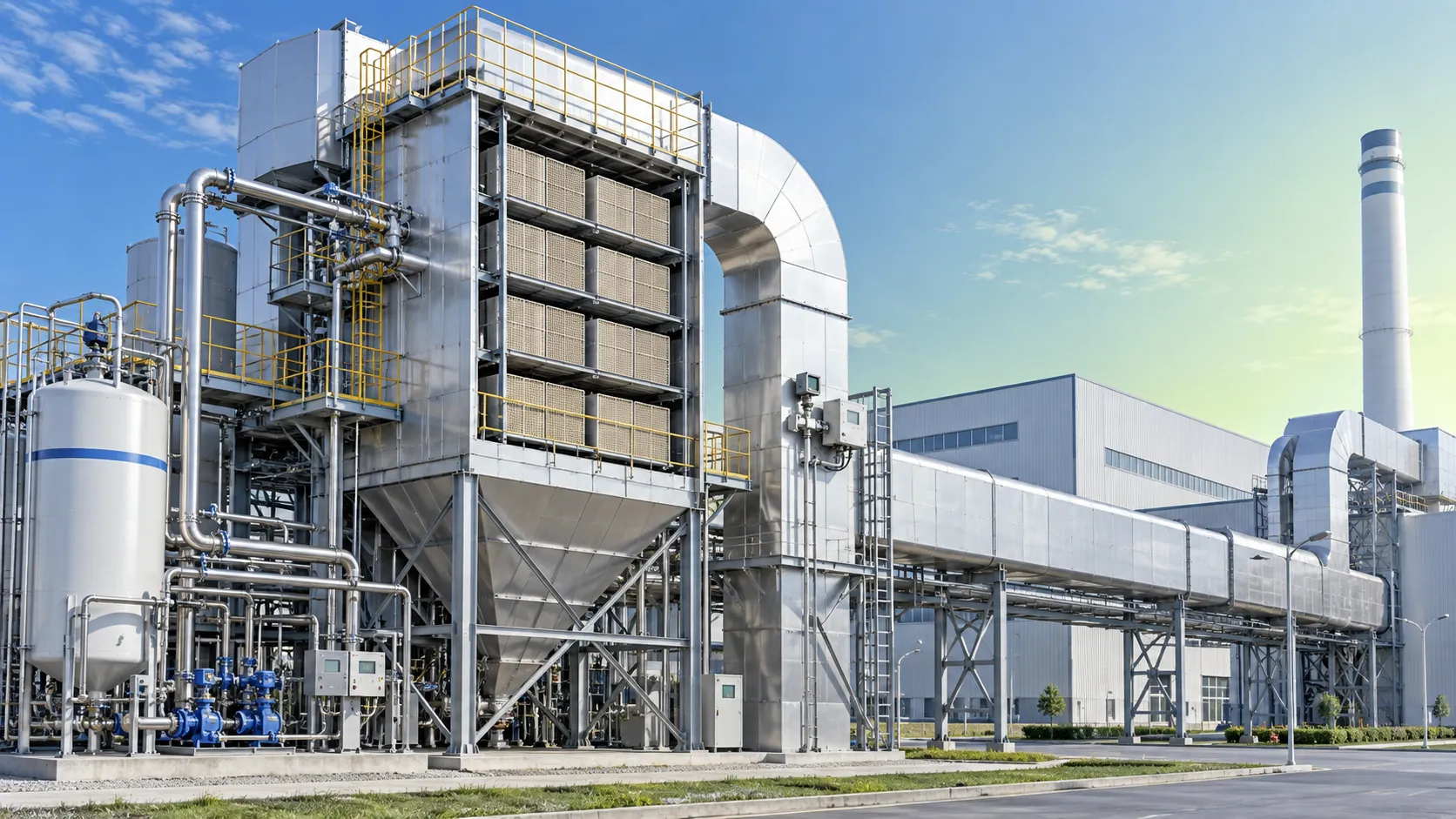
How SCR denitrification systems in Europe meet Industrial Emissions rules
SCR denitrification systems Europe: learn how permit-led design, ammonia-slip control, catalyst management and monitoring support Industrial Emissions compliance.
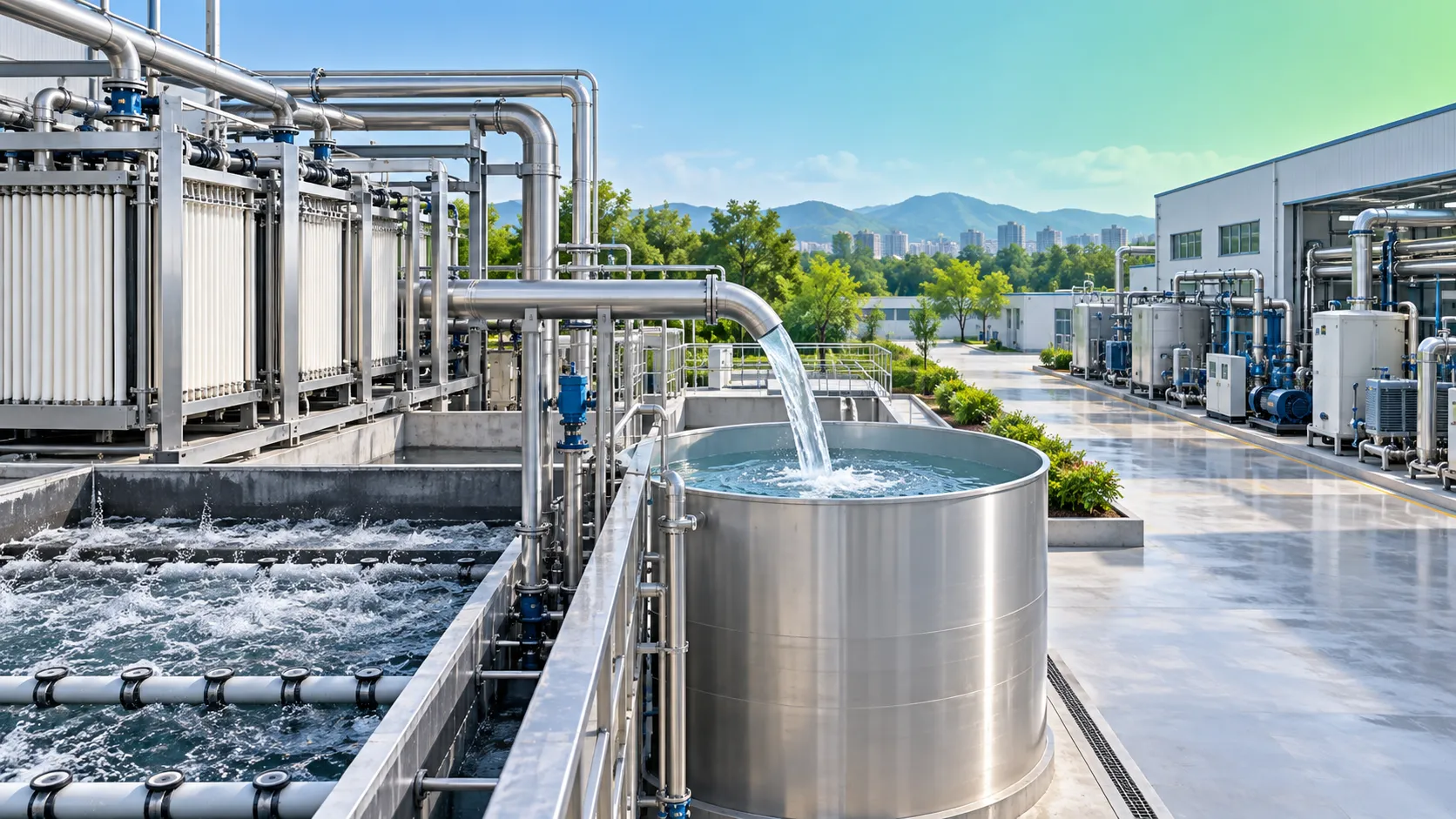
When does MBR equipment make sense for wastewater reuse?
Water treatment equipment for wastewater reuse: learn when MBR delivers compact, reliable low-solids effluent—and when alternative treatment trains offer better value.
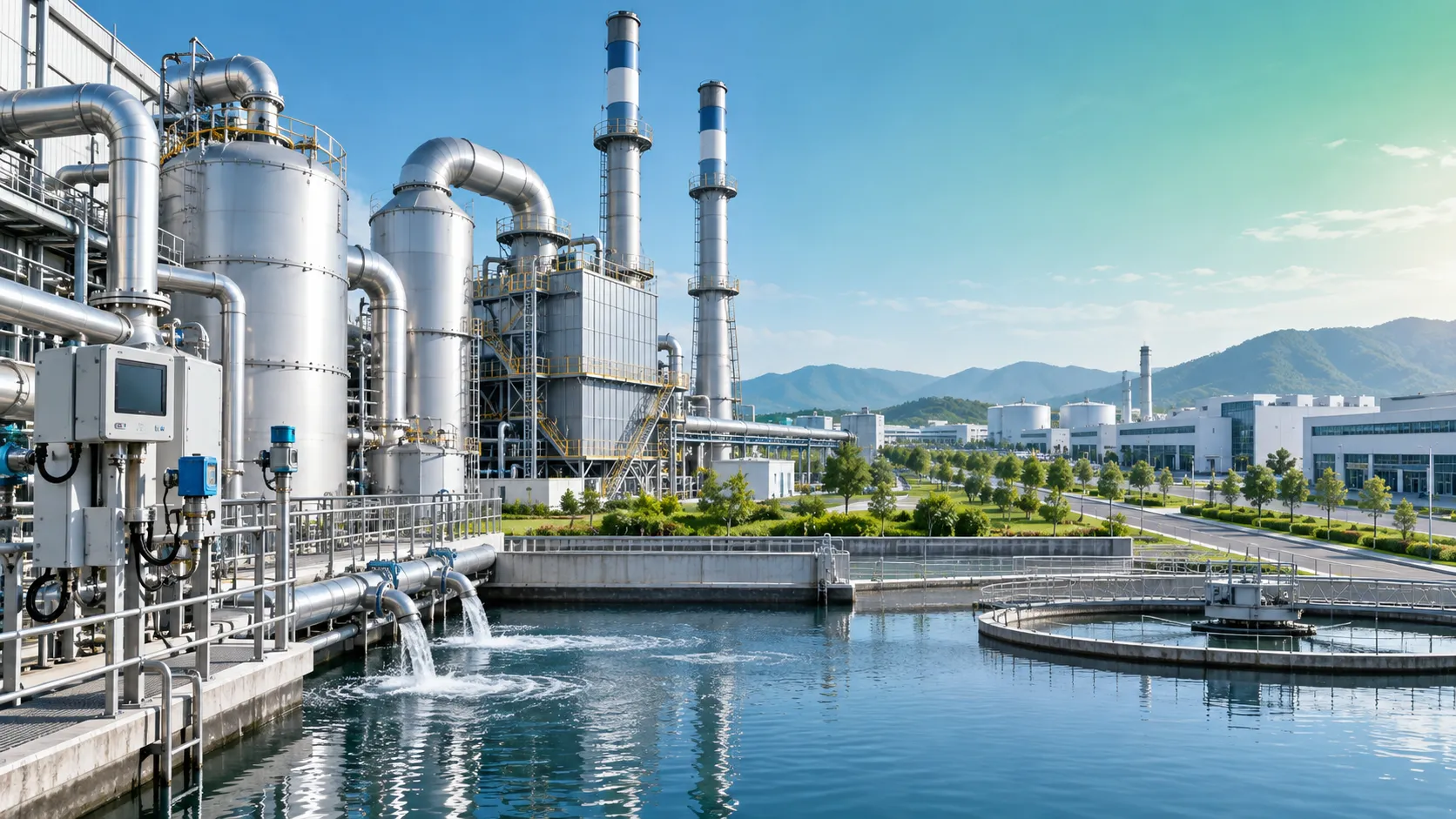
How North America shapes global environmental governance standards
Global environmental governance North America: discover how regulation, finance, and procurement raise worldwide standards and reshape environmental projects.
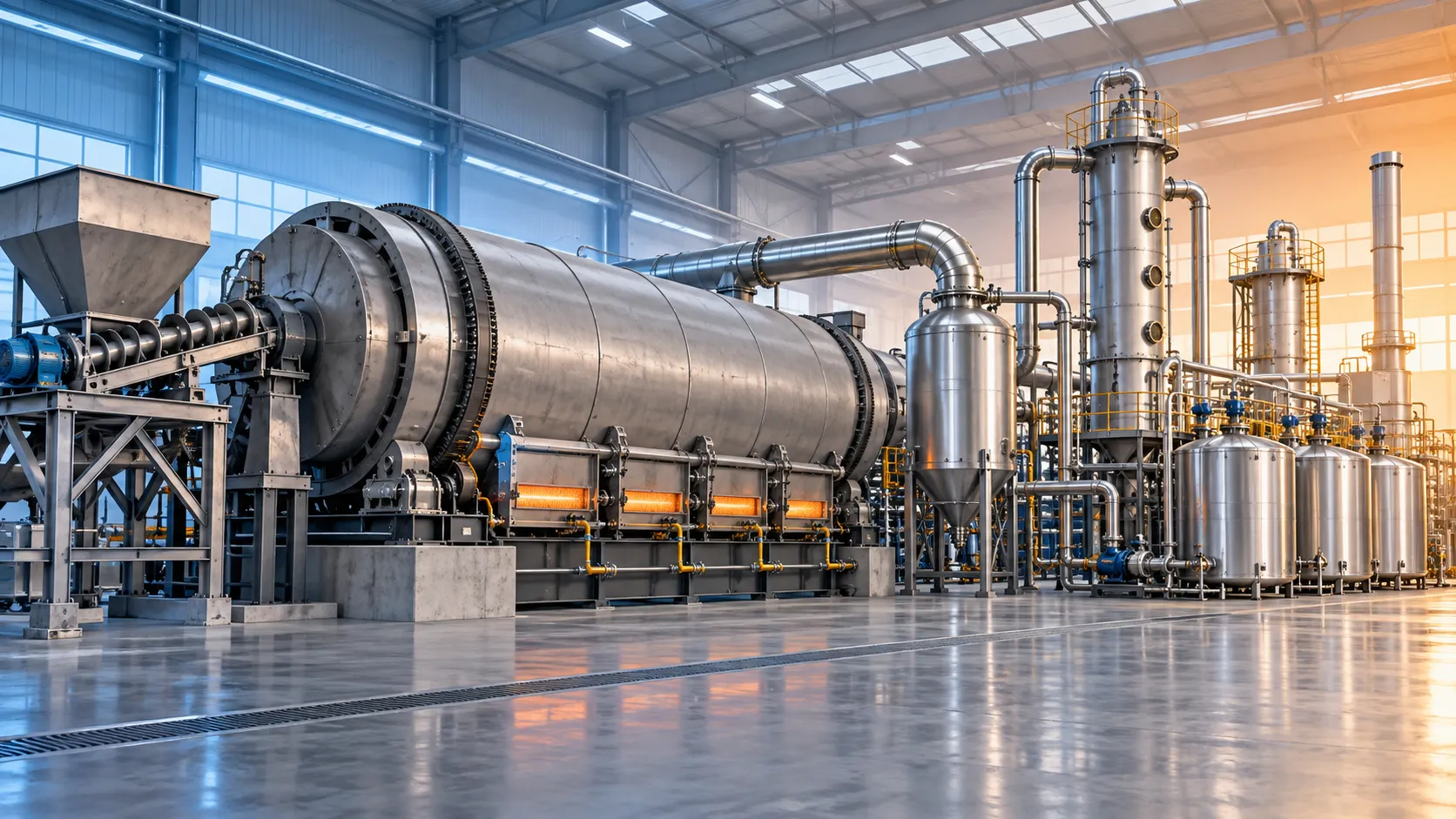
How reactor capacity affects throughput in pyrolysis systems
Pyrolysis systems reactor capacity explained: learn how heat transfer, residence time, feed quality, and emissions controls determine reliable throughput.
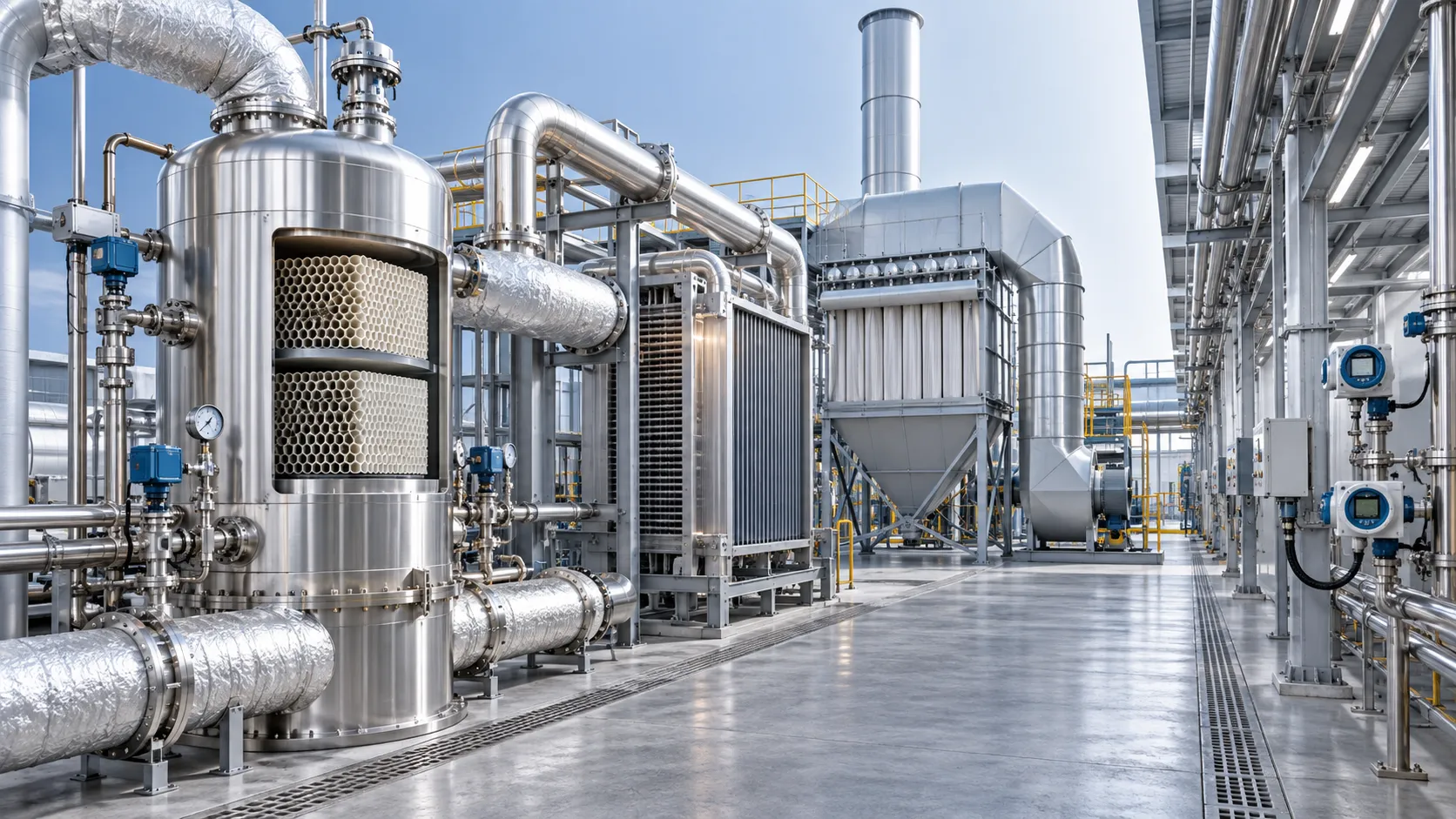
When low-temperature reaction equipment is the right fit for heat-sensitive processes
Low-temperature reaction equipment helps protect heat-sensitive streams, improve energy integration, and maintain reliable conversion. Explore key selection factors today.
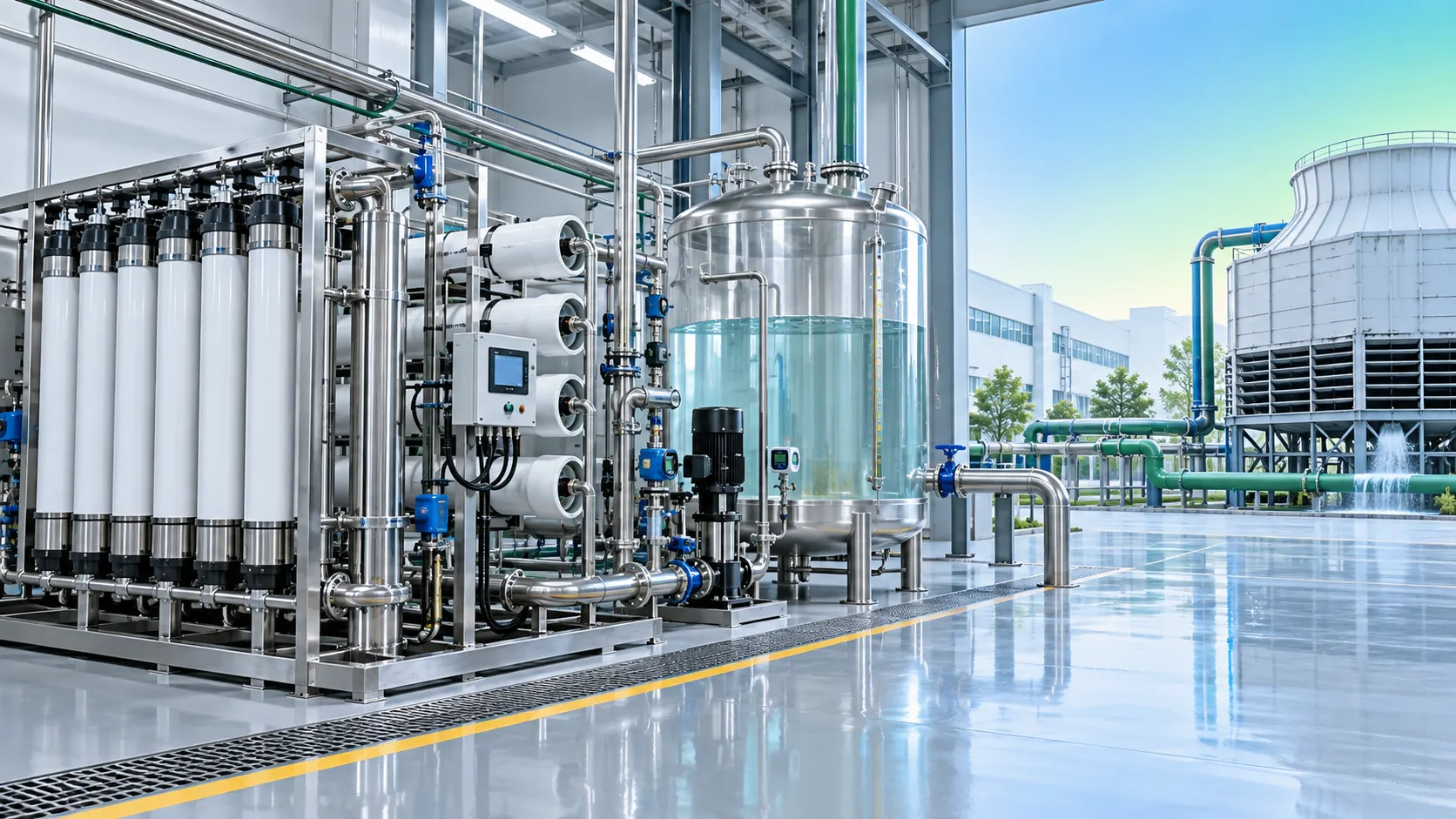
When do water reuse systems deliver a practical payback?
Water reuse systems deliver practical payback when they cut water, discharge, and downtime costs. Learn how to match treatment, recovery, and reuse quality for lasting ROI.
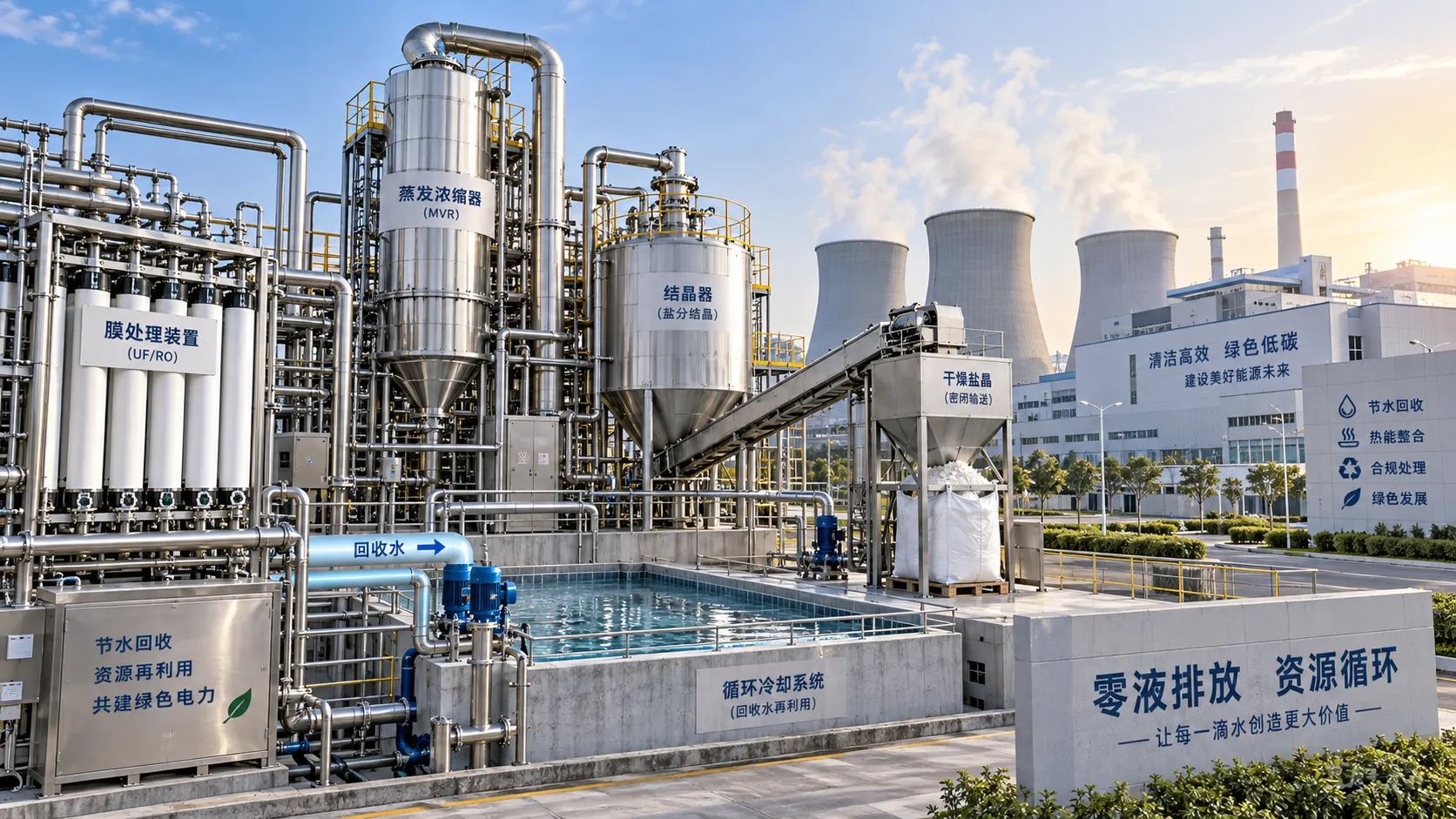
When do ZLD systems for power generation justify their energy use?
ZLD systems for power generation: learn when energy-intensive water recovery delivers stronger compliance, resilience, and long-term value.