
Industry News
Curation by industry experts
Hot Articles
Popular Tags
Why water purification systems fail during peak demand
When demand spikes, even advanced water purification systems can underperform if maintenance, flow balancing, and component reliability are not aligned. For after-sales service teams, understanding why water purification failures happen during peak load is essential to preventing downtime, protecting compliance, and restoring stable output before minor performance losses escalate into costly operational risks.
In municipal plants, industrial reuse loops, seawater desalination lines, and high-load pretreatment units, peak demand rarely means a single problem. It usually means several stressors arriving at the same time: feedwater quality swings, rising differential pressure, shortened contact time, overloaded pumps, delayed backwash cycles, and control logic that was tuned for average rather than extreme flow.
For after-sales maintenance personnel, this is not only a troubleshooting issue but also a service value issue. The teams that can diagnose peak-load weakness within the first 2–4 hours, isolate the bottleneck, and recommend practical corrective actions are the teams that protect customer trust, keep plants within discharge or potable water targets, and reduce emergency call frequency over the next 30–90 days.
Why peak demand exposes hidden weaknesses in water purification systems
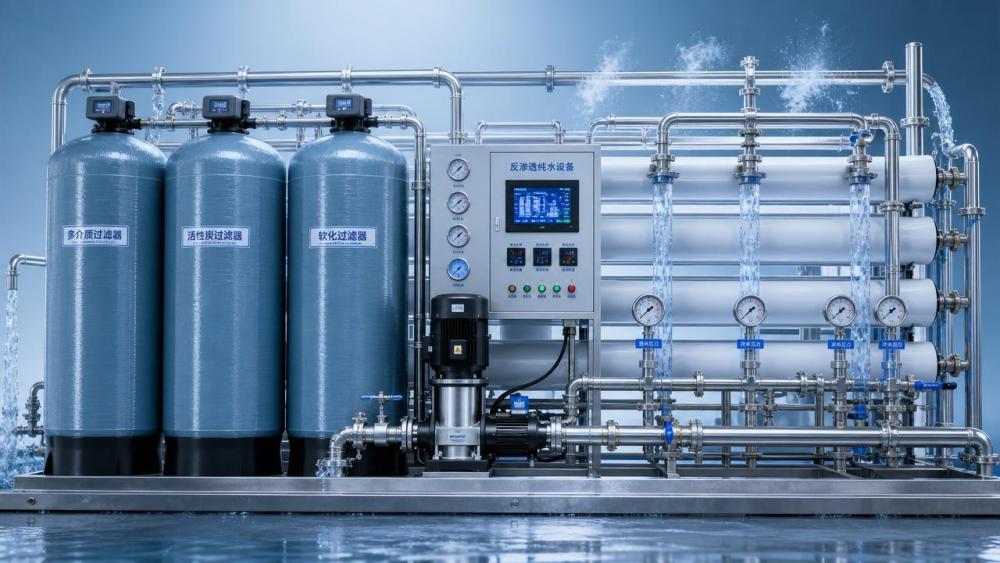
A water purification system may appear stable at 60% to 75% of design capacity, then fail once flow rises above 85%. That is because many subsystems have narrow operating windows. Cartridge filters, ultrafiltration skids, reverse osmosis trains, chemical dosing loops, and UV chambers all depend on residence time, hydraulic balance, and predictable fouling rates. During demand peaks, even a 10% to 15% deviation can trigger rapid performance loss.
In large treatment environments observed by ESD, after-sales teams often find that the failure is not a single broken part. Instead, it is a chain reaction: pretreatment weakens first, suspended solids breakthrough increases, membrane loading rises, clean-in-place frequency jumps from once every 8–12 weeks to once every 2–4 weeks, and product water quality begins drifting outside target limits.
The most common peak-load failure mechanisms
The first mechanism is hydraulic overload. When inlet flow exceeds practical design conditions, filters see higher superficial velocity, membranes face increased flux stress, and pressure vessels experience stronger imbalance between parallel trains. If flow distribution valves are not calibrated within a narrow tolerance, one skid may run 15% to 20% harder than the others.
The second mechanism is pretreatment instability. In water purification systems handling variable raw water, turbidity can jump from below 1 NTU to 5 NTU or more during rainfall, source switching, or upstream process upset. If coagulation, media filtration, or UF pretreatment does not adjust quickly, downstream units absorb the shock load.
The third mechanism is delayed maintenance. A pump with early bearing wear, a clogged strainer, a dosing pump delivering 8% less chemical than setpoint, or a pressure transmitter drifting by 0.2–0.5 bar may not trigger concern during normal load. Under peak demand, these small deviations become decisive.
Why small defects become major failures
Peak demand reduces operational margin. A membrane train operating near its fouling threshold has less time to recover from feed swings. A UV reactor sized for a defined dose at a specific transmittance may lose disinfection confidence if flow rises while lamp aging has already reduced effective output. In practical service terms, the system does not suddenly become poor; it runs out of buffer.
The table below shows how typical weak points in water purification systems behave when plants move from average load to peak load conditions.
The key conclusion is that peak-load failure often starts upstream and appears downstream. After-sales teams should avoid replacing final-stage components first unless the hydraulic and pretreatment picture has already been verified. In many cases, the root cause sits 1 or 2 process steps earlier than the visible symptom.
Critical diagnostic points for after-sales maintenance teams
Fast troubleshooting depends on disciplined data collection. In the first service window, usually the first 60–120 minutes, maintenance personnel should compare current operating data against baseline commissioning values, last stable values, and the plant’s declared peak design envelope. Without this three-layer comparison, service teams may treat symptoms instead of causes.
Five field checks that should happen first
- Confirm actual inlet flow, not only SCADA target flow. A mismatch of 5% to 10% is common during valve or meter drift.
- Check pretreatment outlet quality, especially turbidity, SDI, suspended solids, or feed conductivity trend.
- Record pressure profile across each stage: suction, discharge, differential pressure, and vessel-to-vessel imbalance.
- Verify chemical dosing rate against real flow and tank consumption over the previous 12–24 hours.
- Review maintenance history for delayed cartridge replacement, CIP extension, valve sticking, or recurring alarm bypasses.
These five checks can narrow the fault domain quickly. For example, if inlet flow is normal but differential pressure increases 20% while pretreatment outlet quality worsens, the issue is likely fouling driven by upstream breakthrough. If flow is high and chemical use per cubic meter drops, dosing control may be the primary weakness.
Which parameters matter most under peak load
Not every parameter has equal diagnostic value. In water purification service, the best indicators are usually trend-based rather than single-point values. A conductivity number alone means little unless it is compared to flow, temperature, recovery, and pressure over the previous 6–48 hours.
The table below highlights a practical service framework that after-sales personnel can use on site or during remote support sessions.
This framework helps maintenance staff prioritize action. A single abnormal number can be noise; three related deviations usually indicate a process-level problem. That distinction matters when deciding whether to clean, recalibrate, rebalance flow, or recommend staged component replacement.
Common misdiagnoses in the field
- Blaming membranes first when the true issue is unstable pretreatment or poor antiscalant feed control.
- Treating a conductivity increase as membrane failure without checking temperature correction and recovery shift.
- Replacing pumps before confirming suction conditions, strainer blockage, or cavitation signs during high flow periods.
- Ignoring instrument drift because values are still “close enough” under average load.
How to prevent water purification failures before the next demand surge
Prevention is more efficient than emergency response, especially in critical infrastructure and industrial water loops where every 4–6 hours of unstable output can affect compliance, production continuity, or contract performance. The most effective preventive work combines maintenance planning, operating envelope review, and component-level reliability checks.
Build a peak-demand readiness plan
After-sales teams should encourage operators to define at least three operating bands: routine load, elevated load, and peak load. Each band should have validated flow targets, chemical recipes, alarm setpoints, and inspection frequency. For many plants, a simple 3-tier operating matrix reduces reactive service calls because operators know what to watch before performance degrades.
A useful readiness plan includes a 7-day forecast review for expected production spikes, spare parts availability for consumables with short lead times, and pre-peak verification of instruments such as flowmeters, conductivity probes, and differential pressure transmitters. If a site enters peak season without this review, failure risk rises sharply even when installed equipment is technically adequate.
Service actions with the highest preventive value
- Rebalance parallel trains and verify valve positioning before seasonal or production-related demand peaks.
- Calibrate dosing pumps and critical analyzers every 30–90 days depending on operating severity.
- Trend normalized flux, pressure drop, and product quality instead of relying on absolute readings alone.
- Shorten inspection intervals for pretreatment assets during raw water instability periods.
- Keep a documented trigger list for CIP, cartridge exchange, backwash optimization, and emergency bypass criteria.
These actions are especially valuable in high-capacity water purification systems tied to desalination, industrial reuse, or large municipal treatment where process variability can change hour by hour. Small preventive investments often avoid much larger cost from membrane damage, off-spec water, or unplanned shutdown.
When design review is necessary
Not every recurring failure is a maintenance failure. If a plant repeatedly crosses 90% to 100% of nominal capacity for extended periods, the root issue may be system sizing, pretreatment redundancy, or insufficient automation response speed. In that case, after-sales teams add value by escalating from repair support to capacity-risk assessment.
For B2B operators and EPC stakeholders, this is where intelligence-led service matters. A strong service partner does more than replace parts. It connects field symptoms with process logic, compliance exposure, and future upgrade decisions, whether the site runs conventional treatment, ZLD-linked polishing, or high-pressure desalination pretreatment.
What after-sales teams should report to customers after a peak-load incident
A professional service report should not end with “fault repaired.” It should show what failed, why it failed under peak demand, what data supported the diagnosis, and what preventive actions should be taken over the next 14, 30, and 90 days. This level of reporting improves customer retention because it turns emergency maintenance into operational guidance.
Minimum contents of a useful incident report
- Time of event, duration, and peak flow condition at failure onset
- Key parameter trends for at least 6–24 hours before the incident
- Identified root cause and contributing causes
- Immediate corrective action and temporary operating limits
- Recommended spare parts, recalibration, cleaning, or upgrade actions
- Verification plan to confirm stability after restart
In complex environmental infrastructure, clear reporting also supports procurement and compliance decisions. Customers can justify spare inventory, instrument replacement, or pretreatment optimization more easily when the maintenance report quantifies risk and documents repeat failure patterns.
Peak-demand failure in water purification systems is rarely random. It usually reflects hidden hydraulic imbalance, delayed maintenance, pretreatment weakness, control mismatch, or a system operating too close to its practical limit. For after-sales maintenance teams, the strongest response is a combination of rapid diagnosis, trend-based verification, and preventive planning tied to the customer’s real load profile.
ESD continues to track how reliability, compliance pressure, desalination growth, and advanced treatment complexity are reshaping service expectations across the environmental equipment sector. If you need support in evaluating peak-load failure risks, improving maintenance strategy, or identifying more resilient water purification solutions for large-scale operations, contact us to discuss a tailored service approach or explore more industry intelligence.
Recommended News
How feed salinity affects energy use in ZLD system brine treatment
ZLD system brine treatment: discover how feed salinity drives energy use, scaling risk, and technology choices for efficient, reliable zero liquid discharge.
How coastal cities can select desalination solutions for peak demand
Seawater desalination solutions for coastal cities: compare firm peak capacity, intake risk, energy resilience, and lifecycle value to secure reliable water supply.
How SCR denitrification systems in Europe meet Industrial Emissions rules
SCR denitrification systems Europe: learn how permit-led design, ammonia-slip control, catalyst management and monitoring support Industrial Emissions compliance.
When does MBR equipment make sense for wastewater reuse?
Water treatment equipment for wastewater reuse: learn when MBR delivers compact, reliable low-solids effluent—and when alternative treatment trains offer better value.
How North America shapes global environmental governance standards
Global environmental governance North America: discover how regulation, finance, and procurement raise worldwide standards and reshape environmental projects.
How reactor capacity affects throughput in pyrolysis systems
Pyrolysis systems reactor capacity explained: learn how heat transfer, residence time, feed quality, and emissions controls determine reliable throughput.
When low-temperature reaction equipment is the right fit for heat-sensitive processes
Low-temperature reaction equipment helps protect heat-sensitive streams, improve energy integration, and maintain reliable conversion. Explore key selection factors today.
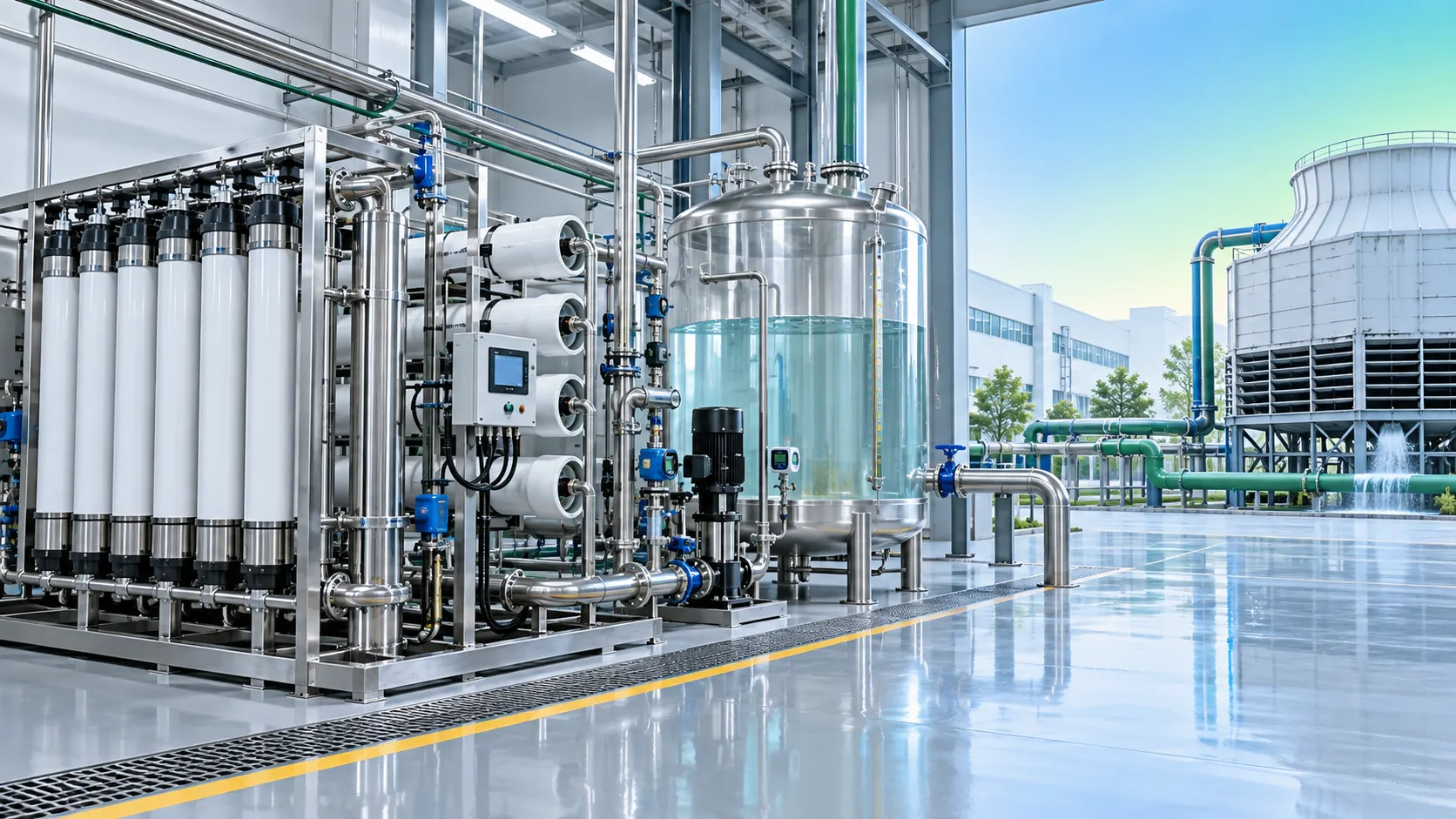
When do water reuse systems deliver a practical payback?
Water reuse systems deliver practical payback when they cut water, discharge, and downtime costs. Learn how to match treatment, recovery, and reuse quality for lasting ROI.
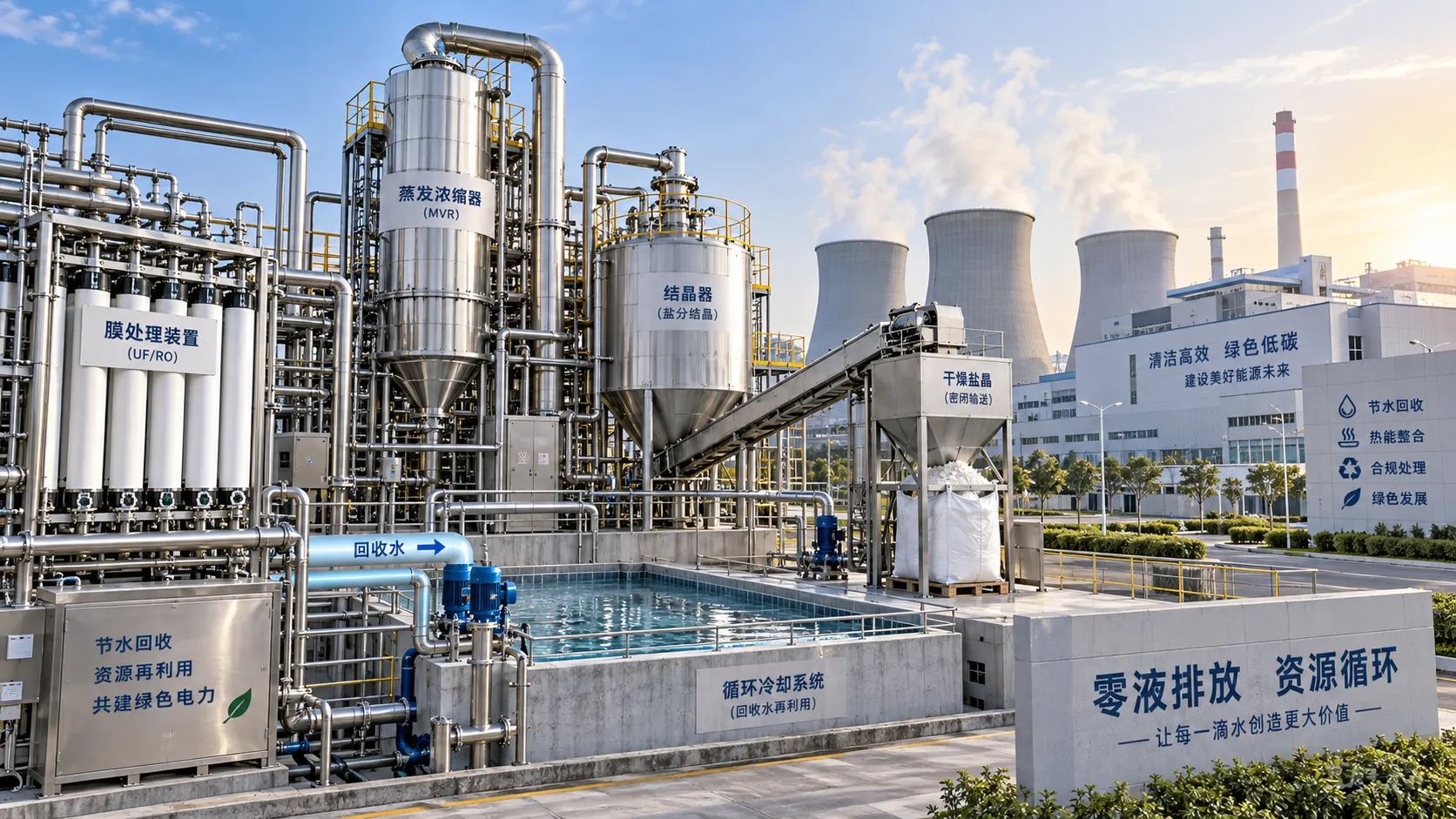
When do ZLD systems for power generation justify their energy use?
ZLD systems for power generation: learn when energy-intensive water recovery delivers stronger compliance, resilience, and long-term value.