
Industry News
Curation by industry experts
Hot Articles
Popular Tags
Decarbonization Technologies for Heavy Industries: Cost vs Impact
Decarbonization technologies for heavy industries: what really matters in the cost-versus-impact decision?
Decarbonization technologies for heavy industries now sit at the center of capital planning, not only sustainability strategy.
The pressure comes from three directions at once: regulation, energy volatility, and asset-life risk.
That is why the most useful question is not whether decarbonization matters.
It is which technologies reduce emissions fast enough, protect margins, and still make operational sense.
In practice, the answer changes by system boundary.
Water treatment, flue gas control, desalination, waste recovery, and hazardous residue management do not carry the same economics.
This is where ESD’s industry lens becomes useful.
Its coverage connects equipment performance, compliance signals, and closed-loop resource logic across heavy industrial environmental infrastructure.
Are all decarbonization technologies for heavy industries measured the same way?
Not really, and this is a common source of bad approvals.
Some technologies cut direct emissions at the stack.
Others reduce energy intensity, avoid material loss, or lower the carbon footprint of compliance operations.
For example, a low-temperature SCR upgrade may show impact through fuel savings, catalyst efficiency, and avoided penalties.
A ZLD optimization project may look expensive upfront, yet lower disposal, water intake, and long-run compliance exposure.
The better approach is to split value into four lines:
- Direct carbon reduction per year.
- Operating cost change, including energy, chemicals, and labor.
- Compliance risk reduction, especially where CBAM or local discharge rules apply.
- Asset resilience, including retrofit fit, uptime, and future process flexibility.
When decarbonization technologies for heavy industries are compared on one metric only, the ranking usually becomes misleading.
Which technology areas tend to deliver the fastest financial return?
The fastest return usually comes from efficiency-led projects, not the most visible carbon projects.
That includes heat recovery, pump and blower optimization, advanced controls, membrane efficiency upgrades, and waste-to-value systems.
In heavy environmental infrastructure, return often comes from avoided waste and reduced utility intensity.
Take seawater desalination as an example.
SWRO membrane improvements may not sound dramatic, but lower specific energy consumption changes the economics every day.
The same pattern appears in AI sorting and pyrolysis-based recovery lines.
If recovered material value rises while landfill and transport costs fall, the carbon case and the financial case reinforce each other.
More capital-intensive options, such as carbon capture or major process replacement, may produce larger absolute impact.
Still, they often need stronger policy support, low-cost power, or long asset horizons to justify approval.
A practical screening table
A quick comparison helps separate “good engineering” from “good timing.”
How should cost be judged beyond the headline capex number?
Capex is only the visible part of the decision.
The bigger issue is whether the technology shifts the operating model in a favorable direction.
In actual projects, four hidden cost layers deserve attention.
- Integration cost, including shutdown windows, piping, controls, and civil changes.
- Performance drift, especially in membranes, catalysts, and thermal recovery systems.
- Consumables exposure, such as reagents, replacement media, and energy price sensitivity.
- Residual handling, which is critical in sludge, brine concentrate, ash, and radioactive streams.
This is especially relevant in sectors followed closely by ESD.
A desalination line, a flue gas treatment retrofit, and a nuclear waste vitrification upgrade can all look similar on paper.
Yet their risk-adjusted cash profile is very different.
The stronger method is to model total cost of decarbonization, not total project cost alone.
That means cost per avoided ton, plus compliance savings, plus operational upside, minus implementation drag.
When does a high-impact technology become a poor purchase decision?
Usually when the technology is technically sound but commercially mistimed.
This happens more often than many expect.
A plant may buy for maximum carbon reduction while ignoring feedstock instability, utility constraints, or retrofit complexity.
In solid waste recovery, for example, pyrolysis returns can collapse if waste composition swings too far.
In water treatment, aggressive concentration targets can push energy and maintenance costs beyond the expected savings.
There are also policy timing risks.
Some decarbonization technologies for heavy industries depend on carbon pricing, subsidies, discharge permit pressure, or export-related compliance.
If those signals are weak or delayed, the business case stretches out quickly.
A useful warning sign is when vendor projections assume ideal uptime, ideal feed quality, and flat input prices.
Real facilities rarely operate under ideal conditions for long.
What should be challenged before approval?
- Whether baseline data covers seasonal and off-spec conditions.
- Whether savings depend on one unstable commodity price.
- Whether the retrofit creates a new disposal or safety bottleneck.
- Whether the asset remains competitive under tighter future standards.
What makes one shortlist stronger than another?
The best shortlist usually combines one quick-payback option, one compliance-shield option, and one strategic longer-horizon option.
That mix gives balance between near-term returns and future protection.
For decarbonization technologies for heavy industries, a strong shortlist often answers five practical questions:
This is also why intelligence platforms matter.
ESD’s strategic coverage helps connect equipment details with regulatory movement, demand shifts, and process-level reliability.
That wider view improves selection quality, especially in billion-dollar environmental infrastructure cycles.
So what is the smartest next step before comparing vendors?
Start by defining the real decision boundary.
Is the goal lower emissions, lower compliance risk, lower operating cost, or protection against future standards?
Many projects fail because those aims are mixed without ranking them.
Then build a comparison sheet around site-specific variables: energy intensity, feed variability, water stress, disposal burden, and retrofit downtime.
Only after that should vendor claims be inserted.
For decarbonization technologies for heavy industries, the smartest purchases are rarely the boldest headlines.
They are the technologies that fit the process, survive compliance tightening, and keep improving cost position over time.
A practical next move is to shortlist options by avoided cost, avoided carbon, and operational disruption side by side.
That creates a cleaner basis for approval and a much stronger foundation for negotiation, phasing, and long-term asset value.
Recommended News
Which decarbonization pathways are most viable in Southeast Asia?
Decarbonization Southeast Asia: discover practical pathways for clean power, efficiency, electrification, circular recovery, and resilient industrial growth.
How to choose waste sorting equipment for mixed municipal waste
Waste sorting equipment selection guide for mixed municipal waste: compare technologies, improve recovery, reduce downtime, and build reliable output streams.
How to verify standards in an environmental equipment directory
environmental equipment directory standards reference: learn to verify certifications, performance evidence, scope, and project fit for confident, compliant equipment selection.
When high flux membrane water treatment justifies a larger footprint
High flux membrane water treatment can justify a larger footprint when variable feedwater, fouling risk, and uptime demands require resilient, lower-flux operation.
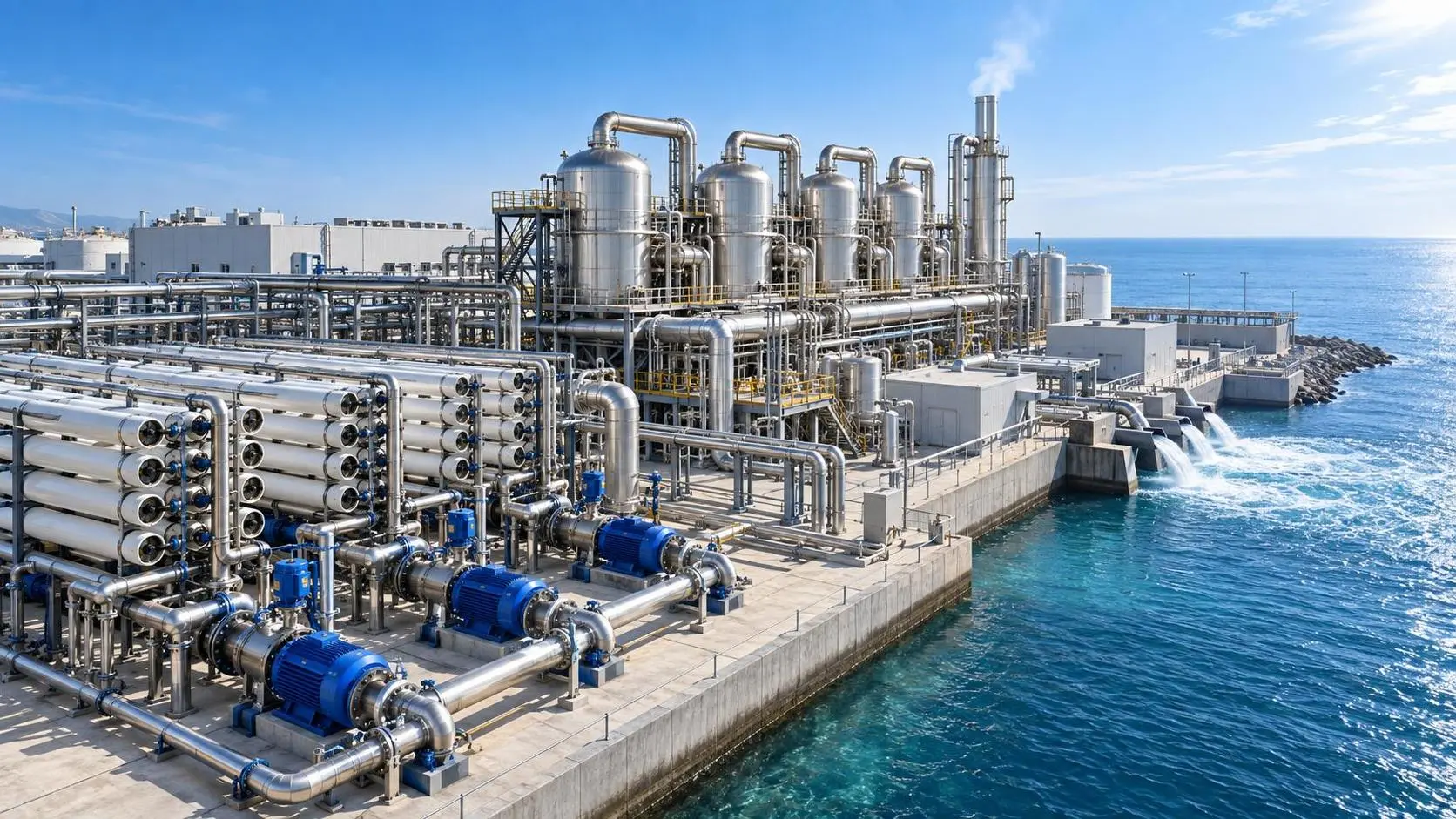
RO vs MED desalination: which is more energy-efficient at scale?
Desalination technology comparison: RO vs MED at scale. See how energy use, waste heat, feedwater, carbon, and flexibility determine the best choice.
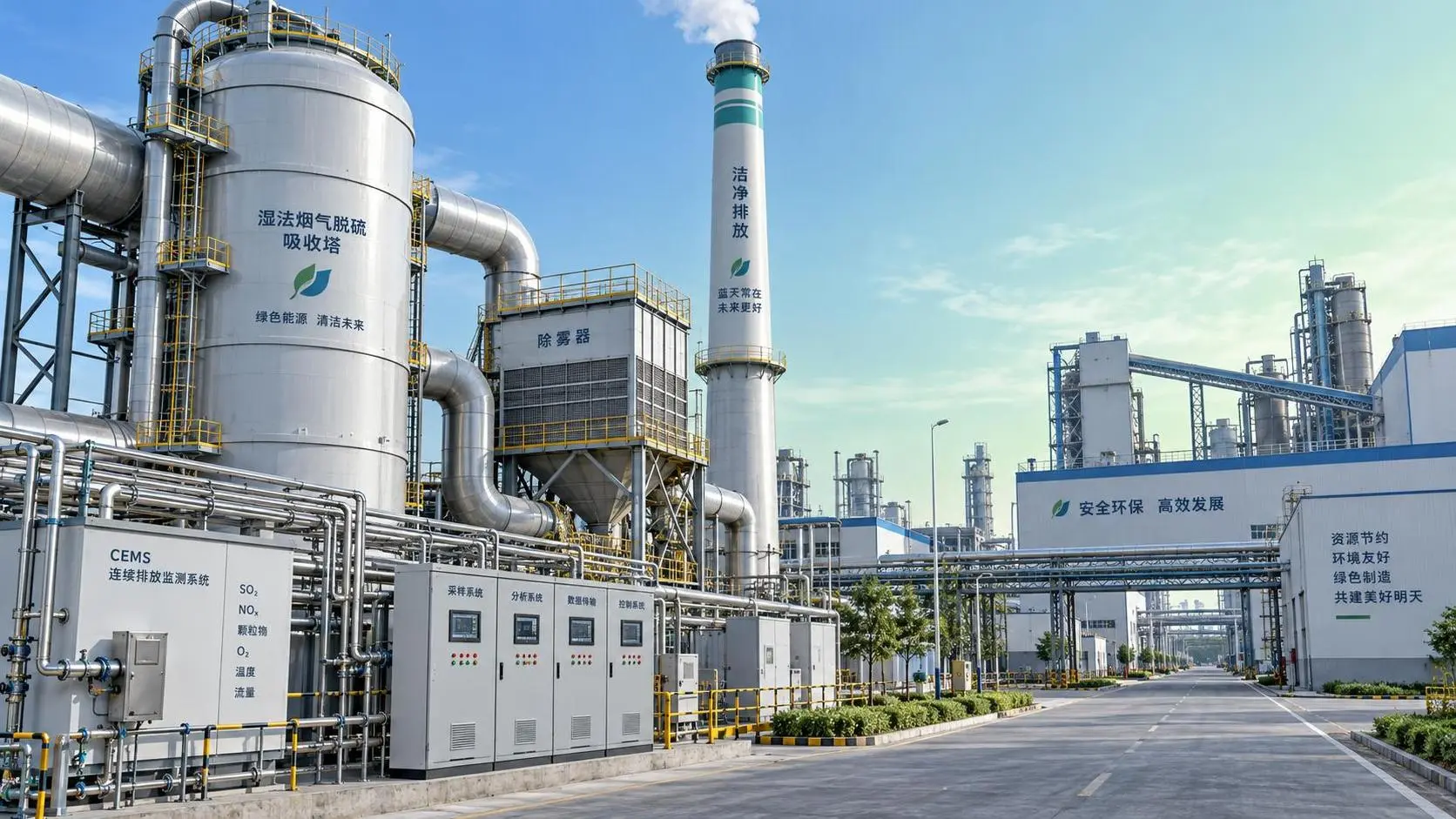
Which ISO standards apply to flue gas treatment systems?
Flue gas treatment systems ISO standards: explore key requirements for emissions testing, CEMS, safety, fabrication, corrosion control, and compliant project evaluation.

When corrosion resistant purification systems are needed for brine treatment
Corrosion resistant purification systems for brine treatment: assess chloride, heat, scaling, materials, and lifecycle reliability for demanding water projects.

How preventive maintenance reduces seawater desalination equipment downtime
Seawater desalination equipment maintenance reduces downtime through proactive monitoring, pretreatment protection, and planned repairs. Explore practical strategies for reliable RO performance.
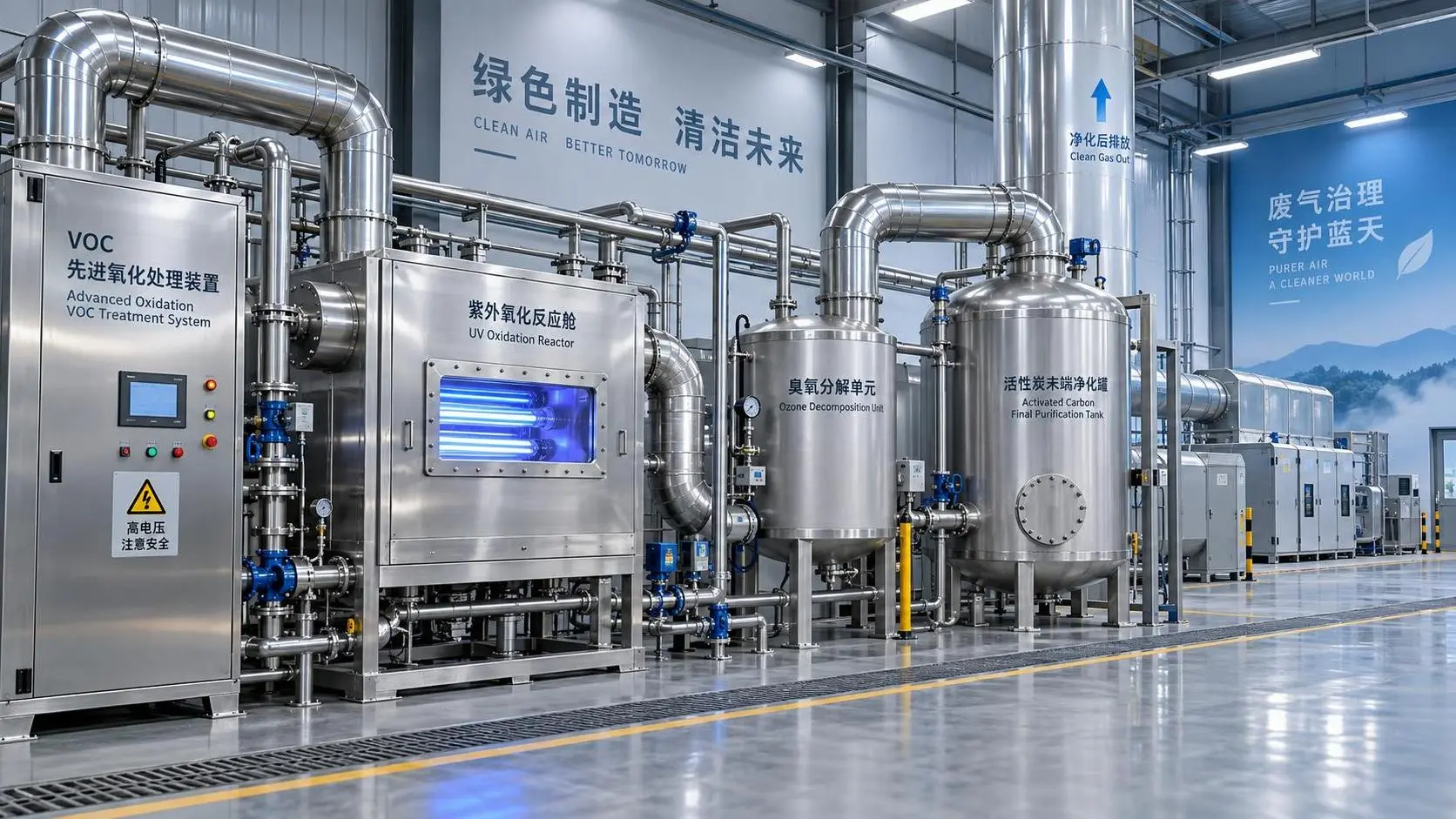
When are advanced oxidation processes the right choice for VOC control?
Advanced oxidation processes for VOC control: learn when AOPs outperform conventional options, manage by-products, and achieve reliable compliance.