
Industry News
Curation by industry experts
Hot Articles
Popular Tags
Wastewater Purification Problems and Practical Fixes
Why wastewater purification problems rarely look the same on every site
Wastewater purification issues usually emerge as patterns, not sudden disasters.
A plant may still run, yet sludge rises, flux drops, odors increase, or discharge quality drifts.
Those signals matter because one symptom can mean very different root causes in different operating contexts.
In practical wastewater purification work, the first useful question is not which unit looks weak.
It is whether the problem starts with influent variability, process mismatch, maintenance gaps, or compliance pressure.
That distinction is especially important across large water treatment, recycling networks, desalination-linked systems, and high-risk industrial discharge.
ESD tracks these differences closely because wastewater purification performance now sits inside a wider ecological compliance chain.
A local upset can affect water reuse targets, ZLD economics, carbon exposure, and long-term asset reliability.
So the practical fix is rarely a single chemical adjustment or equipment swap.
It usually starts with better scene-by-scene judgment.
The same warning sign can mean different wastewater purification risks
Consider cloudy effluent, membrane fouling, or unstable COD removal.
In municipal-style treatment, that may reflect load fluctuation after rainfall or sewer infiltration.
In high-strength industrial wastewater purification, the same symptom may come from shock toxicity or poor equalization.
Where reuse is part of the business case, small quality drift becomes more serious.
Once downstream RO, evaporators, or polishing units are involved, minor instability becomes expensive quickly.
More complex sites also face cross-system interactions.
Solid waste recovery lines may alter leachate composition.
Flue gas treatment residues can change scaling behavior.
Desalination pretreatment failures can push organics and silt into wastewater purification loops designed for different loads.
That is why fixed rulebooks often fail in live operations.
A quick comparison before choosing a fix
This comparison helps keep wastewater purification decisions tied to operating reality.
When influent instability is the real problem
Many wastewater purification failures are blamed on treatment units too early.
In actual plants, upstream instability often creates the visible downstream failure.
This is common where production schedules shift, raw materials change, or multiple drains merge without control.
A biological process can look underdesigned when it is really being shocked beyond its intended loading window.
The practical fix starts with trend review, not emergency dosing.
Check hourly pH, conductivity, temperature, COD peaks, and flow surges.
Then compare those swings with blower response, sludge settleability, and final effluent drift.
If the peaks line up, stronger equalization and source segregation usually outperform reactive chemistry.
That approach also fits ESD’s wider emphasis on closed-loop reliability.
Stable inflow protects not only discharge compliance but reuse economics across the whole treatment chain.
Useful checks in this situation
- Review whether equalization volume matches current production variability, not old design assumptions.
- Separate high-toxicity or high-salinity side streams before they dilute into harder-to-diagnose mixed wastewater purification loads.
- Verify instrument calibration because false stability readings often delay the right intervention.
- Track weekend or shift-change discharge behavior, where hidden spikes frequently appear.
When sludge, biology, and aeration stop working together
Another common wastewater purification problem appears as foaming, bulking, or poor settling.
These issues are often treated as purely biological, but the real cause is usually operational balance.
Low dissolved oxygen, weak nutrient balance, toxic carryover, or excessive sludge age can produce similar symptoms.
In mixed industrial zones, a process upset upstream may suppress biomass long before lab reports confirm it.
The better judgment method is to read several indicators together.
Look at oxygen transfer, microscopic sludge condition, nutrient ratio, return sludge behavior, and settleability trend.
If aeration energy climbs while treatment performance falls, simply adding more air may worsen the imbalance.
The fix may instead involve selective wasting, upstream shock isolation, or restoring alkalinity and nutrients.
Wastewater purification becomes stable again when biology is protected as a living process, not a static tank volume.
Membrane fouling means more than dirty water
In advanced wastewater purification, membrane fouling is one of the most expensive recurring problems.
Yet fouling should not be reduced to one cleaning schedule or one antiscalant setting.
Pretreatment quality, colloids, biofilm growth, hardness, silica, organics, and oxidation control all shape the result.
This is especially true in water reuse, desalination-connected systems, and ZLD projects.
A slight pretreatment lapse can shorten membrane life and raise downstream concentration costs.
A practical fix begins by classifying the fouling pattern correctly.
Rapid pressure rise suggests one mechanism.
Gradual flux decline with stable salt passage suggests another.
If cleaning frequency increases after upstream chemistry changes, the membrane is often only the victim.
That is why ESD’s intelligence model links extreme purification parameters with whole-system operating logic.
What to confirm before changing membrane strategy
- Whether SDI, turbidity, and organic loading actually match the membrane design basis.
- Whether cleaning chemicals fit the real foulant, not a routine assumption.
- Whether concentrate recirculation changes scaling tendencies across seasons or production cycles.
- Whether pretreatment media, coagulants, or oxidation steps are creating unintended downstream interactions.
Where compliance pressure changes the wastewater purification decision
Some sites can tolerate moderate process fluctuation if permit limits stay protected.
Others cannot, especially where trace pollutants, reuse contracts, or transboundary compliance matter.
In these cases, wastewater purification is not only a treatment issue.
It is a risk management issue tied to reporting accuracy, shutdown exposure, and long-term environmental credibility.
The stricter the compliance context, the more important buffer capacity and monitoring become.
A plant handling difficult industrial streams, desalination reject interactions, or high-consequence residues needs tighter verification points.
Short sampling intervals, alarm logic, bypass discipline, and contingency storage can matter more than nominal treatment capacity.
This is also where underinvestment becomes costly.
Choosing a cheaper wastewater purification configuration without resilience often raises lifecycle risk later.
Common misjudgments that slow down practical fixes
Several mistakes appear repeatedly across wastewater purification projects.
- Treating similar wastewater sources as identical, even when salinity, surfactants, or trace metals differ sharply.
- Focusing on unit nameplate performance while ignoring equalization, chemical storage, or operator response time.
- Optimizing purchase cost but overlooking cleaning frequency, sludge handling, power use, and membrane replacement.
- Reacting to one failed lab result without checking longer operating trends and hidden upstream events.
- Assuming compliance today guarantees resilience under future load, regulation, or reuse targets.
In real wastewater purification work, these misjudgments waste time because they attack symptoms first.
A grounded way to restore wastewater purification performance
The most reliable path is usually staged, not dramatic.
Start by mapping the upset window, the upstream trigger, and the first process variable that moved.
Then separate immediate protection measures from structural fixes.
Immediate actions may include isolating side streams, adjusting recirculation, correcting pH, or reducing membrane stress.
Structural fixes often involve better equalization, stronger monitoring, pretreatment redesign, or revised maintenance intervals.
Where wastewater purification supports reuse or ZLD, confirm downstream sensitivity before changing upstream chemistry.
Where compliance risk is high, validate the control strategy with upset scenarios, not only normal performance data.
A useful next step is to build a site-specific matrix.
List wastewater characteristics, operating swings, critical limits, maintenance burden, and failure cost side by side.
That makes wastewater purification decisions more realistic and easier to defend over time.
When the judgment framework is clear, practical fixes become faster, more stable, and more aligned with long-term ecological performance.
Recommended News
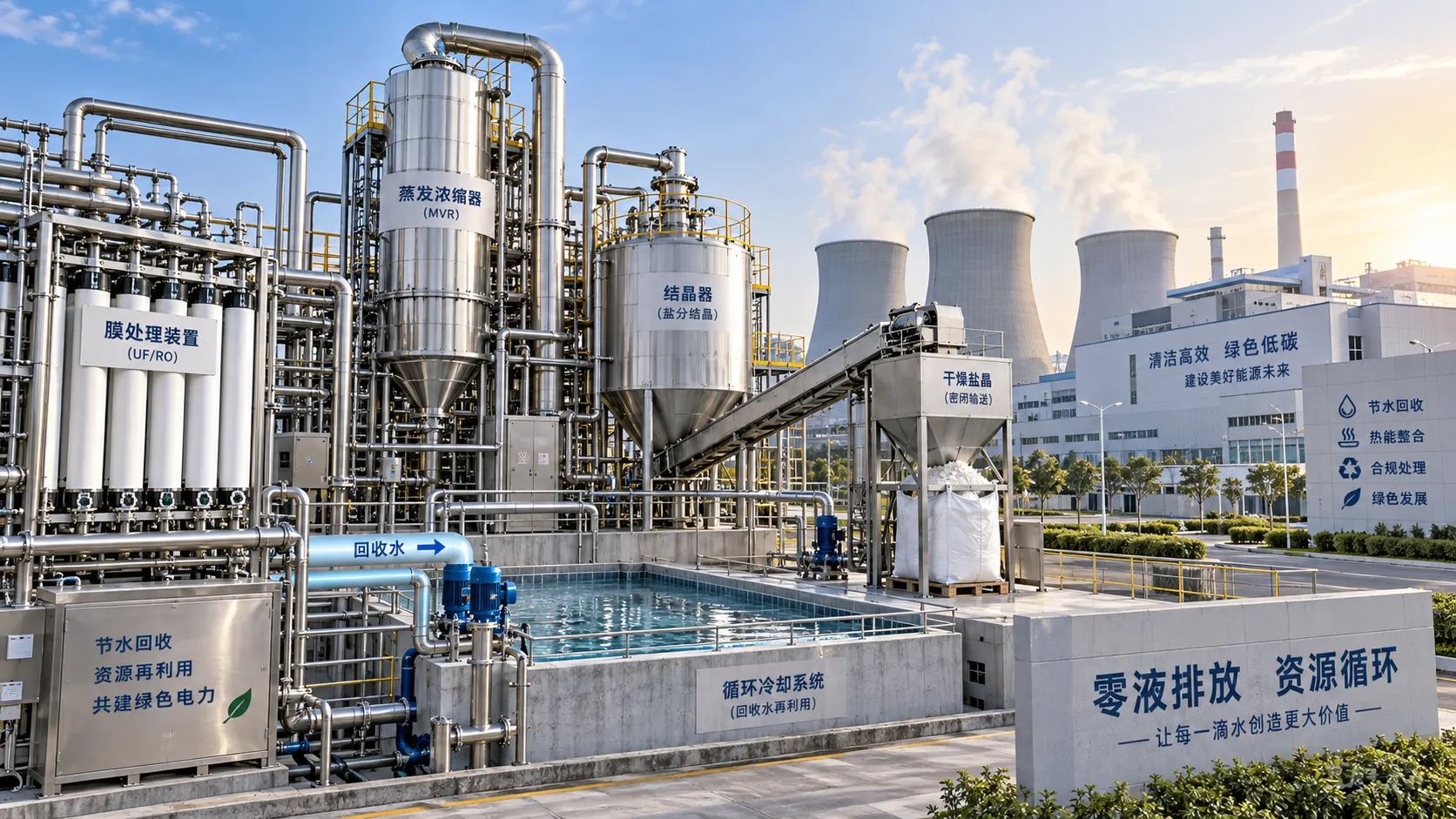
When do ZLD systems for power generation justify their energy use?
ZLD systems for power generation: learn when energy-intensive water recovery delivers stronger compliance, resilience, and long-term value.
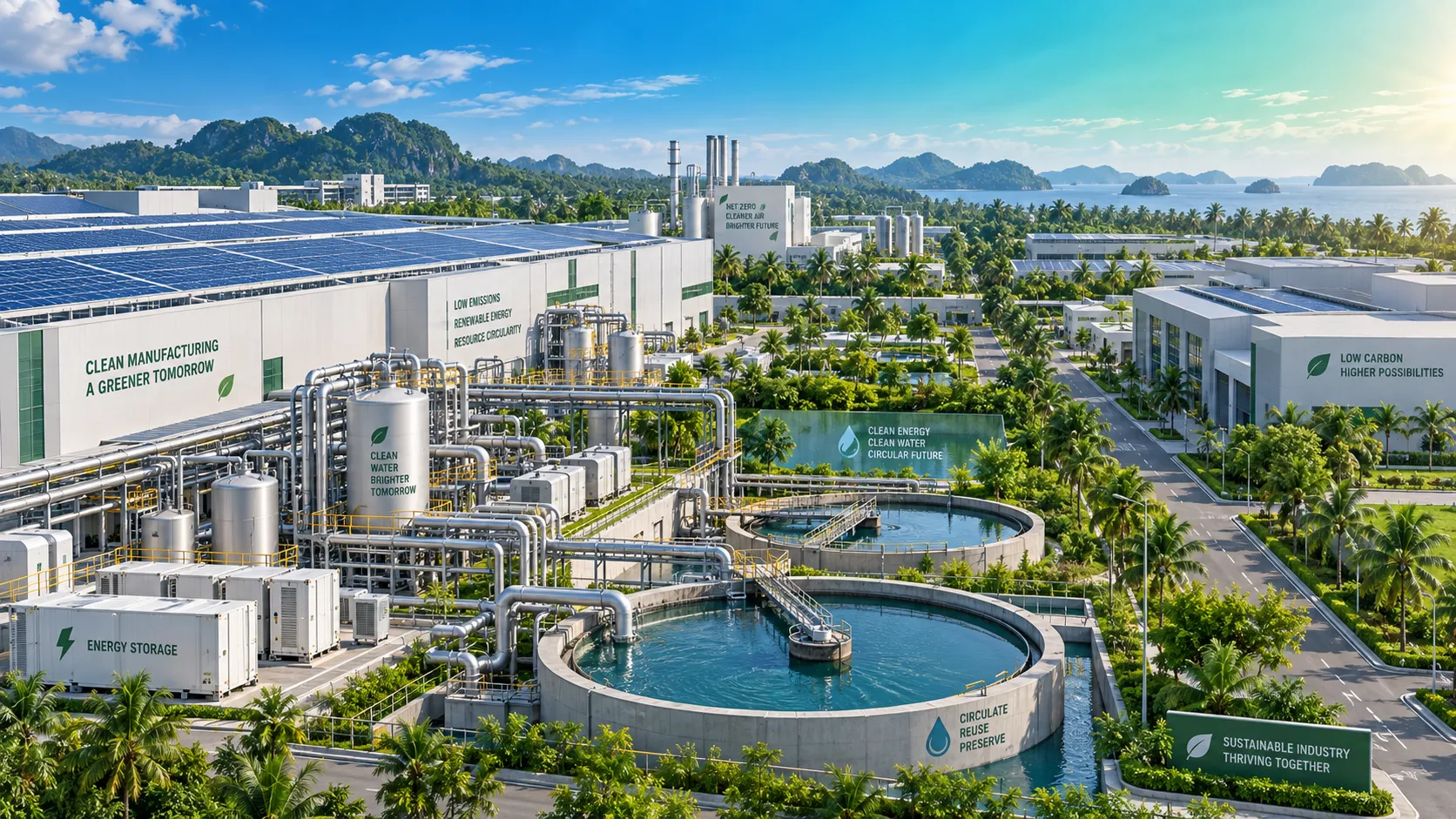
Which decarbonization pathways are most viable in Southeast Asia?
Decarbonization Southeast Asia: discover practical pathways for clean power, efficiency, electrification, circular recovery, and resilient industrial growth.
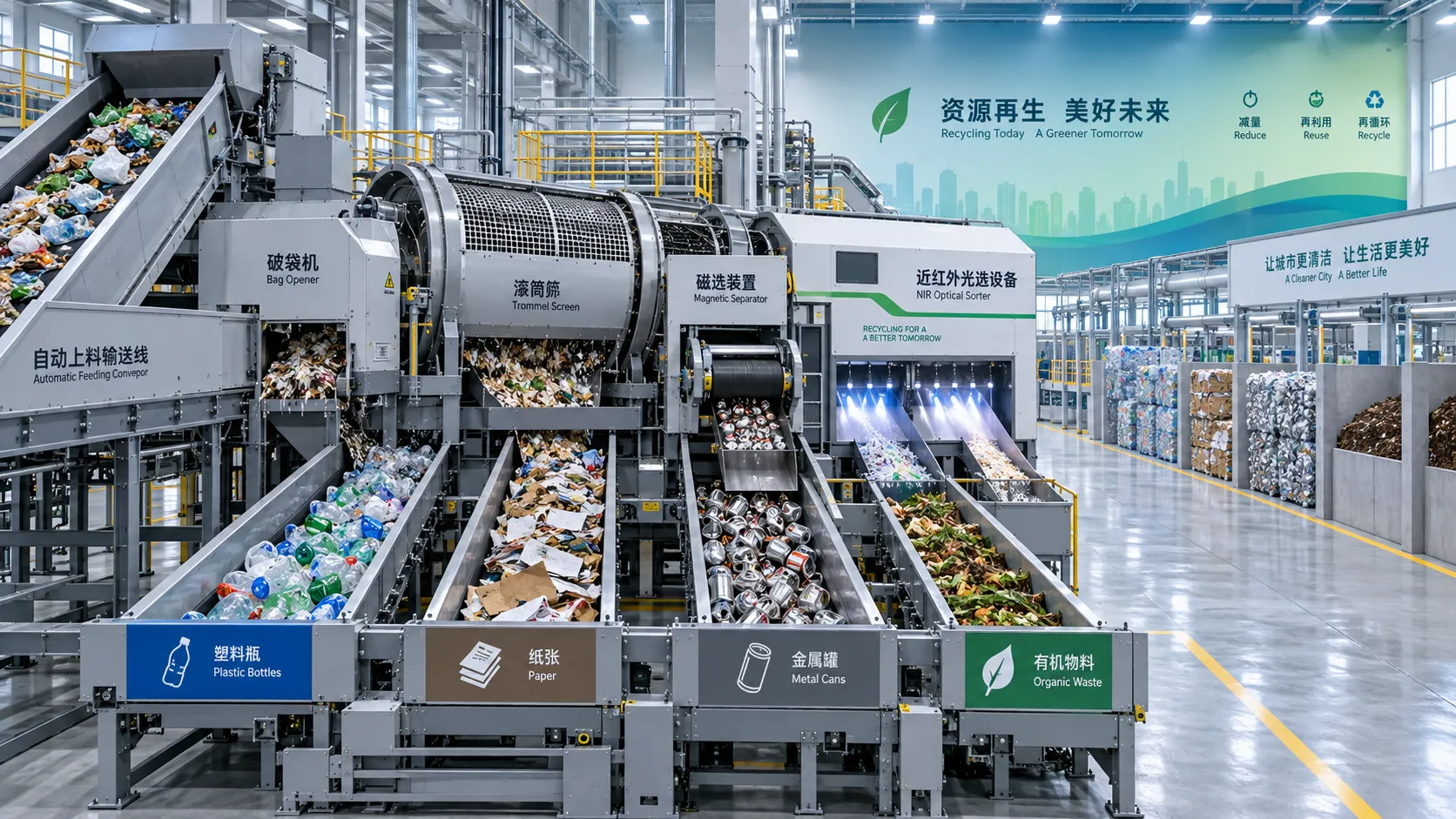
How to choose waste sorting equipment for mixed municipal waste
Waste sorting equipment selection guide for mixed municipal waste: compare technologies, improve recovery, reduce downtime, and build reliable output streams.
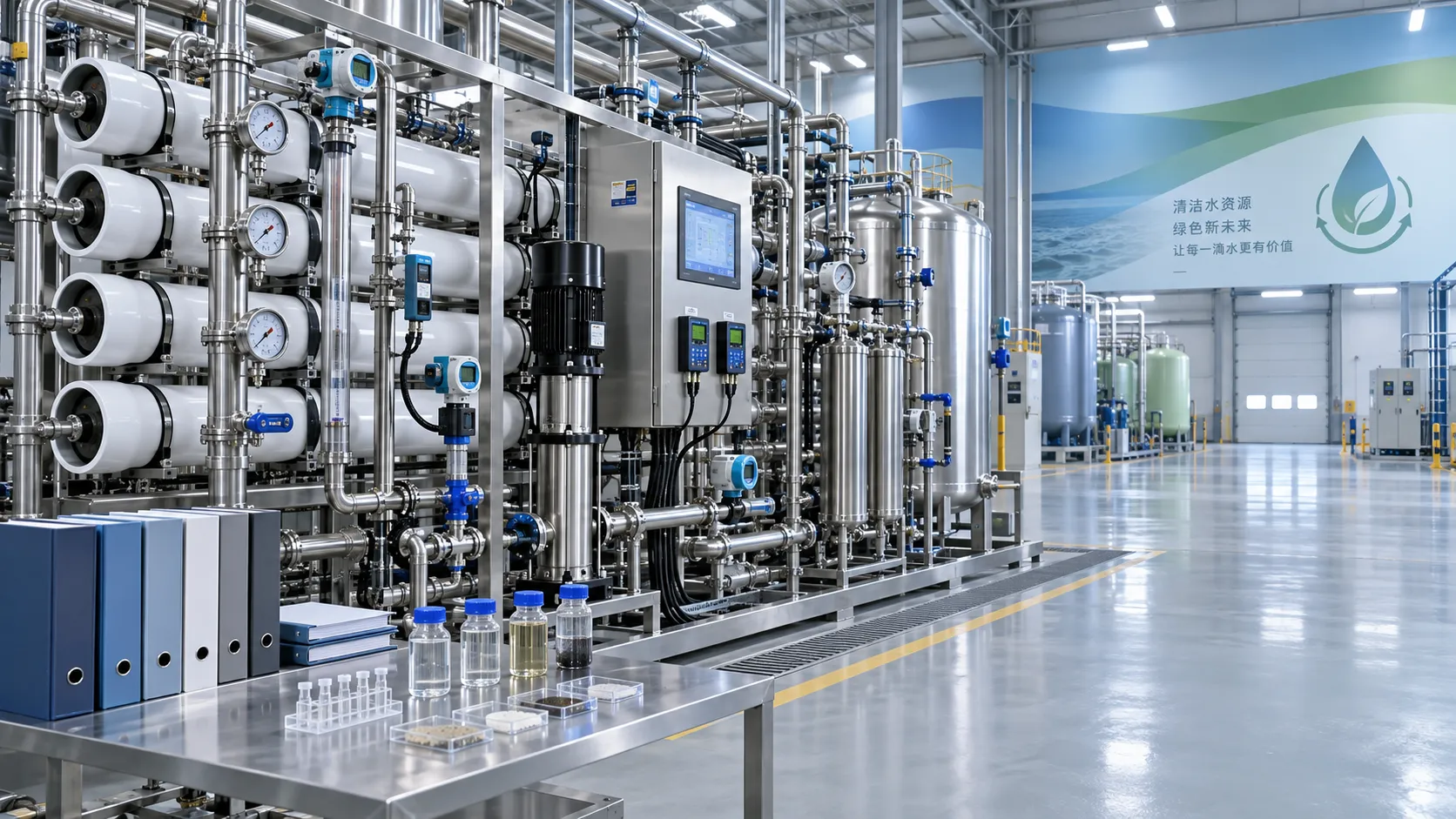
How to verify standards in an environmental equipment directory
environmental equipment directory standards reference: learn to verify certifications, performance evidence, scope, and project fit for confident, compliant equipment selection.
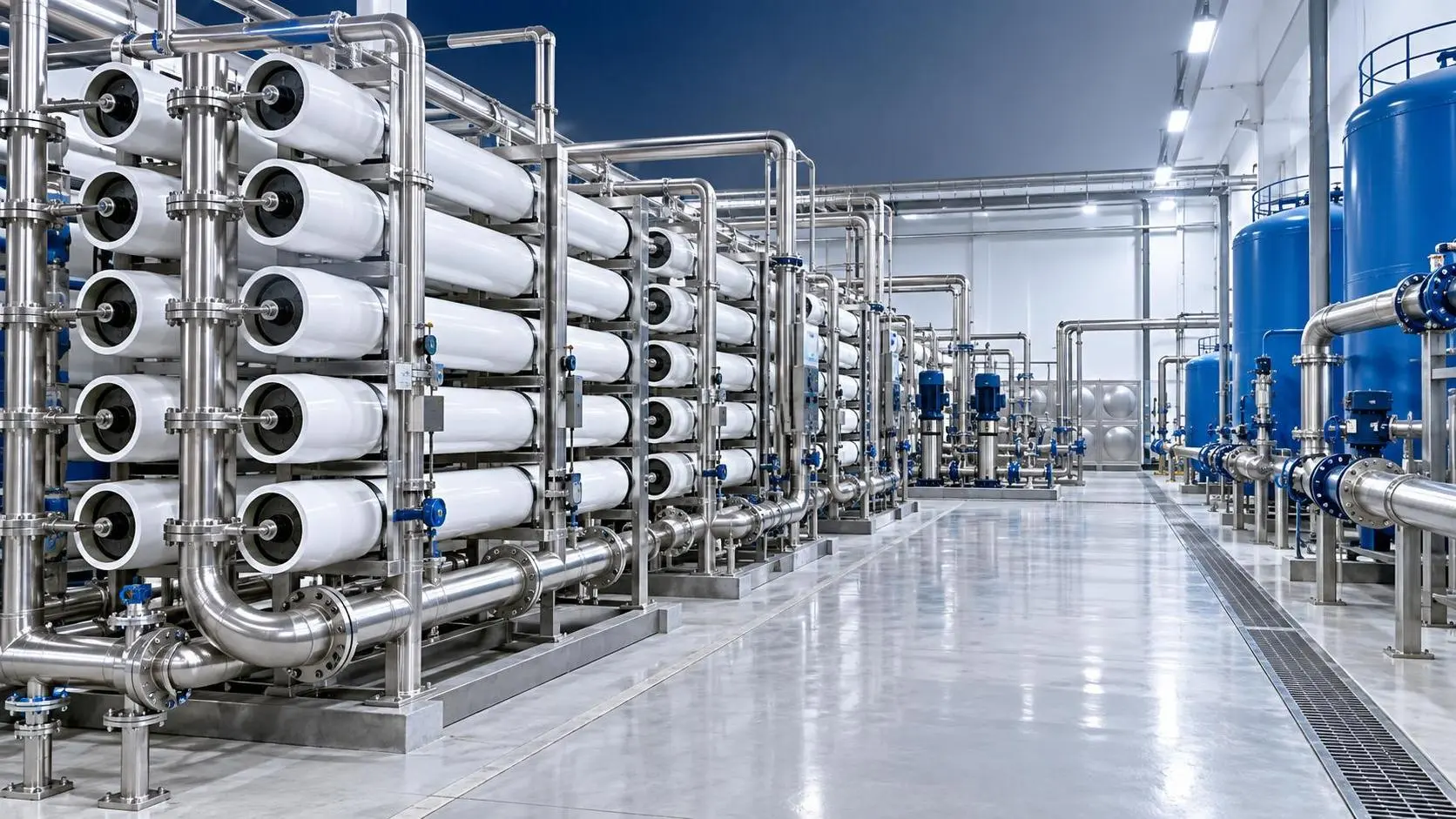
When high flux membrane water treatment justifies a larger footprint
High flux membrane water treatment can justify a larger footprint when variable feedwater, fouling risk, and uptime demands require resilient, lower-flux operation.
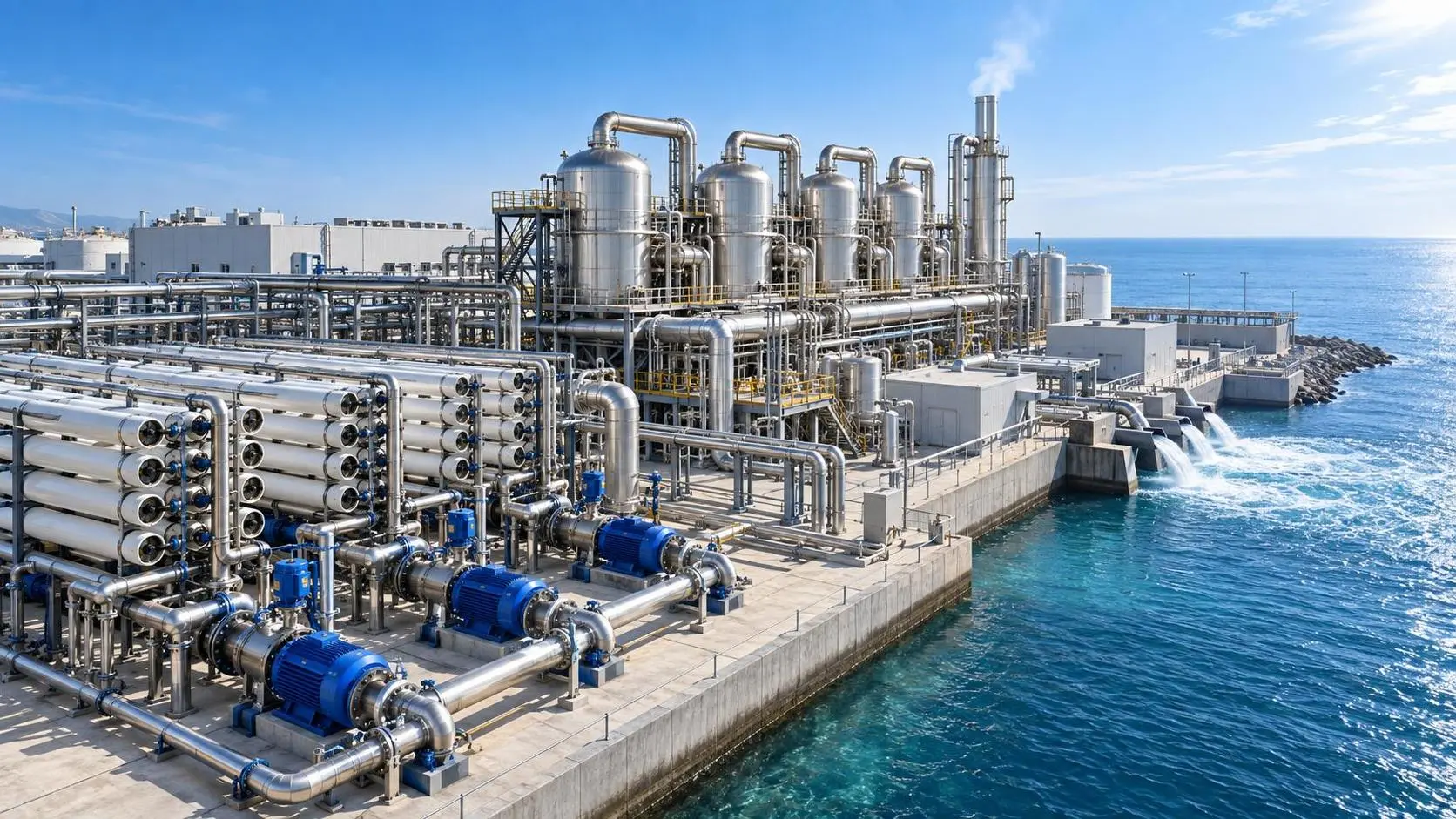
RO vs MED desalination: which is more energy-efficient at scale?
Desalination technology comparison: RO vs MED at scale. See how energy use, waste heat, feedwater, carbon, and flexibility determine the best choice.
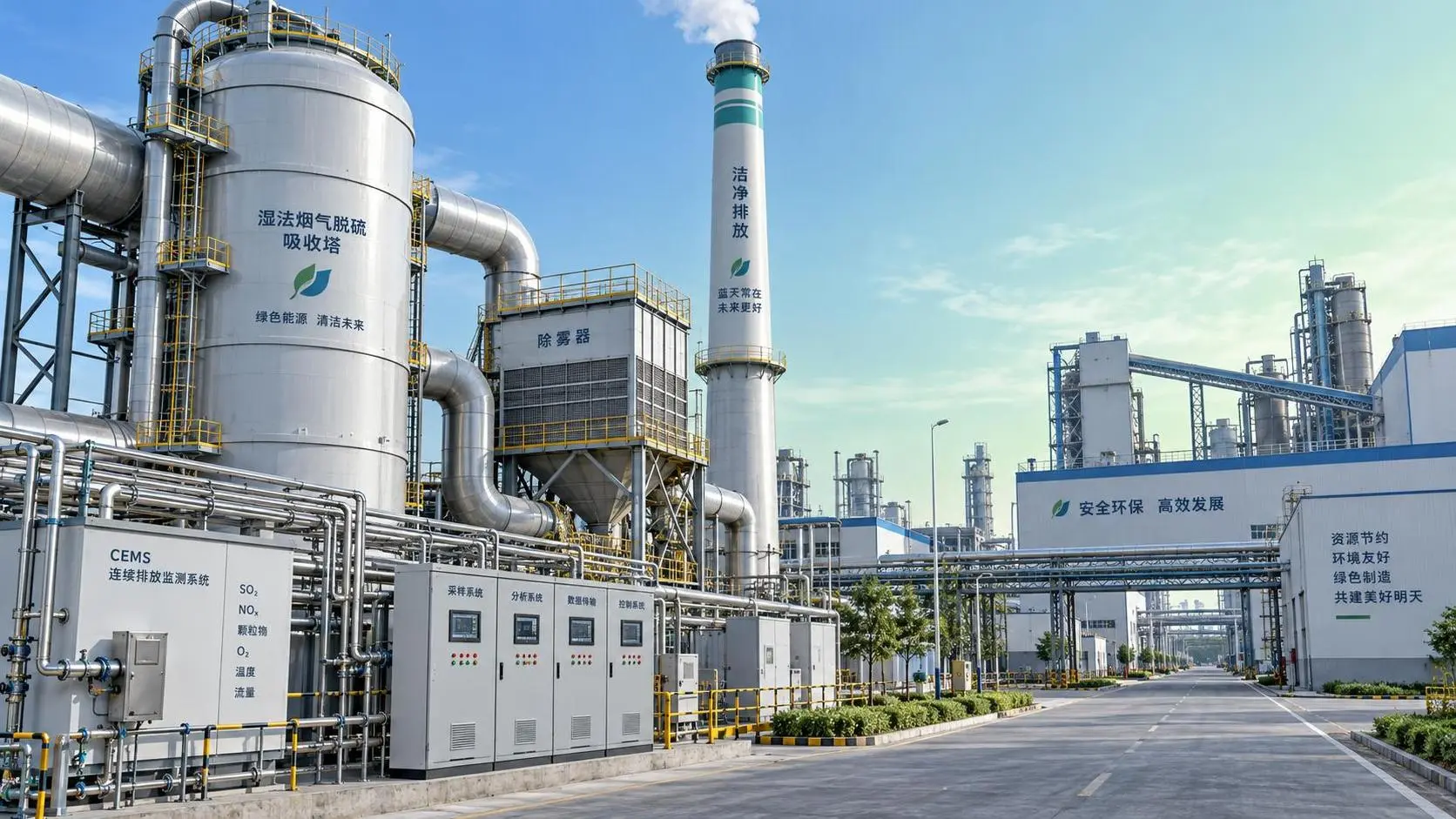
Which ISO standards apply to flue gas treatment systems?
Flue gas treatment systems ISO standards: explore key requirements for emissions testing, CEMS, safety, fabrication, corrosion control, and compliant project evaluation.

When corrosion resistant purification systems are needed for brine treatment
Corrosion resistant purification systems for brine treatment: assess chloride, heat, scaling, materials, and lifecycle reliability for demanding water projects.

How preventive maintenance reduces seawater desalination equipment downtime
Seawater desalination equipment maintenance reduces downtime through proactive monitoring, pretreatment protection, and planned repairs. Explore practical strategies for reliable RO performance.