
Industry News
Curation by industry experts
Hot Articles
Popular Tags
Urban mining vs traditional recycling: where the value really comes from
As resource pressure and compliance costs rise, urban mining is reshaping how value is captured from waste streams. Compared with traditional recycling, it goes beyond material recovery to unlock strategic metals, data-driven sorting efficiency, and stronger circular supply security. This article examines where the real value comes from, and why the shift matters for researchers tracking environmental technology, policy, and industrial competitiveness.
Why the value debate is changing now
The comparison between urban mining and traditional recycling is no longer a niche sustainability discussion. It has become a strategic issue shaped by industrial policy, critical mineral demand, tighter waste regulation, and pressure to build more resilient supply chains. For information researchers and industry observers, the most important shift is this: the market is no longer asking only how to recycle more tonnage, but how to recover more intelligence, more purity, and more strategic value from complex waste streams.
Traditional recycling was built around bulk materials such as paper, glass, steel, and common plastics. Its economics depended heavily on volume, labor access, and relatively stable downstream commodity markets. Urban mining, by contrast, is gaining attention because modern waste contains concentrated value in forms that are harder to detect but more important to recover. End-of-life electronics, batteries, catalytic materials, membranes, industrial residues, and mixed municipal streams may each contain copper, lithium, cobalt, nickel, rare earth elements, precious metals, and engineering polymers with much higher strategic importance than conventional scrap.
This shift matters across the broader environmental equipment landscape. Advanced sorting lines, thermal conversion systems, hydrometallurgical units, flue gas controls, wastewater polishing systems, and digital traceability tools are becoming interconnected. In other words, urban mining is not just a recycling upgrade. It is increasingly a systems-engineering response to resource scarcity, environmental compliance, and industrial competitiveness.
Urban mining is gaining value because waste streams are becoming more resource-dense and more complex
One reason urban mining is advancing faster than traditional recycling is the changing composition of waste itself. Cities, industrial parks, and infrastructure networks are now large above-ground reservoirs of materials that were previously difficult to capture. Consumer electronics, renewable energy equipment, electric vehicle batteries, desalination components, high-performance membranes, and industrial catalysts all create future recovery pools that differ sharply from historical scrap flows.
The value in these streams comes from concentration and specificity. A landfill or mixed scrap yard may hide value, but urban mining seeks to identify where that value is concentrated, how it degrades, and what recovery path preserves the most economic and technical benefit. For example, recovering a strategic metal at battery-grade or electronics-grade quality can be far more valuable than extracting a lower-grade mixed output that requires extensive downstream refinement.
That is why the center of gravity is moving from low-resolution collection toward high-resolution separation and process control. The more accurately operators can identify materials, isolate contaminants, and choose the right treatment route, the more urban mining outperforms traditional recycling on a value-per-ton basis.
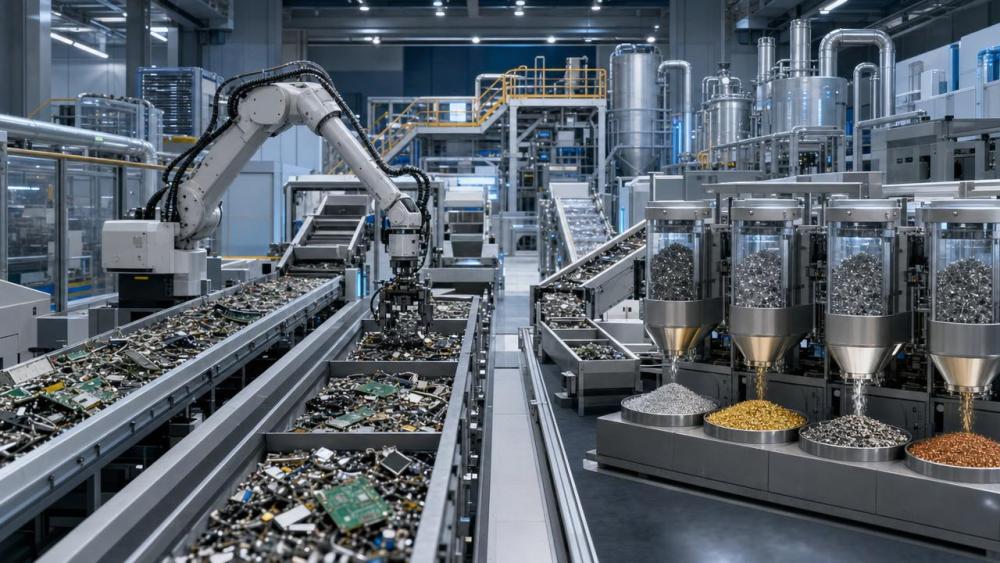
Where the real value really comes from
For many observers, the phrase urban mining suggests simply “recovering metals from waste.” That is true, but incomplete. The real value comes from five overlapping sources that traditional recycling often captures only partially.
1. Material quality, not only material quantity
Bulk recycling rewards throughput. Urban mining rewards purity and selectivity. A ton of mixed scrap may generate modest returns, while a smaller but better-characterized stream of printed circuit boards, battery black mass, or spent catalysts can generate materially higher recovery value. This changes plant design, procurement strategy, and downstream partnerships.
2. Data-enabled sorting and traceability
Urban mining increasingly depends on AI sorting, sensor fusion, robotics, and digital material passports. These tools reduce uncertainty, improve yield, and support compliance reporting. In many markets, data itself becomes part of the asset because it helps verify origin, composition, hazardous content, and recovery performance.
3. Supply security for strategic industries
Traditional recycling often serves established commodity markets. Urban mining is more closely linked to strategic supply chains. Battery manufacturing, electronics, renewable energy, water treatment equipment, and high-end industrial systems all depend on materials that are geopolitically sensitive or vulnerable to price volatility. Recovering those inputs domestically or regionally can create value beyond the spot price of the recovered metal.
4. Compliance and risk reduction
As environmental rules tighten, the cost of poor separation, uncontrolled emissions, contaminated residues, or incomplete documentation rises. Urban mining often creates value by avoiding penalties, lowering disposal costs, and making recovery systems auditable. This is especially important in sectors handling hazardous residues, persistent pollutants, or cross-border shipment rules.
5. Integration with advanced treatment infrastructure
In high-standard facilities, value depends on the entire process chain. Water treatment for leachates, air pollution control for thermal recovery, residue stabilization, and resource polishing all affect final economics. Urban mining gains strength when linked to the broader eco-industrial system rather than treated as a standalone scrap business.
Trend comparison: how urban mining is moving beyond traditional recycling
The following comparison highlights why the competitive logic is shifting. The issue is not that traditional recycling is becoming irrelevant, but that its operating model is no longer enough for high-value, high-complexity resource recovery.
The strongest drivers behind the urban mining shift
Several trends are pushing urban mining forward at the same time, and their combined effect is more important than any single factor.
First, electrification is changing the material map. Batteries, power electronics, and renewable systems increase future demand for metals and specialized materials while also creating end-of-life streams that require more sophisticated recovery. Second, regulatory systems are becoming stricter around waste classification, emissions, landfill diversion, and producer responsibility. Third, geopolitical uncertainty is forcing manufacturers and governments to reassess import dependence for critical inputs. Fourth, digital tools now make previously uneconomic separation tasks more feasible. Fifth, investors and procurement teams increasingly look at circularity as a resilience metric, not just a branding exercise.
For a portal focused on environmental intelligence, this matters because the urban mining opportunity depends on cross-disciplinary coordination. Recovery economics are influenced by sorting quality, water reuse, air pollution control, process chemistry, residue management, and market offtake agreements. The winning operators will not be the ones that simply collect more waste, but the ones that orchestrate these variables more precisely.
Who is affected most by this shift
The rise of urban mining affects different participants in different ways. Understanding this distribution of impact helps researchers judge where investment, policy attention, and competitive pressure are likely to concentrate next.
What signals deserve close attention next
For information researchers, the most useful approach is to watch signals that indicate whether urban mining is becoming structurally stronger or merely benefiting from short-term enthusiasm.
One important signal is feedstock visibility. If collection networks improve and material characterization becomes more reliable, urban mining economics usually strengthen. Another signal is the spread of high-precision sorting and pretreatment capacity, because upstream quality determines downstream recovery value. A third signal is whether regulations begin rewarding verified circular content, domestic critical material recovery, or safer treatment of complex waste. A fourth is the degree of integration between recovery plants and supporting systems such as wastewater reuse, emission control, and residue stabilization. A final signal is commercial acceptance: are downstream buyers willing to contract for recovered materials at consistent quality levels?
These indicators are especially relevant in sectors covered by advanced environmental infrastructure. Where urban mining expands, demand often rises for better membranes, smarter sorting systems, more stable thermal units, stronger flue gas treatment, and more reliable process monitoring. That creates a wider industrial ripple effect than conventional recycling alone.
How organizations should judge the opportunity
Organizations should avoid treating urban mining as a simple replacement for traditional recycling. The two models will coexist, but the decision question is where higher-value recovery justifies a more advanced approach. A practical evaluation should focus on feedstock composition, contamination patterns, recovery targets, compliance burden, and market access for refined outputs.
For companies, the first recommendation is to map where hidden value exists in current waste flows. The second is to assess whether sorting intelligence or process upgrades can improve output quality enough to change economics. The third is to examine water, air, and residue treatment requirements early, because these can determine whether a recovery concept is scalable. The fourth is to track policy mechanisms that may favor circular raw materials or stricter treatment standards. The fifth is to build partnerships across the value chain, since urban mining often succeeds through coordinated logistics, technology, and offtake rather than isolated plant investment.
A practical conclusion for researchers and decision watchers
The core difference between urban mining and traditional recycling is not simply that one is newer or more technical. It is that urban mining captures value from complexity: strategic material concentration, better information, stronger compliance positioning, and tighter links to industrial resilience. Traditional recycling still matters for scale and baseline recovery, but it does not fully answer the new pressure points facing advanced economies and environmental systems.
For those tracking environmental technology and industrial change, urban mining should be read as a broader transition signal. It shows how waste management is moving closer to resource strategy, how treatment systems are becoming more integrated, and how circularity is increasingly judged by quality and security rather than by volume alone.
If an enterprise wants to judge what this trend means for its own business, the most useful questions are straightforward: which waste streams contain recoverable strategic value, what level of sorting and treatment precision is required, where compliance costs may rise, and whether downstream buyers will reward verified circular quality. The answers to those questions reveal where the real value in urban mining is likely to come from next.
Recommended News
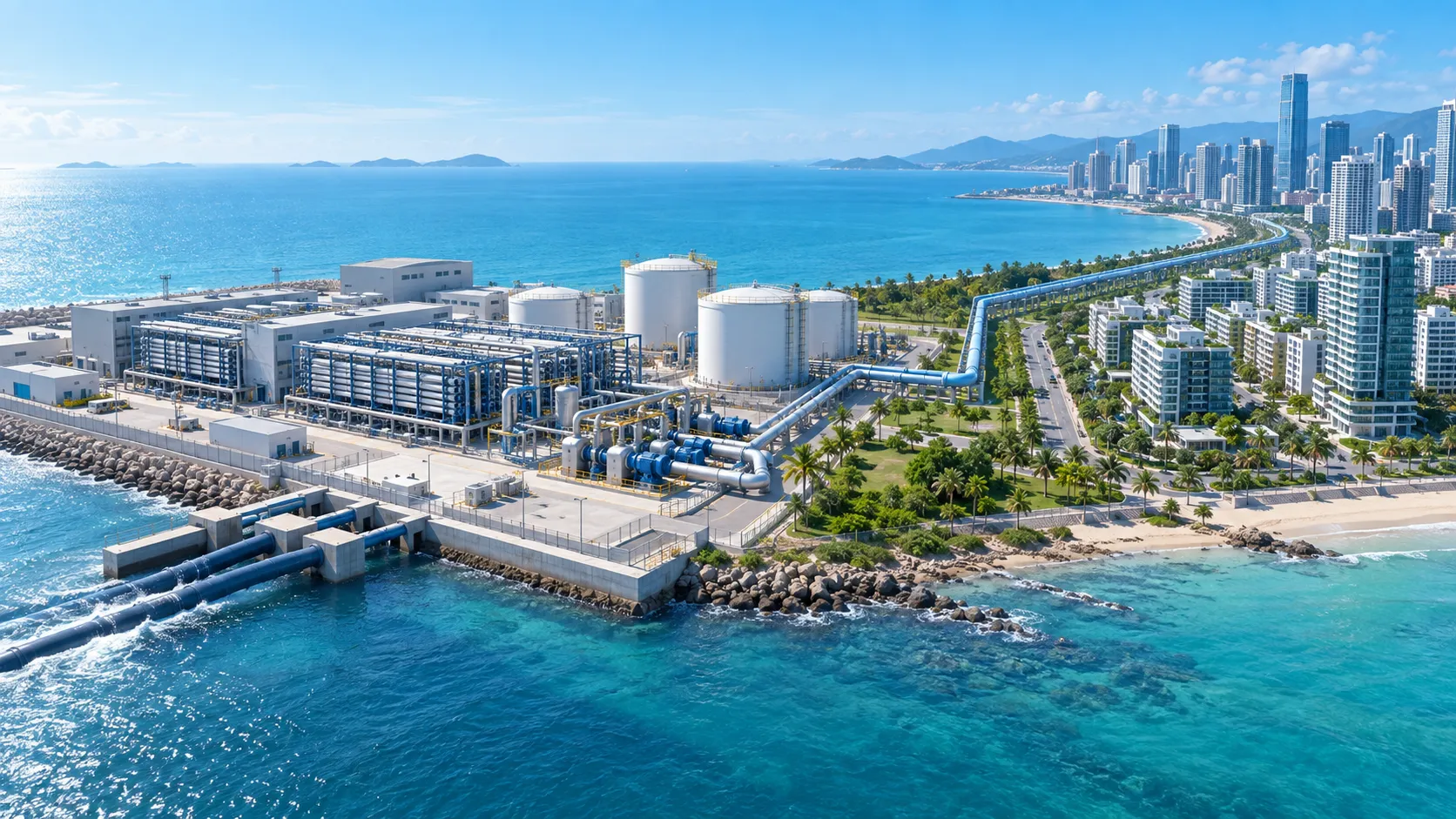
How coastal cities can select desalination solutions for peak demand
Seawater desalination solutions for coastal cities: compare firm peak capacity, intake risk, energy resilience, and lifecycle value to secure reliable water supply.
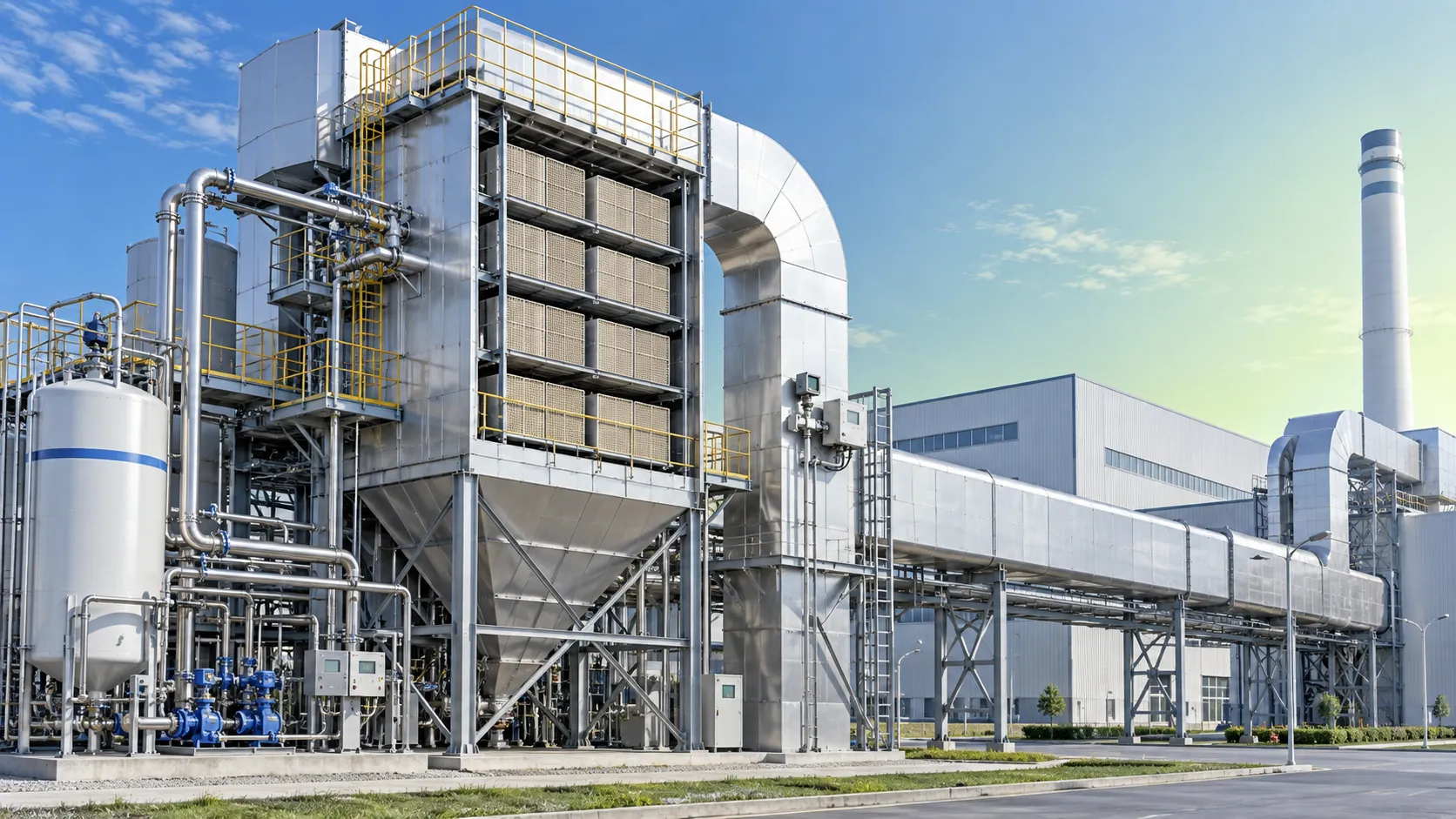
How SCR denitrification systems in Europe meet Industrial Emissions rules
SCR denitrification systems Europe: learn how permit-led design, ammonia-slip control, catalyst management and monitoring support Industrial Emissions compliance.
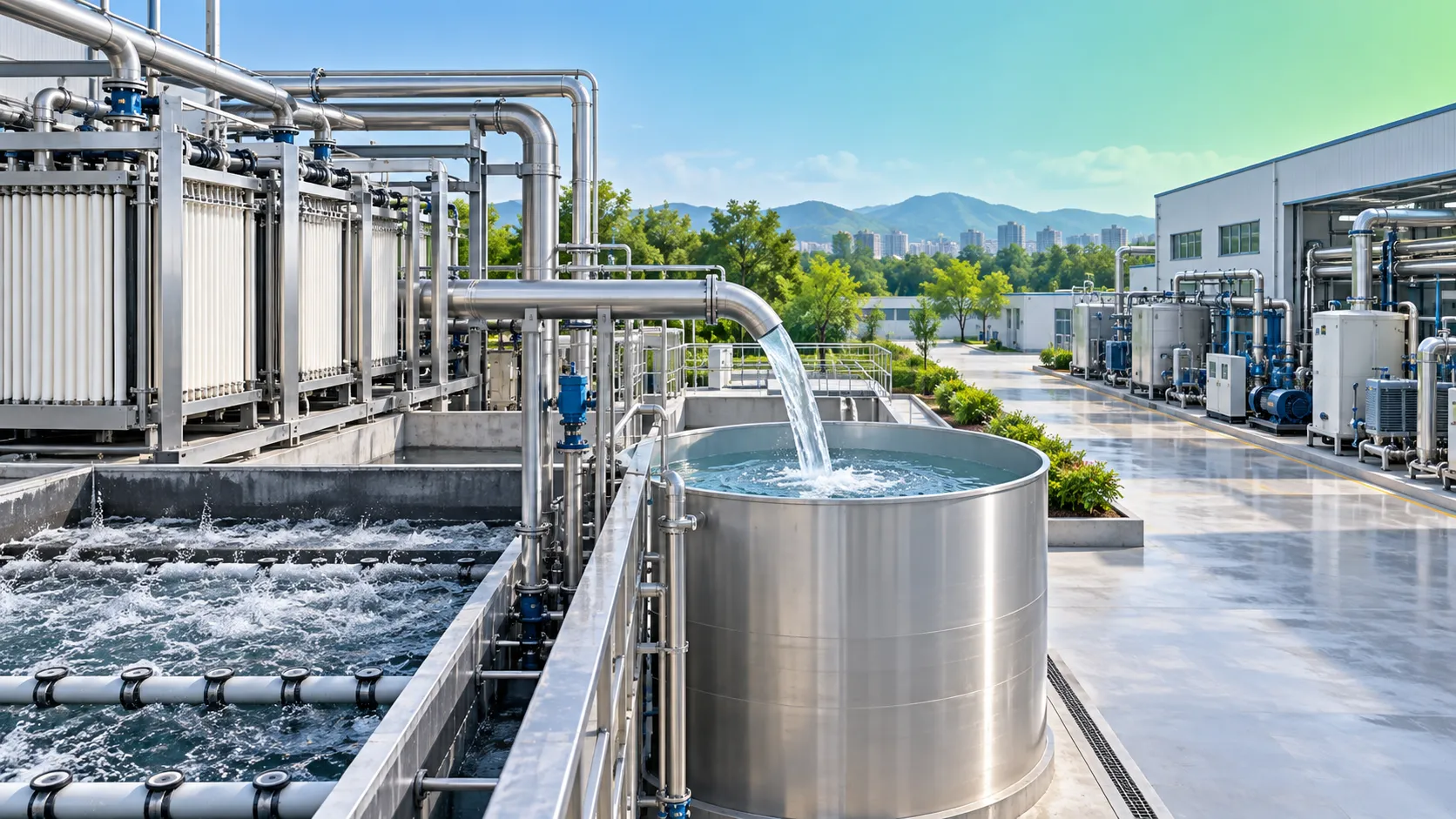
When does MBR equipment make sense for wastewater reuse?
Water treatment equipment for wastewater reuse: learn when MBR delivers compact, reliable low-solids effluent—and when alternative treatment trains offer better value.
How North America shapes global environmental governance standards
Global environmental governance North America: discover how regulation, finance, and procurement raise worldwide standards and reshape environmental projects.
How reactor capacity affects throughput in pyrolysis systems
Pyrolysis systems reactor capacity explained: learn how heat transfer, residence time, feed quality, and emissions controls determine reliable throughput.
When low-temperature reaction equipment is the right fit for heat-sensitive processes
Low-temperature reaction equipment helps protect heat-sensitive streams, improve energy integration, and maintain reliable conversion. Explore key selection factors today.
When do water reuse systems deliver a practical payback?
Water reuse systems deliver practical payback when they cut water, discharge, and downtime costs. Learn how to match treatment, recovery, and reuse quality for lasting ROI.
When do ZLD systems for power generation justify their energy use?
ZLD systems for power generation: learn when energy-intensive water recovery delivers stronger compliance, resilience, and long-term value.
Which decarbonization pathways are most viable in Southeast Asia?
Decarbonization Southeast Asia: discover practical pathways for clean power, efficiency, electrification, circular recovery, and resilient industrial growth.