
Industry News
Curation by industry experts
Hot Articles
Popular Tags
Urban mining projects: the logistics bottleneck most teams miss
Urban mining promises strong recovery value, but many projects stall not at the sorting line or financing table, but in logistics. For project managers and engineering leads, hidden constraints in collection density, reverse transport, storage, and compliance can quietly erode margins and timelines. This article examines the logistics bottleneck most teams miss and why it determines whether urban mining projects scale profitably.
For most teams searching this topic, the real question is not whether urban mining is technically viable. It is whether the project can secure a predictable, compliant, and economical flow of material from scattered sources to a recovery facility without losing margin on the way. The short answer is this: many urban mining projects fail to scale because their logistics model is treated as a support function, when in reality it is the operating system of the business.
Project managers and engineering leads usually care about four issues above all: feedstock certainty, cost control, schedule reliability, and compliance risk. They want to know whether collection volumes are dense enough, whether reverse logistics costs will destroy unit economics, how much buffer storage is actually needed, and which regulatory requirements can delay commissioning or daily operations. Those questions matter more than broad discussions about circular economy trends.
To be useful, this article focuses on the practical decision points that shape project outcomes: how to evaluate logistics feasibility before final design, where bottlenecks usually emerge, what indicators should be tracked, and how teams can redesign project scope, plant layout, supplier contracts, and transport strategy to protect profitability. General advocacy for recycling is less important here than operational judgment.
Why logistics, not processing technology, often decides whether urban mining works
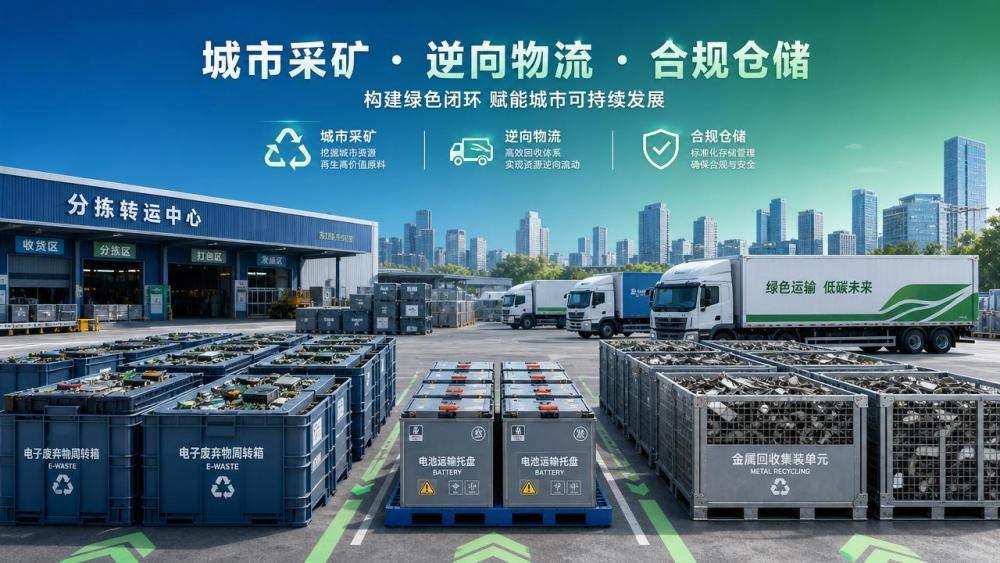
In presentations, urban mining is often framed as a recovery technology story. Teams discuss AI sorting, hydrometallurgy, pyrolysis, dismantling automation, or precious metal extraction efficiency. Those are important. But for a project manager, the economics begin much earlier, at the point where waste is generated, aggregated, documented, moved, stored, and handed over.
Unlike traditional mining, where ore is concentrated in one location, urban mining relies on highly fragmented material sources. Electronic waste, end-of-life appliances, batteries, construction materials, plastics, catalytic residues, and metal-bearing scrap are dispersed across households, businesses, demolition sites, workshops, municipalities, and informal channels. That fragmentation creates a logistics burden that is easy to underestimate during early planning.
If feedstock arrives late, contaminated, partially dismantled, or in highly variable batch sizes, even the best recovery line will underperform. Equipment utilization drops. Labor planning becomes unstable. Storage areas overflow or sit idle. Compliance paperwork accumulates. Revenue forecasts become unreliable because yield assumptions no longer match incoming material quality.
This is why logistics should be viewed as a core design variable, not a downstream operating detail. In urban mining, collection architecture and transport structure define the plant’s real throughput more than nameplate capacity does. A 100,000-ton facility with weak inbound logistics can behave like a 45,000-ton facility with chronic disruption.
The bottleneck most teams miss: collection density and reverse logistics economics
The most overlooked constraint is not simply transportation cost. It is the interaction between collection density and reverse logistics efficiency. Many teams model feedstock availability at the city or regional level and conclude there is ample material. But available material on paper is not the same as recoverable material at acceptable cost.
A region may generate enough e-waste or scrap metal in total annual tonnage, yet if that material is dispersed across too many low-volume pickup points, the cost per collected ton rises sharply. Vehicles run partially loaded. Routing becomes inefficient. Loading times increase. Quality inspection must be repeated at multiple nodes. Documentation efforts multiply. The project starts paying for movement complexity rather than material value.
This is especially dangerous in categories where intrinsic value is modest or volatile. For low- to mid-value streams, such as mixed plastics, some appliance fractions, or contaminated construction waste, a small increase in transport and handling cost can erase all expected recovery margin. Even high-value streams like lithium batteries or printed circuit boards can become problematic if safety protocols, packaging requirements, and route limitations are ignored.
Project teams often make three planning mistakes. First, they use annual generation estimates instead of route-level collection density. Second, they assume suppliers will pre-sort or pre-consolidate material without verifying incentives. Third, they underestimate empty backhauls, failed pickups, and the time needed to resolve documentation mismatches at transfer points.
The right question is not “How much urban mine exists in the region?” It is “How many economically recoverable tons can be collected per route, per day, per source cluster, under real compliance and handling rules?” That is the number that should shape facility size and phasing.
Where logistics friction shows up in real projects
For engineering leads, logistics bottlenecks typically surface in six places. Each one affects capital deployment, throughput stability, or operating risk.
1. Source variability. Material from municipal channels behaves differently from industrial scrap, retail take-back flows, demolition waste, or informal collectors. Packaging, contamination, moisture, dismantling level, and traceability can differ widely. If the project assumes one feed profile but receives another, pretreatment systems and storage layouts may no longer fit actual operations.
2. Inadequate consolidation nodes. Many urban mining systems need transfer stations, local depots, or preprocessing hubs before material reaches the central recovery plant. Without those nodes, long-haul transport moves too much low-density or poorly prepared material. But adding nodes increases permitting, labor, and inventory complexity. The wrong network design creates either transport waste or handling redundancy.
3. Storage mismatch. Some materials are bulky, some hazardous, some theft-prone, and some degrade quickly. Batteries need fire-safe handling. E-waste may need secure storage. Organic residues or mixed waste can create odor, leachate, or contamination issues. A facility designed around nominal throughput but not dwell-time variability will quickly run into yard congestion.
4. Compliance drag. Reverse logistics in urban mining is tightly linked to chain-of-custody records, hazardous material labeling, transport licensing, import-export rules in some markets, and local waste handling requirements. These are not legal footnotes. They affect route design, container choice, turnaround times, and who can legally touch the material.
5. Unbalanced inbound and outbound flows. Urban mining projects often focus on inbound waste collection but forget outbound shipment of recovered fractions, residues, and rejected material. If residue disposal routes or product offtake logistics are weak, the plant can still choke even when inbound feedstock is available.
6. Misaligned contracts. Supplier agreements may reward tonnage, while plant economics require quality and consistency. Transport contractors may be paid by trip, not by delivered specification. Municipal partners may promise volume but offer poor segregation. Without contract structures aligned to operational reality, logistics performance deteriorates quickly.
How project managers should assess logistics feasibility before committing capital
Before freezing plant capacity or approving EPC scope, teams should run a logistics feasibility test as rigorously as they run process design or financial modeling. That test should answer whether the urban mining network can deliver target volumes at target quality within the project’s margin envelope.
Start with feedstock mapping at a granular level. Break sources into clusters by geography, material type, generation frequency, contamination profile, ownership structure, and documentation requirements. A heat map of annual tonnage is not enough. You need route-level visibility and likely collection behavior.
Next, build a tiered source model. Classify feedstock into anchor sources, variable commercial sources, municipal streams, and opportunistic inflows. Anchor sources are especially important because they support base-load utilization. If too much of the business case depends on volatile, low-commitment sources, the logistics model is weak before operations even begin.
Then calculate delivered cost per usable ton, not per collected ton. This is a crucial distinction. A truckload that arrives contaminated, underweight, or non-compliant may generate nominal volume but poor recovery value. Decision-makers should estimate the true cost of every usable ton after transport, preprocessing, handling loss, and administrative burden.
Scenario testing is equally important. What happens if one municipality delays onboarding by six months? What if battery volumes grow faster than appliance volumes? What if diesel cost rises by 15%, or disposal routes for rejects become constrained? Logistics plans that look profitable only under perfect assumptions are not investment-grade plans.
Finally, validate the model with physical pilots. Limited route trials, temporary depots, or staged supplier onboarding can reveal actual loading times, contamination rates, and documentation friction. In urban mining, desktop confidence often disappears when trucks start moving.
Design choices that reduce logistics risk and protect margins
The best urban mining projects are not those with the most advanced processing line on paper. They are the ones that match process design to feedstock reality. That usually means making engineering and commercial choices that reduce logistics sensitivity.
One effective strategy is modular scaling. Instead of building for ultimate regional tonnage from day one, phase the facility around secured collection density. This protects utilization in the early years and allows the logistics network to mature before large fixed costs must be supported.
A second strategy is preprocessing near the source. Densification, safe disassembly, baling, sorting, or hazard isolation at local nodes can reduce transport cost and improve consistency. But this only works if preprocessing standards are tightly defined. Poor local preparation can create more quality variance, not less.
Third, design the plant for feedstock flexibility within a controlled range. That may mean extra buffer capacity, adaptable receiving lines, better inspection bays, fire-separated storage areas, or redundant material handling paths. Flexibility has a capital cost, but in fragmented urban mining systems it often prevents larger operational losses later.
Fourth, digitize chain-of-custody and route visibility early. Barcode or RFID tracking, digital manifests, source-level quality records, and live transport status can reduce disputes and improve forecasting. For project managers, this data is also essential for proving environmental compliance and supporting customer or regulator audits.
Fifth, align commercial contracts with operational outcomes. Payment terms should reward quality, segregation, and delivery reliability, not just raw tonnage. Transport SLAs should include turnaround, incident reporting, and handling compliance. Without these mechanisms, operations teams end up absorbing hidden variability that should have been priced or allocated contractually.
The KPIs that actually matter in urban mining logistics
Many teams track total collected volume and assume that rising tonnage means progress. That metric is too blunt. To understand whether logistics is enabling or undermining project performance, managers need a more practical KPI set.
Collection density per route shows whether source clustering is efficient enough to support scale. Delivered cost per usable ton reveals real economic performance. Inbound contamination rate helps explain pretreatment burden and yield loss. Average dwell time in storage indicates whether inventory is flowing or stagnating.
Vehicle utilization and empty return ratio matter because reverse logistics economics collapse quickly when trucks move partially loaded. Receiving queue time highlights site design or scheduling problems. Documentation exception rate is a powerful but underused metric, especially where hazardous or regulated materials are involved. High exception rates often signal future compliance and billing disputes.
For project leadership, one of the most useful composite indicators is throughput reliability: the percentage of planned weekly feedstock volume that arrives on time, within specification, and ready for processing. This is often a better operational health measure than nominal annual volume because it connects logistics performance directly to plant utilization.
When to rethink project scope instead of forcing the original plan
Sometimes the correct response to logistics bottlenecks is not optimization. It is strategic resizing. If collection density is too low, compliance handling is too complex, or material quality is too inconsistent, forcing the original facility concept can destroy value.
In those cases, teams should consider narrower material focus, smaller initial capacity, different siting, or a hub-and-spoke network instead of a single central plant. Some projects are better positioned as regional preprocessing platforms feeding specialized downstream refiners rather than full recovery complexes. Others need stronger municipal or industrial anchor partnerships before major capital is committed.
This is not a retreat from ambition. It is disciplined project design. In urban mining, scale should follow network strength, not precede it. A smaller system with reliable logistics can outperform a larger, technically impressive plant that is starved of stable material flows.
Conclusion: in urban mining, logistics is the mine plan
The key lesson for project managers and engineering leads is straightforward: in urban mining, logistics is not a secondary operating concern. It is the mine plan, the throughput controller, and often the difference between a bankable project and a stranded asset.
Processing technology still matters, but logistics determines whether material reaches that technology in the right volume, condition, and cost structure. Hidden weaknesses in collection density, reverse transport, storage design, and compliance handling can quietly destroy utilization, margins, and schedule certainty long before the recovery line has a chance to prove itself.
If you are evaluating or scaling an urban mining project, start by stress-testing the logistics network with the same seriousness you apply to process engineering. Map route-level reality, measure delivered cost per usable ton, validate source behavior through pilots, and align plant scope with proven feedstock flows. Teams that get this right are far more likely to turn urban mining from a promising concept into a durable, profitable operation.
Recommended News

How feed salinity affects energy use in ZLD system brine treatment
ZLD system brine treatment: discover how feed salinity drives energy use, scaling risk, and technology choices for efficient, reliable zero liquid discharge.

How coastal cities can select desalination solutions for peak demand
Seawater desalination solutions for coastal cities: compare firm peak capacity, intake risk, energy resilience, and lifecycle value to secure reliable water supply.
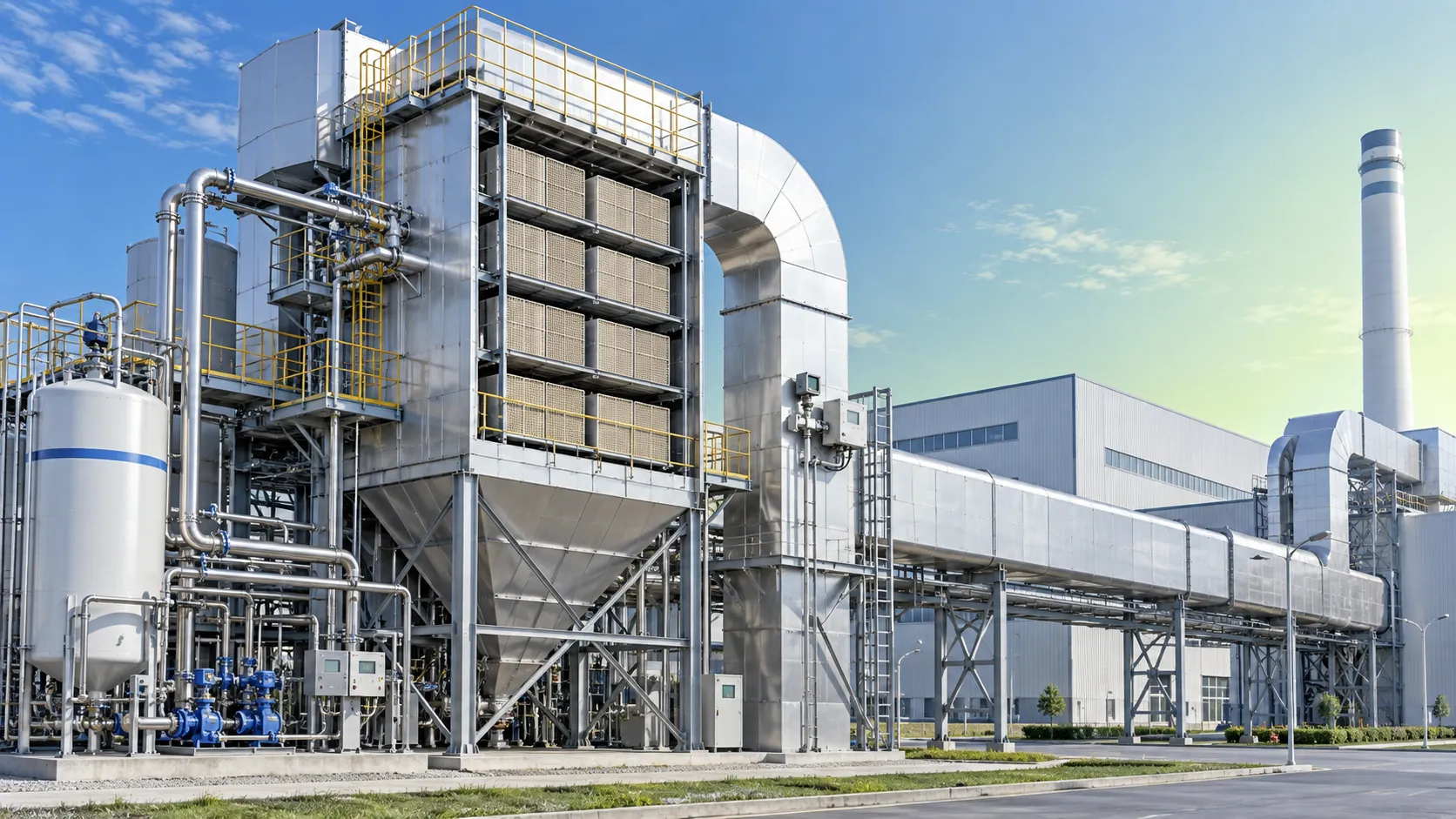
How SCR denitrification systems in Europe meet Industrial Emissions rules
SCR denitrification systems Europe: learn how permit-led design, ammonia-slip control, catalyst management and monitoring support Industrial Emissions compliance.

When does MBR equipment make sense for wastewater reuse?
Water treatment equipment for wastewater reuse: learn when MBR delivers compact, reliable low-solids effluent—and when alternative treatment trains offer better value.

How North America shapes global environmental governance standards
Global environmental governance North America: discover how regulation, finance, and procurement raise worldwide standards and reshape environmental projects.

How reactor capacity affects throughput in pyrolysis systems
Pyrolysis systems reactor capacity explained: learn how heat transfer, residence time, feed quality, and emissions controls determine reliable throughput.

When low-temperature reaction equipment is the right fit for heat-sensitive processes
Low-temperature reaction equipment helps protect heat-sensitive streams, improve energy integration, and maintain reliable conversion. Explore key selection factors today.

When do water reuse systems deliver a practical payback?
Water reuse systems deliver practical payback when they cut water, discharge, and downtime costs. Learn how to match treatment, recovery, and reuse quality for lasting ROI.
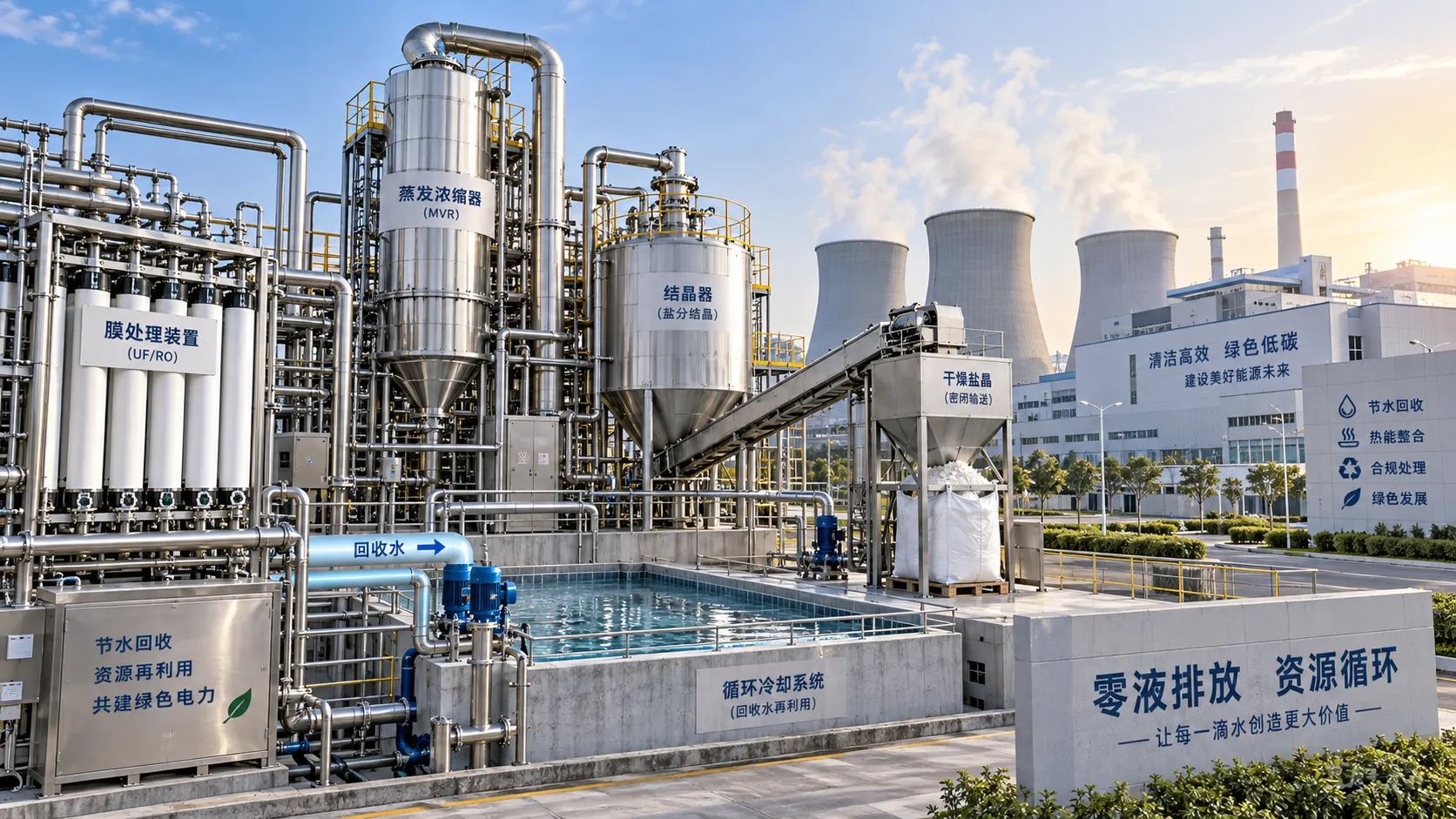
When do ZLD systems for power generation justify their energy use?
ZLD systems for power generation: learn when energy-intensive water recovery delivers stronger compliance, resilience, and long-term value.