
Industry News
Curation by industry experts
Hot Articles
Popular Tags
Environmental regulations that can change plant compliance planning
Environmental regulations are reshaping plant compliance planning faster than ever, making quality control and safety management a core operational priority. For facilities in water treatment, waste recovery, desalination, and nuclear waste management, staying aligned with evolving standards is not only about avoiding penalties—it is about protecting process stability, audit readiness, and long-term project credibility. This article examines how changing rules influence compliance strategies and what plant teams should watch to stay ahead.
Why environmental regulations now drive plant compliance planning
In the current industrial environment, environmental regulations no longer sit at the end of the project checklist. They affect design inputs, equipment selection, monitoring frequency, documentation depth, and even supplier qualification. For quality and safety teams, that means compliance planning must begin before procurement and continue through commissioning, operation, and maintenance.
This is especially visible in high-stakes sectors such as large-scale water treatment, solid waste recovery, seawater desalination, flue gas treatment, and nuclear waste management. A small mismatch between permit conditions and actual operating parameters can trigger rework, delayed acceptance, or failed audits. ESD’s intelligence approach helps teams connect regulation updates with technical realities, so decisions are grounded in both policy and process logic.
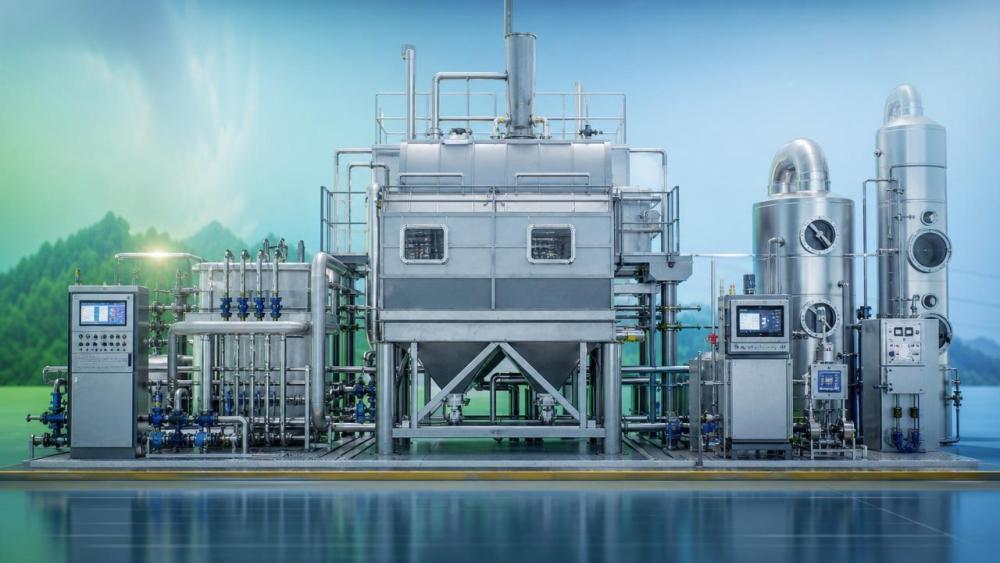
For plant managers, the practical challenge is not simply reading the rules. It is translating environmental regulations into measurable controls: discharge limits, emission thresholds, alarm logic, inspection intervals, and record retention. If those elements are not mapped clearly, a plant can appear compliant on paper while failing under real operating stress.
What changes most often in environmental regulations?
The most disruptive updates usually fall into five categories. Each one can alter plant compliance planning and require quick revision of SOPs, inspection checklists, and reporting workflows.
- Discharge and emission thresholds may tighten, especially for COD, ammonia nitrogen, particulates, SOx, NOx, and trace contaminants.
- Monitoring requirements may expand, including online instrumentation, data retention, calibration frequency, and tamper-proof records.
- Reporting formats may change, forcing teams to align internal logs with regulator-ready documentation.
- Cross-border compliance rules may add carbon, sourcing, or lifecycle disclosure expectations for exported projects and equipment.
- Hazard classification and disposal rules may evolve, affecting waste storage, transportation, treatment, and final disposal pathways.
These changes matter because they often arrive together. A new discharge rule may require a sensor upgrade, a new calibration method, and a revised emergency response plan. Teams that watch only the headline regulation often miss the operational burden behind it.
How environmental regulations affect compliance planning by plant type
Different plant categories face different compliance pressure points. The table below shows how environmental regulations translate into operational priorities across core eco-engineering scenarios.
The practical takeaway is clear: compliance planning should be sector-specific, not generic. A seawater desalination plant may focus on brine and energy disclosure, while a nuclear waste facility must prioritize containment and traceability. ESD’s strategic intelligence model is built to help teams compare these differences without losing sight of the regulatory baseline.
Which compliance checks should quality and safety teams prioritize first?
When environmental regulations change, teams often try to revise everything at once. That creates confusion and delays. A better approach is to prioritize the controls that carry the highest audit and operational risk.
- Verify whether current permits, discharge limits, and operating conditions still match the latest rule set.
- Check whether key instruments, such as online analyzers, flow meters, and radiation monitors, are calibrated and documented correctly.
- Review storage, labeling, and transfer procedures for chemicals, sludge, ash, brine, and hazardous residues.
- Confirm that emergency response plans reflect the newest exposure, spill, or containment scenarios.
- Update training records so operators can explain control points during inspections and third-party audits.
For safety managers, the highest-value question is not “What changed?” but “What can fail if we do nothing?” That mindset helps narrow attention to critical pathways and prevents compliance planning from becoming a paperwork exercise.
How to compare compliance strategies before procurement
Before buying equipment or signing an EPC package, compare compliance strategies on the basis of audit readiness, maintenance burden, and future regulation tolerance. The table below offers a practical comparison for plant decision-makers.
For most facilities, the layered control model is the most practical balance. It protects core compliance points while avoiding unnecessary spending on low-risk areas. This is where ESD’s regulatory intelligence is useful: it helps teams see which upgrades are mandatory, which are strategic, and which can wait.
What procurement teams should ask suppliers
Procurement becomes safer when environmental regulations are translated into supplier questions. Quality control and safety teams should ask for specific, verifiable answers rather than broad assurances.
- Which regulatory clauses does this equipment support in real operating conditions?
- What calibration, inspection, and record-retention features are built into the system?
- How does the design handle peak load, upset conditions, and emergency shutdown?
- What documentation will be delivered for acceptance, audit, and maintenance handover?
- How easy is it to retrofit the system if discharge limits or emission rules change later?
These questions reduce the risk of buying equipment that looks compliant in the brochure but fails under permit scrutiny. They also help procurement teams compare suppliers using the same compliance language, which shortens review cycles and improves decision quality.
Common mistakes that weaken compliance planning
Many plants do not fail because they lack controls. They fail because the controls are disconnected from regulation updates. The most common mistakes are predictable and avoidable.
- Relying on outdated permits or old internal thresholds after the rule has changed.
- Installing monitoring equipment without defining who owns calibration, review, and response actions.
- Separating safety documentation from environmental documentation, which creates gaps during inspections.
- Using generic checklists that ignore site-specific discharge, waste, or radiological risks.
- Waiting until pre-audit to verify records, instead of building monthly compliance discipline.
A stronger system treats compliance as a live operating function. That means environmental regulations are reviewed alongside production KPIs, maintenance planning, and incident response, not after the fact.
FAQ: environmental regulations and plant compliance planning
How often should a plant review environmental regulations?
At minimum, review them quarterly and after any permit revision, new project phase, incident, or regulator notice. Plants with complex discharge or hazardous waste handling should monitor updates more frequently because small rule changes can affect operating limits and documentation requirements immediately.
What should safety managers check first after a regulation update?
Start with the highest-risk control points: discharge or emission limits, alarm settings, emergency procedures, record retention, and inspection logs. Then confirm whether vendors and contractors also follow the updated requirements, especially during shutdowns, maintenance, and handover periods.
Do all plants need the same compliance plan?
No. A water treatment plant, a desalination facility, a waste recovery line, and a nuclear waste site face different exposure paths and regulatory expectations. The plan should reflect process chemistry, waste profile, monitoring intensity, and local permit conditions rather than using one universal template.
How can ESD support compliance planning?
ESD helps teams connect environmental regulations with technical decisions. That includes regulatory trend review, compliance risk mapping, equipment intelligence, and procurement guidance for water treatment, solid waste recovery, desalination, and nuclear waste management projects. The result is faster decision-making and better audit readiness.
What to do next: why choose us for compliance intelligence
If your team is revising plant compliance planning, the most useful next step is to align regulation review with equipment and documentation needs. ESD can support parameter confirmation, product or system selection, delivery timeline assessment, custom compliance方案 discussion, certification requirement screening, sample or technical file support, and quotation coordination for project stages.
For quality control and safety management teams, that means fewer blind spots and better internal alignment before procurement or audit deadlines. If you need help comparing options under changing environmental regulations, contact us to review your operating scenario, required standards, and the compliance path that best fits your plant.
Recommended News
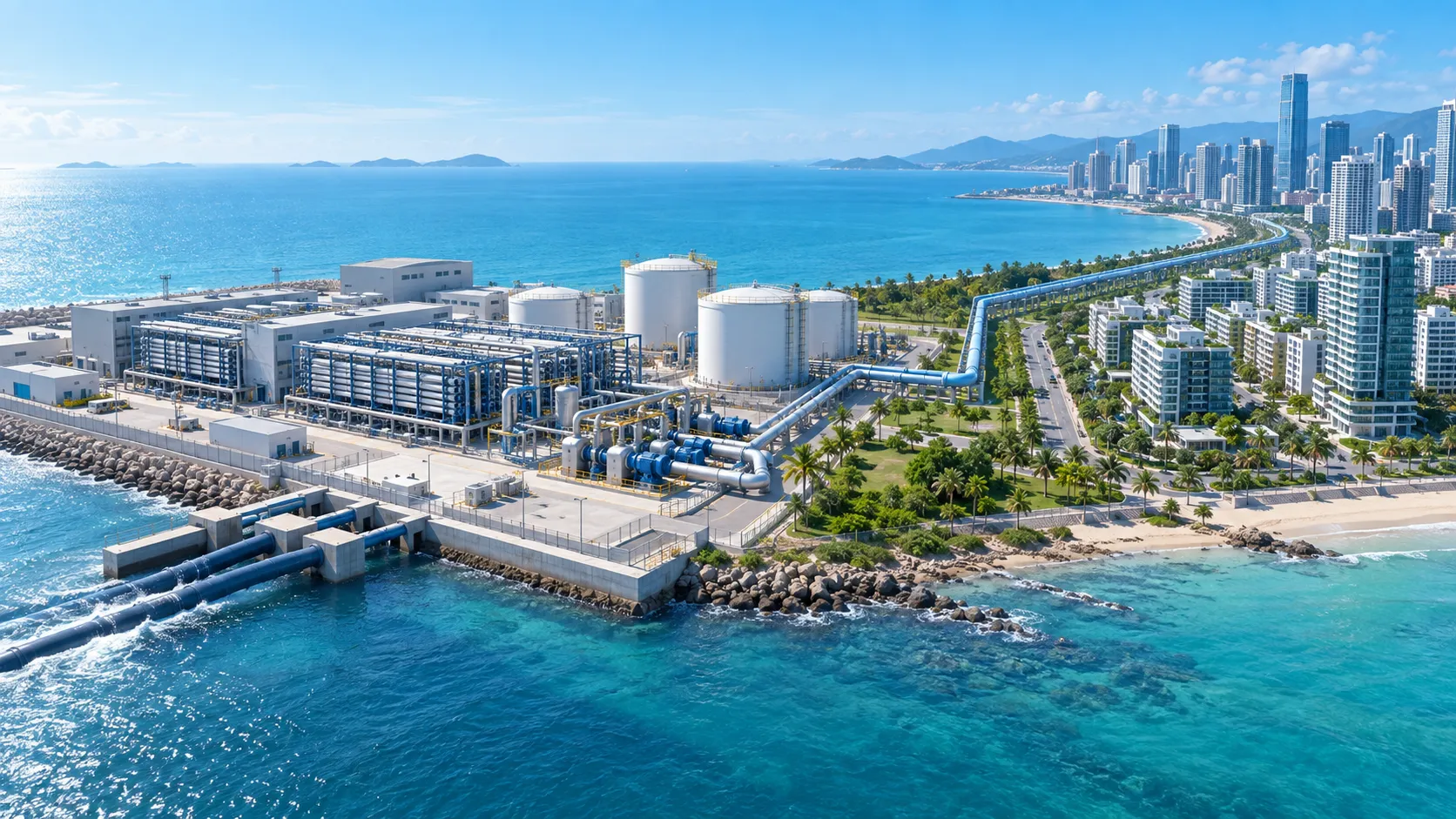
How coastal cities can select desalination solutions for peak demand
Seawater desalination solutions for coastal cities: compare firm peak capacity, intake risk, energy resilience, and lifecycle value to secure reliable water supply.
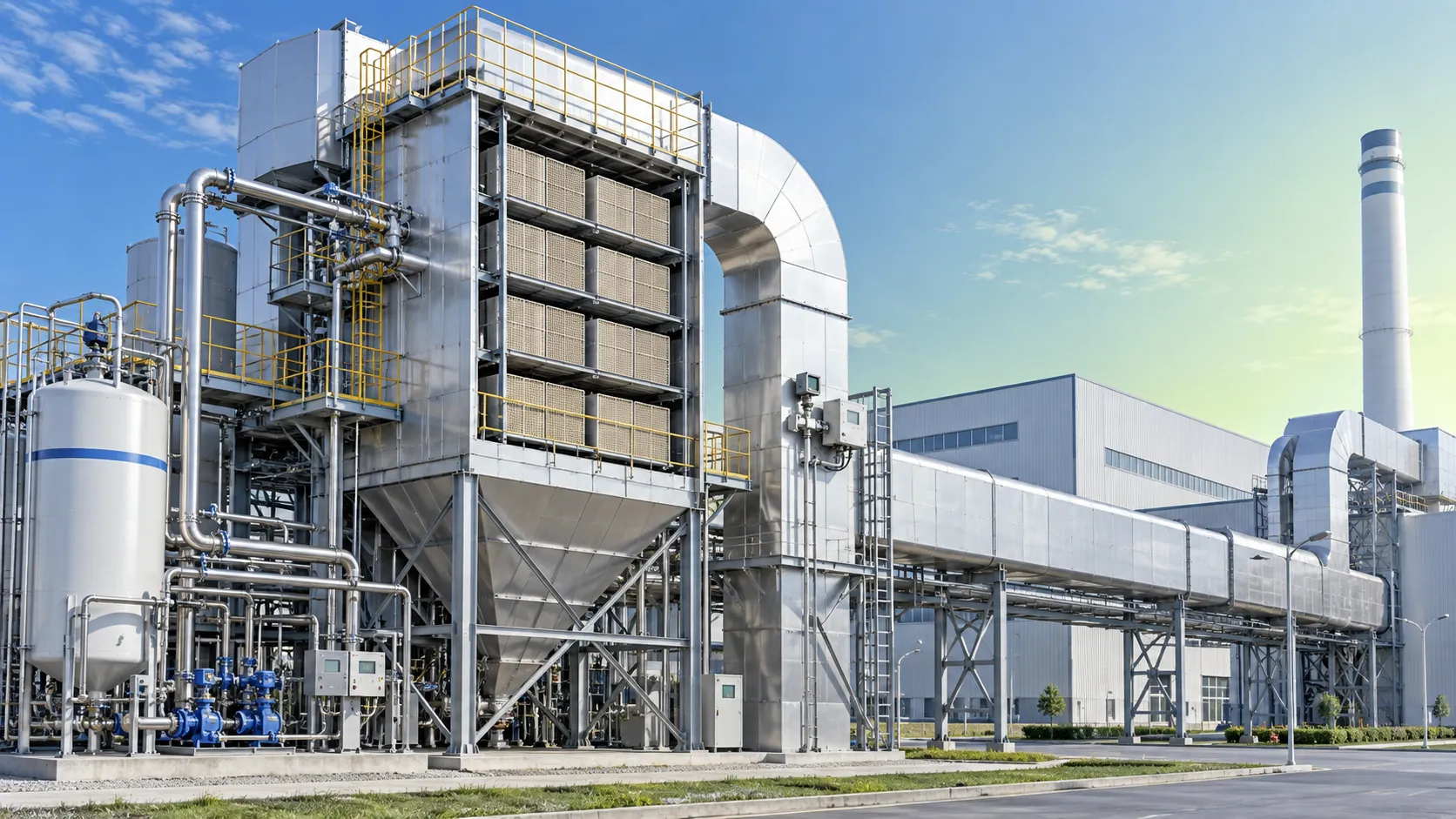
How SCR denitrification systems in Europe meet Industrial Emissions rules
SCR denitrification systems Europe: learn how permit-led design, ammonia-slip control, catalyst management and monitoring support Industrial Emissions compliance.
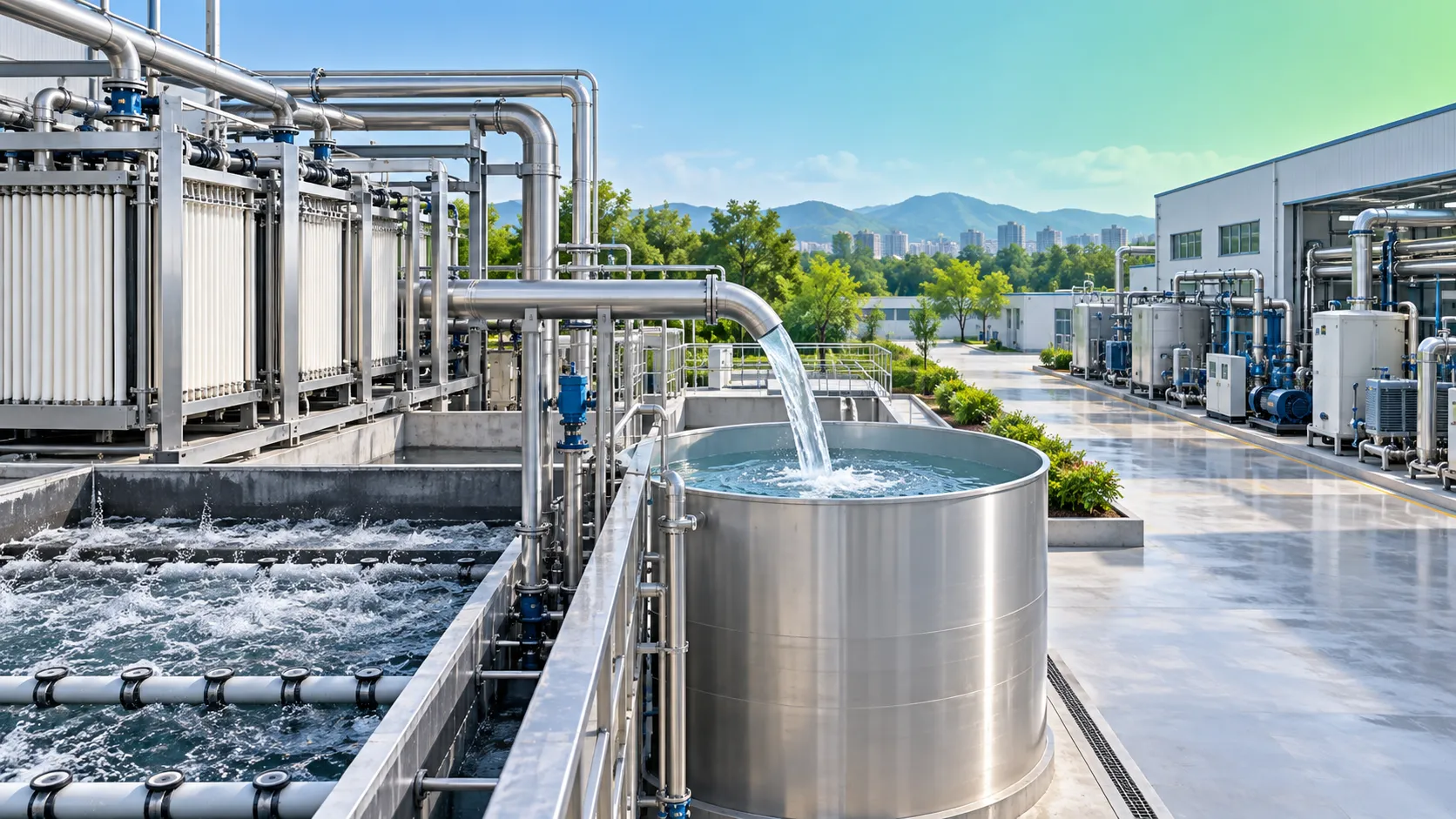
When does MBR equipment make sense for wastewater reuse?
Water treatment equipment for wastewater reuse: learn when MBR delivers compact, reliable low-solids effluent—and when alternative treatment trains offer better value.

How North America shapes global environmental governance standards
Global environmental governance North America: discover how regulation, finance, and procurement raise worldwide standards and reshape environmental projects.

How reactor capacity affects throughput in pyrolysis systems
Pyrolysis systems reactor capacity explained: learn how heat transfer, residence time, feed quality, and emissions controls determine reliable throughput.

When low-temperature reaction equipment is the right fit for heat-sensitive processes
Low-temperature reaction equipment helps protect heat-sensitive streams, improve energy integration, and maintain reliable conversion. Explore key selection factors today.

When do water reuse systems deliver a practical payback?
Water reuse systems deliver practical payback when they cut water, discharge, and downtime costs. Learn how to match treatment, recovery, and reuse quality for lasting ROI.
When do ZLD systems for power generation justify their energy use?
ZLD systems for power generation: learn when energy-intensive water recovery delivers stronger compliance, resilience, and long-term value.
Which decarbonization pathways are most viable in Southeast Asia?
Decarbonization Southeast Asia: discover practical pathways for clean power, efficiency, electrification, circular recovery, and resilient industrial growth.