
Industry News
Curation by industry experts
Hot Articles
Popular Tags
Flue Gas Treatment Systems: Key Compliance Risks Before Final Approval
Flue Gas Treatment Systems: Why Approval Risk Often Appears Late
Final approval rarely fails because a project forgot to install flue gas treatment systems.
It usually fails because the system was specified too generally, tested too narrowly, or documented too late.
That is why flue gas treatment systems deserve attention well before commissioning and permit closeout.
In heavy industry, these systems sit at the intersection of emissions law, process chemistry, operating reliability, and project finance.
A design that looks acceptable on paper can still create approval delays when real flue gas conditions drift from assumptions.
More projects now face tighter review because carbon policy, local air standards, and cross-border compliance expectations are moving together.
Within the broader ecological engineering landscape observed by ESD, flue gas treatment is not an isolated package.
It is part of a larger environmental control chain, similar to water polishing, solids recovery, desalination reliability, and high-risk waste containment.
The practical question is simple: what can still go wrong before final approval, even after procurement and installation seem complete?
What exactly do regulators want to see from flue gas treatment systems?
Most reviews go beyond equipment presence.
Regulators typically want proof that flue gas treatment systems can achieve permitted limits under realistic operating envelopes.
That means inlet variability matters.
So do startup conditions, load swings, sorbent quality, catalyst aging, reagent storage, wastewater handling, and monitoring integrity.
In practical terms, the approval team often checks four layers at once.
- Whether the selected technology matches pollutants such as SOx, NOx, HCl, HF, dust, dioxins, or mercury.
- Whether the guaranteed performance was validated using relevant fuel, waste stream, or process conditions.
- Whether continuous emissions monitoring and reporting methods are acceptable.
- Whether secondary impacts are controlled, including sludge, spent catalyst, wastewater, corrosion, and energy penalty.
This is where flue gas treatment systems often become a hidden compliance issue.
A unit may remove sulfur effectively, yet still trigger concerns because ammonia slip, plume visibility, byproduct disposal, or stack testing protocols were not resolved.
ESD’s intelligence approach is useful here because approval risk is rarely a single-parameter problem.
It is usually a stitched problem involving chemistry, data credibility, and regulatory interpretation.
Which compliance gaps delay final approval most often?
The most common gap is assuming design compliance equals operating compliance.
Approval reviewers look for evidence, not only vendor curves.
Several recurring issues appear across power, cement, waste-to-energy, metals, refining, and chemical facilities.
A pattern is easy to miss.
Many delays are caused by interfaces between systems, not by the absorber, SCR reactor, or baghouse alone.
The handoff between process design, EPC documentation, and site testing is often where approval timelines slip.
When is a technology fit technically acceptable but still risky?
This happens more often than many expect.
A flue gas treatment system can be technically capable, yet still risky because the compliance margin is too narrow.
For example, wet FGD may remove sulfur efficiently, but water balance, chloride buildup, and wastewater permits can become the real bottleneck.
Dry or semi-dry systems may reduce water dependency, yet reagent consumption and residue volume can change project economics quickly.
SCR systems can meet NOx targets, but low-temperature operation, catalyst poisoning, and ammonia slip may erode confidence before sign-off.
In waste-to-energy and complex industrial exhaust, mixed pollutants make single-technology thinking especially dangerous.
A more reliable judgment method is to compare technology fit across five decision filters.
- Actual inlet composition, including seasonal and feedstock variation.
- Required emission limits, including future tightening risk.
- Utility and waste interfaces, such as water, steam, power, residue, and drainage.
- Maintenance tolerance, especially catalyst replacement, scaling control, and fan energy.
- Documentation readiness for permits, guarantees, and performance tests.
This broader view reflects the same logic seen across ESD’s core sectors.
The strongest environmental systems are not chosen only by removal efficiency.
They are chosen by how well they survive real operating complexity.
How should flue gas treatment systems be validated before final approval?
Validation should begin earlier than most project teams prefer.
Waiting until mechanical completion creates avoidable pressure on permits, contractors, and operations staff.
A sound validation path usually combines design review, operational simulation, test planning, and compliance documentation.
What should be checked before site testing starts?
- Permit limits and test methods are translated into measurable acceptance criteria.
- Sampling ports, analyzers, and CEMS architecture match local and international standards.
- Expected worst-case operating conditions are included, not screened out.
- Reagent supply quality and dosing control are stable enough for repeatable results.
- Wastewater, dust, sludge, and spent media handling routes are already permitted or contractually secured.
What tends to be overlooked during validation?
Two things stand out.
First, teams often validate peak efficiency instead of stable compliance.
Second, they separate emissions testing from asset reliability.
That separation is risky because corrosion, fouling, plugging, and thermal stress can quickly change emissions behavior after approval.
For that reason, flue gas treatment systems should be reviewed as long-life compliance assets, not as isolated startup packages.
Can cost and schedule pressure create approval problems even when the design is compliant?
Yes, and often in subtle ways.
Compressed procurement can reduce time for pilot data review, corrosion checks, or emissions test coordination.
Value engineering may remove redundancy, shrink reagent storage, downgrade lining materials, or simplify monitoring infrastructure.
Each change may appear reasonable alone.
Together, they can weaken the approval case for flue gas treatment systems.
The more serious issue is hidden lifecycle cost.
A cheaper system with unstable reagent use, higher auxiliary power, or frequent maintenance may remain legally compliant but commercially exposed.
That matters when carbon intensity, environmental disclosure, and border adjustment mechanisms increasingly affect competitiveness.
A practical way to avoid this trap is to treat schedule, capex, opex, and compliance margin as one decision set.
Once those factors are reviewed together, weak assumptions become easier to identify before approval gates close.
What is the clearest next step before seeking final sign-off?
Start with a structured approval-readiness review for the flue gas treatment systems already chosen.
Not a general design meeting, but a focused check against the evidence final reviewers will actually request.
That review should confirm pollutant coverage, operating envelope, monitoring compliance, byproduct routes, and durability assumptions.
It should also test whether the current documentation tells one coherent story from process basis to permit closure.
If gaps appear, they are usually easier to fix before formal acceptance testing begins.
In sectors tracked by ESD, the strongest projects are the ones that connect technical detail with strategic compliance timing.
That discipline protects asset value far better than last-minute troubleshooting.
Before final approval, compare the selected flue gas treatment systems against real gas conditions, not ideal design cases.
Then verify the testing plan, the monitoring logic, the waste route, and the long-term operating margin.
That is usually where the final decision becomes clearer, faster, and much less expensive to defend.
Recommended News
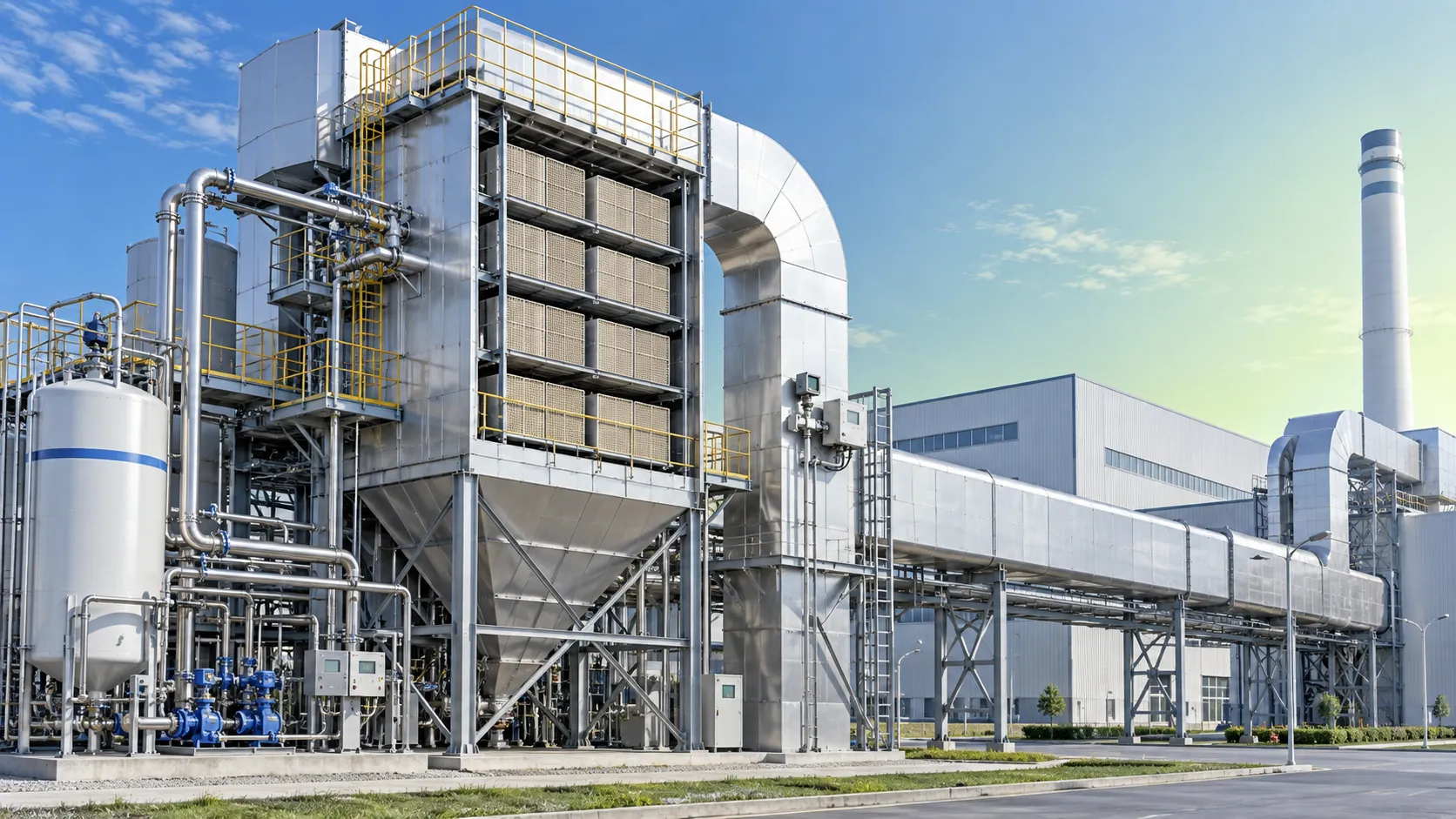
How SCR denitrification systems in Europe meet Industrial Emissions rules
SCR denitrification systems Europe: learn how permit-led design, ammonia-slip control, catalyst management and monitoring support Industrial Emissions compliance.
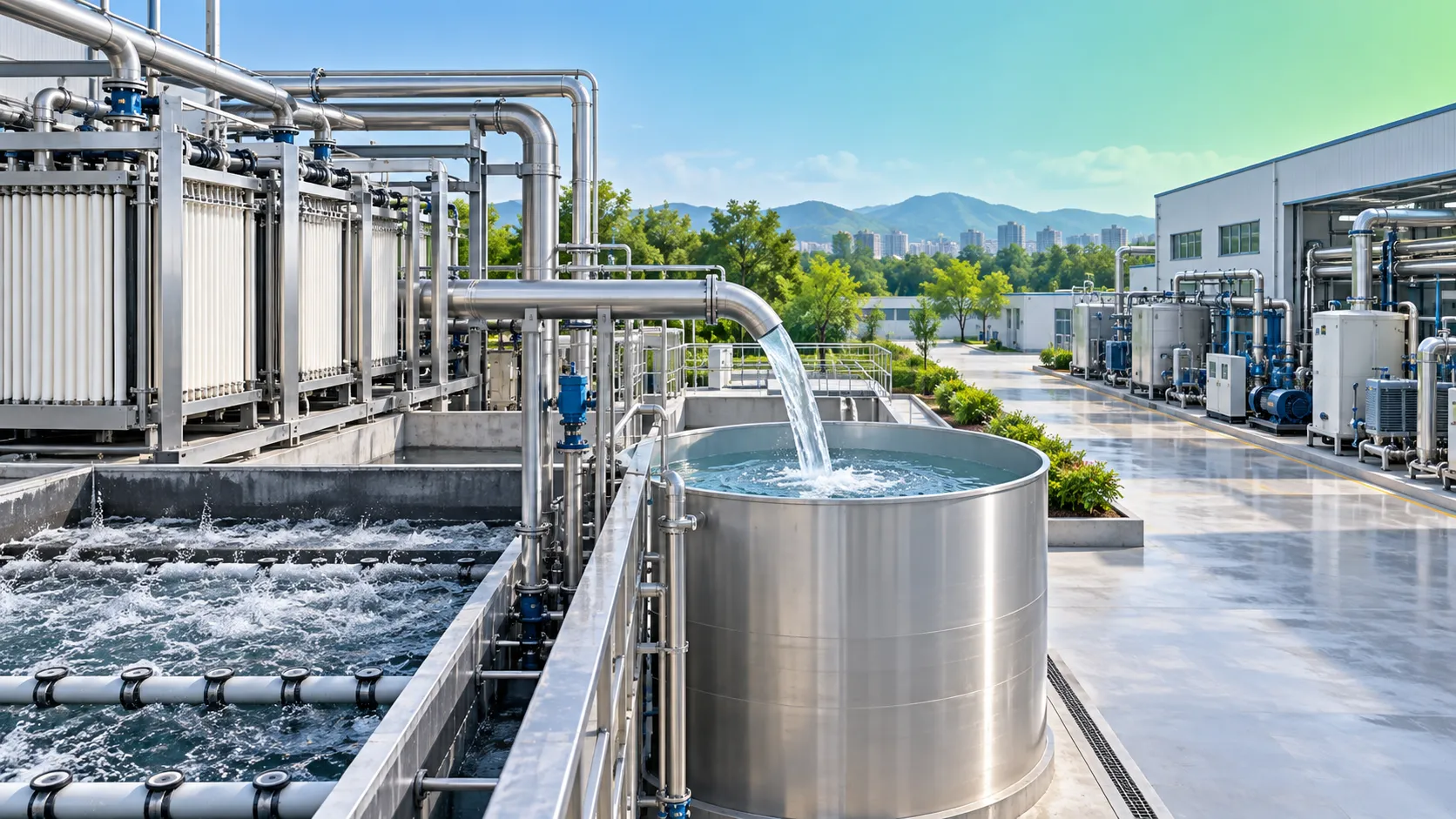
When does MBR equipment make sense for wastewater reuse?
Water treatment equipment for wastewater reuse: learn when MBR delivers compact, reliable low-solids effluent—and when alternative treatment trains offer better value.

How North America shapes global environmental governance standards
Global environmental governance North America: discover how regulation, finance, and procurement raise worldwide standards and reshape environmental projects.
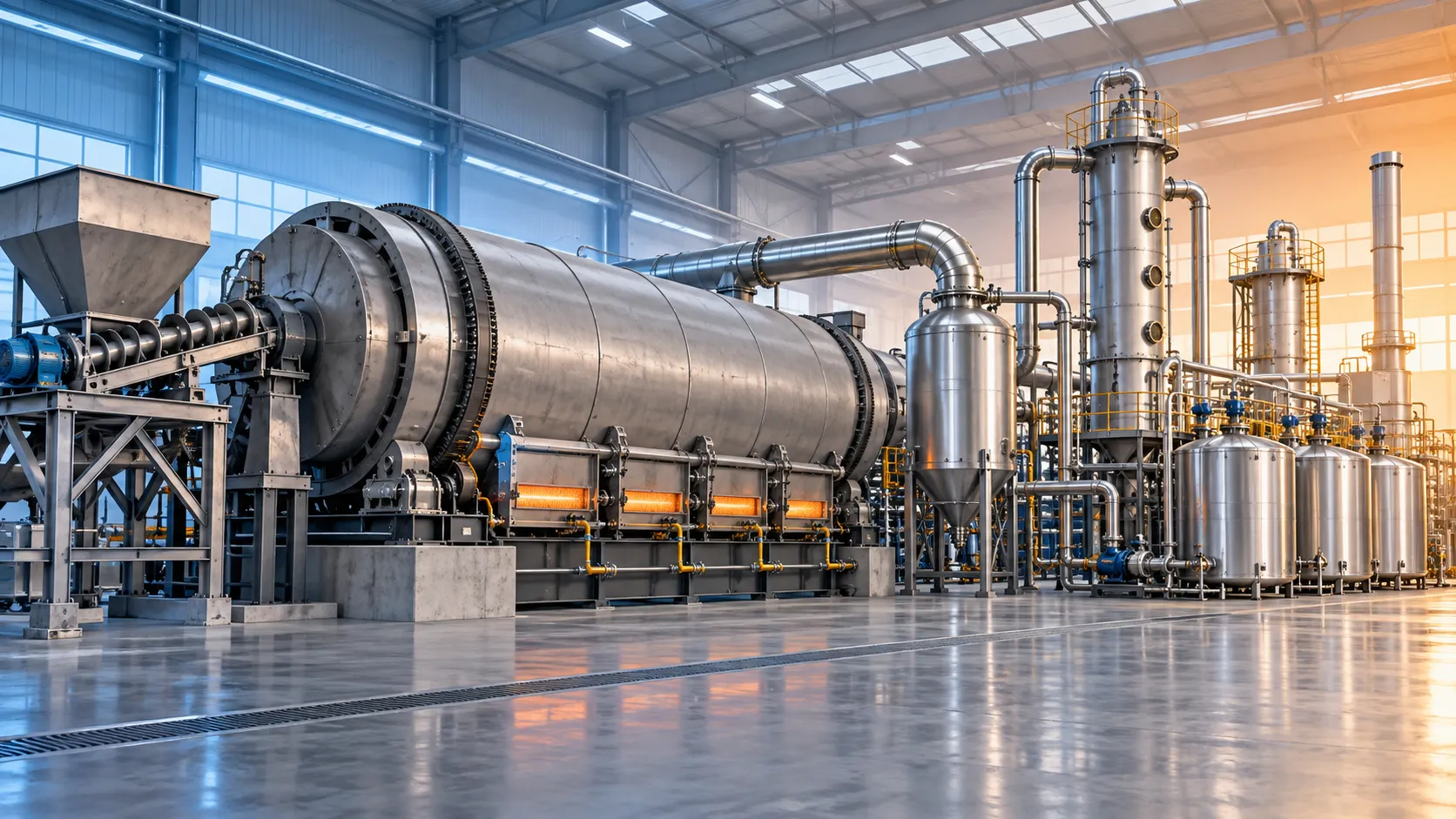
How reactor capacity affects throughput in pyrolysis systems
Pyrolysis systems reactor capacity explained: learn how heat transfer, residence time, feed quality, and emissions controls determine reliable throughput.
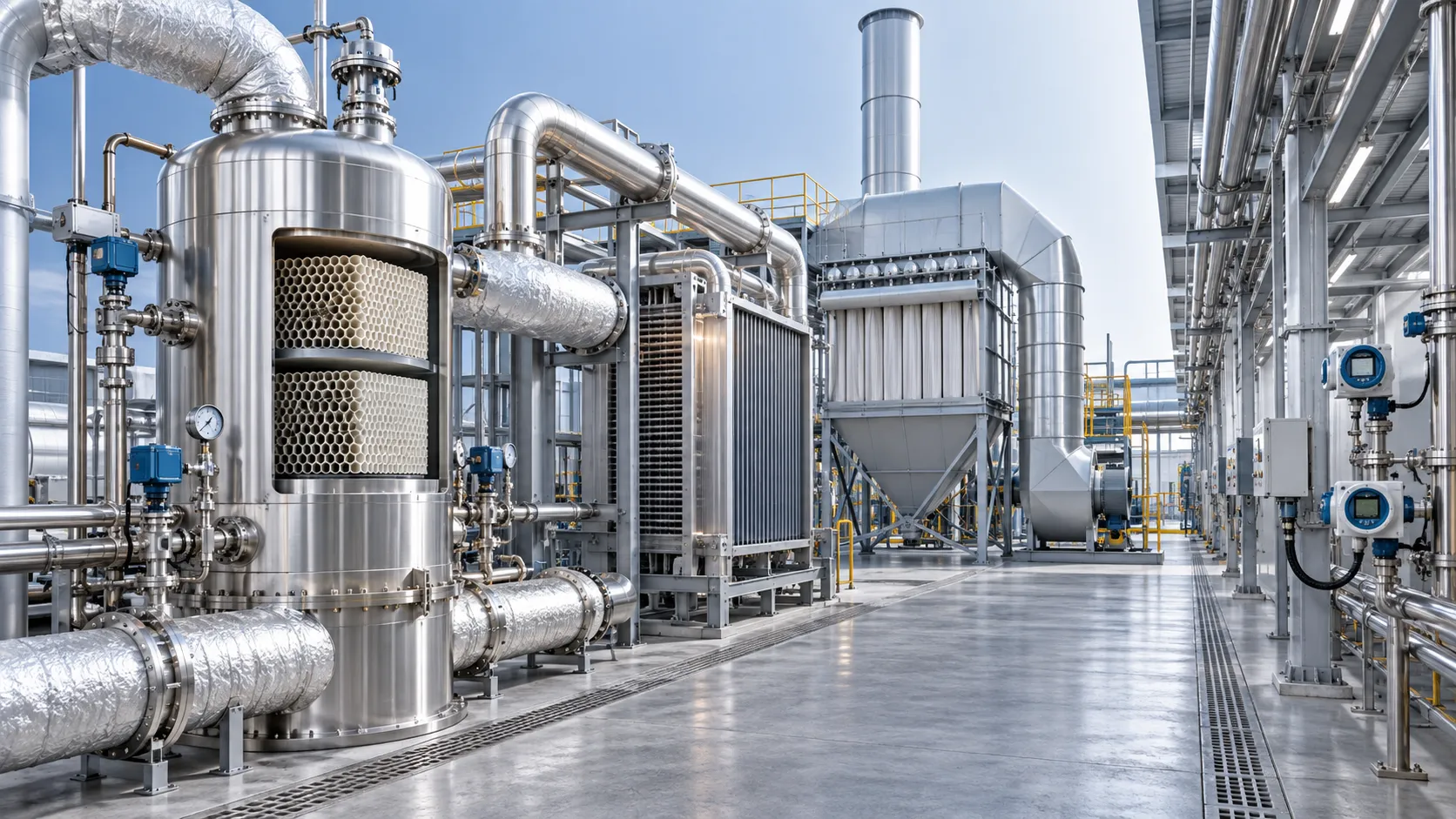
When low-temperature reaction equipment is the right fit for heat-sensitive processes
Low-temperature reaction equipment helps protect heat-sensitive streams, improve energy integration, and maintain reliable conversion. Explore key selection factors today.
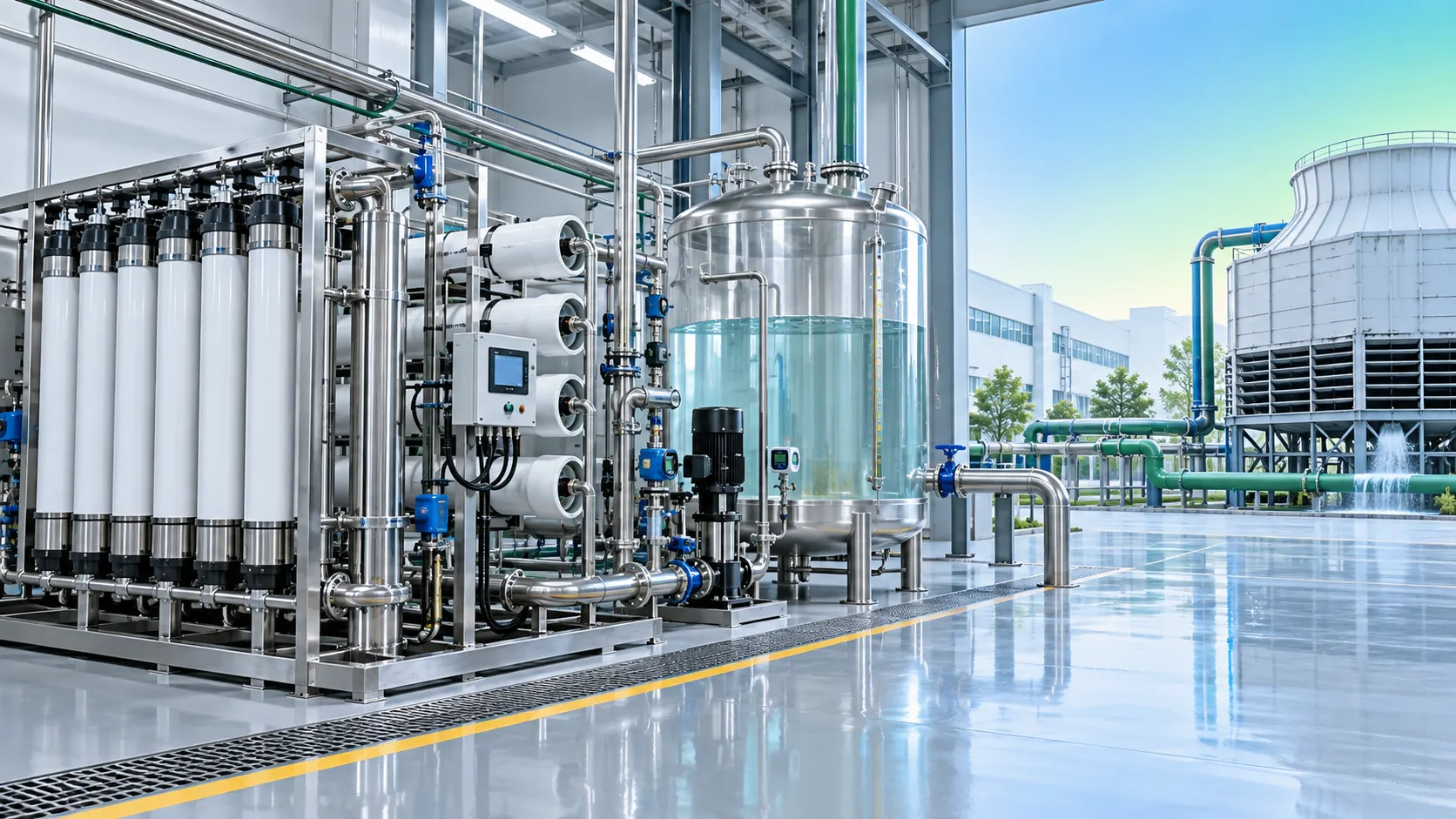
When do water reuse systems deliver a practical payback?
Water reuse systems deliver practical payback when they cut water, discharge, and downtime costs. Learn how to match treatment, recovery, and reuse quality for lasting ROI.
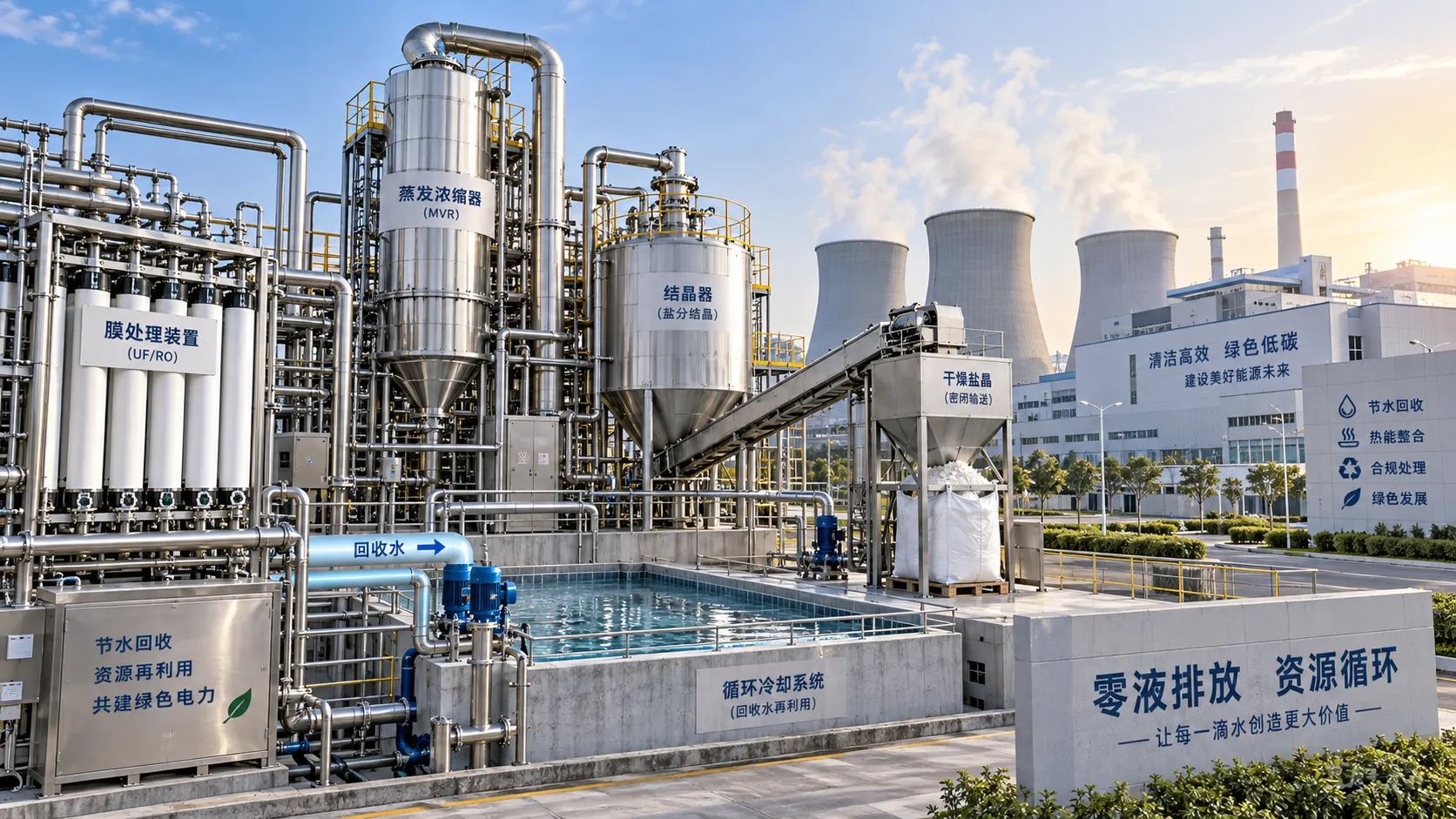
When do ZLD systems for power generation justify their energy use?
ZLD systems for power generation: learn when energy-intensive water recovery delivers stronger compliance, resilience, and long-term value.
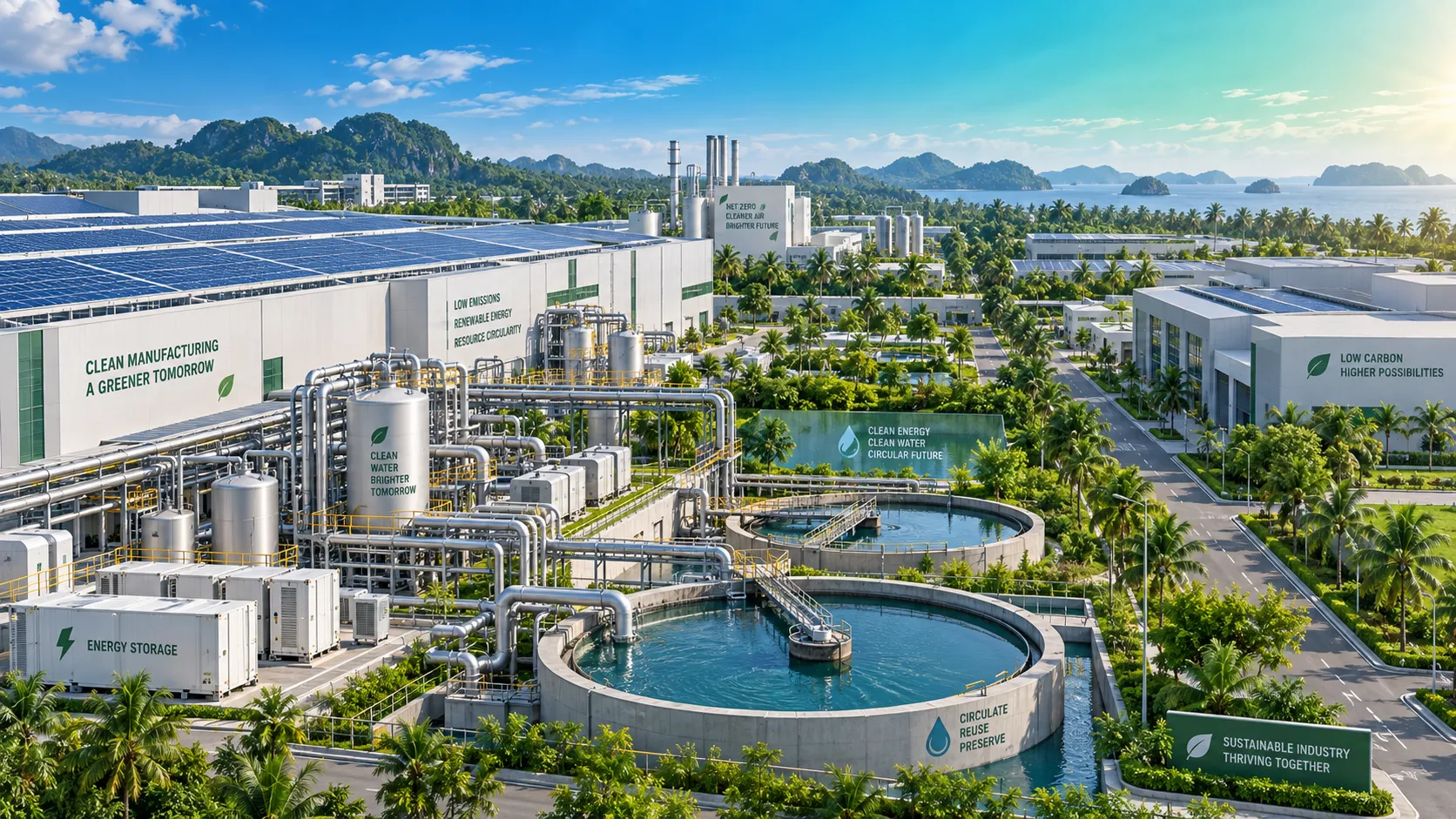
Which decarbonization pathways are most viable in Southeast Asia?
Decarbonization Southeast Asia: discover practical pathways for clean power, efficiency, electrification, circular recovery, and resilient industrial growth.
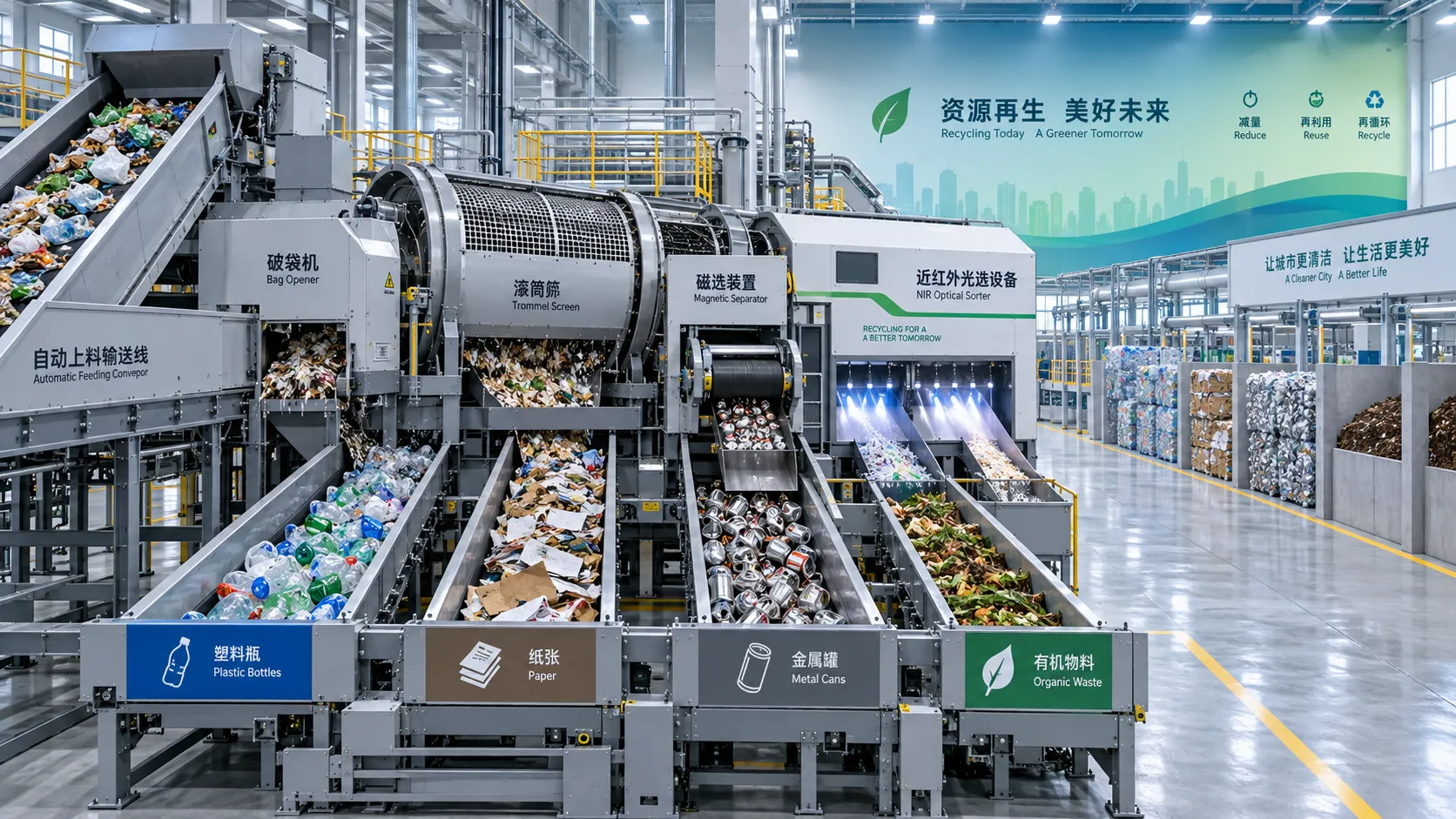
How to choose waste sorting equipment for mixed municipal waste
Waste sorting equipment selection guide for mixed municipal waste: compare technologies, improve recovery, reduce downtime, and build reliable output streams.