
Industry News
Curation by industry experts
Hot Articles
Popular Tags
Water purification for factories: which method fits which contaminant?
In factory operations, effective water purification starts with knowing exactly what is in the water—suspended solids, heavy metals, oils, salts, or organic compounds. Different contaminants demand different treatment methods, and choosing the wrong one can raise costs, reduce efficiency, and create compliance risks. This guide helps operators match purification technologies to specific industrial pollutants for safer performance and more reliable water management.
For operators, the core challenge is rarely a lack of equipment options. It is knowing which method should come first, which should come later, and which contaminant is driving the biggest operational risk. A plant dealing with emulsified oil, for example, needs a very different water purification train than a site struggling with high TDS, chromium, or COD spikes.
In most industrial systems, the right answer is not a single machine but a sequence of 3 to 6 treatment steps. Good matching improves membrane life, stabilizes discharge quality, reduces chemical waste, and supports tighter environmental compliance. For facilities evaluating reuse, ZLD, or process-water recovery, correct contaminant targeting becomes even more important.
Understand the contaminant before choosing the process
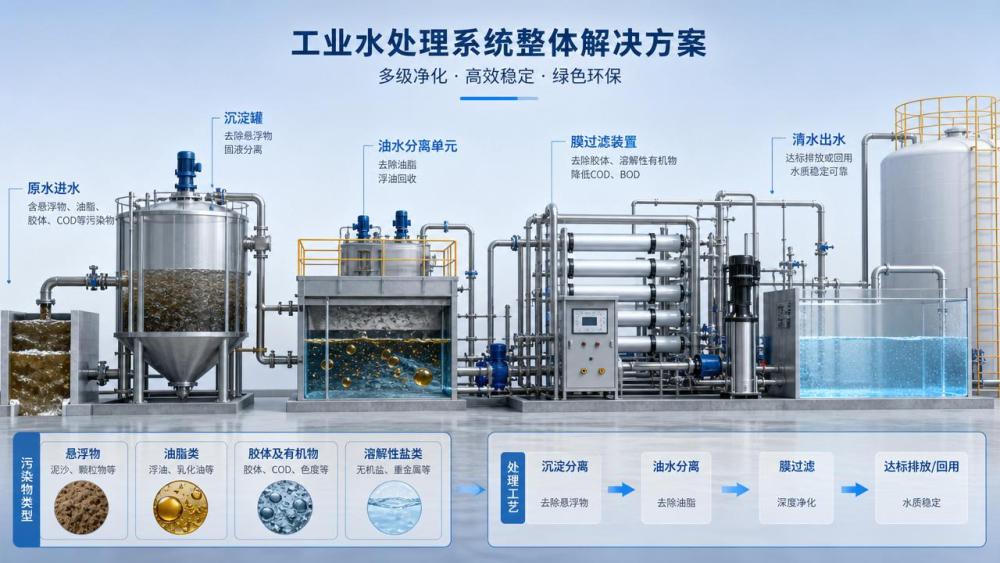
Water purification in factories begins with characterization. Operators should not rely on appearance alone. Clear water may still contain dissolved metals, conductivity above 5,000 µS/cm, or organics that interfere with downstream production. At minimum, sampling should review pH, TSS, COD, BOD, oil and grease, hardness, conductivity, and any site-specific pollutants such as nickel, fluoride, cyanide, ammonia, or silica.
A practical first step is to divide contaminants into 5 broad groups: suspended solids, insoluble liquids such as free oil, dissolved inorganic contaminants, dissolved organic contaminants, and microbiological load. Once that grouping is clear, operators can avoid a common mistake: asking high-pressure membranes or polishing systems to remove what should have been handled in pretreatment.
Why contaminant type changes the treatment train
Each contaminant behaves differently in water. Particles larger than 50–100 microns may be removed by screening or sedimentation. Colloids in the 1–10 micron range often need coagulation and clarification. Dissolved salts usually pass through conventional filters and require reverse osmosis, ion exchange, or evaporation. Oils may float, emulsify, or bind to solids, which changes the separator design.
This is why two factories with similar flow rates, such as 100 m³/day, may need completely different systems. A metal finishing plant can require pH adjustment, reduction-oxidation control, precipitation, and sludge handling. A food processing line may instead prioritize DAF, biological treatment, and odor control because biodegradable organics dominate the load.
A quick operator-level matching table
The table below gives a simplified first-pass matching guide. In real projects, final design depends on concentration, flow variability, temperature, reuse target, and discharge standard, but this framework helps operators narrow down the right direction quickly.
The key conclusion is simple: solids need physical removal, metals need chemistry, salts need membrane or thermal separation, and refractory organics often need oxidation or adsorption. When operators force one unit process to solve all 4 categories, energy use rises and reliability falls.
Which method fits which contaminant in real factory conditions
Most industrial water purification failures happen not because the technology is poor, but because the technology is applied at the wrong stage. The following sections break down common contaminants and the methods that usually perform best under factory operating conditions.
Suspended solids: start with low-cost bulk removal
If TSS is the main issue, begin with the least energy-intensive barrier. Coarse screens handle large debris. Equalization tanks reduce shock loading over 8–24 hours. Clarifiers, dissolved air flotation, or lamella plates can then remove settleable and floatable matter. Only after bulk solids are reduced should operators move to sand filters, cartridge filters, or ultrafiltration.
A practical target before RO is often SDI below 3 to 5, depending on membrane supplier guidance. If that condition is ignored, cartridge change frequency can jump from once per month to once per week, and membrane cleaning cycles may shorten from every 3 months to every 2–4 weeks.
Recommended sequence for solids-heavy streams
- Step 1: screening for particles above 1–5 mm
- Step 2: equalization to smooth peak loads by 20%–50%
- Step 3: coagulation and flocculation for fine solids and colloids
- Step 4: clarification or DAF
- Step 5: media filtration or UF as final pretreatment
Oil and grease: separate free oil from emulsified oil
Oil removal depends heavily on oil form. Free oil droplets larger than 150 microns are often removed effectively by gravity separators. Dispersed oil in the 20–150 micron range may need CPI or DAF. Emulsified oil below 20 microns typically requires chemical breaking, pH adjustment, coagulants, or specialty polymers before flotation or membrane polishing.
Operators should also check surfactants, detergents, and temperature. A wastewater stream at 45°C with strong detergents can remain stable enough to defeat a simple separator. In that case, relying only on mechanical separation can lead to repeated discharge failure and oily fouling in downstream filters.
Heavy metals: use chemistry before polishing
For chromium, nickel, copper, zinc, lead, or cadmium, the first question is whether the metal is dissolved, complexed, or particulate. Metal hydroxide precipitation usually works within a controlled pH window, often around pH 8.5–11, but exact performance depends on the species present. Hexavalent chromium may need reduction to trivalent chromium before precipitation is effective.
Ion exchange is useful when concentrations are lower, polishing is required, or water reuse economics justify resin management. Reverse osmosis can further reduce dissolved residues, but it is rarely the right first barrier for raw plating wastewater with unstable chemistry and high solids. Pretreatment protects both recovery rate and membrane life.
Salts and conductivity: membranes or thermal systems
When conductivity and TDS are the main concerns, conventional filters offer little help. Reverse osmosis is usually the main workhorse for dissolved salts, often removing 95%–99% of many ionic species under proper design conditions. Nanofiltration may be sufficient when the goal is hardness reduction or partial divalent ion removal rather than full desalination.
For very high salinity, such as brines above 30,000–50,000 mg/L TDS, thermal concentration may become necessary. Evaporators and crystallizers are more energy intensive, but they are often essential for ZLD pathways, especially when discharge limits are strict or local water reuse targets justify concentrate minimization.
Organic load and COD: reduce the load before fine polishing
If COD is high, the first issue is whether the organics are biodegradable or refractory. Food and beverage wastewater often responds well to biological systems, with aerobic or anaerobic stages selected based on load, footprint, and energy goals. Chemical manufacturing streams with solvents, phenols, dyes, or toxic intermediates may need oxidation, carbon adsorption, or targeted segregation before biology can work reliably.
Advanced oxidation processes such as ozone, UV/peroxide, or Fenton-type treatment can break down persistent compounds, but these methods should be applied carefully. They are typically most economical for difficult fractions, not for bulk COD removal across the full flow. Operators should use them where refractory organics are causing reuse failure, color carryover, or toxicity in downstream biology.
Best-fit process selection by operational goal
The next table shifts the focus from pollutant alone to operator goals. In practice, a plant may want one of 4 outcomes: compliant discharge, process reuse, boiler-feed preparation, or near-ZLD concentration. The same contaminant may therefore require different treatment depth and sequencing.
This comparison shows why water purification should be selected against both contaminant profile and end-use target. Water that is acceptable for discharge may still be unsuitable for rinse reuse, and water suitable for cooling makeup may still fail boiler-feed requirements.
How operators can build a reliable treatment strategy
Choosing the right method is only part of the job. Factory operators also need stable performance through flow swings, raw water changes, maintenance shutdowns, and tighter permit conditions. A robust strategy should combine testing, staged implementation, and maintenance discipline.
Start with 4 essential checks
- Measure average and peak flow, not only daily totals. A system sized for 80 m³/day may still fail if hourly peaks reach 8–10 m³/h without equalization.
- Identify the top 3 compliance risks, such as oil spikes, pH instability, or heavy metal excursions.
- Separate mixed waste streams where possible. Segregation often lowers chemical cost and sludge volume by 15%–40%.
- Define the true goal: discharge, reuse, partial recycle, or ZLD. Design changes significantly between these endpoints.
Run pilot tests where chemistry is uncertain
Bench-scale jar tests are valuable for precipitation, coagulation, and emulsion breaking. Pilot skids become more important when the site is considering UF, RO, NF, or advanced oxidation. A 2–6 week pilot can reveal fouling rate, cleaning frequency, flux decline, and chemical demand before full-scale capital is committed.
This step is especially useful in sectors with variable feed composition, such as electronics, textile dyeing, petrochemical processing, and mixed industrial parks. One pilot result often prevents months of troubleshooting after installation.
Common mistakes that increase cost and downtime
- Using RO to solve untreated oil, solids, or metal precipitation problems
- Ignoring equalization and forcing downstream units to absorb shock loads
- Choosing based only on capex while neglecting sludge handling, membrane cleaning, and energy use
- Failing to monitor pH, ORP, conductivity, and differential pressure at critical points
- Assuming one wastewater sample represents all operating shifts or product lines
Maintenance signals operators should watch weekly
Reliable water purification depends on routine observation. Clarifier sludge blanket depth, DAF skimmate behavior, filter differential pressure, membrane normalized permeate flow, and chemical consumption per cubic meter are all leading indicators. Weekly trend review can expose slow deterioration long before an effluent violation occurs.
As a practical rule, investigate when pressure drop rises by 15%–20%, permeate flow falls by 10%–15%, or pH correction demand shifts suddenly without a known production change. These are often early signs of fouling, feed variation, chemical underdosing, or equipment wear.
Practical selection advice for procurement and plant teams
For B2B buyers and operators, selecting a water purification solution should go beyond a generic equipment quote. The better approach is to compare solutions across contaminants removed, pretreatment needs, operating stability, cleaning cycle, sludge or concentrate management, and compatibility with future tightening of standards.
Questions to ask suppliers before approval
- What influent range has the process been designed for in pH, TSS, COD, conductivity, and oil?
- Which contaminants must be reduced upstream for the system to perform as intended?
- What are the expected cleaning intervals, chemical types, and spare parts cycle over 12 months?
- How much sludge, brine, or spent media will the process generate per m³ treated?
- Can the system handle 20%–30% flow variation without major performance loss?
When a hybrid system is the best option
Hybrid trains are often the most economical in real factories. A metal finishing site may combine precipitation, clarification, and RO. A refinery-related stream may use CPI, DAF, activated carbon, and then membranes. A high-reuse industrial park may combine UF, two-pass RO, and evaporation only for the final concentrate fraction.
This staged design reduces the load placed on the most expensive unit operations. It also improves resilience when one contaminant fluctuates faster than others. In many cases, spending more on pretreatment lowers total lifecycle cost over 3–5 years.
Factory water purification works best when the treatment method is matched to the contaminant, the flow pattern, and the final water-quality target. Suspended solids, oils, metals, salts, and organics each require different control logic, and the right sequence often matters more than the individual equipment itself. For operators and decision-makers managing compliance, reuse, or ZLD planning, a structured contaminant-first approach reduces risk and improves long-term system stability.
If you are evaluating treatment upgrades, comparing process routes, or planning a new industrial water project, ESD can help you assess technology fit, operating priorities, and implementation pathways with greater clarity. Contact us now to get a tailored solution, discuss product details, or explore more water purification strategies for your facility.
Recommended News
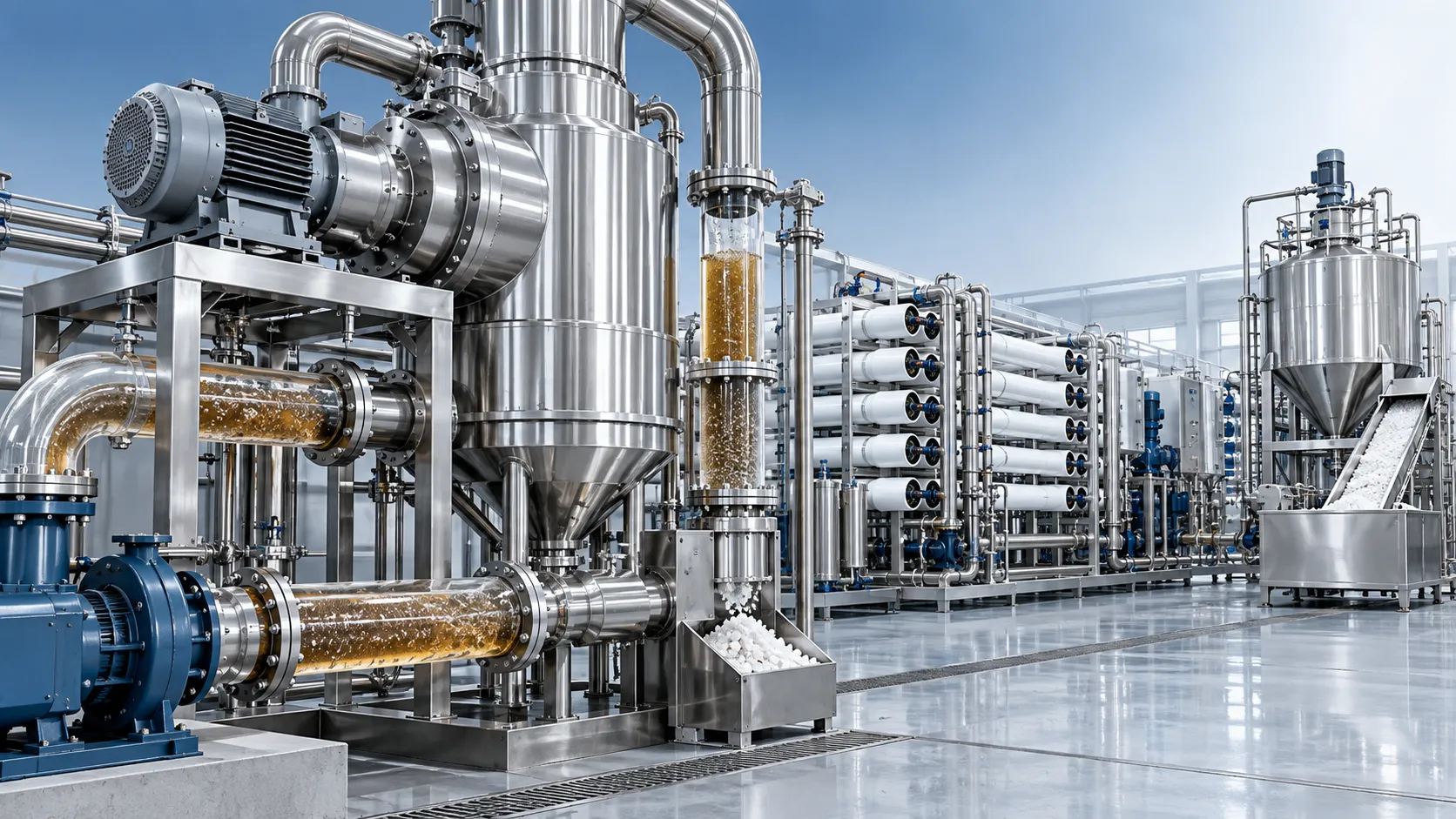
How feed salinity affects energy use in ZLD system brine treatment
ZLD system brine treatment: discover how feed salinity drives energy use, scaling risk, and technology choices for efficient, reliable zero liquid discharge.
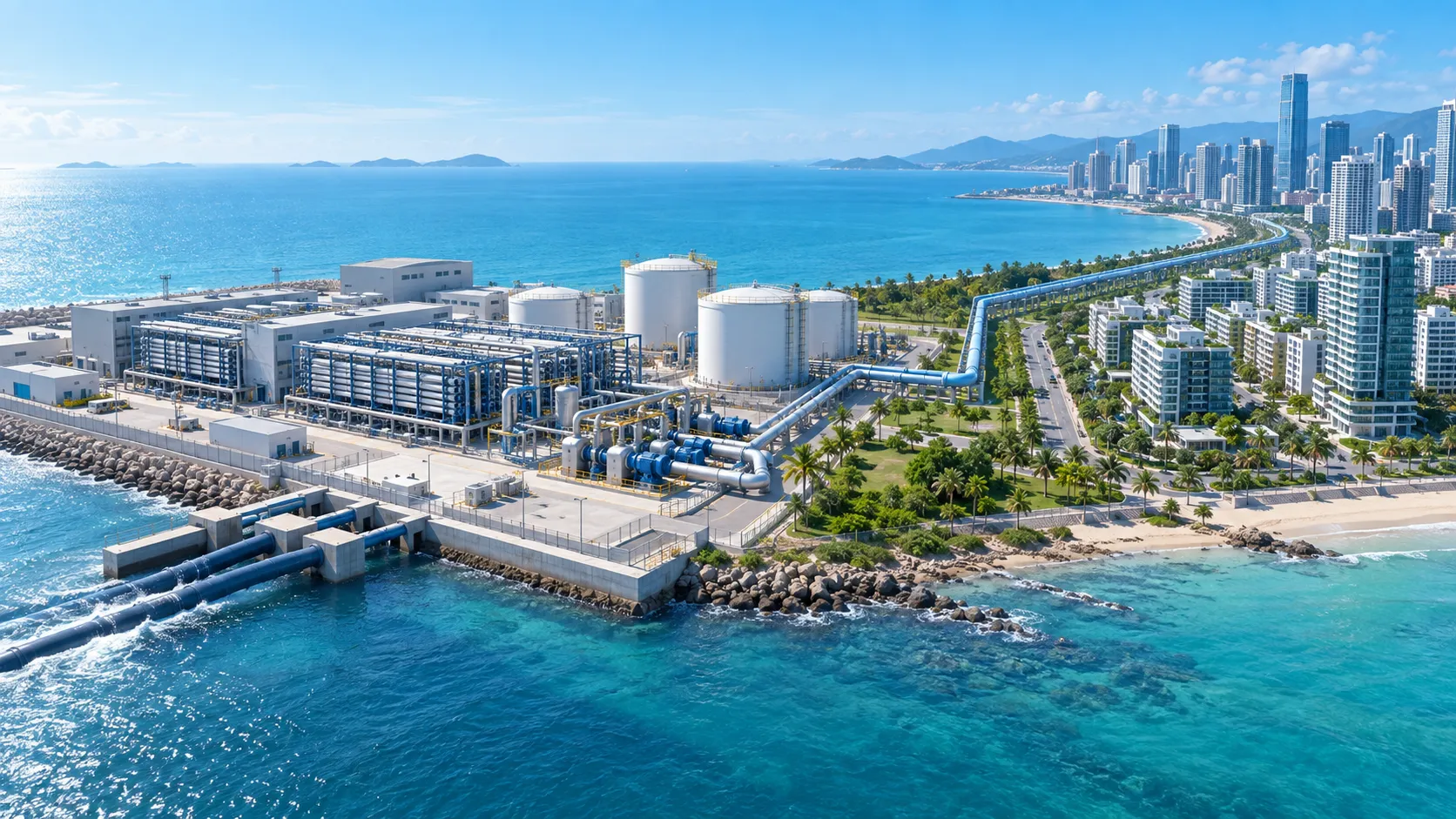
How coastal cities can select desalination solutions for peak demand
Seawater desalination solutions for coastal cities: compare firm peak capacity, intake risk, energy resilience, and lifecycle value to secure reliable water supply.
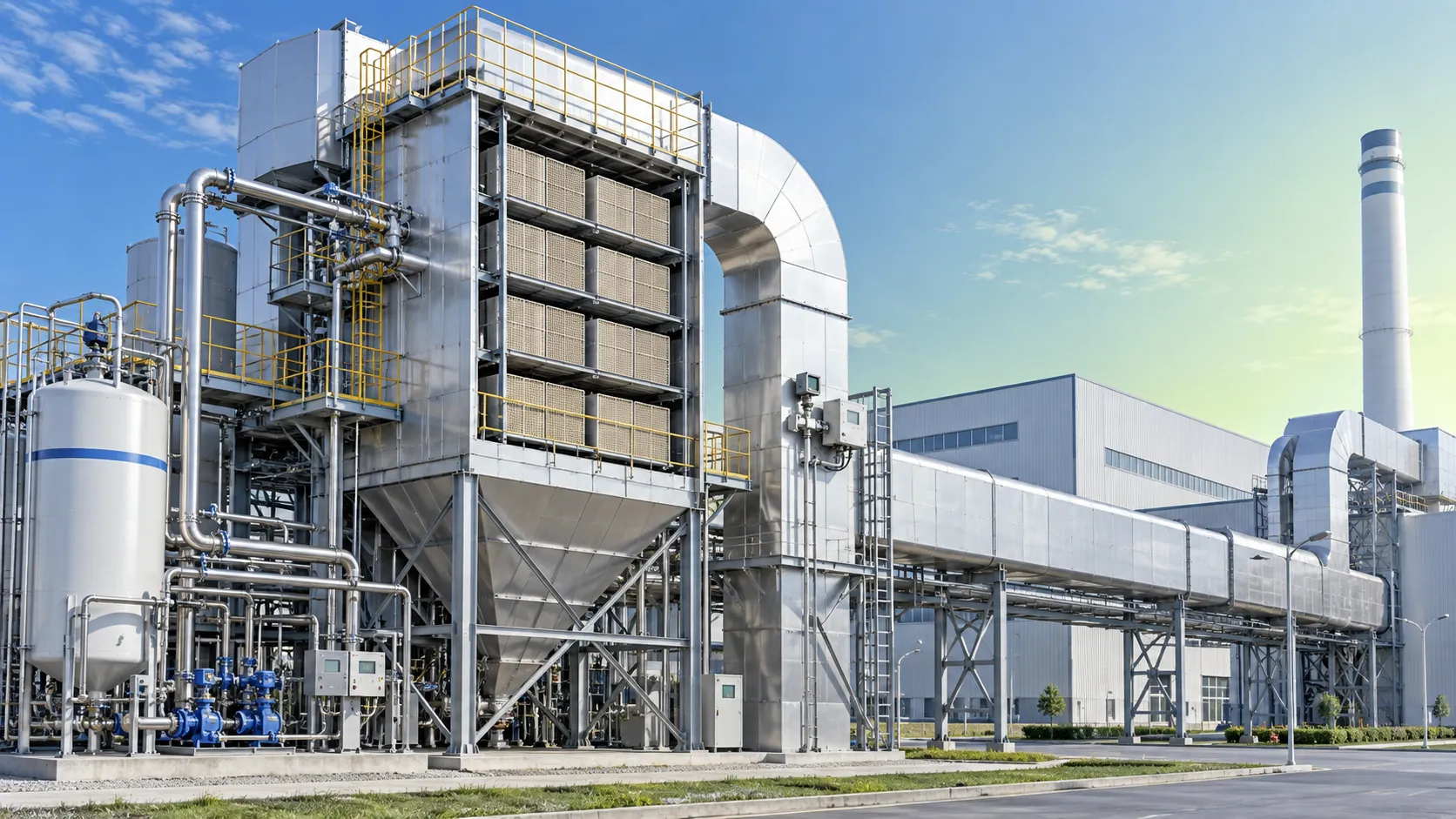
How SCR denitrification systems in Europe meet Industrial Emissions rules
SCR denitrification systems Europe: learn how permit-led design, ammonia-slip control, catalyst management and monitoring support Industrial Emissions compliance.
When does MBR equipment make sense for wastewater reuse?
Water treatment equipment for wastewater reuse: learn when MBR delivers compact, reliable low-solids effluent—and when alternative treatment trains offer better value.
How North America shapes global environmental governance standards
Global environmental governance North America: discover how regulation, finance, and procurement raise worldwide standards and reshape environmental projects.
How reactor capacity affects throughput in pyrolysis systems
Pyrolysis systems reactor capacity explained: learn how heat transfer, residence time, feed quality, and emissions controls determine reliable throughput.
When low-temperature reaction equipment is the right fit for heat-sensitive processes
Low-temperature reaction equipment helps protect heat-sensitive streams, improve energy integration, and maintain reliable conversion. Explore key selection factors today.
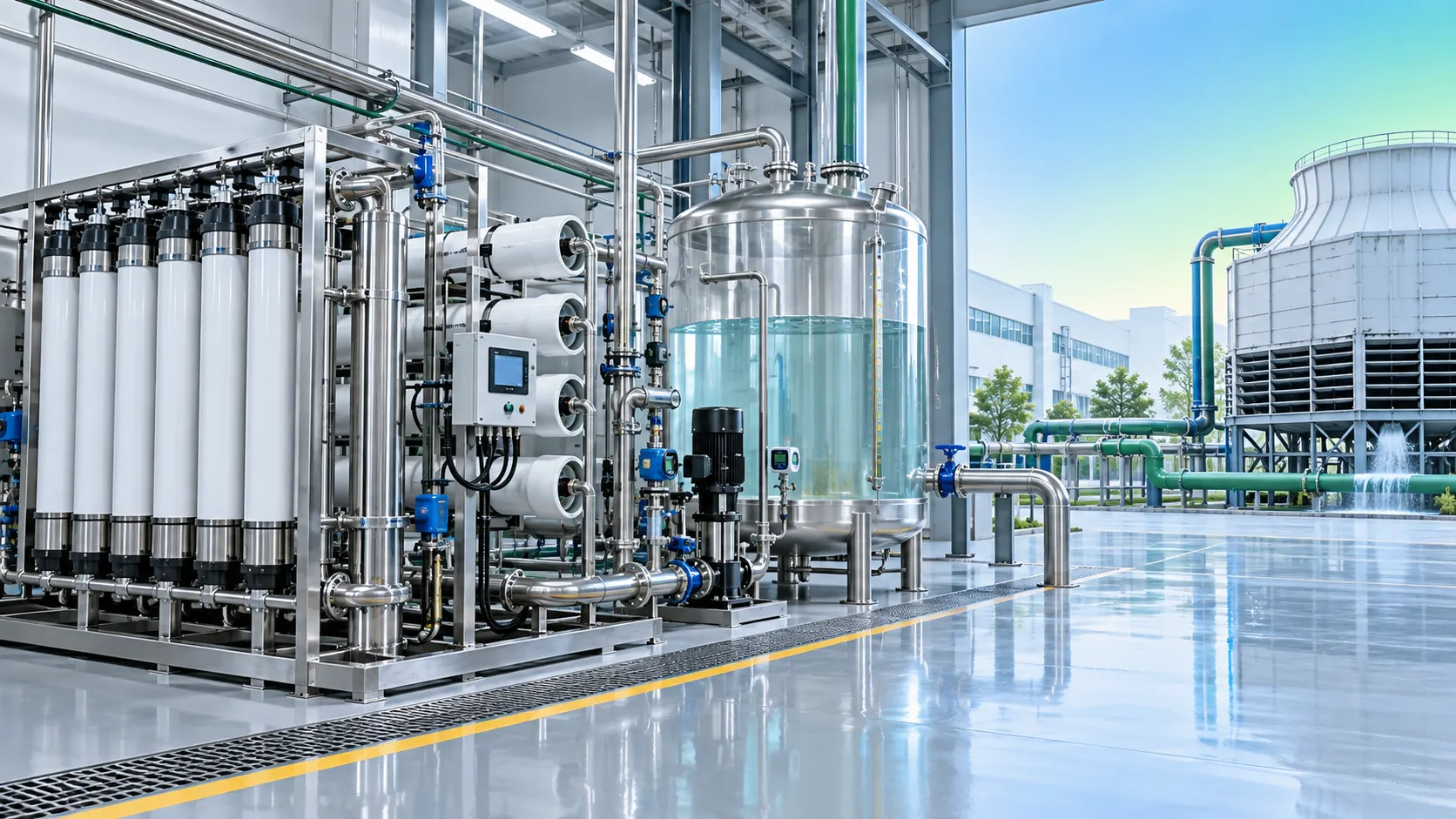
When do water reuse systems deliver a practical payback?
Water reuse systems deliver practical payback when they cut water, discharge, and downtime costs. Learn how to match treatment, recovery, and reuse quality for lasting ROI.
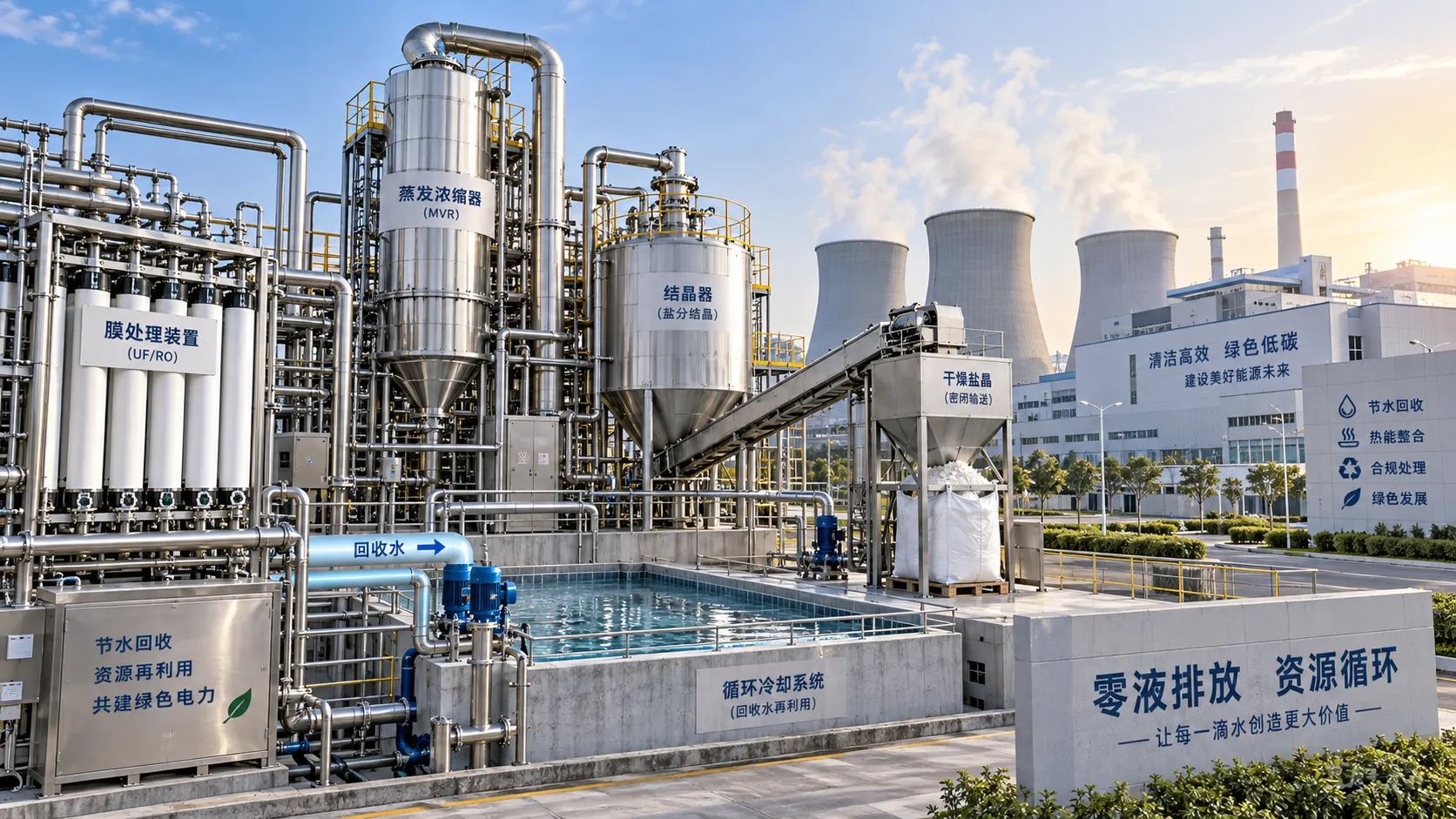
When do ZLD systems for power generation justify their energy use?
ZLD systems for power generation: learn when energy-intensive water recovery delivers stronger compliance, resilience, and long-term value.