
Industry News
Curation by industry experts
Hot Articles
Popular Tags
What changes when industrial wastewater rules get stricter?
As industrial wastewater rules get stricter, compliance is no longer just an environmental obligation—it is a strategic business issue. For decision-makers, the real challenge lies in balancing rising treatment standards, capital investment, operational resilience, and long-term competitiveness. This article explores how tougher regulations reshape technology choices, risk management, and growth opportunities across modern industry.
For manufacturers, utilities, EPC contractors, and asset owners, stricter industrial wastewater requirements usually do not arrive as a single rule change. They emerge as tighter discharge thresholds, broader monitoring duties, higher penalties, shorter reporting cycles, and closer scrutiny of water reuse, sludge handling, and energy intensity. That combination changes not only how plants treat water, but also how boards approve budgets, how procurement teams evaluate equipment, and how operations teams define resilience.
In sectors ranging from chemicals and mining to food processing, power generation, and electronics, industrial wastewater is now linked to regulatory exposure, project bankability, export competitiveness, and community trust. The companies that respond early often gain a 3-part advantage: lower compliance volatility, better resource recovery, and stronger positioning in tenders where environmental performance is becoming a scored criterion rather than a background requirement.
Why stricter industrial wastewater rules change the business case
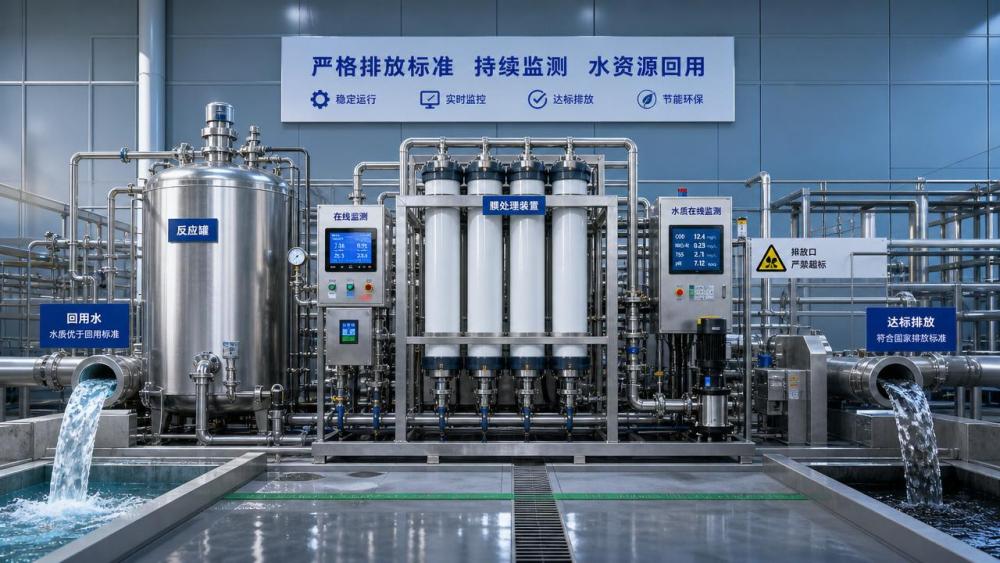
Stricter industrial wastewater regulation changes the economics of inaction. A discharge permit that once focused on pH, suspended solids, and a few conventional pollutants may expand to include salinity, ammonia, COD, heavy metals, PFAS-related concerns in some markets, toxicity indicators, and digital traceability requirements. Even when exact thresholds vary by jurisdiction, the direction is clear: more parameters, tighter limits, and less tolerance for process instability.
For decision-makers, the critical shift is that wastewater treatment moves from a utility cost center to a risk-managed production asset. If a plant misses a permit window for 24–72 hours, the consequence may include output curtailment, shipment delays, emergency hauling, or forced process adjustments. In water-stressed regions, industrial wastewater performance may also determine whether a facility can secure expansion approval over the next 2–5 years.
The compliance burden is becoming multi-dimensional
Older compliance models often asked one question: can the plant meet end-of-pipe discharge limits? Newer models ask at least 4 questions at once. Can the system consistently meet variable influent conditions? Can it reduce freshwater intake through reuse? Can it minimize sludge or concentrate disposal risk? Can it document performance with auditable data?
- Discharge quality is now judged on stability, not just peak test results.
- Water reuse targets may require 30%–80% internal recycling, depending on site conditions.
- Concentrate, brine, and sludge management can become the hidden bottleneck.
- Sampling, sensors, and reporting frequency may shift from monthly snapshots to daily or continuous monitoring.
This is why industrial wastewater strategy increasingly sits at the intersection of environmental compliance, plant engineering, digital operations, and capital planning. It is no longer enough to buy a treatment skid and assume the issue is solved for 10 years.
What tends to change first inside the enterprise
When rules tighten, three internal shifts usually happen within 6–18 months. First, environmental managers escalate treatment performance issues to the executive level. Second, procurement begins comparing lifecycle cost rather than only initial CAPEX. Third, engineering teams review whether existing equalization, biological treatment, membranes, evaporation, or polishing systems can absorb new permit demands without creating another weak point.
The table below outlines how stricter industrial wastewater rules affect business functions differently, and why cross-functional alignment matters before a retrofit or new-build decision is made.
The key conclusion is that industrial wastewater decisions now influence multiple scorecards at once. A low-cost solution that fails under variable loading, high TDS, or seasonal temperature swings can become more expensive within 12 months than a higher-grade system designed for compliance headroom.
How technology choices shift under tighter discharge and reuse standards
Once regulations tighten, the treatment train often needs to become more selective, more buffered, and more measurable. In practice, that means companies look beyond a single process unit and reassess the full chain: source segregation, equalization, physicochemical treatment, biological polishing, membrane concentration, advanced oxidation, evaporation, crystallization, and residuals management.
From end-of-pipe treatment to process-integrated control
One of the biggest changes in industrial wastewater management is the move upstream. Instead of treating a combined waste stream with highly variable chemistry, plants increasingly separate high-load and low-load streams, isolate toxic spikes, and recover reusable water closer to the source. This can reduce treatment instability by 20%–40% in many practical settings, especially where batch operations create sudden COD, pH, or conductivity swings.
Common upgrade directions
- Add equalization capacity sized for 8–24 hours of hydraulic buffering.
- Improve chemical dosing control for metals, phosphorus, or colloid removal.
- Use ultrafiltration or MBR systems where solids stability is limiting membrane recovery.
- Deploy reverse osmosis, brine concentration, or ZLD steps where discharge volumes must be minimized.
- Integrate online sensors for pH, ORP, turbidity, conductivity, TOC, or ammonia where permit risk is high.
For high-salinity or high-toxicity streams, stricter industrial wastewater rules often expose the limits of conventional biological systems. In those cases, hybrid process design becomes more attractive, even if energy use rises. The real comparison should not be biological versus membrane or thermal systems in isolation, but the cost of total compliance under real feed variability.
Matching treatment approaches to regulatory pressure
Different compliance pressures point to different equipment priorities. The table below gives a decision-oriented view that enterprise buyers can use during pre-feasibility screening.
The takeaway is that technology selection should follow the compliance pathway, not the other way around. Industrial wastewater systems fail commercially when buyers choose equipment first and only later discover that sludge volumes, membrane fouling rates, energy demand, or reject handling make the original business case too narrow.
What stricter rules mean for capital planning, procurement, and risk control
Tighter industrial wastewater regulation forces buyers to rethink project evaluation criteria. The old comparison of lowest CAPEX versus highest treatment capacity is no longer sufficient. Decision-makers need a 5-factor screen: compliance certainty, feed flexibility, operating cost, maintainability, and future upgrade potential.
A better procurement lens for enterprise buyers
When evaluating bids, it is useful to ask vendors for design performance under at least 3 influent scenarios: average load, peak load, and upset condition. A proposal that works only at steady-state lab assumptions may underperform in real operations where pH can swing from 5.5 to 9.0, conductivity can double, or suspended solids can spike during cleaning cycles.
- Request a mass balance covering water, salts, sludge, chemicals, and energy.
- Review consumables replacement intervals, such as membrane cleaning frequency or media change cycles.
- Check whether critical spare parts can be supplied within 7–30 days.
- Confirm operator training scope, commissioning duration, and remote support response time.
- Ask how the system can be expanded if limits tighten again within 3–5 years.
This is especially important for large treatment assets, ZLD programs, desalination-linked industrial reuse projects, and facilities handling concentrated industrial wastewater from chemicals, mining, refining, or advanced manufacturing.
Where hidden cost and risk usually sit
In many industrial wastewater projects, the most underestimated cost drivers are not the core reactors or membrane skids. They are pretreatment gaps, brine management, sludge dewatering logistics, chemical storage, and instrumentation reliability. A plant may meet its target on paper, yet suffer from 10%–15% lower uptime because auxiliary systems were undersized or poorly integrated.
Another common blind spot is energy-water coupling. High-recovery systems can reduce discharge volumes dramatically, but they may also increase steam, electricity, or cooling demand. For executive teams, the correct question is not whether stricter industrial wastewater rules increase cost. They usually do. The better question is whether the added cost buys permit security, freshwater savings, production continuity, and strategic resilience.
Practical risk signals before approval
- No pilot data or no equivalent reference conditions for difficult wastewater chemistry.
- Recovery promises above 90% without clear fouling, scaling, or concentrate assumptions.
- Undefined sludge classification or off-site disposal route.
- Control philosophy that depends heavily on manual intervention across 3 shifts.
- Commissioning plan shorter than 2–4 weeks for a complex multi-stage system.
How stronger compliance can create operational and market upside
Although stricter industrial wastewater rules raise immediate pressure, they can also improve competitiveness when approached strategically. Companies that modernize treatment systems often unlock water reuse, lower freshwater dependency, cleaner production credentials, and better positioning in public and industrial tenders where environmental performance is increasingly weighted.
From compliance spending to resource efficiency
For many facilities, wastewater contains recoverable value in the form of water, heat, salts, metals, or process chemicals. Not every site justifies advanced recovery, but the evaluation should be explicit. If a plant can reduce freshwater intake by 25%–50%, stabilize discharge, and cut hauled waste volumes, the business case may improve faster than expected, especially in regions with rising water tariffs or supply constraints.
This aligns with a broader industrial transition in which environmental equipment is no longer seen only as compliance infrastructure. It becomes part of a larger eco-industrial system that links water treatment, solid waste recovery, energy efficiency, desalination know-how, and strategic regulatory intelligence. For enterprises operating across multiple jurisdictions, that systems view is increasingly valuable.
A board-level response framework
A practical enterprise response to new industrial wastewater pressure can be organized into 4 stages over 90–180 days.
- Map current permits, sampling obligations, and process bottlenecks by stream.
- Stress-test existing treatment assets against peak load and future threshold scenarios.
- Prioritize no-regret upgrades such as monitoring, equalization, segregation, and reuse loops.
- Develop a phased CAPEX roadmap for major retrofit, ZLD, or advanced polishing if required.
For decision-makers, the value of this approach is clarity. It turns industrial wastewater from a reactive environmental issue into an investable operational program with defined milestones, risk gates, and procurement logic.
Questions leaders should ask now
Can the current system meet tighter limits for the next 3 years, not just the next audit? Which streams are driving 80% of compliance volatility? What is the cost per cubic meter of treatment when disposal, chemicals, downtime, and water reuse value are included? Does the organization have enough technical intelligence to choose between conventional retrofit, membrane intensification, or high-recovery thermal concentration?
These are exactly the questions that benefit from a deeper market and technology view. In a fast-changing regulatory environment, access to structured intelligence on treatment pathways, equipment evolution, and compliance strategy can materially improve project outcomes.
Stricter industrial wastewater rules change more than permit conditions. They reshape capital priorities, technology selection, operating discipline, and long-term resilience. Enterprises that respond early can reduce compliance risk, improve water efficiency, and build a more defensible position in increasingly demanding industrial markets.
For organizations evaluating upgrades in large-scale water treatment, resource recovery, desalination-linked reuse, or high-reliability compliance strategy, informed planning matters as much as equipment choice. To explore tailored pathways for your site, procurement model, or project pipeline, contact ESD to get a customized solution, discuss technical options, and learn more about advanced industrial wastewater strategies.
Recommended News
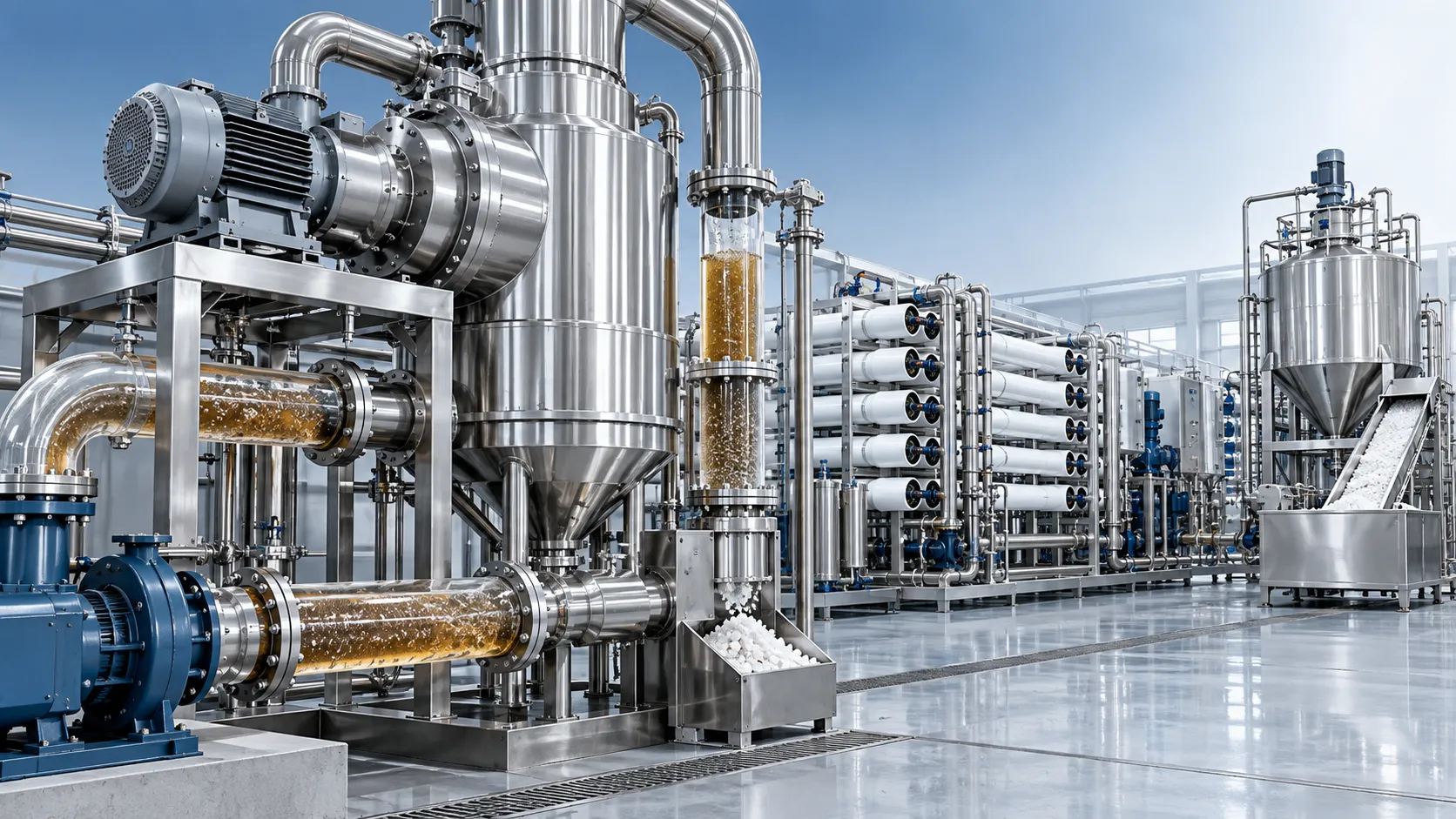
How feed salinity affects energy use in ZLD system brine treatment
ZLD system brine treatment: discover how feed salinity drives energy use, scaling risk, and technology choices for efficient, reliable zero liquid discharge.
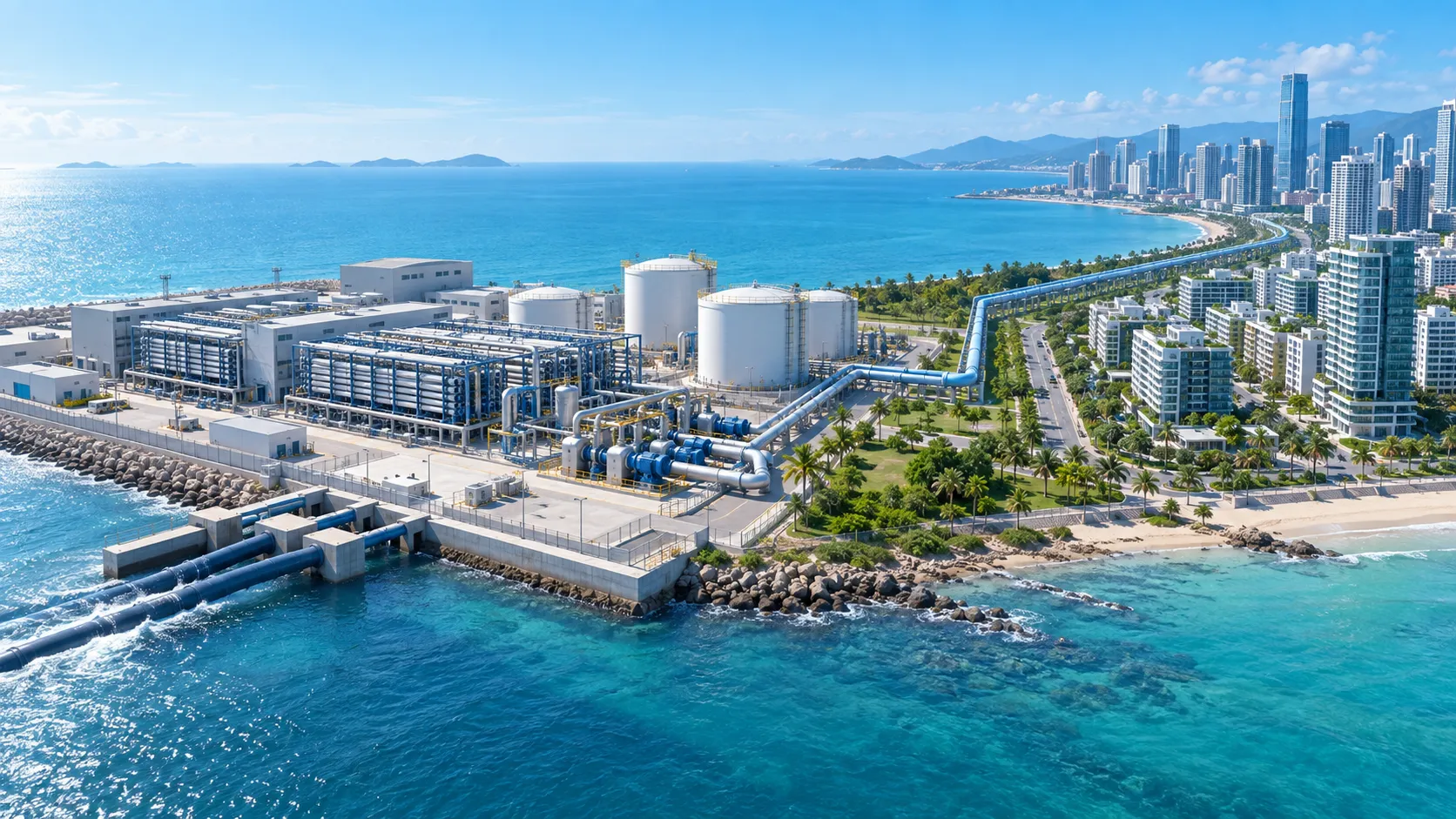
How coastal cities can select desalination solutions for peak demand
Seawater desalination solutions for coastal cities: compare firm peak capacity, intake risk, energy resilience, and lifecycle value to secure reliable water supply.
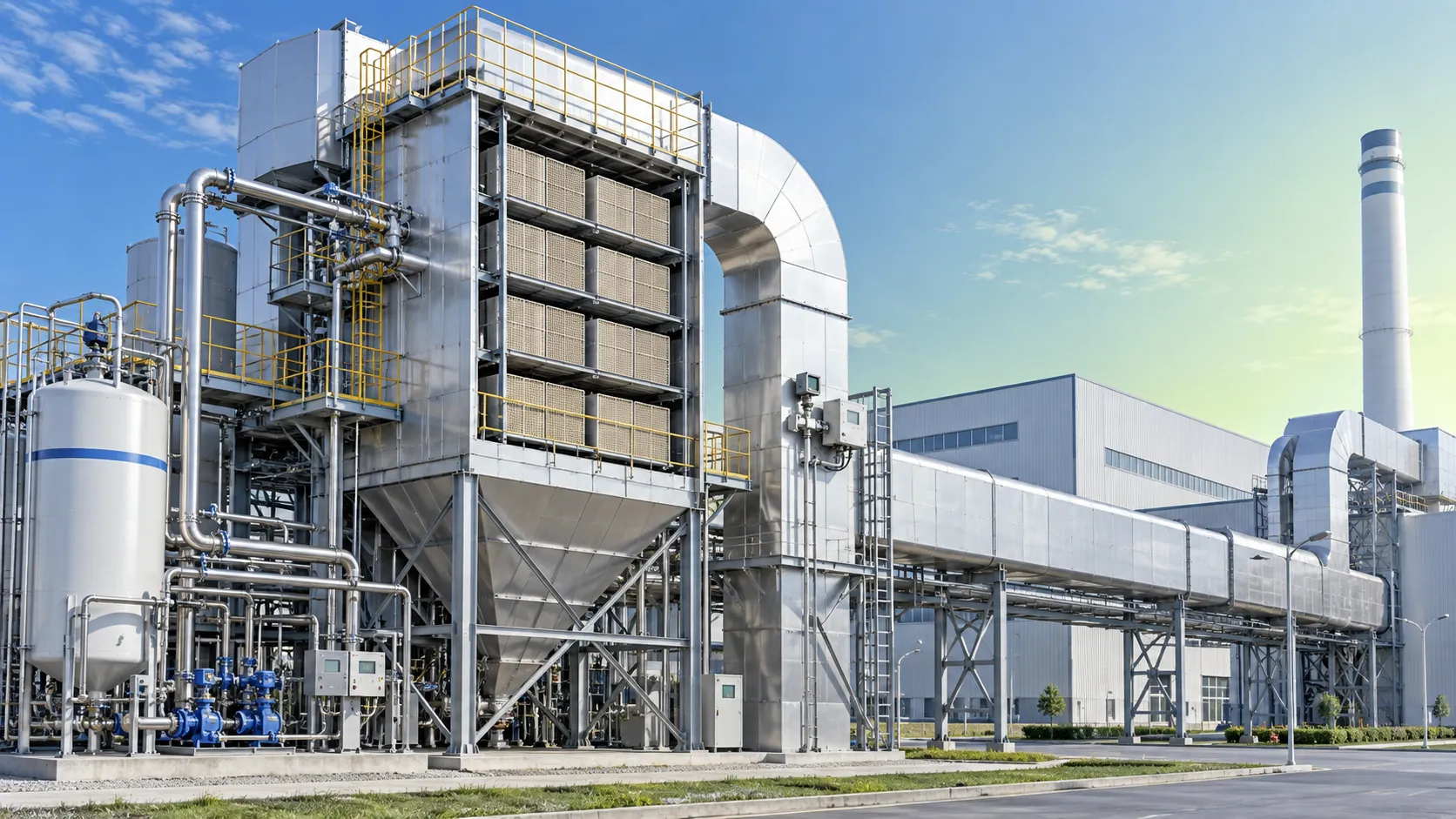
How SCR denitrification systems in Europe meet Industrial Emissions rules
SCR denitrification systems Europe: learn how permit-led design, ammonia-slip control, catalyst management and monitoring support Industrial Emissions compliance.
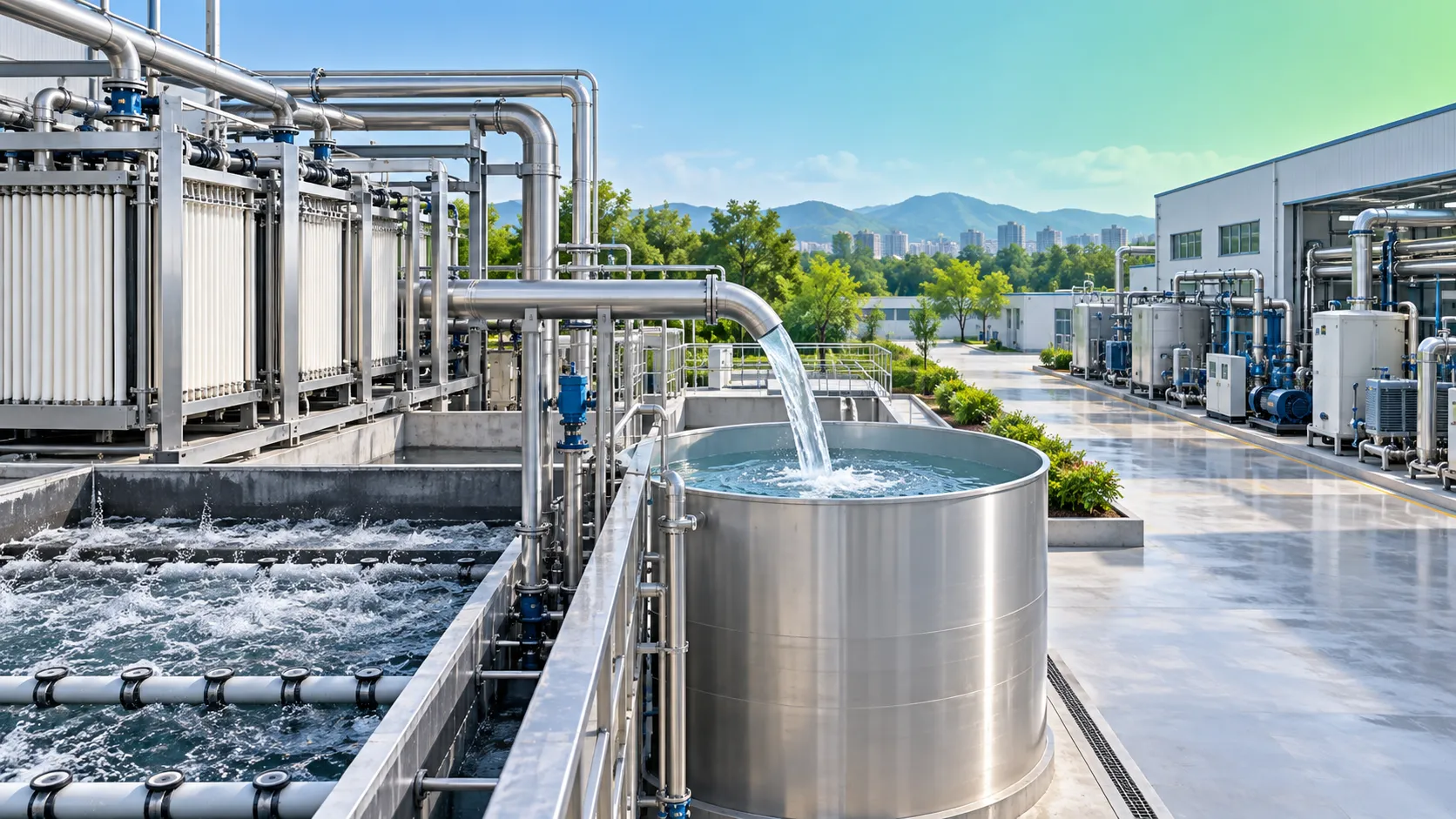
When does MBR equipment make sense for wastewater reuse?
Water treatment equipment for wastewater reuse: learn when MBR delivers compact, reliable low-solids effluent—and when alternative treatment trains offer better value.
How North America shapes global environmental governance standards
Global environmental governance North America: discover how regulation, finance, and procurement raise worldwide standards and reshape environmental projects.
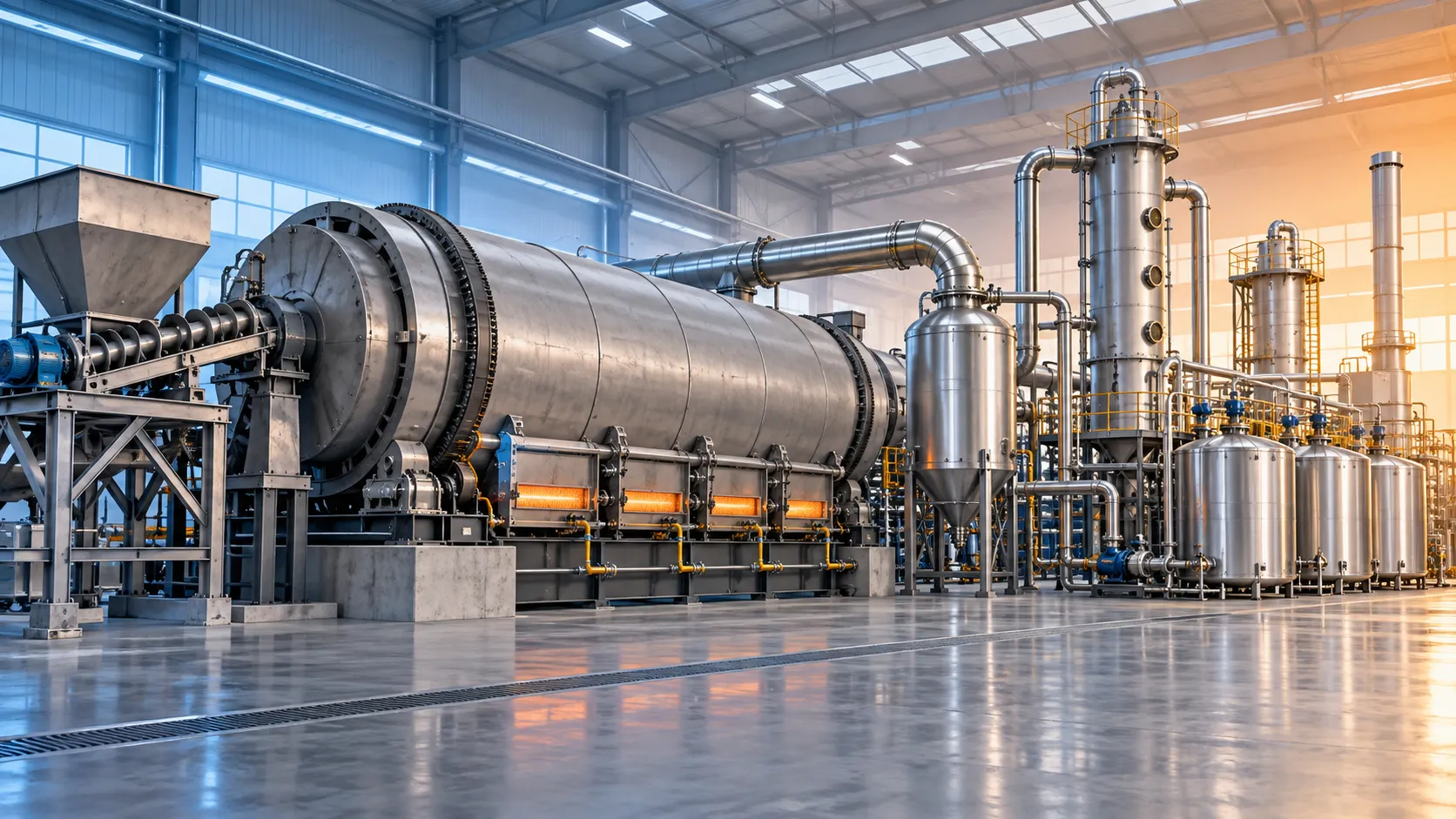
How reactor capacity affects throughput in pyrolysis systems
Pyrolysis systems reactor capacity explained: learn how heat transfer, residence time, feed quality, and emissions controls determine reliable throughput.
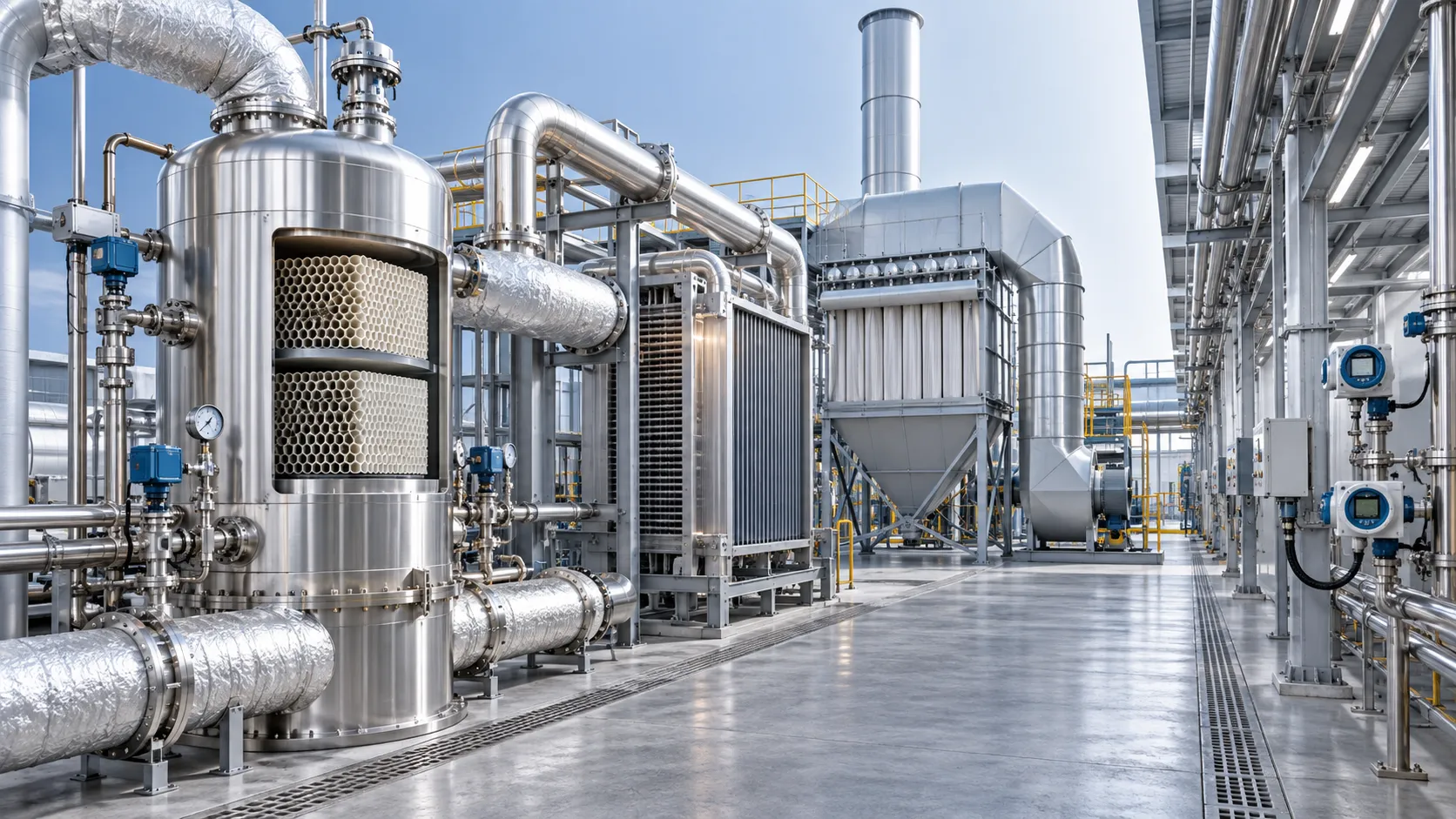
When low-temperature reaction equipment is the right fit for heat-sensitive processes
Low-temperature reaction equipment helps protect heat-sensitive streams, improve energy integration, and maintain reliable conversion. Explore key selection factors today.
When do water reuse systems deliver a practical payback?
Water reuse systems deliver practical payback when they cut water, discharge, and downtime costs. Learn how to match treatment, recovery, and reuse quality for lasting ROI.
When do ZLD systems for power generation justify their energy use?
ZLD systems for power generation: learn when energy-intensive water recovery delivers stronger compliance, resilience, and long-term value.