
Industry News
Curation by industry experts
Hot Articles
Popular Tags
How Do AI Sorting Systems Improve Solid Waste Recovery Rates?
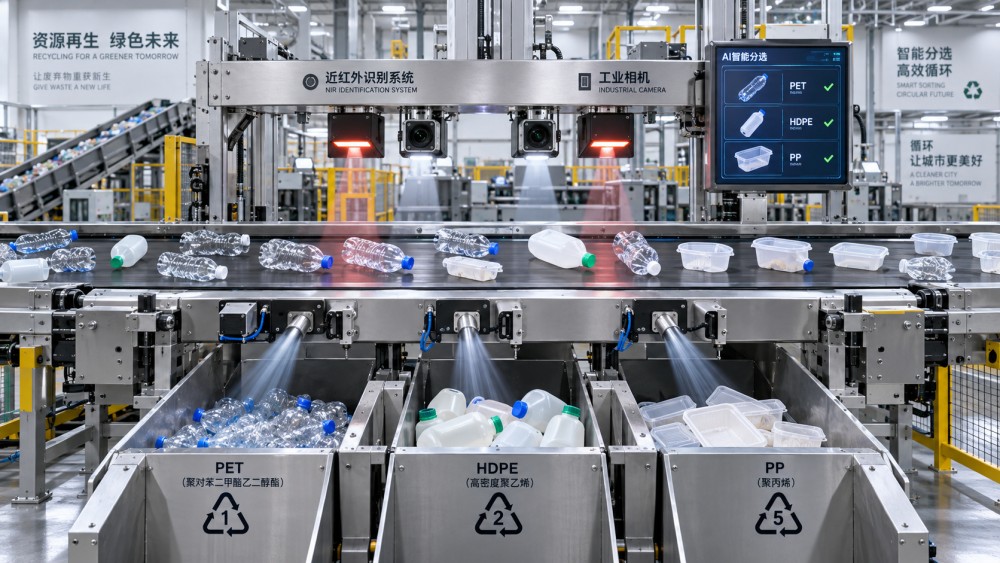
AI sorting systems improve solid waste recovery rates by recognizing material properties faster and more consistently than manual inspection or simple mechanical separation alone. Cameras, near-infrared sensors, X-ray transmission, laser sensors, metal detectors, and weight or shape signals are combined to identify items moving on a conveyor. Software classifies each item, then air jets, robotic pickers, or mechanical diverters send it into the appropriate material stream.
The practical result is not merely a higher number of items sorted per hour. Recovery improves when valuable material is captured before it is lost to residue, when non-target material is removed before it contaminates a bale, and when the sorting line responds to changing feedstock without relying on a fixed visual rule. A polyethylene terephthalate bottle, for example, can be separated from similar-looking containers made from polypropylene or high-density polyethylene even when labels, colors, and shapes vary.
Recognition becomes more specific than visual appearance
Conventional lines often depend on screens, magnets, eddy-current separators, density separation, and manual quality control. These remain important, but each is strongest within a narrow physical distinction. A magnet attracts ferrous metal; it does not distinguish a clean steel food can from a steel component carrying attached plastic. A screen separates by particle size; it cannot determine whether two equally sized objects are recyclable in the same stream.
AI extends the line's ability to interpret what is on the belt. Machine vision evaluates visible features such as shape, color, label position, closures, deformities, and surface condition. Spectral sensors identify how a material reflects light outside the visible range, helping distinguish polymer families that look alike to the human eye. X-ray transmission can support separation where atomic density matters, such as differentiating certain metals, identifying glass contaminants in mineral fractions, or recognizing dense objects concealed by other materials.
A single sensor reading is rarely enough in mixed waste. A dark plastic tray may absorb or weaken a near-infrared signal. A wet label can obscure part of a container. Soil, food residue, film wrapping, and overlapping items can all complicate recognition. Sensor fusion reduces the chance that one imperfect signal determines the sorting decision. The system evaluates several observations together and assigns each item to a class, a confidence level, or a reject path.
This distinction matters because false acceptance and false rejection cause different losses. False acceptance puts an unwanted item into a recovered fraction and lowers its quality. False rejection sends a recoverable item into residue, reducing yield. The appropriate balance depends on the downstream destination. A line preparing a high-purity polymer feedstock may choose a strict confidence threshold and reject uncertain items. A line recovering material before a later polishing stage may accept a broader stream, provided the next separation step can handle the added contamination.
Better object separation prevents hidden material loss
Recognition has little value if the system cannot act on the correct item. Waste arrives in irregular layers: bottles roll, flexible film drapes over rigid packaging, and fragments overlap. AI sorting systems therefore depend on controlled material presentation before the sensor zone. Conveyors spread the feed into a thinner layer, acceleration belts create spacing, and screens or ballistic separators divide two-dimensional film and paper from three-dimensional containers. A stable, single-layer flow gives the classifier a clearer view and gives the ejector a realistic chance of hitting its target.
Air-ejection timing is one of the less visible limits on recovery. The software must calculate where an item will be when it reaches the air valves, taking belt speed, object position, object size, and flight behavior into account. A flat piece of film and a rigid bottle do not respond to an air pulse in the same way. If ejection settings are too aggressive, adjacent material can be pulled into the wrong chute. If they are too weak, the intended item remains in the mixed stream.
Robotic picking is useful where the material mix is too irregular for air jets or where the target item needs careful handling. A robot can pick bulky contamination from a fiber line, recover reusable items, or select objects with a specific geometry. Its productivity is constrained by reach, grasping reliability, item presentation, and the number of decisions required per minute. It is not automatically the best choice for every high-throughput fraction. Pneumatic ejection usually suits small, fast-moving, well-separated items, while robots are stronger at selective removal and complex picks.
Cleaner feed creates a compounding recovery effect
Recovery rate is often misunderstood as the percentage of target material that reaches a collection bunker. That measure is incomplete if the recovered stream contains excessive paper, food residue, incompatible polymers, glass, textiles, or metal fragments. Material that reaches a bunker but cannot be processed into a usable secondary raw material has not delivered its full recovery value.
AI sorting improves downstream performance by placing quality control at more than one point in the line. A first pass can capture a broad target fraction. A later pass can remove non-target objects, separate colors, or recover target material mistakenly sent to another stream. This recirculation approach can reduce losses without forcing every decision to be perfect on the first pass.
For plastics, the choice of sorting sequence affects both yield and purity. Removing large paper and film before polymer identification reduces occlusion. Separating bottles from trays, pots, and other rigid packaging may improve classification because the object geometries and label patterns are less mixed. Color sorting is often performed after polymer identification, since a clear polyethylene terephthalate stream and a colored polyethylene terephthalate stream may have different downstream uses. Treating all plastic as one category produces a broad fraction, but it does not necessarily create a feedstock suitable for a recycler's process.
Fiber recovery has a different problem set. Optical systems can distinguish paper grades and identify cartons, plastic film, dark contaminants, and colored board, yet moisture and fragmentation change how the material behaves on belts. Wet paper can clump, while shredded material may be too small for reliable object-level classification. In those conditions, upstream screening, drying where justified, and fraction sizing influence recovery as much as the AI model.
Real-time data exposes where the line is losing value
AI systems generate a record of what they see: material categories, confidence scores, object counts, belt occupancy, contamination events, rejected items, and changes in the incoming stream. This information turns sorting from a largely visual process into a measurable one. A sudden rise in flexible packaging, for example, can explain why a rigid-plastic stream has become less stable. Repeated low-confidence decisions around one sensor zone can point to dirty optics, poor lighting, overlap, or unsuitable belt loading rather than a weak classification model.
Data is most useful when it is connected to physical inspection and downstream quality results. A classifier may report a high share of a material class, while bale audits reveal that the stream still contains attached labels, multilayer packaging, or look-alike products. The software has then identified the visible object correctly but the material definition used by the downstream process is narrower than the classifier's category. Updating the model alone may not solve this; the facility may need a new class definition, an additional sensor, or a different separation stage.
Feed composition also changes by collection route, season, weather, and local packaging patterns. A model trained on clean, well-presented objects can lose accuracy when exposed to crushed containers, black materials, mud-coated packaging, or unusually high volumes of film. Continuous monitoring supports controlled model updates, but training data should be reviewed before new categories are deployed. Incorrect labels in the training set can make the system confidently repeat the wrong decision at scale.
Where AI sorting has clear limits
AI does not remove the need for basic mechanical preparation. Large bags, tangled textiles, cables, wet organics, and heavily compacted mixed waste can block sensors and reduce the separation of individual objects. Bag opening, screening, density separation, ferrous removal, and non-ferrous separation often remain necessary before optical classification. The most effective system places AI where material is sufficiently exposed and where a reliable action can follow the decision.
Contamination that is chemically or physically bonded to an item is another limit. A camera can identify a plastic container, but it cannot make food residue disappear. A sensor can recognize a composite package, but recovery may still be constrained if the layers cannot be separated by the available recycling process. Similarly, detecting a lithium-ion battery within a mixed stream is valuable for risk reduction, yet damaged batteries, small cells hidden in products, and material buried under other waste remain difficult detection cases.
Speed should not be treated as an isolated performance indicator. Raising belt speed increases throughput, but it can reduce the spacing between items, shorten sensor observation time, and make air-ejection trajectories less precise. Conversely, a slower belt can improve separation while reducing total processed tonnage. The useful operating point is the one that preserves target capture and output quality at the actual feed condition, rather than the highest nominal conveyor speed.
Maintenance affects classification quality before software does
Optical windows collect dust, moisture, and residue. Lighting can drift. Air nozzles can clog or lose pressure balance. Conveyor belts can vibrate, slip, or accumulate debris that changes the background seen by the camera. These conditions may appear as an AI problem because the visible result is a rise in mis-sorted material, but the root cause is often mechanical or environmental.
Routine verification should compare system decisions with sampled physical material. The review needs to distinguish three questions: whether the sensor saw the item clearly, whether the classifier assigned the correct class, and whether the actuator delivered the item to the intended location. Combining these failures into one general “accuracy” value hides the corrective action. Cleaning the sensor, adjusting product spacing, revising the decision threshold, and recalibrating an ejector address different causes.
Changes to incoming material should also be documented when evaluating performance. A shift from loose packaging to compacted municipal waste, a new collection scheme, or a period of higher moisture can alter recovery results without any equipment fault. Comparing data only across similar feed conditions prevents a normal composition change from being mistaken for system deterioration.
Recovery rises when the sorting target matches the downstream process
The strongest AI sorting outcome comes from defining the recovered material in terms that the next process can actually use. “Plastic,” “metal,” or “paper” are often too broad. The relevant target may be natural high-density polyethylene bottles without polypropylene closures, aluminum beverage containers excluding foil, or a fiber grade with controlled carton content. Each definition affects sensor selection, model labeling, reject thresholds, and the value of a secondary quality-control pass.
AI sorting therefore improves solid waste recovery through a chain of linked decisions: expose individual items, identify the characteristics that matter, direct them accurately, measure the misses, and adjust the line around the real material stream. When the physical preparation, classification logic, and downstream specification are aligned, less recoverable material is buried in residue and less contamination is carried into the recovered fraction.
Recommended News

How to select FGD systems for coal boilers based on sulfur content
FGD systems for coal boilers: learn how sulfur content, fuel variability, emissions limits, water, waste, and retrofit constraints guide a compliant, cost-effective scrubber choice.
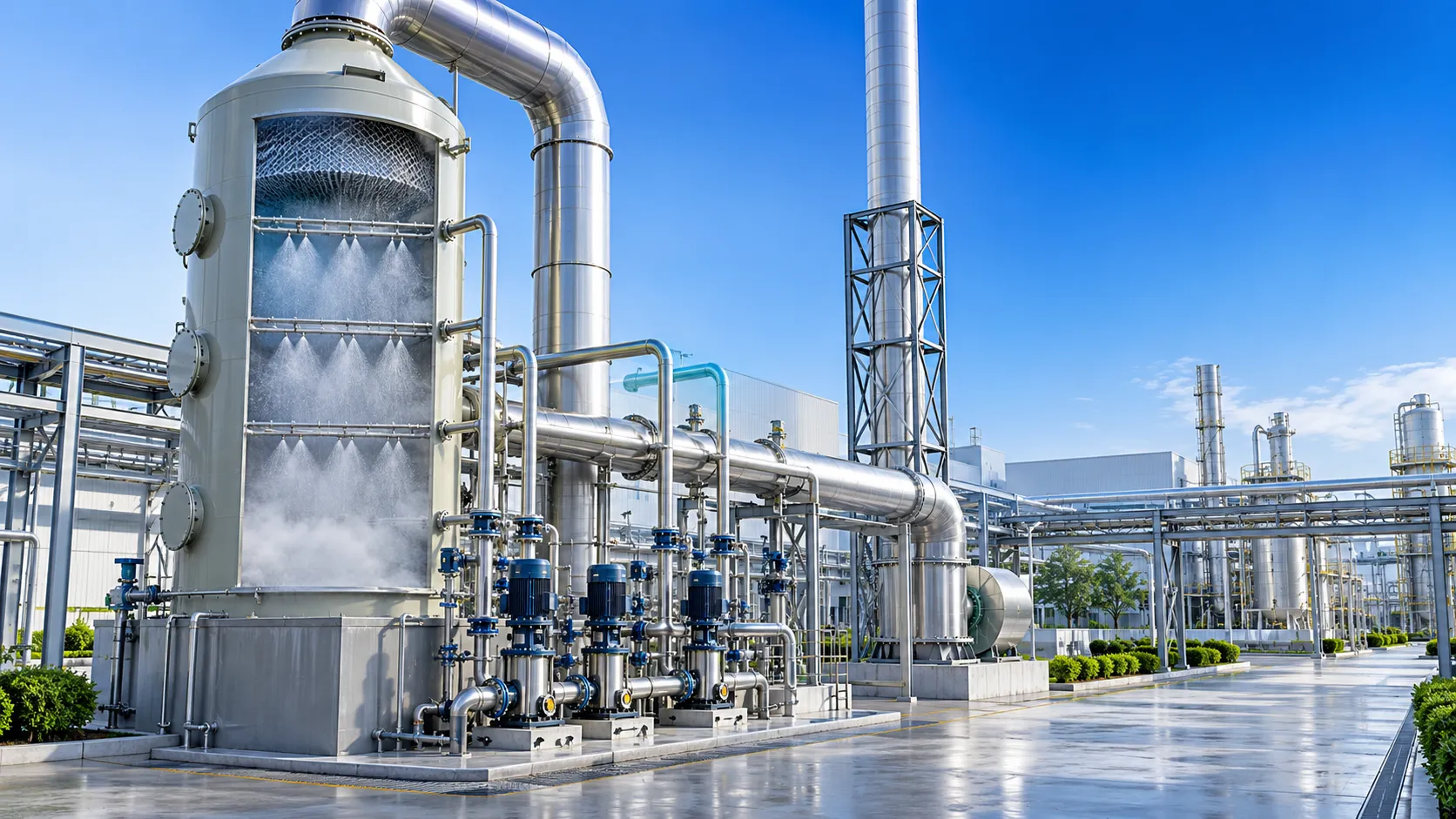
How to size a desulfurization equipment scrubber for variable gas flow
Desulfurization equipment scrubber sizing for variable gas flow: optimize SO2 removal, pressure drop, liquid-to-gas control, and compliance across every load.
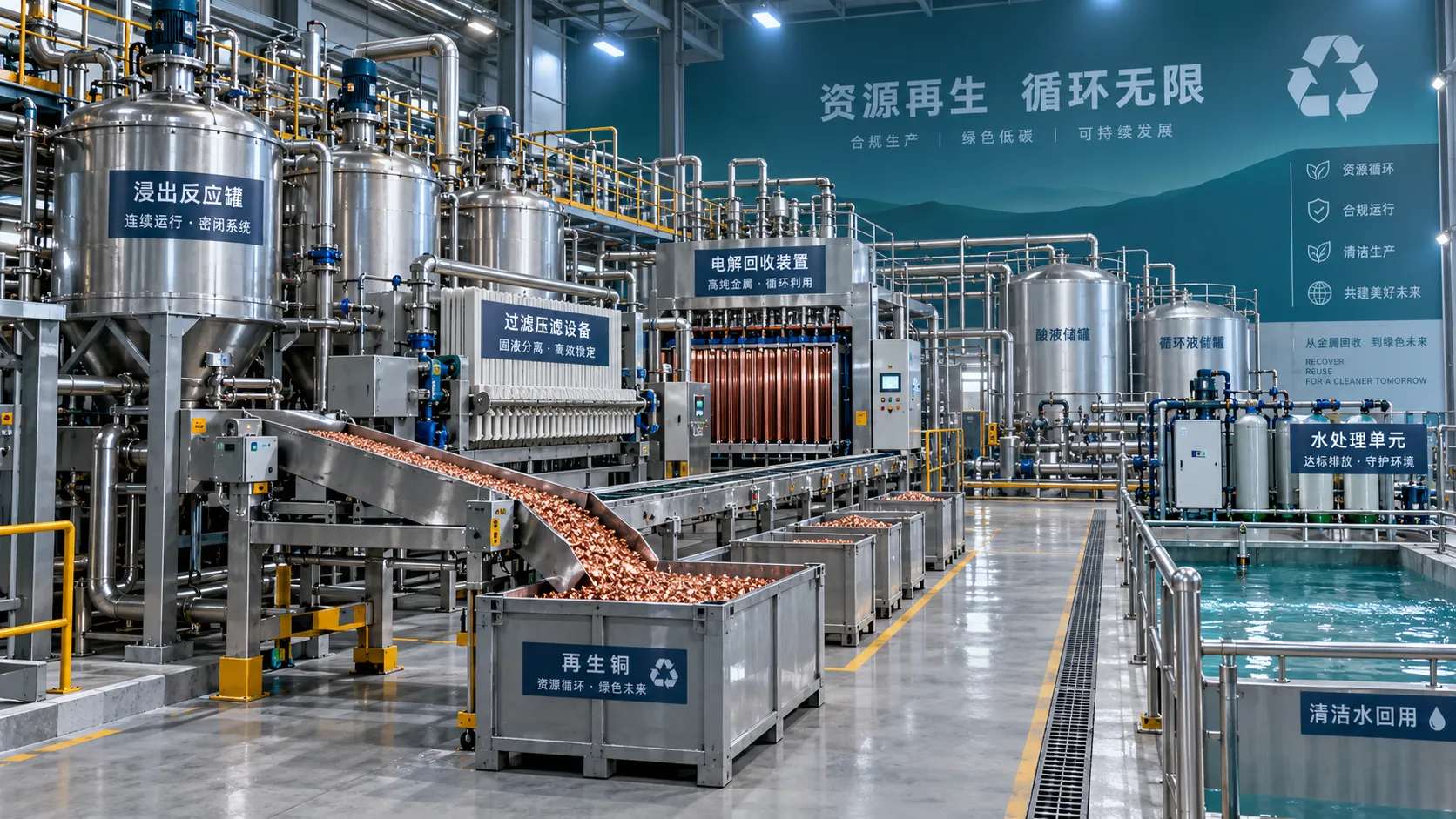
When does repeatable metals recovery infrastructure justify the investment?
Repeatable metals recovery infrastructure: discover when consistent feedstock, lower disposal costs, compliance control, and reliable offtake justify investment.

How energy recovery cuts the cost of seawater desalination in the Middle East
Seawater desalination Middle East projects can cut lifecycle costs with energy recovery. Explore savings, bankability, power-risk strategies, and smarter investment decisions.
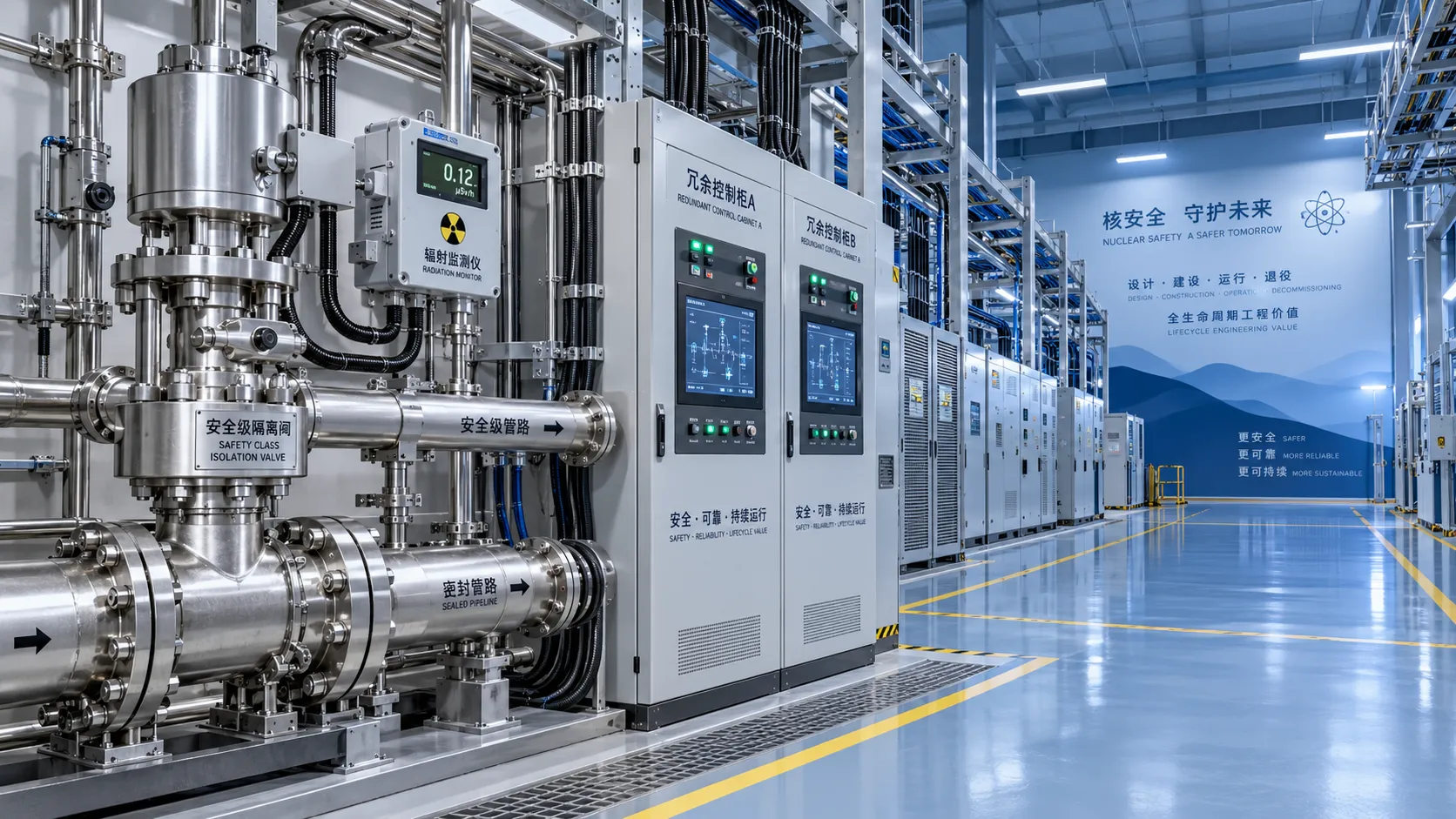
What drives nuclear safety solutions pricing for new facility projects?
Nuclear safety solutions pricing explained: uncover the key cost drivers for new facilities, from qualification and interfaces to lifecycle support.
What drives radioactive waste cost over the life of a disposal project?
Radioactive waste cost depends on classification, treatment, transport, storage, disposal access, and long-term compliance. Explore the key lifecycle cost drivers.
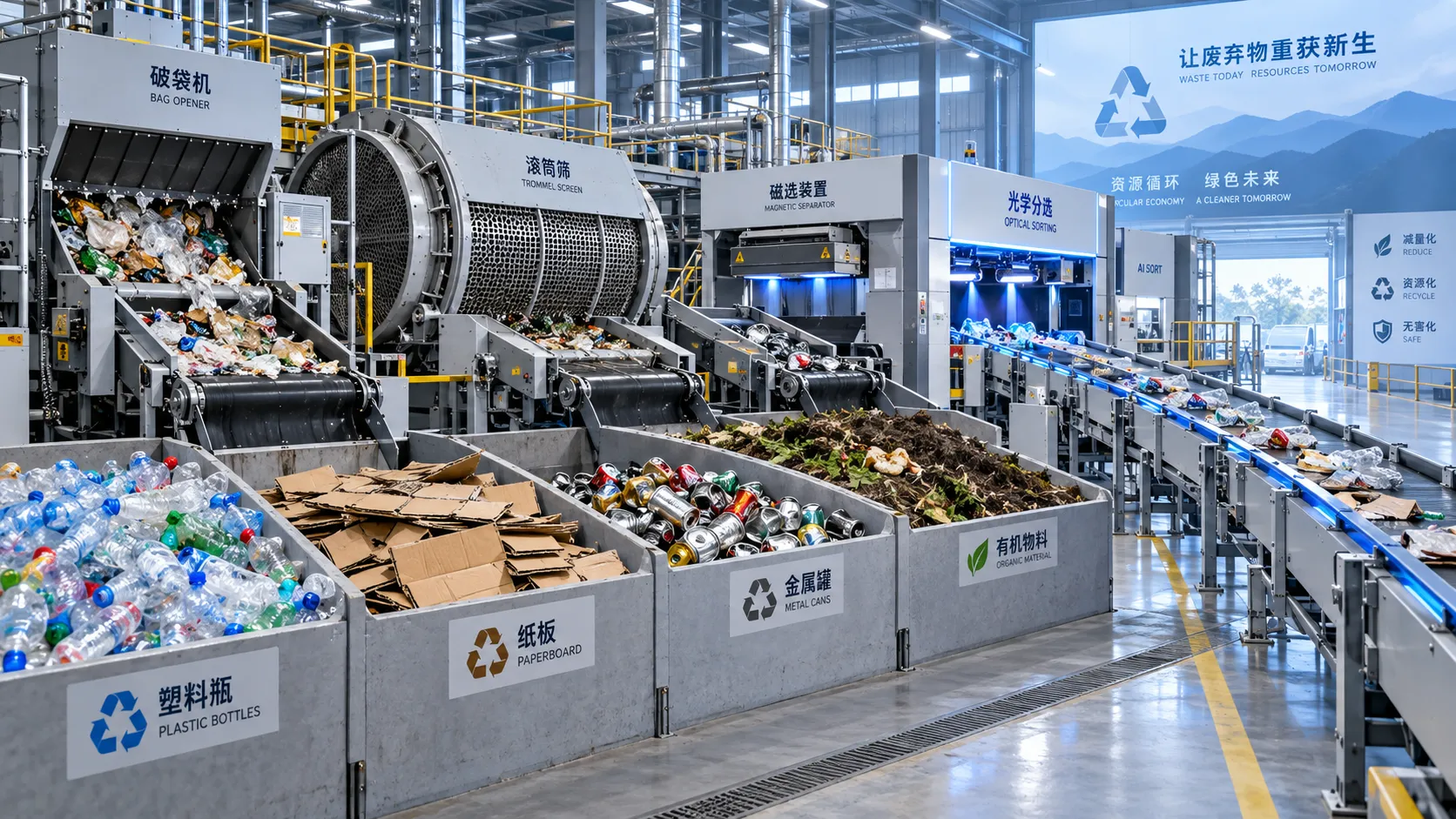
How to choose solid waste equipment based on waste stream characteristics
Environmental equipment guide for solid waste: discover how to match sorting, treatment, and recovery equipment to waste composition, moisture, contamination, and output goals.
When does high recovery ZLD equipment justify its higher capital cost?
High recovery ZLD equipment can justify higher capital cost when water scarcity, discharge risks, brine disposal, and downtime threaten operations. Explore the decision factors.

How high purity heavy metal recovery affects recovered metal value
High purity heavy metal recovery boosts recovered metal value by improving payability, reducing penalties, and unlocking stronger buyer opportunities. Explore smarter netback strategies.