
Industry News
Curation by industry experts
Hot Articles
Popular Tags
Boiler Denitrification Equipment: Common Sizing Mistakes and Fixes
Boiler denitrification equipment sizing starts with the real operating envelope
Boiler NOx control rarely fails because the chemistry is unknown. It fails because the sizing basis is too simplified.
In practice, denitrification equipment for boilers must match fuel variability, load swings, gas temperature, dust level, and regulatory margin.
That is why two boilers with similar steam output can require very different SCR or SNCR sizing logic.
Within ESD’s flue gas treatment lens, the issue is not only compliance on paper. It is long-term ecological reliability under changing industrial conditions.
A system sized only around nameplate flow may hit startup targets, yet underperform once fuel quality shifts or stricter limits arrive.
The more useful approach is to read sizing as a scenario decision. That means linking process data, catalyst behavior, reagent response, and future compliance risk.
Why similar boilers create different sizing outcomes
Many sizing errors begin with a false assumption: similar boiler capacity means similar denitrification equipment for boilers.
More often, the decisive variables sit elsewhere. They include upstream combustion stability, excess oxygen, sulfur content, ash chemistry, and seasonal dispatch patterns.
A baseload utility unit usually values stable conversion efficiency and long catalyst life. A flexible industrial boiler often values wide turndown tolerance first.
Waste-derived or mixed-fuel service complicates the picture further. NOx formation can fluctuate faster, while particulate and poison exposure can shorten catalyst performance windows.
This is where ESD-style equipment intelligence matters. The right sizing basis connects process uncertainty with environmental control durability, not just initial capex.
A quick comparison of the main sizing drivers
Where baseload projects often get sizing wrong
On stable power or large process steam units, oversimplification usually comes from confidence in steady operation.
The design team may assume that steady load allows tighter sizing. That can be true for duct volume, but not always for catalyst inventory.
A frequent mistake is selecting denitrification equipment for boilers around fresh catalyst activity only. Early performance looks excellent, then compliance margin narrows faster than expected.
This becomes more serious where permit limits are tightening or where CBAM-related pressure increases scrutiny on total environmental performance.
The practical fix is straightforward. Use end-of-run conversion assumptions, realistic ammonia slip limits, and actual ash loading history.
If the boiler also feeds downstream heat recovery or particulate control equipment, pressure drop allowance should be reviewed early, not after layout freeze.
Cycling boilers need a different sizing logic
More challenging cases appear in facilities with daily load changes, partial shutdowns, or rapid demand response.
Here, average flow data is often misleading. A boiler that spends many hours below ideal SCR temperature may never realize the designed NOx removal rate.
The result is a familiar pattern: the installed denitrification equipment for boilers looks correctly sized in design reports, yet misses targets during real dispatch.
In these applications, sizing must examine temperature distribution, residence time, control valve response, and ammonia injection uniformity under partial load.
For SNCR, the thermal window becomes even more sensitive. An apparently small temperature offset can drive both lower NOx reduction and higher reagent consumption.
A better fix is to build the sizing basis around low-load hours, not just peak-load guarantees. That often changes reactor volume, injection grid design, or catalyst layer planning.
Checks that matter more in variable-load service
- Verify gas temperature maps across the full operating cycle.
- Use transient NOx data instead of daily averages.
- Review ammonia slip risk during ramp-up and ramp-down.
- Confirm whether bypass, burner tuning, or economizer changes affect the reaction window.
Mixed fuels and waste-linked boilers punish generic assumptions
Another high-risk scenario appears where fuels are blended, substituted, or partially derived from recovery streams.
This matters across broader ecological engineering networks, where waste recovery, sludge utilization, or byproduct combustion can change flue gas chemistry.
Under those conditions, denitrification equipment for boilers should never be sized from one representative fuel case alone.
Chlorides, alkalis, heavy metals, or sulfur swings can alter fouling behavior and catalyst poisoning rates long before flow capacity becomes the visible problem.
This is where many teams undersize maintenance access, sootblowing provisions, or catalyst reserve layers while believing the reactor itself is adequate.
The better approach is to combine fuel envelope data with deactivation risk modeling. In many cases, lifecycle sizing is more important than initial geometric sizing.
Common misjudgments that distort denitrification equipment for boilers
Some mistakes repeat across nearly every sector because the sizing workflow leaves out field reality.
- Using nameplate boiler load instead of actual operating distribution.
- Treating inlet NOx as constant when burner tuning or fuel blending causes large variation.
- Ignoring future emission tightening and sizing only to today’s limit.
- Focusing on purchase cost while excluding catalyst replacement and reagent penalties.
- Assuming similar reactor dimensions can be copied between sites with different ash and sulfur conditions.
- Leaving insufficient space for inspection, cleaning, and later layer expansion.
In actual projects, these are not isolated technical oversights. They reshape operating cost, outage planning, and environmental credibility over years.
A practical way to choose the right sizing basis
A more reliable decision path starts by separating design capacity from compliance capacity.
Design capacity answers what the reactor can process physically. Compliance capacity answers whether emissions stay controlled through aging, variation, and upset conditions.
For denitrification equipment for boilers, both dimensions should be reviewed together.
Before freezing specification, confirm these items:
- Full operating load histogram, including low-load residence time.
- Expected fuel envelope and contaminant range.
- Target NOx limit, ammonia slip limit, and likely future margin.
- Catalyst deactivation assumptions and replacement interval.
- Pressure drop budget across linked flue gas treatment equipment.
- Access constraints for cleaning, tuning, and expansion.
That review aligns with ESD’s broader intelligence view: equipment value depends on how well technical parameters survive real industrial ecosystems.
What to do before final specification
The next useful step is not to compare catalog sizes first. It is to organize site data by operating scenario.
Separate baseload hours, low-load hours, fuel transition periods, and upset cases. Then test whether the proposed denitrification equipment for boilers still meets the required margin.
Where uncertainty is high, scenario-based validation is worth more than optimistic single-point guarantees.
That means checking implementation difficulty, maintenance frequency, reagent demand, catalyst life, and compliance resilience as one package.
A well-sized system is not simply bigger or smaller. It is matched to the way the boiler actually lives, changes, and will be judged over time.
Recommended News
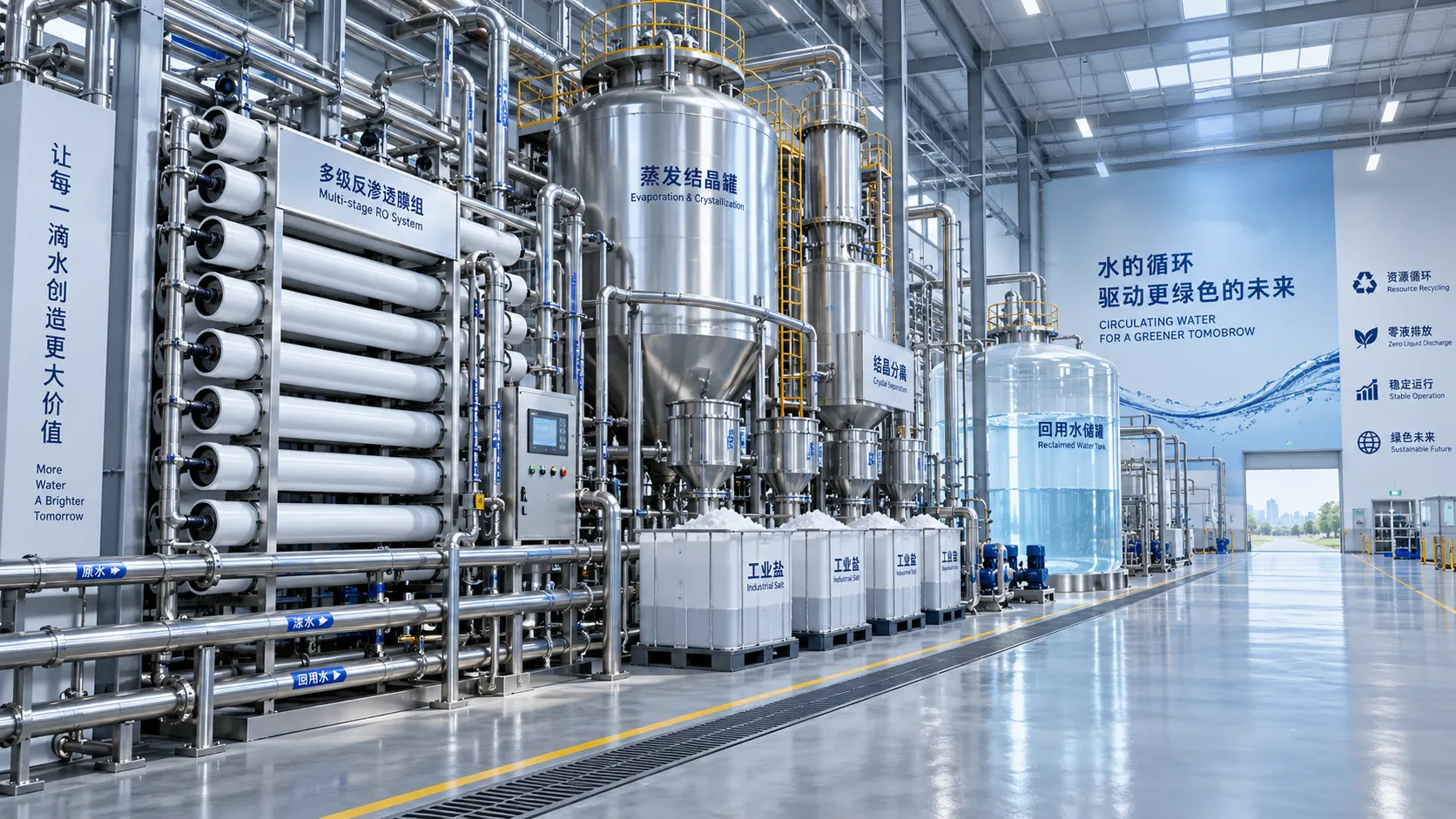
When does high recovery ZLD equipment justify its higher capital cost?
High recovery ZLD equipment can justify higher capital cost when water scarcity, discharge risks, brine disposal, and downtime threaten operations. Explore the decision factors.
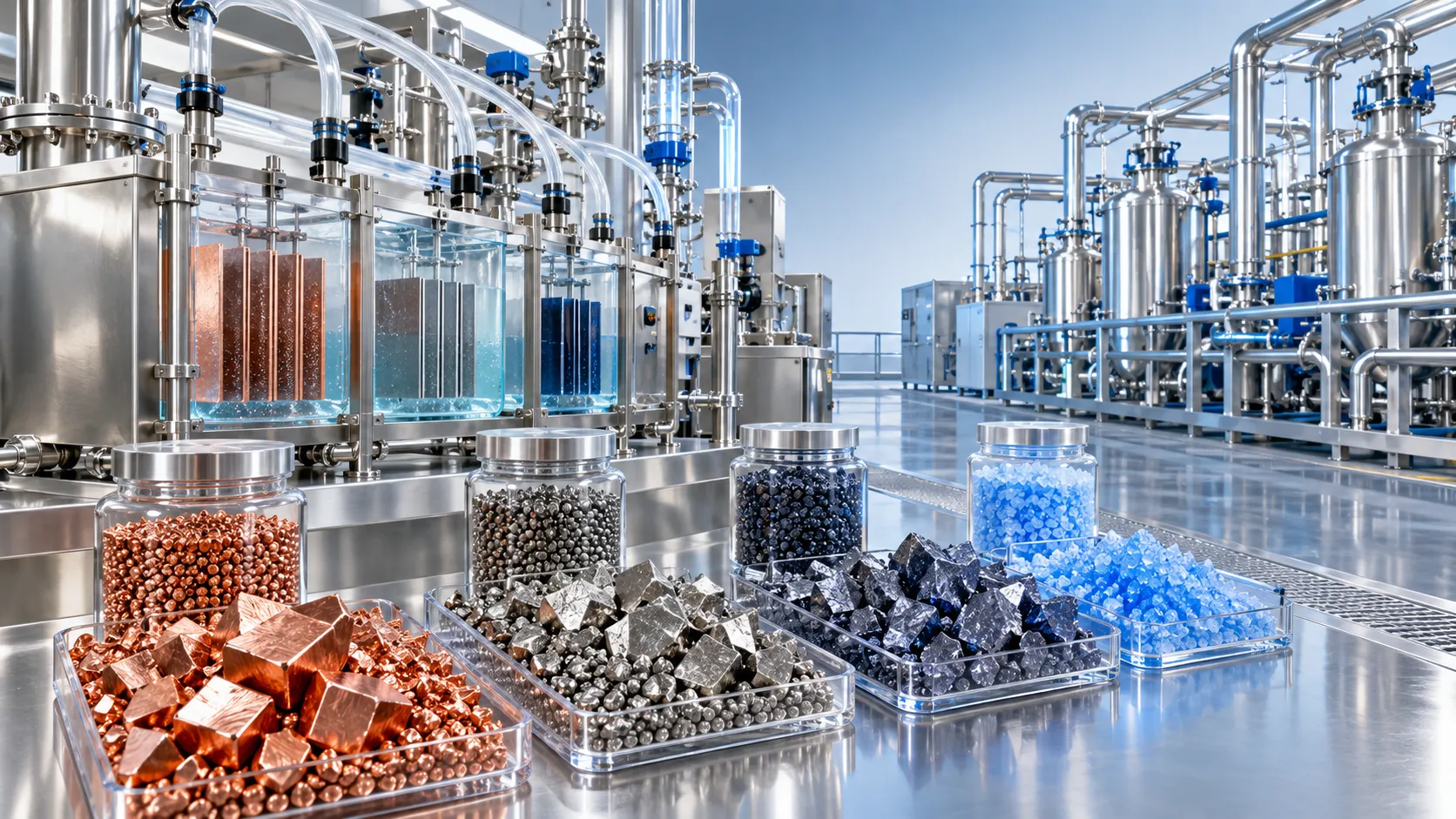
How high purity heavy metal recovery affects recovered metal value
High purity heavy metal recovery boosts recovered metal value by improving payability, reducing penalties, and unlocking stronger buyer opportunities. Explore smarter netback strategies.
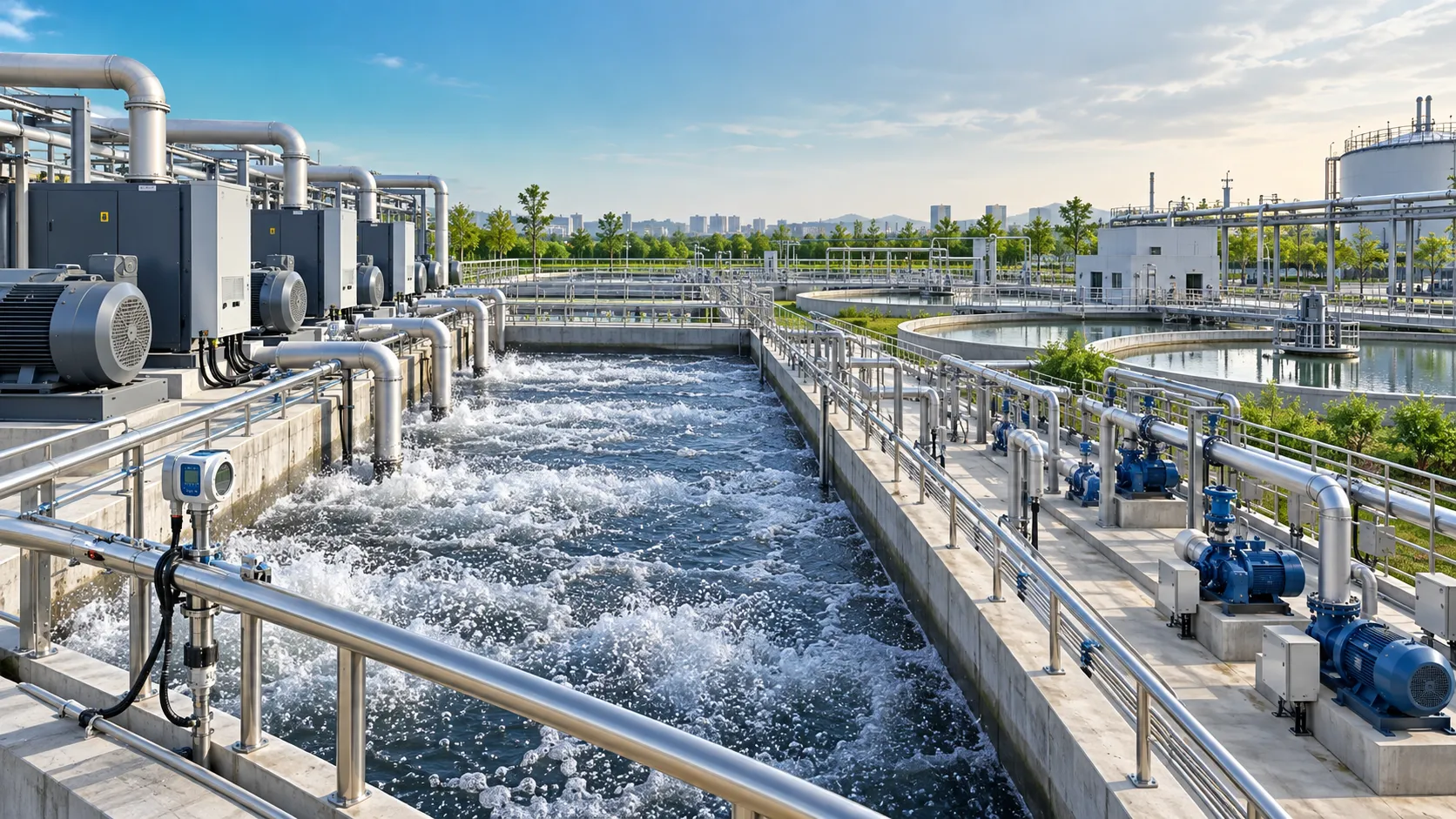
When does environmental equipment intelligence reduce wastewater plant energy use?
Environmental equipment intelligence for wastewater plants cuts energy use through smarter aeration, pumping, and data-driven controls—without compromising compliance. Discover when it delivers measurable savings.
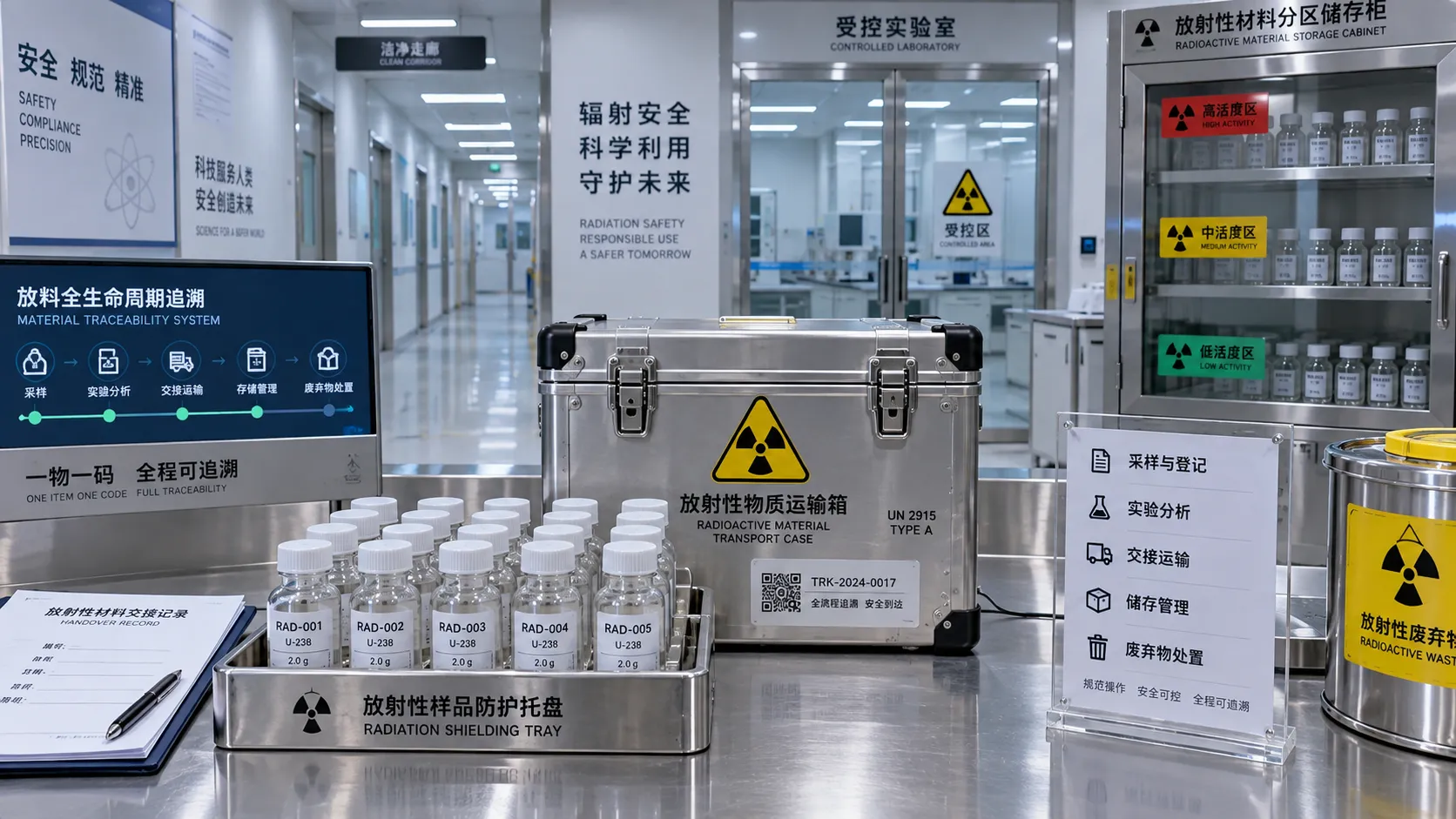
Choosing a Radioisotope Management System for Multi-Site Research Facilities
Radioisotope management system guide for multi-site research facilities: compare traceability, chain of custody, waste controls, roles, and integrations.
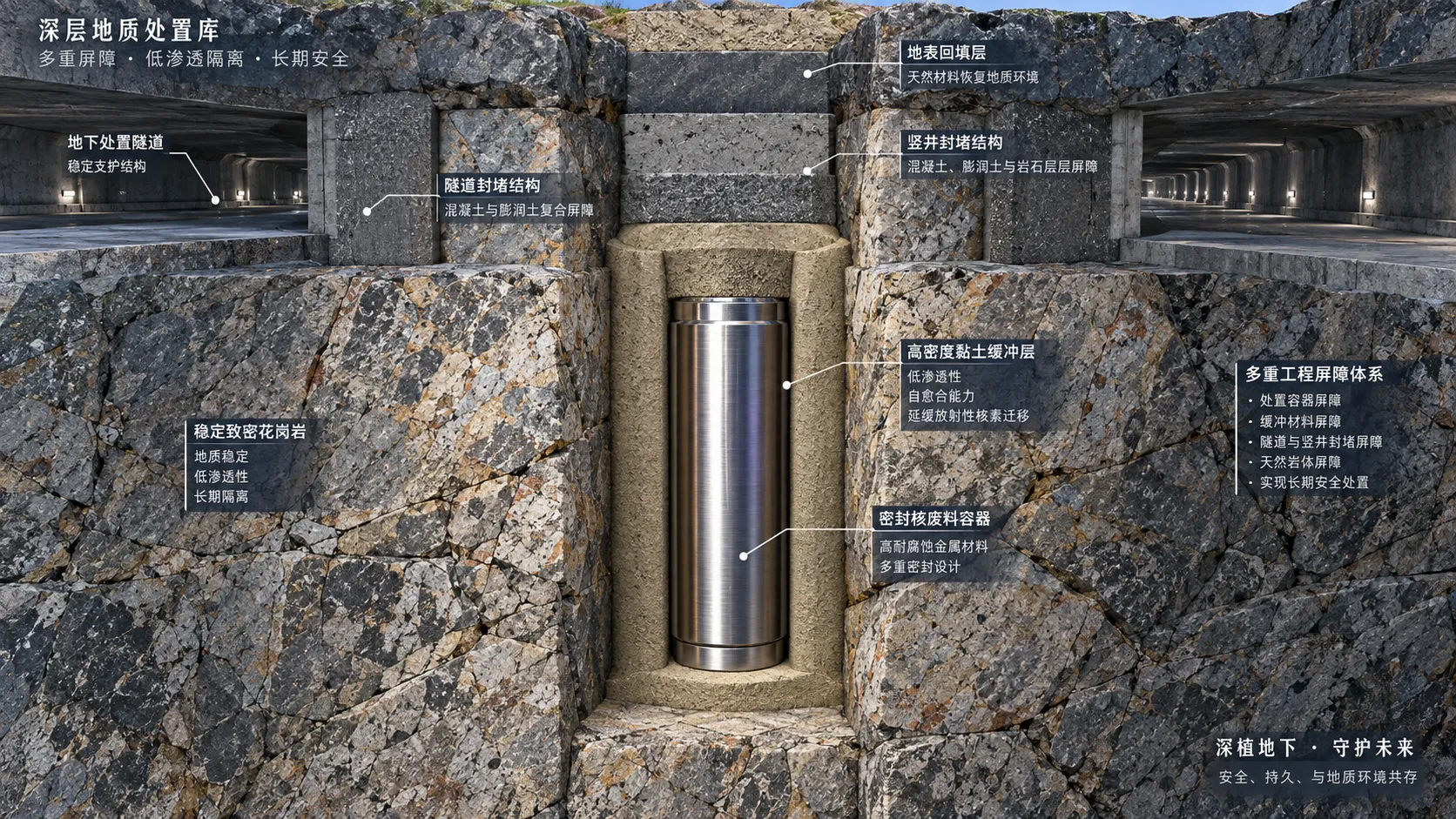
Applying C. McCombie’s Disposal Principles to Long-Lived Radioactive Waste
Explore principles and standards for the disposal of long-lived radioactive wastes C. McCombie, covering geological isolation, engineered barriers, safety cases, and intergenerational protection.
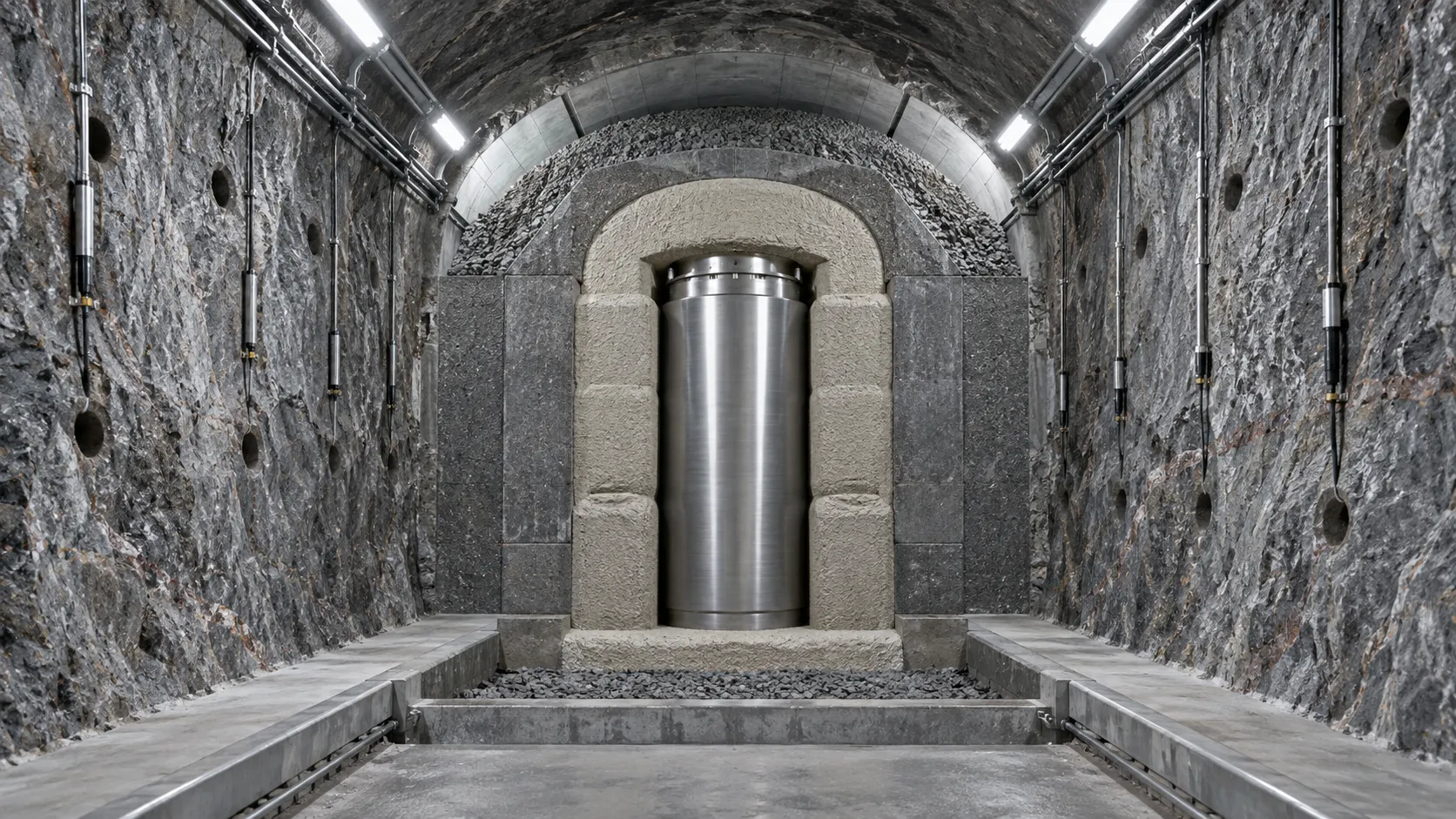
What Evidence Supports the Long-Term Safety Case for Geological Disposal?
Long-term safety of geological disposal: explore the evidence behind multi-barrier systems, site science, uncertainty testing, and auditable safety cases.
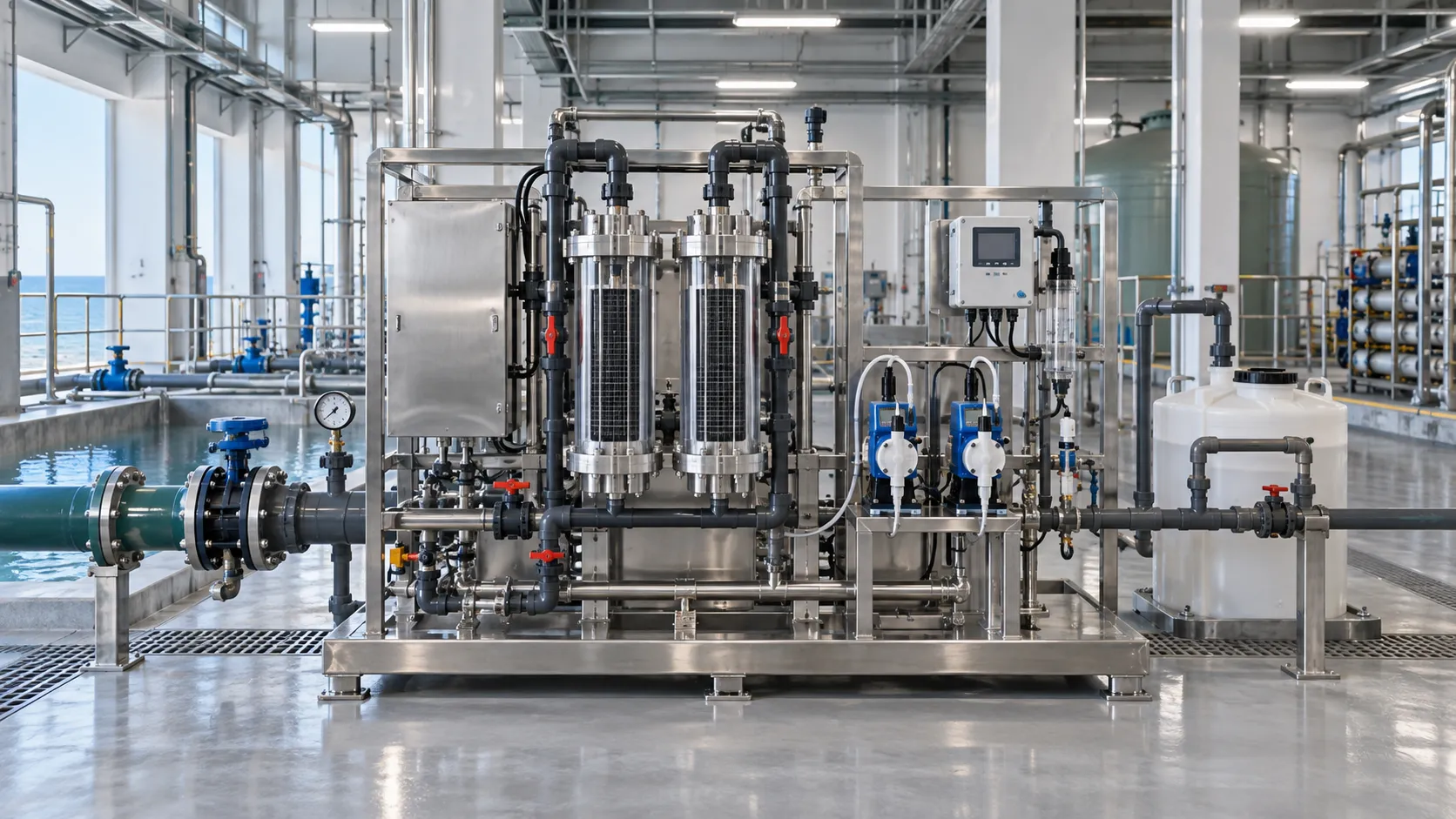
What Do Seawater Disinfection Systems Cost Over Their Full Operating Life?
What are the costs associated with seawater disinfection systems? Explore lifecycle expenses for equipment, energy, chemicals, maintenance, compliance, and risk.
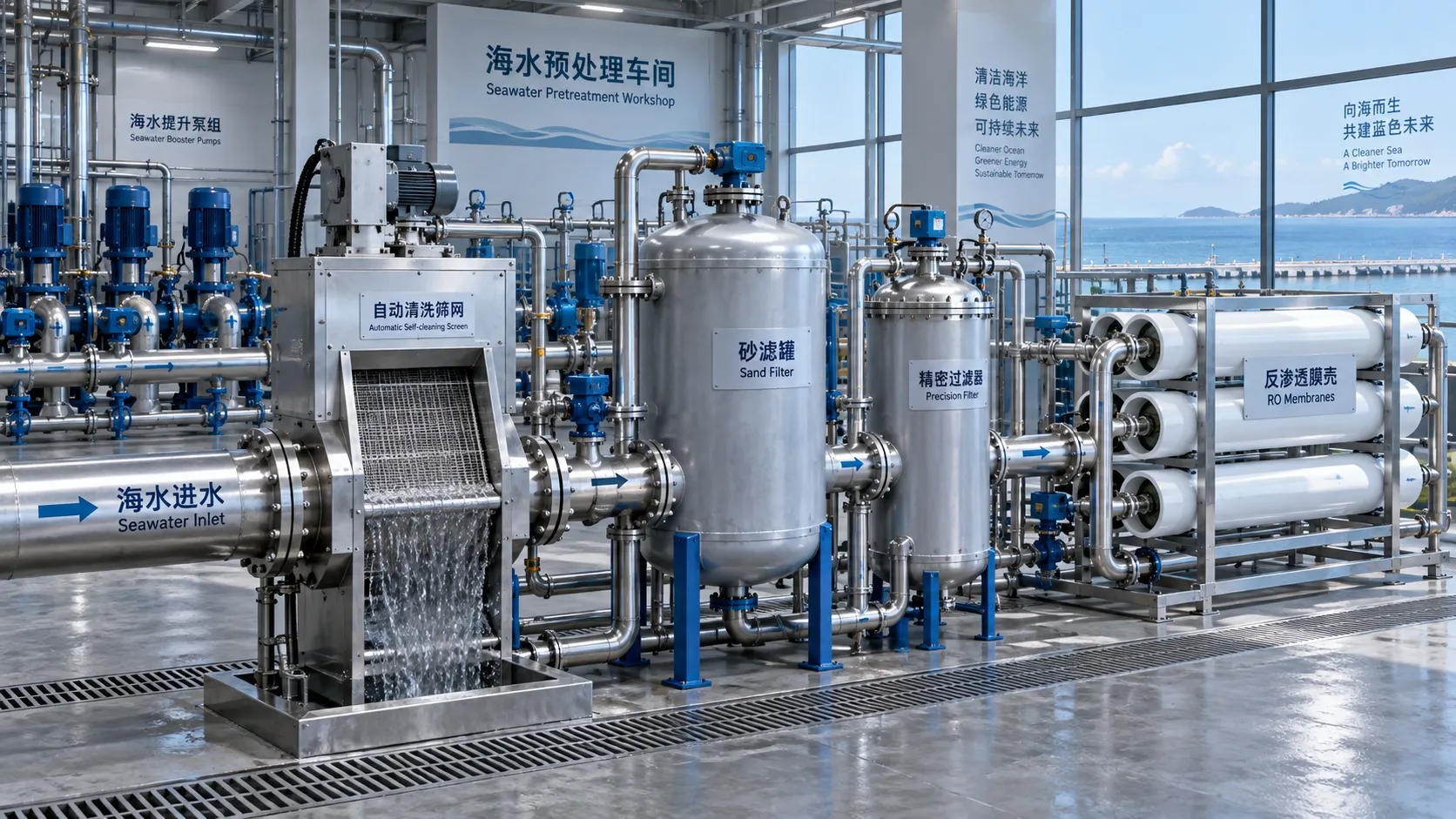
How to Improve Industrial Seawater Quality Before Cooling or Membrane Treatment
How can I improve the quality of seawater used for industrial processes? Explore proven pretreatment strategies for cooling systems and RO membranes.
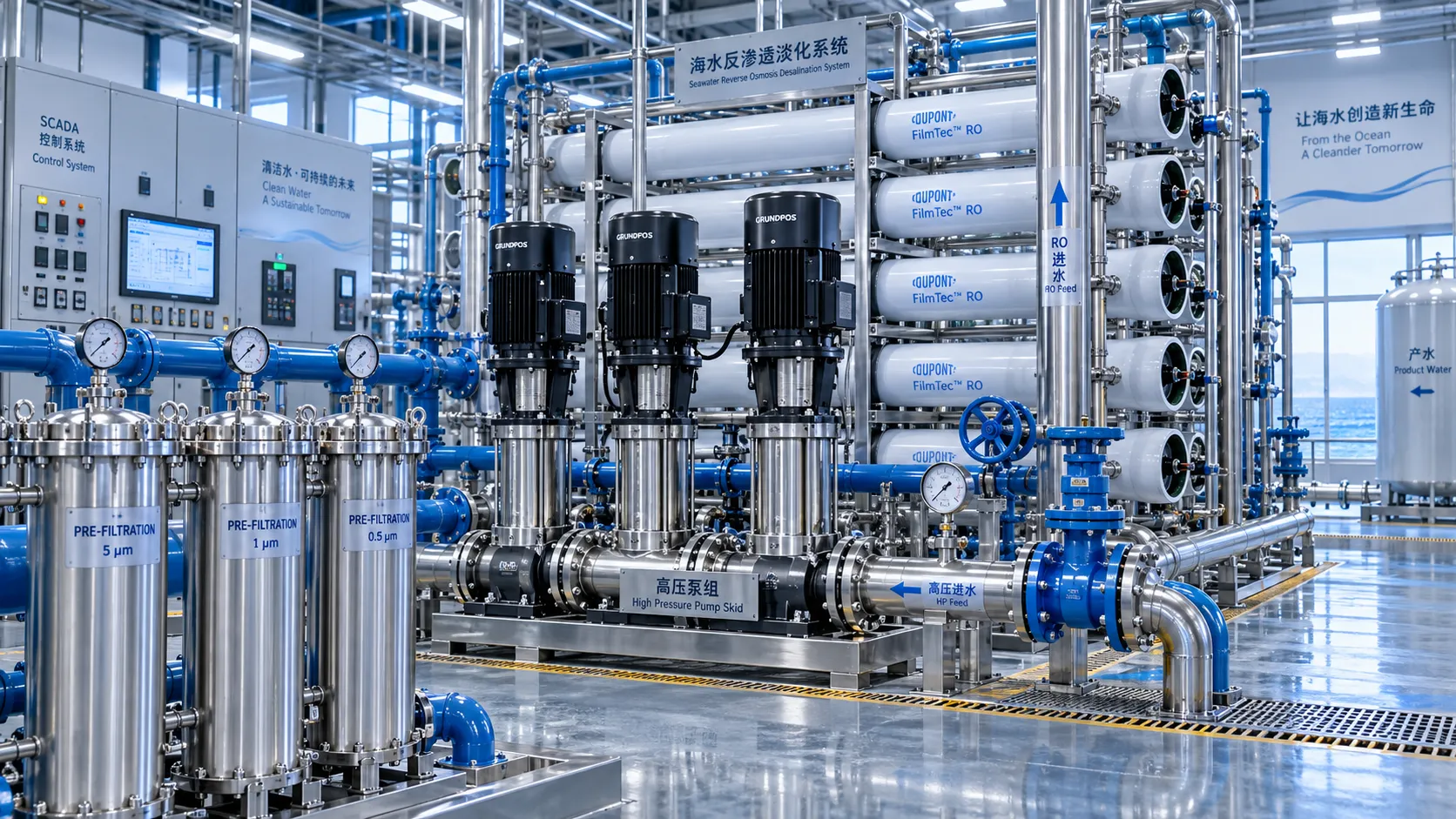
Desalination Plant Maintenance Priorities That Prevent Unplanned Downtime
Desalination plant maintenance priorities that reduce unplanned downtime: protect pretreatment, RO membranes, pumps, chemical dosing, and critical controls.