
Industry News
Curation by industry experts
Hot Articles
Popular Tags
Desalination Plants for Industry: RO or MED for Long-Term Cost
Desalination Plants for Industry: RO or MED for Long-Term Cost
For finance-led project reviews, desalination plants for industry are rarely judged by water output alone.
The harder question is which process keeps cost predictable over fifteen to twenty-five years.
That is where RO and MED start to separate.
Reverse osmosis usually wins on lower initial energy use and smaller footprint.
Multi-effect distillation often looks stronger where thermal energy is available and feedwater is difficult.
In real industrial procurement, the better choice depends on energy structure, downtime tolerance, water quality swings, and financing assumptions.
This matters even more as compliance costs rise and water security becomes a board-level issue.
A low headline tariff can still become an expensive asset if membrane replacement, corrosion control, or steam dependency were underestimated.
So the best evaluation of desalination plants for industry starts with lifetime cash flow, not brochure efficiency.
RO and MED solve the same problem differently
RO pushes seawater or brackish water through membranes under high pressure.
Its economics are tied to electricity price, pretreatment quality, recovery rate, and membrane life.
MED evaporates water in stages using heat, then condenses pure water.
Its economics depend on thermal integration, materials durability, scaling control, and plant complexity.
Both technologies are proven for desalination plants for industry.
But they behave very differently once utility pricing, operating interruptions, and maintenance planning enter the model.
That difference is exactly where long-term cost either stabilizes or drifts.
Where RO usually wins on long-term cost
For many industrial buyers, RO is the default option for one simple reason.
Its capital cost is often lower than MED at similar output capacity.
That improves debt sizing, payback visibility, and early-stage approval odds.
RO also tends to consume less total energy when only purchased electricity is considered.
With modern energy recovery devices, operating efficiency has improved significantly.
That makes RO attractive where power pricing is stable and steam is expensive.
For modular expansion, RO has another advantage.
Industrial sites can add skids in stages as production grows, reducing upfront capital lock-in.
That staged investment profile often fits budget cycles better than a large thermal build.
In procurement terms, RO often delivers the better net present value when four conditions are true:
- Feedwater quality is relatively stable.
- Electricity supply is dependable.
- Pretreatment can be tightly managed.
- Membrane replacement risk is priced realistically.
Under those conditions, desalination plants for industry based on RO usually provide faster cost recovery and clearer budgeting.
Where MED can outperform RO over time
MED becomes more compelling when the industrial site already has usable waste heat or low-cost steam.
That changes the cost logic immediately.
What looks energy-intensive on paper may become economical once thermal integration is credited correctly.
MED is also less sensitive to some feedwater challenges that trouble membrane systems.
High salinity, seasonal variability, and certain contamination profiles can increase RO cleaning frequency and shorten membrane life.
In those cases, maintenance becomes a hidden inflation factor.
MED often offers more stable output quality and longer asset life in harsh operating environments.
That can matter more than efficiency headlines when the cost of downtime is high.
For refineries, petrochemical complexes, and co-located power assets, MED may support stronger lifetime economics if heat recovery is real and reliable.
In short, some desalination plants for industry look cheaper with RO upfront, yet less resilient in twenty-year operation.
The cost categories that actually move the decision
Many project teams compare CAPEX first and stop too early.
For finance approval, a fuller cost map is needed.
This table shows why desalination plants for industry should be modeled as utility systems, not standalone equipment packages.
The cost driver is usually the weakest linked assumption, not the average performance figure.
Risk-adjusted thinking changes the answer
A useful procurement model does more than compare levelized water cost.
It also tests what happens when assumptions go wrong.
For RO, the most common misses include membrane fouling, pretreatment underperformance, and power price escalation.
For MED, the risk usually sits in thermal integration claims, metallurgy choices, and shutdown coordination.
These are not technical side notes.
They are direct balance-sheet issues because they affect output reliability and emergency water sourcing costs.
In practical terms, desalination plants for industry should be stress-tested against three scenarios:
- Energy cost rises faster than expected.
- Feedwater quality worsens seasonally.
- Production losses from downtime become more expensive.
The preferred technology is often the one that keeps downside exposure smaller, even if baseline cost looks slightly higher.
How to match technology to industrial context
There is no universal winner across desalination plants for industry.
The right answer depends on site economics.
RO is usually favored when projects need lower entry CAPEX, modular growth, and competitive power pricing.
MED is usually favored when low-grade heat is available, feedwater is severe, and reliability outweighs compactness.
A few screening questions can simplify early evaluation:
- Is electricity cheaper and more stable than steam?
- Can waste heat be guaranteed over the plant life?
- How variable is seawater chemistry at the intake?
- What is the cost of one day of lost water supply?
- Will expansion happen in stages or as one major build?
- How strict are discharge and compliance targets?
These questions turn desalination plants for industry from a technical debate into a capital allocation decision.
A disciplined approval framework
A strong internal review usually compares RO and MED across the same decision frame.
That frame should include more than EPC price.
- Twenty-year total cost of ownership.
- Sensitivity to energy inflation.
- Replacement and overhaul schedule.
- Expected availability under actual site conditions.
- Compliance fit for concentrate and emissions management.
- Residual flexibility for future capacity or reuse upgrades.
This is also where independent technical intelligence adds value.
Teams that understand membrane trends, thermal materials, and regulatory direction make better long-horizon decisions.
That is especially true for cross-border projects facing tighter environmental scrutiny and carbon-linked reporting pressure.
In those settings, desalination plants for industry should be judged by resilience, not just nominal cost.
Final decision: cheaper today or steadier tomorrow
RO is often the better answer when capital discipline, modularity, and electrical efficiency define the project.
MED can be the better answer when thermal integration is credible and operating conditions are tougher.
So the long-term winner among desalination plants for industry is not chosen by technology preference alone.
It is chosen by cost structure, risk exposure, and the value of uninterrupted water supply.
When the decision model reflects real operating conditions, the tradeoff becomes much clearer.
Use that model early, test it hard, and let lifetime certainty lead the purchase.
That is usually the most defensible path for desalination plants for industry with long service lives and high strategic importance.
Recommended News
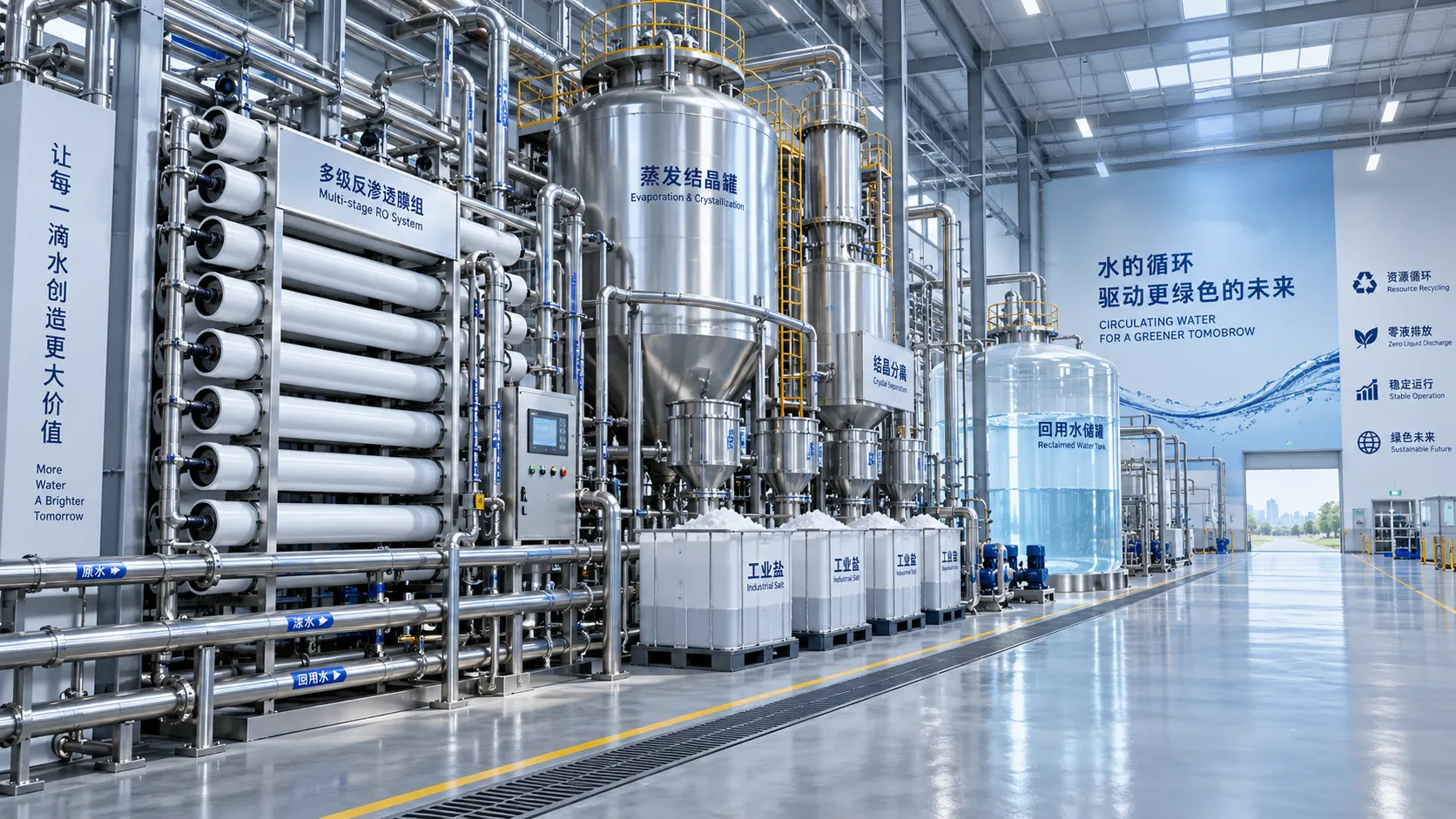
When does high recovery ZLD equipment justify its higher capital cost?
High recovery ZLD equipment can justify higher capital cost when water scarcity, discharge risks, brine disposal, and downtime threaten operations. Explore the decision factors.
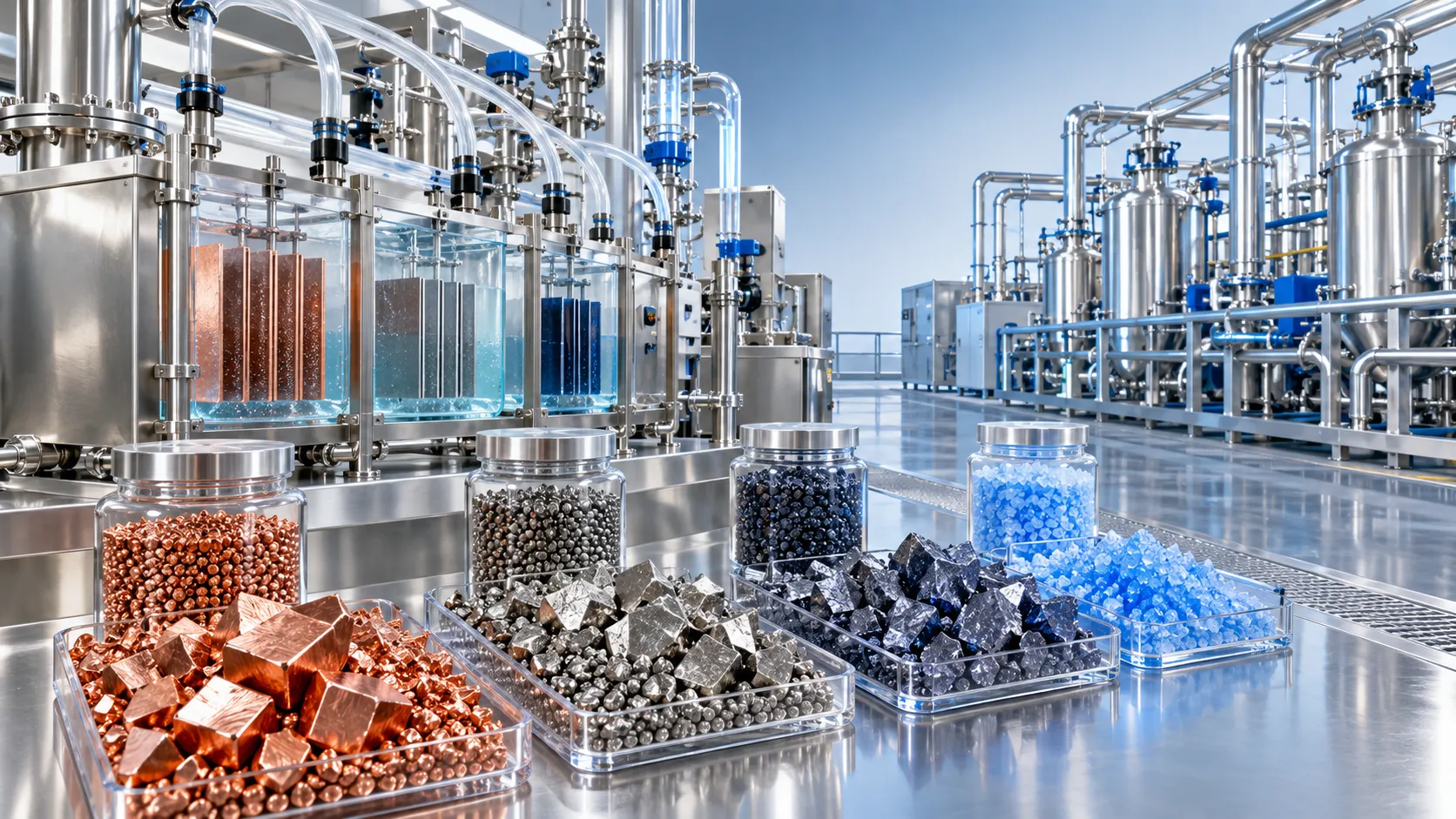
How high purity heavy metal recovery affects recovered metal value
High purity heavy metal recovery boosts recovered metal value by improving payability, reducing penalties, and unlocking stronger buyer opportunities. Explore smarter netback strategies.
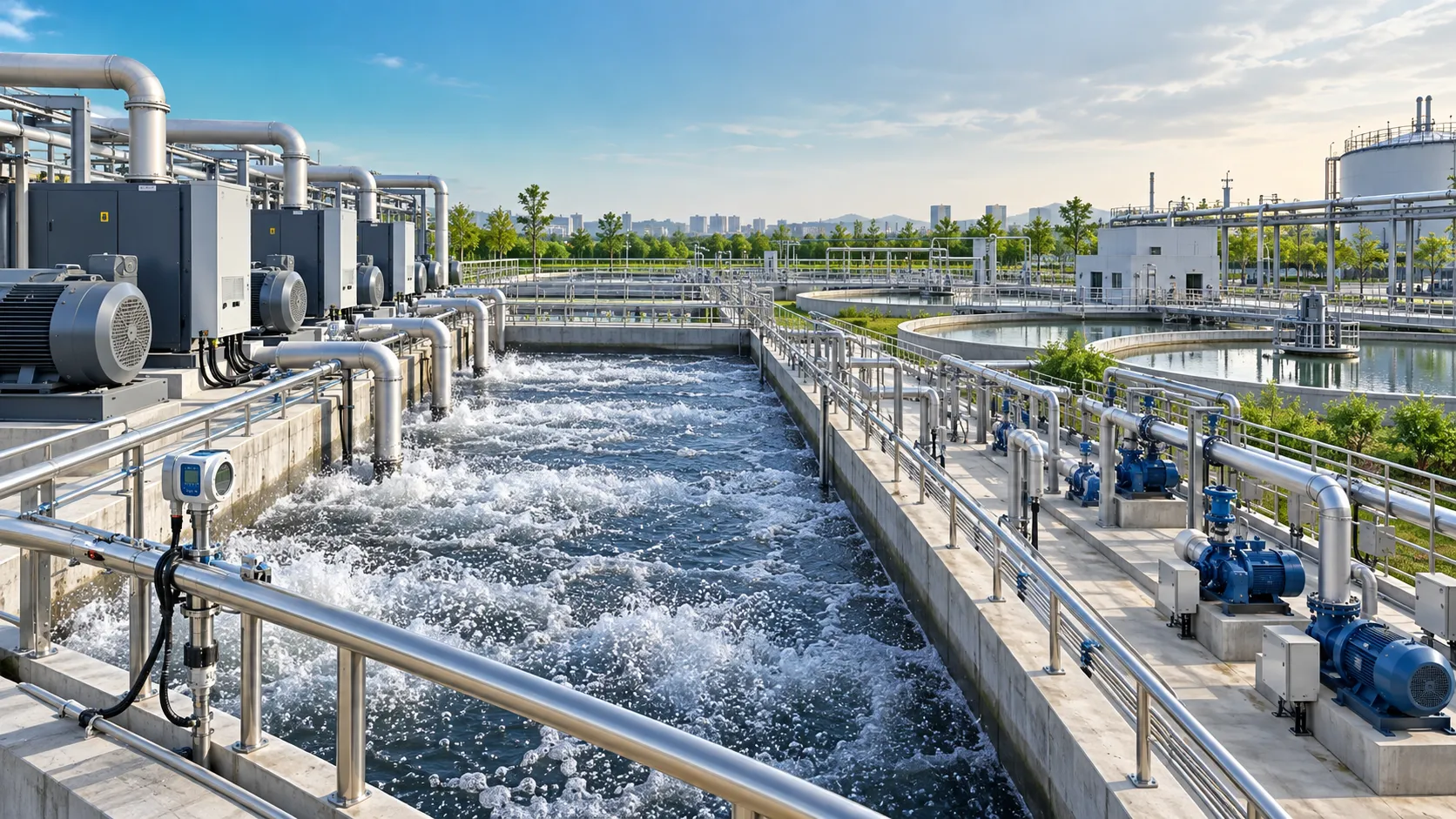
When does environmental equipment intelligence reduce wastewater plant energy use?
Environmental equipment intelligence for wastewater plants cuts energy use through smarter aeration, pumping, and data-driven controls—without compromising compliance. Discover when it delivers measurable savings.
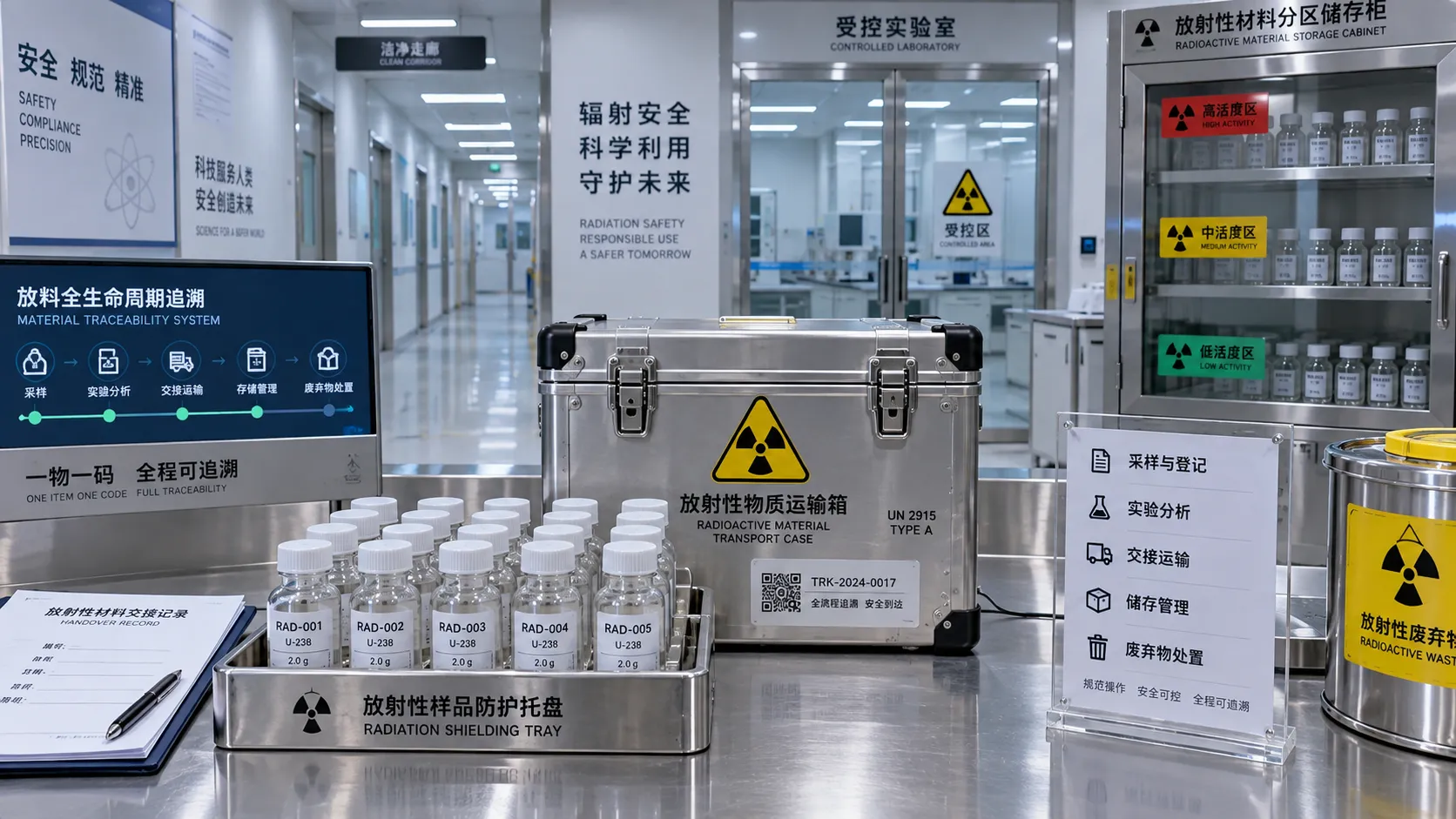
Choosing a Radioisotope Management System for Multi-Site Research Facilities
Radioisotope management system guide for multi-site research facilities: compare traceability, chain of custody, waste controls, roles, and integrations.
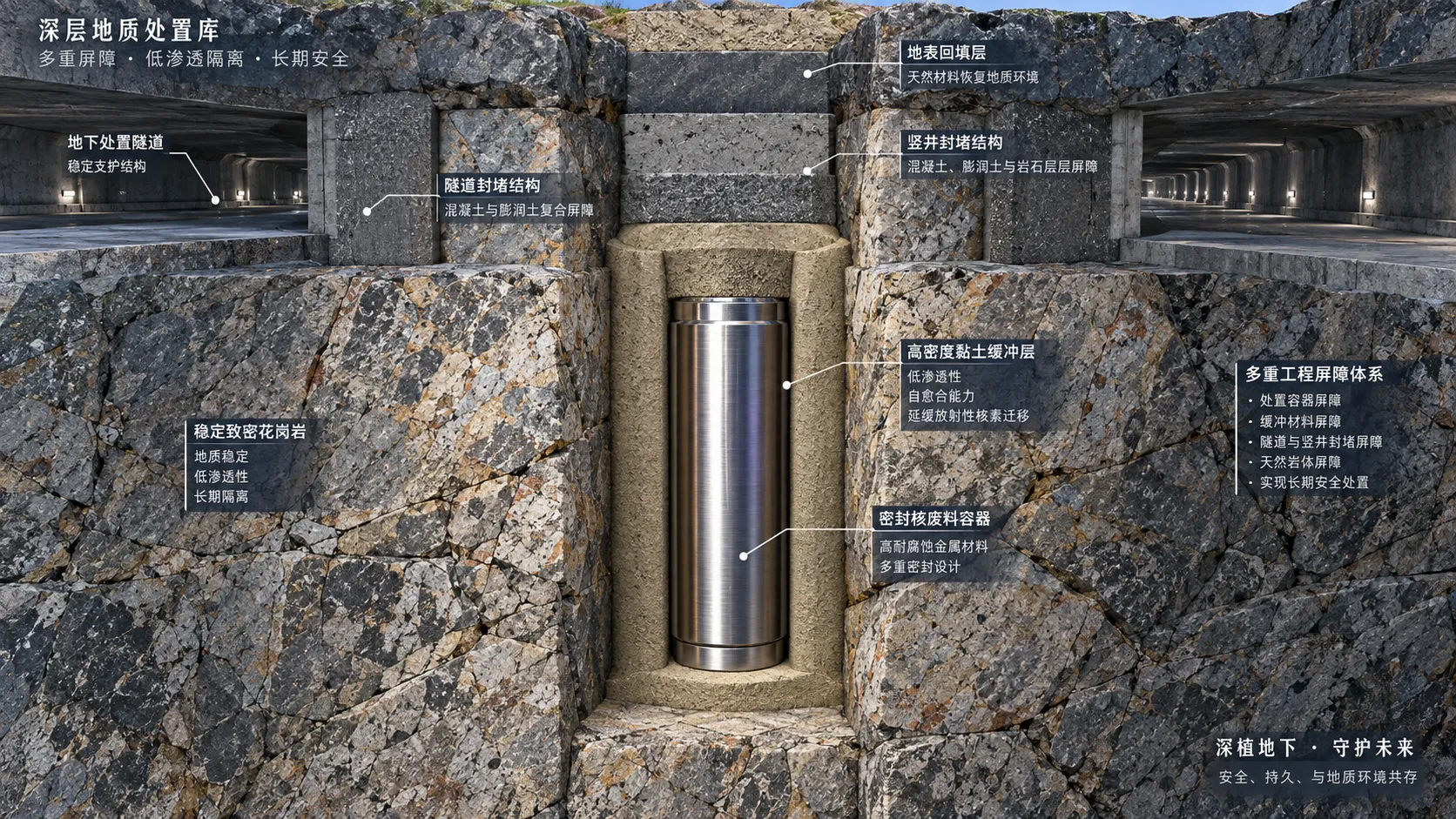
Applying C. McCombie’s Disposal Principles to Long-Lived Radioactive Waste
Explore principles and standards for the disposal of long-lived radioactive wastes C. McCombie, covering geological isolation, engineered barriers, safety cases, and intergenerational protection.
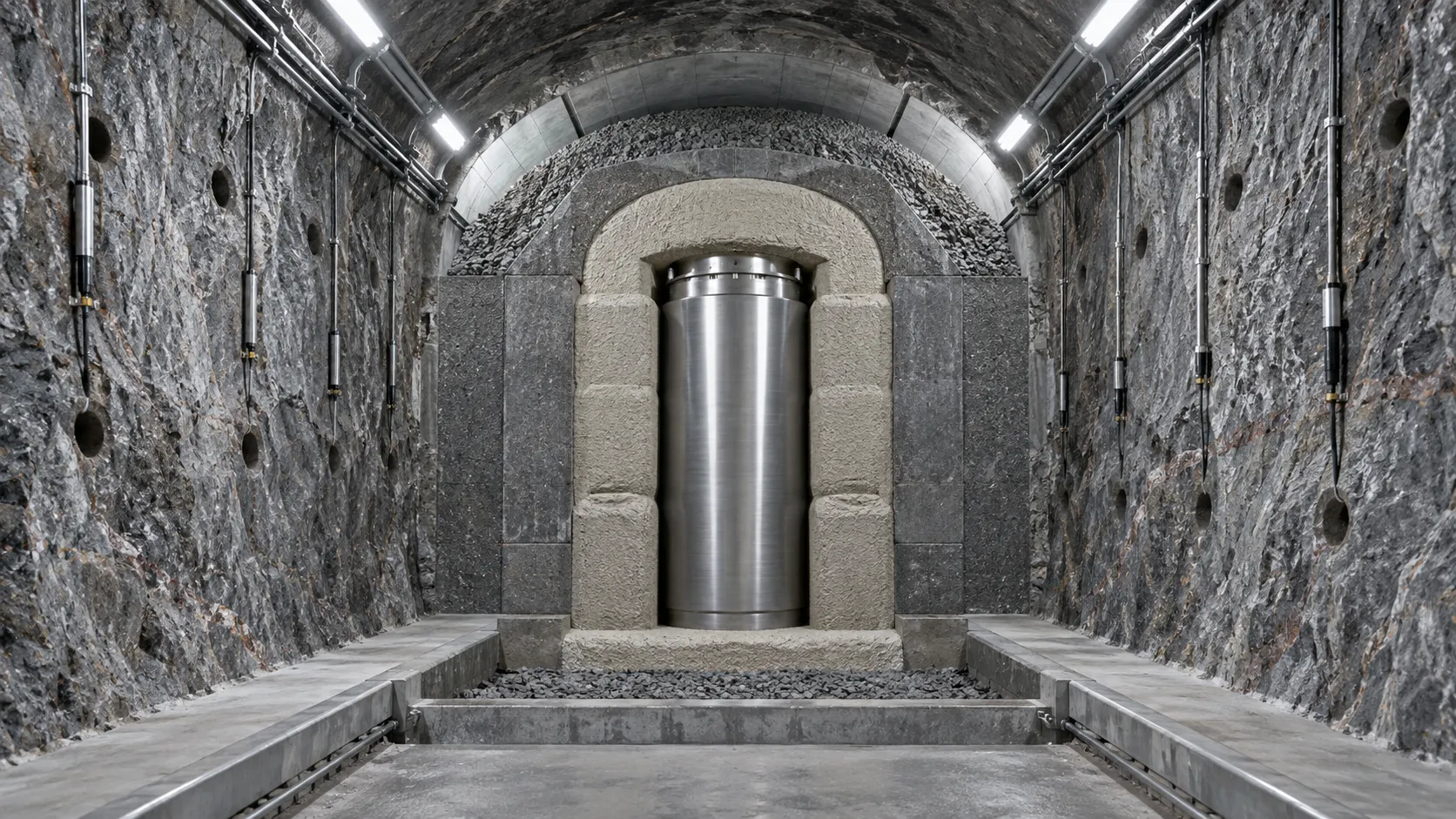
What Evidence Supports the Long-Term Safety Case for Geological Disposal?
Long-term safety of geological disposal: explore the evidence behind multi-barrier systems, site science, uncertainty testing, and auditable safety cases.
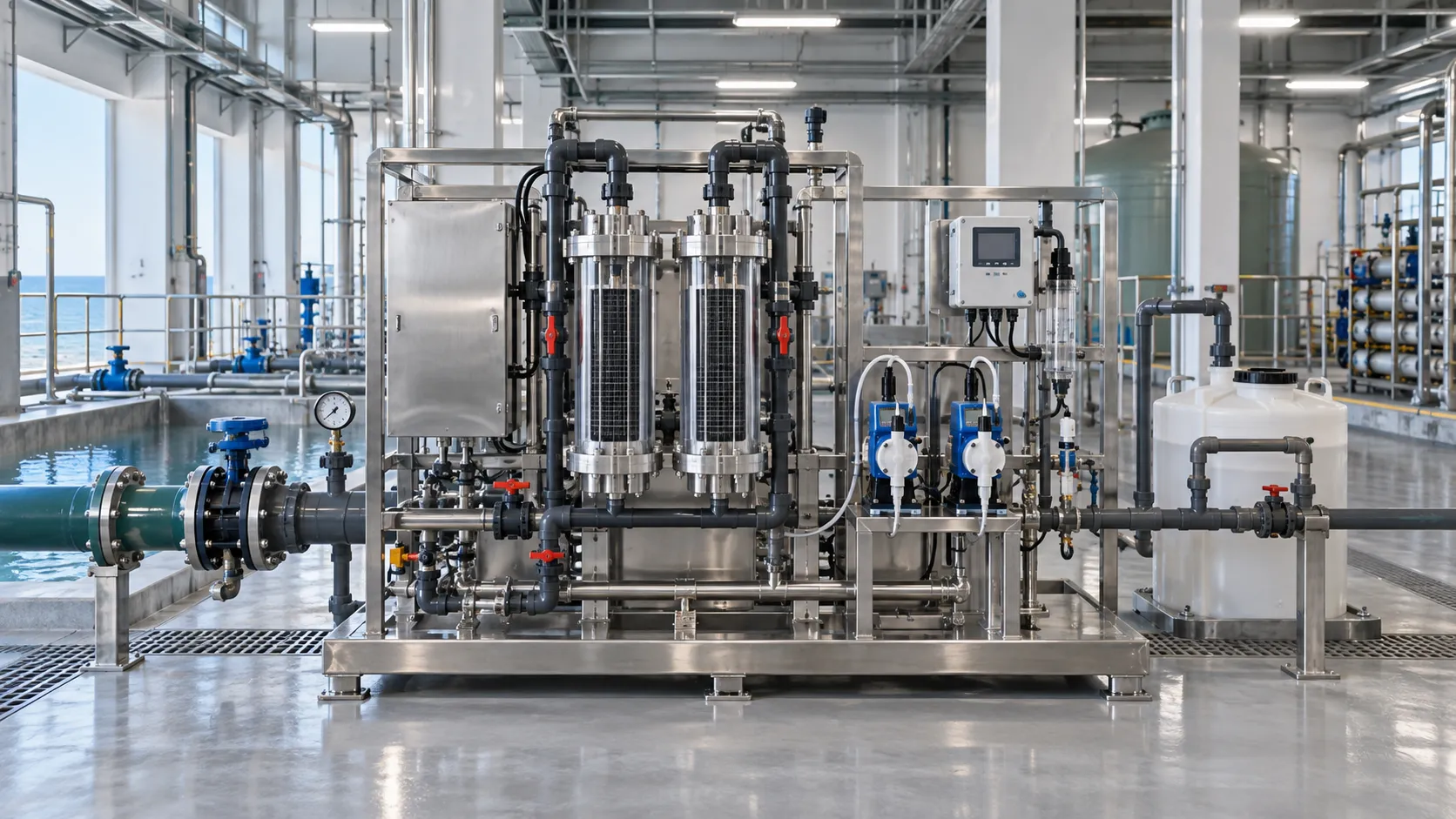
What Do Seawater Disinfection Systems Cost Over Their Full Operating Life?
What are the costs associated with seawater disinfection systems? Explore lifecycle expenses for equipment, energy, chemicals, maintenance, compliance, and risk.
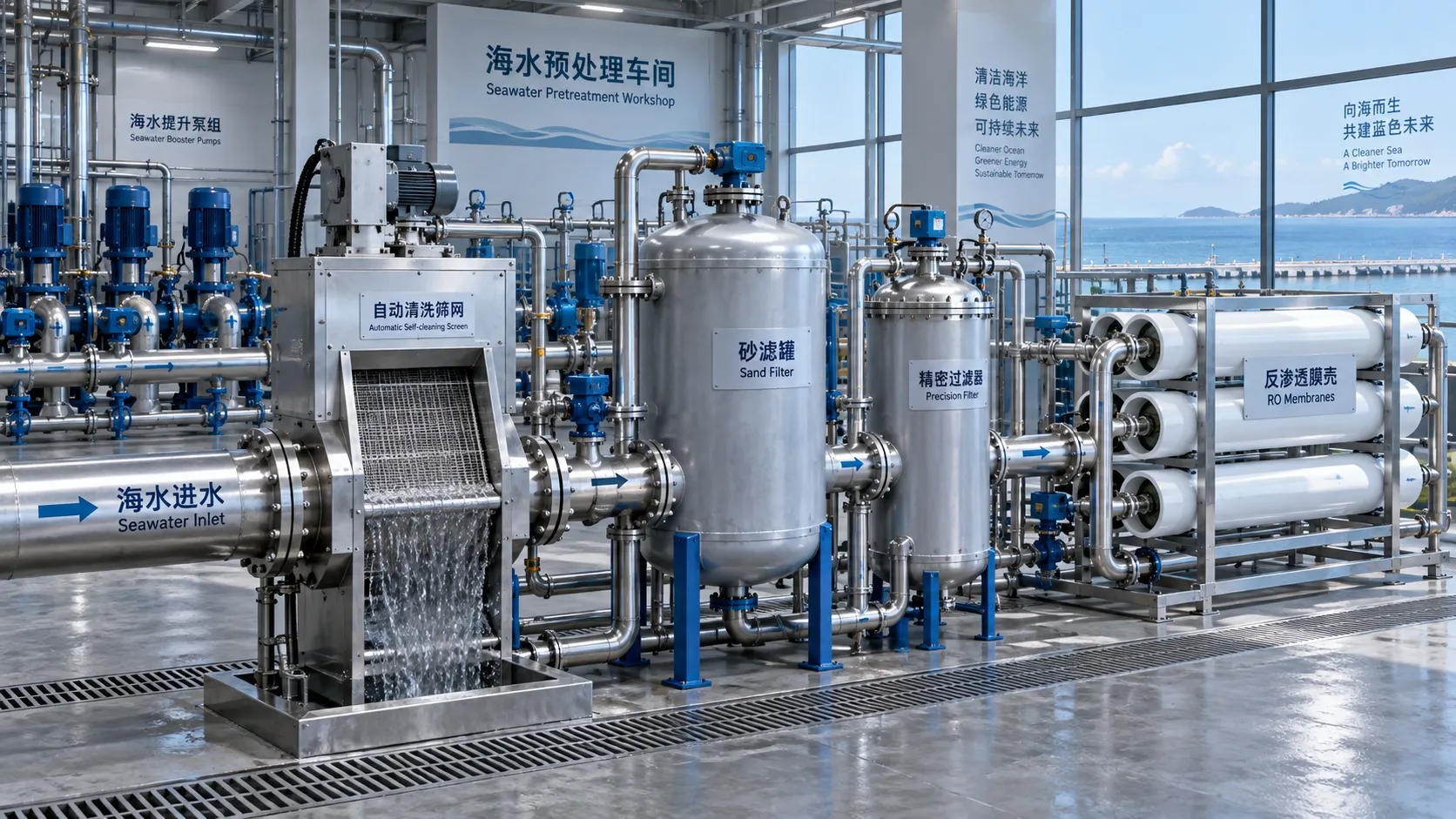
How to Improve Industrial Seawater Quality Before Cooling or Membrane Treatment
How can I improve the quality of seawater used for industrial processes? Explore proven pretreatment strategies for cooling systems and RO membranes.
Desalination Plant Maintenance Priorities That Prevent Unplanned Downtime
Desalination plant maintenance priorities that reduce unplanned downtime: protect pretreatment, RO membranes, pumps, chemical dosing, and critical controls.