
Industry News
Curation by industry experts
Hot Articles
Popular Tags
Nuclear Waste Safety for Decommissioning: Key Compliance Risks
Nuclear Waste Safety for Decommissioning: Why small gaps become major liabilities
Decommissioning is no longer a distant phase of the nuclear lifecycle. It is an active global workload, shaped by tighter rules, older assets, and rising public scrutiny.
That is why nuclear waste safety for decommissioning now sits at the center of compliance planning, not at the edge of project closeout.
In practice, the biggest failures rarely start with dramatic events. They begin with poor segregation, incomplete records, weak packaging control, or unclear release criteria.
Those issues then spread across storage, transport, contractor management, and regulatory reporting.
Within the wider ecological engineering market, ESD tracks this problem as part of a larger compliance chain.
The same discipline used in high-end water treatment, flue gas systems, and resource recovery also applies here: control the process, verify the data, and protect the boundary conditions.
The real question is not whether a site has procedures. It is whether those procedures hold up under regulatory review and field pressure.
What does nuclear waste safety for decommissioning actually cover?
Many teams treat the phrase too narrowly. They think only about waste drums, shielded containers, or final disposal routes.
A stronger view is broader. Nuclear waste safety for decommissioning covers the full chain from identification to release, transfer, storage, and traceable documentation.
That includes radiological characterization, contamination mapping, packaging selection, interim storage controls, worker exposure, and shipment readiness.
It also includes non-radiological hazards. Mixed waste, chemical residues, asbestos, lead, and reactive compounds often complicate compliance more than expected.
In decommissioning, waste streams are rarely uniform. Concrete, piping, resins, filters, sludges, and metallic scrap may each require different classification logic.
This is where projects lose control. A site may have solid radiological procedures, but weak integration between dismantling, laboratory testing, logistics, and records.
A useful rule is simple: if a material cannot be clearly identified, measured, packaged, routed, and defended in writing, it is not yet under control.
Where do compliance risks usually appear first?
The first warning signs usually show up before transport or disposal. They appear during characterization, segregation, and internal handover.
Several recurring risk points deserve early attention:
- Misclassification of waste due to limited sampling, outdated source terms, or poor survey coverage.
- Incompatible packaging for dose rate, moisture, corrosion potential, or gas generation behavior.
- Cross-contamination caused by weak segregation between clean, suspect, and confirmed radioactive materials.
- Incomplete chain-of-custody records during movement between work zones, storage pads, and treatment vendors.
- Temporary storage conditions that do not match permit limits, fire separation rules, or inspection frequency requirements.
- Release decisions based on inconsistent clearance criteria or unverified survey methods.
More often than not, these are system failures rather than isolated operator errors.
ESD often frames such failures through an intelligence lens: the process is only as reliable as the link between technical parameters and compliance strategy.
For nuclear waste safety for decommissioning, that means field data must match storage design, shipment limits, and regulatory language from the start.
A quick risk judgment table
The table below helps translate common site questions into practical compliance checks.
How should characterization and packaging decisions be judged?
This is where technical rigor matters most. Nuclear waste safety for decommissioning depends on whether the waste form is understood well enough to support every later decision.
Characterization should answer more than dose rate. It should explain radionuclide content, physical form, surface contamination, chemical interactions, and expected change over time.
For example, wet resins and sludges can behave very differently from activated metals or demolition rubble. Treating them with one packaging logic is a recurring mistake.
A practical review usually asks four things.
- Is the data representative of the whole batch, not only easy-to-sample material?
- Does the package design control radiation, leakage, pressure, and degradation over the expected storage period?
- Have transport limits and disposal acceptance criteria been checked before packaging begins?
- Is there a clear response path for out-of-specification packages?
In actual projects, packaging often gets rushed to maintain dismantling schedules. That saves time briefly, then creates rework, repackaging, and approval delays later.
A better approach is to align lab methods, waste acceptance criteria, and container engineering before field generation peaks.
Why do storage, transport, and paperwork create so many surprises?
Because these stages expose every weak assumption made earlier.
Interim storage is not just a waiting area. It is a regulated condition with limits on access, inspection, shielding, spacing, environmental monitoring, and container integrity.
Sites sometimes underestimate how long waste will remain there. A package designed for short staging can become a long-term compliance burden.
Transport adds another filter. Labeling, dose rate verification, route approvals, emergency arrangements, and shipper records all need consistency.
Then comes the paperwork problem. The physical package may be acceptable, but a missing survey sheet, wrong isotope code, or unsigned transfer record can stop movement.
That is why nuclear waste safety for decommissioning is also a documentation discipline.
ESD’s broader strategic view is useful here. In environmental infrastructure, operational reliability and compliance intelligence must move together. Nuclear projects are simply less forgiving when they do not.
What often gets missed during implementation?
- Temporary storage permits are reviewed once, then not rechecked against changing inventory.
- Contractors use different naming conventions for the same waste stream.
- Survey instruments are calibrated, but field use methods are not standardized.
- Shipment documents are prepared too late to catch data conflicts early.
Which mistakes most often undermine audits and regulator confidence?
Regulators usually look beyond the headline controls. They test whether the management system can prove consistency.
Three weaknesses appear repeatedly in nuclear waste safety for decommissioning reviews.
The first is fragmented ownership. Engineering, radiation protection, waste operations, and contractors each hold part of the truth, but nobody owns the whole compliance chain.
The second is overreliance on historical assumptions. Old contamination maps, legacy records, or inherited source terms may no longer match dismantling reality.
The third is weak evidence discipline. Teams may know the right answer operationally, yet fail to demonstrate it with complete, dated, reviewable records.
A convincing audit trail usually shows:
- Approved characterization methodology linked to each waste stream.
- Packaging decisions tied to measured conditions and acceptance criteria.
- Storage inspections recorded at the required frequency.
- Clear escalation rules for nonconformance, repackaging, or reclassification.
- Traceable evidence that release, shipment, or disposal decisions were independently checked.
When those links are visible, audits tend to focus on improvement. When they are missing, the conversation shifts to enforcement risk.
What is the smartest next step before risk turns into rework?
Start with a gap review built around actual waste movement, not only written procedures.
Map one representative waste stream from generation to final destination. Then test every control point against evidence, timing, and accountability.
That exercise usually reveals where nuclear waste safety for decommissioning is solid and where it is only assumed.
It also helps separate technical risk from administrative delay. Both matter, but they require different fixes.
A practical action list can be short:
- Revalidate high-volume and high-uncertainty waste streams.
- Compare package design assumptions with real storage duration.
- Check whether transport paperwork can be completed from existing data alone.
- Review clearance and release surveys for consistency and independence.
- Align contractor records with the site’s master waste inventory.
Decommissioning schedules will keep tightening. So will environmental scrutiny.
The projects that perform best are usually the ones that treat compliance as an engineered system, supported by current intelligence, measurable controls, and disciplined records.
That is the real foundation of nuclear waste safety for decommissioning, and it is where stronger decisions usually begin.
Recommended News

When does high recovery ZLD equipment justify its higher capital cost?
High recovery ZLD equipment can justify higher capital cost when water scarcity, discharge risks, brine disposal, and downtime threaten operations. Explore the decision factors.

How high purity heavy metal recovery affects recovered metal value
High purity heavy metal recovery boosts recovered metal value by improving payability, reducing penalties, and unlocking stronger buyer opportunities. Explore smarter netback strategies.

When does environmental equipment intelligence reduce wastewater plant energy use?
Environmental equipment intelligence for wastewater plants cuts energy use through smarter aeration, pumping, and data-driven controls—without compromising compliance. Discover when it delivers measurable savings.
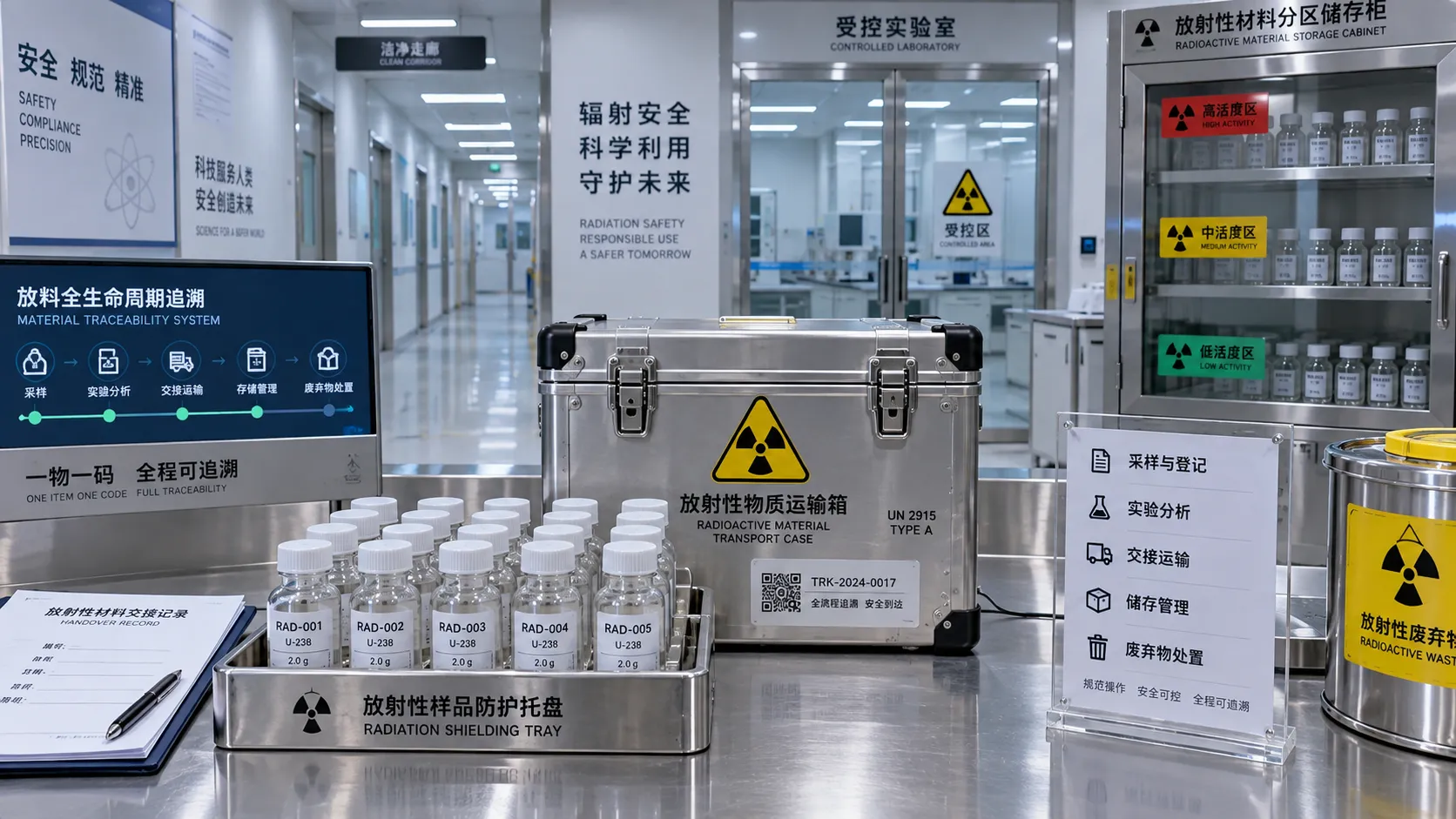
Choosing a Radioisotope Management System for Multi-Site Research Facilities
Radioisotope management system guide for multi-site research facilities: compare traceability, chain of custody, waste controls, roles, and integrations.
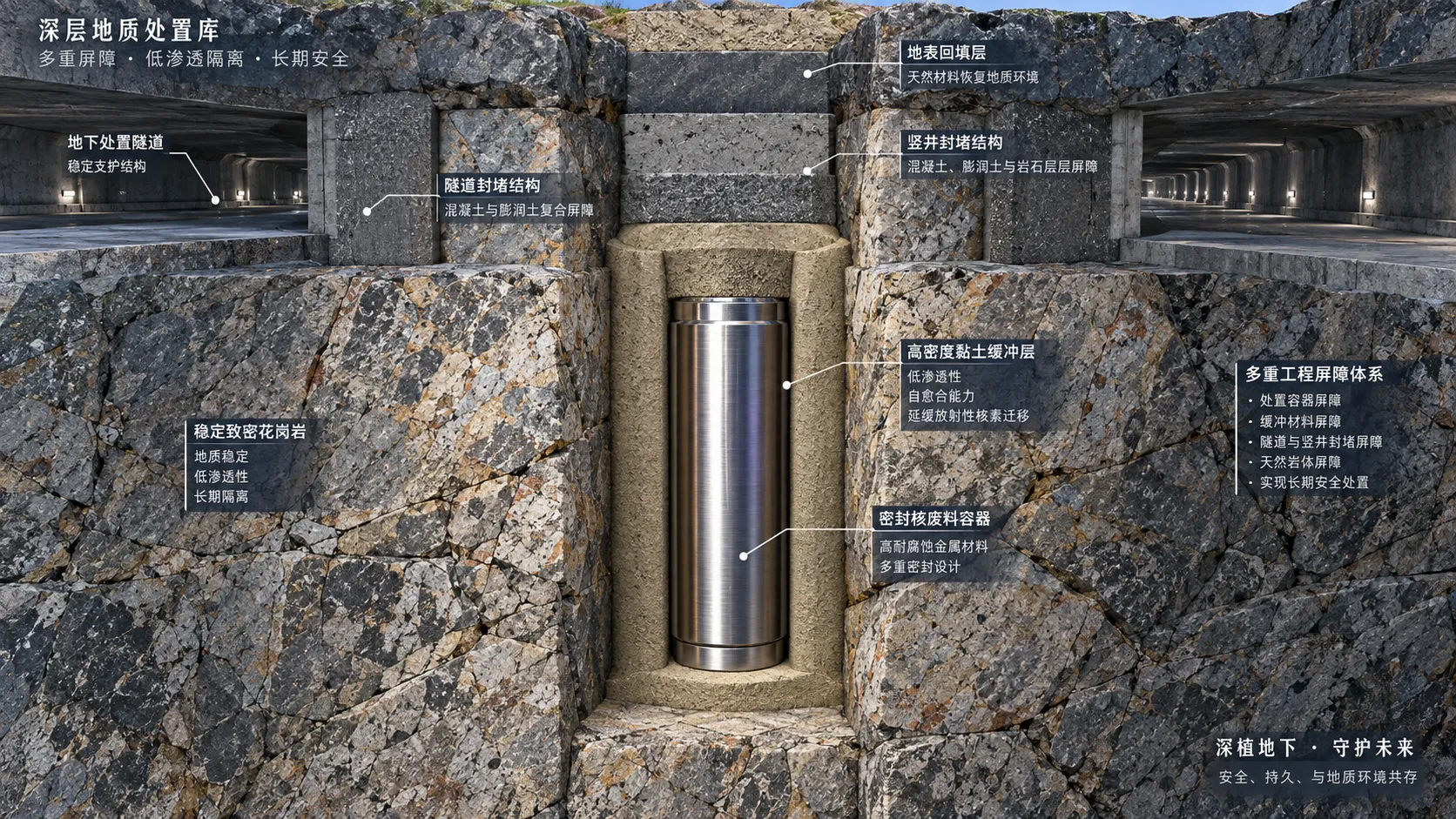
Applying C. McCombie’s Disposal Principles to Long-Lived Radioactive Waste
Explore principles and standards for the disposal of long-lived radioactive wastes C. McCombie, covering geological isolation, engineered barriers, safety cases, and intergenerational protection.
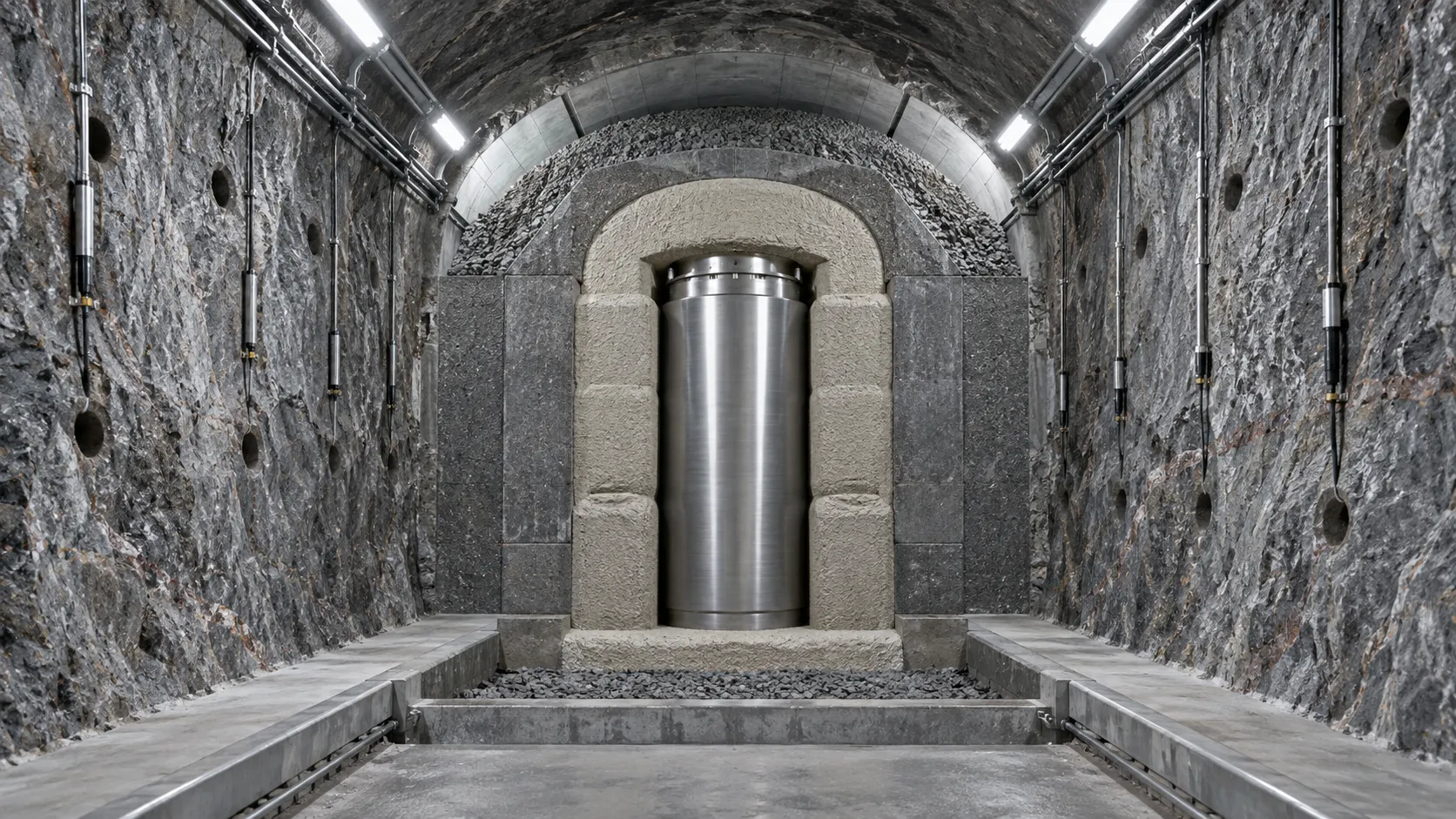
What Evidence Supports the Long-Term Safety Case for Geological Disposal?
Long-term safety of geological disposal: explore the evidence behind multi-barrier systems, site science, uncertainty testing, and auditable safety cases.

What Do Seawater Disinfection Systems Cost Over Their Full Operating Life?
What are the costs associated with seawater disinfection systems? Explore lifecycle expenses for equipment, energy, chemicals, maintenance, compliance, and risk.

How to Improve Industrial Seawater Quality Before Cooling or Membrane Treatment
How can I improve the quality of seawater used for industrial processes? Explore proven pretreatment strategies for cooling systems and RO membranes.

Desalination Plant Maintenance Priorities That Prevent Unplanned Downtime
Desalination plant maintenance priorities that reduce unplanned downtime: protect pretreatment, RO membranes, pumps, chemical dosing, and critical controls.