
Industry News
Curation by industry experts
Hot Articles
Popular Tags
Municipal Wastewater Solutions Standards: Key Compliance Checks
Municipal Wastewater Solutions Standards: What Technical Review Really Looks For
The phrase municipal wastewater solutions standards is often treated as if it refers to one unified rulebook. It does not. In practice, it describes a layered compliance framework that sits across effluent quality, process design, equipment integrity, electrical safety, automation, sludge handling, odor control, and operating resilience. For a technical evaluator, the difficult part is rarely identifying whether a plant has a biological reactor, tertiary filtration, or disinfection step. The real question is whether the full treatment train can continue meeting permit conditions under variable influent, seasonal temperature shifts, maintenance downtime, and tightening discharge limits.
That is why design submittals that look complete on paper can still fail serious review. Compliance is not a document exercise. It is a proof exercise. The proof has to connect local discharge rules, adopted engineering codes, equipment certification, and process guarantees into one coherent system. When those layers are disconnected, the project usually carries hidden risk even if every individual datasheet appears acceptable.
The first check is not the equipment. It is the regulatory boundary.
A municipal wastewater project should be reviewed from the receiving environment backward. Is the discharge going to a river, a coastal outfall, a reuse network, or a further polishing stage? The answer changes everything. Nutrient removal expectations, disinfection targets, solids polishing, and trace contaminant attention are shaped by where the water goes next. In many jurisdictions, the applicable requirements may combine national wastewater discharge rules with regional water authority permits and site-specific environmental approvals. A proposal that cites only broad national standards but ignores local permit conditions is incomplete from the outset.
This matters especially in projects marketed as “future-ready.” That claim is meaningless unless the design basis states which parameters are being buffered for future compliance: BOD, COD, TSS, TN, TP, ammonia, pathogen indicators, salinity, or emerging contaminants where local reuse rules require additional barriers. Technical evaluators should insist on seeing the exact influent assumptions, peak factors, and target effluent values used to size the process. Without that chain, there is no way to judge whether compliance margins are real or simply optimistic.
Process compliance is about load handling, not just nominal treatment flow
One of the most common misunderstandings in municipal wastewater standards review is the belief that meeting average daily flow is enough. It is not. Municipal systems live under hydraulic peaks, infiltration and inflow, storm-driven dilution, industrial contribution swings, and occasional toxicity shocks. Standards-based evaluation therefore has to ask whether the selected process can maintain control during those conditions.
For conventional activated sludge, the review should go beyond reactor volume and look at sludge age control, oxygen transfer under worst-case loading, return sludge strategy, and clarifier surface overflow rates. For membrane bioreactors, the membrane specification alone is not the deciding factor; air scour strategy, fouling recovery protocol, flux assumptions, and redundancy during cleaning cycles matter just as much. For nutrient removal systems, carbon availability, internal recirculation logic, and low-temperature nitrification performance deserve scrutiny because many underperforming plants look adequate until winter operation exposes the design margin.
A strong compliance package therefore shows more than a process flow diagram. It shows the operating envelope. If that envelope is missing, the reviewer is left with a technology label rather than a reliable treatment solution.
The standards landscape is fragmented, and that is normal
There is no single global certification that proves a municipal wastewater solution is compliant everywhere. What exists instead is a stack of standards and code references drawn from several domains. Depending on geography and project structure, technical review may touch environmental discharge regulations, civil and structural codes, pressure equipment rules, electrical standards, hazardous area requirements where biogas is present, drinking water or water reuse standards for reclaimed water applications, and quality management expectations in procurement.
That is why competent vendors and EPC teams do not present “certified compliance” as a blanket statement. They map each major subsystem to the relevant standard family. A blower package may need different evidence than a UV disinfection unit. A sludge dewatering skid may be mechanically sound and still fall short on odor containment or polymer dosing control. In cross-border procurement, the gap often appears when equipment built to one regional norm is introduced into a municipality governed by another approval pathway. The equipment may still be usable, but equivalency has to be demonstrated rather than assumed.
Instrumentation and proof of compliance are often underweighted
A municipal wastewater facility is judged not only by what it treats, but by what it can prove. This is where many otherwise credible solutions weaken. Online analyzers, flow metering, turbidity monitoring, dissolved oxygen control, ammonia or nitrate feedback loops, UV intensity monitoring, sludge blanket measurement, and event logging are not decorative add-ons. They are part of the compliance architecture.
If a proposal promises nutrient removal or reuse-quality effluent but does not explain how operators will monitor critical control points, the standard of review should become more skeptical. Manual sampling alone may satisfy some reporting routines, but it does not provide the response speed needed for process correction. In practical terms, a plant without robust instrumentation may still be built, but it is harder to operate conservatively, harder to troubleshoot, and harder to defend during regulatory review after an excursion.
Sludge, odor, and sidestreams belong inside the standards conversation
Another recurring mistake is to evaluate compliance only on the liquid line. Municipal wastewater standards should be read as whole-facility obligations. Sludge thickening, digestion, dewatering, centrate or filtrate return, grit handling, screenings management, and odor control all affect whether the facility is genuinely compliant in operation.
For example, a dewatering system that produces acceptable cake solids but sends a poorly managed sidestream back to the headworks can destabilize nutrient removal. An anaerobic digestion package may improve solids reduction, yet it also introduces gas safety, corrosion, and flare or energy recovery compliance requirements. Odor systems are similar: they are sometimes treated as a community-relations issue, but in dense urban settings they can become a permitting issue with direct consequences for operation.
A technical evaluator should therefore ask a basic but revealing question: where do the residuals go, and under what constraints? If that answer is vague, the solution is not fully developed.
What experienced reviewers flag early
Certain weaknesses appear repeatedly in standards review, regardless of treatment technology:
- Effluent guarantees written without clear influent characterization or peak-load assumptions.
- Claims of code compliance that are not tied to named standards, editions, or approval jurisdiction.
- Redundancy stated in general terms, while critical units still create single points of failure during maintenance.
- Reuse-oriented language applied to systems designed only for conventional discharge polishing.
- Control systems sized for monitoring, but not for active process optimization or alarm-driven intervention.
- Sludge and sidestream handling deferred to a later phase, even though they materially affect compliance.
These are not minor editorial problems. They usually indicate that the treatment concept, procurement package, and operational obligations have not yet been fully aligned.
How to read “compliant” claims with more precision
When suppliers or integrators say a municipal wastewater solution is compliant, the statement should be unpacked into at least three separate questions. Compliant with what discharge requirement? Compliant under which operating conditions? Compliant by design, by certification, or by demonstrated performance? Those are different kinds of evidence.
In high-value municipal projects, especially where public tenders are strict, the strongest submissions connect all three. They show the applicable regulatory targets, identify the standard or code framework used for equipment and installation, and explain how operation will be verified over time through monitoring and acceptance testing. That is the level at which municipal wastewater solutions standards stop being a vague procurement phrase and become a practical risk filter.
For technical evaluators, the useful habit is simple: do not review the plant as a collection of machines. Review it as a compliance system with biological, mechanical, electrical, and operational dependencies. Once that lens is applied, weak claims become easier to spot, and robust solutions tend to distinguish themselves without much marketing language at all.
Recommended News
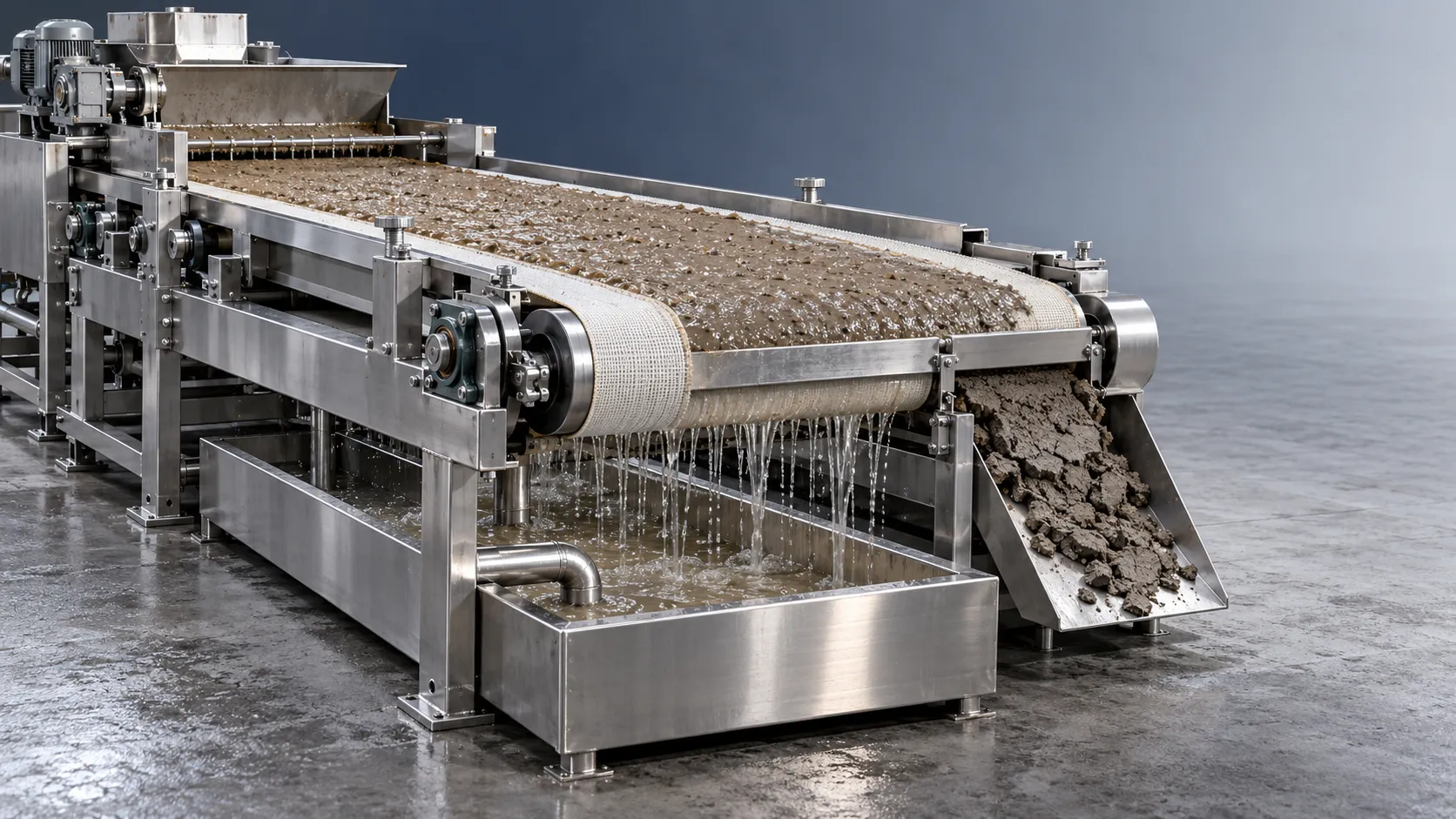
How solids concentration affects dewatering in waste recovery systems
Optimize waste recovery systems dewatering with insights on solids concentration. Learn to balance throughput, cake dryness, and solids capture while avoiding costly equipment overloads.
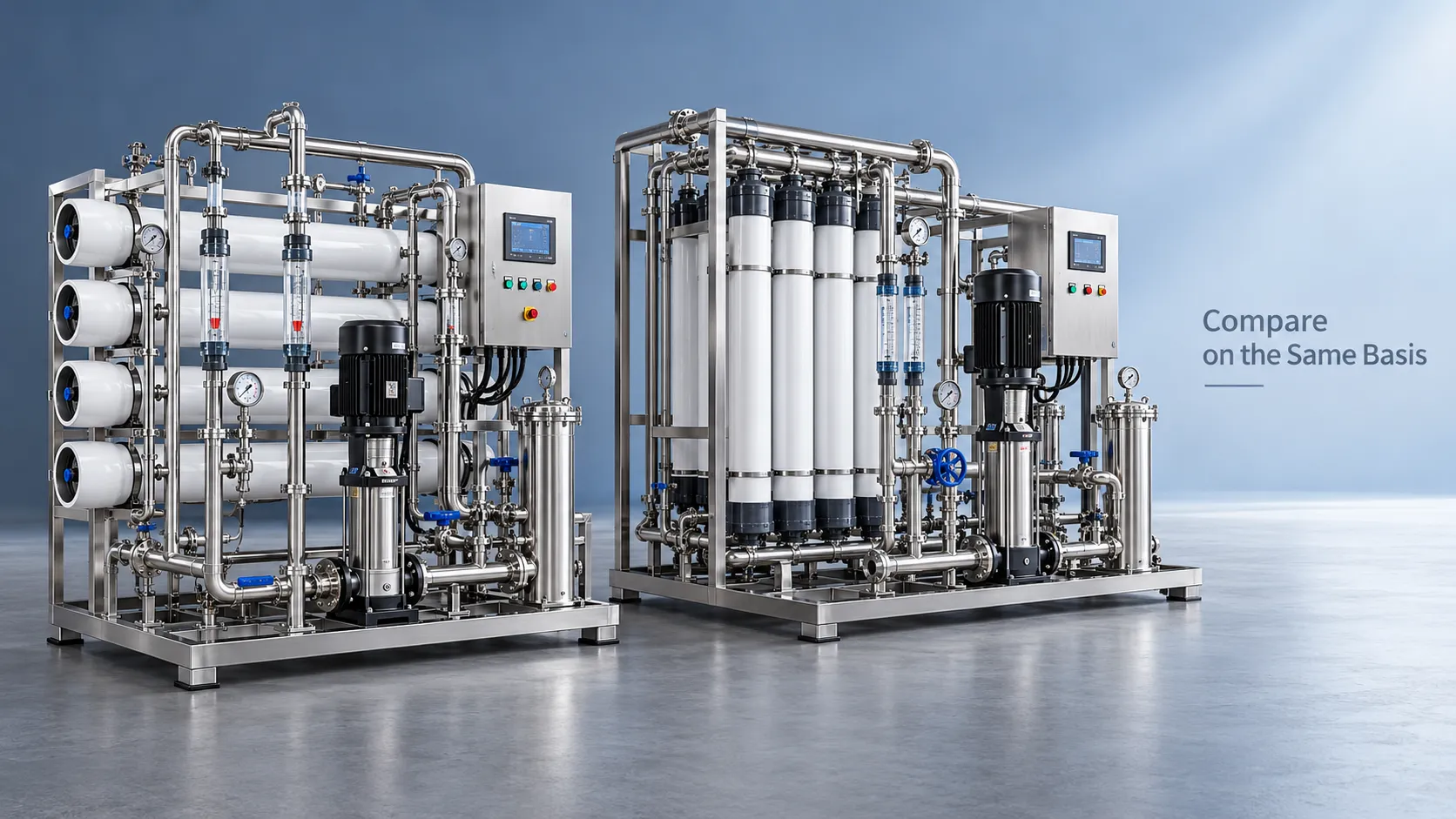
How to compare technical specs in an environmental equipment directory
Use this environmental equipment directory technical guide to compare capacity, energy use, compliance, and supplier evidence. Build a defensible shortlist and choose with confidence.
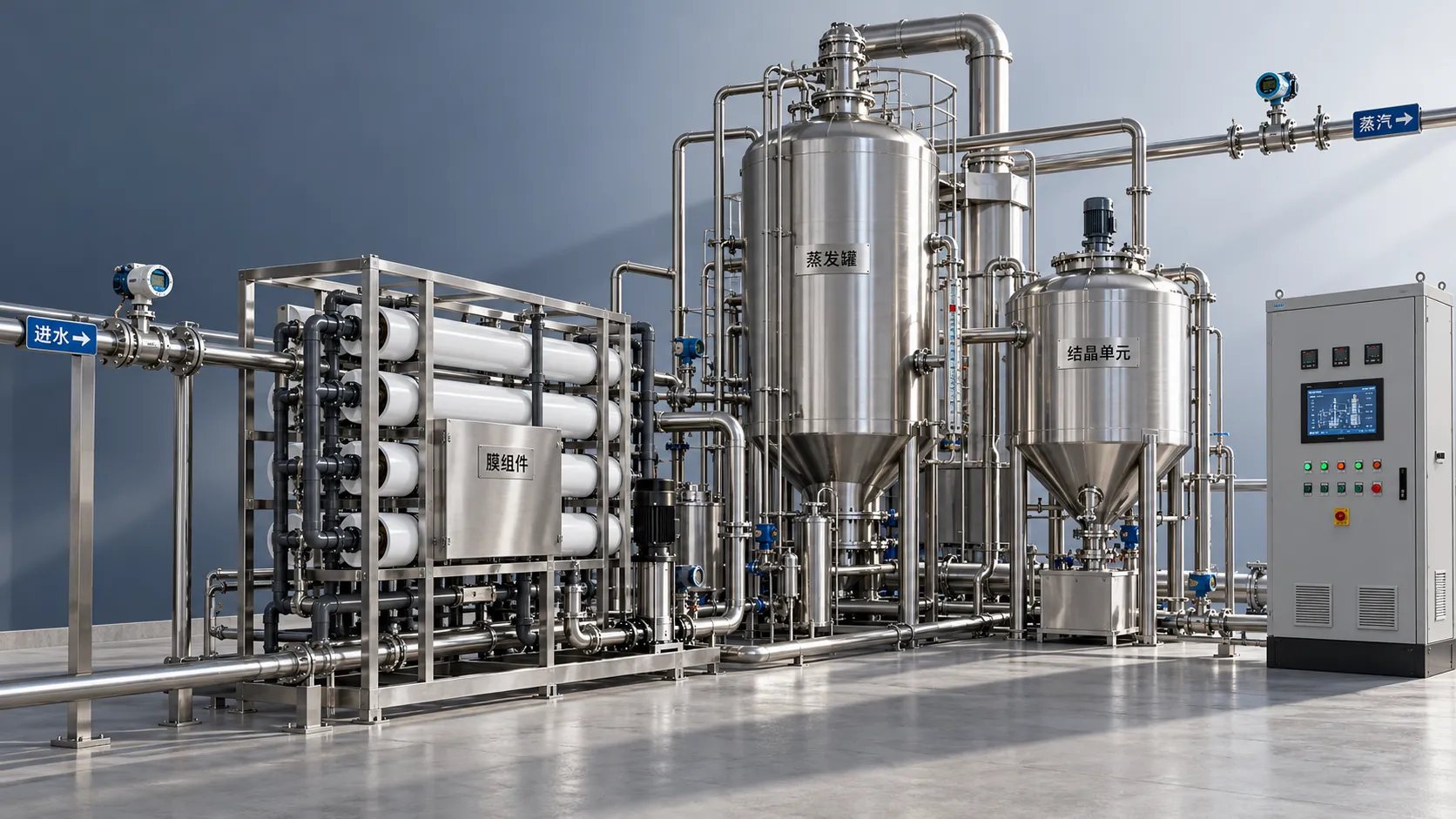
How to assess a zero liquid discharge equipment supplier’s energy claims
Assess a zero liquid discharge equipment supplier’s energy claims. Learn how to verify system boundaries, compare real costs, and demand testable guarantees before you buy.
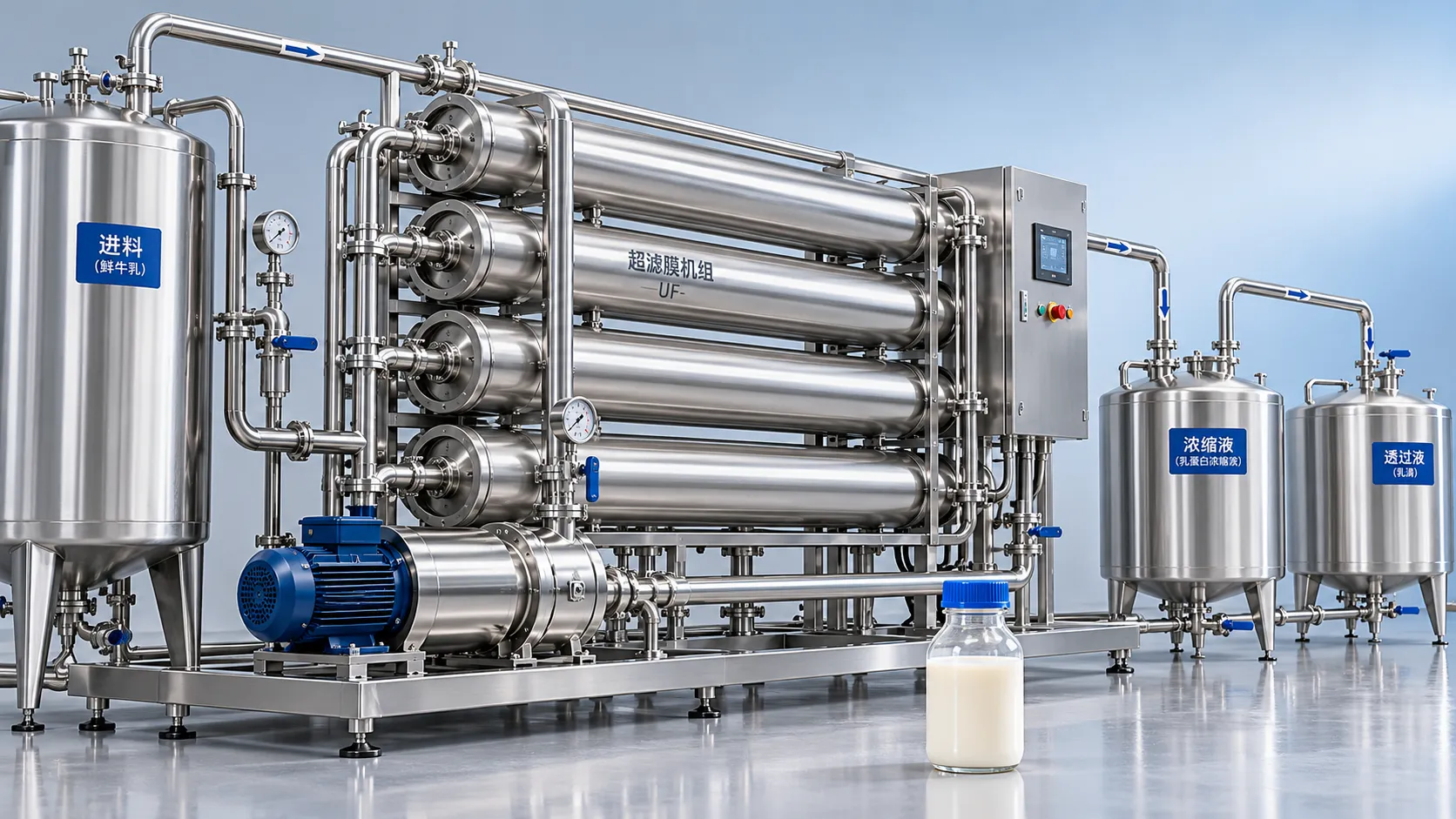
Which membrane filtration process suits dairy protein concentration?
Explore membrane filtration for dairy: compare UF, MF, and RO to select the right process for protein concentration, lactose reduction, and better recovery. Find your best fit.
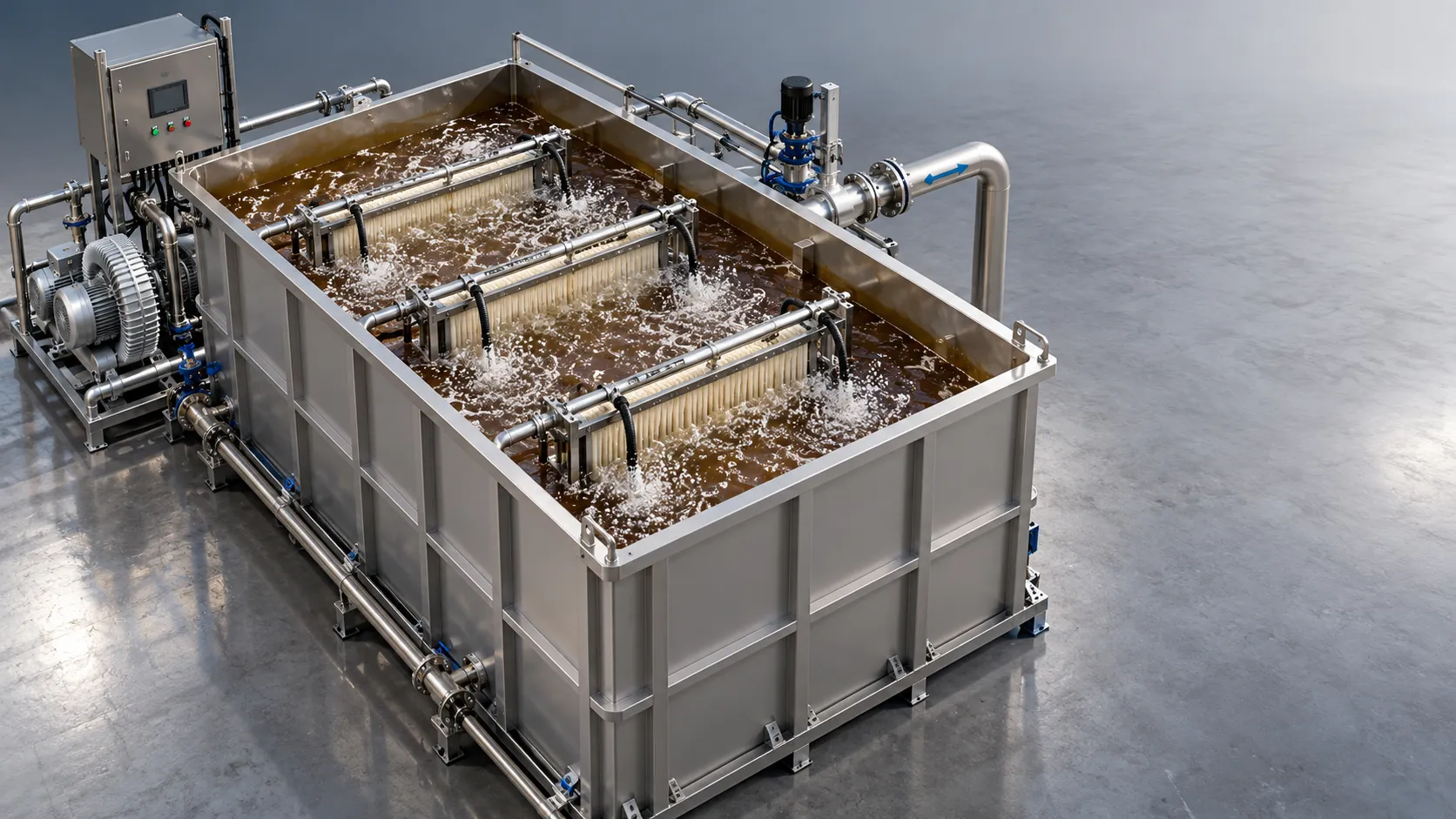
When is an MBR suitable for wastewater purification for bioprocessing?
For wastewater purification for bioprocessing, discover when an MBR fits your needs. Compare water quality, fouling risks, and lifecycle costs before investing.
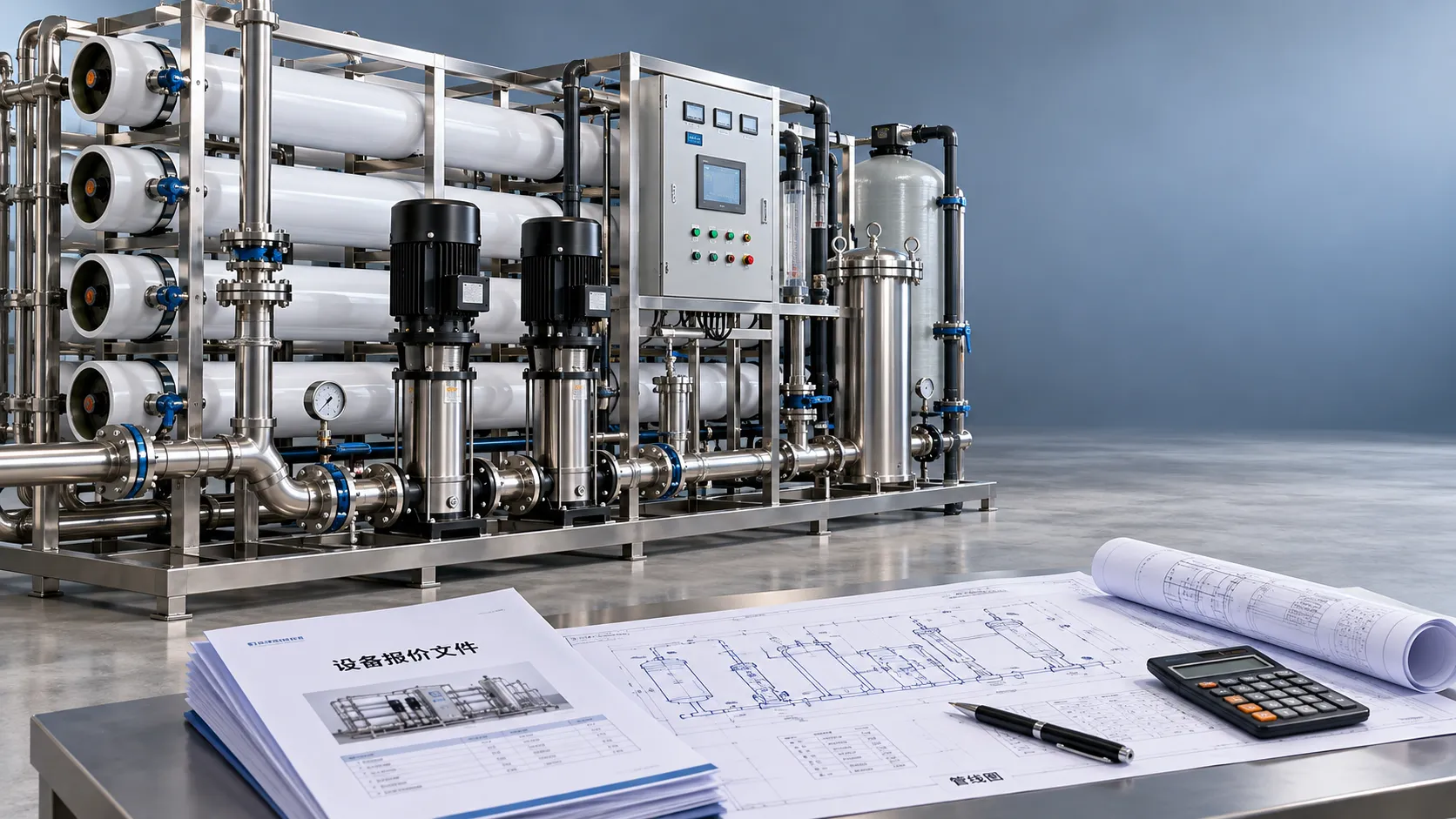
How to check a water treatment quotation for hidden project costs
Review your water treatment quotation for hidden costs, scope gaps, and operating expenses. Learn what to check before signing to protect your budget and avoid costly surprises.
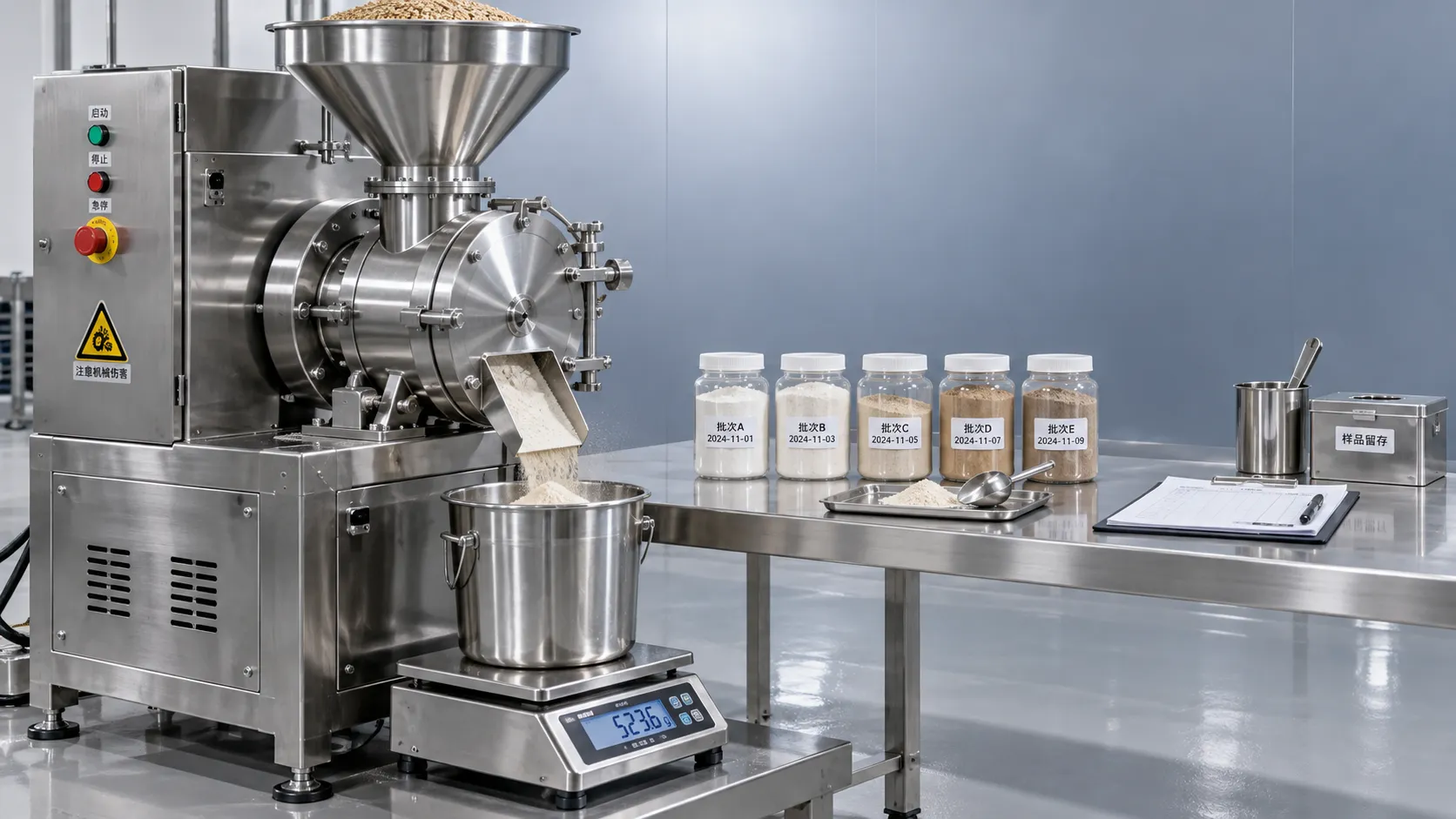
How to vet ingredient processing equipment manufacturers using trials
Vet ingredient processing equipment manufacturers with real-world trials. Learn how to verify yield, cleaning, energy use, and scale-up before you invest.
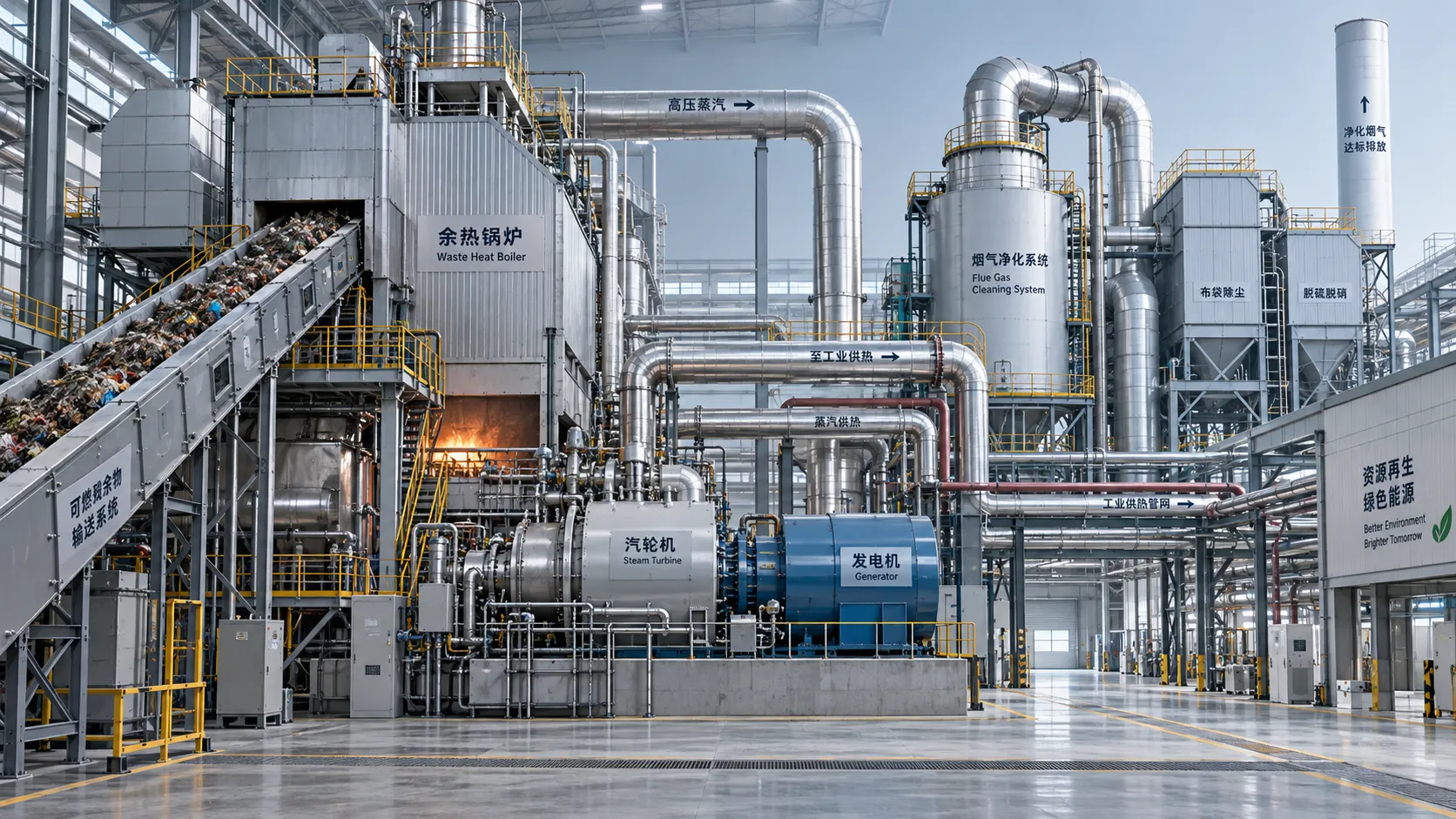
When is energy recovery viable in the solid waste recovery process?
When is energy recovery viable in the solid waste recovery process? Explore feedstock quality, net energy, emissions, and costs to assess feasibility and make smarter investment decisions.
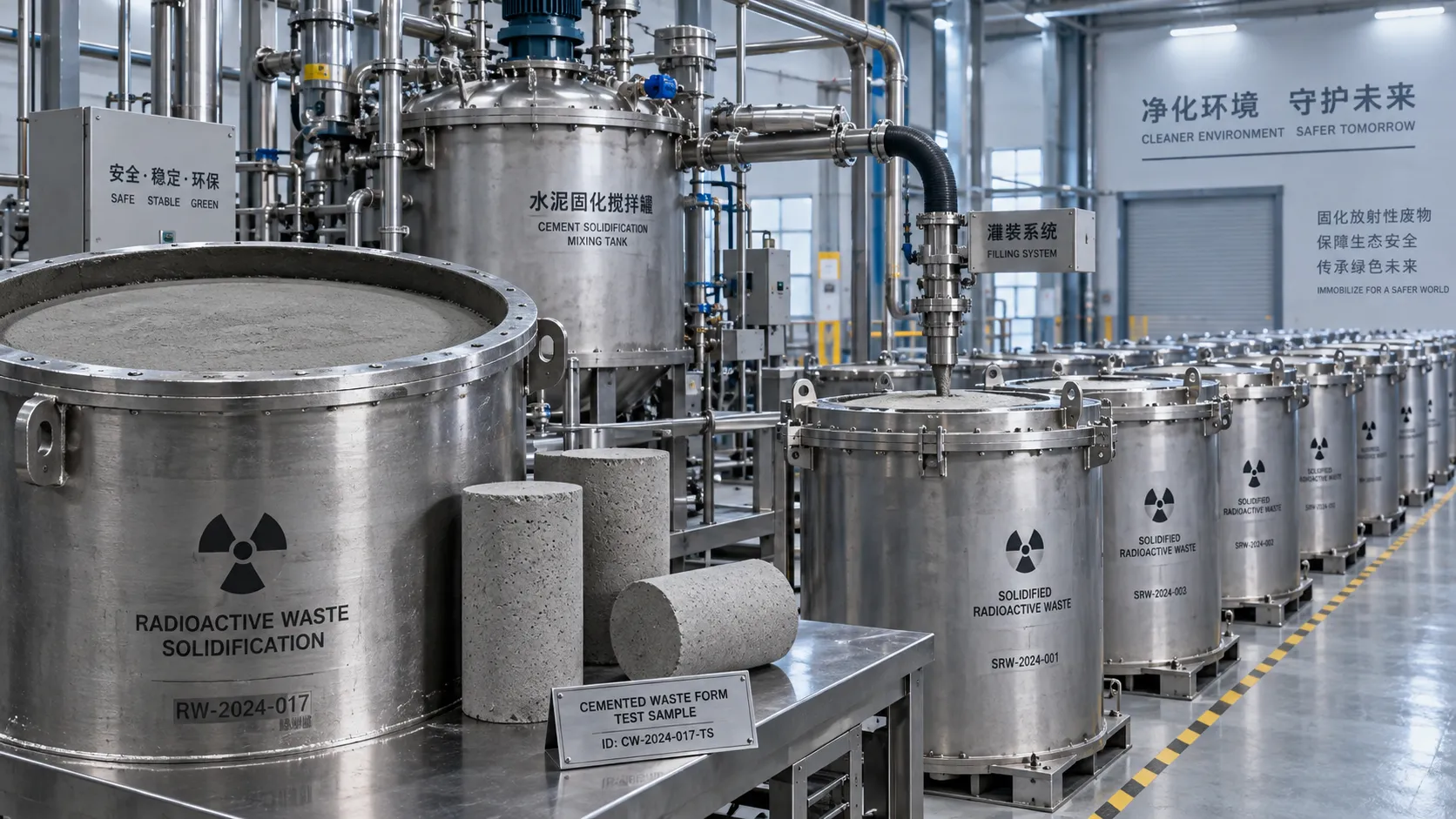
When is cementation suitable for nuclear decommissioning waste?
Explore nuclear waste treatment technology for decommissioning: learn when cementation fits, which risks to assess, and how disposal criteria guide an effective treatment choice.