
Industry News
Curation by industry experts
Hot Articles
Popular Tags
Low-Temperature Reaction Limits in SCR Catalyst Selection
For technical evaluators, SCR catalyst selection begins with understanding how low-temperature reaction behavior reshapes denitrification efficiency, sulfur resistance, and operational stability. In flue gas treatment systems facing stricter compliance targets, ignoring low-temperature reaction limits can lead to catalyst deactivation, higher lifecycle costs, and unreliable emissions control. This article examines the key performance boundaries that matter when assessing catalyst suitability under real industrial conditions.
The core search intent behind “Low-Temperature Reaction Limits in SCR Catalyst Selection” is practical evaluation, not theory alone. Readers want to know where low-temperature reaction performance begins to fail, how that failure appears in plant data, and how to compare catalysts before making procurement or retrofit decisions.
For technical evaluators, the main concern is whether a catalyst can maintain NOx conversion inside the real temperature window of the flue gas system. They also need to understand sulfur tolerance, ammonia slip risk, pressure drop implications, poisoning sensitivity, and the total cost of keeping compliance stable over time.
The most useful content, therefore, is decision-oriented. Evaluators need a way to connect reaction kinetics, operating temperature, ash composition, SO2 and SO3 exposure, startup frequency, and reactor layout to an evidence-based selection process. General descriptions of SCR chemistry are far less valuable than clear performance boundaries and screening criteria.
This means the article should focus on low-temperature activity thresholds, side-reaction risks, deactivation mechanisms, field validation indicators, and practical selection checkpoints. Broad introductions to air pollution control or generic SCR definitions should remain brief because they do not help the reader make a better technical judgment.
Why low-temperature reaction limits are the real starting point in SCR catalyst selection
In many flue gas treatment projects, catalyst selection still begins with catalog activity data measured under controlled laboratory conditions. That approach is dangerous when the actual system spends long periods at low load, during seasonal swings, or after heat recovery changes that depress reactor inlet temperature.
A low-temperature reaction limit is not simply the minimum temperature at which NOx reduction still occurs. It is the boundary where the balance among desired NOx conversion, ammonia adsorption, sulfur-related side reactions, diffusion resistance, and catalyst durability starts to shift against reliable operation.
Technical evaluators should treat this boundary as a system-level limit, not a standalone catalyst number. The same catalyst can behave acceptably at 220°C in one unit and fail at 220°C in another because ash chemistry, space velocity, NH3/NOx ratio, sulfur loading, and flow uniformity are different.
That is why “low-temperature reaction” must be interpreted in context. A catalyst with strong apparent activity may still be a poor choice if it accelerates ammonium bisulfate formation, increases plugging risk, or loses activity too quickly under cyclic operation.
The practical question is not “Which catalyst has the highest low-temperature activity?” The better question is “Which catalyst preserves compliance margin, acceptable pressure drop, and manageable maintenance frequency inside the site’s real operating envelope?”
What technical evaluators should examine first before comparing catalyst products
Before looking at supplier data sheets, evaluators should define the true flue gas temperature profile. Average temperature is not enough. The critical information is the distribution of temperatures across normal load, low load, startup, shutdown, bypass events, and process disturbances.
If the reactor inlet temperature regularly approaches the catalyst’s activity floor, the selection criteria must shift. In that case, low-temperature NOx conversion and deactivation resistance become more important than peak conversion under nominal conditions.
The second key input is gas composition. SO2 concentration, SO3 potential, water vapor, alkali metals, arsenic, chlorides, and particulate characteristics all influence how low-temperature reaction performance evolves in service. Sulfur chemistry is especially important because lower temperatures favor deposits that can mask active sites and narrow gas channels.
Third, evaluators should map the mechanical and hydraulic constraints of the reactor. Catalyst geometry, cell pitch, wall thickness, and layer arrangement affect pressure drop, plugging tendency, and diffusion performance. At lower temperatures, mass transfer limitations become more influential, so geometry cannot be separated from chemistry.
Finally, define the compliance target and operating margin. If the plant must meet strict NOx limits with little room for ammonia slip or unplanned cleaning, then a marginal low-temperature catalyst may create hidden risk even if the upfront price appears attractive.
How low-temperature reaction behavior changes SCR performance in the field
At reduced temperature, the standard SCR reaction rate declines because fewer molecules have sufficient energy to react efficiently on active sites. Even when ammonia adsorption remains strong, the overall reduction of NOx can fall sharply if the catalyst formulation is not optimized for low-temperature kinetics.
This kinetic slowdown has several operational consequences. To maintain the same outlet NOx level, operators may increase ammonia injection. That can temporarily restore conversion, but it also raises the probability of ammonia slip, deposit formation downstream, and balance-of-plant corrosion or fouling issues.
Low-temperature reaction behavior also changes the relative importance of competing pathways. In sulfur-bearing flue gas, lower operating temperatures can increase the chance that ammonium bisulfate forms and condenses. Once deposits accumulate, local flow distribution worsens, pressure drop rises, and effective catalyst utilization declines.
Another field effect is reduced resilience to transient conditions. A catalyst that looks stable during steady-state testing may show unstable performance during temperature ramps or frequent load changes. For evaluators in industrial environments, transient tolerance often matters more than a single-point activity result.
In short, low-temperature performance should be judged by dynamic operating stability, not only by one conversion value at one test condition. Reliable selection requires examining how activity, slip, deposition tendency, and recoverability change together over time.
Where sulfur resistance becomes the decisive factor
For many SCR systems, the true low-temperature limit is determined less by intrinsic NOx reaction rate than by sulfur-related side effects. When flue gas contains SO2 and the process generates some SO3, lower temperatures can move the system into a deposit-prone regime that rapidly undermines catalyst performance.
Ammonium bisulfate is especially problematic because it can form sticky deposits on catalyst surfaces, air preheaters, and downstream equipment. Even when the catalyst itself remains chemically active, blocked pores and masked surfaces reduce effective performance and increase maintenance burden.
This is why sulfur resistance should be assessed in practical terms. Evaluators should ask how the catalyst performs under expected SO2 levels, realistic NH3/NOx control strategy, and actual temperature minima. A catalyst that resists poisoning but still promotes a severe deposit regime may not be acceptable.
Supplier claims such as “excellent sulfur tolerance” should be unpacked into test conditions. Was performance measured in dry gas or humid gas? Under how much SO2? At what space velocity? For how many hours? Was deactivation reversible after regeneration, or was there permanent structural damage?
Technical evaluators should also separate sulfur poisoning from sulfur-induced fouling. Both reduce performance, but the mitigation strategies differ. Poisoning may require formulation changes or replacement cycles, while fouling may call for temperature management, soot blowing strategy, or different catalyst geometry.
Which catalyst properties matter most at low temperature
At low temperature, the catalyst formulation must deliver adequate redox activity without sacrificing durability. In practice, evaluators should focus on the active component system, support structure, pore architecture, and resistance to contaminants expected in the plant’s gas stream.
Vanadium-based catalysts remain common because of established industrial experience, but their low-temperature suitability depends strongly on formulation details and operating context. Some systems may favor alternative compositions when the temperature window is consistently depressed or poisoning species are severe.
Pore structure is critical because low-temperature operation magnifies diffusion constraints. If pores are too easily blocked by fine particulate or condensable species, apparent activity can collapse well before intrinsic chemistry becomes the limiting factor. Evaluators should therefore review pore distribution and anti-fouling design logic carefully.
Catalyst geometry also matters. Honeycomb and plate configurations behave differently under ash loading and low-temperature deposition conditions. A geometry that offers strong initial activity may still be inferior if it cannot maintain open flow paths through a full operating cycle.
Mechanical strength is another practical factor. Low-temperature systems often experience more startup-shutdown cycles, soot blowing stress, and uneven deposit shedding. Fragile catalyst structures can lose performance through cracking, abrasion, and localized bypassing long before chemical life is exhausted.
How to evaluate supplier claims without relying on marketing language
Technical evaluators should ask suppliers for activity curves across the full expected operating temperature band, not only the best-performing point. The useful question is how conversion changes from the normal design temperature down to the lowest recurring temperature in service.
It is equally important to request test data at realistic space velocity. Low-temperature reaction behavior often looks better at gentle laboratory conditions than in compact commercial reactors. If the plant operates at high gas hourly space velocity, that condition must be reflected in the evaluation package.
Deactivation testing should include sulfur exposure, representative dust, water vapor, and if relevant, alkali or arsenic contaminants. A short clean-gas test does not represent the industrial challenge. Long-duration data are more valuable than headline activity numbers from a newly prepared sample.
Evaluators should also ask for pressure drop development over time, not only initial pressure drop. In low-temperature operation, the change in pressure drop can be as important as chemical conversion because it reveals the catalyst’s susceptibility to fouling and channel restriction.
Finally, look for data reproducibility and field references in comparable industries. A catalyst validated in a clean gas turbine application may not transfer well to waste incineration, biomass combustion, steel sintering, or coal-fired service where the contaminant profile is very different.
A practical decision framework for low-temperature SCR catalyst selection
A useful evaluation framework starts with temperature mapping. Define the true minimum, the duration below design temperature, and the frequency of low-load operation. This establishes whether low-temperature reaction limits are occasional concerns or the dominant design constraint.
Next, classify the gas stream by sulfur risk and contamination risk. High sulfur plus low temperature should immediately trigger closer review of deposit mechanisms, regeneration strategy, and geometry selection. If poisoning species are present, catalyst replacement planning must be included from the beginning.
Then compare catalysts using three weighted dimensions: conversion stability, fouling resistance, and lifecycle economics. Conversion alone is not sufficient. A catalyst that achieves excellent initial NOx reduction but requires frequent cleaning or early replacement may produce higher total compliance cost.
Field operability should be the fourth dimension. Can the catalyst tolerate ammonia control fluctuations, uneven flow, transient temperatures, and maintenance realities? Technical evaluators should prefer robust performance windows over narrow peak performance if plant conditions are not tightly controlled.
Finally, require a validation plan after installation. Baseline activity, ammonia slip, pressure drop, and deposit inspection intervals should be defined in advance. Selection quality improves when the procurement process is linked to measurable post-startup verification.
Common mistakes that lead to poor low-temperature catalyst choices
One common mistake is selecting based on nominal reactor temperature instead of the actual temperature profile. Plants often operate outside nameplate conditions, and even short periods in a problematic low-temperature zone can accelerate fouling and reduce average annual performance.
Another mistake is treating low-temperature activity as independent from sulfur behavior. In reality, a catalyst that appears chemically active may still be operationally unsuitable if it creates a narrow margin against ammonium bisulfate formation.
Some evaluations also underweight ash and trace contaminant chemistry. This is risky in sectors with variable fuels or feedstocks, where alkali metals, phosphorus, heavy metals, or chlorides can change the effective low-temperature limit over time.
Cost comparisons can also be misleading when they focus only on initial catalyst price. Technical evaluators should consider cleaning frequency, replacement interval, outage risk, fan power penalty from pressure drop growth, and the cost of non-compliance events.
Lastly, many teams do not ask enough about transient behavior. Startup, shutdown, and load-following operation can define the real stress profile of the catalyst. If those conditions are ignored, the selected product may perform well on paper but poorly in service.
Final assessment: what low-temperature reaction limits should mean in practice
For technical evaluators, low-temperature reaction limits should be understood as operating boundaries that combine chemistry, sulfur side reactions, flow behavior, and durability. They are not just laboratory numbers and should never be treated as simple minimum temperature labels.
The best SCR catalyst choice is the one that maintains acceptable NOx conversion with controllable ammonia slip, resists sulfur-related performance loss, and stays stable under the site’s real thermal and contaminant conditions. This usually requires balancing activity with fouling resistance and lifecycle robustness.
When low-temperature operation is frequent, catalyst selection must become more evidence-driven and more conservative. Evaluators should prioritize realistic temperature data, representative contaminant testing, pressure drop evolution, and field comparability over broad marketing claims.
In practical terms, low-temperature reaction analysis is the foundation of dependable SCR procurement. It helps prevent premature deactivation, unstable compliance, and hidden operating costs. For flue gas treatment systems under tighter environmental regulation, that makes it one of the most important filters in catalyst selection.
Recommended News
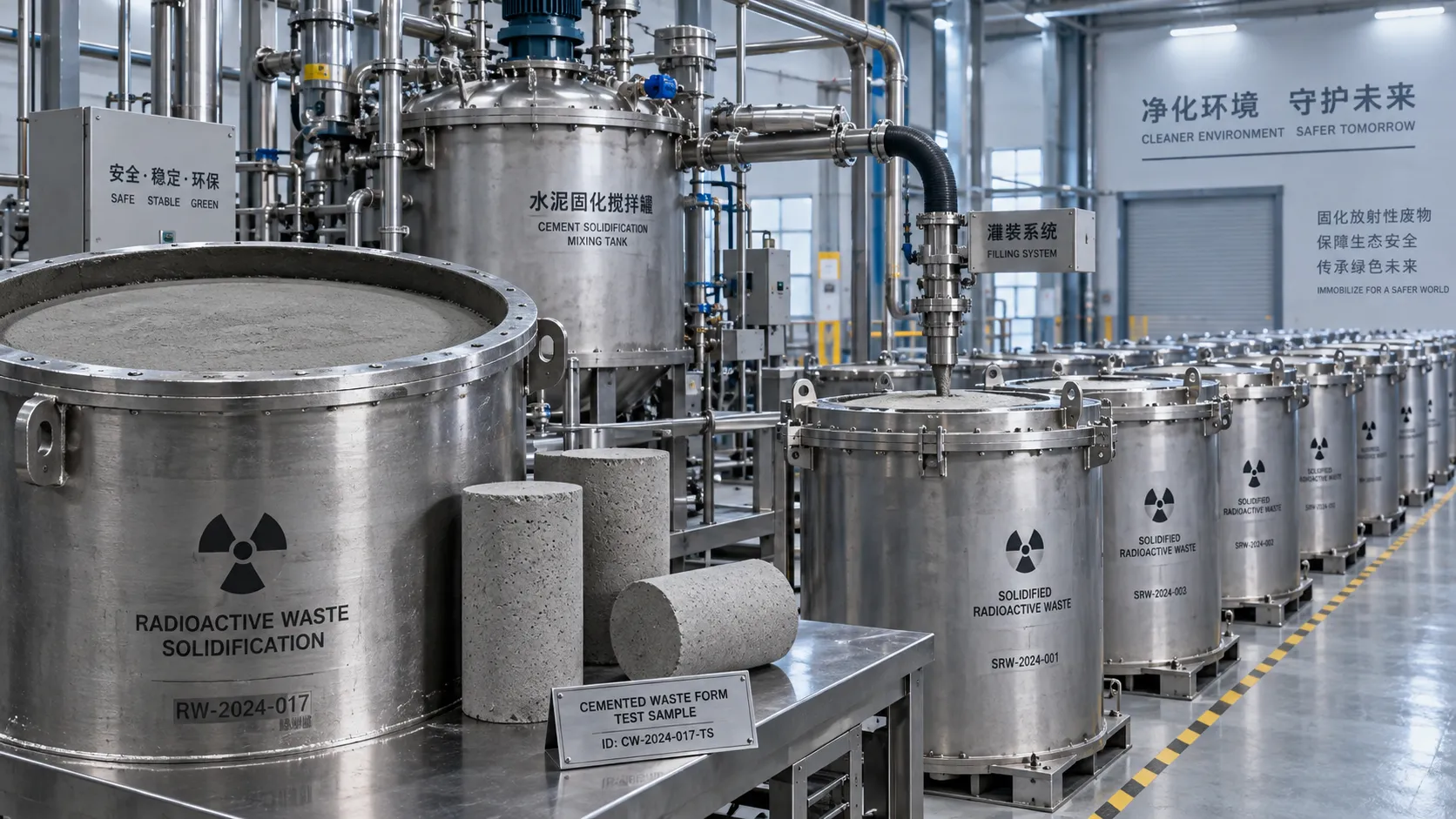
When is cementation suitable for nuclear decommissioning waste?
Explore nuclear waste treatment technology for decommissioning: learn when cementation fits, which risks to assess, and how disposal criteria guide an effective treatment choice.
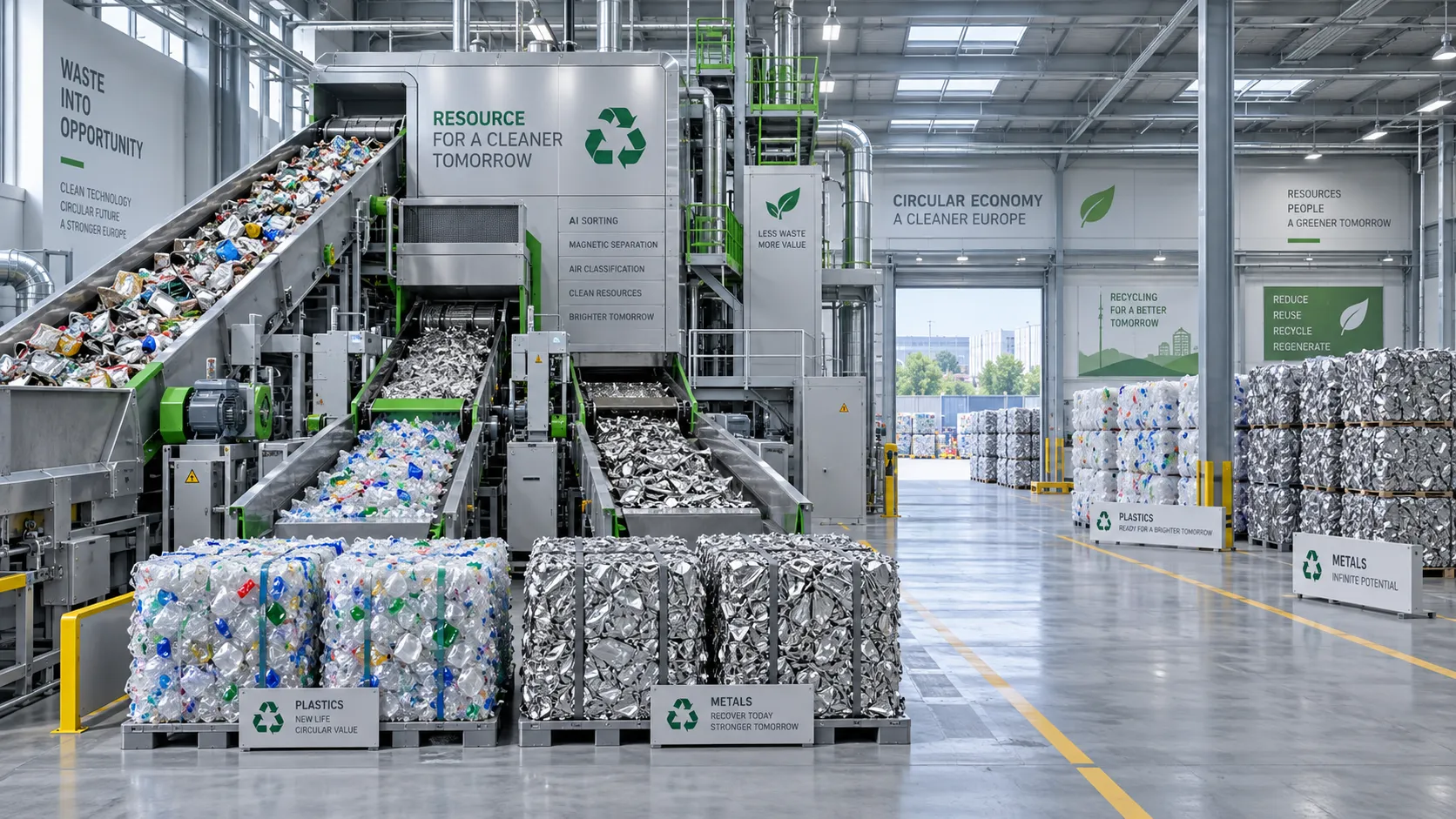
What determines payback for waste-to-resource systems in Europe?
Assess waste-to-resource systems Europe-wide: compare feedstock, recovery yields, costs and contracts to uncover payback drivers and make smarter investment decisions.
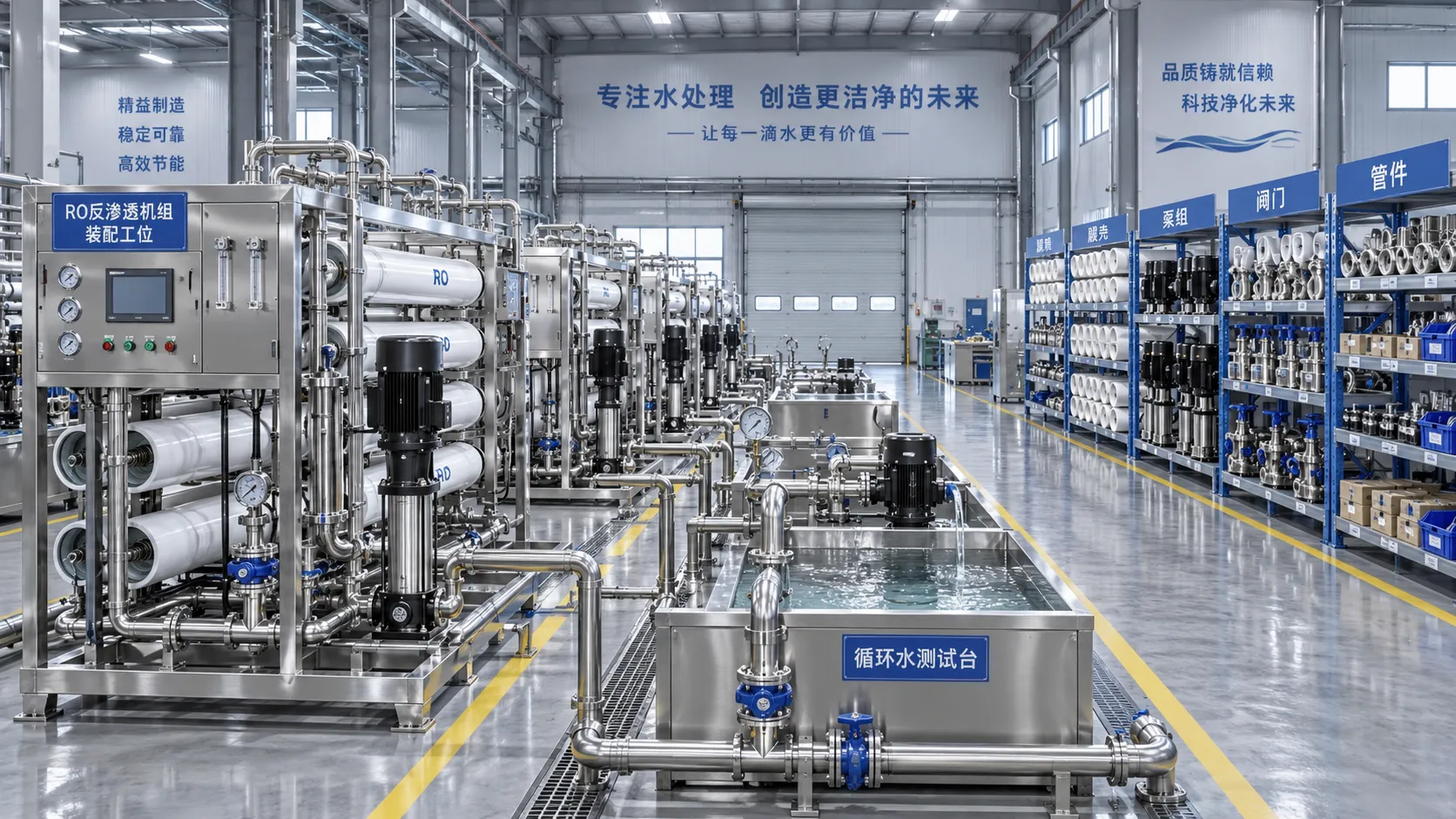
How to verify a water treatment system factory’s production capacity
Verify a water treatment systems factory’s production capacity through records, bottlenecks, component availability, and testing. Learn what to check before accepting a delivery promise.
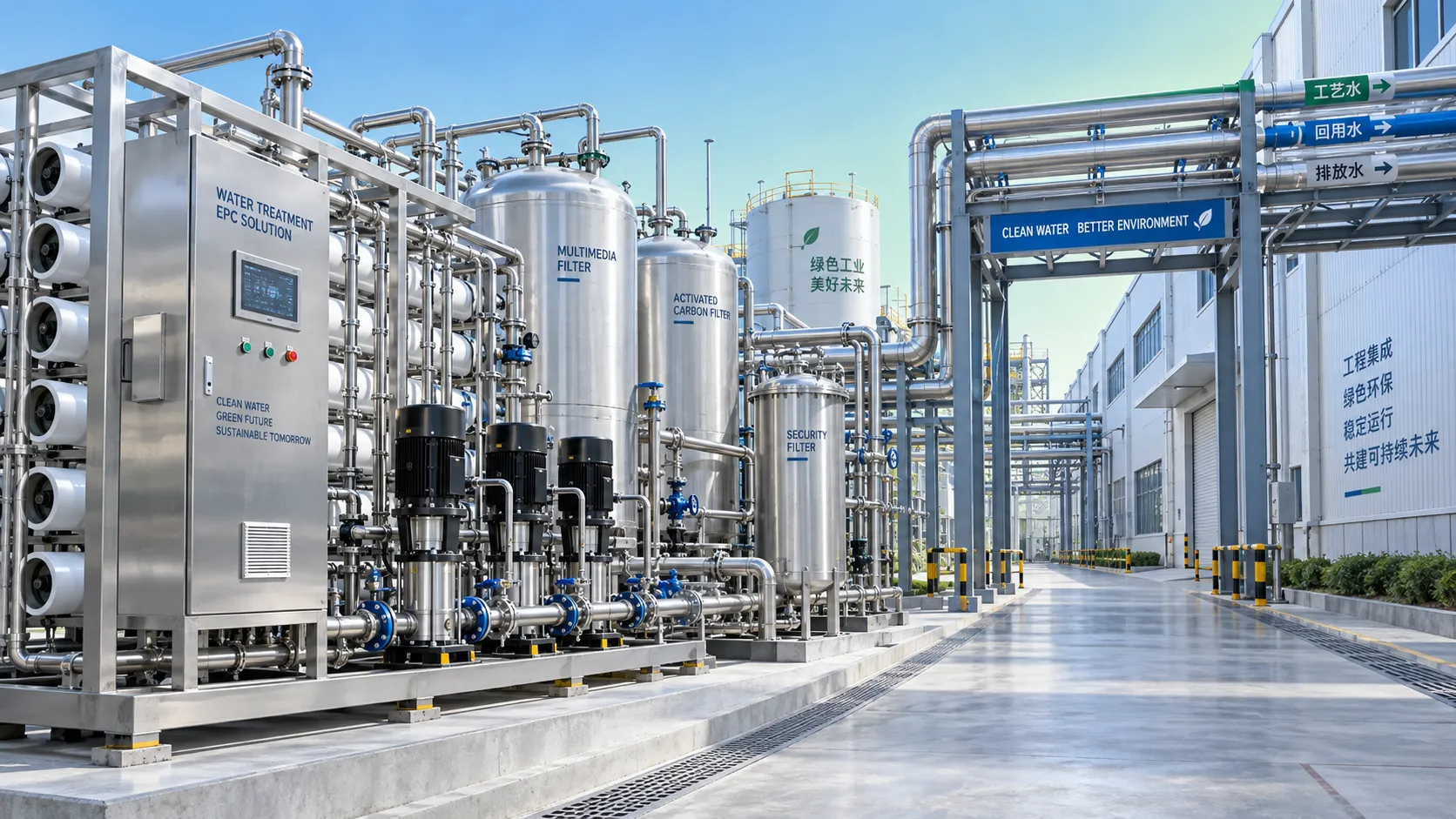
When does EPC environmental project support reduce delivery risk?
EPC environmental project support engineering reduces delivery risk by aligning design, procurement, compliance, construction, and commissioning decisions.
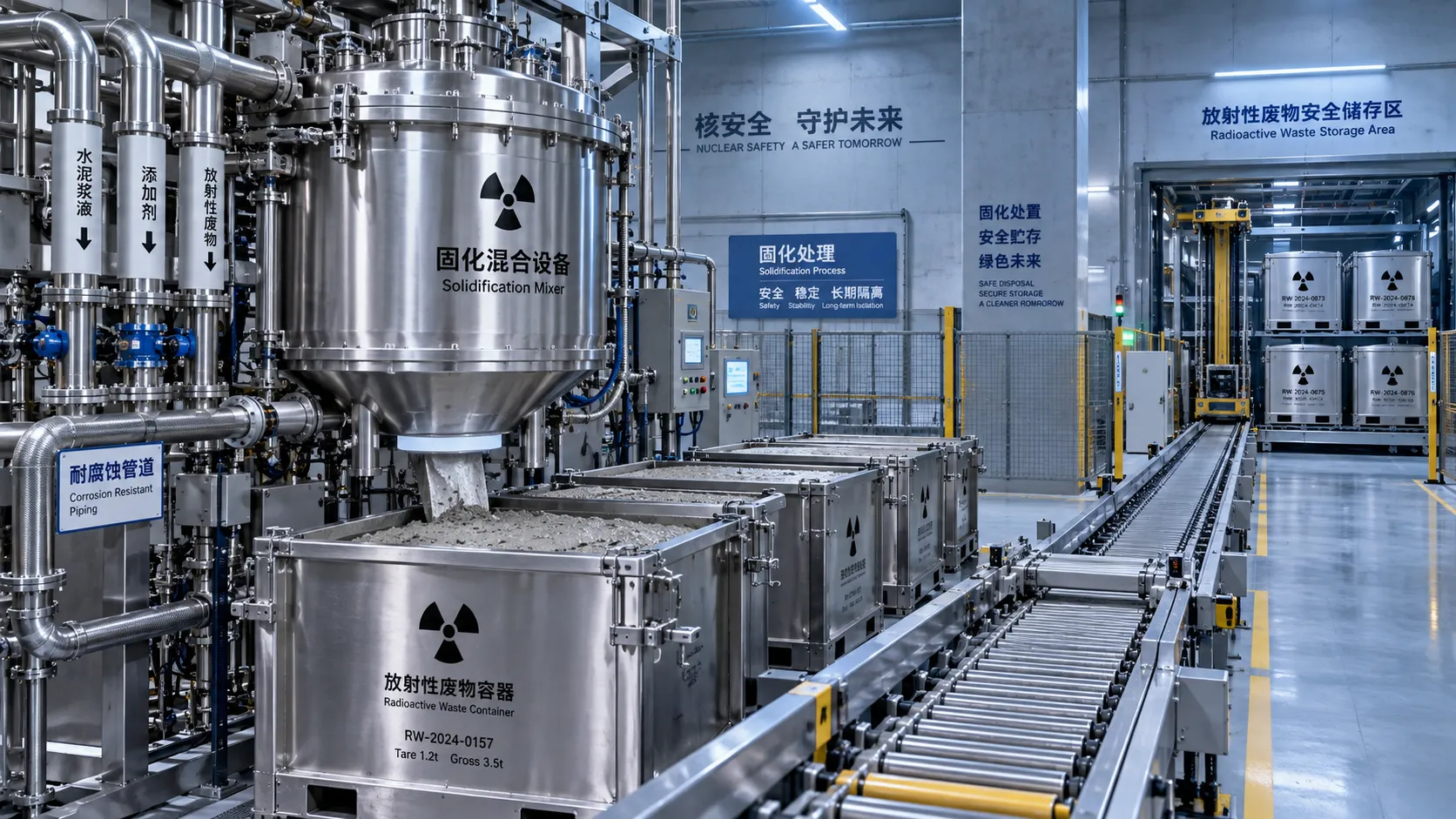
How nuclear plants select a radioactive waste solidification method
Radioactive waste management for nuclear plants: compare vitrification, cementation, polymers, and ceramics to select a compliant, durable solidification solution.
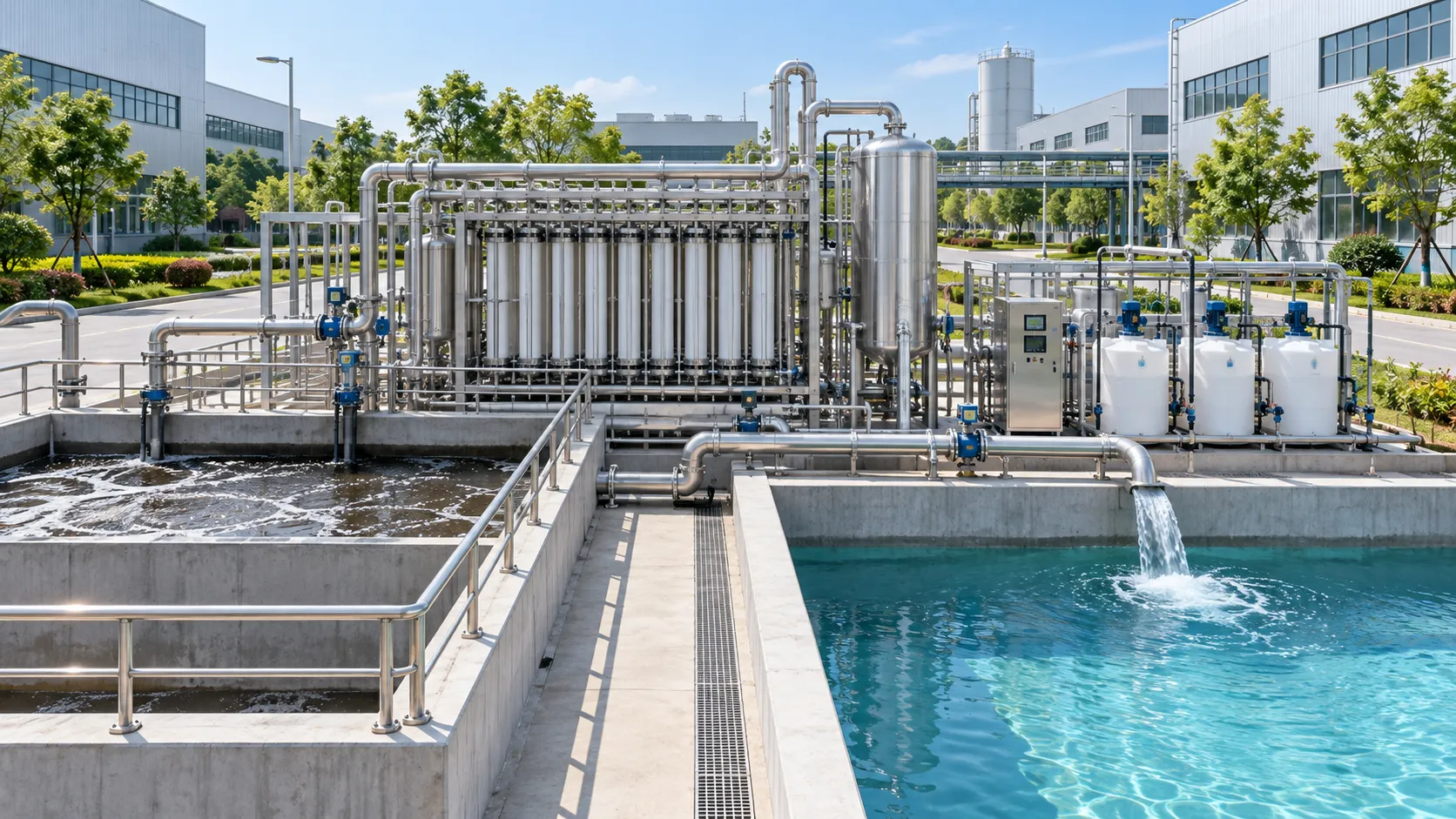
Comparing Upgrade Costs for Industrial Park Wastewater Treatment Systems
Compare costs for wastewater system upgrades in industrial parks with a lifecycle view of CAPEX, OPEX, compliance, resilience, and future expansion.
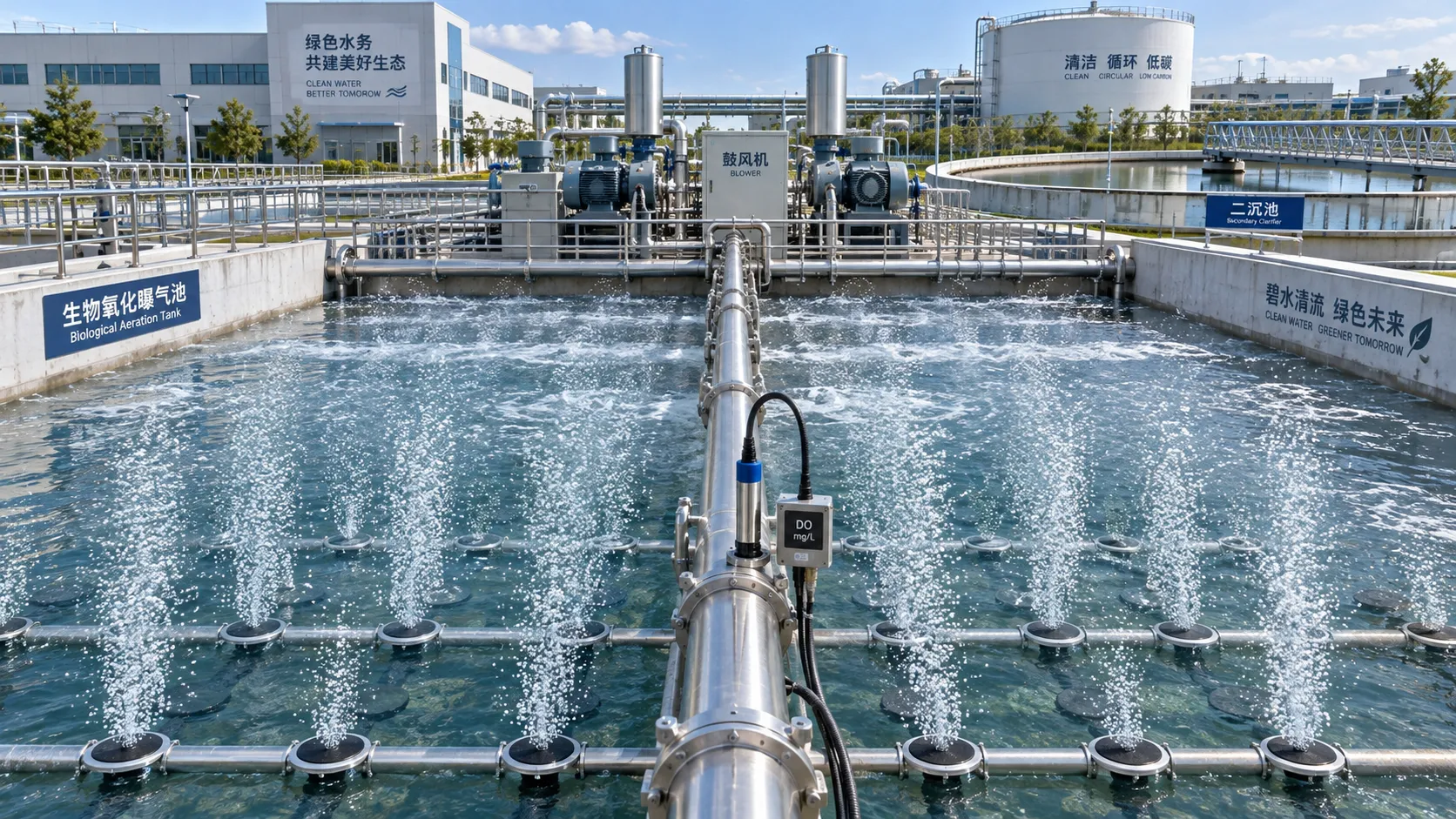
Biological Wastewater Oxidation Explained: Aeration Demand and Process Control
Biological wastewater oxidation explained: optimize aeration demand, DO control, nitrification, and sludge age for stable effluent quality and lower energy costs.
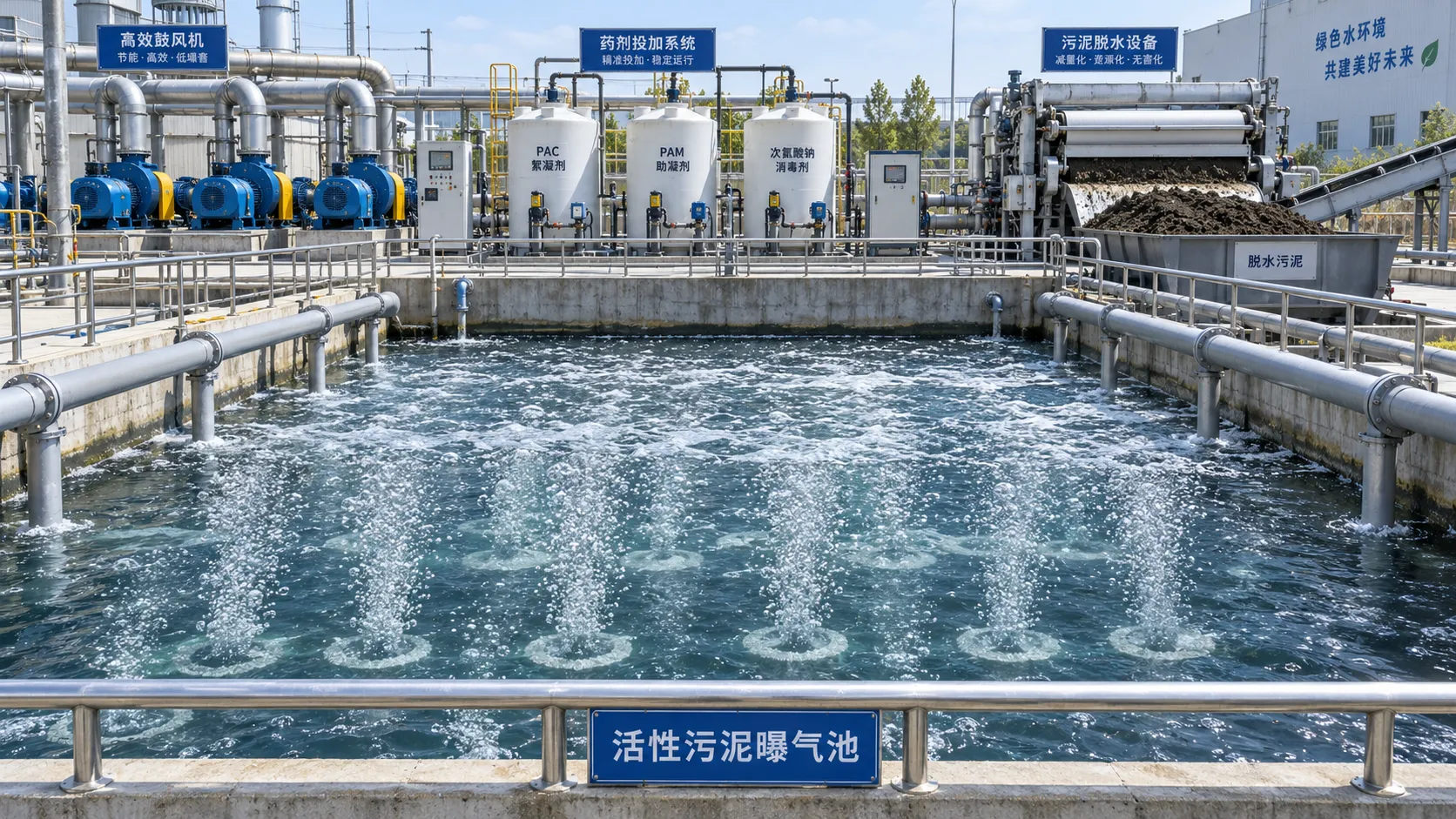
Activated Sludge Cost: Budgeting Energy, Chemicals, Sludge, and Labor
Activated sludge cost explained: compare energy, chemicals, sludge disposal, labor, and compliance risks to build a reliable lifecycle budget.
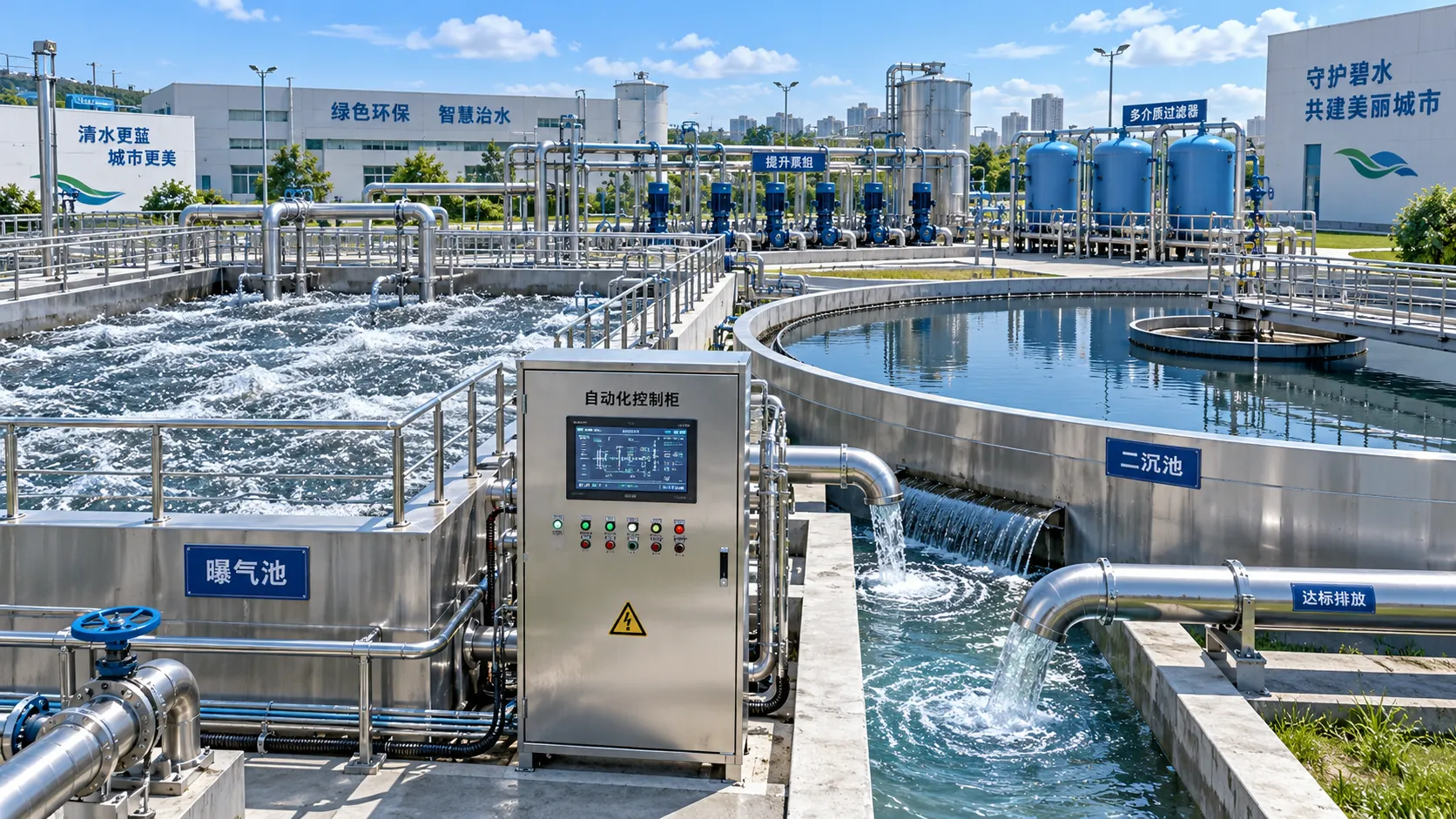
When Should Municipal Wastewater Plants Upgrade Treatment Capacity and Controls?
Municipal wastewater treatment upgrades: learn when capacity, controls, and resilient planning are needed to protect compliance and optimize plant performance.