
Industry News
Curation by industry experts
Hot Articles
Popular Tags
2026 EPC Bidding: Cost Risks and Scope Gaps to Check Early
In 2026, EPC bidding for environmental infrastructure will be shaped by tighter compliance, volatile equipment pricing, and hidden scope boundaries that can erode margins before contracts are signed. For projects in water treatment, desalination, waste recovery, flue gas treatment, and nuclear-adjacent systems, early review of cost risks, specification interfaces, and responsibility gaps is essential to avoid disputes, delays, and underpriced bids.
Why Early EPC Bidding Checks Matter in 2026
Environmental projects now combine stricter emissions limits, imported equipment exposure, digital control requirements, and expanding owner expectations. That makes EPC bidding less about pricing a design package and more about testing every assumption behind it.
A bid can look competitive on paper while carrying unpriced civil quantities, unclear battery limits, unrealistic performance guarantees, or unallocated utility connections. Once awarded, those gaps quickly turn into variation claims, liquidated damages, or schedule pressure.
A checklist approach creates discipline. It forces early alignment between process design, procurement logic, construction interfaces, commissioning obligations, and regulatory deliverables. In high-value environmental assets, that discipline protects both bid accuracy and execution credibility.
Core Checklist for EPC Bidding Cost Risks and Scope Gaps
- Verify battery limits against drawings, utility tie-ins, offsite works, and temporary facilities before pricing any EPC bidding package.
- Map every owner-supplied item, free-issue material, and nominated vendor interface to avoid hidden installation or warranty exposure.
- Recheck process guarantees, influent assumptions, feedwater quality, waste calorific value, and operating envelopes against the actual tender basis.
- Quantify commodity sensitivity for steel, cable, membranes, pressure vessels, pumps, valves, and imported electrical components.
- Test foreign exchange exposure where desalination skids, analyzers, DCS packages, or specialty linings depend on overseas supply chains.
- Review civil and geotechnical data for piling depth, groundwater control, seismic criteria, and unforeseen soil disposal obligations.
- Separate mandatory code compliance from optional owner standards so EPC bidding does not absorb unpriced premium specifications.
- Check performance test boundaries, reagent quality, utility stability, and sampling protocols before accepting output guarantees.
- Confirm who carries permitting support, environmental monitoring, startup chemicals, operator training, and handover documentation.
- Price schedule risk by examining long-lead equipment, customs clearance, modular transport, outage windows, and interface access restrictions.
- Audit digital scope, including SCADA integration, cybersecurity requirements, historian links, remote diagnostics, and data ownership.
- Record every exclusion and assumption in a bid clarification matrix, then align commercial wording with technical deviations.
How the Checklist Applies Across Environmental Project Types
Water Treatment and ZLD Projects
In water treatment, EPC bidding often fails when feed variability is simplified. High TDS swings, seasonal COD peaks, or sludge dewatering changes can alter chemical consumption and membrane loading.
ZLD packages need extra attention on evaporation energy balance, crystallizer metallurgy, brine transfer boundaries, and solids handling responsibilities. These items are expensive, technically linked, and frequently split across contracts.
Seawater Desalination Projects
For desalination, early EPC bidding review should focus on intake conditions, biofouling risk, pretreatment design basis, and energy recovery assumptions. Small deviations in seawater quality can reshape CAPEX and OPEX quickly.
Marine works also create scope traps. Offshore pipelines, outfall diffusers, corrosion protection, and permitting support may sit in separate appendices rather than the main scope narrative.
Solid Waste Recovery and Thermal Systems
Waste recovery facilities depend on feedstock uncertainty. Moisture, calorific value, inert content, and contamination rates directly affect line throughput, emissions performance, and residue quantities.
In EPC bidding, check whether front-end sorting, storage bunkers, odor control, ash handling, and fire systems are fully included. Missing auxiliary systems often become the most painful commercial gap.
Flue Gas Treatment and Industrial Retrofit Work
Retrofit projects carry severe interface risk. Existing duct geometry, shutdown windows, tie-in access, and structural reinforcement are rarely defined with complete field accuracy.
For this reason, EPC bidding should include survey assumptions, outage sequencing, demolition boundaries, and temporary bypass logic. If not documented early, schedule and safety exposure rise sharply.
Commonly Missed Items That Distort EPC Bidding
Performance Guarantees Linked to Uncontrolled Inputs
Guaranteed output, emissions, or recovery rates can be impossible to sustain if influent quality, ambient conditions, or reagent standards are outside contractor control. The bid must tie guarantees to measurable input ranges.
Owner Standards Hidden in Attachments
Many tenders include global corporate specifications beyond local code. These may require redundant analyzers, premium metallurgy, additional FAT steps, or expanded documentation that was not reflected in budget assumptions.
Commissioning and Consumables Underestimated
Startup power, chemicals, membrane preservation agents, trial waste disposal, calibration gas, and temporary staffing can be material costs. In complex environmental facilities, commissioning is not a minor line item.
Digital Integration Treated as a Simple Add-On
SCADA tags, PLC handshakes, cybersecurity hardening, and enterprise reporting links often expand late. In modern EPC bidding, digital scope should be reviewed like any other major system interface.
Logistics and Access Constraints Ignored
Heavy modules, membrane racks, transformers, and fabricated vessels may require route surveys, lifting studies, special permits, or seasonal delivery windows. Those constraints affect both price and schedule realism.
Practical Execution Advice Before Bid Submission
- Build a one-page risk register covering scope, cost, schedule, compliance, and performance assumptions, then link each risk to a commercial response.
- Run a cross-discipline review involving process, civil, mechanical, electrical, controls, and commissioning inputs before freezing the bid price.
- Compare tender documents line by line against the pricing structure so uncosted appendices or notes do not remain outside the estimate.
- Use supplier budgetary quotes for long-lead packages instead of outdated benchmarks, especially where 2026 price volatility remains high.
- Escalate unresolved ambiguities into formal clarifications rather than burying them inside internal assumptions no one else can see.
A Simple Review Table for Early EPC Bidding Decisions
Conclusion and Next-Step Action
Strong EPC bidding in 2026 will depend less on aggressive pricing and more on disciplined scope definition. Environmental infrastructure projects are now too integrated, regulated, and technology-sensitive for assumption-based bidding.
Start with an early checklist. Challenge feed assumptions, mark every interface, refresh real equipment costs, and document exclusions with precision. That process reduces margin leakage before execution begins.
For any tender involving water treatment, desalination, waste recovery, flue gas systems, or complex compliance deliverables, the most valuable move is simple: review the hidden gaps before submitting the number. That is where better EPC bidding decisions are made.
Recommended News
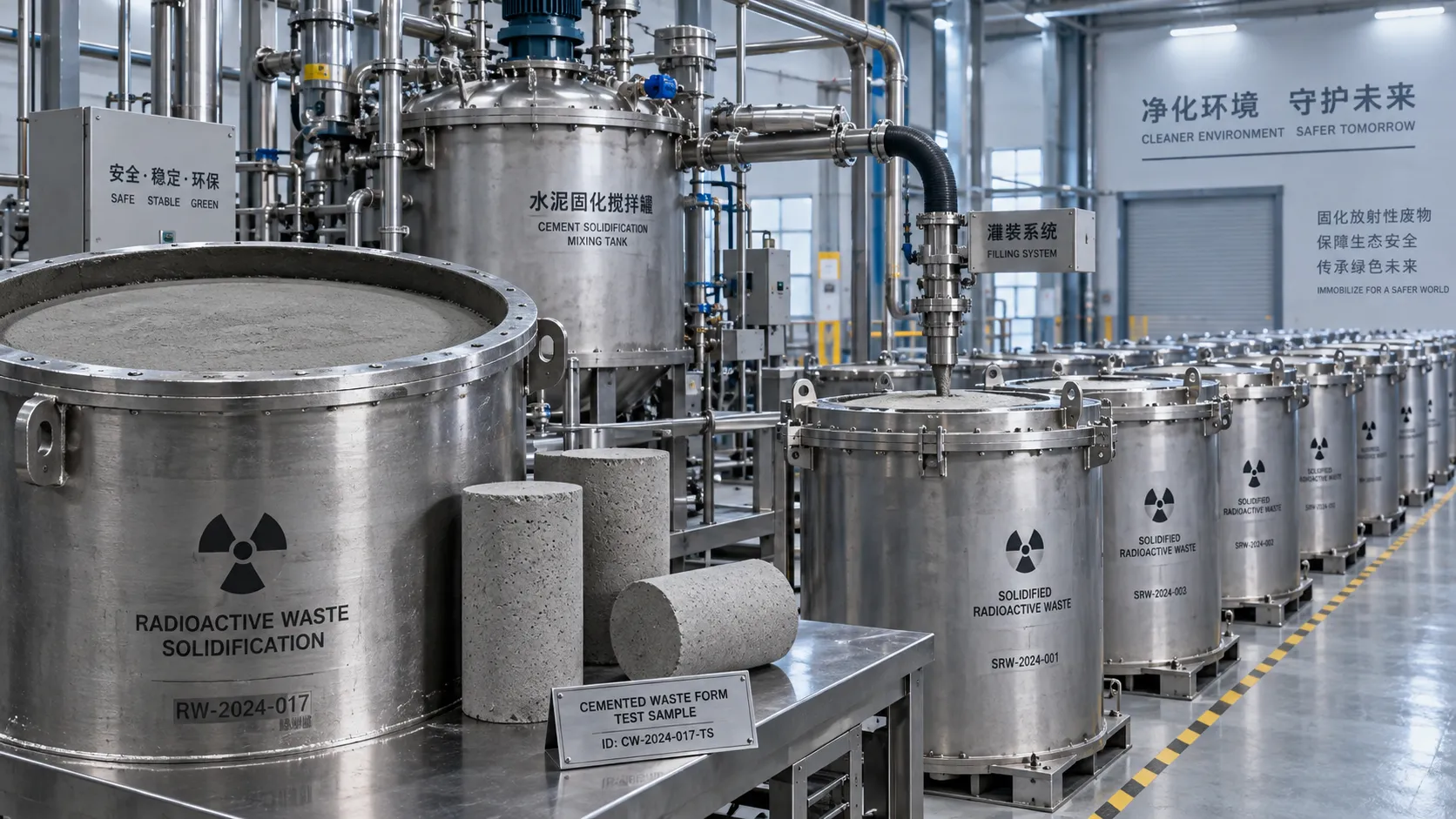
When is cementation suitable for nuclear decommissioning waste?
Explore nuclear waste treatment technology for decommissioning: learn when cementation fits, which risks to assess, and how disposal criteria guide an effective treatment choice.
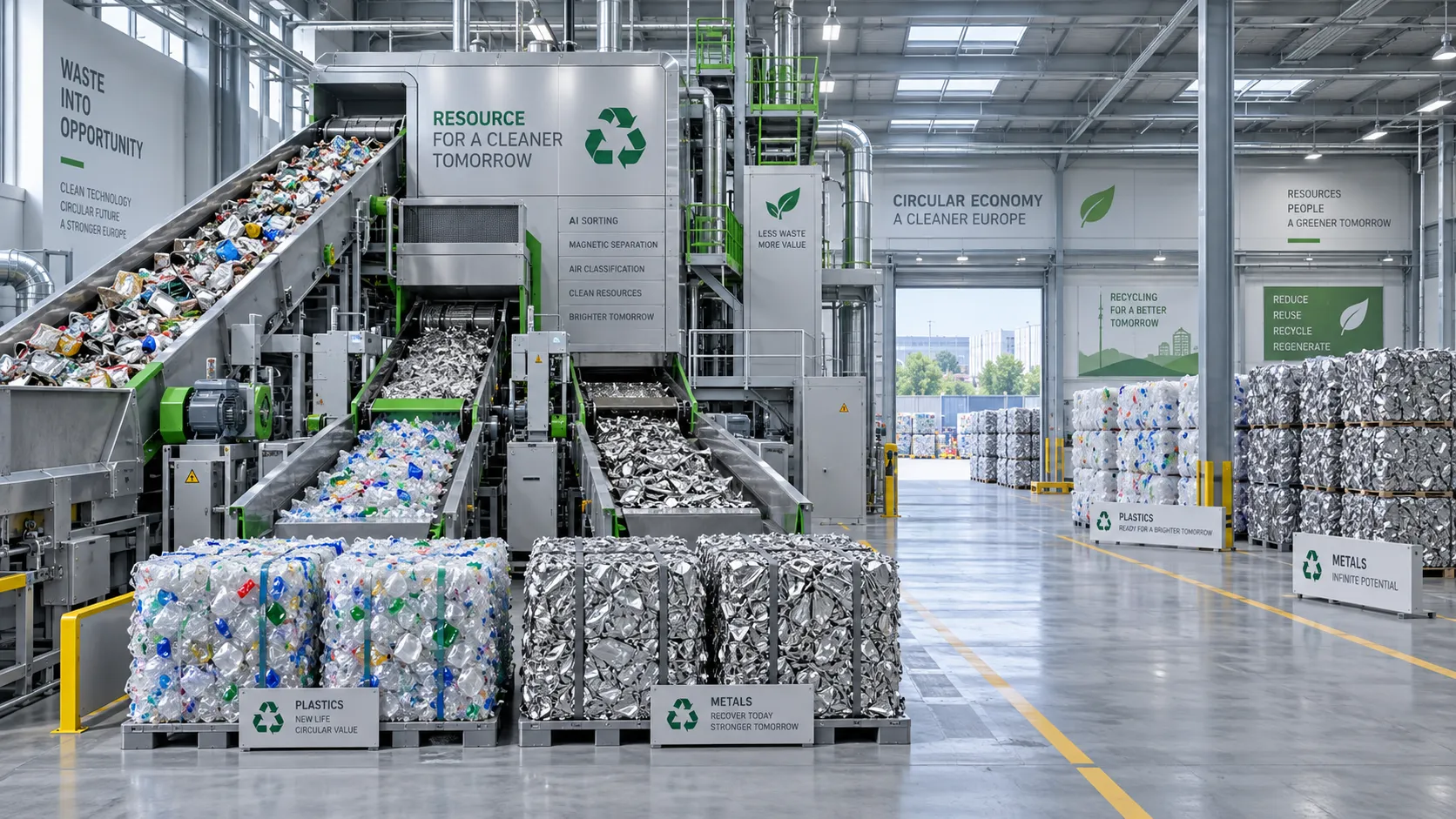
What determines payback for waste-to-resource systems in Europe?
Assess waste-to-resource systems Europe-wide: compare feedstock, recovery yields, costs and contracts to uncover payback drivers and make smarter investment decisions.
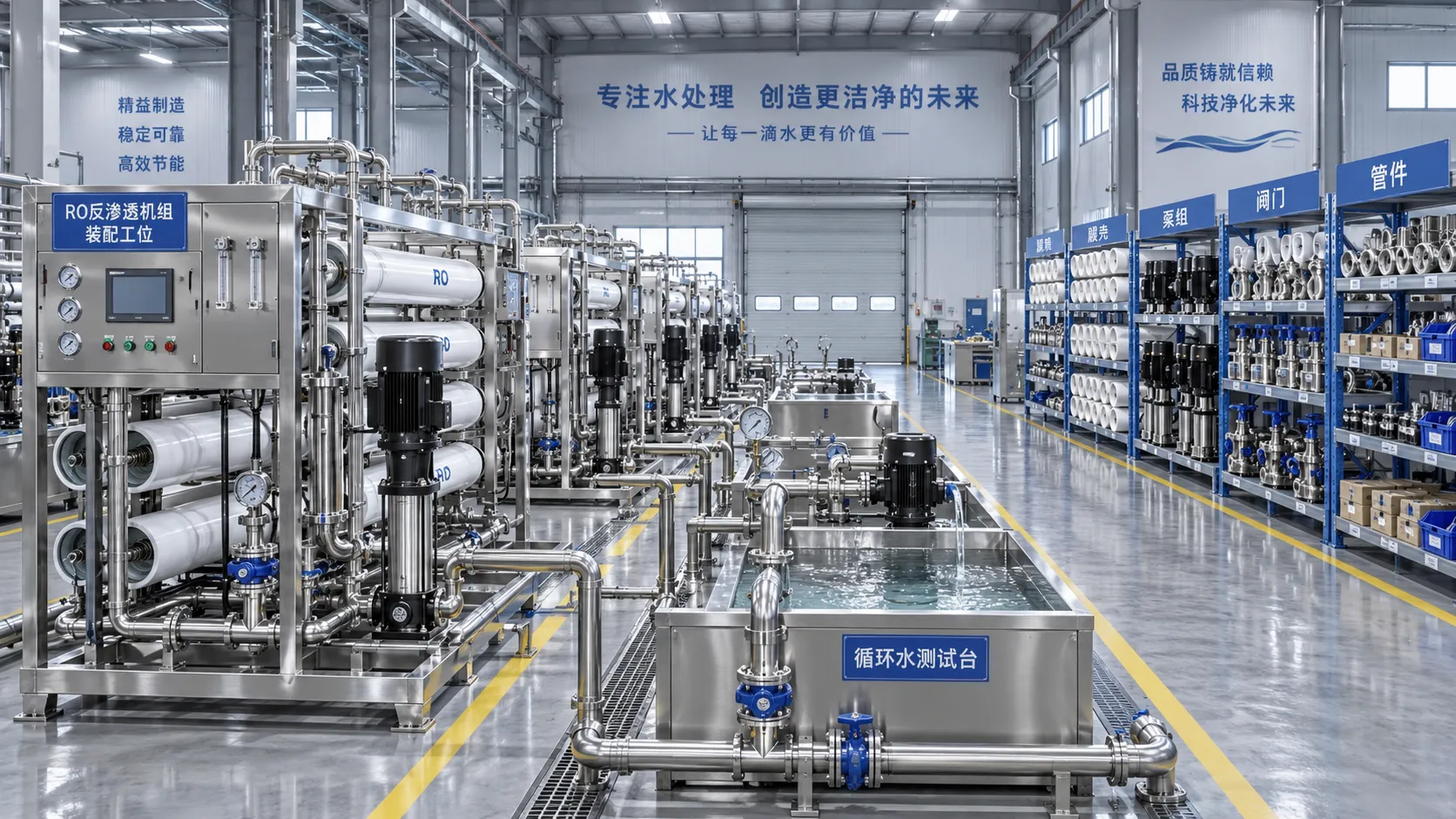
How to verify a water treatment system factory’s production capacity
Verify a water treatment systems factory’s production capacity through records, bottlenecks, component availability, and testing. Learn what to check before accepting a delivery promise.
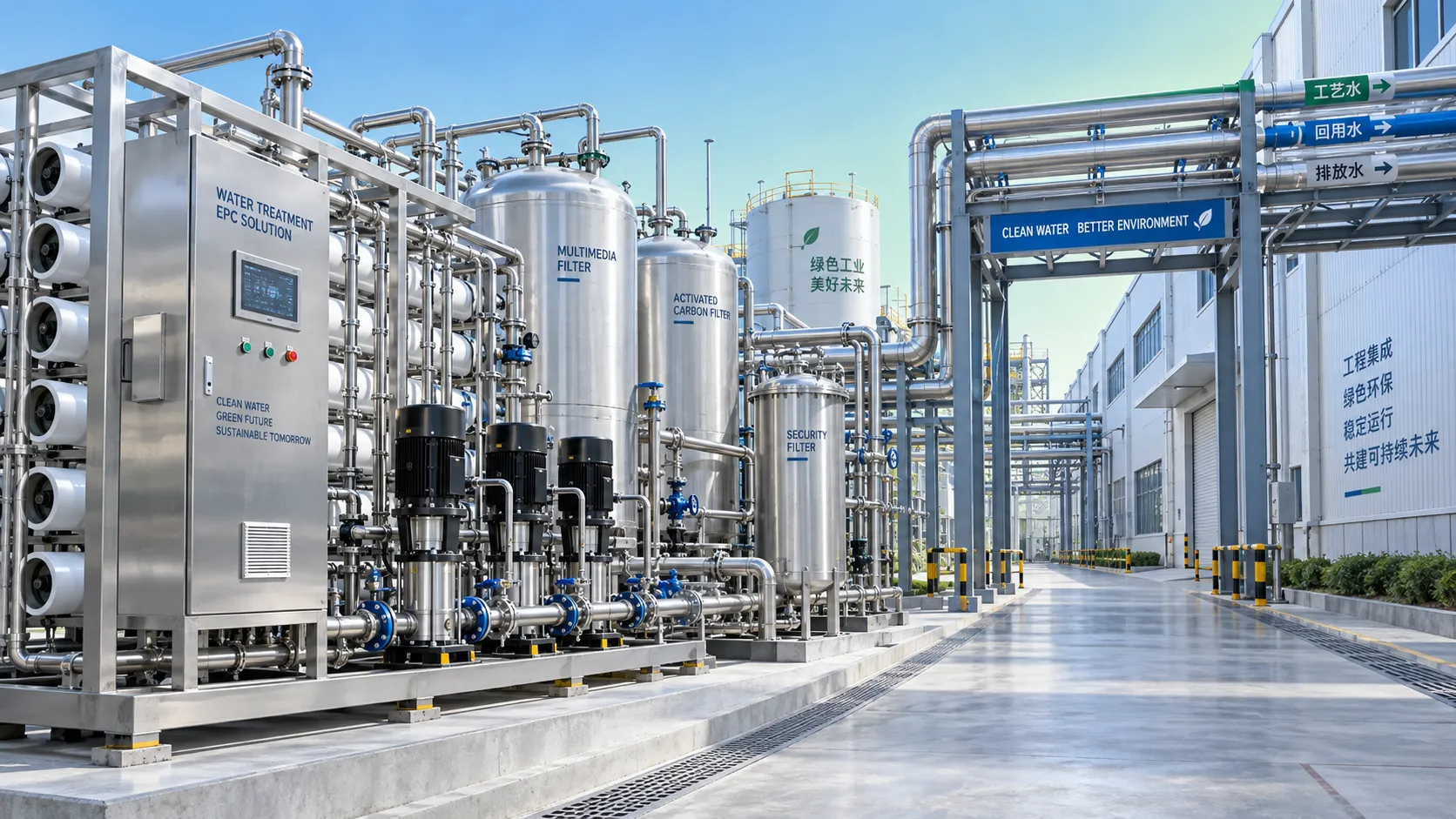
When does EPC environmental project support reduce delivery risk?
EPC environmental project support engineering reduces delivery risk by aligning design, procurement, compliance, construction, and commissioning decisions.
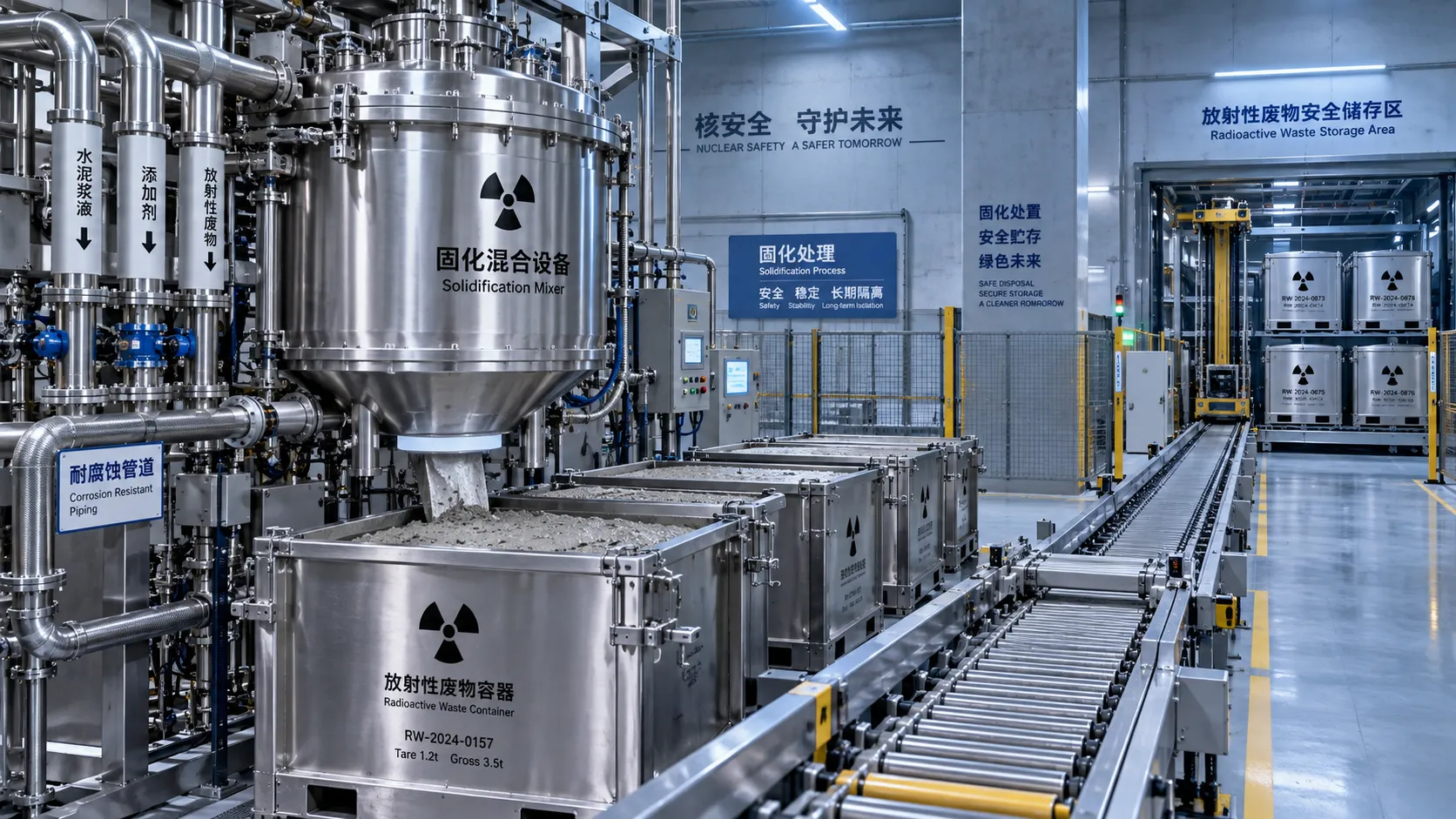
How nuclear plants select a radioactive waste solidification method
Radioactive waste management for nuclear plants: compare vitrification, cementation, polymers, and ceramics to select a compliant, durable solidification solution.
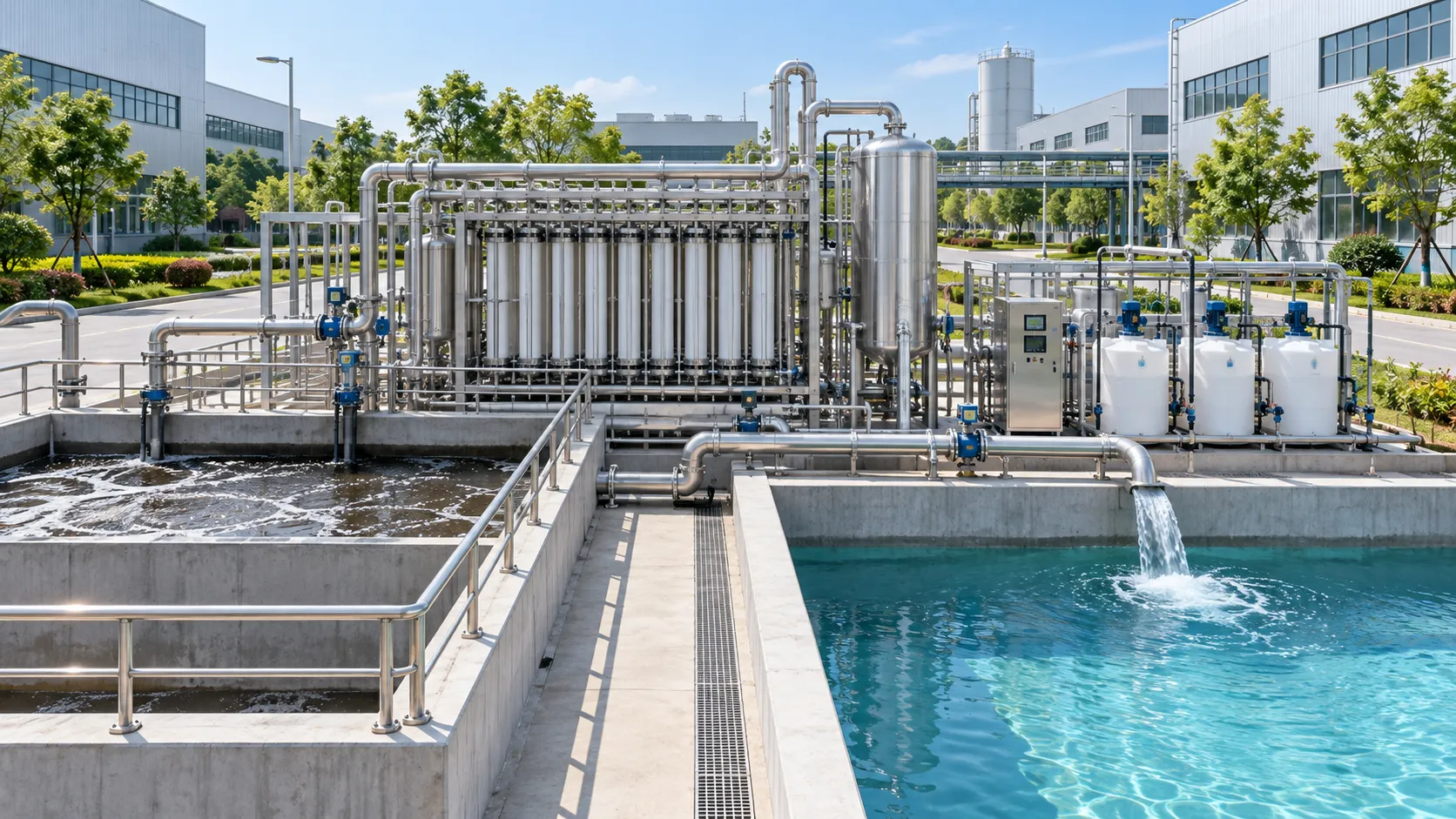
Comparing Upgrade Costs for Industrial Park Wastewater Treatment Systems
Compare costs for wastewater system upgrades in industrial parks with a lifecycle view of CAPEX, OPEX, compliance, resilience, and future expansion.
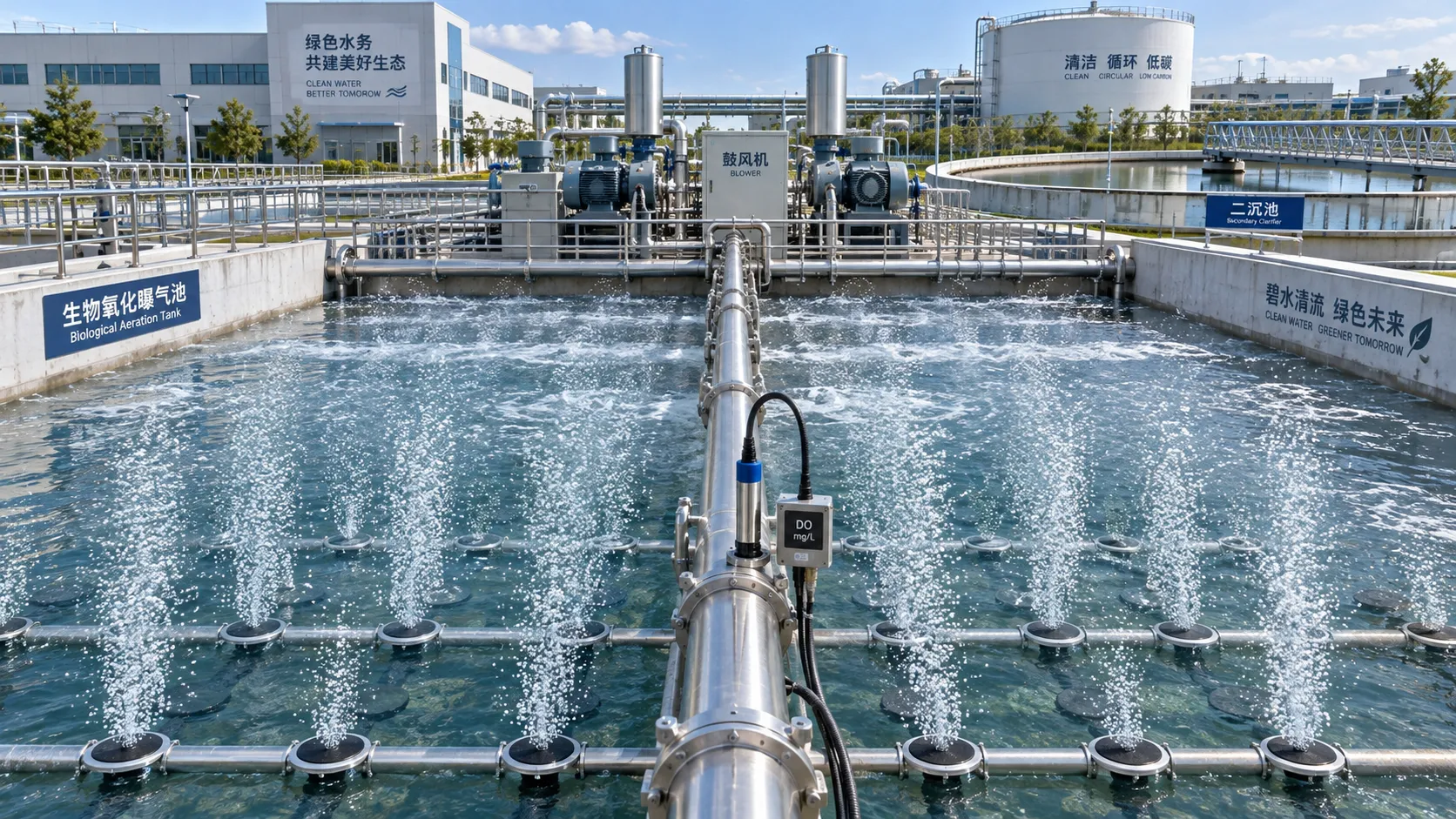
Biological Wastewater Oxidation Explained: Aeration Demand and Process Control
Biological wastewater oxidation explained: optimize aeration demand, DO control, nitrification, and sludge age for stable effluent quality and lower energy costs.
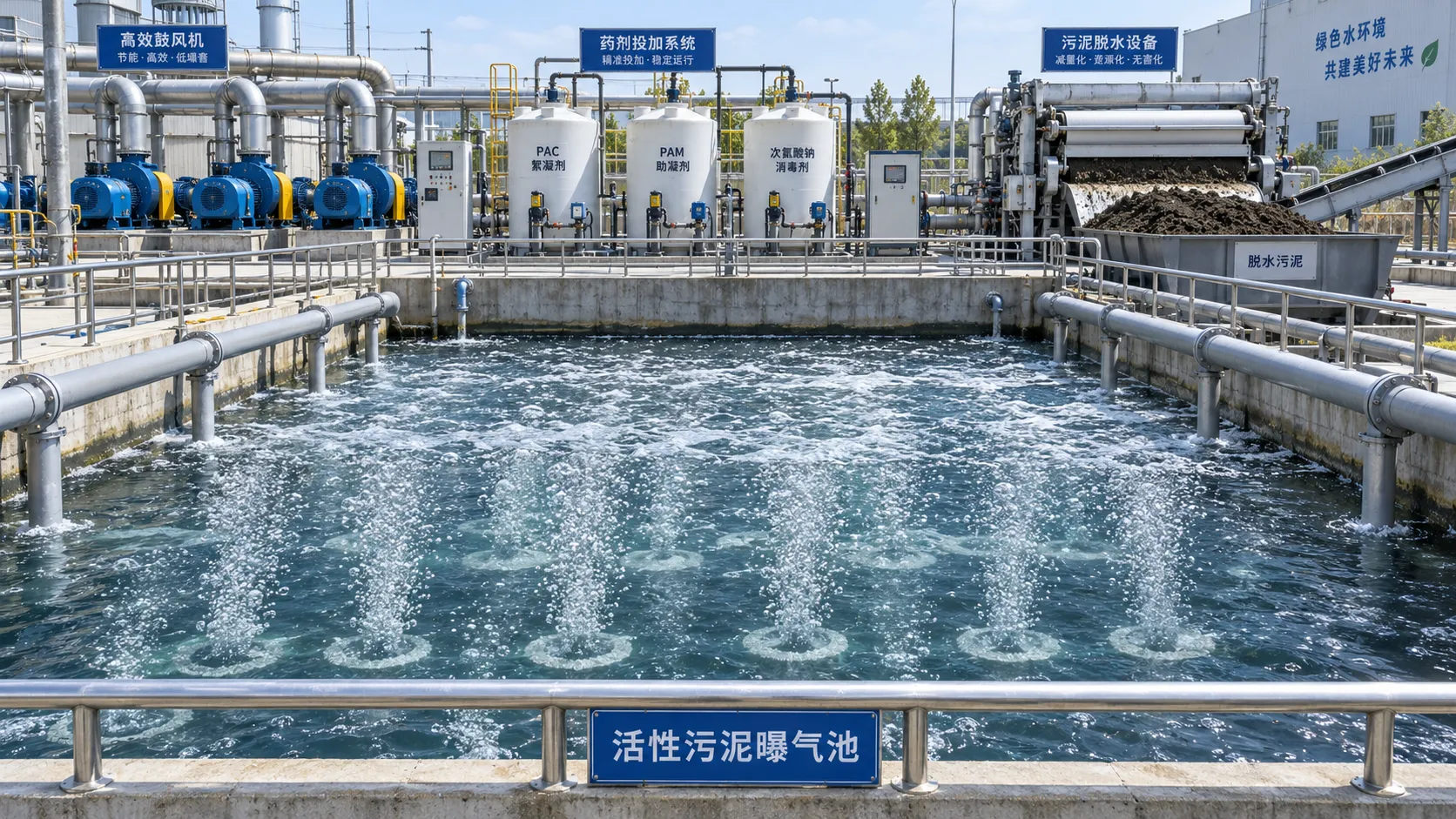
Activated Sludge Cost: Budgeting Energy, Chemicals, Sludge, and Labor
Activated sludge cost explained: compare energy, chemicals, sludge disposal, labor, and compliance risks to build a reliable lifecycle budget.
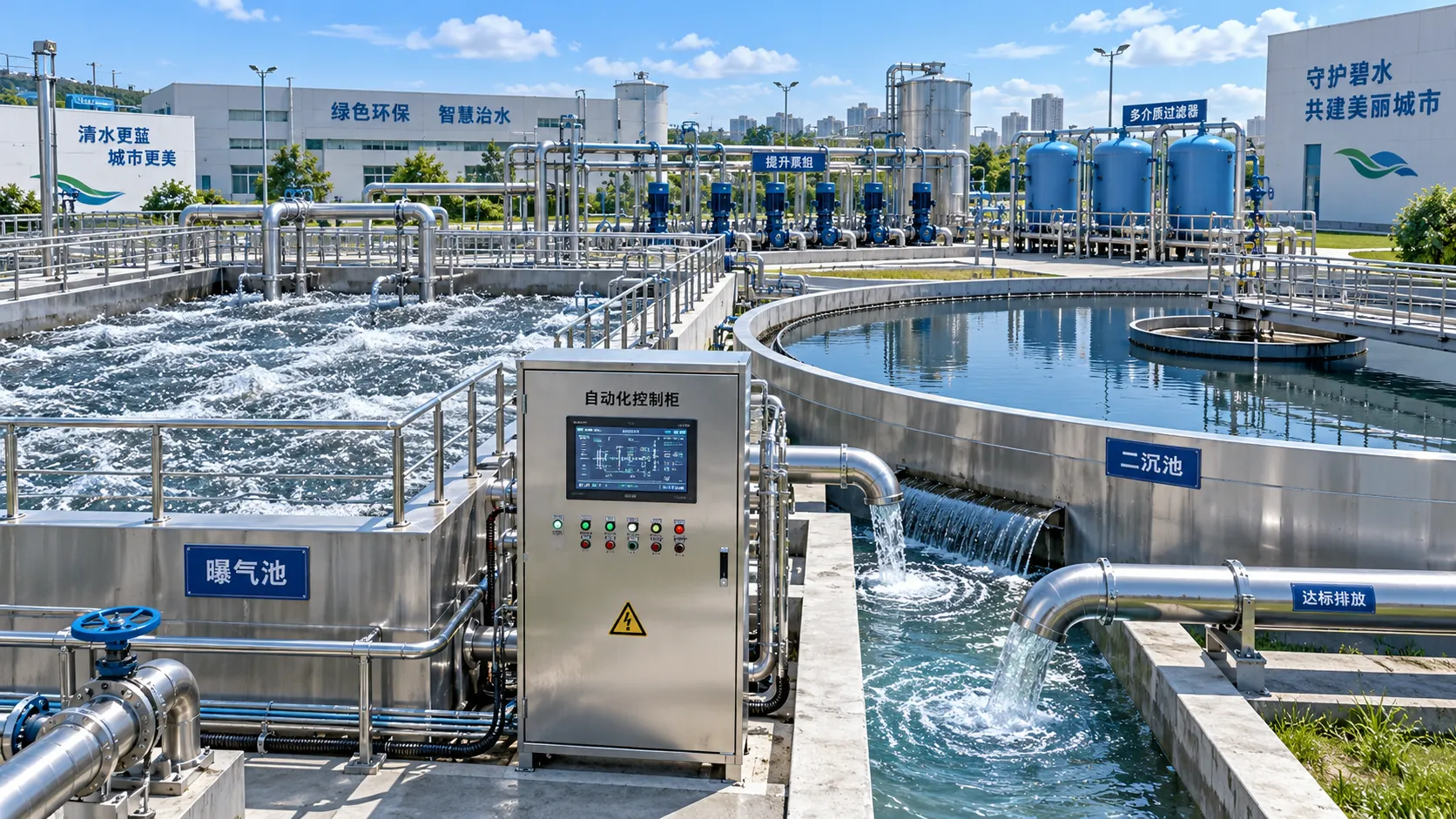
When Should Municipal Wastewater Plants Upgrade Treatment Capacity and Controls?
Municipal wastewater treatment upgrades: learn when capacity, controls, and resilient planning are needed to protect compliance and optimize plant performance.