
Industry News
Curation by industry experts
Hot Articles
Popular Tags
Government Projects in Environmental Infrastructure: Bid Risks to Watch
Government projects in environmental infrastructure remain one of the strongest growth engines across water, waste, flue gas, desalination, and hazardous treatment systems.
Yet these government projects also carry bid risks that can erase margin, delay delivery, and weaken long-term contract performance.
In large public tenders, success depends on more than price.
It depends on reading shifting policy signals, validating technical assumptions, and protecting execution from hidden compliance and commercial traps.
For environmental infrastructure, these risks are intensifying as governments pursue stricter emissions targets, higher resilience standards, and tighter lifecycle accountability.
Why bid risk in government projects is rising across environmental infrastructure
The market has shifted from simple capital works toward performance-linked environmental systems.
That change affects wastewater plants, waste-to-resource lines, flue gas treatment units, desalination assets, and nuclear waste handling facilities.
Many government projects now combine engineering, digital monitoring, carbon reporting, and multiyear service obligations inside one tender package.
As a result, bid teams face more variables, more interfaces, and more ways to misprice technical complexity.
Key trend signals shaping current tenders
- Performance guarantees are replacing basic equipment supply metrics.
- Environmental compliance frameworks are updated faster than legacy specifications.
- Public buyers are requesting lifecycle cost evidence, not only low capex.
- Localization, security, and traceability requirements are entering more government projects.
- Funding structures increasingly link milestone payments to verified output.
These shifts make environmental bids more strategic and less forgiving.
A technically compliant offer can still fail if risk allocation is misunderstood.
What is driving these risk patterns in government projects
Several forces are reshaping how public environmental contracts are defined, scored, and enforced.
In this environment, government projects reward disciplined assumptions more than optimistic promises.
Bid risks to watch before entering environmental government projects
1. Compliance language that looks stable but is not
Tender documents often reference standards, permits, and reporting methods from different regulatory moments.
That creates silent conflicts between baseline design and final operating approval.
In government projects, one outdated compliance assumption can trigger redesign, retesting, or liquidated damages.
2. Technical specification gaps hidden by broad scope wording
Environmental tenders frequently include vague phrases such as “complete system responsibility” or “all required auxiliary works.”
Those phrases can hide major scope additions.
Examples include pretreatment upgrades, odor control, sludge handling, brine disposal, cybersecurity layers, or extra redundancy.
3. Lifecycle cost errors in price-led competition
Winning low on capex can become losing high on energy, chemicals, membranes, catalyst replacement, or maintenance staffing.
This is especially serious in desalination, flue gas cleanup, and ZLD-related systems.
Government projects increasingly evaluate operating cost realism after award, not just during bid scoring.
4. Supplier qualification and substitution risk
Approved vendor lists may appear flexible during tender review but become rigid during execution.
If core pumps, membranes, valves, linings, sensors, or cranes fail qualification, schedule pressure escalates quickly.
Some government projects also require domestic content or security-screened sourcing.
5. Performance guarantees tied to variable feed conditions
Many environmental systems operate against unstable influent, seasonal loads, or uncertain waste composition.
Guaranteeing throughput, purity, emissions, or recovery without a clear feed envelope is a major commercial hazard.
6. Payment terms that transfer financing strain
Milestone structures in government projects may defer cash until acceptance testing or regulatory sign-off.
That can create working capital pressure across long fabrication and commissioning cycles.
How these risks affect different business links
The impact of bid risk is not limited to tender submission.
It spreads through engineering, procurement, installation, acceptance, and post-handover service.
- Front-end design may be forced to absorb missing assumptions from unclear specifications.
- Procurement may face approved-list conflicts or insufficient material traceability.
- Construction planning may suffer from permit timing and site-access uncertainty.
- Commissioning may fail if performance tests ignore real operating variability.
- O&M obligations may turn profitable awards into long-term liabilities.
For intelligence-led platforms such as ESD, the lesson is clear.
Government projects must be read as integrated risk systems, not isolated equipment opportunities.
What deserves the closest attention before bidding
A disciplined review framework helps identify whether a tender is attractive, distorted, or structurally dangerous.
- Check whether referenced regulations are current, consistent, and jurisdiction-specific.
- Map every process guarantee against actual feed, ambient, and utility assumptions.
- Separate fixed scope from implied scope, then price clarifications early.
- Stress-test lifecycle cost with energy, reagent, replacement, and disposal sensitivity.
- Validate supplier status, lead times, and substitution approval pathways.
- Review payment triggers against fabrication cash needs and warranty exposure.
- Examine data integration, cybersecurity, and monitoring obligations in digital packages.
- Confirm who owns permitting interfaces, testing protocols, and third-party certification costs.
Practical response strategies for safer participation in government projects
The best approach to government projects is selective aggressiveness.
Compete hard on differentiated technical value, but avoid absorbing undefined public-sector risk without compensation.
How to judge the next wave of environmental government projects
Over the next few years, public environmental tenders will likely become more data-driven, audited, and resilience-focused.
Expect stronger links between infrastructure awards and carbon policy, water security, resource recovery, and national industrial strategy.
That means government projects will favor bidders who combine process depth with documentation discipline and regulatory foresight.
In sectors tracked by ESD, this is especially relevant for SWRO systems, ZLD packages, flue gas reactors, AI sorting lines, and nuclear waste containment technologies.
A stronger next step for bid decisions
Before pursuing new government projects, build a formal pre-bid risk screen based on compliance, scope, cost, supplier readiness, and payment structure.
Use technical intelligence to challenge tender assumptions rather than simply accepting them.
In environmental infrastructure, better questions often protect value more effectively than lower prices.
The most resilient government projects are won not only by competitive bids, but by superior risk judgment from the very beginning.
Recommended News
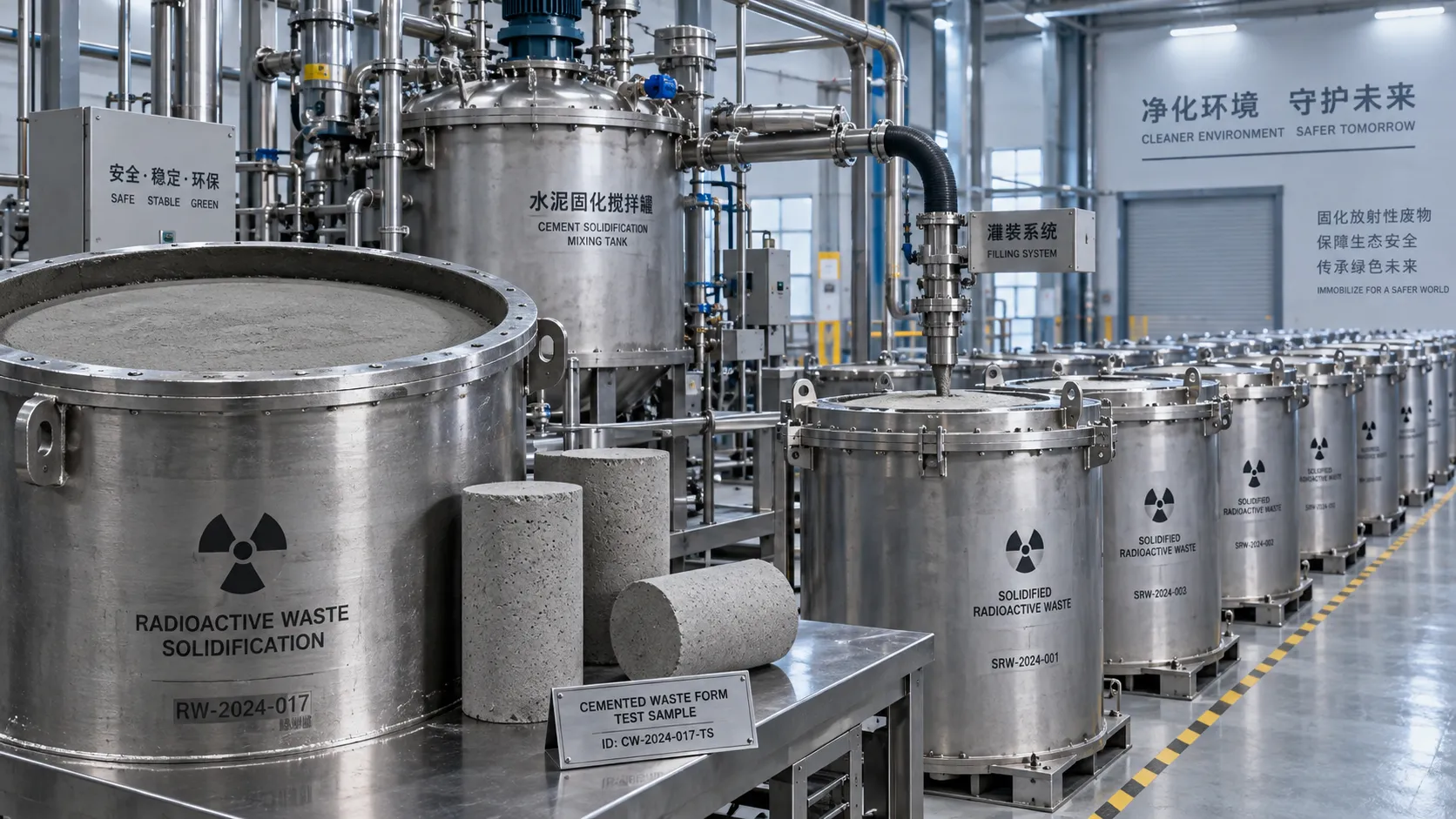
When is cementation suitable for nuclear decommissioning waste?
Explore nuclear waste treatment technology for decommissioning: learn when cementation fits, which risks to assess, and how disposal criteria guide an effective treatment choice.
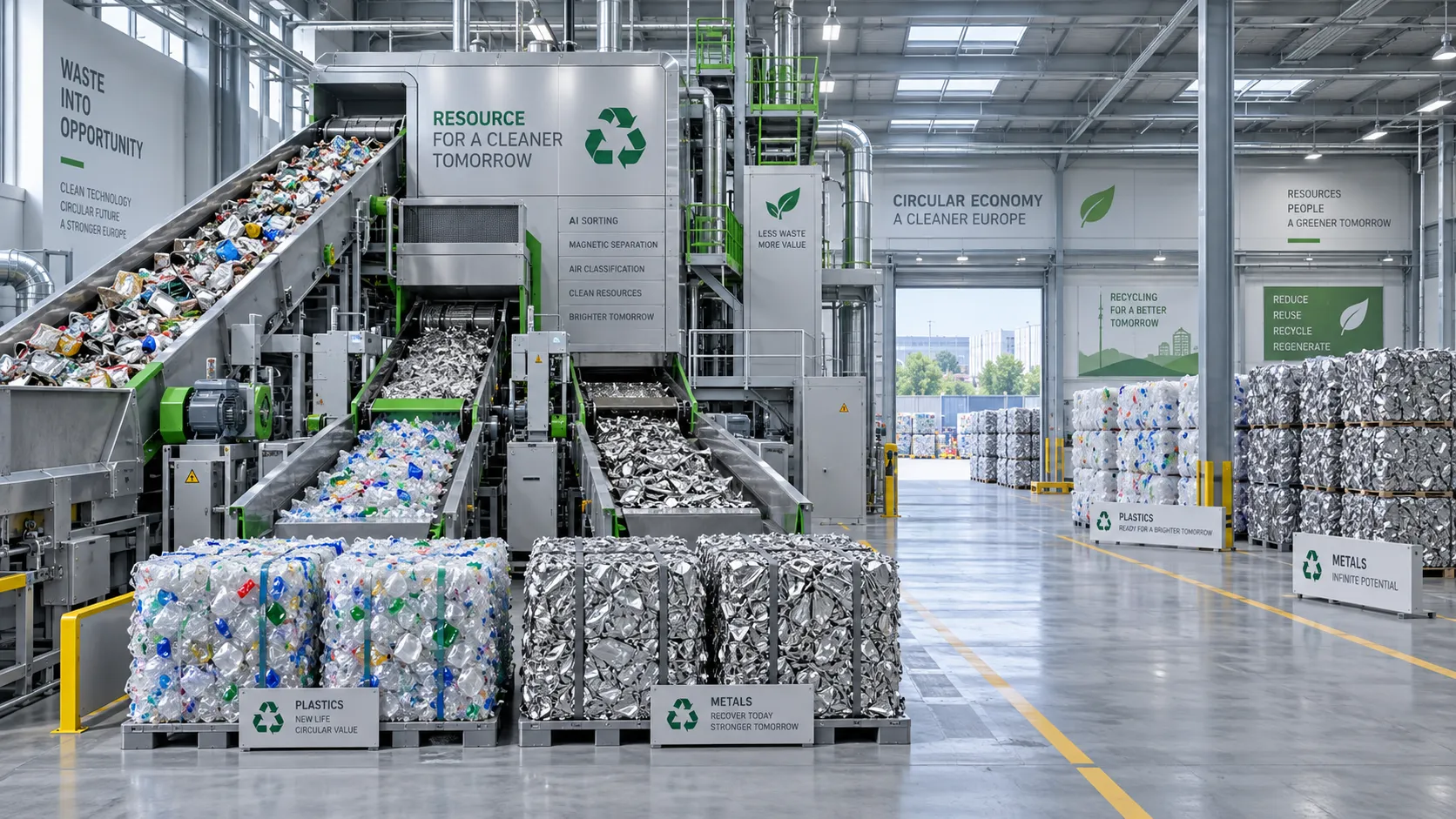
What determines payback for waste-to-resource systems in Europe?
Assess waste-to-resource systems Europe-wide: compare feedstock, recovery yields, costs and contracts to uncover payback drivers and make smarter investment decisions.
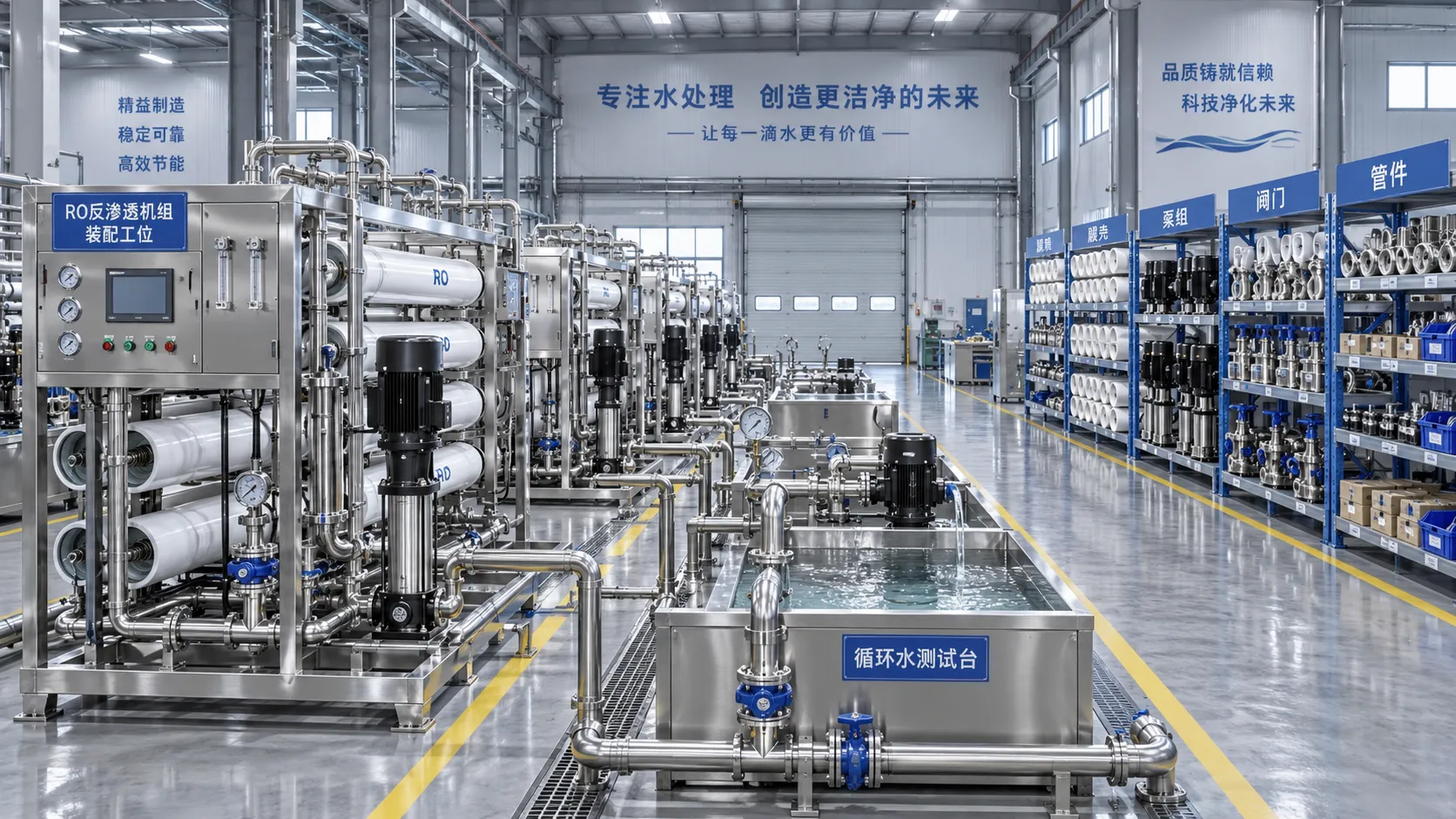
How to verify a water treatment system factory’s production capacity
Verify a water treatment systems factory’s production capacity through records, bottlenecks, component availability, and testing. Learn what to check before accepting a delivery promise.
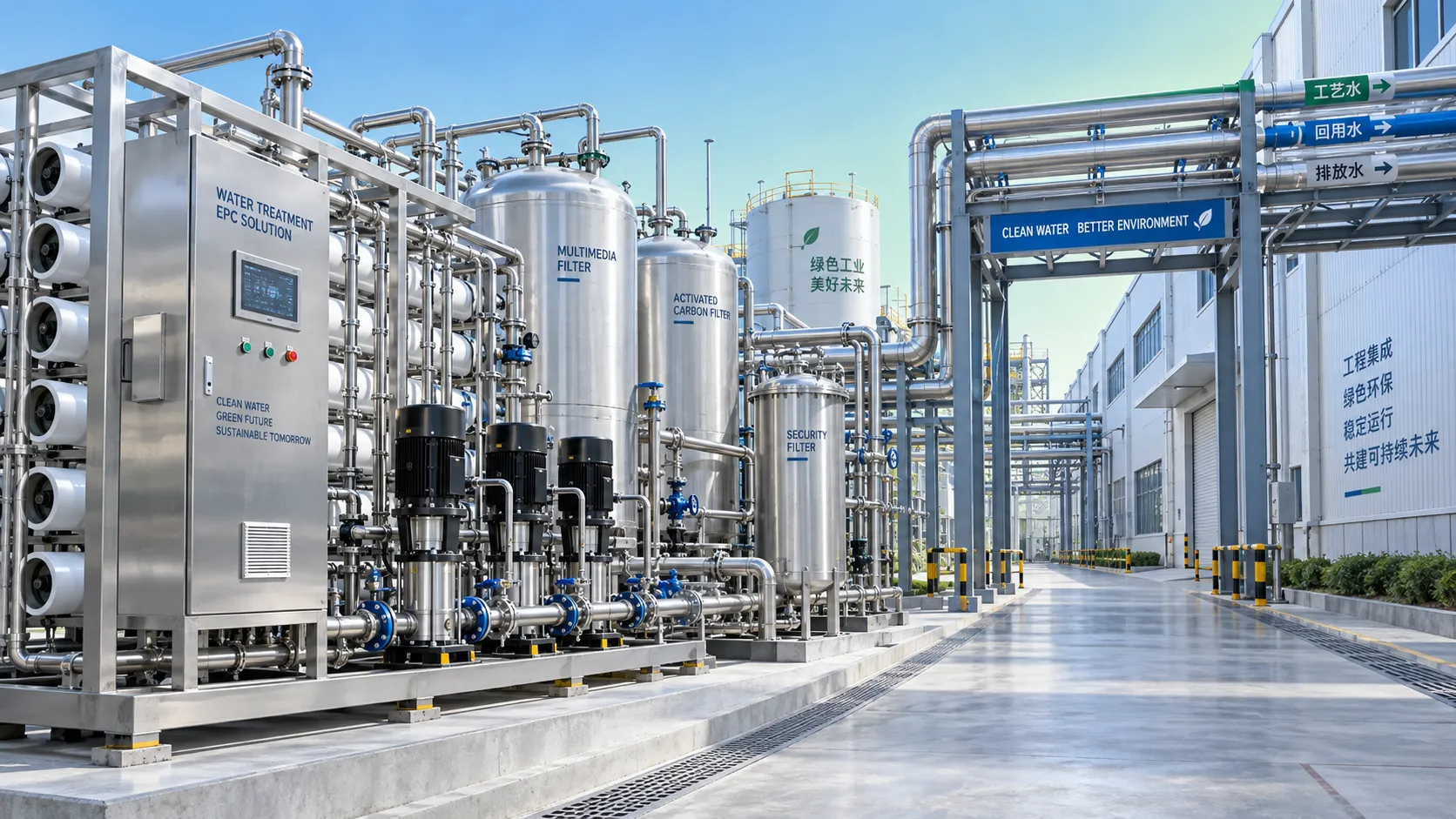
When does EPC environmental project support reduce delivery risk?
EPC environmental project support engineering reduces delivery risk by aligning design, procurement, compliance, construction, and commissioning decisions.
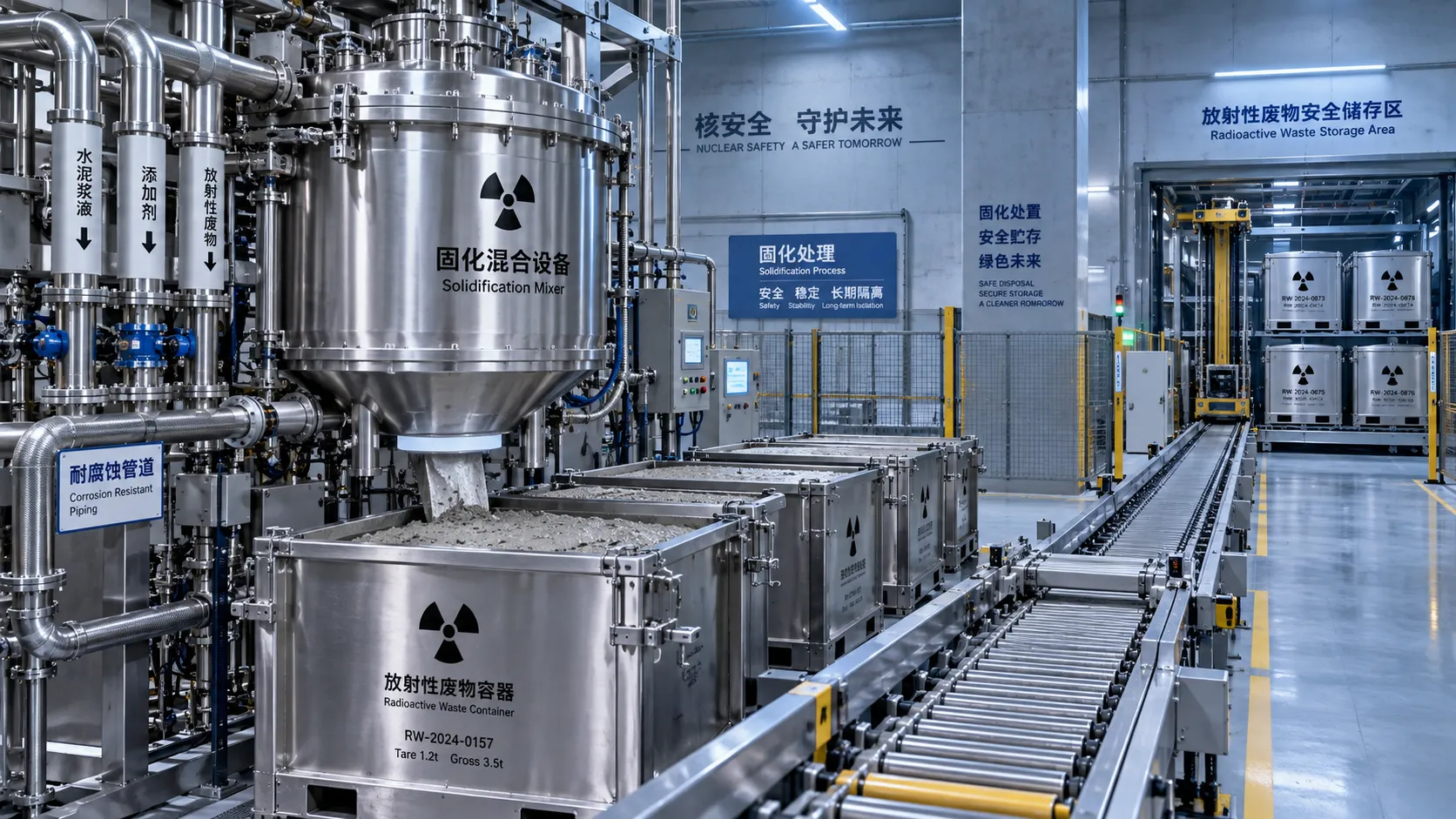
How nuclear plants select a radioactive waste solidification method
Radioactive waste management for nuclear plants: compare vitrification, cementation, polymers, and ceramics to select a compliant, durable solidification solution.
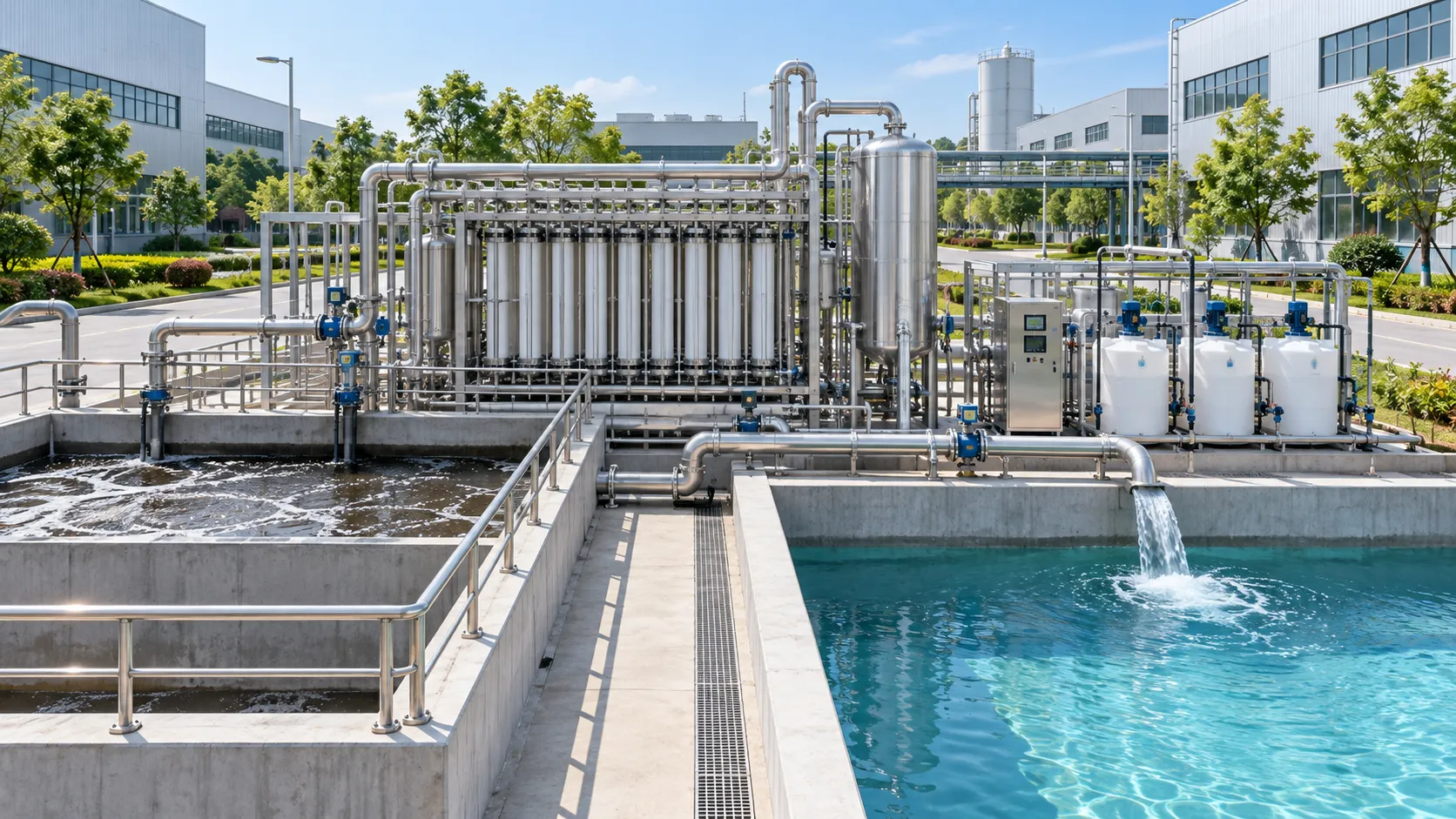
Comparing Upgrade Costs for Industrial Park Wastewater Treatment Systems
Compare costs for wastewater system upgrades in industrial parks with a lifecycle view of CAPEX, OPEX, compliance, resilience, and future expansion.
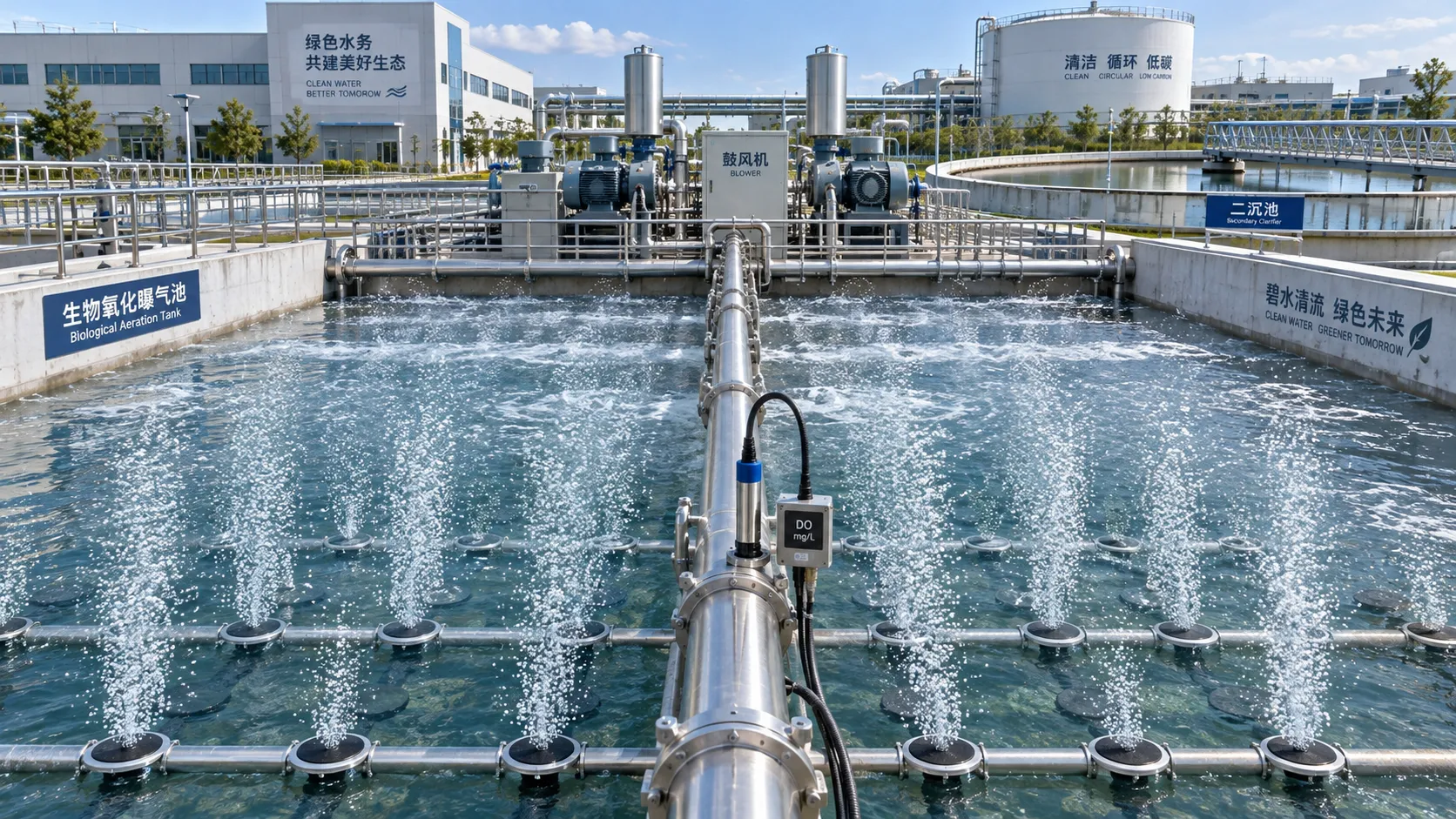
Biological Wastewater Oxidation Explained: Aeration Demand and Process Control
Biological wastewater oxidation explained: optimize aeration demand, DO control, nitrification, and sludge age for stable effluent quality and lower energy costs.
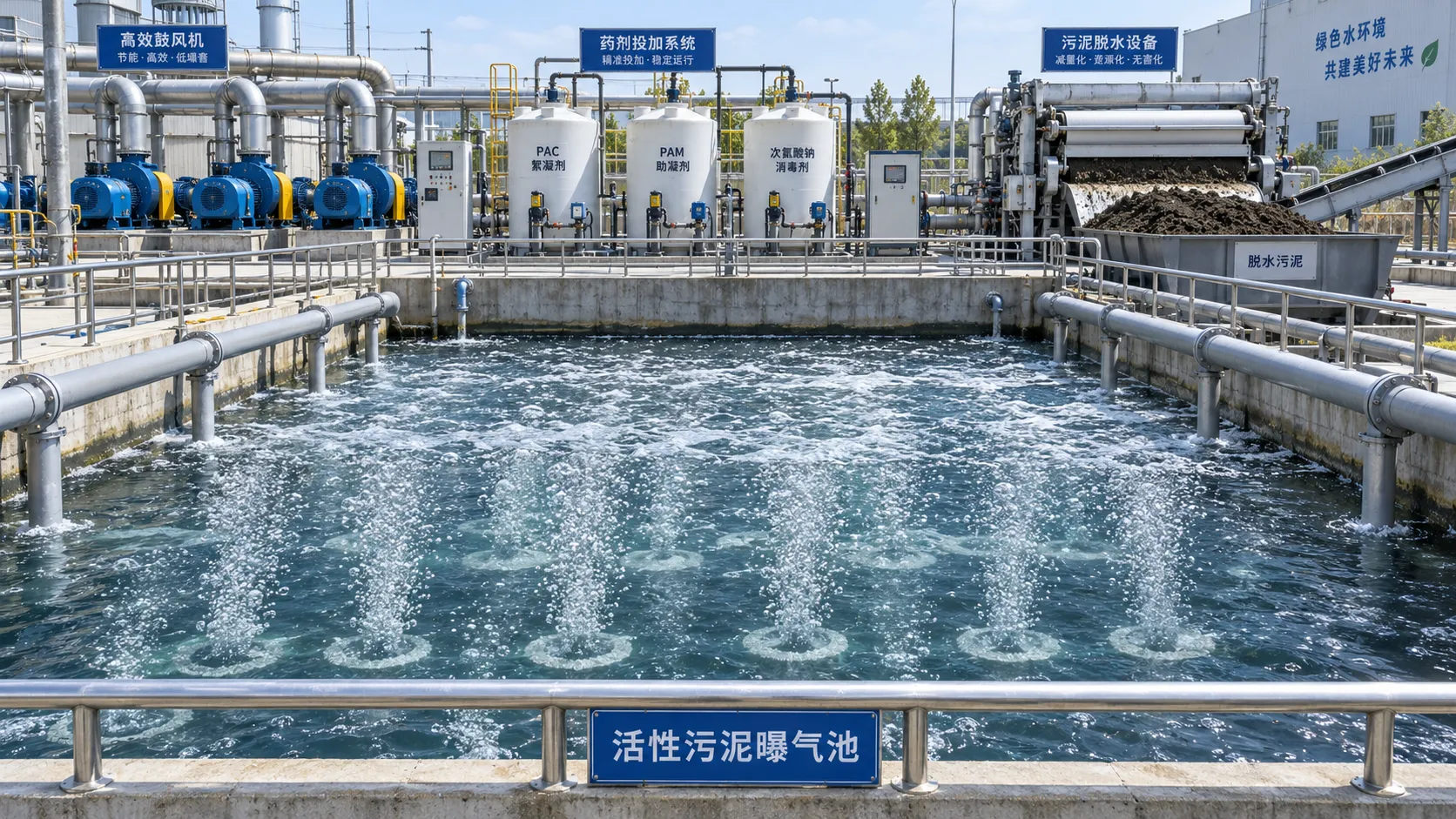
Activated Sludge Cost: Budgeting Energy, Chemicals, Sludge, and Labor
Activated sludge cost explained: compare energy, chemicals, sludge disposal, labor, and compliance risks to build a reliable lifecycle budget.
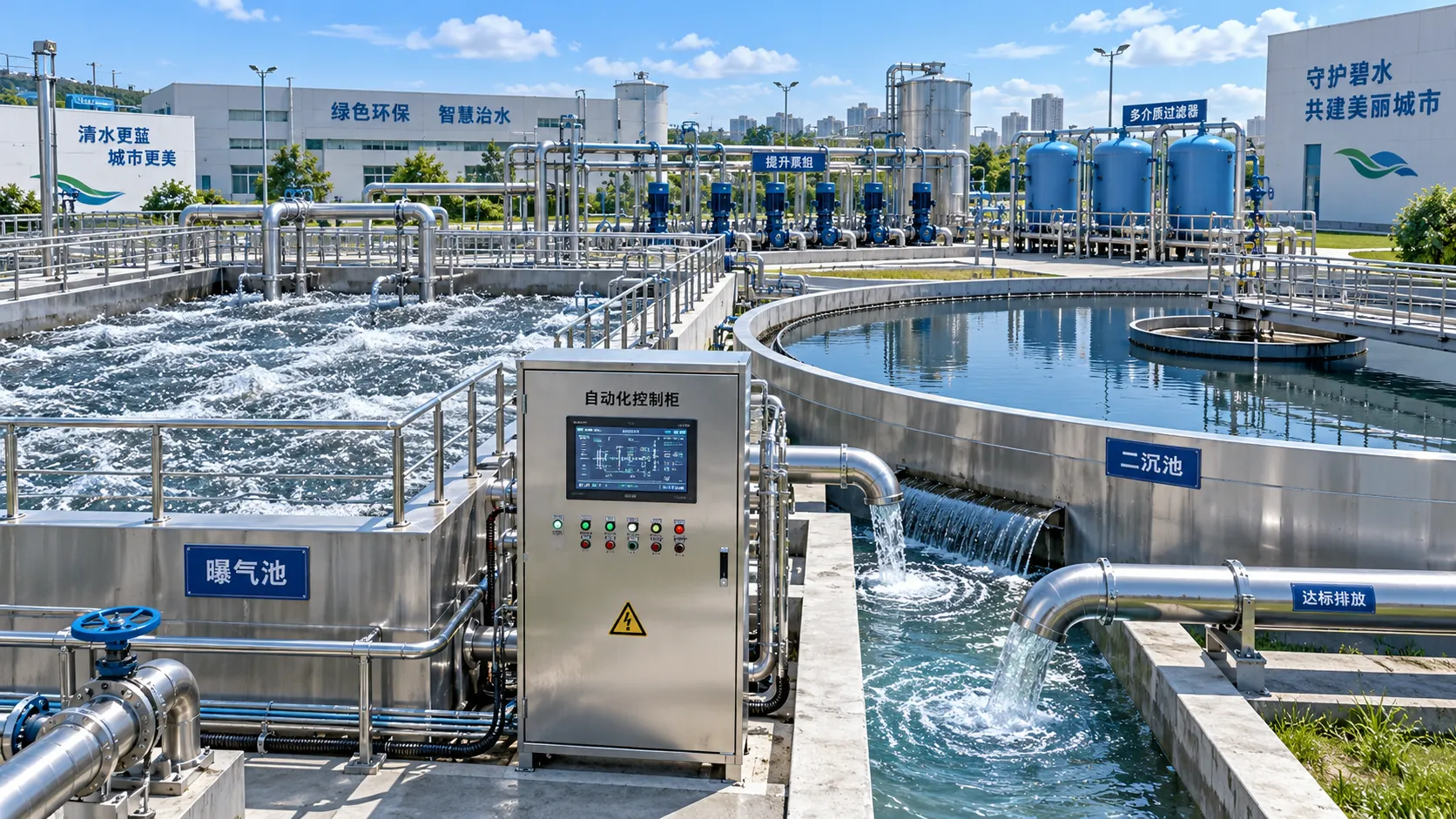
When Should Municipal Wastewater Plants Upgrade Treatment Capacity and Controls?
Municipal wastewater treatment upgrades: learn when capacity, controls, and resilient planning are needed to protect compliance and optimize plant performance.