
Industry News
Curation by industry experts
Hot Articles
Popular Tags
SCR Catalysts: How to Compare Activity, Lifetime, and Pressure Drop
SCR catalysts sit at the center of modern flue gas control, yet comparison is often reduced to a single conversion number. That shortcut creates risk. In actual operation, catalyst activity across load changes, lifetime under dirty gas conditions, and pressure drop through the reactor determine whether a plant stays compliant without adding avoidable energy cost.
This matters far beyond one process unit. Across the environmental equipment landscape followed by ESD, from waste recovery lines to heavy industrial air systems, SCR catalyst selection affects operating stability, maintenance planning, and the economics of long-term emissions control.
Why SCR catalyst comparison has become more demanding
Emissions limits are tightening in many regions, while fuel quality, operating flexibility, and upstream process variation are becoming less predictable. That combination exposes weak assumptions in SCR catalyst evaluation.
A catalyst that performs well in clean, stable test conditions may behave very differently in real flue gas. Sulfur, alkali metals, dust, arsenic, ammonia slip, and temperature swings can shift performance faster than a datasheet suggests.
For this reason, ESD increasingly treats SCR catalysts as part of a wider ecological equipment intelligence problem. Reaction kinetics, fluid resistance, maintenance intervals, and regulatory margins need to be read together, not separately.
What should be compared first
At a basic level, SCR catalysts reduce NOx by reacting it with ammonia over an active surface. The practical question is not whether the chemistry works, but how reliably it works under a specific operating window.
Three dimensions usually shape the decision:
- Activity, which defines how much NOx reduction is achieved at actual temperature, space velocity, and ammonia ratio.
- Lifetime, which reflects deactivation speed, poisoning resistance, erosion tolerance, and the ability to regenerate performance.
- Pressure drop, which influences fan power, flow distribution, and the overall energy burden of the flue gas treatment train.
These factors interact. Higher geometric surface area may raise activity, but structure and pitch can also change plugging risk. A catalyst with low initial pressure drop may lose that advantage if ash loading develops quickly.
Activity is about the operating window, not the headline number
The most useful way to compare SCR catalysts is to map activity against the real process envelope. Peak NOx conversion at one design point says little about startup periods, low-load operation, or seasonal shifts.
Temperature sensitivity matters early
Low-temperature performance has become a major screening factor, especially where heat recovery schemes or process integration reduce flue gas temperature. In such systems, standard catalyst formulations may struggle to keep reaction rates high enough.
When comparing activity, it helps to review:
- NOx conversion at minimum, normal, and maximum operating temperatures.
- Sensitivity to high space velocity during peak throughput.
- Ammonia slip behavior at different control setpoints.
- Performance margin after expected aging.
Selectivity should not be overlooked
Strong activity loses value if side reactions increase SO2 oxidation or create ammonium bisulfate formation risk. That can damage downstream equipment, narrow cleaning intervals, and increase hidden operating cost.
Lifetime determines the real economics of SCR catalysts
In many installations, catalyst replacement and outage costs outweigh small differences in initial purchase price. That is why lifetime should be treated as a core commercial and technical variable.
Lifetime is not just time in service. It is the rate at which active sites are lost, channels foul, mechanical strength declines, and performance margin narrows under site-specific gas chemistry.
In waste-to-energy, biomass, and mixed-fuel systems, lifetime uncertainty is usually higher than in cleaner gas streams. That makes field references, poison profiles, and deactivation curves more useful than nominal design life claims.
Pressure drop is an emissions issue and an energy issue
Pressure drop can look secondary during procurement, but it becomes visible every day in fan load, flow stability, and bed cleanliness. In large flue gas treatment trains, even moderate increases can reshape energy consumption.
The best comparison does not stop at clean-bed pressure drop. It also considers how geometry, dust loading, soot blowing effectiveness, and catalyst pitch influence the dirty-bed condition over time.
Why reactor design context matters
SCR catalysts cannot be separated from reactor design. Flow maldistribution, poor ammonia mixing, and uneven thermal fields can make a low-pressure-drop catalyst underperform while also masking the true cause.
A practical review should include:
- Initial and end-of-run pressure drop assumptions.
- Allowance for ash characteristics and particle size distribution.
- Compatibility with soot blowing or acoustic cleaning strategy.
- Impact on induced draft fan margin and parasitic power.
Typical comparison scenarios across environmental systems
The same SCR catalysts are not equally suitable for every sector. Different upstream processes change the risk profile, especially where flue gas composition is unstable or contaminants are difficult to predict.
This cross-sector view fits the broader ESD approach. Flue gas treatment decisions are rarely isolated. They connect with energy efficiency targets, maintenance strategy, carbon exposure, and compliance planning across large industrial systems.
A practical framework for comparing supplier claims
Technical comparison becomes stronger when all claims are translated into a common site basis. That means using the same temperature band, gas composition, space velocity, dust level, and end-of-life performance target.
Useful questions include:
- Is the quoted activity based on fresh catalyst or aged catalyst?
- Does the lifetime claim reflect similar contaminant exposure?
- How much pressure drop growth is expected before maintenance?
- What testing method supports deactivation and regeneration claims?
- Are field references available for a comparable reactor position and gas profile?
In many cases, the strongest option is not the most aggressive on paper. It is the one with the most credible balance between conversion margin, stable lifetime, and manageable pressure drop under known site constraints.
Where to focus next
A sound SCR catalyst review starts with plant reality, not brochure rankings. Build the comparison around actual flue gas chemistry, temperature excursions, cleaning practice, and required compliance margin at end of run.
From there, compare SCR catalysts using a lifecycle lens. A slightly higher initial cost may be justified if it protects activity in low-temperature operation, slows deactivation, or limits fan power growth over several years.
For organizations tracking environmental equipment through an intelligence platform such as ESD, the next step is clear: connect catalyst data with upstream fuel, downstream corrosion risk, outage planning, and regional compliance signals. That broader view usually leads to better decisions than conversion efficiency alone.
Recommended News
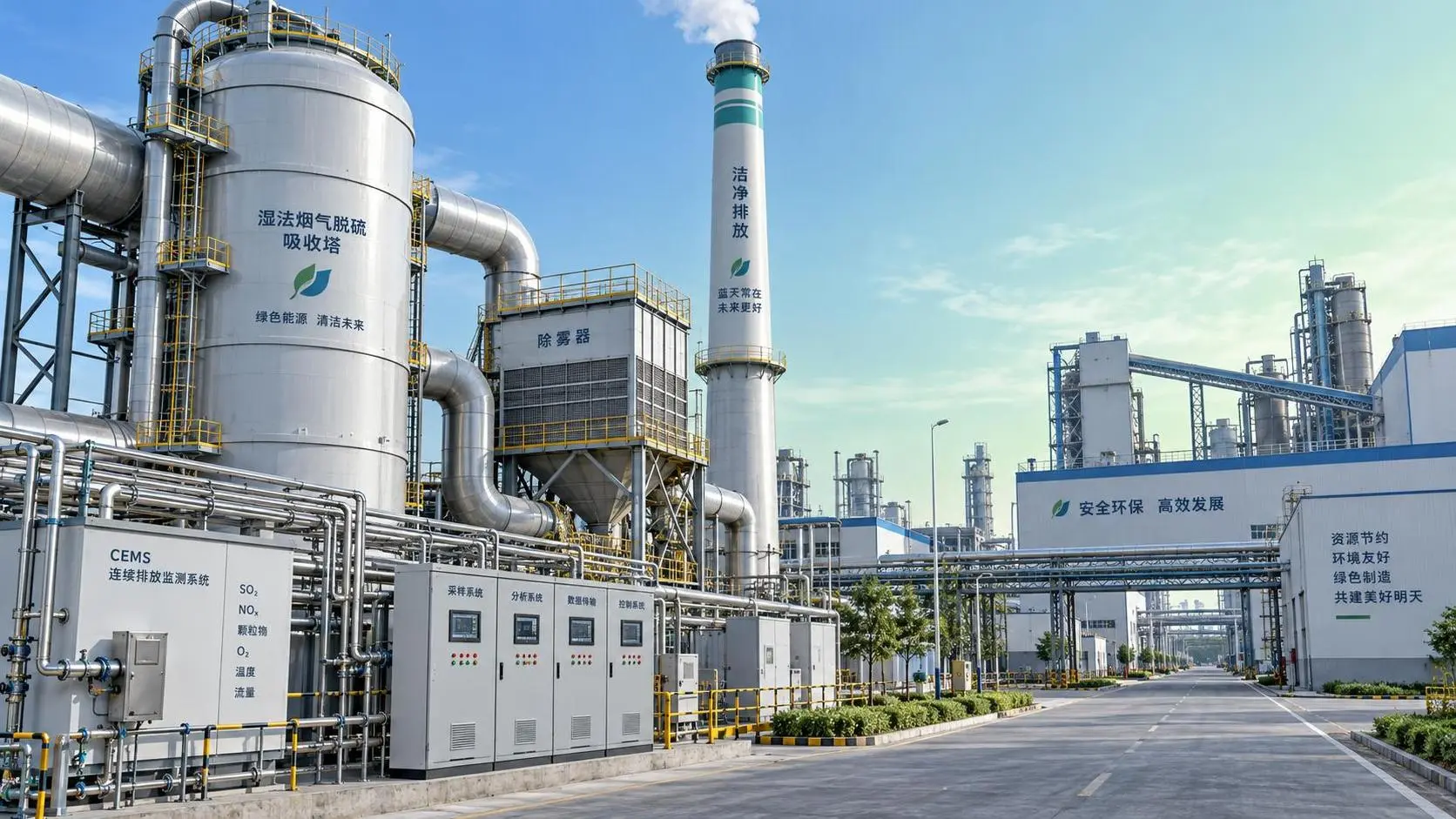
Which ISO standards apply to flue gas treatment systems?
Flue gas treatment systems ISO standards: explore key requirements for emissions testing, CEMS, safety, fabrication, corrosion control, and compliant project evaluation.

When corrosion resistant purification systems are needed for brine treatment
Corrosion resistant purification systems for brine treatment: assess chloride, heat, scaling, materials, and lifecycle reliability for demanding water projects.

How preventive maintenance reduces seawater desalination equipment downtime
Seawater desalination equipment maintenance reduces downtime through proactive monitoring, pretreatment protection, and planned repairs. Explore practical strategies for reliable RO performance.
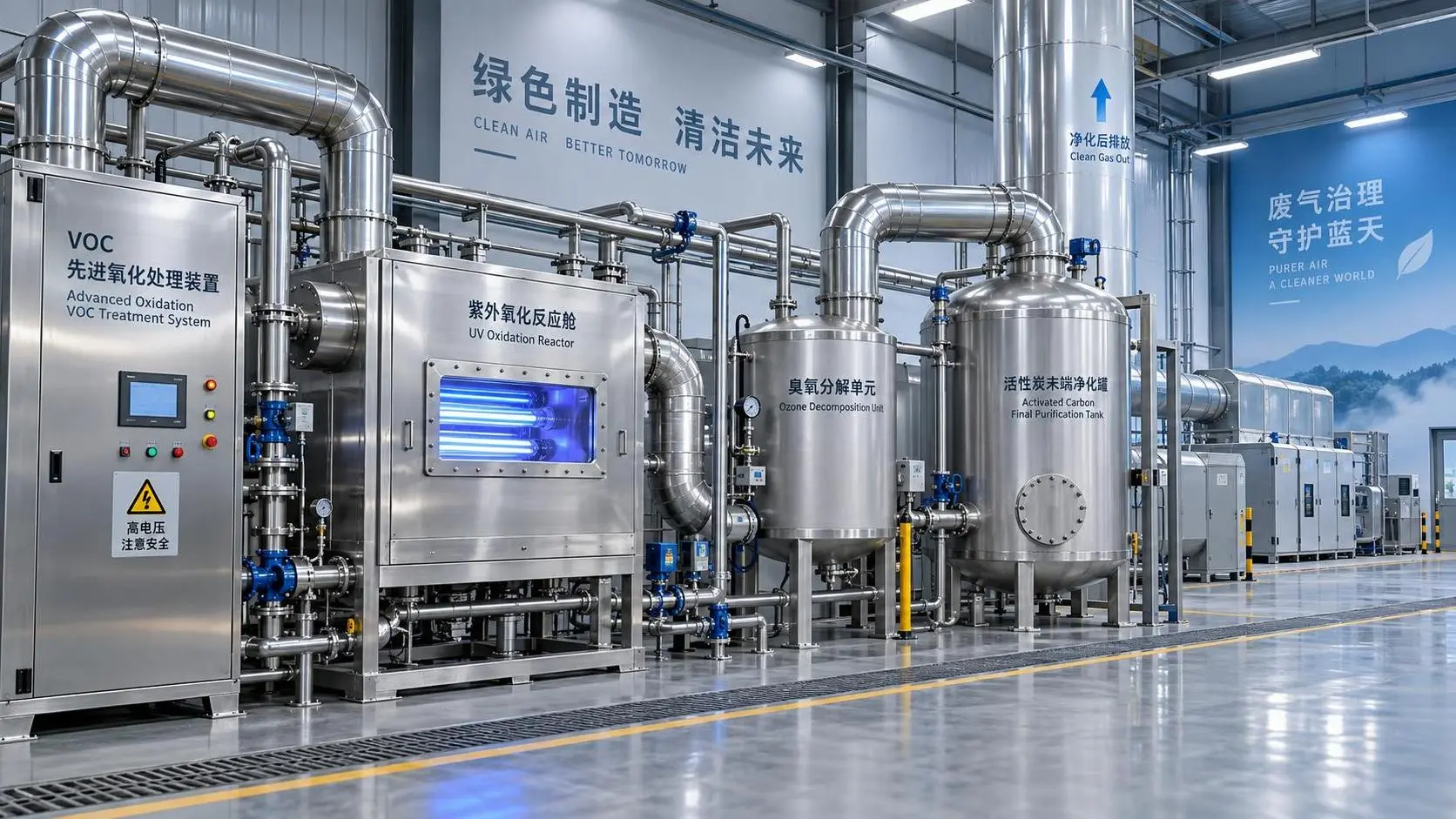
When are advanced oxidation processes the right choice for VOC control?
Advanced oxidation processes for VOC control: learn when AOPs outperform conventional options, manage by-products, and achieve reliable compliance.
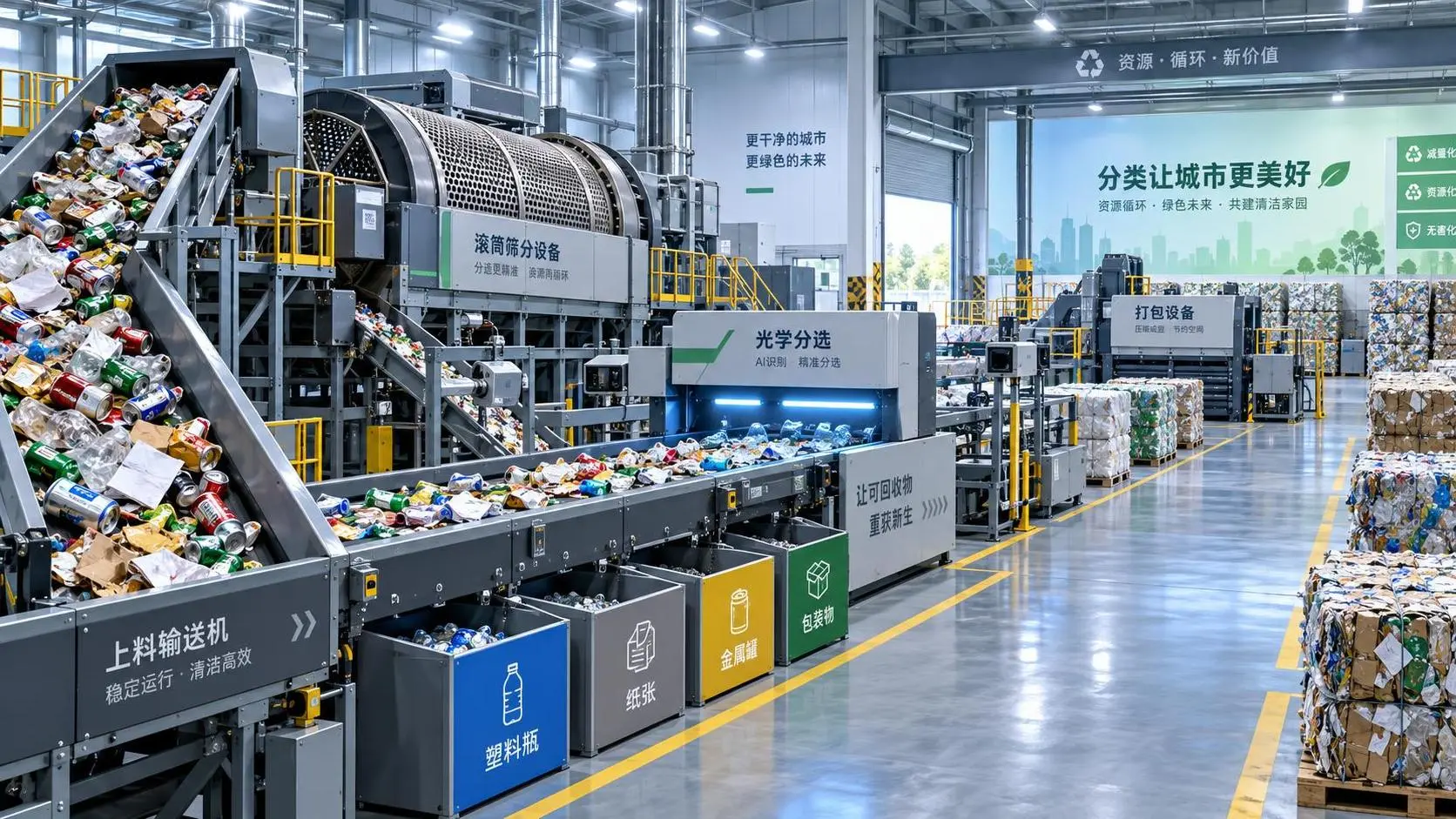
What throughput should municipal waste sorting equipment deliver?
Waste sorting equipment for municipal waste: learn how to set reliable throughput based on peak loads, material quality, uptime, and recovery targets.
What carbon neutrality means for corporate investment decisions
Carbon neutrality is transforming corporate investment decisions. Explore how lifecycle economics, efficiency, compliance, and resilience can drive measurable returns and lasting advantage.
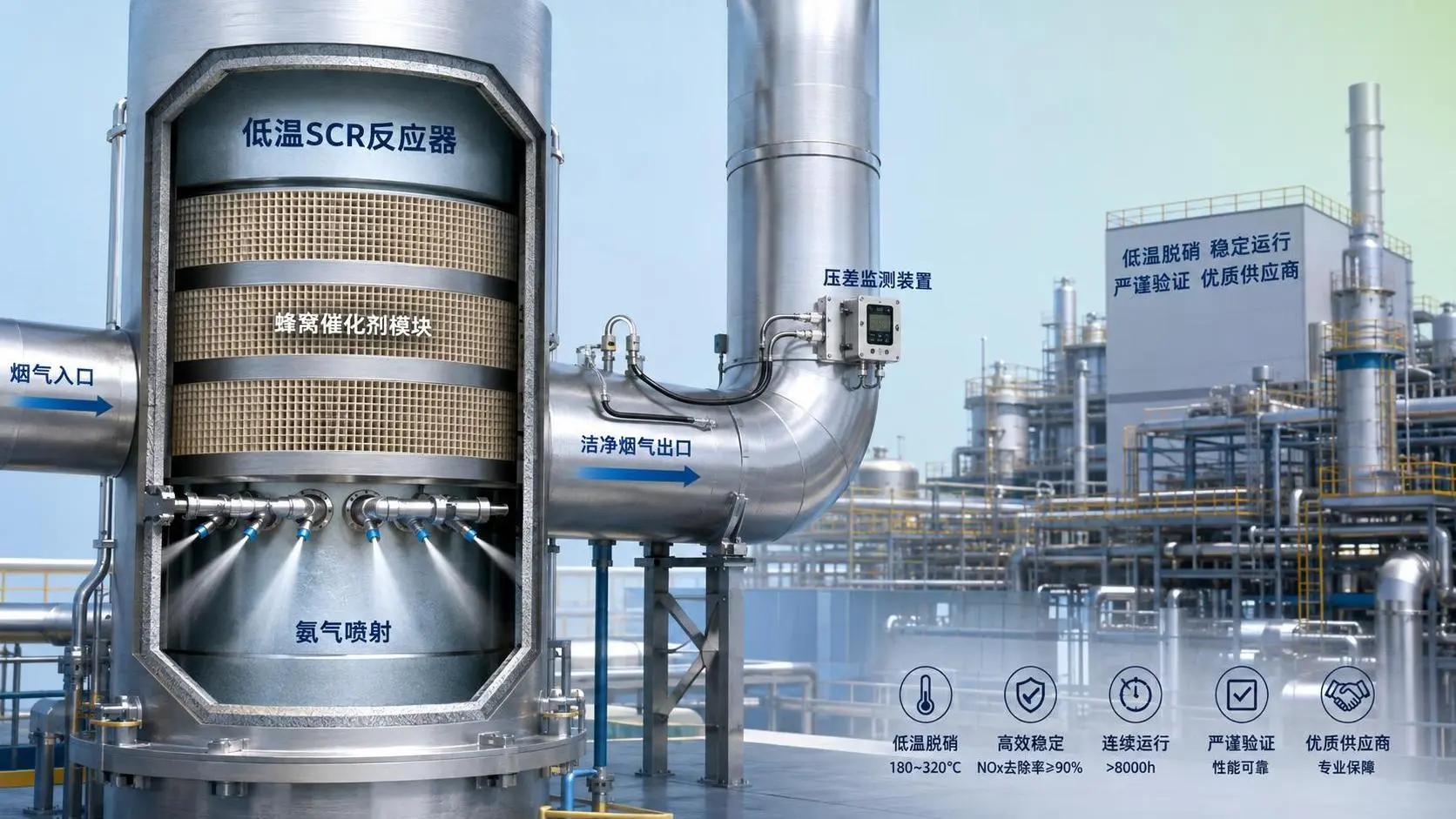
What to verify before choosing a low temperature SCR supplier
Low temperature SCR supplier checklist: verify catalyst temperature range, sulfur resistance, ammonia slip, pressure drop, lifecycle cost, and support before award.
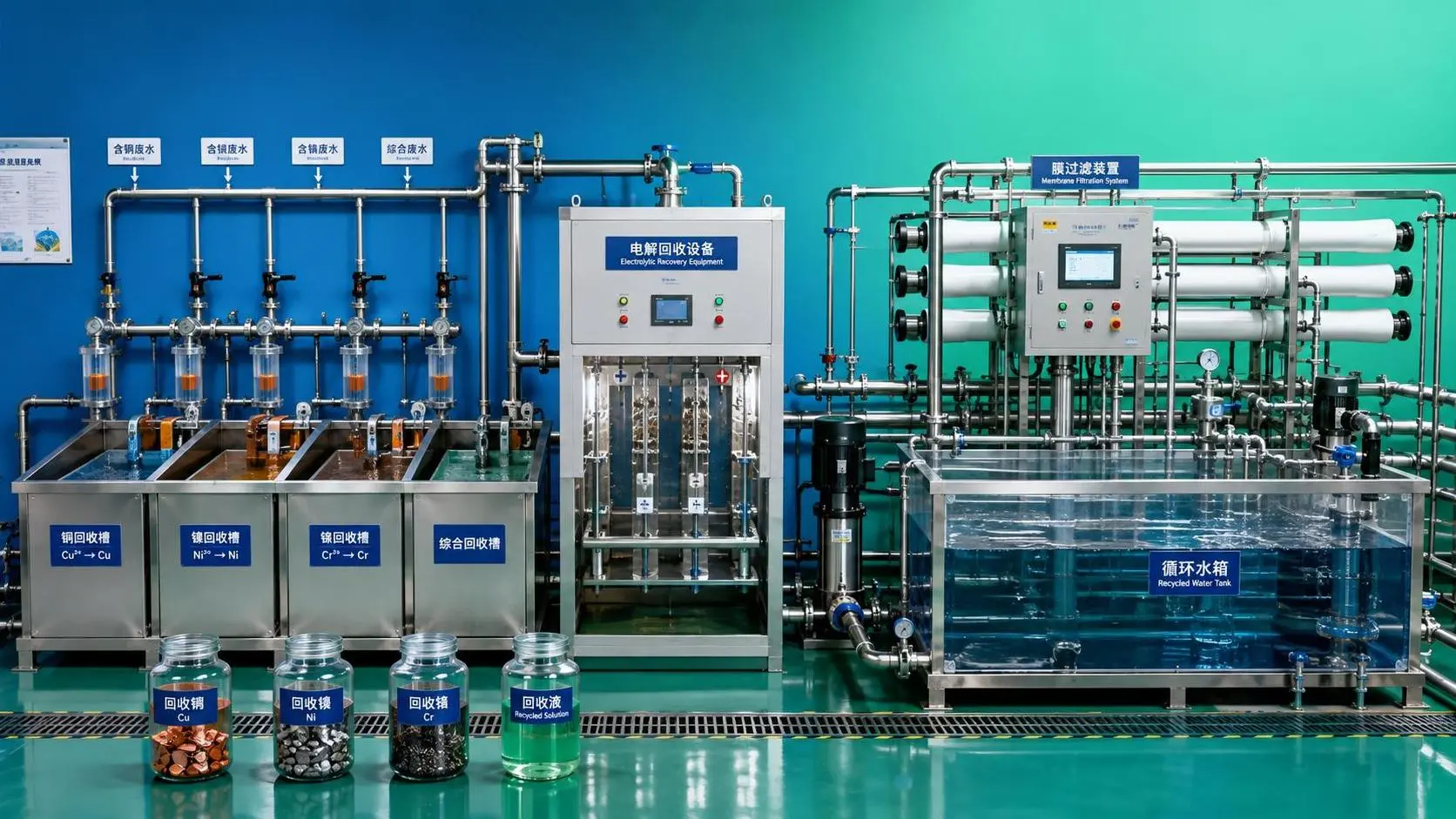
How closed-loop resource recovery for electroplating cuts metal waste
Closed-loop resource recovery for electroplating reduces metal waste, sludge, and water use through smarter stream segregation, recovery, and reuse strategies.
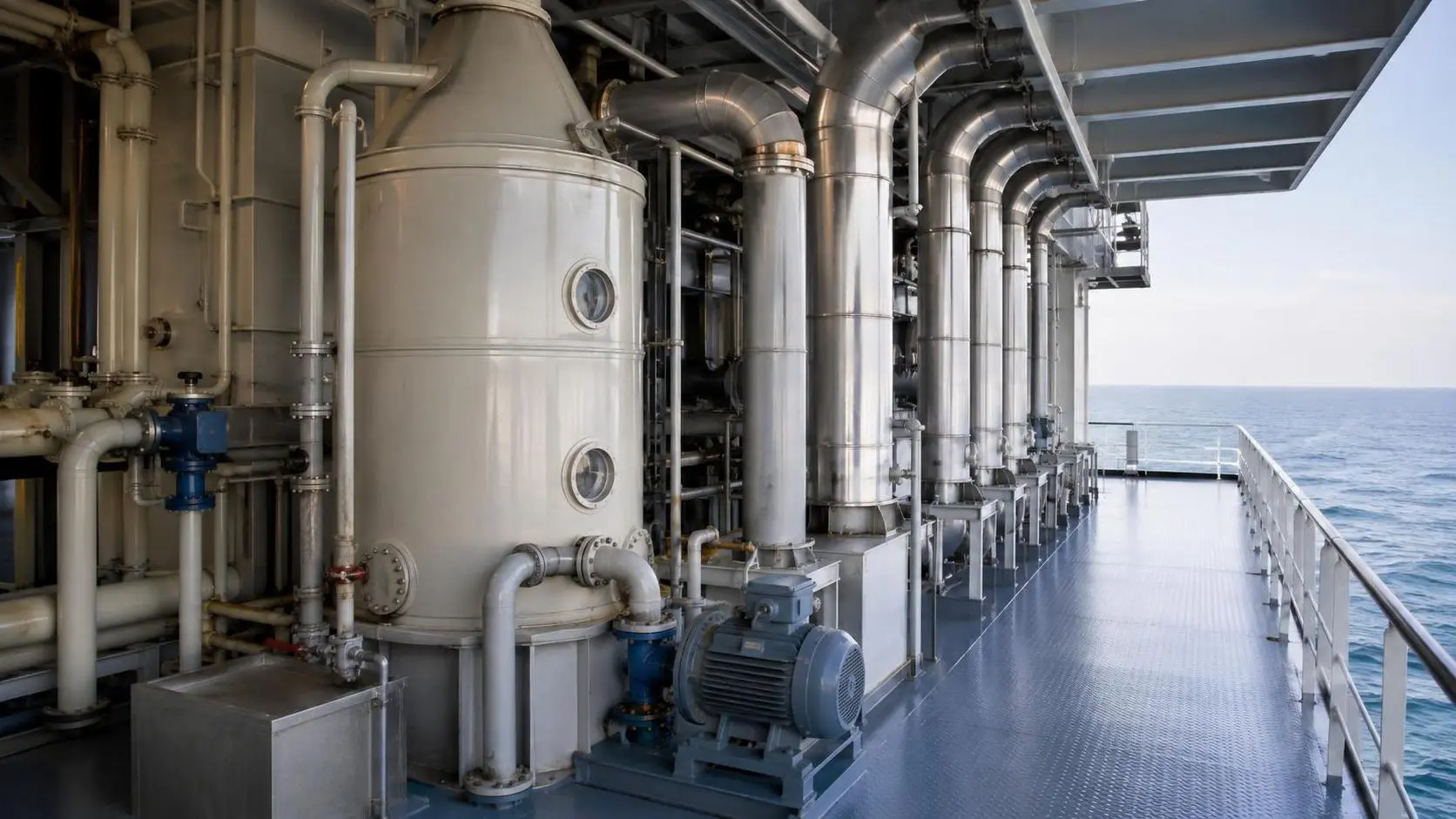
How to size flue gas cleaning systems for marine boilers
Flue gas cleaning systems for marine boilers: learn how to size for gas flow, sulfur load, backpressure, and compliance—improve reliability and reduce operating risk.