
Industry News
Curation by industry experts
Hot Articles
Popular Tags
How to Evaluate Environmental Compliance Equipment for Cost, Risk, and Fit
Choosing environmental compliance equipment has become a capital decision, a risk decision, and an operating model decision at the same time.
Across water treatment, waste recovery, flue gas control, desalination, and nuclear waste handling, the wrong fit can lock in high lifecycle cost and regulatory exposure.
That is why evaluation now goes far beyond nameplate performance. It must connect compliance duty, process reality, service burden, and long-term resilience.
For organizations tracking these shifts through ESD-style market intelligence, the point is not just to buy equipment that works today.
The goal is to select environmental compliance equipment that remains defensible as standards tighten, feed conditions change, and project economics come under pressure.
Why evaluation standards are getting tougher
Environmental regulation is becoming more granular, more auditable, and more closely tied to trade, permitting, and financing.
CBAM, stricter discharge permits, tighter emissions thresholds, and hazardous waste controls are changing how equipment decisions are justified internally.
At the same time, many systems now operate near technical limits. ZLD trains, AI sorting lines, SWRO skids, SCR reactors, and vitrification support systems all face variable inputs.
In that environment, environmental compliance equipment cannot be judged by purchase price alone.
A lower bid may hide higher reagent demand, faster membrane fouling, unstable recovery rates, or a larger spare parts burden.
More importantly, weak fit often appears only after commissioning, when design assumptions meet real waste streams, real maintenance intervals, and real enforcement pressure.
What environmental compliance equipment should be judged against
The most useful definition is practical: environmental compliance equipment is any system whose primary purpose is to keep a process inside legal environmental limits.
That includes core treatment units, monitoring packages, pretreatment stages, control systems, containment features, and safety barriers that support compliant operation.
Evaluation should therefore cover three linked questions.
- Can the system meet the required compliance outcome under realistic operating conditions?
- What total cost is created over its useful life, not just at procurement?
- How well does the system fit site constraints, utility availability, staffing capability, and future regulatory scenarios?
When these questions are separated, evaluation becomes misleading. Cost without risk context rewards short-term savings. Performance without fit creates expensive underdelivery.
Looking beyond capex to real cost
Capex still matters, especially in large public or EPC-led projects, but it is only the visible layer of equipment economics.
A stronger comparison starts with total cost of ownership.
This matters across every segment. In seawater desalination, energy efficiency and membrane life reshape economics quickly.
In flue gas treatment, reagent quality, catalyst aging, and low-temperature behavior can swing operating cost beyond the original budget model.
In waste recovery, throughput variability often determines whether an apparently attractive sorting or thermal system actually creates value.
Risk is not a side issue
The best environmental compliance equipment usually reduces several kinds of risk at once.
There is the obvious compliance risk: permit violation, forced shutdown, reporting failure, or missed emissions and discharge targets.
There is also process risk. A treatment unit may work under stable load but fail under shock loading, salinity changes, ash variability, or contaminant spikes.
Then comes supply risk. Some systems depend on proprietary parts, specialized service teams, or imported consumables with long lead times.
In highly regulated sectors, documentation risk should be treated seriously as well.
Incomplete validation records, weak performance guarantees, or poor traceability can delay approval even when the hardware itself is technically sound.
A practical review of environmental compliance equipment should therefore test how failure occurs, not just how success is presented.
Questions that expose risk early
- What feed or emissions variability was assumed in the design basis?
- Which compliance limits are guaranteed, and under what operating window?
- What happens during start-up, shutdown, bypass, or upset conditions?
- How quickly can critical parts be replaced?
- Which maintenance tasks require OEM presence?
- What secondary waste streams are created, and how are they managed?
Fit is where many expensive mistakes begin
Equipment fit sounds simple, but it is often the least disciplined part of evaluation.
A system can satisfy technical specifications and still be a poor site-level choice.
Fit starts with the actual process envelope. Influent chemistry, solids content, corrosivity, thermal profile, and contaminant variability all matter.
It also includes utilities. Power quality, steam access, cooling demand, chemical storage, and available automation infrastructure affect viability.
Space and layout should be reviewed with equal care. Retrofitting a scrubber, evaporation train, or shielded waste unit into an existing plant can alter project feasibility.
Operational fit goes further. If the system requires advanced monitoring discipline, specialized cleaning cycles, or constant optimization, the site must realistically sustain that burden.
This is where ESD-style intelligence is useful. Cross-sector data often shows that strong technology can underperform when transferred into the wrong operating culture.
Typical fit differences by application
How to build a defensible evaluation framework
A useful framework turns broad concerns into a weighted decision model.
The weighting should reflect permit sensitivity, process criticality, and the financial consequences of downtime or non-compliance.
In many cases, the following dimensions create a balanced scorecard for environmental compliance equipment.
- Compliance confidence under normal and upset conditions
- Lifecycle cost over a realistic operating horizon
- Technical fit with feed conditions and site utilities
- Maintainability, service access, and spare part security
- Expandability for future regulations or capacity changes
- Data quality, reporting capability, and audit support
A framework like this also helps compare very different offers fairly.
One vendor may lead on capex. Another may offer better compliance guarantees, easier maintenance access, or stronger long-term support.
Without structured weighting, those trade-offs are hard to defend after award.
Signals worth watching before the final shortlist
Some of the most important evidence sits outside the proposal document.
Reference sites matter, but comparable references matter more. A municipal wastewater success does not validate a high-TDS industrial stream.
The same applies in air pollution control and resource recovery. Similar chemistry, similar variability, and similar compliance thresholds are the real test.
Another signal is technical transparency. Strong suppliers explain design limits, not just strengths.
They can show degradation patterns, maintenance intervals, failure modes, and the assumptions behind guarantees.
It is also worth tracking regulatory direction, not just current law.
Where standards are clearly tightening, environmental compliance equipment should be judged against a forward-looking threshold, especially for long-life assets.
Turning evaluation into the next decision step
The strongest decisions usually begin with a tighter internal brief, not a broader vendor list.
Clarify the compliance outcome, define the real operating envelope, and model lifecycle cost using site-specific assumptions.
Then test environmental compliance equipment against failure scenarios, service realities, and likely regulatory change.
That approach creates more than a procurement file. It creates a durable justification for technology choice.
In sectors where water purity, emissions control, resource recovery, desalination reliability, and nuclear safety are all under sharper scrutiny, that discipline is no longer optional.
The next useful move is to compare shortlisted systems against one common matrix for cost, risk, and fit, then revisit any score that depends on unverified assumptions.
That is usually where better equipment choices, and fewer expensive surprises, begin.
Recommended News
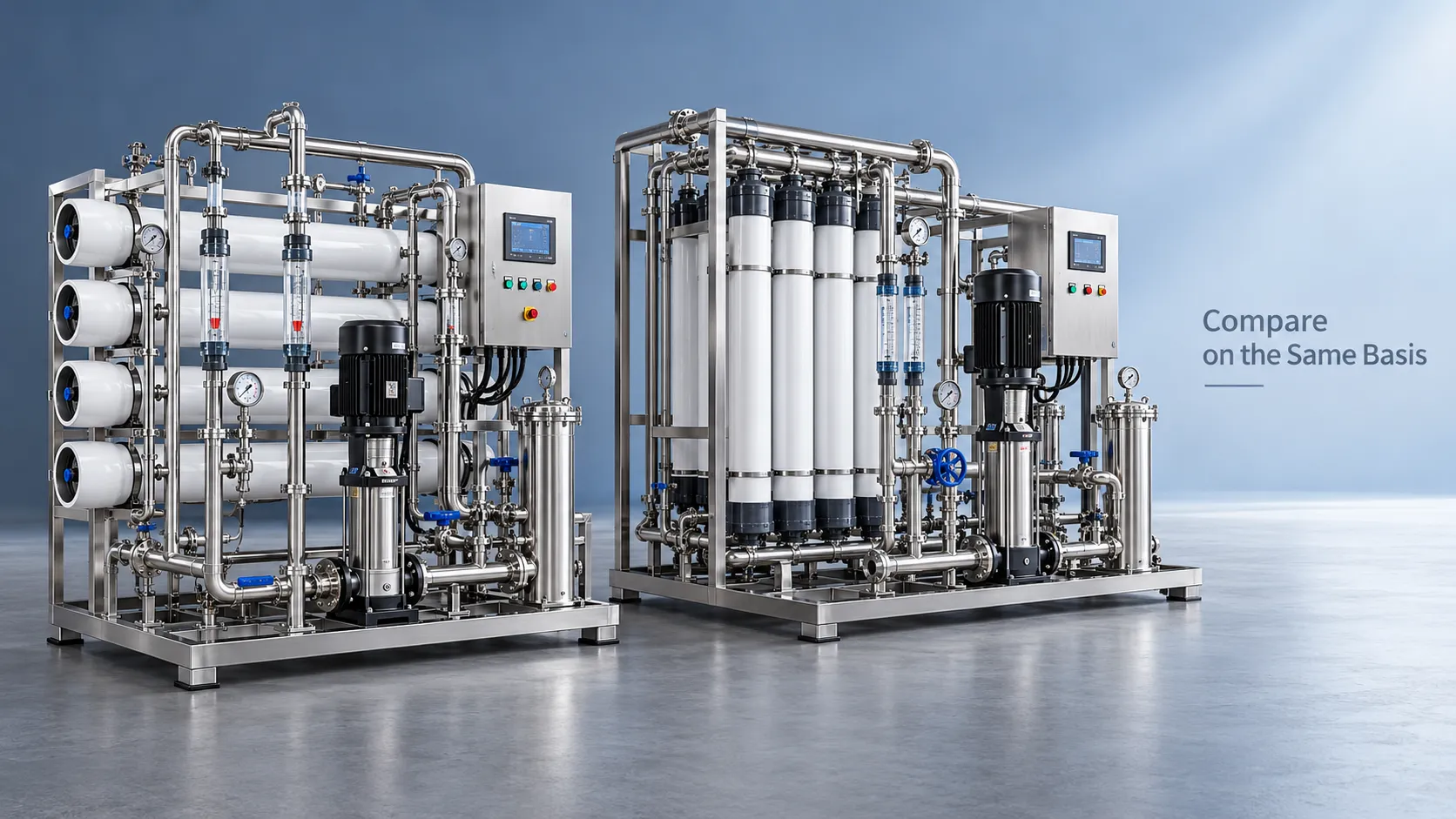
How to compare technical specs in an environmental equipment directory
Use this environmental equipment directory technical guide to compare capacity, energy use, compliance, and supplier evidence. Build a defensible shortlist and choose with confidence.
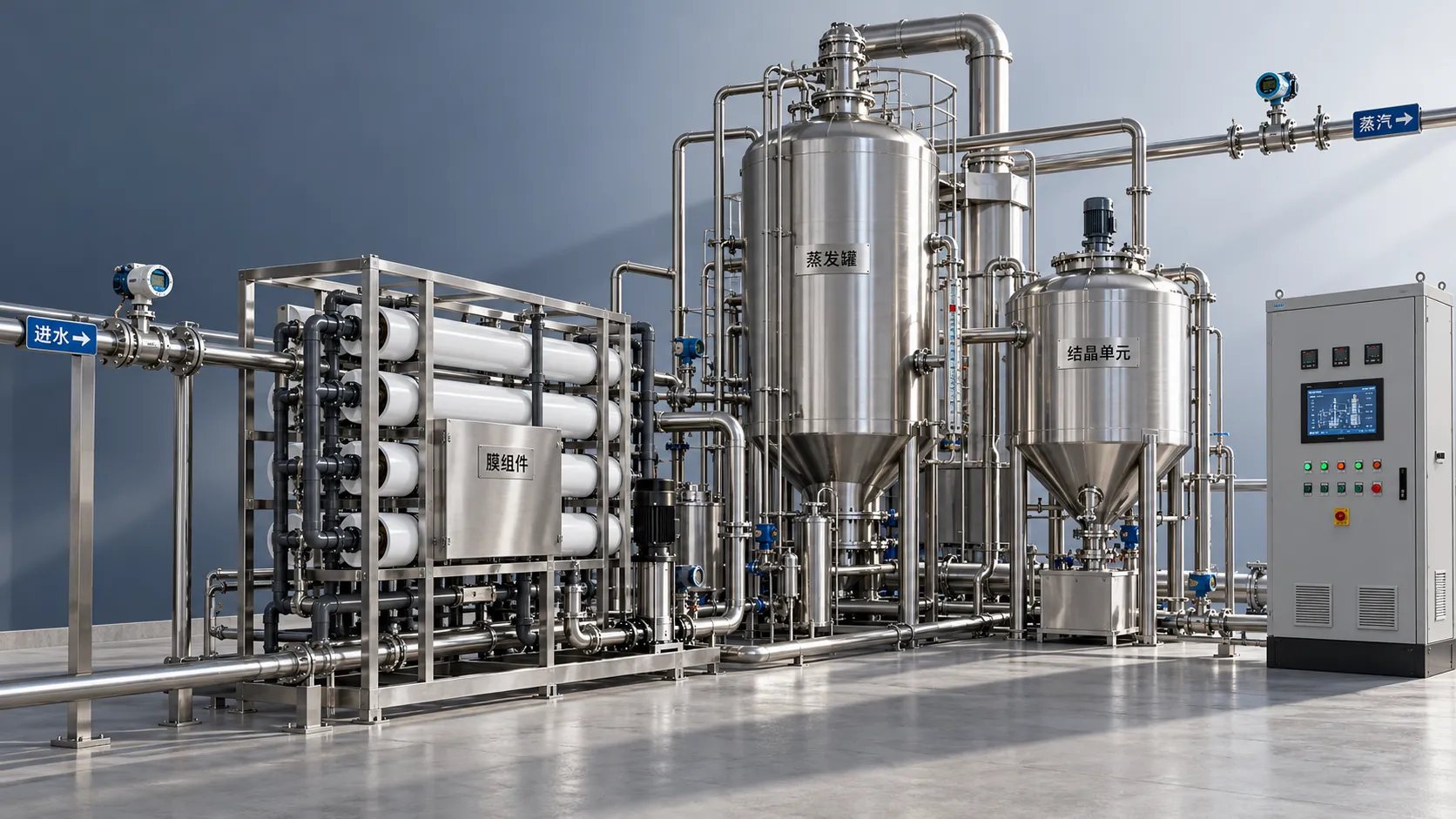
How to assess a zero liquid discharge equipment supplier’s energy claims
Assess a zero liquid discharge equipment supplier’s energy claims. Learn how to verify system boundaries, compare real costs, and demand testable guarantees before you buy.
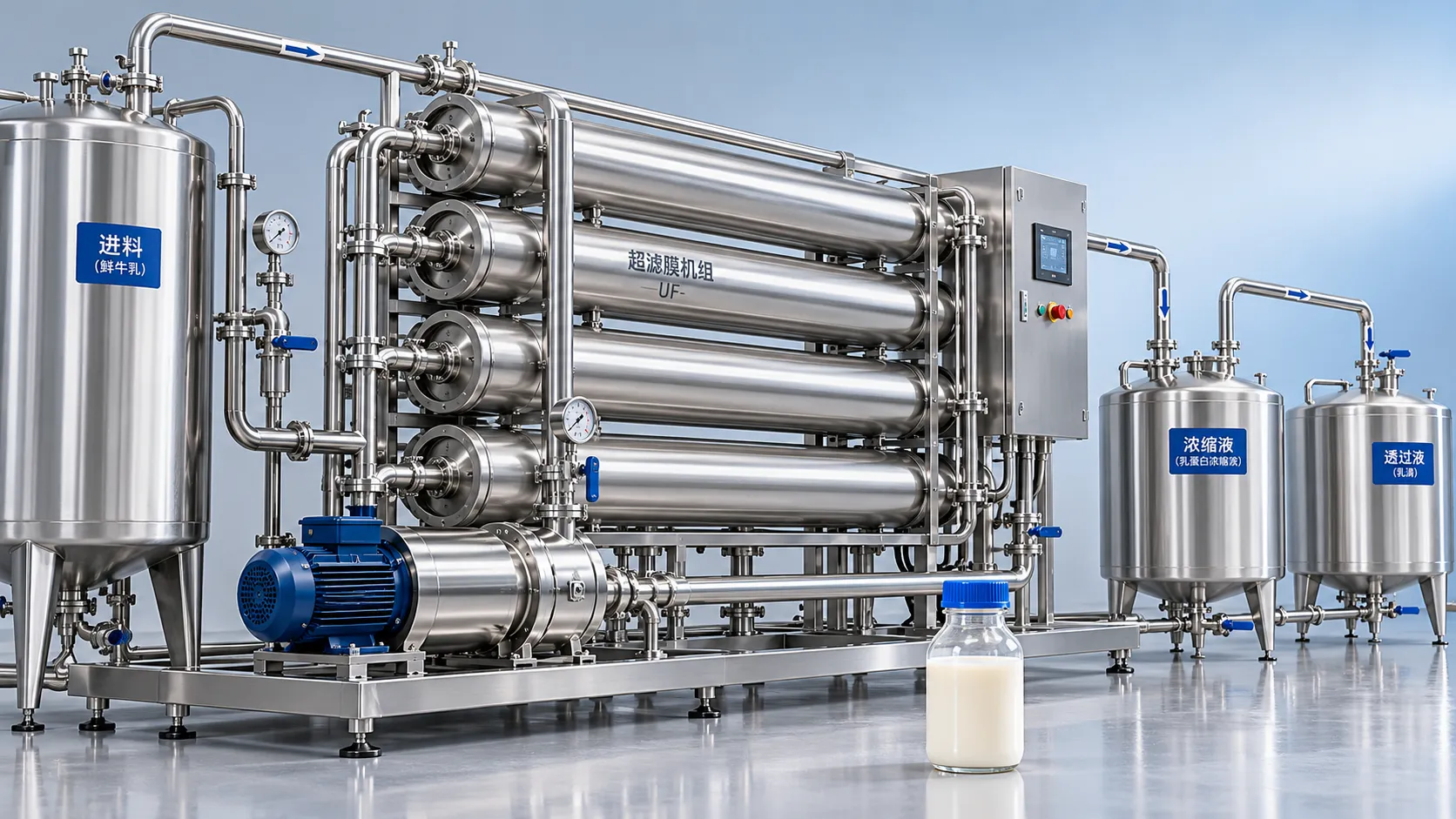
Which membrane filtration process suits dairy protein concentration?
Explore membrane filtration for dairy: compare UF, MF, and RO to select the right process for protein concentration, lactose reduction, and better recovery. Find your best fit.
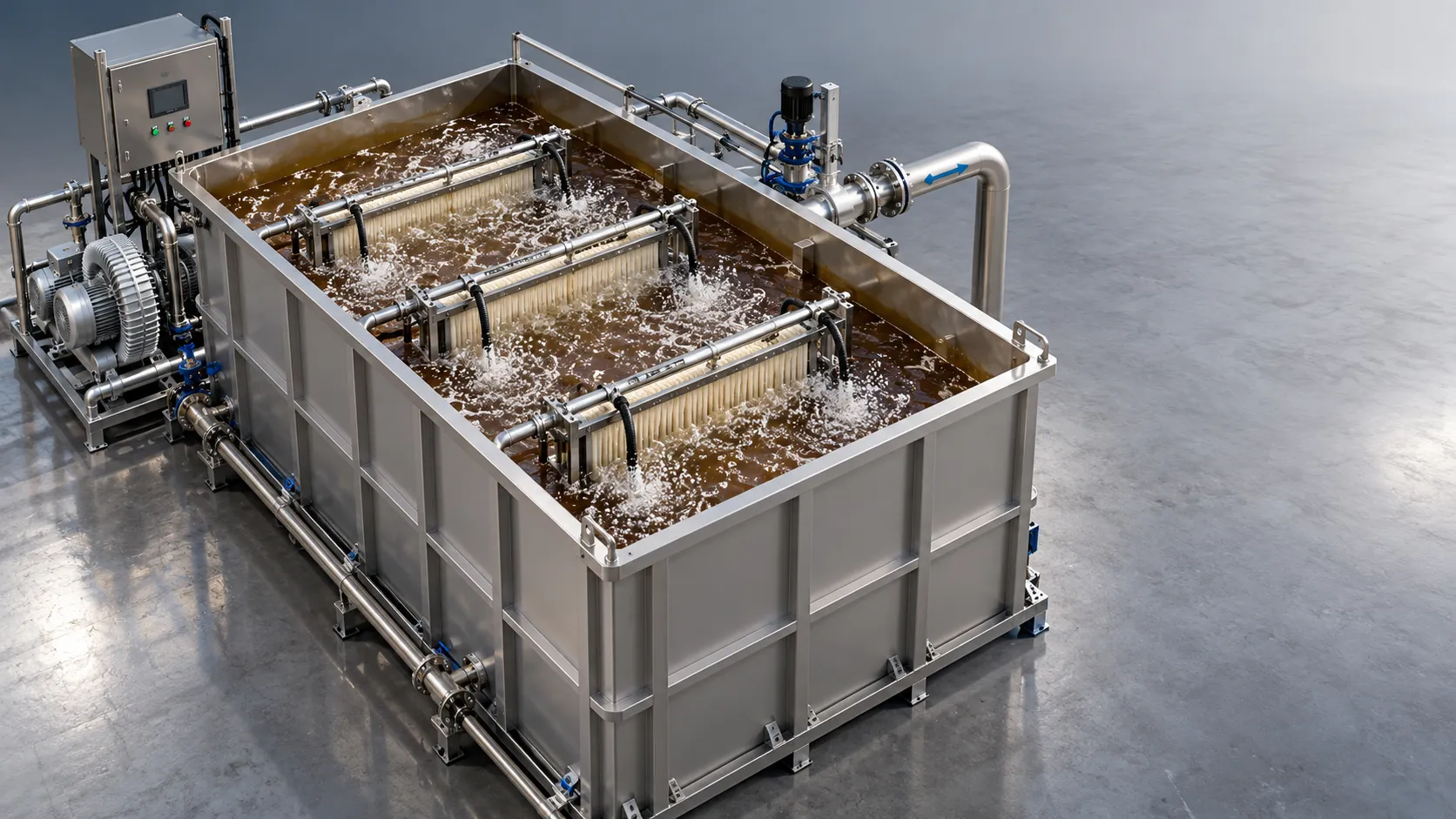
When is an MBR suitable for wastewater purification for bioprocessing?
For wastewater purification for bioprocessing, discover when an MBR fits your needs. Compare water quality, fouling risks, and lifecycle costs before investing.
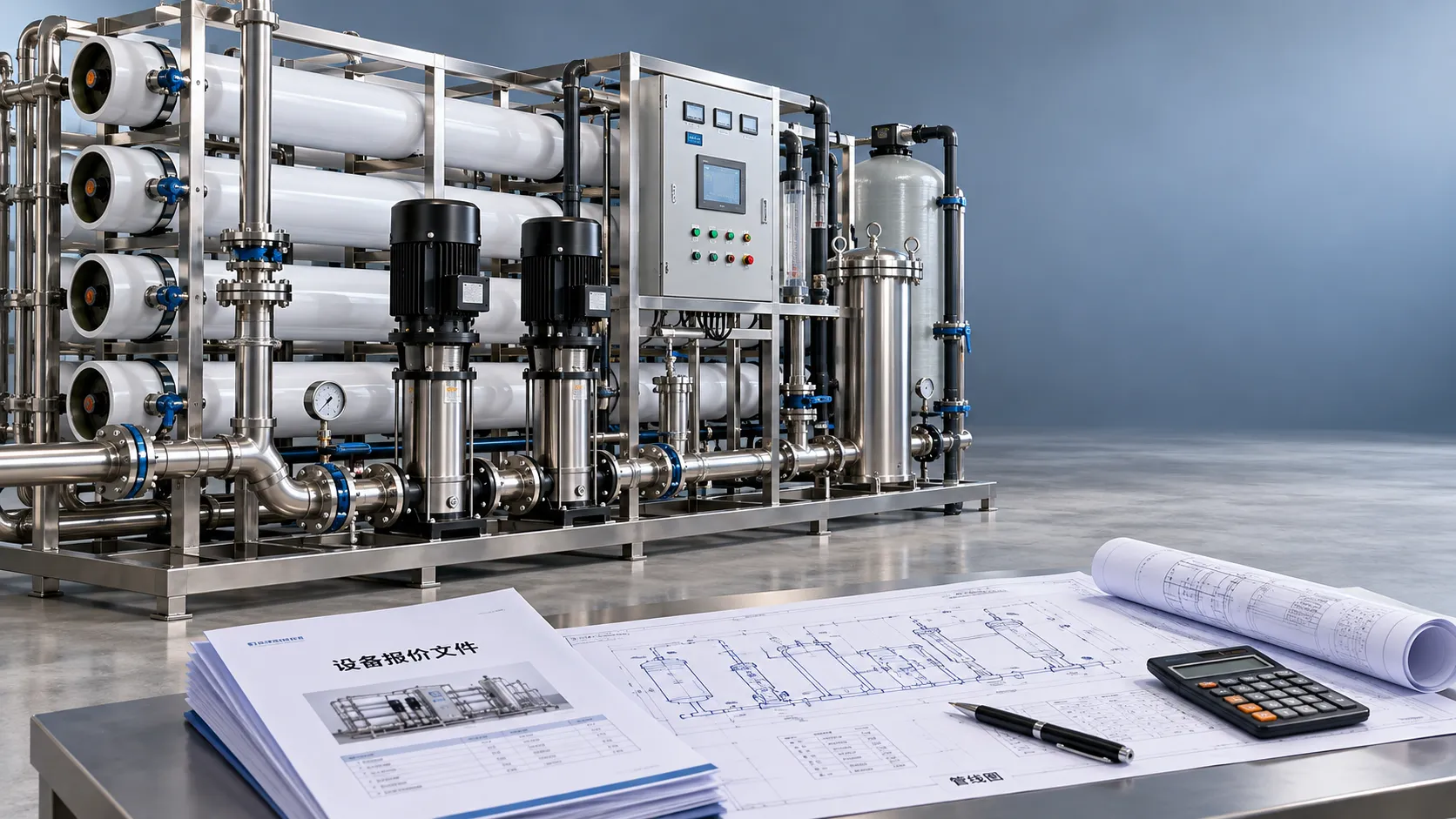
How to check a water treatment quotation for hidden project costs
Review your water treatment quotation for hidden costs, scope gaps, and operating expenses. Learn what to check before signing to protect your budget and avoid costly surprises.

How to vet ingredient processing equipment manufacturers using trials
Vet ingredient processing equipment manufacturers with real-world trials. Learn how to verify yield, cleaning, energy use, and scale-up before you invest.
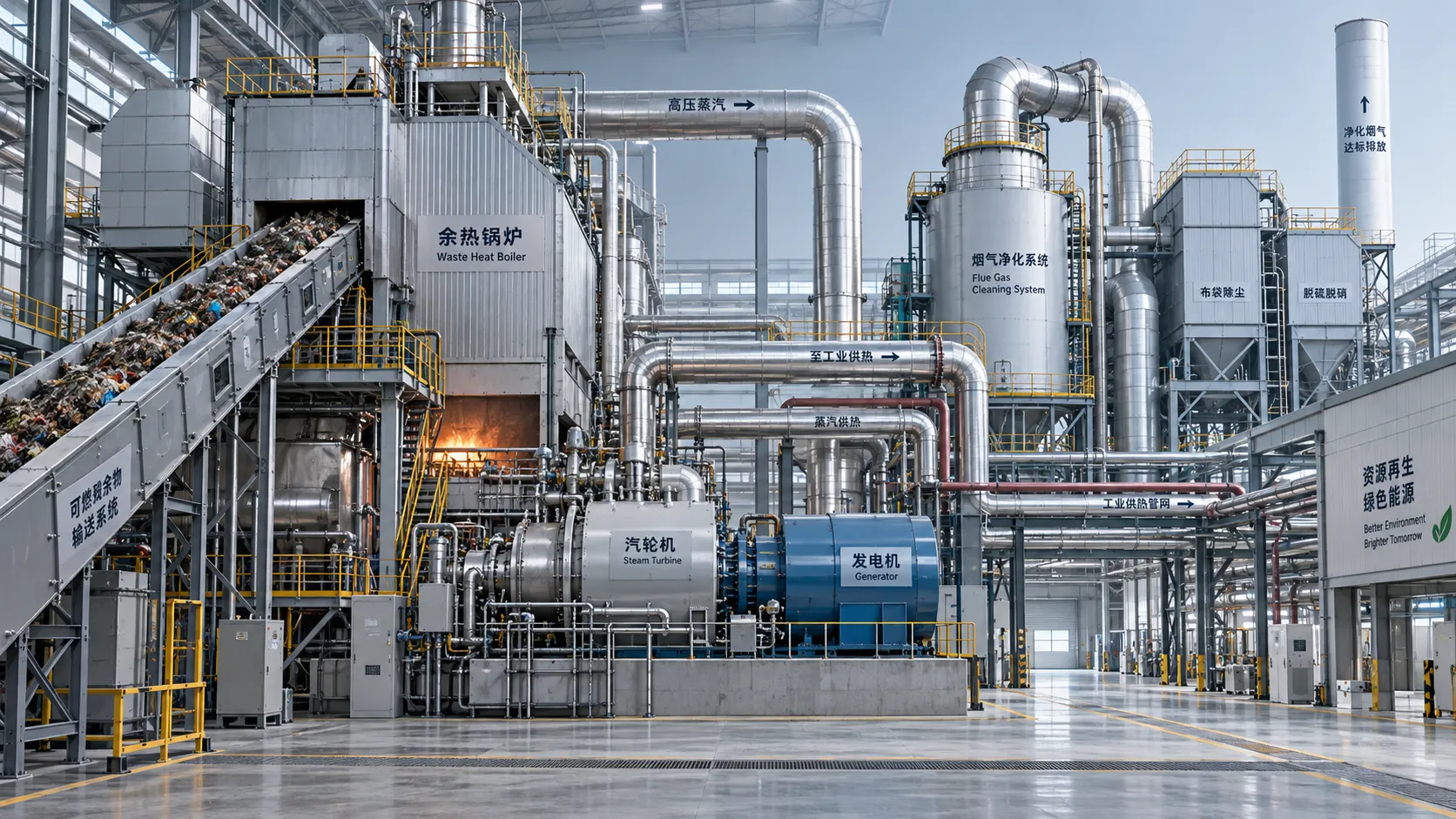
When is energy recovery viable in the solid waste recovery process?
When is energy recovery viable in the solid waste recovery process? Explore feedstock quality, net energy, emissions, and costs to assess feasibility and make smarter investment decisions.
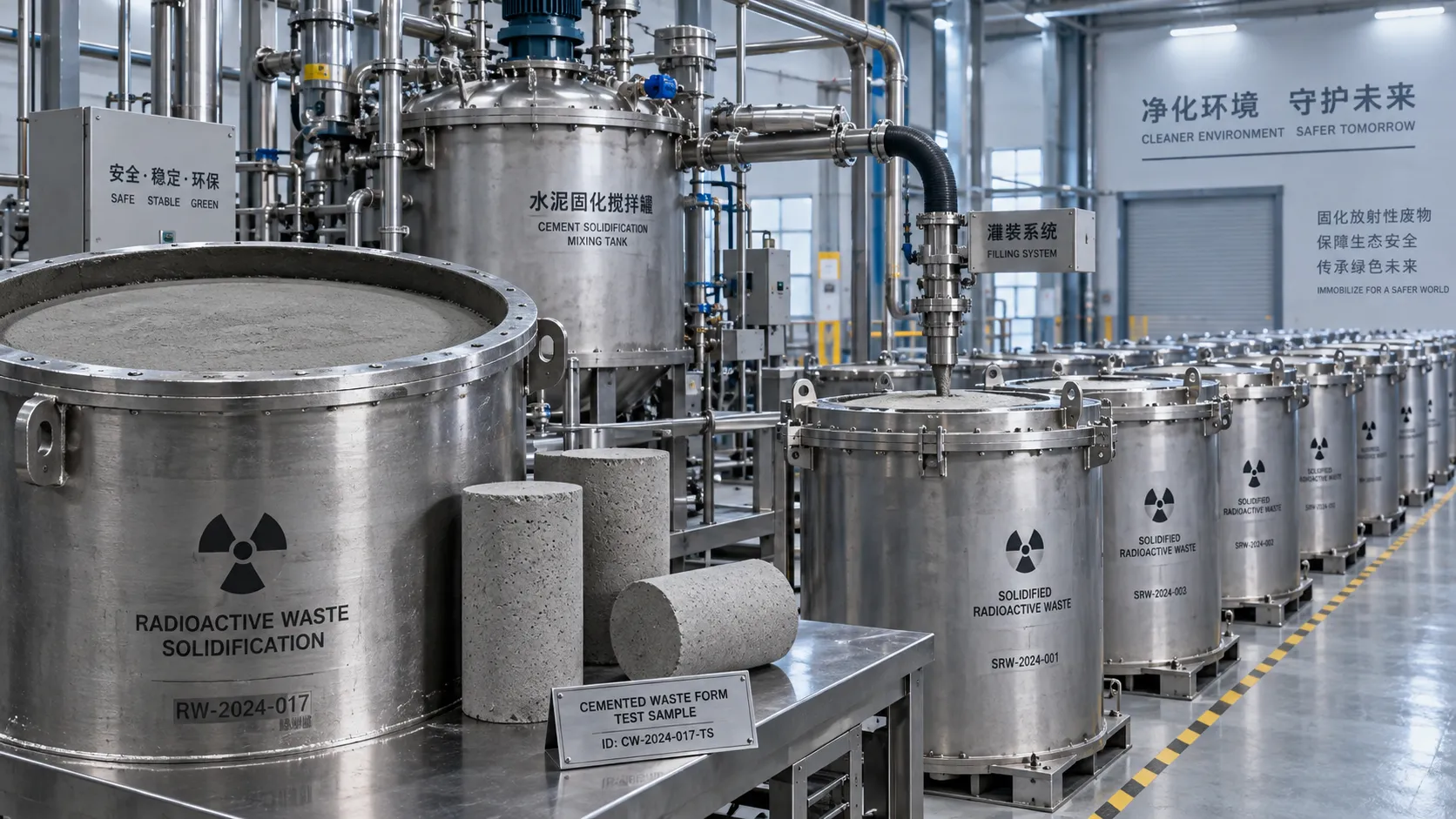
When is cementation suitable for nuclear decommissioning waste?
Explore nuclear waste treatment technology for decommissioning: learn when cementation fits, which risks to assess, and how disposal criteria guide an effective treatment choice.
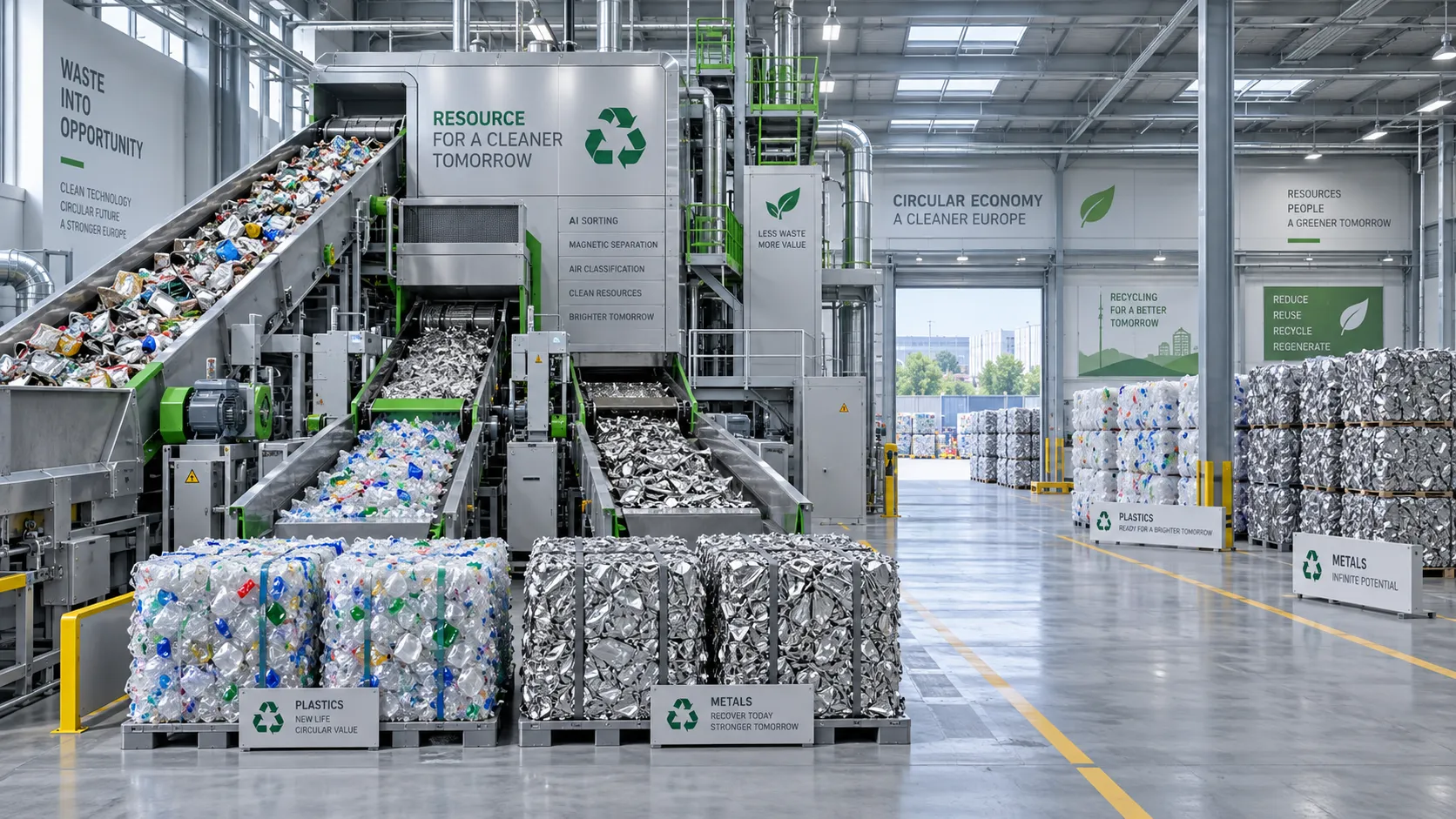
What determines payback for waste-to-resource systems in Europe?
Assess waste-to-resource systems Europe-wide: compare feedstock, recovery yields, costs and contracts to uncover payback drivers and make smarter investment decisions.