
Industry News
Curation by industry experts
Hot Articles
Popular Tags
Low Level Radioactive Waste Management: Key Cost and Compliance Risks
Why is low level radioactive waste management now a board-level cost issue?
Low level radioactive waste management used to be treated as an operational afterthought. That view is now expensive.
Licensing timelines are tighter, disposal routes are less predictable, and public scrutiny is stronger across industrial infrastructure projects.
In practical terms, the cost of delay can exceed the cost of treatment equipment or contracted services.
This matters well beyond the nuclear plant fence line. EPC planning, storage design, transport packaging, and liability management now intersect much earlier.
That is why low level radioactive waste management increasingly sits beside water treatment, flue gas control, and solids recovery in broader environmental governance planning.
ESD follows this shift through its Strategic Intelligence Center, where compliance signals, equipment reliability, and long-cycle infrastructure economics are analyzed together.
The useful question is no longer whether waste can be moved off site. It is whether the full chain remains licensable, auditable, and financially stable.
What actually falls under low level radioactive waste management?
A common mistake is to treat all radioactive waste as one category. That leads to wrong cost assumptions and poor contract scope.
Low level radioactive waste management generally covers materials with lower radioactivity and limited heat generation, but still requiring controlled handling.
Typical examples include contaminated clothing, filters, tools, resins, construction debris, sludges, and maintenance consumables.
The complexity comes from variation. Waste may be dry or wet, compactable or bulky, cleanly characterized or compositionally uncertain.
It may also contain mixed hazards, such as chemical toxicity, heavy metals, or difficult moisture profiles.
For procurement and planning, the smarter approach is to map waste by treatment pathway rather than by broad label alone.
- Can it be volume reduced through compaction, incineration, or dewatering?
- Does it need shielding, special packaging, or decay storage?
- Is radiological characterization complete enough for transport and disposal acceptance?
- Will local regulations classify it differently from the generator's original assumption?
These questions shape treatment cost, storage footprint, and the credibility of a disposal strategy.
Where do the hidden costs usually appear?
The visible price is rarely the full price in low level radioactive waste management. The hidden charges usually sit around uncertainty.
Characterization is one of the first pressure points. Sampling, assay, documentation, and laboratory validation can become recurrent budget items.
Packaging is another. A waste stream that looked routine can require upgraded containers after transport review or disposal site feedback.
Storage also becomes expensive when disposal slots are constrained. Temporary storage is not temporary if off-site acceptance keeps slipping.
Then there is the cost of interface failure. Waste treatment vendors, transport providers, and disposal operators often work to different assumptions.
If those assumptions are not reconciled early, repackaging, reclassification, and schedule drift follow.
The table below shows where decision-makers usually underestimate exposure.
In real projects, the cheapest quoted route is often the least durable one.
Which compliance risks tend to derail a low level radioactive waste management plan?
Most failures do not begin with a dramatic incident. They begin with small mismatches between waste reality and paperwork.
The first risk is misclassification. If the waste profile is oversimplified, every later step inherits the error.
The second is assuming disposal access will remain open. Disposal pathways can tighten because of policy shifts, capacity constraints, or local opposition.
Another recurring problem is treating transport as administrative rather than technical. Packaging, labeling, radiation surveys, and route control all matter.
Documentation discipline is equally important. Auditors rarely focus only on engineering intent. They check whether records prove control.
A final risk is ignoring secondary waste. Filters, absorbents, spent media, and decontamination residues can multiply the actual liability footprint.
This is where intelligence-led review becomes valuable. ESD's cross-sector lens is useful because radioactive waste decisions often resemble decisions in advanced water and solids systems.
In each case, hidden residues, acceptance criteria, and compliance interfaces determine whether a treatment concept holds up under scrutiny.
How should low level radioactive waste management options be compared before commitment?
The practical comparison is not vendor versus vendor. It is pathway versus pathway.
A strong evaluation looks at the full sequence from generation to final disposal, including what happens when assumptions fail.
More disciplined comparisons usually include the following checkpoints.
- Waste profile stability: Is the stream consistent enough for a standard process?
- Volume reduction yield: How much disposal mass or volume is actually avoided?
- Secondary waste burden: Does treatment create new residues needing separate management?
- Permit and transport fit: Can the route operate within local and cross-border controls?
- Schedule resilience: What happens if disposal access shifts by six or twelve months?
- Data transparency: Can the provider support audit-grade records and acceptance packages?
It also helps to compare low level radioactive waste management using a scenario model, not a single forecast.
For example, one route may be cheaper in a steady-state year, but more expensive under storage extension or regulatory review.
That kind of stress testing is increasingly expected in large environmental infrastructure decisions.
What signals suggest a disposal or treatment proposal is too risky?
Some warning signs appear early, long before a contract fails.
Be cautious if pricing depends on final characterization that has not yet been agreed.
Be equally cautious if the proposal assumes rapid disposal acceptance without naming the receiving criteria.
Another weak point is vague language around residue handling. If treatment output is not clearly defined, liability is still sitting with the generator.
Short storage assumptions can also distort business cases. In practice, approval timing often stretches.
A reliable low level radioactive waste management proposal should explain technical limits, fallback routes, documentation duties, and trigger points for cost change.
That level of detail matters because environmental compliance is moving toward traceability, not broad assurance statements.
A quick screening checklist
- Defined waste acceptance criteria are attached, not implied.
- Secondary waste streams are quantified with likely disposal routes.
- Interim storage assumptions include monitoring, security, and renewal obligations.
- Transport responsibilities are clearly divided across generator, carrier, and receiver.
- Recordkeeping requirements match regulatory retention expectations.
What is the smartest next step before selecting a low level radioactive waste management route?
Start with a decision file, not a quotation file.
That means consolidating waste characterization, expected generation volumes, storage limits, transport constraints, and final disposal assumptions in one place.
Then test each proposed route against three realities: cost volatility, compliance durability, and schedule exposure.
Low level radioactive waste management works best when it is evaluated as part of the wider ecological control chain.
That broader view is increasingly necessary in heavy industry, utilities, infrastructure retrofits, and public environmental projects.
ESD's perspective is useful here because it connects nuclear waste management with adjacent lessons from ZLD systems, solids recovery, and strict emissions compliance.
The common thread is simple: hidden residues and weak interfaces become expensive when ignored early.
A sound next move is to build a comparison matrix, challenge every disposal assumption, and confirm how each route performs under delay.
That is usually where the real economics of low level radioactive waste management become visible.
Recommended News
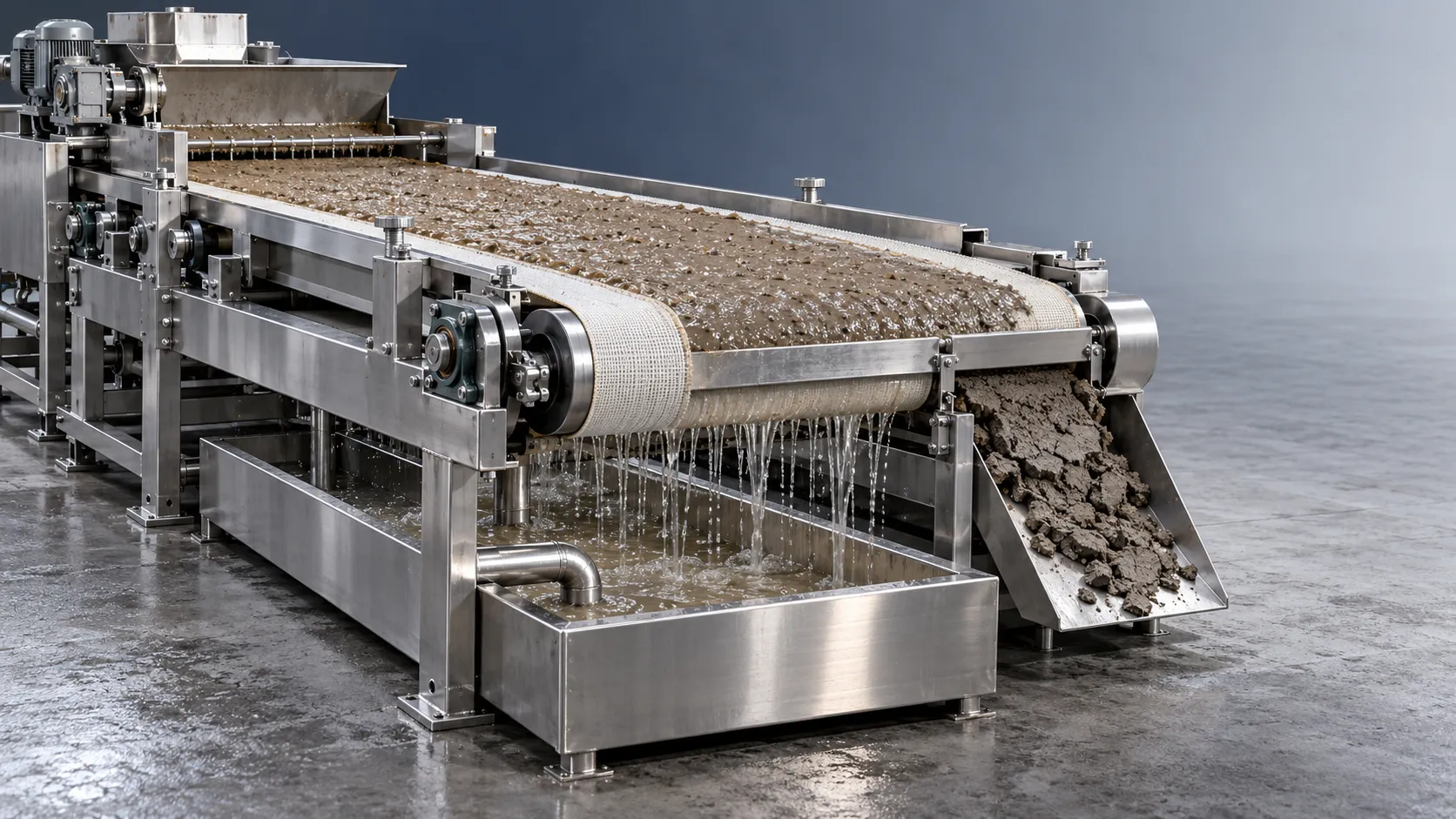
How solids concentration affects dewatering in waste recovery systems
Optimize waste recovery systems dewatering with insights on solids concentration. Learn to balance throughput, cake dryness, and solids capture while avoiding costly equipment overloads.
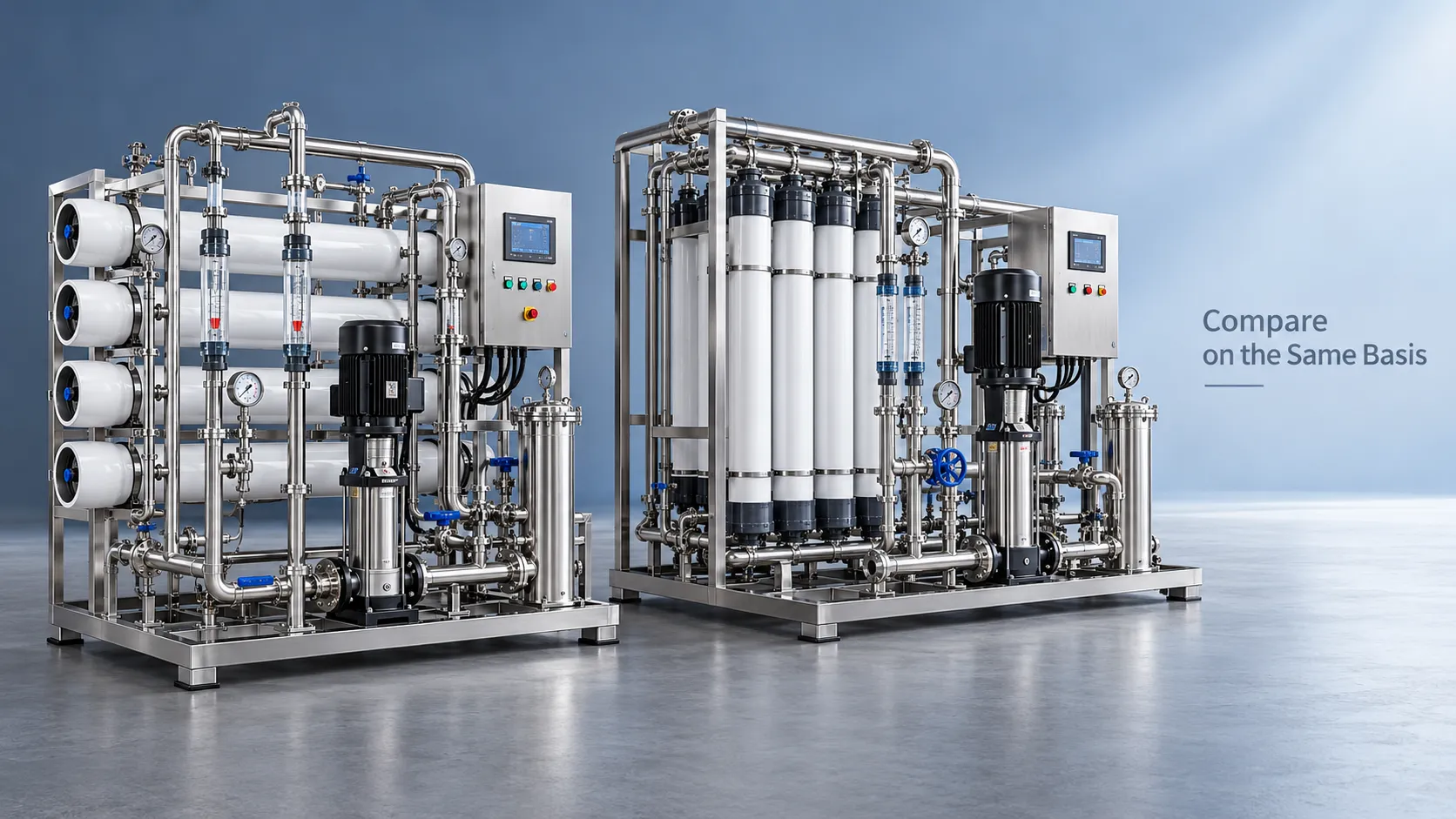
How to compare technical specs in an environmental equipment directory
Use this environmental equipment directory technical guide to compare capacity, energy use, compliance, and supplier evidence. Build a defensible shortlist and choose with confidence.
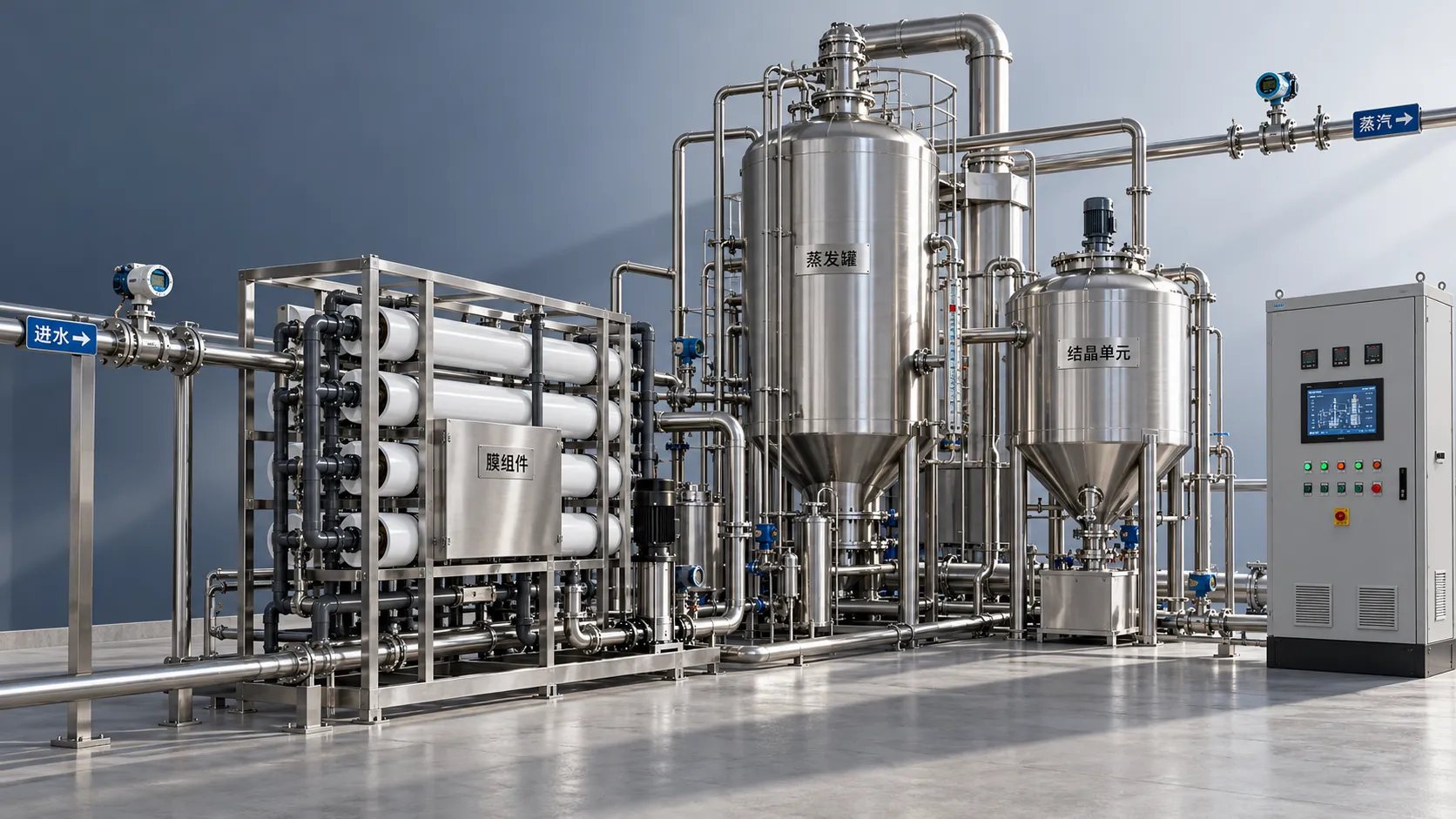
How to assess a zero liquid discharge equipment supplier’s energy claims
Assess a zero liquid discharge equipment supplier’s energy claims. Learn how to verify system boundaries, compare real costs, and demand testable guarantees before you buy.
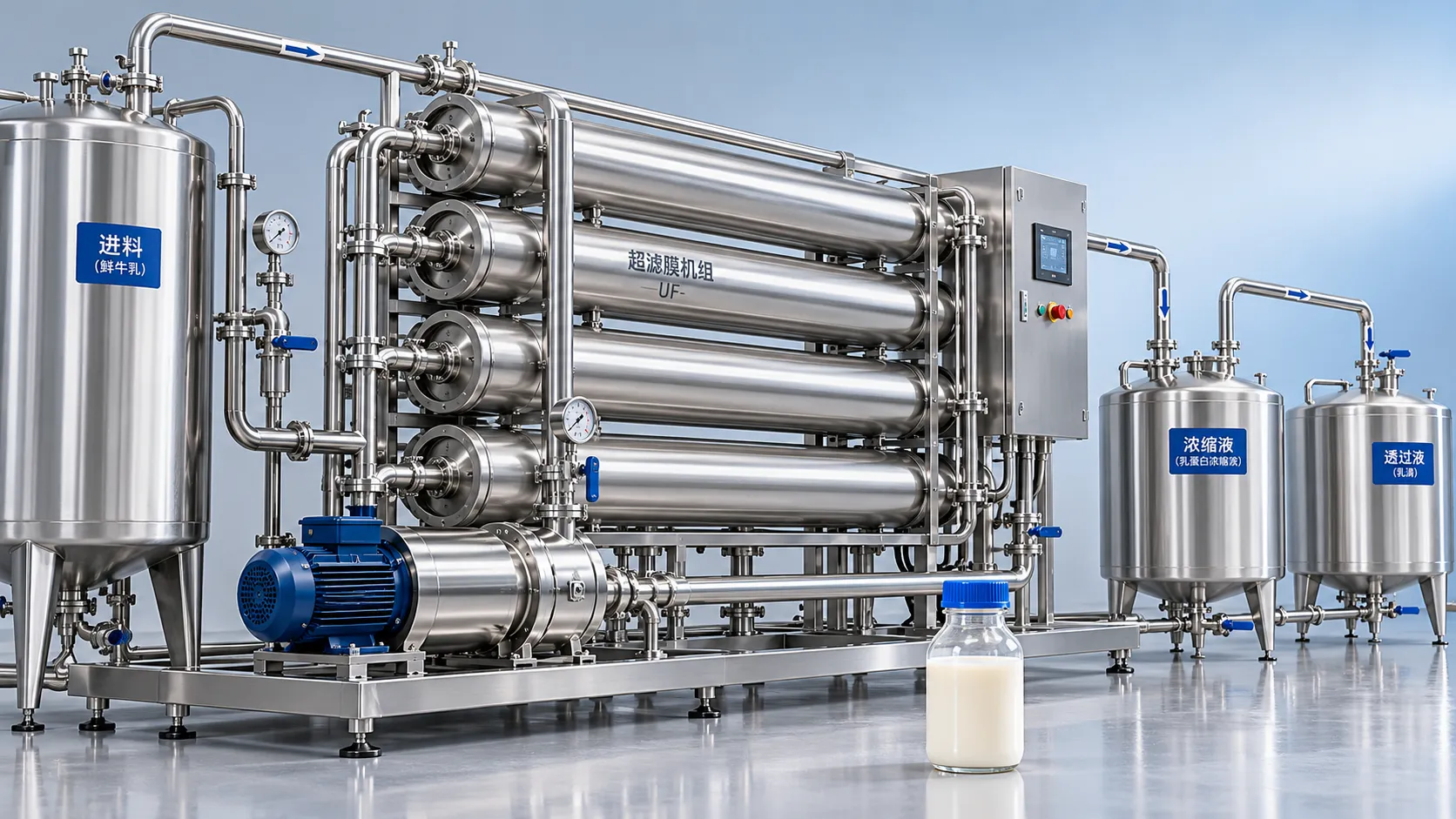
Which membrane filtration process suits dairy protein concentration?
Explore membrane filtration for dairy: compare UF, MF, and RO to select the right process for protein concentration, lactose reduction, and better recovery. Find your best fit.
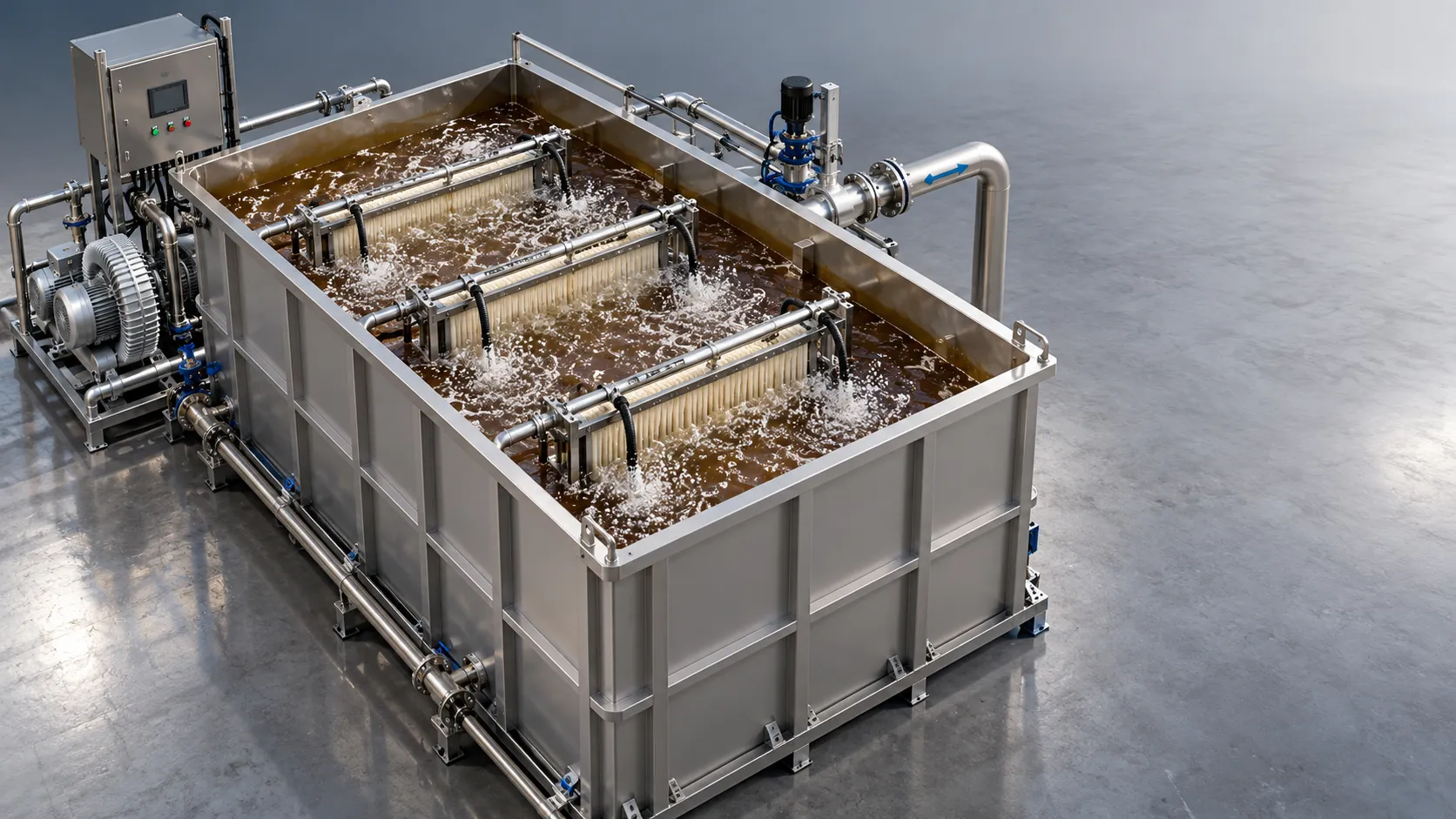
When is an MBR suitable for wastewater purification for bioprocessing?
For wastewater purification for bioprocessing, discover when an MBR fits your needs. Compare water quality, fouling risks, and lifecycle costs before investing.
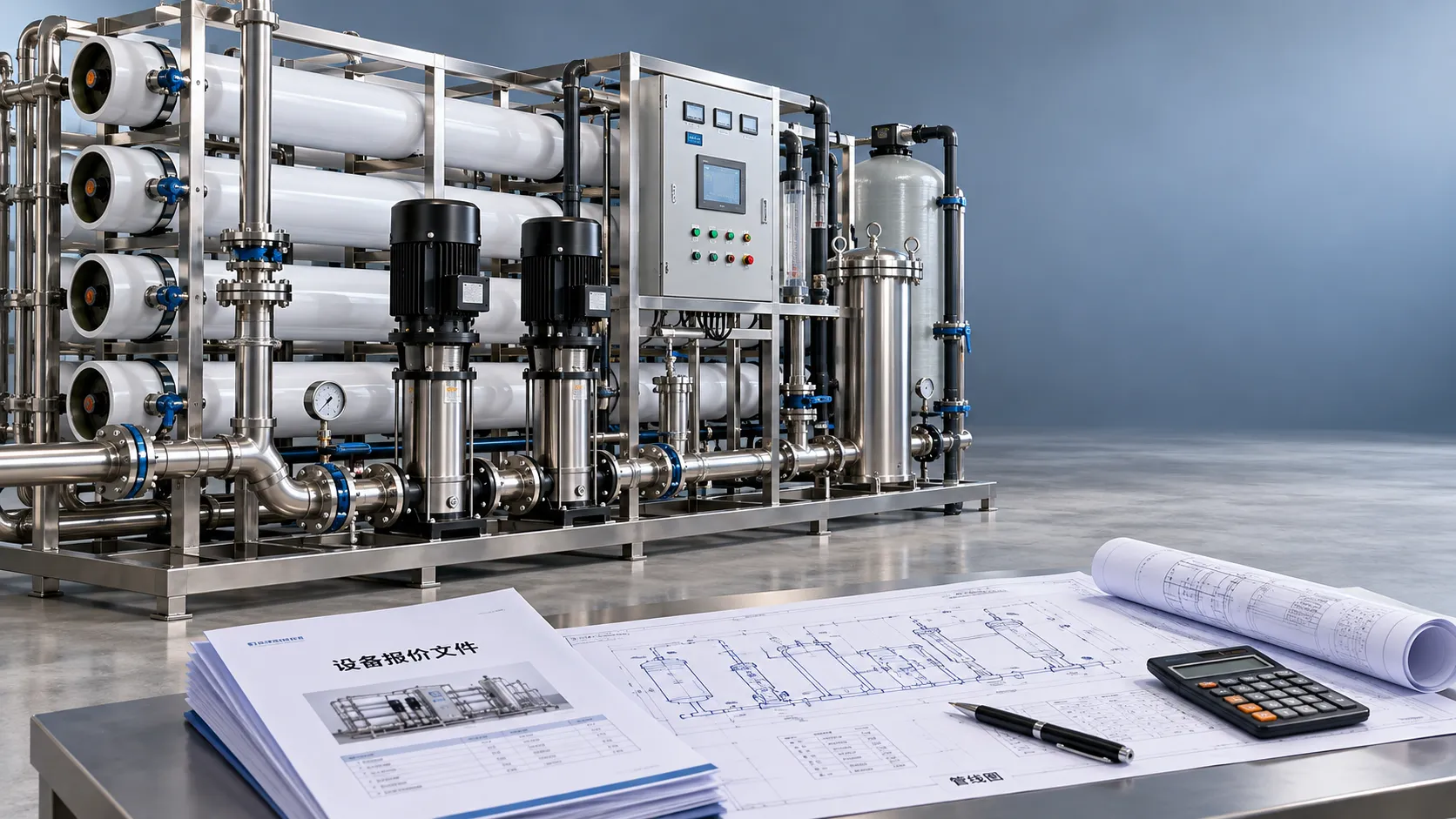
How to check a water treatment quotation for hidden project costs
Review your water treatment quotation for hidden costs, scope gaps, and operating expenses. Learn what to check before signing to protect your budget and avoid costly surprises.

How to vet ingredient processing equipment manufacturers using trials
Vet ingredient processing equipment manufacturers with real-world trials. Learn how to verify yield, cleaning, energy use, and scale-up before you invest.
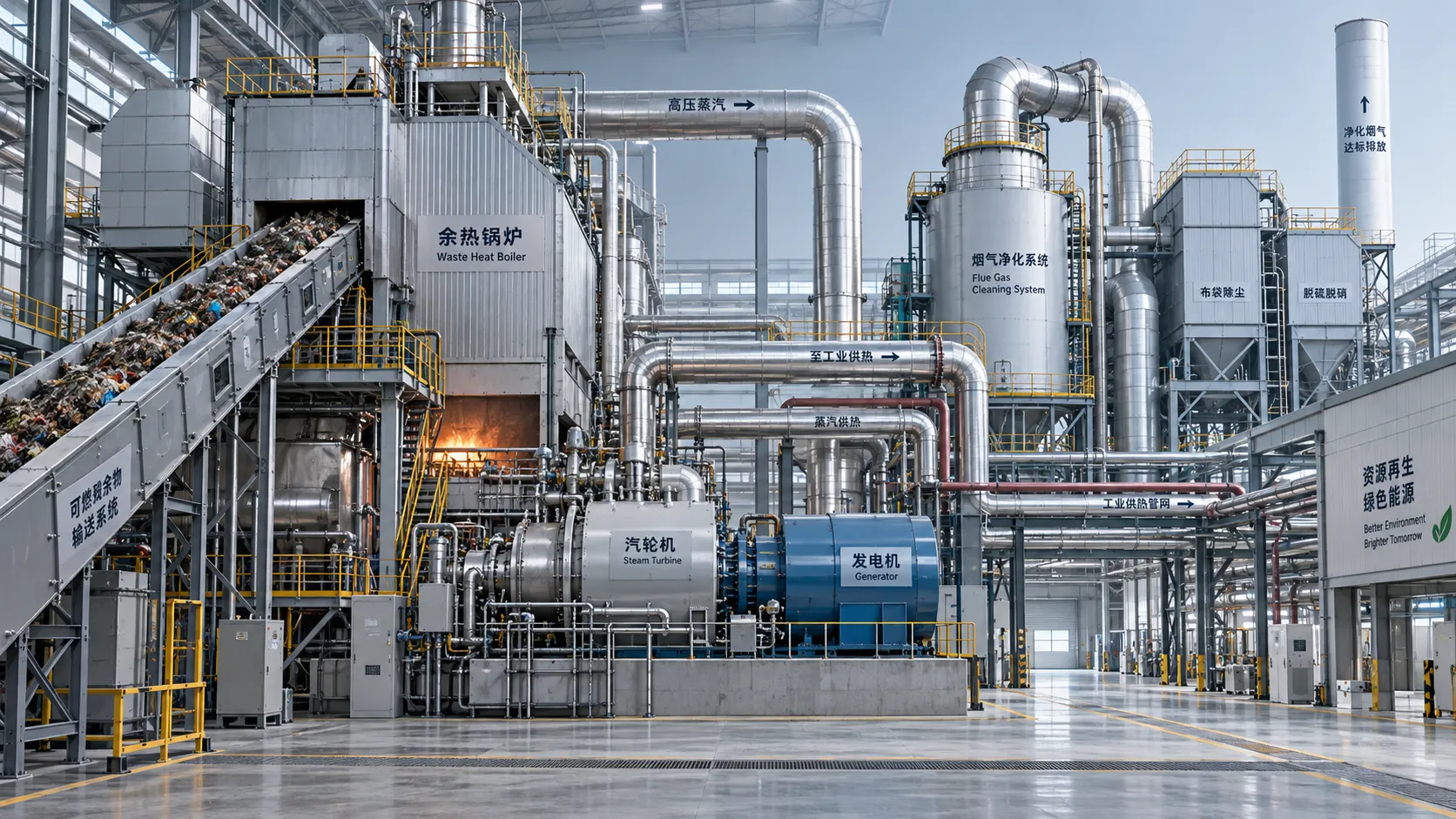
When is energy recovery viable in the solid waste recovery process?
When is energy recovery viable in the solid waste recovery process? Explore feedstock quality, net energy, emissions, and costs to assess feasibility and make smarter investment decisions.
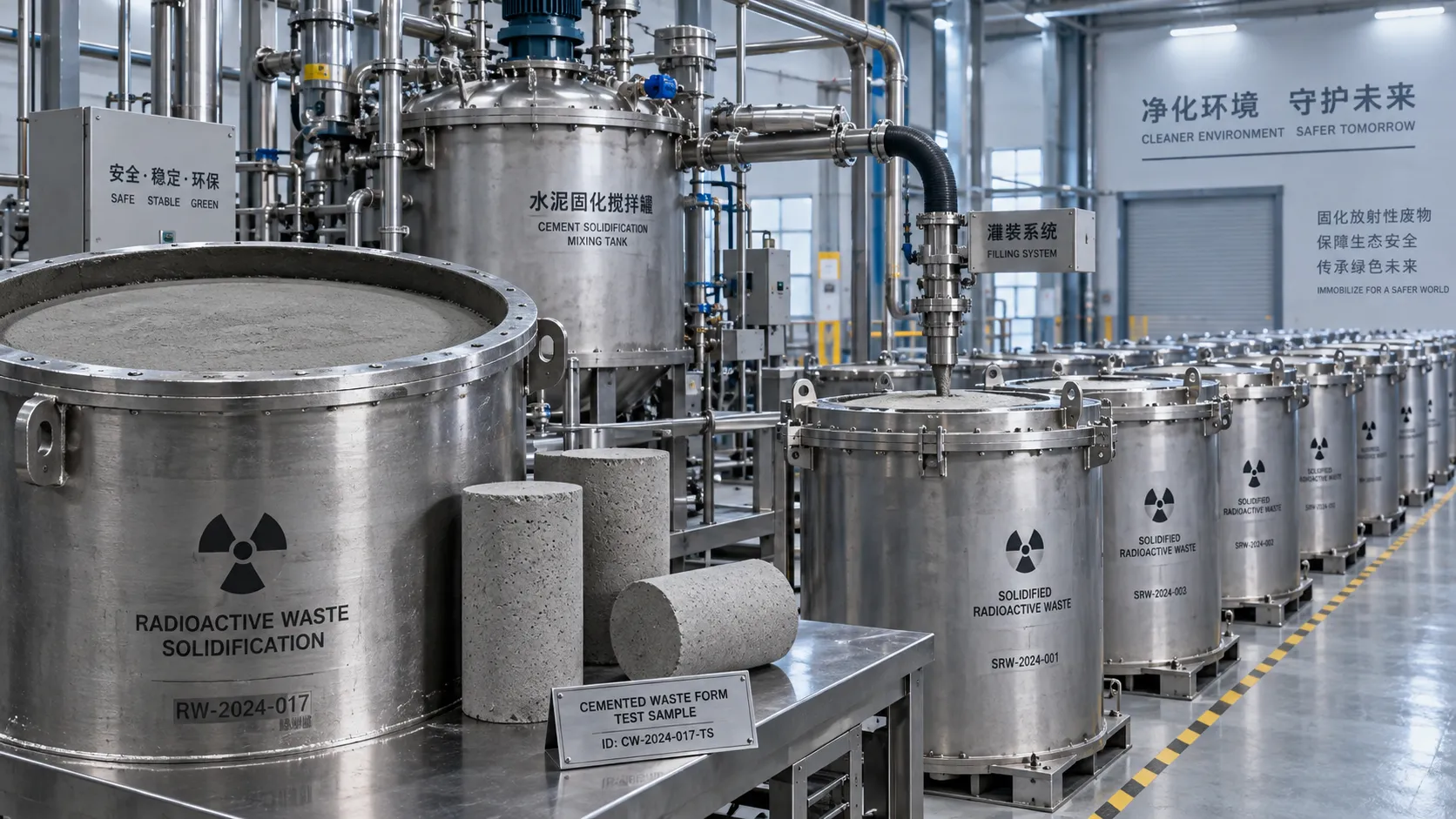
When is cementation suitable for nuclear decommissioning waste?
Explore nuclear waste treatment technology for decommissioning: learn when cementation fits, which risks to assess, and how disposal criteria guide an effective treatment choice.