
Industry News
Curation by industry experts
Hot Articles
Popular Tags
AI Waste Sorting Performance: What Really Improves Recovery Rates?
AI Waste Sorting Performance: What Really Improves Recovery Rates?
For technical evaluation, AI waste sorting should never be judged by software claims alone.
Recovery rates rise or stall because of system variables across sensing, data, mechanics, and plant operations.
That matters because a strong demo can still fail on a volatile mixed-waste line.
In real projects, the best AI waste sorting results come from disciplined line engineering and measurable control points.
The practical question is simple: which factors consistently improve recovery, purity, and throughput at the same time?
Recovery Rate Starts with Feedstock Stability
The first driver is not the algorithm. It is the material stream entering the line.
AI waste sorting performs best when particle size, moisture, surface contamination, and loading density stay within known ranges.
If the input stream shifts daily, classification confidence also shifts.
This is why upstream conditioning often creates larger gains than model replacement.
- Size control reduces overlap and improves object separation on belts.
- Moisture control lowers false reads for paper, organics, and films.
- Metered loading prevents item stacking that hides target materials.
- Pre-opening bags improves visibility and air-jet targeting.
When evaluating AI waste sorting, ask for recovery data by feedstock condition, not just by material category.
Sensor Fusion Usually Beats Single-Sensor Confidence
High recovery rates rarely come from one sensor doing everything.
Near-infrared, visible imaging, hyperspectral tools, X-ray, and metal detection each solve different parts of the waste signal.
Sensor fusion improves AI waste sorting because mixed waste contains ambiguous surfaces and overlapping signatures.
A dark plastic tray, wet fiber, and multilayer packaging can confuse single-source detection.
Fused data gives the model more context before the ejection window closes.
What to verify in sensor design
- Detection accuracy for black plastics, flexible films, and composite packaging.
- Performance under dust, vibration, and reflected glare.
- Latency from detection to actuation.
- Calibration drift across long operating cycles.
A technically strong AI waste sorting platform is really a sensing-and-control platform with AI on top.
Training Data Quality Has More Impact Than Model Hype
This is where many procurement decisions go off track.
A sophisticated architecture cannot rescue weak labels, biased samples, or missing contamination states.
For AI waste sorting, the best training sets reflect actual operating disorder, not curated laboratory neatness.
That includes damaged packaging, soiled containers, deformed metal, wet cardboard, labels, shadows, and partial occlusion.
More importantly, the data must match the regional waste profile.
A model trained on one city’s packaging mix may underperform in another market with different resin formats and collection habits.
Useful evaluation questions
- How often is the dataset refreshed with plant-specific material?
- Are labels linked to actual bale audit results?
- Does the model learn from misses and near-misses?
- Can the system separate confidence thresholds by commodity value?
In short, reliable AI waste sorting depends less on branding and more on disciplined data governance.
Mechanical Integration Decides Whether Detected Value Gets Recovered
Detection alone does not produce recovery. The object must still be physically separated.
This is the point where many AI waste sorting projects lose value.
Poor belt speed matching, unstable trajectories, weak air nozzles, and crowded ejection zones turn good predictions into missed picks.
From a technical standpoint, recovery rate is a whole-line KPI.
The model, conveyor, sensor head, nozzle bank, and downstream bunker must act as one timed system.
Mechanical factors that materially improve performance
- Consistent singulation before scanning.
- Stable belt speed with low vibration.
- Fast valve response and precise air targeting.
- Proper spacing between detection point and ejection point.
- Routine cleaning to prevent nozzle and lens fouling.
If a vendor reports high AI waste sorting accuracy, validate the realized capture rate after mechanical losses.
Closed-Loop Feedback Improves Recovery Faster Than Static Settings
The strongest systems do not stay fixed after commissioning.
They learn from quality audits, residue analysis, downtime logs, and changing commodity prices.
That is where AI waste sorting becomes commercially useful rather than technically interesting.
For example, a plant may lower purity tolerance on a low-value fraction but tighten recovery on PET during favorable pricing.
The key is feedback speed and traceability.
If plant teams cannot connect line settings to bale outcomes, optimization becomes guesswork.
Look for these feedback features
- Material-specific dashboards for recovery, purity, and miss rate.
- Shift-level comparison across operators and feedstock batches.
- Audit trails for threshold changes and retraining events.
- Integration with MES, SCADA, or plant quality systems.
In practice, closed-loop control is one of the clearest indicators of mature AI waste sorting performance.
Operational Discipline Still Matters More Than Marketing Suggests
A common mistake is treating AI waste sorting as a labor replacement story only.
In reality, skilled operation remains central to recovery improvement.
Operators manage contamination events, abnormal loads, maintenance timing, and setpoint changes that algorithms cannot contextualize alone.
More noticeably, plants with clear SOPs often outperform sites using stronger software but weaker process discipline.
That also means performance guarantees should include training depth, service response, and calibration routines.
- Define acceptable contamination by fraction.
- Schedule cleaning by dust load, not just by calendar.
- Review recovery losses by root cause each shift.
- Trigger retraining when packaging formats materially change.
Well-run AI waste sorting lines are operational systems first, digital systems second.
How to Evaluate AI Waste Sorting Against Technical Standards
A sound evaluation framework separates classification performance from plant-level recovery performance.
Both matter, but they are not interchangeable.
For AI waste sorting, technical reviews should compare at least five dimensions.
- Detection accuracy under real contamination and real throughput.
- Recovery rate by material fraction and particle class.
- Purity of recovered output after downstream handling.
- Availability, maintenance burden, and calibration stability.
- Adaptability to local waste composition and compliance needs.
This approach helps avoid a frequent issue.
Some systems show excellent recognition metrics while delivering only modest resource recovery gains.
The difference usually sits in line integration, stream stability, and operational follow-through.
What Actually Moves the Recovery Curve
The strongest gains in AI waste sorting do not come from one breakthrough feature.
They come from stacked improvements across feedstock preparation, sensor fusion, training data, mechanics, and closed-loop control.
That is the practical lesson behind most successful high-recovery installations.
If one area is weak, the whole AI waste sorting line underdelivers.
If each area is measured and tuned, recovery improvements become repeatable and defensible.
So the right decision is not to ask whether AI waste sorting works in theory.
It is to ask which operational and technical conditions allow it to work reliably at scale.
That question leads to better recovery, better asset use, and stronger long-term compliance performance.
Recommended News
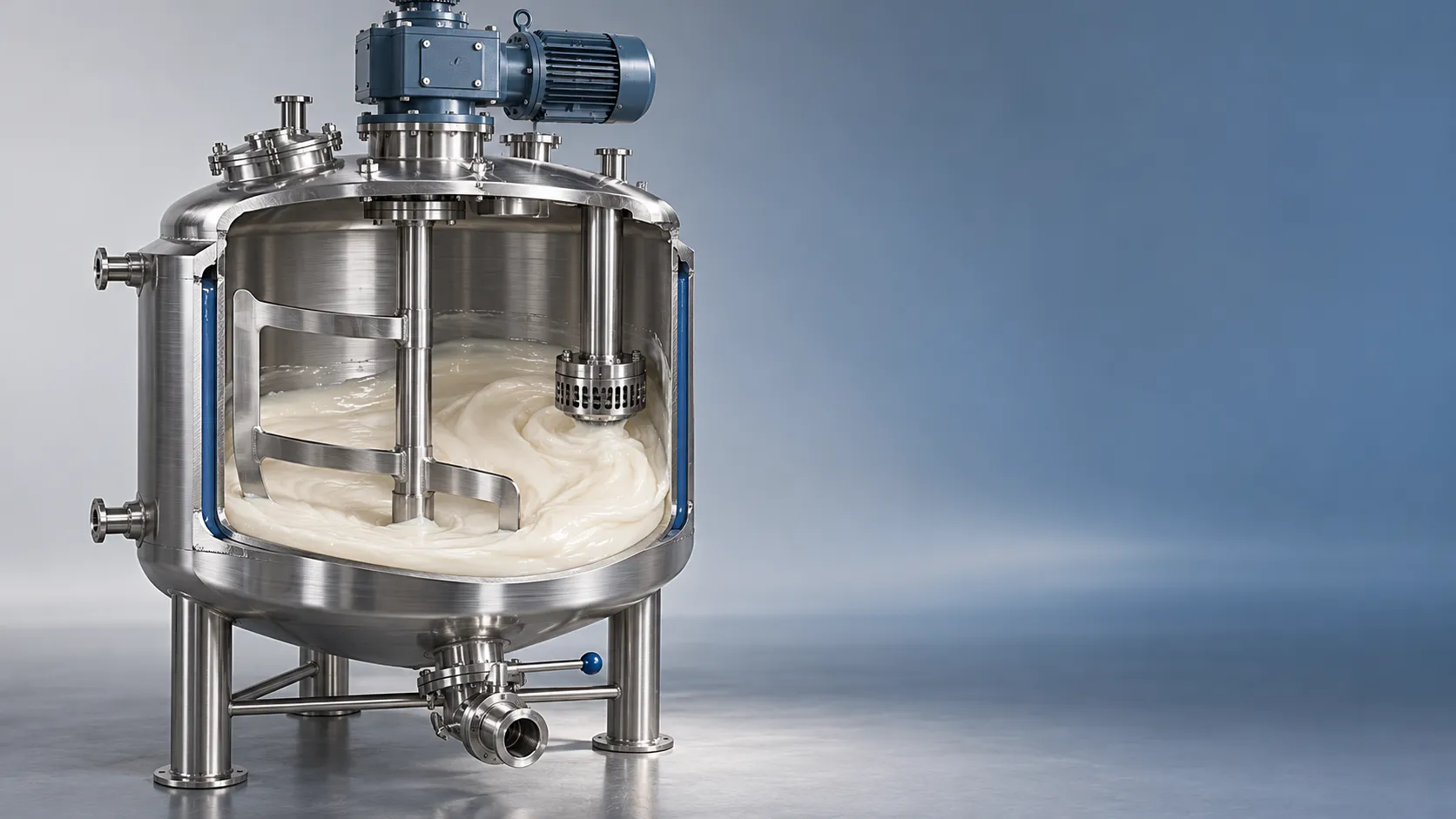
How to size ingredient mixing equipment for viscous formulations
Size mixing ingredient processing equipment for viscous formulations with expert guidance on rheology, torque, and heat removal. Learn how to select a system that delivers reliable batch performance.
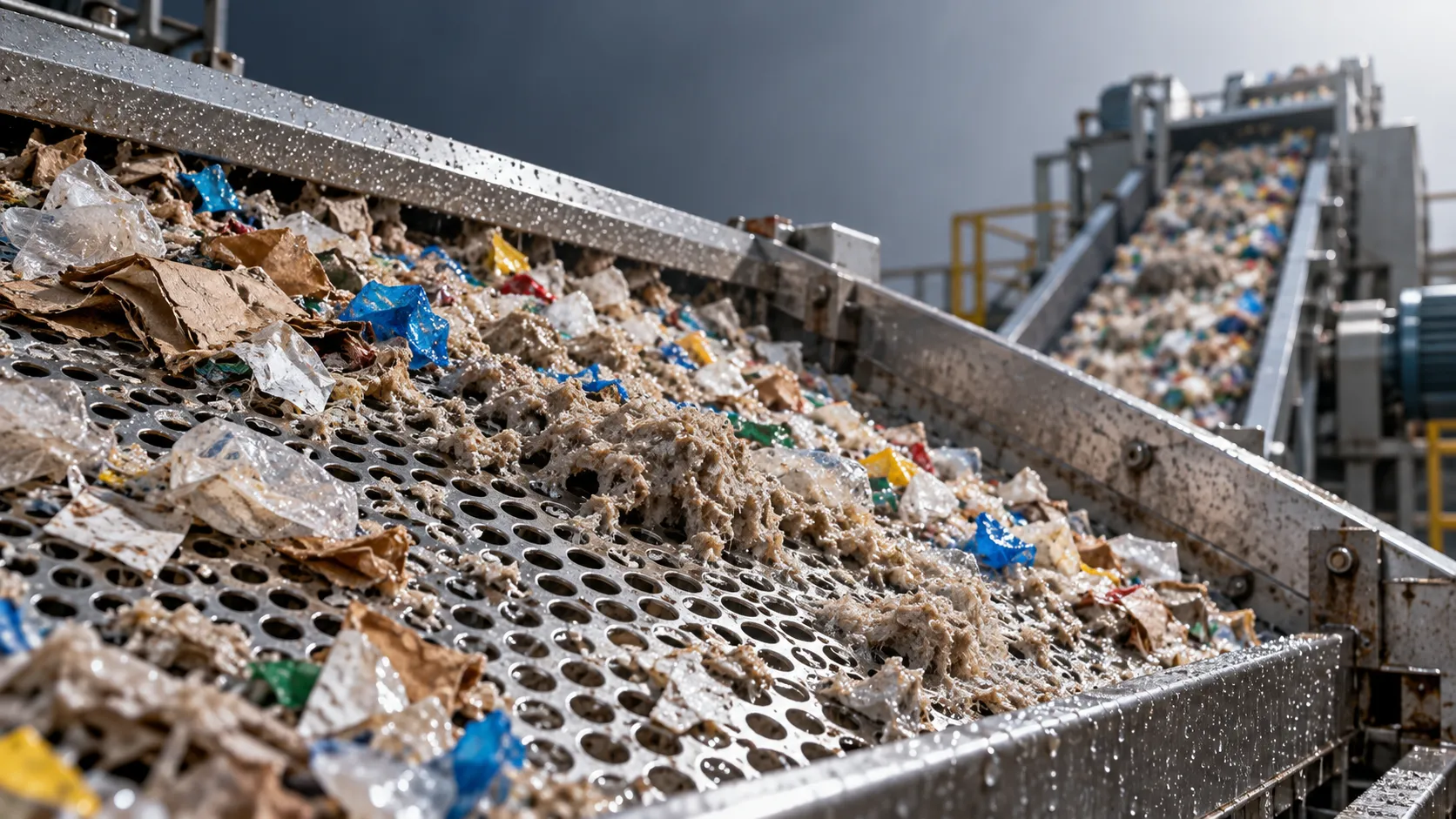
How moisture affects material separation in solid waste recovery
Improve solid waste recovery material separation by understanding moisture effects on screening and sorting. Discover practical ways to boost recovery, purity, and throughput.
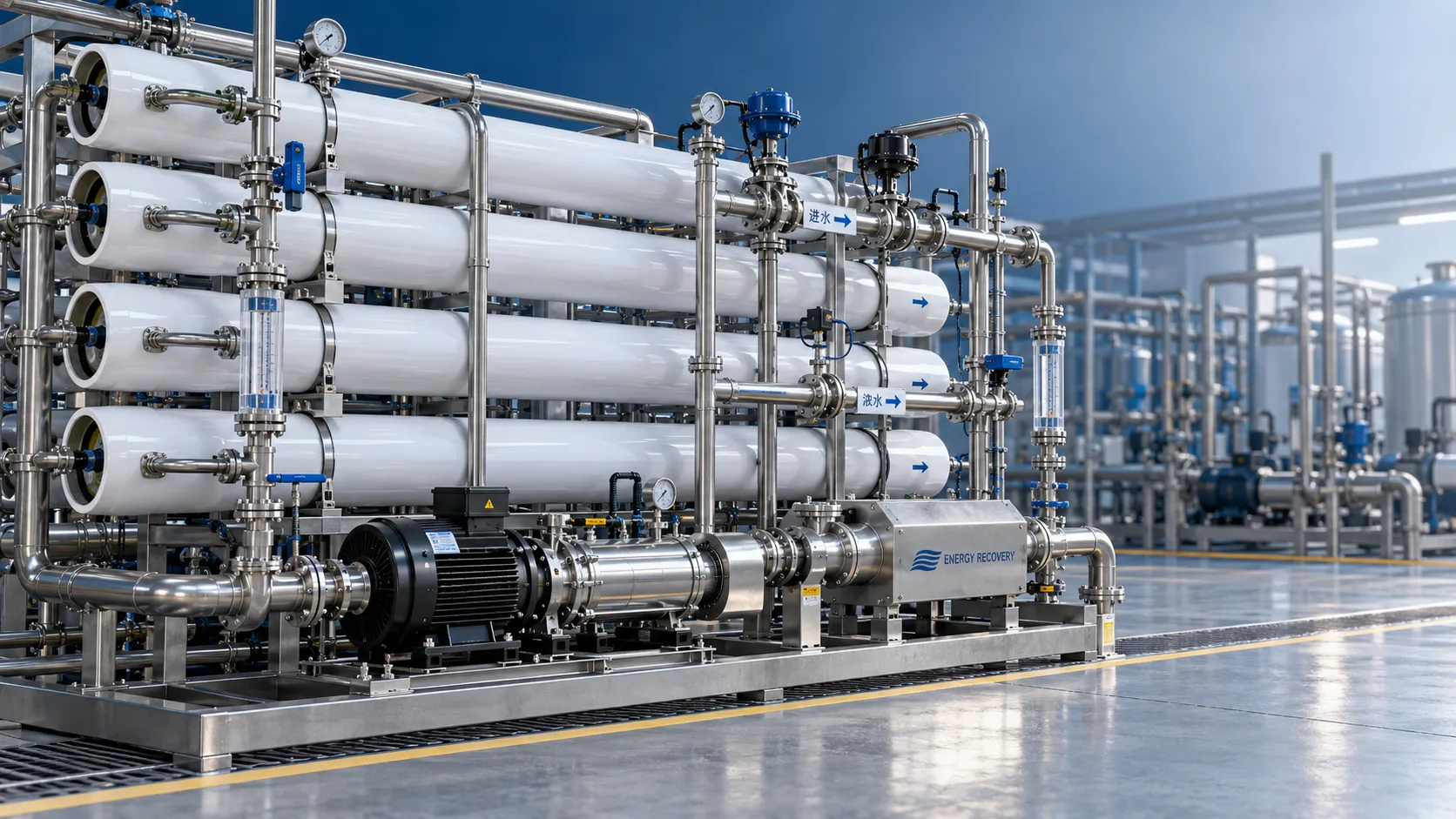
How to set recovery rates in seawater reverse osmosis system design
Explore seawater desalination systems engineering: learn to set SWRO recovery rates that balance energy, scaling risks, and water quality for reliable, cost-effective operation.
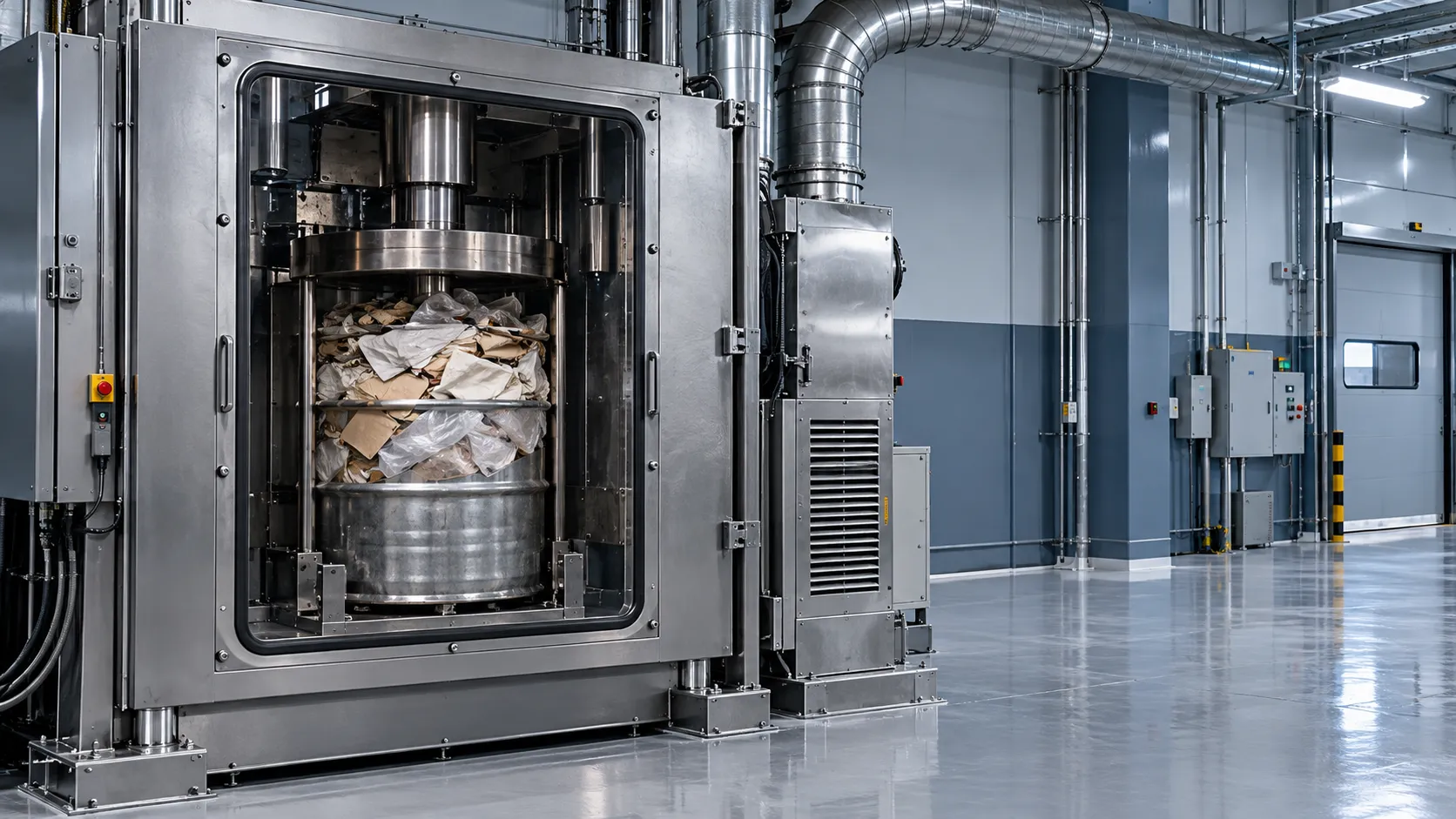
When is compaction suitable for solid nuclear waste treatment?
Is compaction right for solid nuclear waste treatment? Discover suitable waste streams, key safety checks, and disposal requirements to reduce package volume and optimize costs.
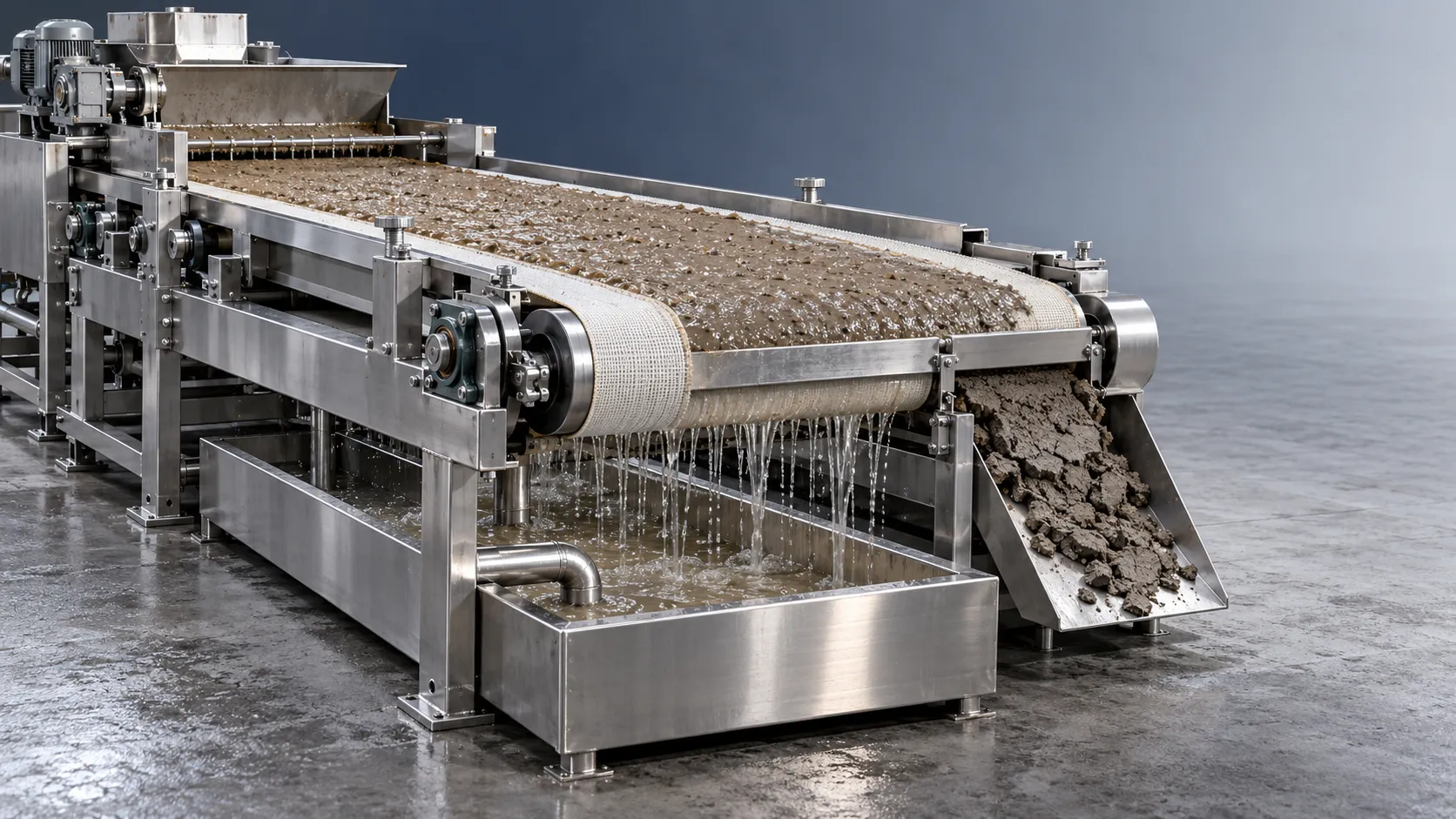
How solids concentration affects dewatering in waste recovery systems
Optimize waste recovery systems dewatering with insights on solids concentration. Learn to balance throughput, cake dryness, and solids capture while avoiding costly equipment overloads.
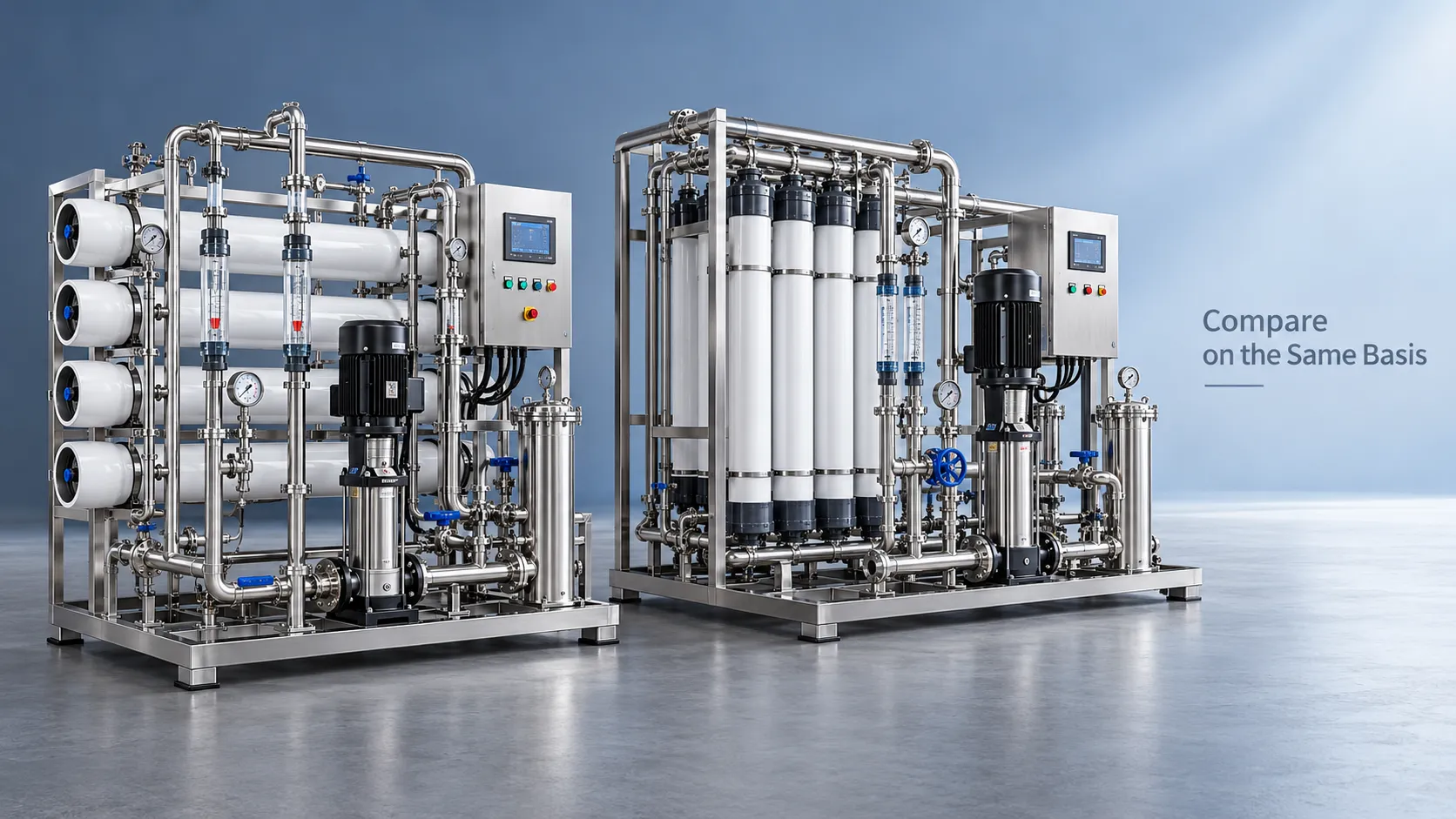
How to compare technical specs in an environmental equipment directory
Use this environmental equipment directory technical guide to compare capacity, energy use, compliance, and supplier evidence. Build a defensible shortlist and choose with confidence.
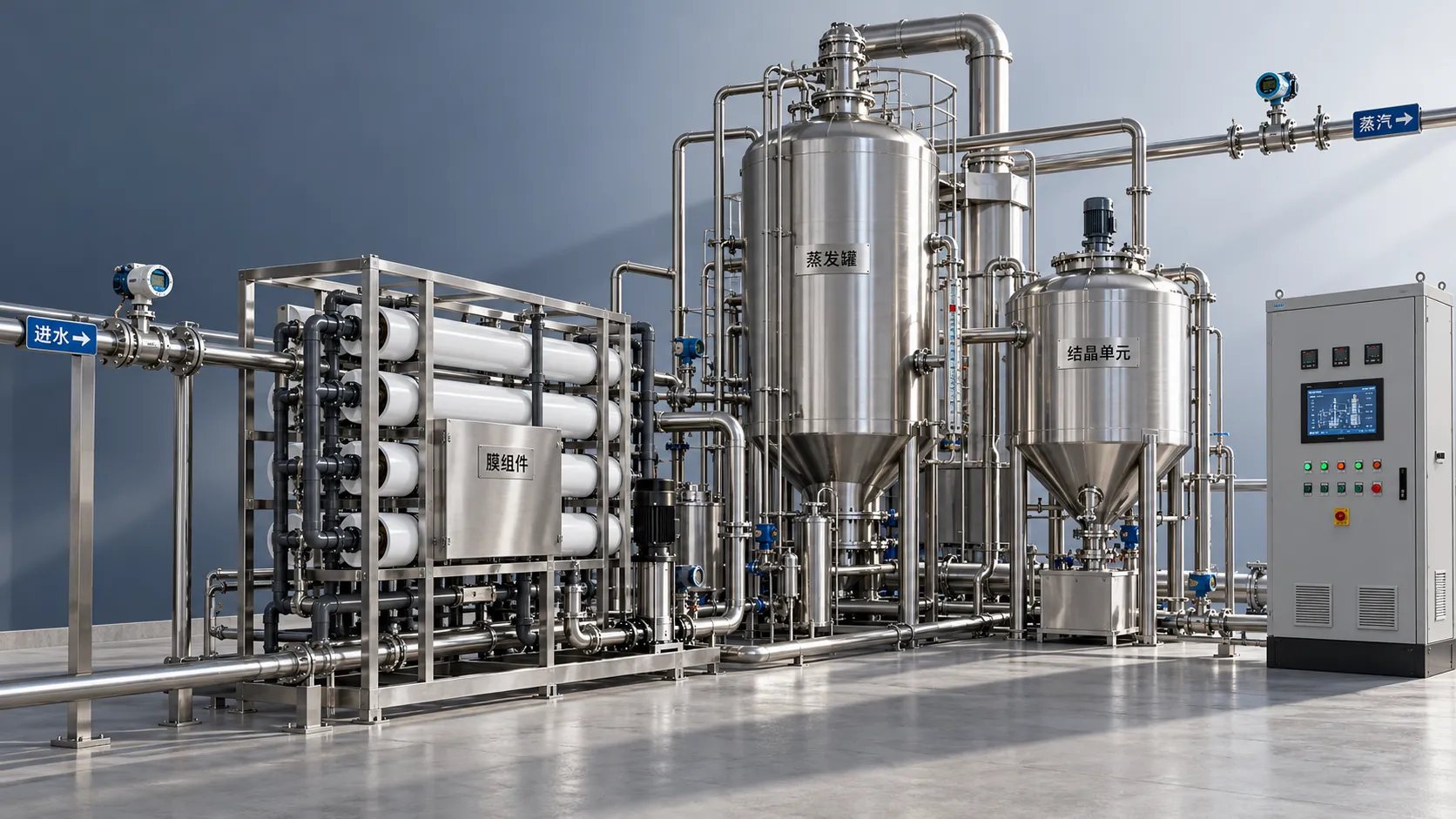
How to assess a zero liquid discharge equipment supplier’s energy claims
Assess a zero liquid discharge equipment supplier’s energy claims. Learn how to verify system boundaries, compare real costs, and demand testable guarantees before you buy.
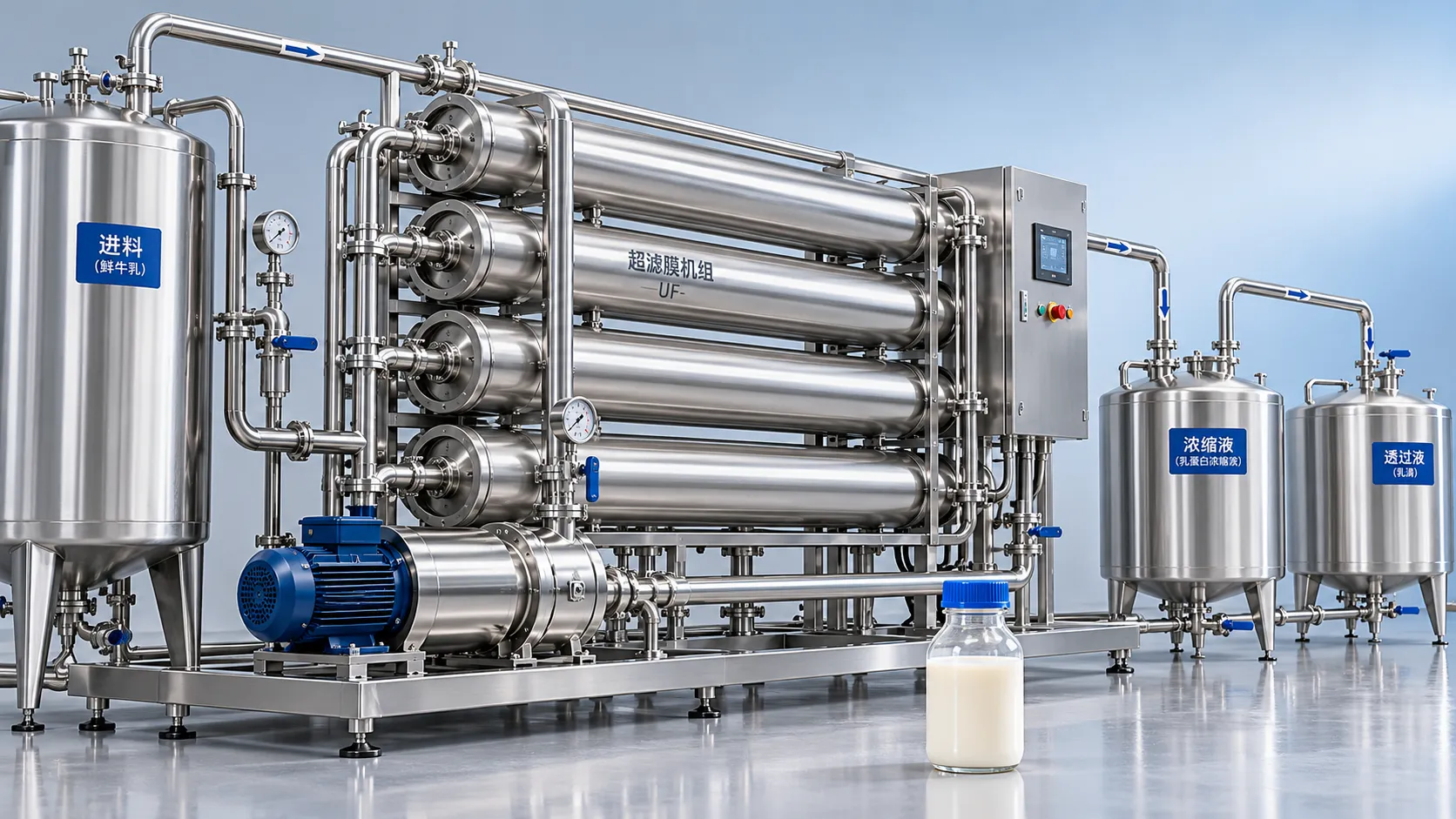
Which membrane filtration process suits dairy protein concentration?
Explore membrane filtration for dairy: compare UF, MF, and RO to select the right process for protein concentration, lactose reduction, and better recovery. Find your best fit.
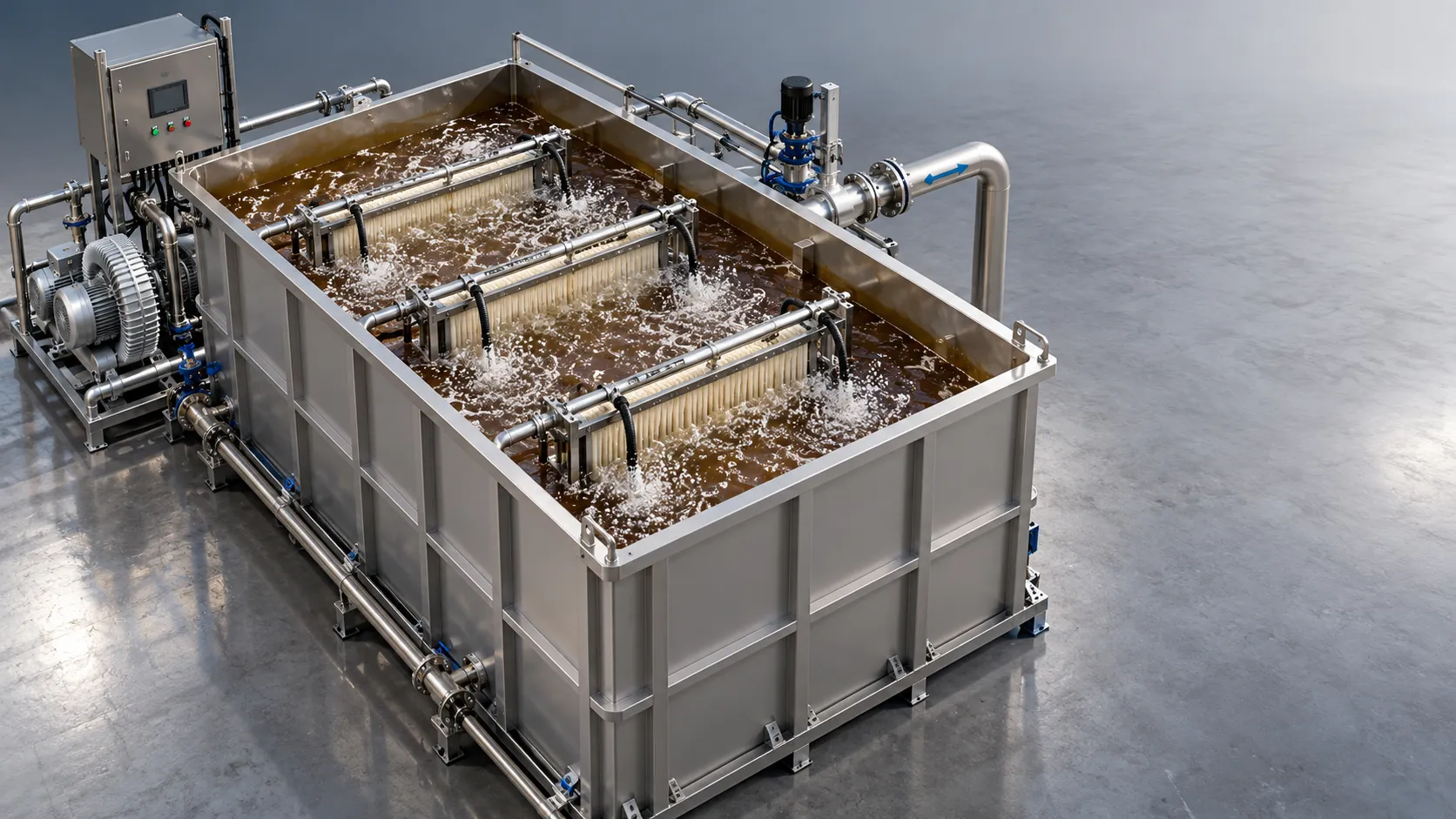
When is an MBR suitable for wastewater purification for bioprocessing?
For wastewater purification for bioprocessing, discover when an MBR fits your needs. Compare water quality, fouling risks, and lifecycle costs before investing.