
Industry News
Curation by industry experts
Hot Articles
Popular Tags
How to Evaluate a Wastewater Treatment Equipment Factory Before You Buy
How to Evaluate a Wastewater Treatment Equipment Factory Before You Buy
Choosing the right wastewater treatment equipment factory is not just about price. It affects reliability, compliance, operating cost, and project delivery from day one.
A weak supplier can create downtime, permit issues, retrofit costs, and long commissioning cycles. A strong one helps protect budget, schedule, and treatment performance.
When reviewing a wastewater treatment equipment factory, the goal is simple. You need proof that the factory can deliver stable equipment for your real water conditions.
That means looking beyond brochures. You need to verify engineering depth, manufacturing discipline, quality systems, after-sales capability, and lifecycle economics.
Start with Process Fit, Not Product Catalogs
Every wastewater treatment equipment factory will claim broad capability. The real test is whether its designs match your influent, discharge targets, and operating variability.
Ask for reference projects with similar wastewater characteristics. Industry similarity matters more than general project count.
For example, high-COD chemical wastewater needs different treatment logic than municipal sewage. Salinity, oil content, heavy metals, shock loading, and sludge behavior all change equipment selection.
A credible wastewater treatment equipment factory should discuss:
- Influent variability and peak load handling
- Pretreatment requirements for membranes or biological systems
- Sludge generation, dewatering, and disposal impact
- Chemical consumption and operator workload
- Expansion options for future capacity changes
If the conversation stays at equipment names only, that is a warning sign. Process understanding should lead the discussion, not standard catalog pages.
Check the Engineering Team Behind the Factory
A wastewater treatment equipment factory is only as strong as its technical team. Fabrication capacity alone does not guarantee treatment performance.
Review whether the supplier has in-house process engineers, mechanical designers, automation specialists, and commissioning personnel. Outsourcing too much creates coordination risk.
Ask practical questions. Who sizes the system? Who confirms pump curves? Who validates membrane flux? Who takes responsibility when field conditions differ from lab assumptions?
Good answers are detailed and traceable. Weak answers tend to stay vague, especially around guarantees and commissioning support.
Documents worth requesting
- Process flow diagrams and P&ID samples
- Equipment datasheets for key units
- Material selection basis for corrosive streams
- Control philosophy and instrumentation list
- Performance guarantee terms and exclusions
Audit Manufacturing Quality in the Wastewater Treatment Equipment Factory
A proper factory audit often reveals more than a proposal package. It shows whether the wastewater treatment equipment factory can build consistently, not just present well.
Look at the workshop layout, traceability practice, welding standards, coating control, component storage, and final inspection routines. Quality usually leaves visible signals.
Pay close attention to materials used in contact with wastewater. Stainless grade, FRP quality, rubber lining, seal brands, and electrical enclosure ratings all matter.
You should also ask how the factory manages subcontracted parts. Many failures happen at the boundary between core equipment and purchased components.
Factory audit checklist
- Incoming inspection records for motors, valves, and instruments
- Welding qualifications and non-destructive testing records
- Surface treatment and coating thickness control
- Pressure, leak, and run testing procedures
- Packing standards for export delivery
- Corrective action process for defects
If a wastewater treatment equipment factory resists audits or limits access too tightly, factor that into your risk assessment.
Verify Compliance, Certification, and Real Delivery History
Compliance is not a box-ticking exercise. It directly affects acceptance, financing, insurance, and long-term operating exposure.
The wastewater treatment equipment factory should provide certifications relevant to your market and equipment scope. These may include ISO systems, CE-related documentation, or pressure vessel approvals.
More important, ask for completed project evidence. Commissioning reports, client acceptance records, and operating data are stronger than polished case studies.
Recent delivery history matters too. A wastewater treatment equipment factory active in current regulations usually responds faster to changing discharge standards and documentation requirements.
Look Beyond Capex to Total Lifecycle Cost
The lowest quote from a wastewater treatment equipment factory can become the most expensive option later. Procurement decisions should consider total cost of ownership.
Compare energy use, chemical dosing, spare parts frequency, membrane replacement cycles, sludge handling cost, and expected operator intervention.
This is especially important in systems using RO, MBR, DAF, evaporation, or advanced oxidation. Small design differences can drive major operating cost gaps.
Ask the wastewater treatment equipment factory to provide assumptions clearly. Influent temperature, fouling rate, power price, and cleaning frequency should be visible in the cost model.
If those assumptions are hidden, the commercial comparison is incomplete.
Key lifecycle cost questions
- What are the guaranteed utility consumption figures?
- Which spare parts are critical in the first two years?
- How often will shutdown cleaning or maintenance be needed?
- What happens to sludge, brine, or concentrate streams?
- How sensitive is the system to load fluctuations?
Assess Service, Spare Parts, and Commissioning Strength
A wastewater treatment equipment factory should support the full project cycle, not stop at shipment. Startup quality often determines whether the plant meets design intent.
Review response times, local service coverage, remote diagnostics ability, spare parts planning, and operator training scope. These factors become critical during early operation.
It also helps to know who owns the problem during commissioning. Is it the factory, the integrator, the installer, or a third-party service team?
Strong suppliers define this clearly in advance. That reduces delays when performance tuning or troubleshooting begins.
Spot the Common Red Flags Early
Some warning signs appear long before contract award. Catching them early can save months of rework.
- Quotes arrive fast, but technical clarifications stay incomplete
- Performance guarantees are broad, then narrowed in footnotes
- Reference clients cannot be contacted directly
- The wastewater treatment equipment factory changes key brands without notice
- Lead times look unusually short for the stated scope
- After-sales staffing is weak compared with sales staffing
None of these points alone proves failure. Together, they usually indicate elevated execution risk.
Build a Practical Evaluation Framework
A structured scorecard keeps the decision grounded. It also helps internal stakeholders compare suppliers using the same logic.
For each wastewater treatment equipment factory, score five areas: process fit, engineering depth, manufacturing quality, lifecycle cost, and service support.
Weight the categories based on project risk. For complex industrial wastewater, technical fit should usually carry more weight than purchase price.
In practice, the best wastewater treatment equipment factory is not always the biggest or cheapest. It is the one that can prove repeatable performance under your actual operating conditions.
Before issuing a final order, complete three steps. Review technical exclusions, visit the factory, and speak with at least two recent reference users.
That approach creates a cleaner buying decision. It also improves the odds that your wastewater treatment equipment factory will deliver stable compliance, lower lifecycle cost, and fewer surprises after startup.
Recommended News
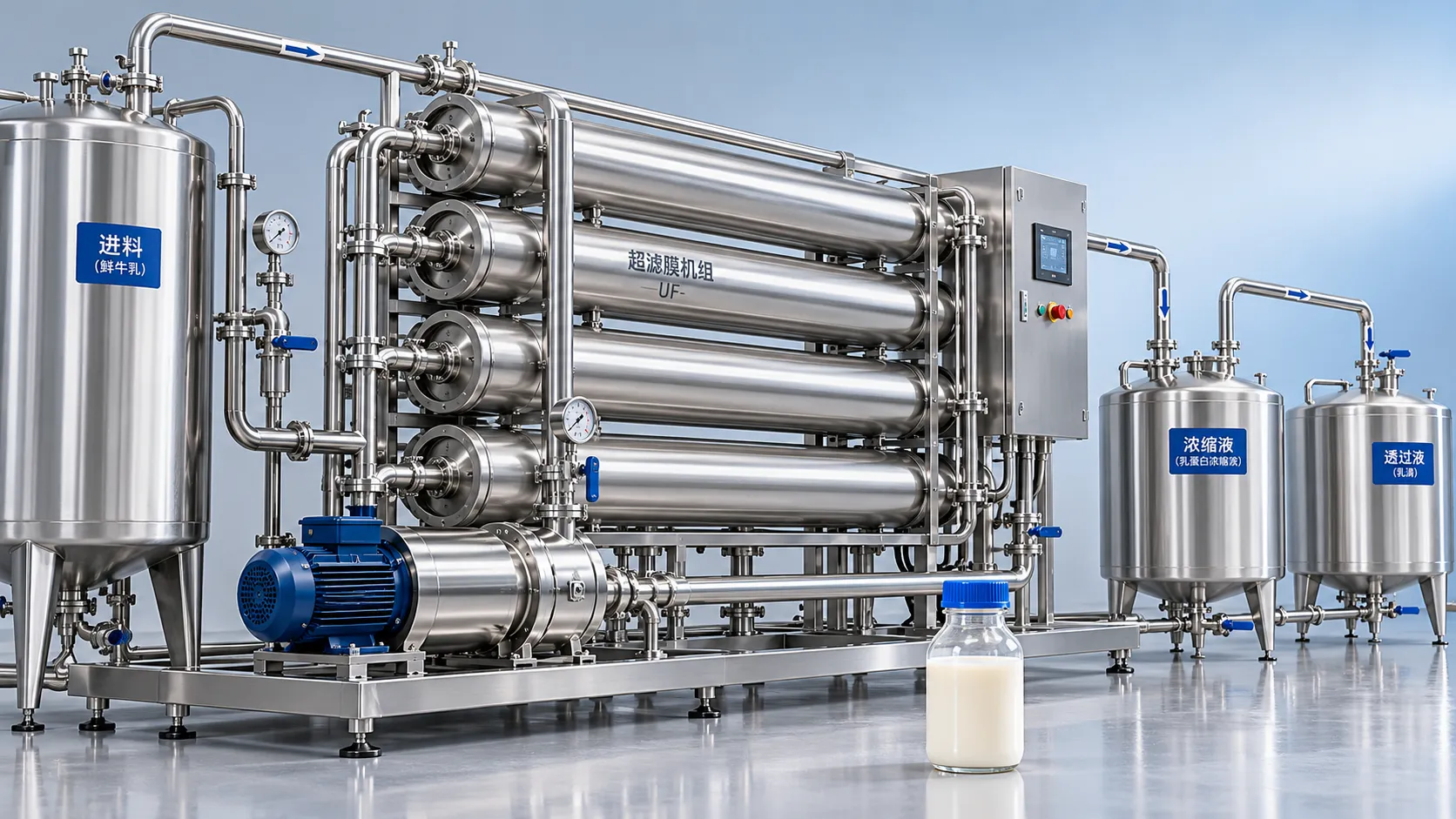
Which membrane filtration process suits dairy protein concentration?
Explore membrane filtration for dairy: compare UF, MF, and RO to select the right process for protein concentration, lactose reduction, and better recovery. Find your best fit.
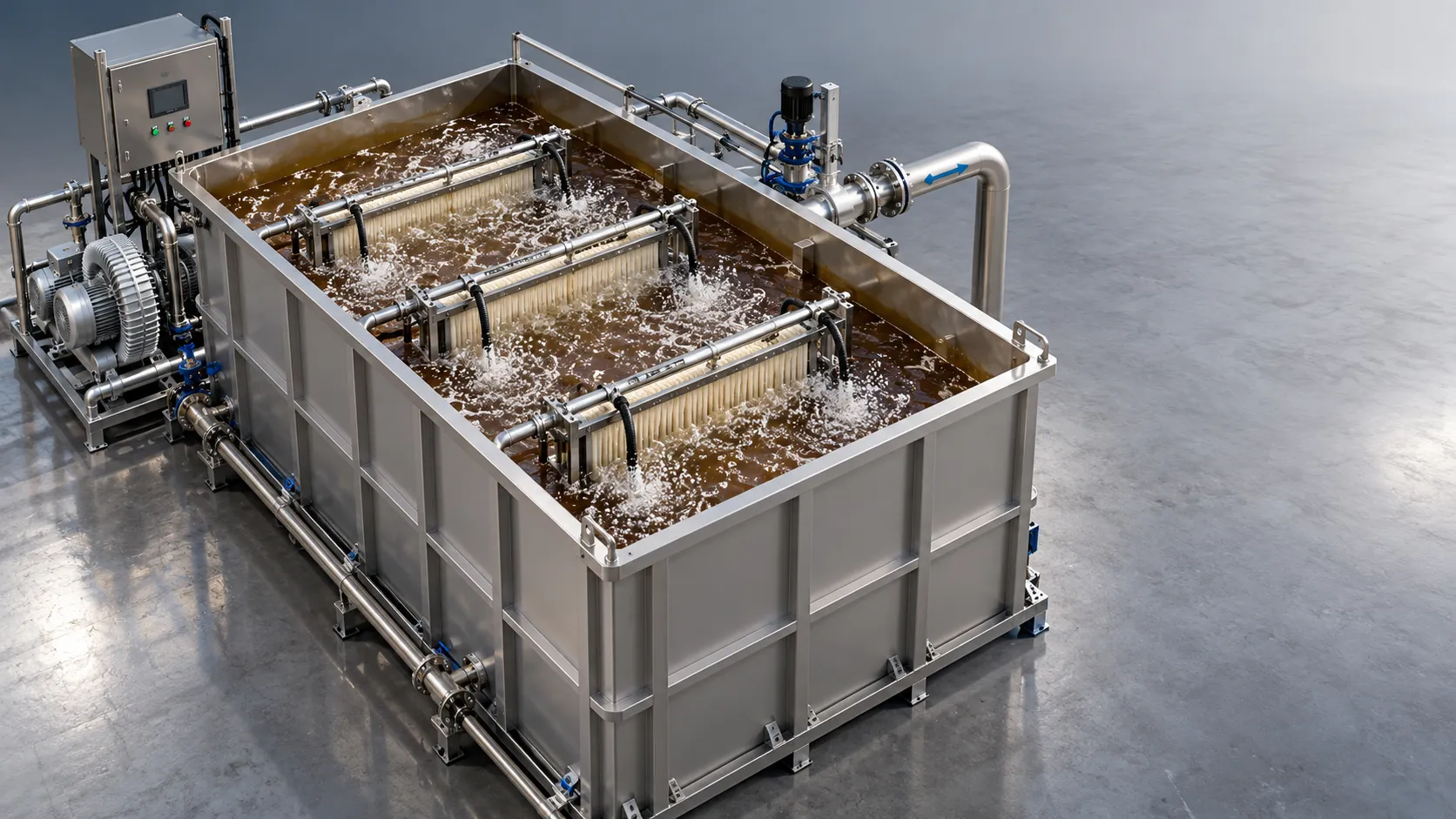
When is an MBR suitable for wastewater purification for bioprocessing?
For wastewater purification for bioprocessing, discover when an MBR fits your needs. Compare water quality, fouling risks, and lifecycle costs before investing.
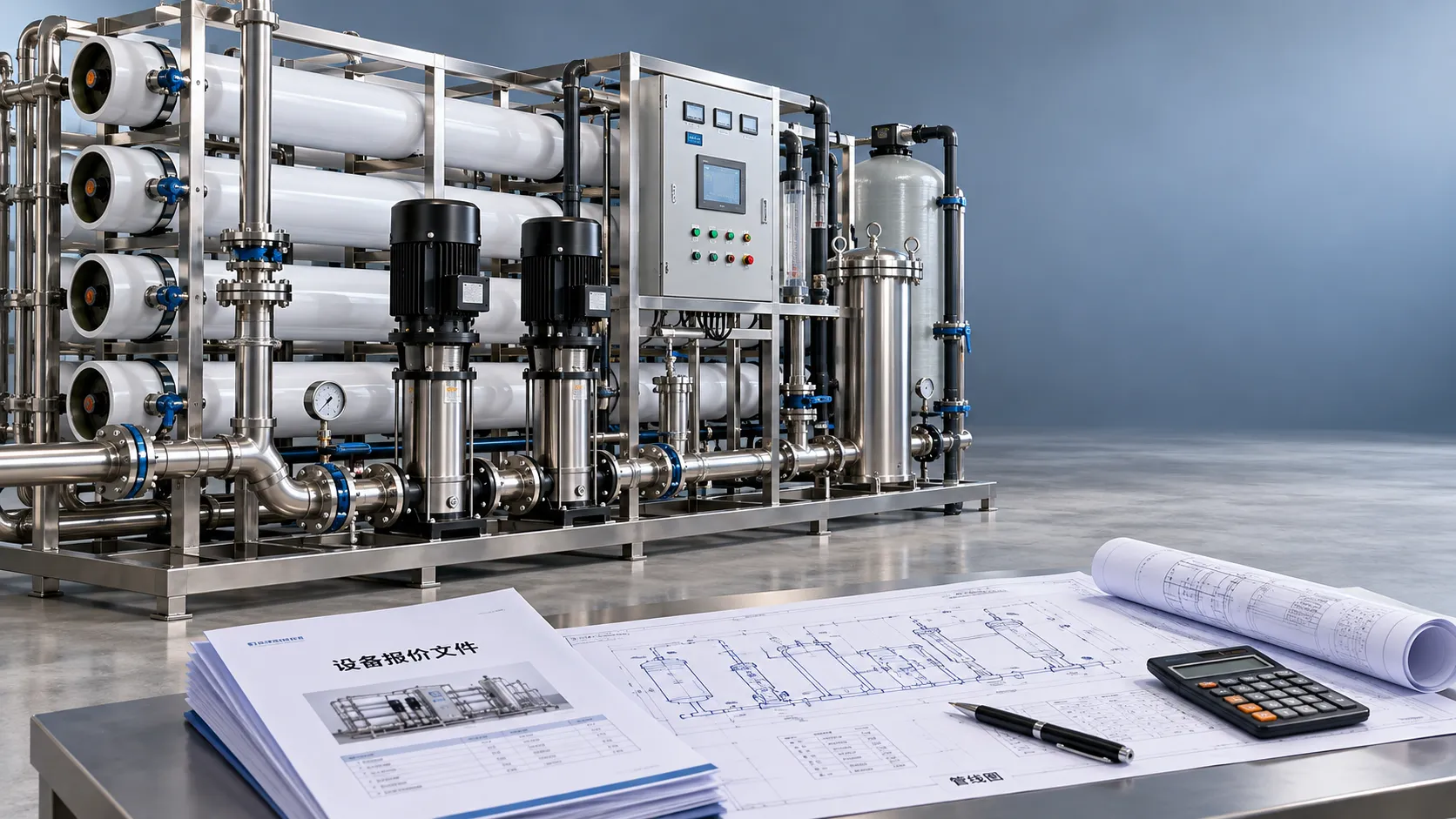
How to check a water treatment quotation for hidden project costs
Review your water treatment quotation for hidden costs, scope gaps, and operating expenses. Learn what to check before signing to protect your budget and avoid costly surprises.
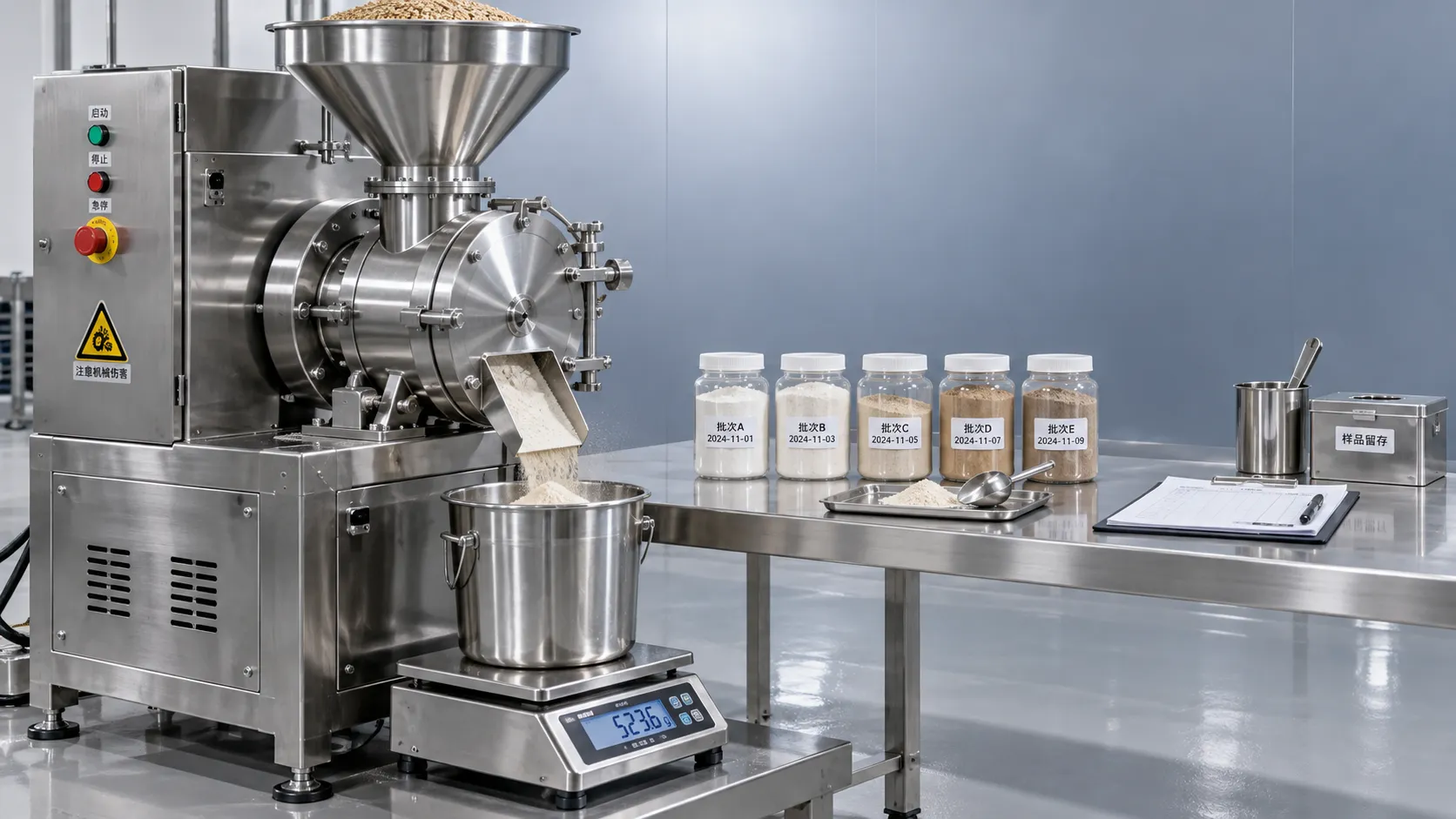
How to vet ingredient processing equipment manufacturers using trials
Vet ingredient processing equipment manufacturers with real-world trials. Learn how to verify yield, cleaning, energy use, and scale-up before you invest.
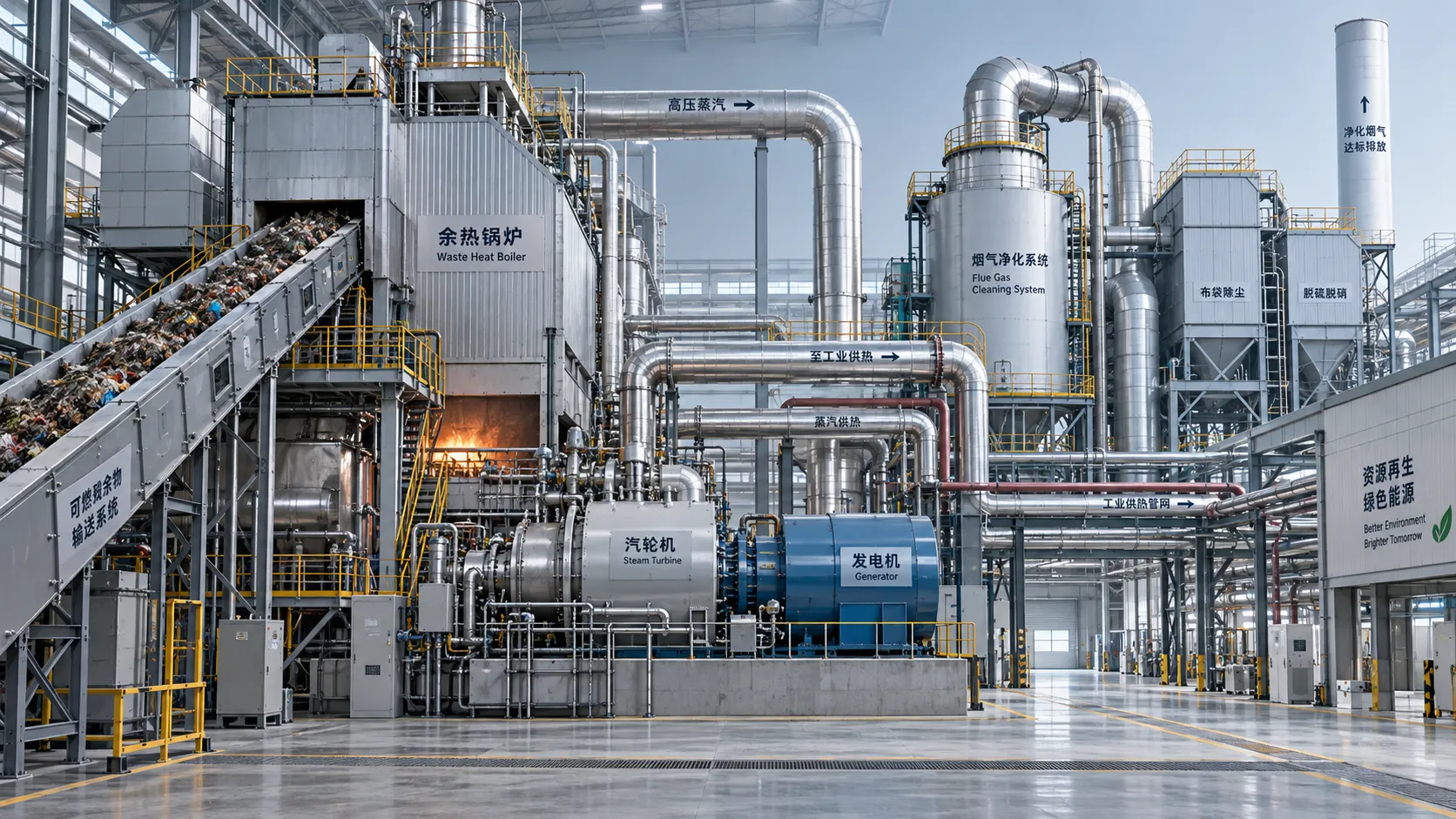
When is energy recovery viable in the solid waste recovery process?
When is energy recovery viable in the solid waste recovery process? Explore feedstock quality, net energy, emissions, and costs to assess feasibility and make smarter investment decisions.
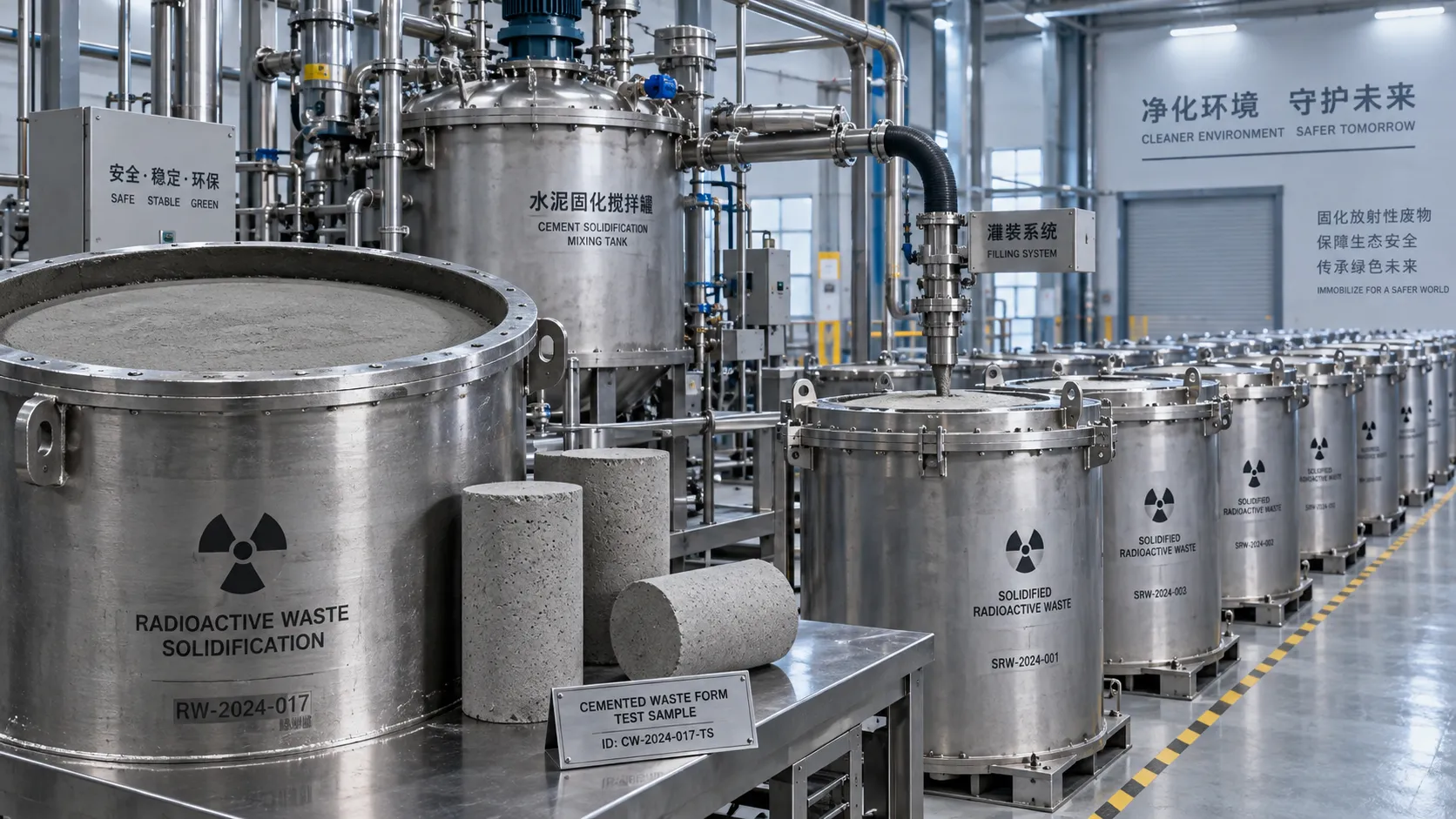
When is cementation suitable for nuclear decommissioning waste?
Explore nuclear waste treatment technology for decommissioning: learn when cementation fits, which risks to assess, and how disposal criteria guide an effective treatment choice.
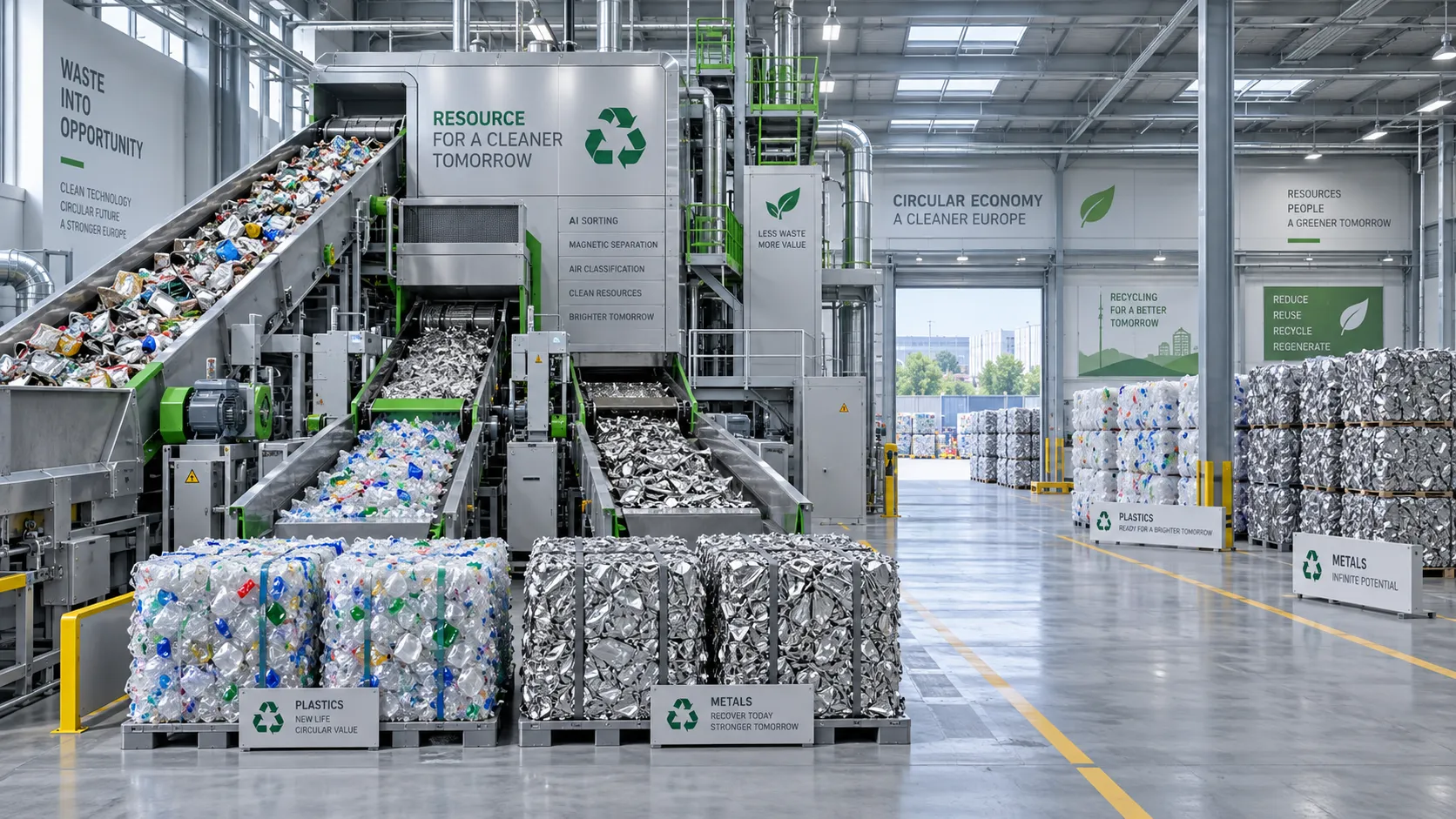
What determines payback for waste-to-resource systems in Europe?
Assess waste-to-resource systems Europe-wide: compare feedstock, recovery yields, costs and contracts to uncover payback drivers and make smarter investment decisions.
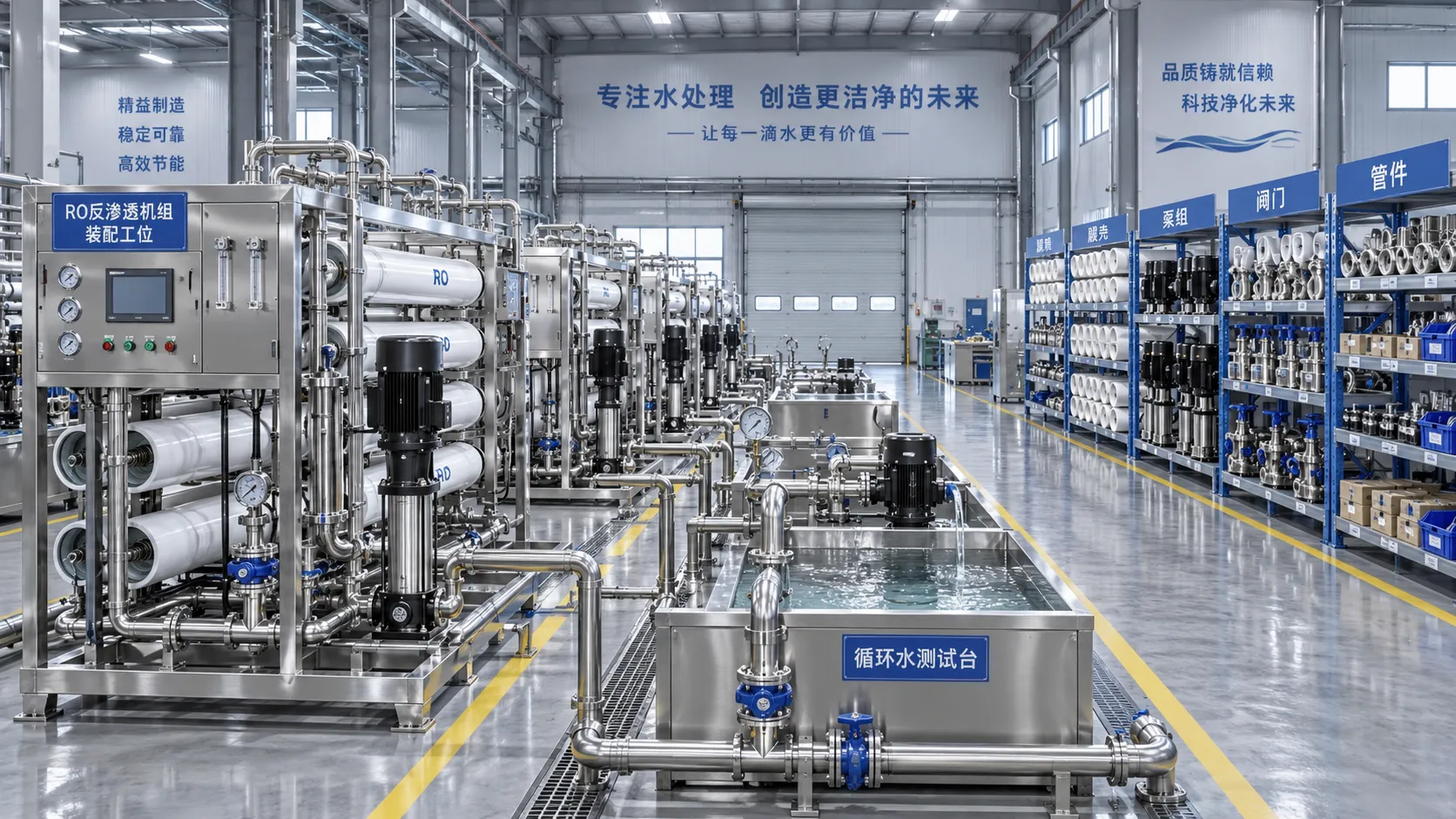
How to verify a water treatment system factory’s production capacity
Verify a water treatment systems factory’s production capacity through records, bottlenecks, component availability, and testing. Learn what to check before accepting a delivery promise.
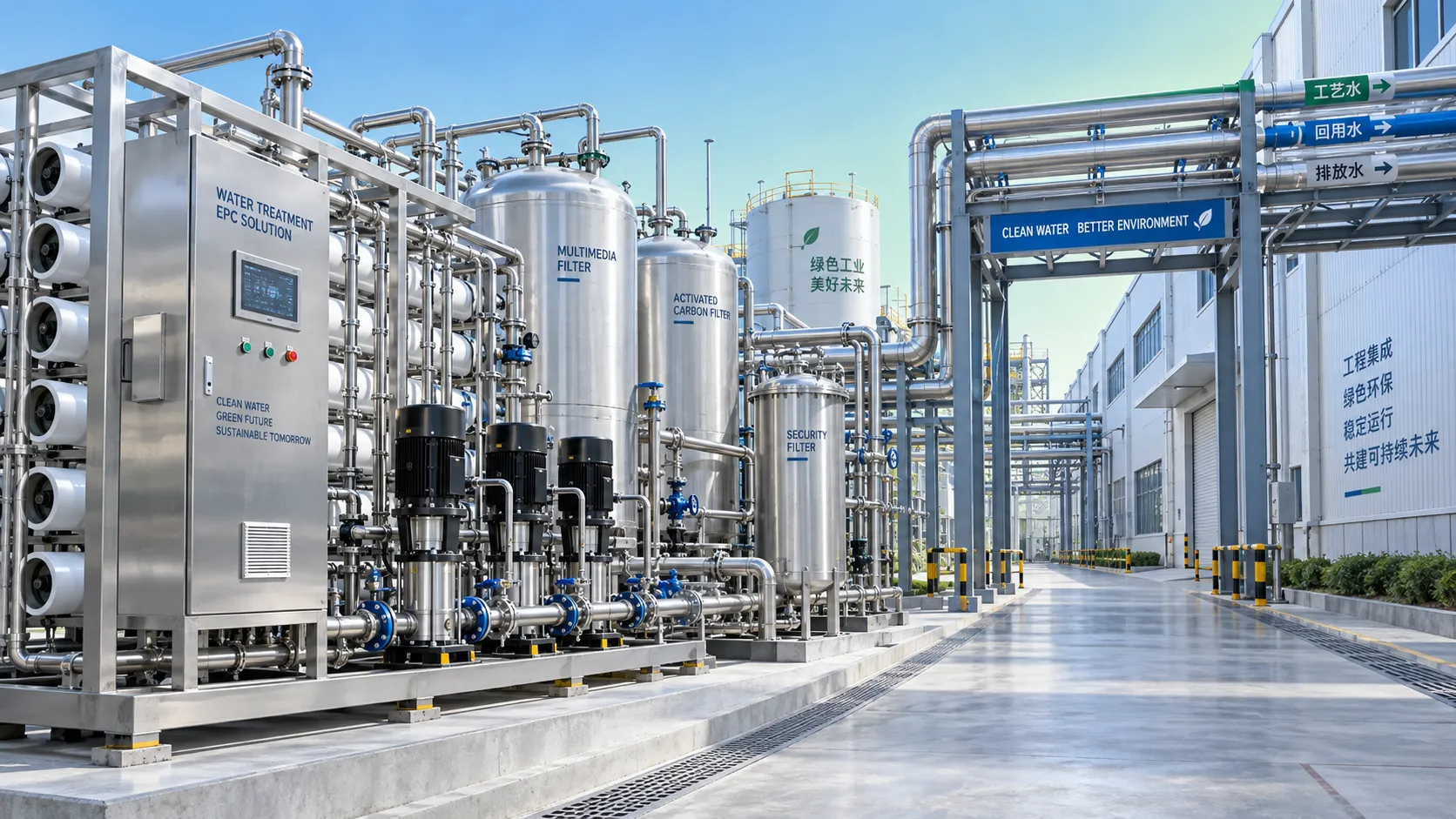
When does EPC environmental project support reduce delivery risk?
EPC environmental project support engineering reduces delivery risk by aligning design, procurement, compliance, construction, and commissioning decisions.